










-
CATEGORY ::
- All Seeds /
- All Flower Seeds /
- All Lupine Seeds




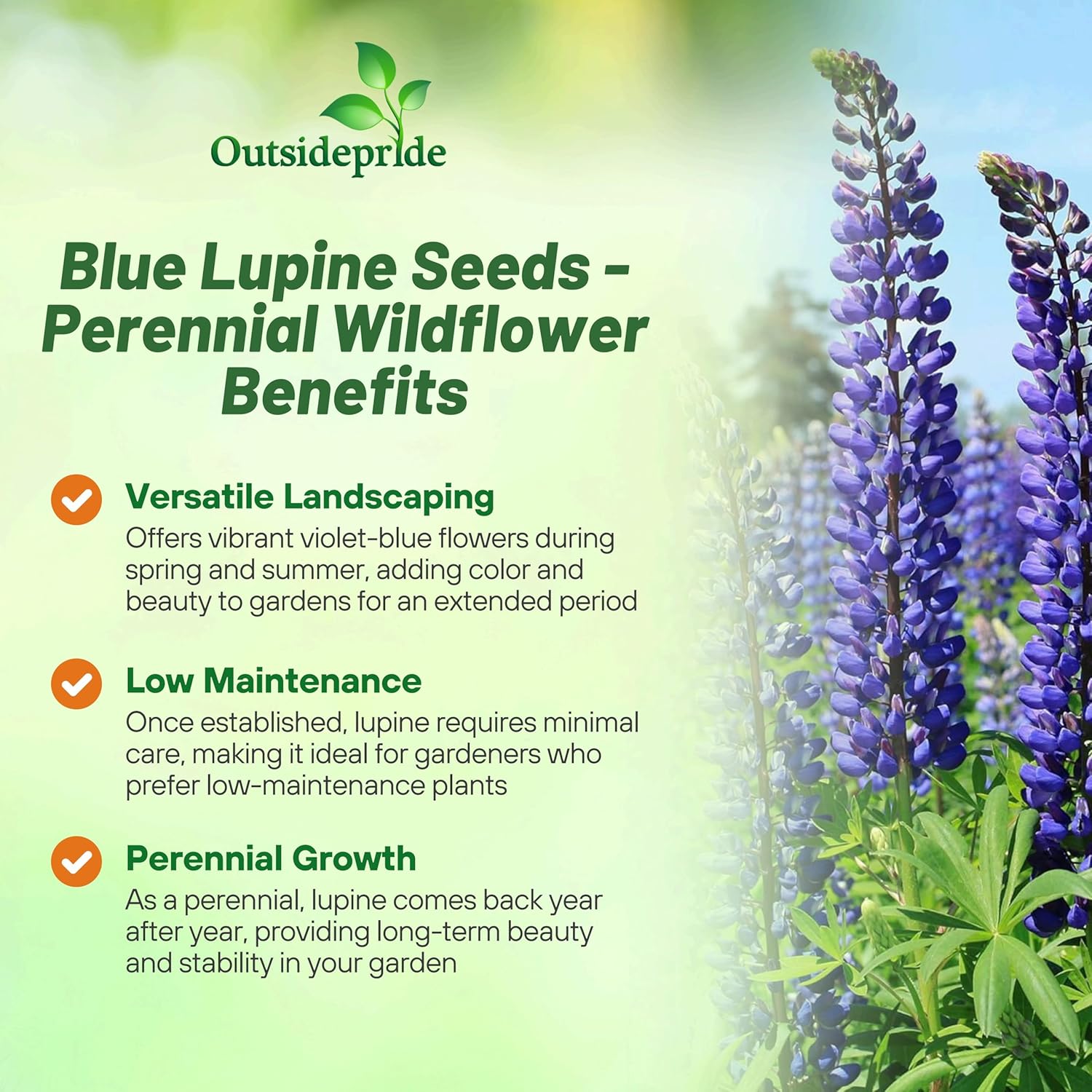


Lupine Seeds - Perennial Wildflower

SEEDS PER POUND
22,680

SEASON
Perennial

USDA ZONES
3 - 9

HEIGHT
36 inches

BLOOM SEASON
Spring through summer

BLOOM COLOR
Violet blue

ENVIRONMENT
Full sun

SOIL TYPE
Well-drained, pH 5.6 - 7.5

DEER RESISTANT
Yes

SEEDS PER POUND
19,200
SEASON
Perennial
USDA ZONES
4 - 8
HEIGHT
36 - 48 inches
BLOOM SEASON
Spring through summer
BLOOM COLOR
Mix
ENVIRONMENT
Full sun to partial shade
SOIL TYPE
Well-drained, pH 5.6 - 7.5
DEER RESISTANT
Yes
SEASON
Perennial
USDA ZONES
4 - 8
HEIGHT
40 inches
BLOOM SEASON
Spring through summer
BLOOM COLOR
Yellow
ENVIRONMENT
Full sun to partial shade
SOIL TYPE
Well-drained, pH 5.6 - 7.5
DEER RESISTANT
Yes
SEASON
Perennial
USDA ZONES
4 - 8
HEIGHT
40 inches
BLOOM SEASON
Spring through summer
BLOOM COLOR
Scarlet
ENVIRONMENT
Full sun to partial shade
SOIL TYPE
Well-drained, pH 5.6 - 7.5
DEER RESISTANT
Yes
SEASON
Perennial
USDA ZONES
4 - 8
HEIGHT
40 inches
BLOOM SEASON
Spring through summer
BLOOM COLOR
White
ENVIRONMENT
Full sun to partial shade
SOIL TYPE
Well-drained, pH 5.6 - 7.5
DEER RESISTANT
Yes
SEASON
Perennial
USDA ZONES
4 - 8
HEIGHT
40 inches
BLOOM SEASON
Spring through summer
BLOOM COLOR
Blue
ENVIRONMENT
Full sun to partial shade
SOIL TYPE
Well-drained, pH 5.6 - 7.5
DEER RESISTANT
Yes
About...
Lupine (Lupinus Perennis) - Bring beauty and interest to a natural setting by sowing Lupine wild flower seeds. These drought tolerant flowers stand up in clusters of spikes with sweet pea-shaped blooms. These well-known perennials are legumes and can add nitrogen to the soil and well as help with water conservation.
MORE LUPINE OPTIONS

Planting Directions

TEMPERATURE
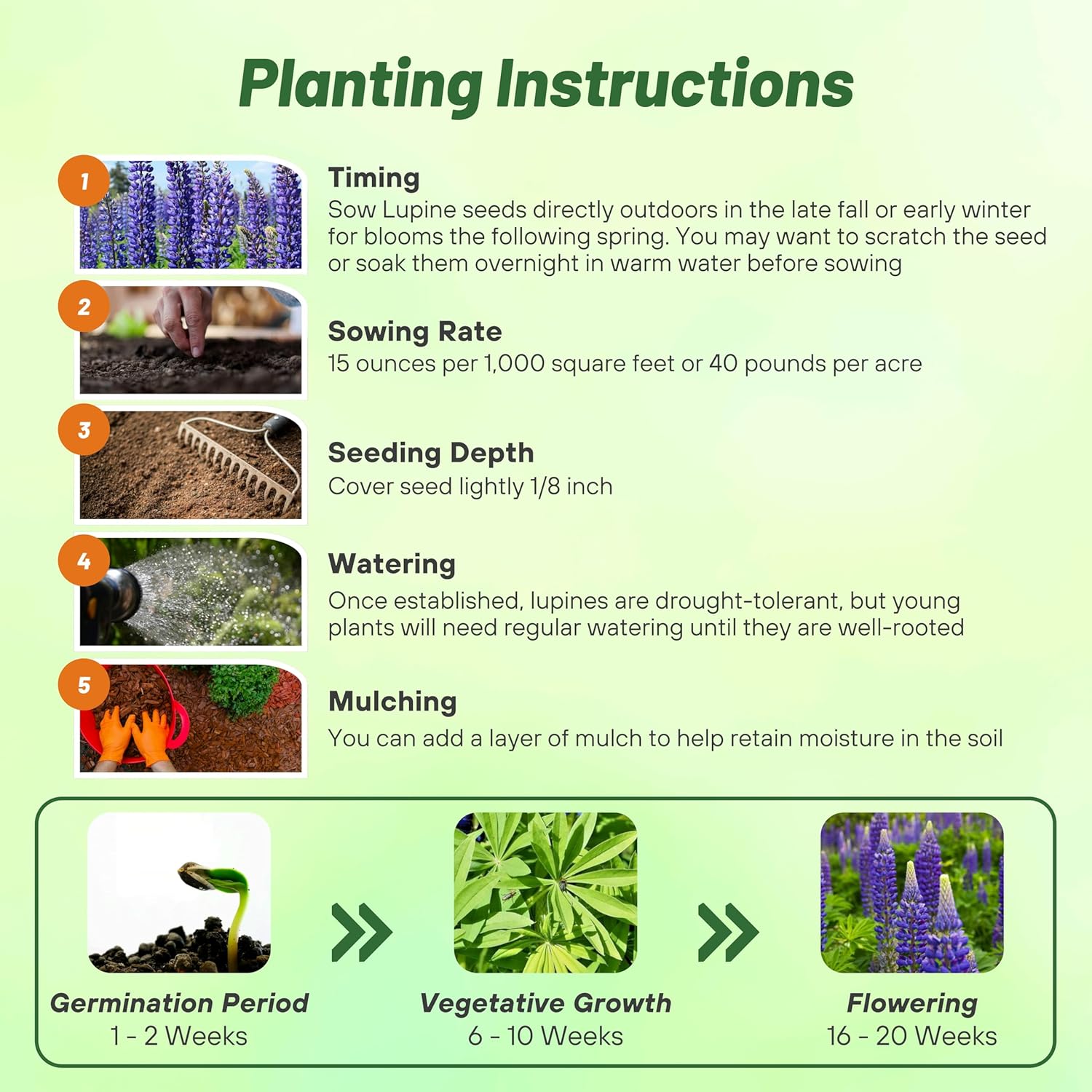
55 - 70F

AVERAGE GERM TIME
14 - 35 days

LIGHT REQUIRED
Yes

DEPTH
1/8 inch

SOWING RATE
15 ounces per 1,000 square feet or 40 pounds per acre

MOISTURE
Keep seed moist until germination

PLANT SPACING
18 inches
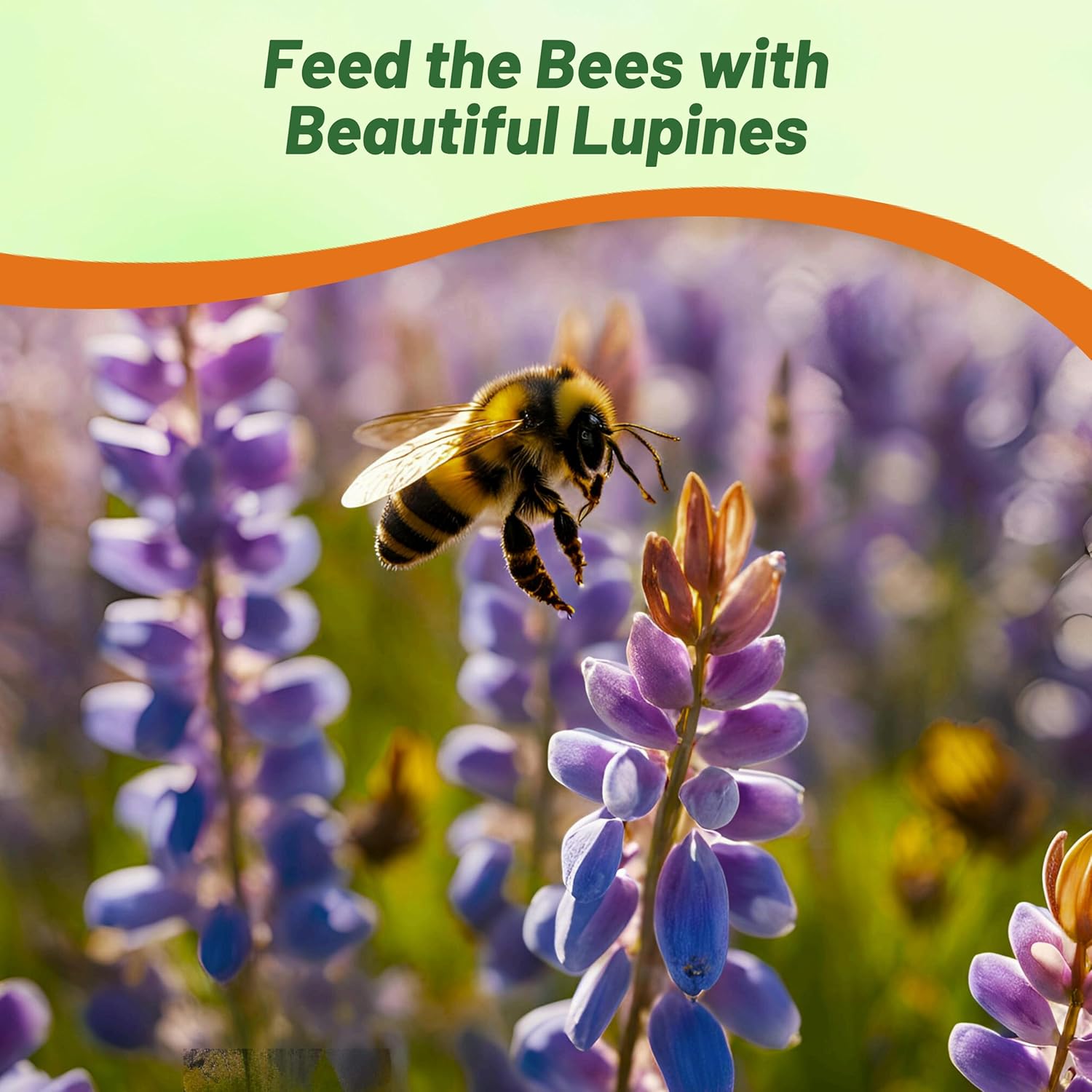
Lupine (Lupinus Perennis) - Bring beauty and interest to a natural setting by sowing Lupine wild flower seeds. These flowers stand up in clusters of spikes with sweet pea-shaped blooms. While this flowering plant is highly prominent in North America, species of Lupine grow throughout the world on nearly every continent. Wild Lupine are deer, heat, and drought resistant and quickly take root and do best in drier soils with high acidity, sand content and drainage. Perennial Lupine has beautiful violet to blue blooms throughout Spring and Summer that attract bees, butterflies, and hummingbirds with their nectar. Lupine is perfect for sowing in xeriscape garden beds or at the front of a meadow.
Common Questions
Do lupines bloom all summer?
Lupines can potentially bloom all summer. To encourage a second flush of bloom cut back the plant by half after the first blooms are spent.
How many years does it take for lupine to bloom?
Lupines planted from seed can take up to two years to bloom.
What are good companion plants for lupines?
Lupines can be planted with other late spring and early summer bloomers that like acidic soil like Shasta daisies, California poppies, allium, monkey flower and columbine.
Will deer eat my lupine?
No, deer do not like lupine.
Are plants toxic for my animals?
Yes, lupine is toxic for dogs. Cats, horses and humans. Wear gloves and wash hands when handling.
Planting Directions
TEMPERATURE
68F
AVERAGE GERM TIME
7 - 14 days
LIGHT REQUIRED
Yes
DEPTH
Seeds must be covered thinly
SOWING RATE
2 - 3 seeds per plant or 14 ounces per 1,000 square feet or 37 pounds per acre
MOISTURE
Keep seed moist until germination
PLANT SPACING
18 - 24 inches


Lupine (Lupinus Polyphyllus Russell Mix) - For a reliable, colorful performance, start Lupine seeds and enjoy! For years, gardeners have been growing these perennials for a great source of vibrant late-spring to early summer color. The Russell lupine plants are vigorous with a spread of 12 - 16 inches wide, creating a bushy mat of bright green foliage beneath the bloom spikes. The mix includes shades of reds, pinks, blues, yellows, and whites in both solids and bi-colors. The flowers will attract attention from butterflies, hummingbirds and your neighbors! The plants prefer cooler climates. Where weather is hotter, provide some afternoon shade. Russell Lupine care is simply deadheading the faded flower spikes. They will self-sow if not trimmed back. Many gardeners soak the seed for 24 hours prior to planting.
Common Questions
Do lupines bloom all summer?
Lupines can potentially bloom all summer. To encourage a second flush of bloom cut back the plant by half after the first blooms are spent.
How many years does it take for lupine to bloom?
Lupines planted from seed can take up to two years to bloom.
What are good companion plants for lupines?
Lupines can be planted with other late spring and early summer bloomers that like acidic soil like Shasta daisies, California poppies, allium, monkey flower and columbine.
Will deer eat my lupine?
No, deer do not like lupine.
Are plants toxic for my animals?
Yes, lupine is toxic for dogs. Cats, horses and humans. Wear gloves and wash hands when handling.
Planting Directions
TEMPERATURE
68F
AVERAGE GERM TIME
7 - 14 days
LIGHT REQUIRED
Yes
DEPTH
Seeds must be covered thinly
SOWING RATE
2 - 3 seeds per plant
MOISTURE
Keep seed moist until germination
PLANT SPACING
18 - 24 inches


Lupine (Lupinus Polyphyllus Chandelier) - Attract bees, butterflies and birds to your garden by sowing Lupine seeds. The Lupine Chandelier is a stately yellow that commands attention, and it loves to bloom! The flowers are sweet pea shaped and form on tall spikes that bloom in late spring and early summer. The leaves are medium green, large, and they are divided into many finger-like leaflets.The plants make a wonderful cottage garden addition, and they are even more eye-catching when planted in large masses. They requiring good drainage but are not fussy about soil. Many gardeners soak the seed for 24 hours prior to planting.
Common Questions
Do lupines bloom all summer?
Lupines can potentially bloom all summer. To encourage a second flush of bloom cut back the plant by half after the first blooms are spent.
How many years does it take for lupine to bloom?
Lupines planted from seed can take up to two years to bloom.
What are good companion plants for lupines?
Lupines can be planted with other late spring and early summer bloomers that like acidic soil like Shasta daisies, California poppies, allium, monkey flower and columbine.
Will deer eat my lupine?
No, deer do not like lupine.
Are plants toxic for my animals?
Yes, lupine is toxic for dogs. Cats, horses and humans. Wear gloves and wash hands when handling.
Planting Directions
TEMPERATURE
68F
AVERAGE GERM TIME
7 - 14 days
LIGHT REQUIRED
Yes
DEPTH
Seeds must be covered thinly
SOWING RATE
2 - 3 seeds per plant
MOISTURE
Keep seed moist until germination
PLANT SPACING
18 - 24 inches


Lupine (Lupinus Polyphyllus My Castle) - What an eye-catching display for your garden! Start Lupine seeds to produce these brilliant, scarlet red flowers. The flowers are sweet-pea like and form on tall spikes. The scarlet is especially complemented by the attractive medium green foliage and the large, multi-fingered leaflets. The plants are clump-forming perennials that are considered to be a type of wildflower. They do especially well in cooler climates. Plant Lupinus My Castle in a mass planting for a breath taking show of color. Many gardeners soak the seed for 24 hours prior to planting.
Common Questions
Do lupines bloom all summer?
Lupines can potentially bloom all summer. To encourage a second flush of bloom cut back the plant by half after the first blooms are spent.
How many years does it take for lupine to bloom?
Lupines planted from seed can take up to two years to bloom.
What are good companion plants for lupines?
Lupines can be planted with other late spring and early summer bloomers that like acidic soil like Shasta daisies, California poppies, allium, monkey flower and columbine.
Will deer eat my lupine?
No, deer do not like lupine.
Are plants toxic for my animals?
Yes, lupine is toxic for dogs. Cats, horses and humans. Wear gloves and wash hands when handling.
Planting Directions
TEMPERATURE
68F
AVERAGE GERM TIME
7 - 14 days
LIGHT REQUIRED
Yes
DEPTH
Seeds must be covered thinly
SOWING RATE
2 - 3 seeds per plant
MOISTURE
Keep seed moist until germination
PLANT SPACING
18 - 24 inches


Lupine (Lupinus Polyphyllus Noble Maiden) - Bring the butterflies and hummingbirds to your garden with these tall, stately white flowers. These perennials can be established from Lupine seeds, and they are particularly suited for a cottage garden setting. Noble Maiden Lupine is a perennial with medium green leaves, large and palmate, with lance-shaped leaflets. The plants are clumping, bushy and can reach 40 inches in height. This variety is grown for its brilliant display of creamy white sweet pea-shaped flowers on tall spikes. It blooms in late spring and early summer. Many gardeners soak the seed for 24 hours prior to planting.
Common Questions
Do lupines bloom all summer?
Lupines can potentially bloom all summer. To encourage a second flush of bloom cut back the plant by half after the first blooms are spent.
How many years does it take for lupine to bloom?
Lupines planted from seed can take up to two years to bloom.
What are good companion plants for lupines?
Lupines can be planted with other late spring and early summer bloomers that like acidic soil like Shasta daisies, California poppies, allium, monkey flower and columbine.
Will deer eat my lupine?
No, deer do not like lupine.
Are plants toxic for my animals?
Yes, lupine is toxic for dogs. Cats, horses and humans. Wear gloves and wash hands when handling.
Planting Directions
TEMPERATURE
68F
AVERAGE GERM TIME
7 - 14 days
LIGHT REQUIRED
Yes
DEPTH
Seeds must be covered thinly
SOWING RATE
2 - 3 seeds per plant
MOISTURE
Keep seed moist until germination
PLANT SPACING
18 - 24 inches


Lupine (Lupinus Polyphyllus The Governor) - This unique Governor Blue Lupine features a very appealing color combination. It is bi-color with intense blue and pure white. It establishes easily from Lupine seeds, and it will create a lovely drama for the perennial garden from late spring to early summer. The marine blue and white flowers cover tall spikes which tower above a sea of deep green foliage.
Plant the Governor Lupine in full sun and provide a rich well-drained soil. Lupine plants like their roots to remain cool, so it is a good idea to apply a 3 - 4 inch layer of mulch around the plants to help protect their roots from summer heat especially in hotter climates. Many gardeners soak the seed for 24 hours prior to planting.
Common Questions
Do lupines bloom all summer?
Lupines can potentially bloom all summer. To encourage a second flush of bloom cut back the plant by half after the first blooms are spent.
How many years does it take for lupine to bloom?
Lupines planted from seed can take up to two years to bloom.
What are good companion plants for lupines?
Lupines can be planted with other late spring and early summer bloomers that like acidic soil like Shasta daisies, California poppies, allium, monkey flower and columbine.
Will deer eat my lupine?
No, deer do not like lupine.
Are plants toxic for my animals?
Yes, lupine is toxic for dogs. Cats, horses and humans. Wear gloves and wash hands when handling.
Videos