Grasses used in West Virginia consist of mainly cool season grasses such as Kentucky bluegrass, rough bluegrass, ryegrass, fine fescue, and turf type fescue; however, in the Southern part of the state zoysiagrass is also used. Zoysia grass is a warm season grass that will go dormant in winter and turn brown.
Cool-Season Grasses: Kentucky bluegrass - Kentucky bluegrass is a persistent and attractive species that is used in many home lawns, institutional grounds, parks, and athletic fields. This species has a medium to fine leaf texture and a medium- to dark-green color when properly fertilized. It produces extensive underground stems, called rhizomes, which provide good sod-forming characteristics and superior recuperative potential when compared to most other cool-season turfgrasses. Kentucky bluegrass is cold tolerant, wear tolerant, and moderately heat and drought tolerant. It makes optimum growth during the spring and fall and becomes semi-dormant under prolonged periods of heat and drought. It usually recovers quickly from dormancy with the advent of cooler temperatures and adequate soil moisture.
Perennial ryegrass - Ryegrass is a persistent, dark-green, fine to medium-textured turfgrass that is used for home lawns, parks, grounds, golf courses, and athletic fields. This species produces a bunch-type growth habit and does not form rhizomes or stolons. Its recuperative potential is not as strong as Kentucky bluegrass. Perennial ryegrass germinates rapidly (5 to 7 days) and establishes quickly. It is very competitive with other turfgrasses and is used extensively for overseeding thin or damaged turf. Because of its aggressive nature, perennial ryegrass is generally not used in amounts over 20 percent in a mixture with other turfgrasses. It is suitable for use alone or in combination with Kentucky bluegrass and/or fine fescues.
Perennial ryegrasses is wear tolerant and heat tolerant. It is only moderately tolerant of shade and drought. This species will withstand low temperatures, however, it tends to be susceptible to ice damage. Perennial ryegrass performs best on moderate to high-fertility soils and well-drained soils.
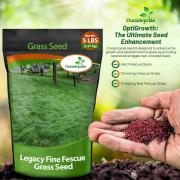
Fine fescues - The fine fescues are composed of narrow-leaved species in the genus Festuca. The most common turf-type fine fescues include creeping red fescue (Festuca rubra), Chewings fescue (Festuca rubra var. commutata), hard fescue (Festuca longifolia), and sheep fescue (Festuca ovina). These species are used extensively for lawns, grounds, and parks. They are ideal for low maintenance turfs, but, are not typically used for sports turfs. During cool weather (and when properly maintained), the fine fescues produce an attractive, uniform stand with a medium-green to dark-green color. These grasses are extremely fine-textured and are compatible in mixtures of most cool-season turfgrasses. As a group, the fine fescues tolerate soils of low fertility and low pH, droughty soils, and shaded conditions. They are not well adapted to hot, humid conditions; poorly drained soils; high-traffic areas such as athletic fields or playgrounds; and high rates of nitrogen fertilizer. Like Kentucky bluegrass, the fine fescues become semi-dormant under prolonged periods of heat and drought and recover quickly with the advent of cooler temperatures and adequate soil moisture.
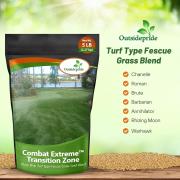
Tall fescue - Turf Type - Tall fescue is a persistent and durable plant that forms acceptable turf for home lawns, grounds, parks, playgrounds, and athletic fields. It is commonly used in low maintenance situations such as utility areas, highway medials, airstrips, and fairgrounds. Many new and improved varieties have finer texture, higher tiller densities, and a darker-green color than the coarse-textured, light-green varieties such as 'Kentucky 31' and 'Alta.' Tall fescue is considered by many individuals to be incompatible with the finer-textured and darker-green Kentucky bluegrass, perennial ryegrass, and fine fescues. Tall fescue may be objectionable in a mixture with fine-textured turfgrass species because it tends to form coarse-textured clumps in an otherwise uniform stand.
Tall fescue is primarily a bunch-type grass that occasionally produces short rhizomes. It is somewhat slow to establish extensive root systems and has only fair recovery potential. This species is the most heat and drought tolerant of the cool-season turfgrasses. The increased drought tolerance is a function of its ability to produce a deep root system. Tall fescue performs well in open, sunny areas and is moderately shade tolerant. It is less suited to heavily-shaded conditions than the fine fescues, but is more shade tolerant than Kentucky bluegrass and perennial ryegrass. Tall fescue is best suited to well-drained soils.
Warm-Season Grasses:
Bermudagrass - Bermuda grass is the primary turfgrass for much of the temperate and tropical world. Avoid cooler mountain areas with bermuda grass as it is not as cold tolerant as cool season grasses. Bermuda grass blend is the best choice for your high profile project where fast germination, rapid establishment and excellent turf performance are required in warm climates.
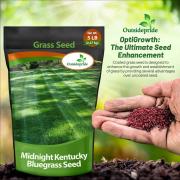
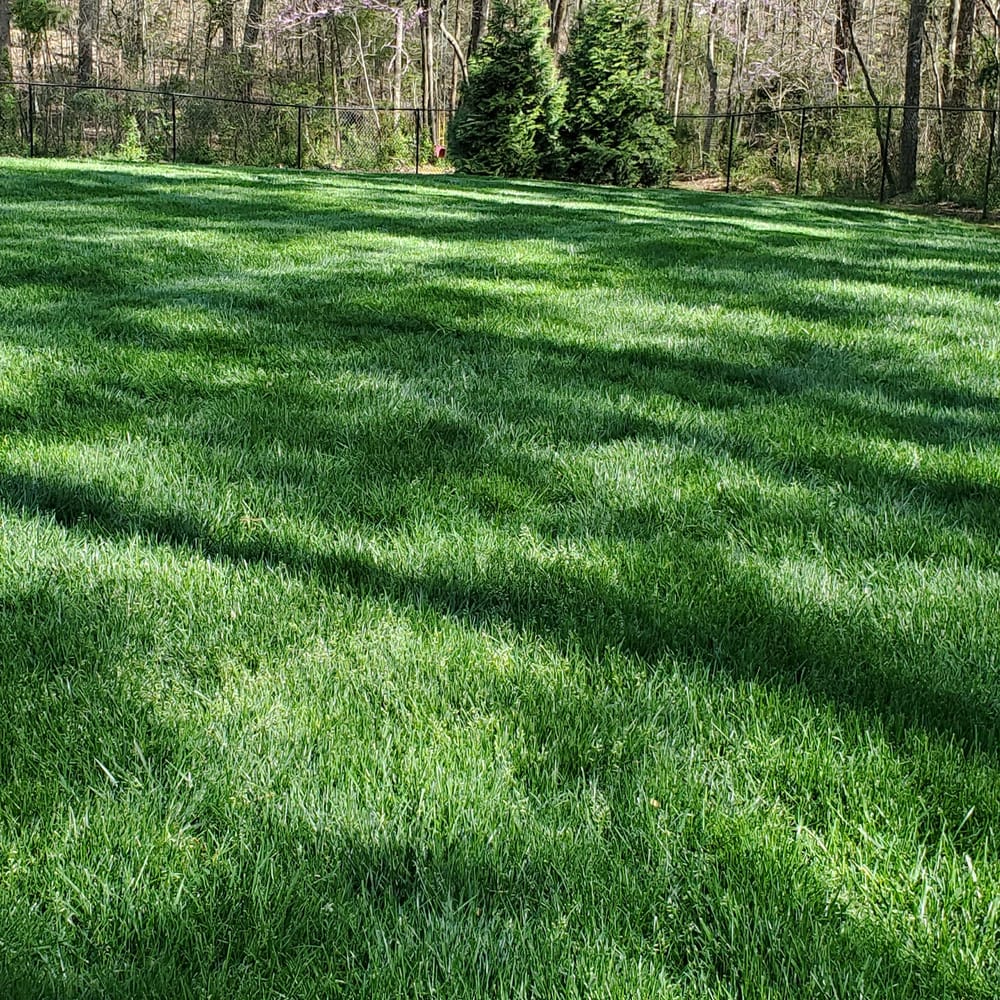
Midnight Kentucky Bluegrass is the most Popular Blue Grass In America. The images above of Midnight Kentucky Bluegrass from customers and aroundtheyard.com illustrate how beautiful Midnight Kentucky Bluegrass is. It is a unique compact-type variety grown in the plush Willamette Valley in Oregon to be distributed across the United States. Maintains a dark green color with good drought tolerance and a dwarf growth habit.
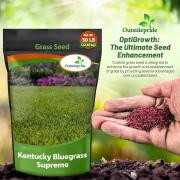
Supreme Bluegrass Blend is a either a 3-way or 4-way blend of very good, top performing Kentucky Blue grass varieties. It is an excellent choice for growing a supreme Kentucky Bluegrass lawn. The varieties that are selected for this blend are chosen for their excellent color, quick establishment, resistance to disease, and their ability to perform under a broad range of weather and soil conditions. Kentucky Blue Grass lawns are known for their fine to medium texture, uniformity of color, and density and durability for traffic. Kentucky Bluegrass has the ability to repair with rhizomes that spread and fill thin, worn areas.
Cost Effective
Lawns
Wear Resistant
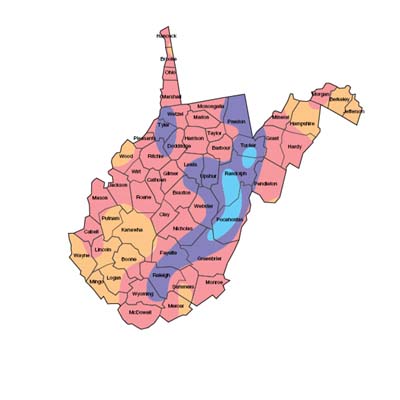
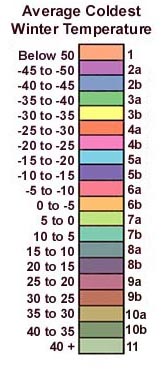
USDA ZONE MAP
Below is the USDA Zone Map for West Virginia so you can determine which zone you reside in. Below that are our picks for your state which will do best in your area. Next on this page are tables which list various grasses and their characteristics so you can compare before you decide on your purchase. Click on the product name (ie. Midnight) for more information about that grass and to make your purchase.