




-
CATEGORY ::
- All Seeds /
- All Herb Seeds /
- All Plantain Seeds



Plantain Seeds - Common
About...
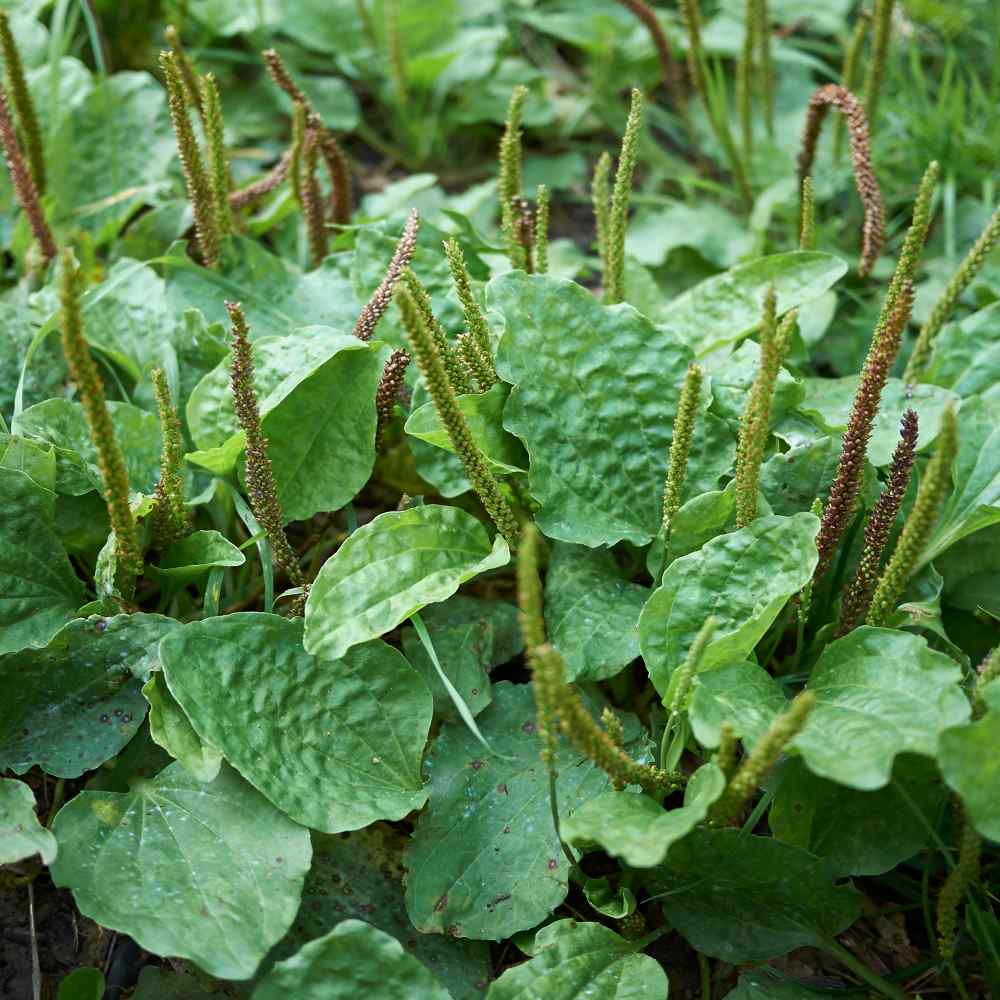
Common Plantain (Plantago Major) - The flowers of Common Plantain are shaped like small green cabbage heads. Plants grow 12 inches tall when in full bloom and are easily grown from herb seeds. The foliage is low growing and green. The name 'Rosularis' means rose-like referring to the look of the flower heads which are shaped like double roses.MORE PLANTAIN OPTIONS

Flower Specifications

SEASON
Perennial
USDA ZONES
3 - 9
HEIGHT
12 inches

BLOOM SEASON
Early summer to early fall

BLOOM COLOR
Green

ENVIRONMENT
Full sun to partial shade
SOIL TYPE
Average soils, pH tolerant 6.6 - 9.0
Planting Directions
TEMPERATURE
Sow at 68F, if no germ. in 3 - 4 weeks, move to 24 - 39F for 2 - 4 weeks

AVERAGE GERM TIME
21 - 28 days

LIGHT REQUIRED
Yes
DEPTH
1/16 inch deep

SOWING RATE
3 seeds per plant
MOISTURE
Keep seeds moist until germination
PLANT SPACING
15 - 18 inches
CARE & MAINTENANCE
Common Plantain (Plantago Major) - The flowers of Common Plantain are shaped like small green cabbage heads. Plants grow 12 inches tall when in full bloom and are easily grown from herb seeds. The foliage is low growing and green. The name 'Rosularis' means rose-like referring to the look of the flower heads which are shaped like double roses. Common Plantain will self-seed readily by dropping its seeds and forming new Plantain herbs the following spring. Other names for this herb are Greater Plantain and Rat Tail Plantain.
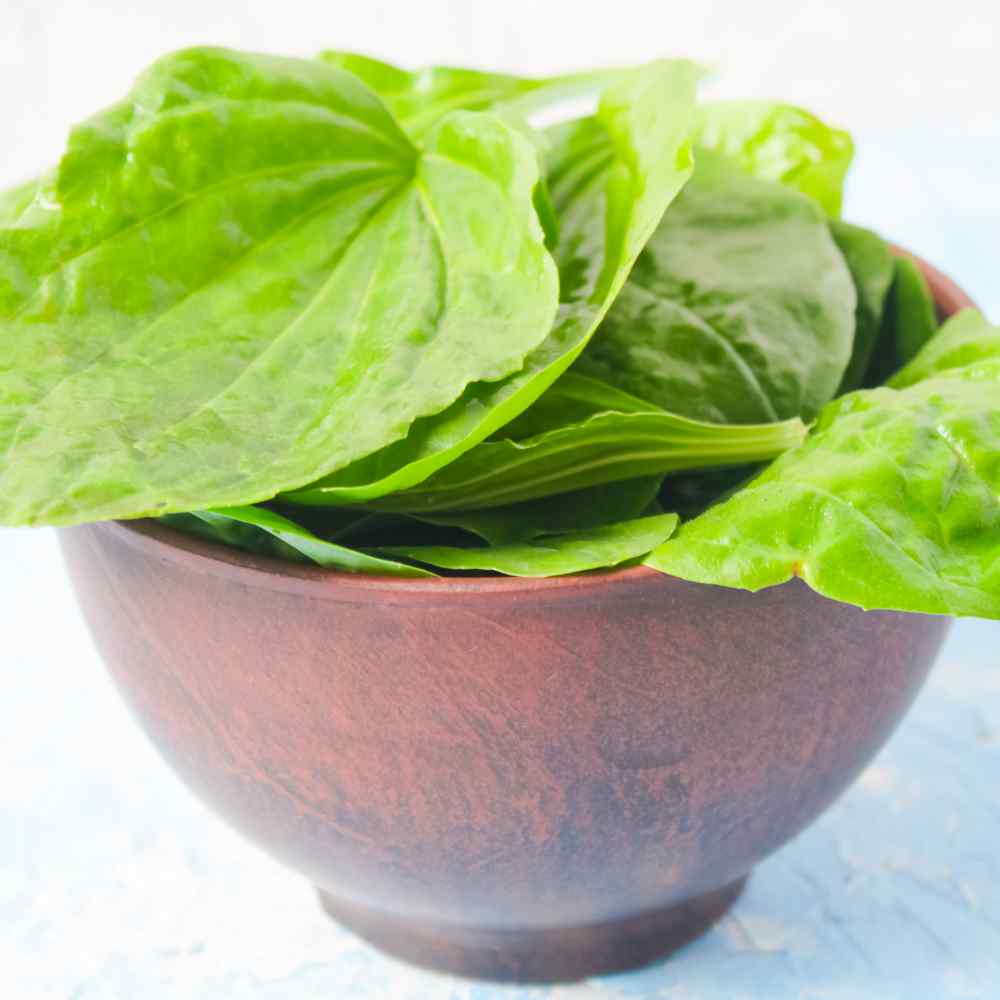
The young, tender leaves of the Common Plantain plant are edible, and can be used as a salad green of cooked and eaten like spinach. The taste is that of very bitter salad greens with a lingering aftertaste not unlike spinach. Plantain herb plants had historical medicinal use as a wound healer and snakebite remedy, and today the Plantain herbs have been found to have scientific merit. The Common Plantain plant is also enjoyed by butterfly larvae and if allowed to seed, birds eat the dried seeds.
How To Grow Common Plantains: In a prepared seedbed, sow the Plantain seeds directly outside in the early spring. Lightly cover the herb seeds with soil and keep moist.
Common Plantain
The Common Plantain plant is native to most of Europe, and both northern and central Asia.
Plantain Seeds | Common
How to Grow
In a prepared seedbed, sow the Plantain seeds directly outside in the early spring. Lightly cover the herb seeds with soil and keep moist. To increase germination rates, cold stratify seeds before planting by placing them in the refrigerator for a few weeks. Plantain seeds are spread by the wind and this plant will self sow readily.
- Sowing Rate: 3 seeds per plant
- Depth: 1/16 inch deep
Flower Specifications
- Average Germ Time: 21 - 28 days
- Moisture: Keep seeds moist until germination
- Height: 12 inches
- USDA Zones: 3 - 9
- Season: Perennial
Flower Specifications
SEASON
Perennial
USDA ZONES
4 - 8
HEIGHT
18 - 24 inches
BLOOM SEASON
Mid spring to late fall
BLOOM COLOR
Brown
ENVIRONMENT
Full sun to partial shade
SOIL TYPE
Mesic to dry soil that is somewhat heavy and contains clay
Planting Directions
TEMPERATURE
Sow at 68F, if no germ. in 3 - 4 weeks, move to 24 - 39F for 2 - 4 weeks
AVERAGE GERM TIME
21 - 28 days
LIGHT REQUIRED
Yes
DEPTH
1/16 inch
SOWING RATE
4 - 5 seeds per plant
MOISTURE
Keeps seeds moist until germination
PLANT SPACING
9 - 12 inches
English Plantain (Plantago Lanceolata) - English Plantain is a perennial herb that has been used since ancient times as a medicinal herb. It grows easily from Plantain seeds and is also referred to as Ribwort Plantain. The leaves are lance-shaped and ribbed. The flowers are a dense brown spike that are rather inconspicuous. The English Plantain plant was a common forage for sheep and was often planted in pastures. It grows where little else will.
Throughout history, English Plantain herb was used as a medicinal herb. The leaf juice was used to cleanse and heal wounds, to treat high fevers, and to help lung congestion. In modern day it is used for inflammation of the throat and for skin inflammations. It is rich in vitamin B1 and riboflavin. As a culinary herb, the Ribwort Plantain plant is eaten raw in salads or cooked as a pot herb.
How To Grow English Plantains: Plant English Plantain seeds directly outside after danger of frost has passed. Grow the herb seeds in a sunny location or in partial shade. The foliage grows larger when given some shade. It is a very hardy plant that withstands mowing and foot traffic.