




-
CATEGORY ::
- All Seeds /
- All Herb Seeds /
- All Stevia Seeds



Stevia Seeds - Sweetleaf
About...
Stevia Sweetleaf (Stevia Rebaudiana) - Start Stevia seeds and grow this well-known culinary herb that is used as a sweetener. The leaves are 20 to 30 times sweeter than sugar cane, but with no calories or carbohydrates. Sweetleaf Stevia could even be considered a medicinal herb because it nourishes the pancreas and does not raise blood glucose levels.MORE STEVIA OPTIONS

Flower Specifications
SEASON
Perennial
USDA ZONES
9 - 10
HEIGHT
12 inches
BLOOM SEASON
Can bloom year round

BLOOM COLOR
White
ENVIRONMENT
Partial shade
SOIL TYPE
Moist, well-drained, pH 6.1 to 6.5
DEER RESISTANT
No
LATIN NAME
Stevia Rebaudiana
Planting Directions
TEMPERATURE
68 - 75F
AVERAGE GERM TIME
7 - 14 days

LIGHT REQUIRED
Yes
DEPTH
Press seed onto surface of soil, cover lightly with peat moss
SOWING RATE
2 - 3 seeds per plant
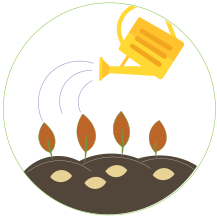
MOISTURE
Keep moist until germination
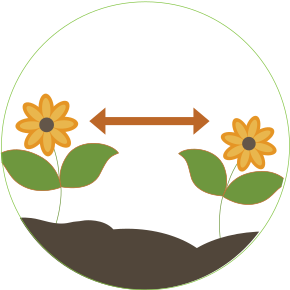
PLANT SPACING
12 inches
Stevia Sweetleaf (Stevia Rebaudiana) - Start Stevia seeds and grow this well-known culinary herb that is used as a sweetener. The leaves are 20 to 30 times sweeter than sugar cane, but with no calories or carbohydrates. Sweetleaf Stevia could even be considered a medicinal herb because it nourishes the pancreas and does not raise blood glucose levels. This makes it not only safe for diabetics but also beneficial. Dieters also benefit from the sweetening of Stevia herb without the harm that artificial sweeteners are known for. The leaves can be applied directly into drinks or made into tea. The dried Stevia leaves can also be ground into powder and used in recipes that call for green Stevia powder. For sweetness, 3 table spoons fresh leaves or 1 teaspoon powder equals 1 cup of sugar.
Stevia is a rewarding plant to grow in the herb garden! It is a tender perennial that is native to subtropical regions. Wild Stevia plants often grow on the edges of marches or streams. The Sweet Leaf herb plant can be successfully grown in the herb garden in most any region. It prefers a well-drained sandy loam. Raised beds ensure that the roots do not have too much moisture, and organic compost and regular watering give adequate moisture and nutrients. In colder, northern climates, grow Stevia herb plants as annuals.
How To Grow Stevia Rebaudiana: Start the Stevia seeds indoors 6 to 8 weeks before the last expected frost date. Use a starter mix and gently press the herb seeds into the soil. Lightly cover the Sweet Leaf herb seeds with peat moss. Keep Stevia seeds consistently moist by watering from the bottom of the container. A plastic dome or plastic wrap over the tray or containers is helpful in keeping the moisture in. To encourage a bushier growth, pinch back the tips of the plant 2 to 3 times before transplanting outdoors. Transplant outdoors into a prepared bed after danger of frost has passed. If possible, give the plants some protection from wind. Consistent moisture is important during the summer. Soaker hoses work well for deep weekly watering. Stevia Plants can be wintered indoors if given adequate light. A sunny, south facing window or a fluorescent light is needed.
Harvest the Stevia herb leaves when the flavor is the highest which is before flowering or as soon as the blossoms appear. Stems can be cut in the morning after dew has dried, bunched together and hung upside down in a well-ventilated place. Stevia leaves are crisp and bright green when they are fully dry.