









-
CATEGORY ::
- All Seeds /
- All Flower Seeds /
- All Salvia Seeds
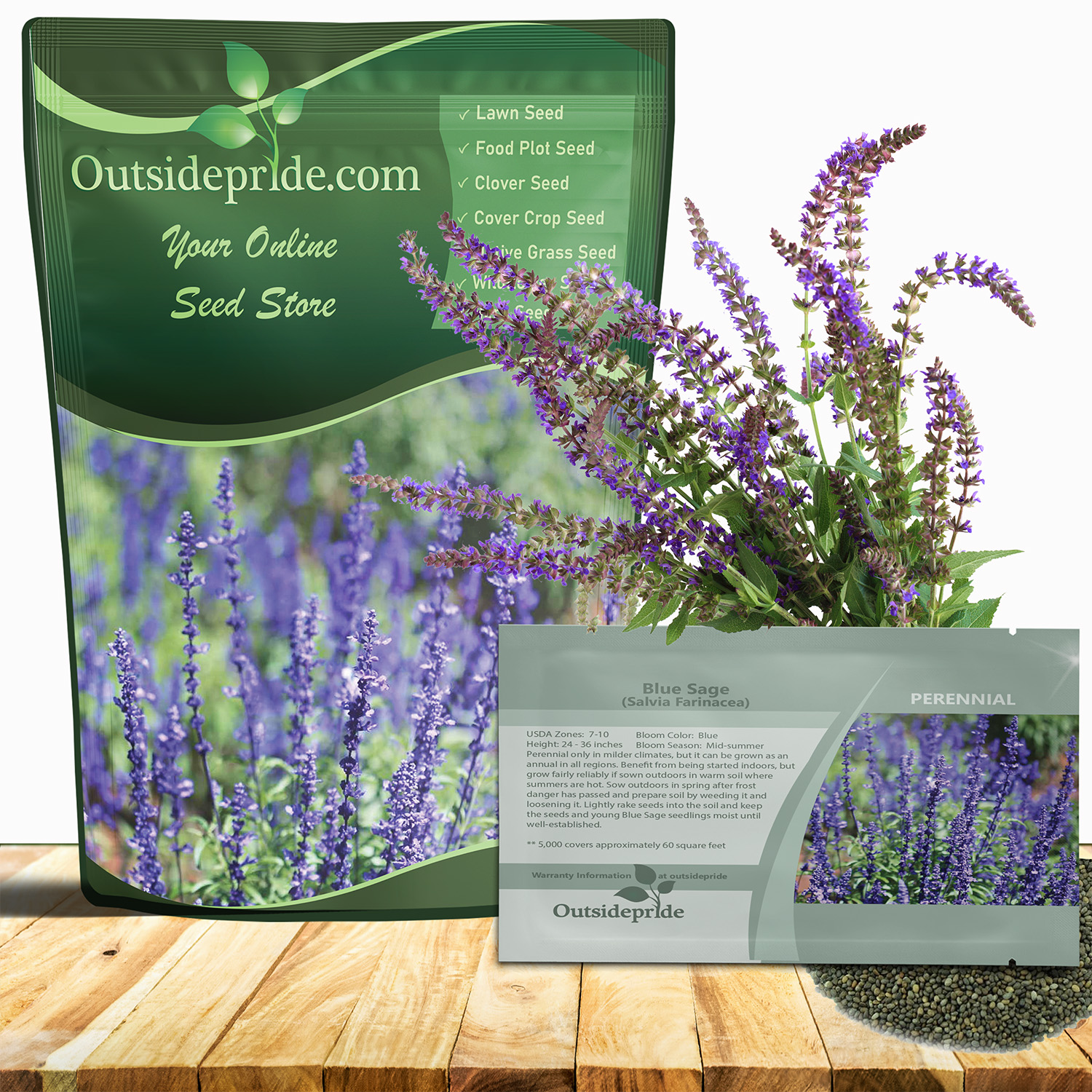

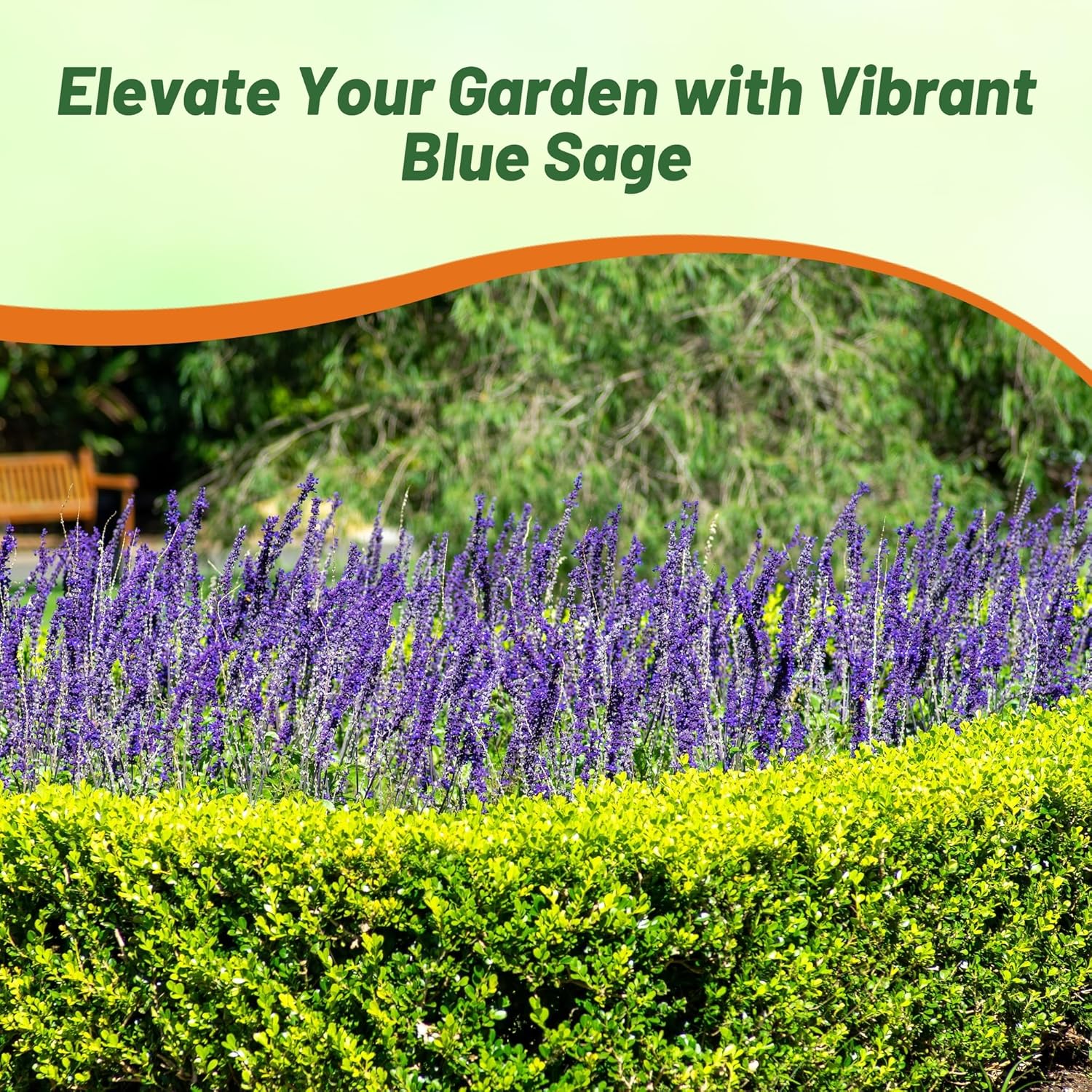


Sage Seeds - Blue Wildflower
SEEDS PER POUND
367,863

SEASON
Perennial
USDA ZONES
7 - 10
HEIGHT
24 - 36 inches

BLOOM SEASON
Mid-summer

BLOOM COLOR
Blue
ENVIRONMENT
Full sun to partial shade

SOIL TYPE
Well-drained, pH 5.5 - 6.5

DEER RESISTANT
Yes

SEEDS PER POUND
275,000
SEASON
Perennial
USDA ZONES
6 - 9
HEIGHT
24 - 36 inches
BLOOM SEASON
Summer through fall
BLOOM COLOR
Scarlet red
ENVIRONMENT
Full sun
SOIL TYPE
Well-drained, pH 5.5 - 6.5
DEER RESISTANT
Yes
SEASON
Perennial
USDA ZONES
8 - 10
HEIGHT
20 inches
BLOOM SEASON
Summer through fall
BLOOM COLOR
Blue
ENVIRONMENT
Full sun to partial shade
SOIL TYPE
Well-drained, pH 5.5 - 6.5
DEER RESISTANT
Yes
SEASON
Perennial
USDA ZONES
8 - 10
HEIGHT
20 inches
BLOOM SEASON
Summer through fall
BLOOM COLOR
White
ENVIRONMENT
Full sun to partial shade
SOIL TYPE
Well-drained, pH 5.5 - 6.5
DEER RESISTANT
Yes
SEASON
Annual
USDA ZONES
3 - 10
HEIGHT
18 - 28 inches
BLOOM SEASON
Summer through fall
BLOOM COLOR
Blue
ENVIRONMENT
Partial shade
SOIL TYPE
Well-drained, pH 5.5 - 6.5
DEER RESISTANT
Yes
SEASON
Annual
USDA ZONES
3 - 10
HEIGHT
18 - 28 inches
BLOOM SEASON
Summer through fall
BLOOM COLOR
Pink
ENVIRONMENT
Partial shade
SOIL TYPE
Well-drained, pH 5.5 - 6.5
DEER RESISTANT
Yes
SEASON
Annual
USDA ZONES
3 - 10
HEIGHT
18 - 28 inches
BLOOM SEASON
Summer through fall
BLOOM COLOR
White
ENVIRONMENT
Partial shade
SOIL TYPE
Well-drained, pH 5.5 - 6.5
DEER RESISTANT
Yes
SEASON
Perennial
USDA ZONES
9 - 11
HEIGHT
24 - 36 inches
BLOOM SEASON
Late summer to early fall
BLOOM COLOR
Blue
ENVIRONMENT
Full sun
SOIL TYPE
Sandy or loamy, well-drained soils
OFTEN HOUSE PLANT
Yes
About...
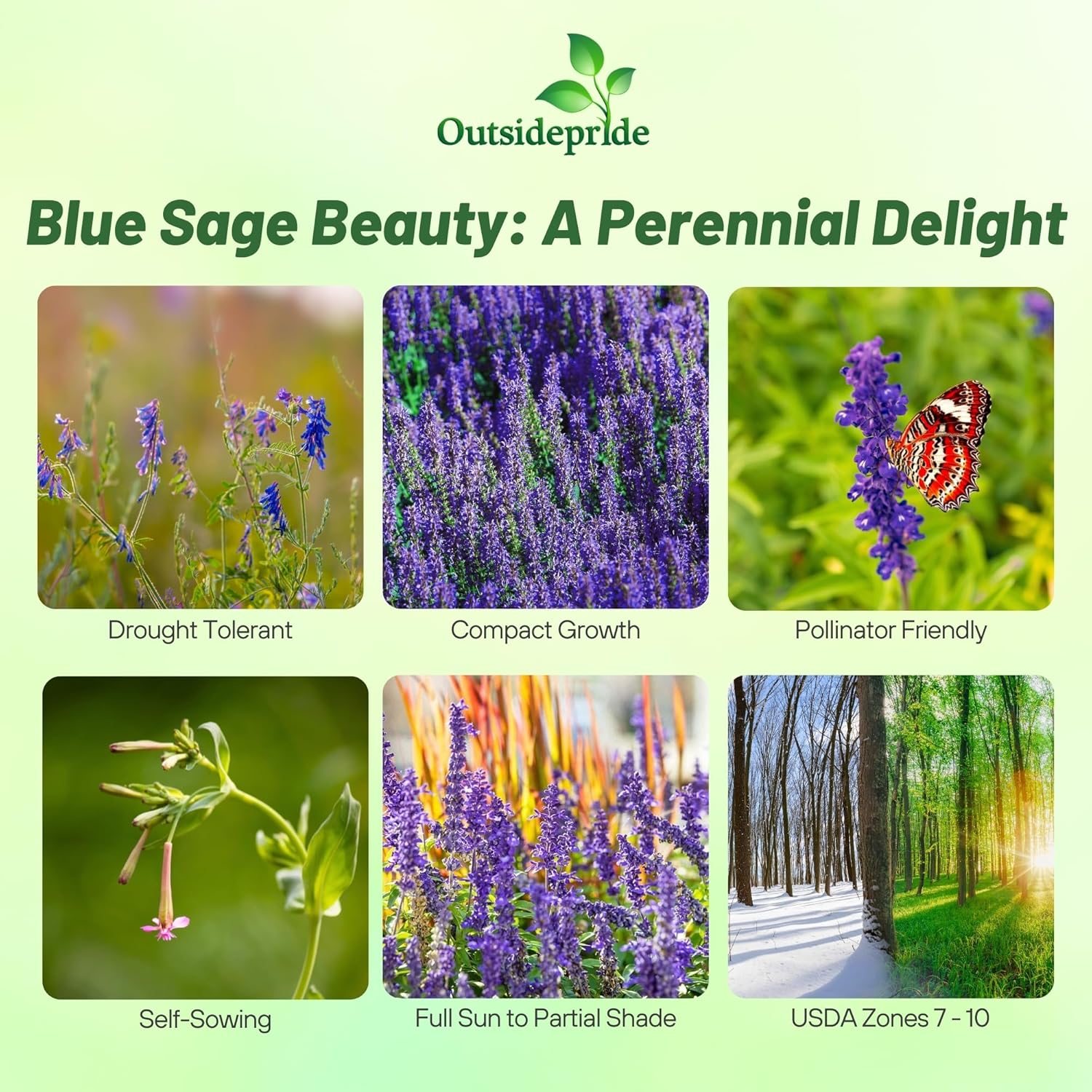
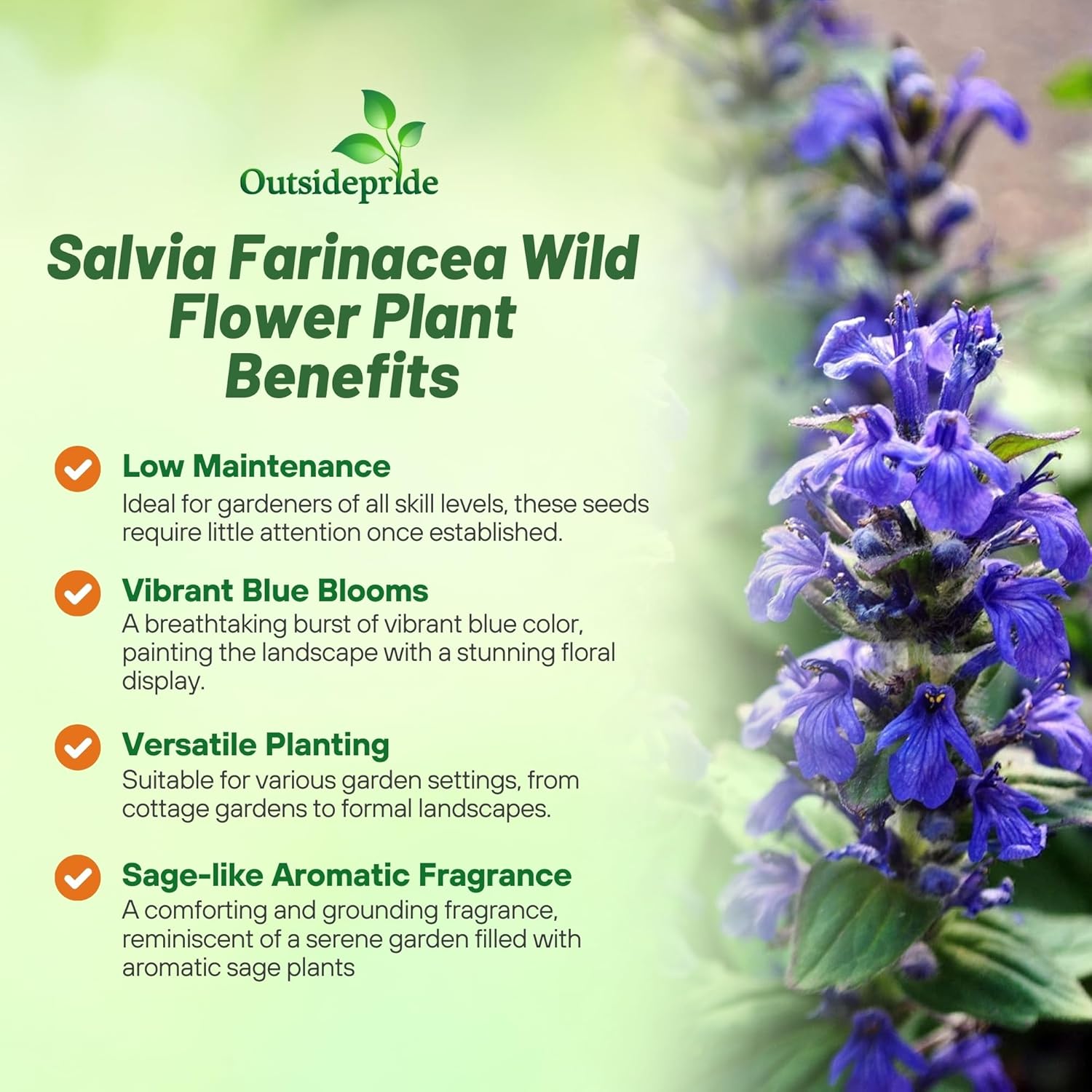
Blue Sage (Salvia Farinacea) - Blue Sage is perfect for the perennial border or the wild flower meadow. It is easily grown from Sage seeds, and it will attract butterflies and hummingbirds like a magnet! Plant Blue Sage drought tolerant wildflowers in a mass grouping for a dramatic display of blue for any sunny landscape setting.
MORE SALVIA OPTIONS

Planting Directions
TEMPERATURE
68 - 75F
AVERAGE GERM TIME
10 - 30 days
LIGHT REQUIRED
Yes
DEPTH
1/16 inch

SOWING RATE
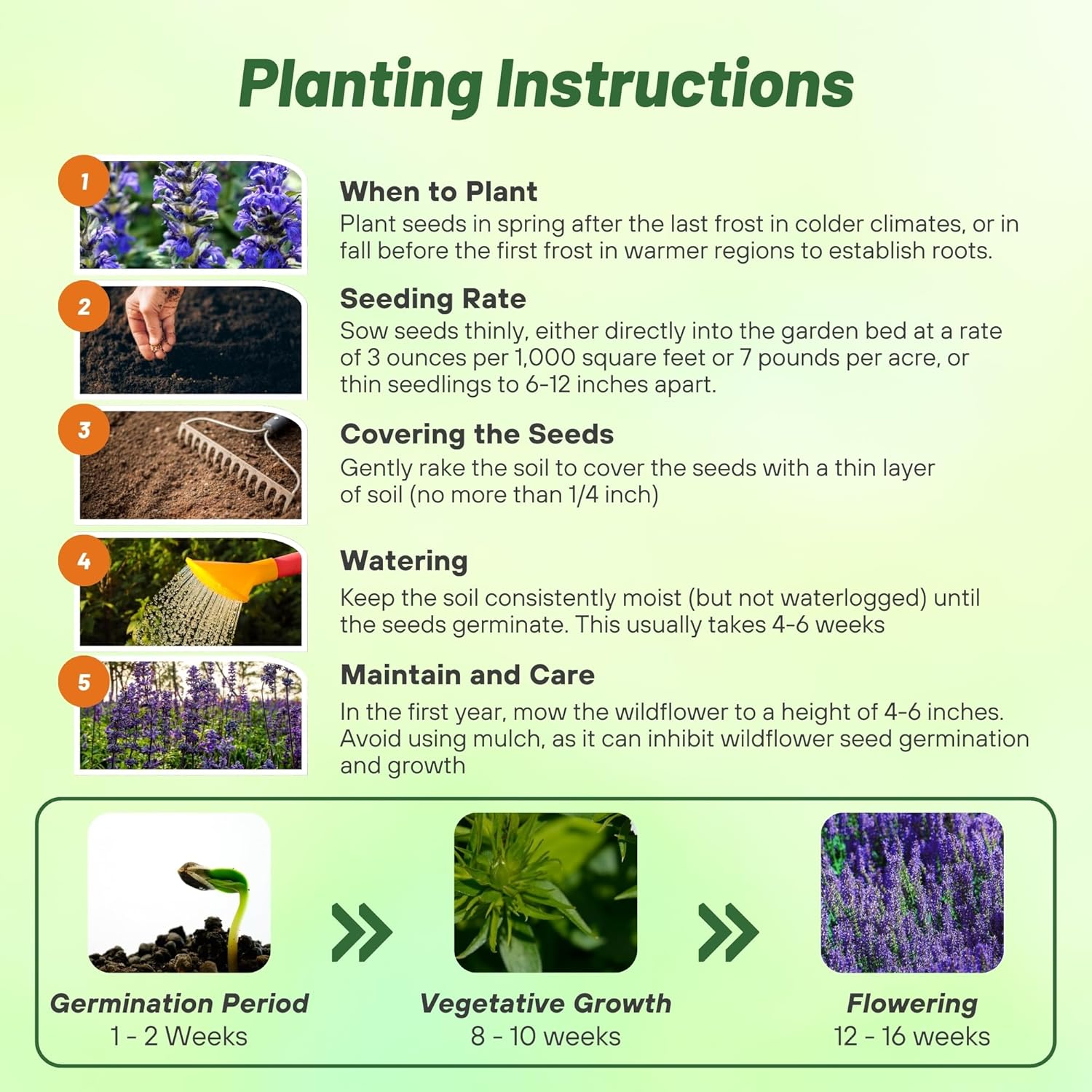
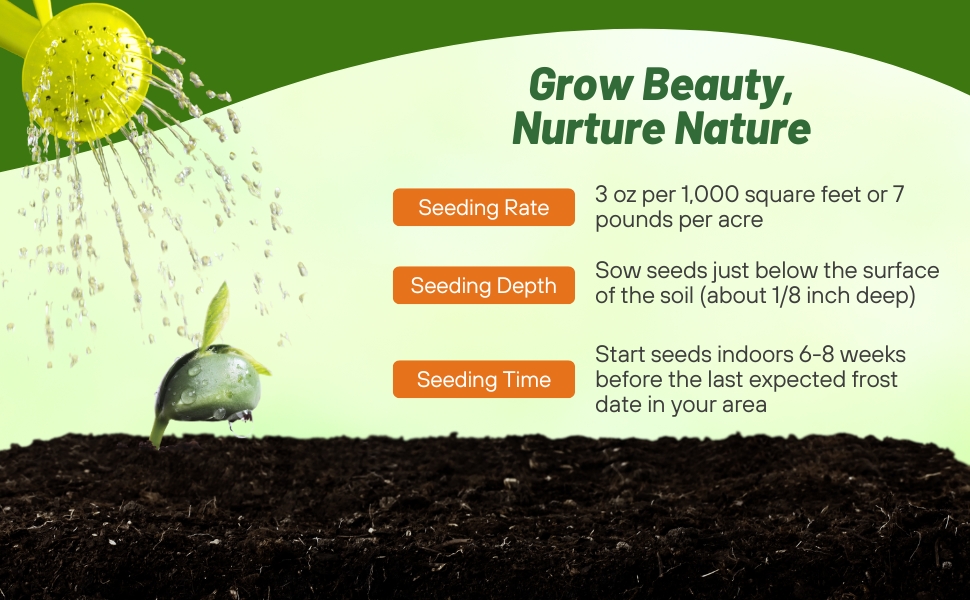
3 ounces per 1,000 square feet or 7 pounds per acre
MOISTURE
Keep seeds moist until germination
PLANT SPACING
12 - 18 inches
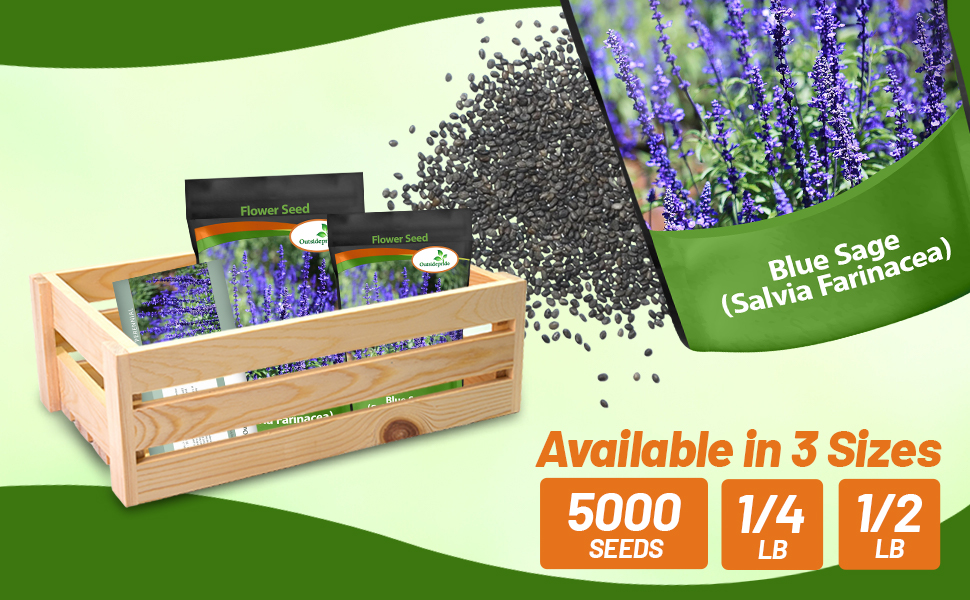
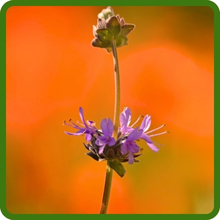
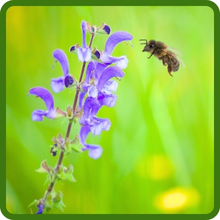
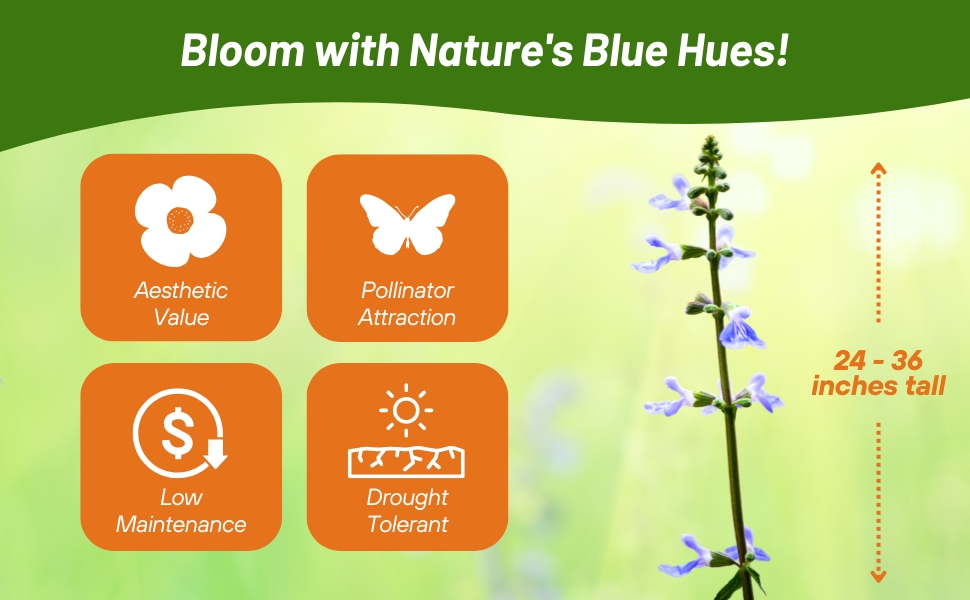
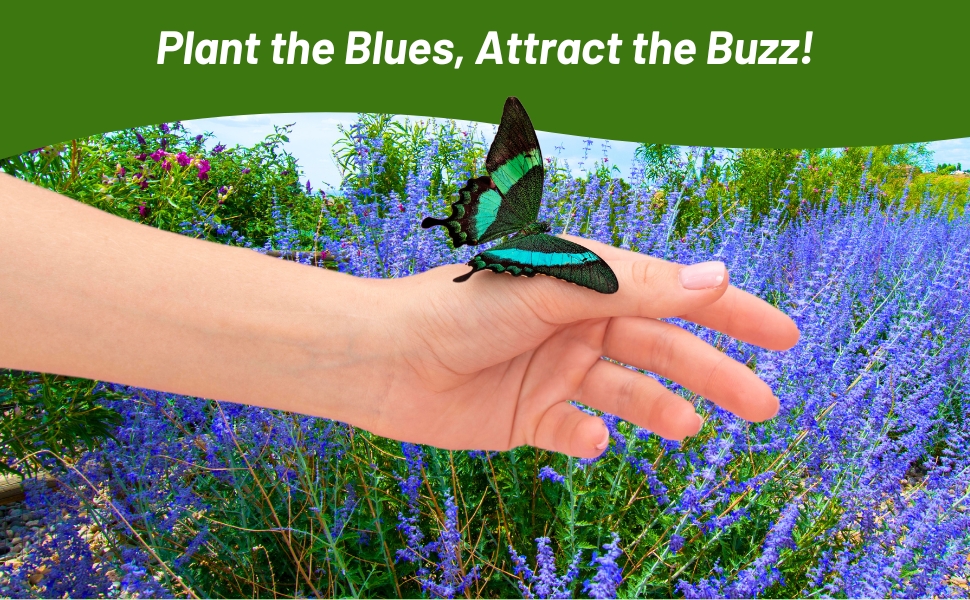
Blue Sage (Salvia Farinacea) - Blue Sage is perfect for the perennial border or the wild flower meadow. It is easily grown from Sage seeds, and it will attract butterflies and hummingbirds like a magnet! Plant Blue Sag drought tolerant wildflowers in a mass grouping for a dramatic display of blue for any sunny landscape setting. It is especially nice in cottage gardens, xeriscape rock gardens or wild flower gardens.
If you want to get an early jump, start these Blue Sage seeds indoors 10 weeks before last frost. Sow the wildflower seed in starter trays, press the seed into the soil and barely cover. Blue Sage seeds needs light to germinate. When the frost season has passed, transplant the Blue Sage seedlings into the garden 12 - 18 inches apart in a sunny location. Give them plenty of water in dry weather. In the southern half of the United States where temperatures can be extreme, this type of Salvia may need light to moderate shade instead of full sun. Blue Sage will do best in areas that have moderate humidity. After an extended period of flowering, trim the Salvia Farinacea plant back to produce a thicker and more compact foliage and a shorter flowering plant. The trim will delay flowering for a few days, but it is important in preventing leggy plants, and the blooms will come back heavily.
Common Questions
Will blue sage attract any pollinators to my garden?
Bees, butterflies and hummingbirds all enjoy the blue sage flowers.
Are salvias good as cut flowers?
Yes, they make excellent cut flowers.
Is salvia a good pollinator plant?
Yes, salvia attracts bees, butterflies and hummingbirds to the garden.
What are some good ways to use blue sage in my landscape?
Beds, borders, banks, containers, wall side borders, cut flower gardens, mediterranean gardens, informal gardens, courtyard and coastal gardens as all lovely ways to use the blue sage plants.
What are some good companion plants for blue sage plants?
Coneflower, cosmos, zinnia and rudbeckia are all very lovely planted along side the blue sage flowers.
Planting Directions
TEMPERATURE
68 - 75F
AVERAGE GERM TIME
10 - 30 days
LIGHT REQUIRED
Yes
DEPTH
1/16 inch
SOWING RATE
4 ounces per 1,000 square feet or 9 pounds per acre
MOISTURE
Keep seeds moist until germination
PLANT SPACING
12 - 18 inches


Scarlet Sage (Salvia Coccinea) - If you want a head-turning display of dramatic red blooms, grow Scarlet Sage wildflower seeds, and have not only a beautiful display but a versatile drought tolerant plant that takes the heat well. Scarlet Sage is a perennial in warmer climates and an annual where winter temperatures stay below freezing for more than a few hours at a time. The Salvia Coccinea plant reaches 24 - 36 inches tall, with 1 - 2 inch triangular leaves growing opposite each other on a square stem. The Scarlet Sage flower is very showy, bright red, about an inch long, and arranged in loose whorls along the upright spikes. Blooms appear continuously from early summer to first frost. Trim them back and a new flush of blooms will appear. Hummingbirds cannot leave these magnificent blooms alone. Growing Scarlet Sage seeds is greatly rewarding! Very drought tolerant plant; however, it will not flower well if it receives no water.
Common Questions
Are salvias good as cut flowers?
Yes, these flowers work great for fresh cut flowers as well as dried flower arrangements.
Is salvia a good pollinator plant?
Bees, butterflies and hummingbirds all enjoy the red sage flowers.
What are some good ways to use red sage in my landscape?
Beds, borders, banks, containers, wall side borders, cut flower gardens, mediterranean gardens, informal gardens, courtyard and coastal gardens as all lovely ways to use the red sage plants.
What are some good companion plants for red sage plants?
Erigeron karvinskianus, yarrow and Indian blanket are all very lovely planted along side the red sage flowers.
Planting Directions
TEMPERATURE
68 - 75F
AVERAGE GERM TIME
10 - 30 days
LIGHT REQUIRED
Yes
DEPTH
Do not cover the seed but press into the soil
SOWING RATE
3 - 4 seeds per plant
MOISTURE
Keep seeds moist until germination
PLANT SPACING
12 - 18 inches


Blue Salvia grows well in lean to average soil and prefers slightly dry soil that is well drained. Fertilize only as needed. They will bloom continuously in warm weather and survive light freezes. Afternoon shade is appreciated in very hot areas, and it prolongs the life of the plant which may last several years. In ideal conditions, plants may last up to 5 years. As an added benefit, Salvias are generally deer resistant!
Sow Salvia seeds indoors 6 - 8 weeks before last frost, or outside after danger of frost has passed. Do not cover the flower seeds since they need light to germinate. The seeds need continual moisture, and for the first year, water the plants to help them establish well. After establishment, mealcup sage will be quite resistant to drought. Clumps can also be divided in the spring.
Common Questions
Can I grow salvia in containers?
Yes, smaller varieties are great for containers.
Are salvias good as cut flowers?
Yes, they make excellent cut flowers.
Is salvia a good pollinator plant?
Yes, salvia attracts bees, butterflies and hummingbirds to the garden.
Is salvia an annual or perennial?
Many varieties are annual and many varieties are perennial. The herb sage is a perennial salvia.
Planting Directions
TEMPERATURE
68 - 75F
AVERAGE GERM TIME
10 - 30 days
LIGHT REQUIRED
Yes
DEPTH
Do not cover the seed but press into the soil
SOWING RATE
3 - 4 seeds per plant
MOISTURE
Keep seeds moist until germination
PLANT SPACING
12 - 18 inches


Salvia (Salvia Farinacea White Victory) - Easily grown from Salvia seeds, this tender perennial has intense white flowers that can form a wonderful backdrop for shorter flowers. White Salvia is great for center pieces in containers or in mass plantings to make a dramatic color display. The white Salvia plant habit is erect but densely branched with multiple spikes of white flowers and silvery-green foliage. Salvia plants are drought and deer resistant yet they attract beneficial insects and hummingbirds. They bring delight to any setting!
How To Grow White Salvia: Sow Salvia seeds indoors 6 - 8 weeks before last frost, or outside after danger of frost has passed. Do not cover the Salvia flower seeds since the seeds need light to germinate. White Salvia seeds need continual moisture, and for the first year, water the Salvia plants to help them establish well. After estasblishment, they are considered to be drought tolerant. Clumps can also be divided in the spring. Grow white Salvia flowers as annuals in all climates. They are perennials only in frost-free zones.
Common Questions
Can I grow salvia in containers?
Yes, smaller varieties are great for containers.
Are salvias good as cut flowers?
Yes, they make excellent cut flowers.
Is salvia a good pollinator plant?
Yes, salvia attracts bees, butterflies and hummingbirds to the garden.
Is salvia an annual or perennial?
Many varieties are annual and many varieties are perennial. The herb sage is a perennial salvia.
Planting Directions
TEMPERATURE
68F
AVERAGE GERM TIME
10 - 30 days
LIGHT REQUIRED
Yes
DEPTH
Do not cover the seed but press into the soil
SOWING RATE
3 - 4 seeds per plant
MOISTURE
Keep seeds moist until germination
PLANT SPACING
12 - 18 inches


Salvia (Salvia Horminum Blue Monday) - These annuals are easily grown from Salvia seeds, and they provide vivid color that lasts from summer through fall. Also known as Salvia Horminum Clary, this annual Blue Salvia plant is native to an area extending from the Mediterranean to the Crimea and into Iran. The botanical name Salvia Horminum is synonymous with Salvia Viridis. Salvia Blue Monday quickly grows up to 28 inches tall and about 12 inches wide. The brilliant purple-blue flowers last well as cut flowers or dried flowers. The plant prefers loose soil, good drainage, moderate water, and mostly sunny locations.
How To Grow Salvia From Seeds: For earlier blooms, sow Salvia flower seeds indoors 10 weeks before last frost. Sow Salvia flower seed in starter trays and press the seed into the soil. Salvia flower seed needs light to germinate. When the frost season has passed, transplant Salvia seedlings into the garden 12 - 18 inches apart in a sunny location. Or, sow Salvia flower seeds outdoors in spring after frost danger has passed and prepare soil by weeding it and loosening it. Lightly rake the flower seeds into the soil and keep the seeds and young Salvia seedlings moist until well-established. Provide plenty of water in dry weather. Salvia plants grow best when provided moist, but well-drained soil in full sun to partial shade. Salvia Flower Care: Remove the spent flower spikes to promote continued blooming. If the Salvia Horminum plants begin to look tired in mid-summer, trim them back by 1/3, and they will be re-energized and reward you with more blooming.
Common Questions
Can I grow salvia in containers?
Yes, smaller varieties are great for containers.
Are salvias good as cut flowers?
Yes, they make excellent cut flowers.
Is salvia a good pollinator plant?
Yes, salvia attracts bees, butterflies and hummingbirds to the garden.
Is salvia an annual or perennial?
Many varieties are annual and many varieties are perennial. The herb sage is a perennial salvia.
Planting Directions
TEMPERATURE
68F
AVERAGE GERM TIME
10 - 30 days
LIGHT REQUIRED
Yes
DEPTH
Do not cover the seed but press into the soil
SOWING RATE
3 - 4 seeds per plant
MOISTURE
Keep seeds moist until germination
PLANT SPACING
12 - 18 inches


Salvia (Salvia Horminum Pink Sunday) - Many gardeners consider Salvia Horminium to be one of the most garden worthy plants of the sage family. The Salvia Pink Sunday plant is easy-to-grow from flower seed, and it is vigorous, quick growing, nicely branching, and tops out at about 28 inches tall. Pink Sundae Salvia has 1 inch pink flowers grouped in threes which will last all summer long and sometimes clear up until frost season. Pink Sunday Salvia makes a great fresh cut flower and does well dried too as they hold their vivid color. Deadheading keeps fresh blooms coming, but this Salvia will also re-seed, so leave a few spent blooms on the plant to drop Salvia seeds for next season's display.
How To Grow Salvia From Seeds: For earlier blooms, sow Salvia seeds indoors 10 weeks before last frost. Sow the flower seed in starter trays and press the seed into the soil. Pink Salvia seeds need light to germinate. When the frost season has passed, transplant Salvia seedlings into the garden 12 - 18 inches apart in a sunny location. Or, sow Salvia flower seeds outdoors in spring after frost danger has passed and prepare soil by weeding it and loosening it. Lightly rake the flower seeds into the soil and keep the seeds and young Salvia seedlings moist until well-established. Provide plenty of water in dry weather. Salvia plants grow best when provided moist, but well-drained soil in full sun to partial shade. Salvia Flower Care: Removed the spent flower spikes to promote continued blooming. If the Pink Salvia plant begins to look tired in mid-summer, trim it back by 1/3, and it will be re-energized and reward you with more blooming.
Common Questions
Can I grow salvia in containers?
Yes, smaller varieties are great for containers.
Are salvias good as cut flowers?
Yes, they make excellent cut flowers.
Is salvia a good pollinator plant?
Yes, salvia attracts bees, butterflies and hummingbirds to the garden.
Is salvia an annual or perennial?
Many varieties are annual and many varieties are perennial. The herb sage is a perennial salvia.
Planting Directions
TEMPERATURE
68F
AVERAGE GERM TIME
10 - 30 days
LIGHT REQUIRED
Yes
DEPTH
Do not cover the seed but press into the soil
SOWING RATE
3 - 4 seeds per plant
MOISTURE
Keep seeds moist until germination
PLANT SPACING
12 - 18 inches


Salvia (Salvia Horminum White Swan) - An enduring favorite of the summer cottage garden is readily grown from Salvia seeds. Salvia White Swan features large blooms of pure white and are delicately veined. This lovely annual is also widely known as Clary. This variety of white Salvia has a compact growth and the blooms are well-suited for cutting, and they make excellent dried flowers with everlasting color.
How To Grow Salvia From Seeds: For earlier blooms, sow Salvia seeds indoors 10 weeks before last frost. Sow Salvia flower seeds in starter trays and press the seed into the soil. Salvia flower seed needs light to germinate. When the frost season has passed, transplant the Salvia seedlings into the garden 12 - 18 inches apart in a sunny location. Or, directly sow Salvia White Swan seeds outdoors in spring after frost danger has passed and prepare soil by weeding it and loosening it. Lightly rake White Salvia seeds into the soil and keep the seeds and young seedlings moist until well-established. Provide plenty of water in dry weather. Salvia plants grow best when provided moist, but well-drained soil in a partial shade setting.
Common Questions
Can I grow salvia in containers?
Yes, smaller varieties are great for containers.
Are salvias good as cut flowers?
Yes, they make excellent cut flowers.
Is salvia a good pollinator plant?
Yes, salvia attracts bees, butterflies and hummingbirds to the garden.
Is salvia an annual or perennial?
Many varieties are annual and many varieties are perennial. The herb sage is a perennial salvia.
Planting Directions
TEMPERATURE
70 - 77F
AVERAGE GERM TIME
7 - 14 days
LIGHT REQUIRED
Yes
DEPTH
1/8 to 1/4 inch
SOWING RATE
2 - 3 seeds per plant
MOISTURE
Keep seeds moist until germination
PLANT SPACING
18 - 24 inches


Chia (Salvia Hispanica) - Chia is a member of the mint family and it has been cultivated for nearly 5,000 years. The seeds are very nutritionally dense containing high levels of easily digestible protein, omega-3 fatty acids, dietary fiber, antioxidants, calcium, iron, and many more nutrients.
Although North Americans began learning about Chia from the "Cha-cha-cha Chia," Chia Pet television commercials in the 1980s, we are only now beginning to explore the dietary uses of this very nutritious herb. Chia plants grow twenty-four to thirty-six inches tall and produce many clusters of white or light-purple flowers in mid to late summer. Chia prefers a location providing full sun and that has sandy or loamy, well-drained soils. Be careful not to over water chia plants. It is a tender perennial that is hardy in USDA climate zones 9 to 11 and will not tolerate frost. Since it requires a fairly long season to produce seed, starting indoors and transplanting after all danger of frost has passed is required. Germination occurs in seven to fourteen days at soil temperatures between 70F and 77F.
Chia seeds can be sprouted and added to salads, ground and added to almost any recipe from energy / smoothie drinks, used as a thickening agent to replace corn starch, or used in place of bread crumbs in meatballs, meat loafs, or coating chicken. You can even use them to replace eggs in recipes by simply dry grinding Chia seeds into a powder and using one tablespoon along with three tablespoons of water for every egg your baked recipe calls for.
Common Questions
Which herbs can thrive in the kitchen?
Not all herbs are suitable for indoor growth. Herbs with woody, bushy growth, like rosemary are too large for indoor herb gardens. Consider other more suitable herbs for an indoor kitchen garden, such as chives, oregano, thyme, dill, mint, basil, cilantro, sage and savory. Each herb has specific growing needs, so ensure to provide the right amount of light, humidity, and air circulation. If using a single large container, ensure that all plants require similar amounts of sunlight and water. For instance, chives and cilantro may not need as much sunlight as dill and oregano.
What are good companion plants for herb gardens?
Pairing herbs based on watering requirements, like planting lavender with thyme or basil with chives, is ideal for maintaining the health of both plants. Avoid companion planting with catnip, lemon balm and mint as they should be grown in separate pots due to their rapid spreading nature that can overtake other plants in your indoor herb garden.
When do I establish an indoor herb garden?
Create a kitchen herb garden by propagating cuttings from your outdoor plants as the weather cools in the fall. If you opt to sow your indoor herb garden from purchased seeds, begin a few weeks before the anticipated first frost of the season. Most herbs can be harvested within a few weeks, so there is no need to plant too far in advance.
Do kitchen herbs need full sun?
Most herbs need 6 hours of sunlight a day to thrive. If you do not have this type of light available in your kitchen, consider a grow light that will run 14-16 hours per day 6 to 12 inches above your plants. NOTE: Rotate herbs periodically when grown in windows to let each part of the plant receive sunlight.
What time of year should you plant herbs?
Herbs grown in indoor gardens can be planted any time of year. Many gardeners prefer to grow their herbs outdoors during the summer growing season, and then move them to their indoor garden before the first frost of fall. If you prefer to start your seeds outdoors, you will need to wait until after danger of frost in the spring or start your seeds indoors 6 -8 weeks before last frost and transplant in your garden after danger of frost.
Do herbs come back every year?
Perennial herbs will come back each year when planted in the correct zone or grown indoors during the cold winter months. Popular perennial herbs are oregano, parsley, sage, fennel, chives, lavender, thyme and mint varieties.
How do I know when my herbs need watered?
Allow the soil to dry out just slightly before watering your herbs again. Give your indoor herb garden a dose of diluted water-soluble fertilizer every 2 weeks or so. Too much food will compromise the taste of the herbs. It is also beneficial to provide adequate humidity. If the indoor air is especially dry – which is often the case in regions with cold winters. Set the herbs pots on trays of stones. Fill the trays with water but keep the level below the drainage holes of your pots.
When do I water my outdoor herb garden?
Different herb plants will need different amounts of water so keep this in mind when planting your garden and keep similar plants together to simplify watering. Watering is best done in the early morning hours when temperatures are cooler. Many herbs are hardy. They can tolerate soil that is moderately dry. You want to keep an eye out for wilting when the soil is wet. Ideally, your herbs should make quick use of the water you give them. Saturated soil is not what you are after. Pay close attention to the coloration of the leaves on your herbs. Yellow leaves can be a sign of too much water, and so can black leaves. If you spot any mildew or fuzz on the herbs, too much moisture can be the problem.
How do I harvest my herbs?
Trim back flowering sections before they bloom for healthier leaves. Prune new growth on young plants weekly to encourage a fuller mature plant. Snip herbs for harvest when they are just a few inches tall. Pruning back the herbs often means a larger, longer harvest. Cut the new growth back at least one per week, even if you are not using the herbs in recipes (see drying and freezing page if you do not want to waste your harvest). Long stems that are about to set flower buds should be trimmed off as they appear.
What do I need to start an indoor herb garden?
Common tools needed for an indoor herb garden are: garden trowel, scissors for snipping, stones (optional). Materials for your herbs plants include seed, pots, potting soil, cactus potting soil (optional), pots or trays, fertilizer and a grow light if you do not have adequate sunlight of at least 6 hours per day for your plants.
How do I prepare my containers for planting?
Choose large, deep containers with drainage holes to accommodate fast-growing herbs. Fill the container with potting mix leaving about ½ inch clear at the top. Use standard commercial potting soil for most herbs but blend in cactus potting mix for herbs native to the Mediterranean, such as thyme and oregano which prefer dryer soils.
Can I put my indoor herb containers outside?
Yes! Move your potted herbs to the patio or deck when the weather warms in the spring and for a boost of sunshine.
How do I know when my herbs need larger containers?
When roots begin to emerge through the drainage holes of its container, it is time to repot the herbs. Replace the potting mix; the organic material in the potting mix breaks down over time. Remove any plants with woody or thickened stems and replace them with new seeds or seedlings.
Do herbs need fertilizer?
The short answer is yes. However, not all herbs have the same fertilizer needs. Herbs roughly fall into two groups. 1. Slow-growing herbs with small leaves or needles and fibrous, woody stems that are native to the mediterranean where they grow culinary lavender, month, marjoram, oregano, rosemary, sage, savory, tarragon and thyme. 2. Fast-growing herbs with larger, thinner leaves. These can be annuals such as basil, borage, cilantro, chervil and dill; bi-annual herbs such as parsley or perennials such as chives. Herbs in the first group generally need less fertilizer than herbs in the second group.
What type of nutrients do herbs need?
Start out by planting herbs in healthy soil rich in organic matter. In addition, they will benefit from an organic complete, slow-release fertilizer containing equal amounts of macronutrients nitrogen, phosphorus and potassium. A slow-release fertilizer is especially important if your garden has sandy soil because nutrients wash out quickly. To give fast-growing herbs that you harvest often an extra boost, you can also apply fish emulsion, an organic fertilizer that is high in nitrogen, with an NPK ratio of 4-1-1 or 5-1-1.
How often should I fertilize my herbs?
The frequency of fertilization follows the growth pattern of the herbs. In soil of average fertility, it is usually sufficient to apply a balanced fertilizer in the spring when they break dormancy, or when the new growing season starts. For other herbs, a light monthly application of a slow-release complete fertilizer should be enough – unless the leaves start to look yellow, which may be a sign of nitrogen deficiency. In that case, applying fish emulsion is a quick fix but before you reach for the fertilizer bottle, rule out that the yellowing of leaves is not caused by something else.
How do I fertilize my herbs in a container?
Herbs grown in containers need fertilizer applications more often, because with frequent watering that container plants require, the fertilizer in the potting mix washes out more quickly. Just as with sandy soil, it is important to use slow-release fertilizer. The roots of container plants are in a confined space, unlike herbs grown in the garden or raised beds, which can lead to over fertilization if you are not careful. Organic fertilizers are recommended over synthetic which often contain a high level of salts that can build up in the container over time. To prevent this, it is best to use half the strength of the fertilizer amount specified on the label for any type of fertilizer.
Is it possible to overfertilize herbs?
Adding too much fertilizer to herbs usually leads to an excess of nitrogen, which has undesirable results especially for slow-growing herbs. For basil and other thin-leaved herbs, the fast leaf growth induced by nitrogen is fine because you want your plants to be lush. For rosemary and other Mediterranean herbs however, rapid growth means that there is less concentration of essential oils causing the herbs to become less aromatic and have weaker flavor.
How do I prepare garden soil before planting an herb garden?
Once you have picked the location for growing your herb garden, you will need to prepare the soil. If the soil is sandy or clay heavy, add plenty of compost. Even if your soil is in pretty good condition, working some compost into the soil will help provide nutrients to the herbs while they are growing.
Can I harvest my herbs too often?
Many times, when a new gardener is starting an herb garden, they are afraid that harvesting the herbs frequently will hurt them. The opposite is true. Frequent harvesting of herbs will result in the herb plant producing more and more foliage, which increases the amount you are able to harvest. At the end of the season, you can dry or freeze your herb harvest to enjoy home grown herbs all year long.
I don’t have a good sunny spot outdoors for my herb garden, what can I do?
If your yard is mostly shaded, there is not much you can do to change that, but you can pick shade friendly herbs. Parsley, sweet woodruff and mint are good examples of herbs that don’t require as much light. If you are growing plants in low light, manage your expectations. Your herbs will grow but will be slow and results less impressive.
My container soil is staying wet, what do I do?
Choose a container that allow for water to drain. If you over water or if it rains too much a good pot will allow the water to flow to the bottom without soaking and rotting the roots of your plants. You can use rocks or pottery shards to fill the bottom of the container to help with drainage. This applies outdoors too. If your herbs constantly have wet feet, they won’t thrive. Either plan when planting your garden and add some sand for drainage or pick plants that don’t mind wet roots as much.
My herbs plants are going to seed, why?
The short answer is you are not pruning enough. To prevent rapid growth and encourage a bushy habit, be sure to prune your herb plants regularly. The more you pick off your stems and leaves the longer your herb plant will remain in its production cycle. If you start to see flower heads, snip them right away. When you fail to cut back the plant, it is likely to go to seed and complete its lifecycle. Once that happens, many plants die back. Keep cutting and pinching back flowers to prevent this from happening.
Should I throw away my seeds on their expiration date?
Seeds do not have an expiration date, rather they are a sell by date just like food. The dates on seed packages are guidelines to help you know when your seeds are getting old, but it does not mean you need to toss them. Every plant is different. Some seeds last longer than others. Most seeds, if kept cool and dry, will last 2 – 3 years. If you are unsure test them out by growing microgreens.
Videos