









Red Clover Seed

LATIN NAME
Trifolium pratense

SEASON
Perennial (short lived)

BLOOM COLOR
Red

WHEN TO PLANT
Late winter to early spring

PLANT CHARACTERISTICS
Nitrogen fixator, adaptable

MOISTURE REQUIREMENTS
Moderate

ACIDIC SOIL TOLERANCE
Moderate

COLD TOLERANCE
Good

HEAT TOLERANCE
Good

SHADE TOLERANCE
Good

FERTILITY NEEDS
Low
MATURE HEIGHT
20 - 24 inches

About...
Red Clover (Trifolium Pratense) - Red clover is the most widely adapted of the true clovers. These short-lived perennial clover seeds are grown in Canada and most of the U.S. except the Great Plains states and the southwest. Mixes well with grass, used for hay, pasture, and soil improvement.
Trustpilot Reviews
I bought the red clover seeds last year…
I bought the red clover seeds last year . They came up and did amazing. That's why I came back to purchase 30 more pounds. Thanks for a great product.
Read more on TrustpilotExcellent seeds!
I ordered some red clover seeds and threw them down on the grass before a good rainstorm. Within a couple of days, I had clover popping up all over my yard. Definitely top notch seeds
Read more on TrustpilotThe prices are reasonable
The prices are reasonable. The website is easy to navigate. The product shipped in a timely manner. The products are excellent. The mini clover, red clover, and wild flower seed are growing like crazy! They are super easy to plant and grow.
Read more on TrustpilotBought Red Clover seed -- came up great…
Bought Red Clover seed -- came up great and, from previous purchase of same, produced beautiful clover plants ! Priced right also.
Read more on TrustpilotMORE CLOVER OPTIONS

Planting Directions
SOWING TEMPERATURE
50F+

SEEDING RATE
8 - 16 lbs per acre

AVERAGE GERM TIME
7 - 14 days

PLANTING DEPTH
1/8 - 1/4 inch

SOWING METHOD
Broadcast or drill

ENVIRONMENT
Full sun
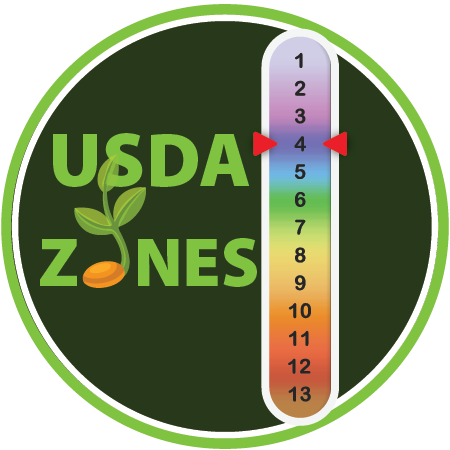
USDA ZONES
3 - 9
ESTABLISHMENT RATE
Moderate to fast


Red Clover (Trifolium Pratense) - Red clover seeds are an important forage legume grown widely in the temperate regions throughout the U.S. extending from the Northeast through the Midwest to eastern North and South Dakota, Nebraska, and Kansas and into the upper South. Red clover is becoming increasingly important in the Deep South where it is used as a winter annual. It is also grown in many areas from bulk clover seeds in the Pacific Northwest and other regions of the U.S.
Inoculated Seed - Our Red clover seed has been coated with an inoculant for better establishment. Nitrogen fixation is a one of the key values found in legumes and can only occur with the proper inoculation. Although many strains or Rhizobium may be present in the soil, all are not equally beneficial. With Nitro-Coat® each seed is inoculated with the correct Rhizobium strains and coated through a proven process that ensures a very high level of successful inoculation. A key to any successful establishment and early seed development is moisture. Nitro-Coat® is naturally water absorbent and helps attract soil moisture to the seed, getting your stand established quickly. This coating process which Outsidepride utilizes, assures that only the top-performing and crop-specific rhizobia will be applied to ensure your clovers reach maximum nodulation, stand establishment, and yield potential. With Nitro-Coat® each seed is inoculated with the correct Rhizobium strains and coated through a proven process that ensures a very high level of successful inoculation. The weight of the clover seeds will contain approximately 34% coating material that contains the inoculant and water holding material for better establishment and viability of the seed. There is no difference in the seeding rates between the coated and raw seed due to the increased germination and viability of the bulk clover seeds that are coated and inoculated. This coating material is not OMRI certified.
Red clover is adapted to a wide range of climatic conditions, soil types, fertility levels, use patterns and management. It is easy to establish, red clover seeds establish vigorously and is a very good clover to fixate nitrogen out of the atmosphere and in to the soil. Red clover is relatively easy to remain free of disease and pests. For this reason, red clover has many uses and is often used as part of a crop rotation program. Although red clover seed is tolerant of a wide range of soil and climatic conditions, it prefers rather mild conditions rather than hot climates and prefers locations where rainfall or irrigation are consistent throughout the year.
Red clover is most often grown in association with cool season grasses but can be grown alone or with certain warm season perennial grasses. It can be used for pasture, hay, or silage, and is an excellent soil improvement crop. When grown where it is well-adapted, the yield of red clover seed is usually higher than that of any other clover. In addition, it has a longer growing season than any other clover grown in the United States.
Red Clover - Soils & Fertility
Red clover seeds grow best on medium to well drained soils with adequate levels of fertility. To ensure your red clover seed gets off to a good start, it is worth the money to invest in a good soil test so you can find out the soil pH, phosphorus and potassium levels. Red clover seeds yields better and stands last longer when grown on soils with at least medium levels of phosphorus and potassium. A pH of 6.2-6.5 is usually recommended for excellent yields and stand persistence. In some states certain minor elements are recommended. You can contact your county extension agency to find out the best soil environment for your red clover seed. Nitrogen is not recommended when seeding red clover into grass. Nitrogen will stimulate the grass, thus providing more competition for the red clover seedlings during establishment.
Red Clover - Management
Adequate amounts of lime, nitrogen, phosphorus, potash and minor elements are needed to produce high yields of red clover and to maintain desirable stands. Nitrogen is supplied by nitrogen-fixing bacteria in nodules of properly inoculated red clover. Except for red clover seed production and in certain geographic locations, minor elements are usually supplied in adequate quantities by the soil. In general, lime, phosphorus, and potassium are the critical elements for red clover-grass production. Red clover seeds require a higher pH, as well as more phosphorus and potassium than most grasses. A soil test should be used as a guide in determining the amounts of fertilizer and lime needed as mentioned above.
Red Clover - Seed Planting
Plant red clover seeds at 1/2 lb per 1,000 square feet or 8 to 16 lbs per acre. Ideal seeding depth is approximately 1/4 inch, but error on the side of being shallow rather than too deep. Good seed-soil contact helps ensure establishment. Most red clover is seeded in late winter to early spring in the northern and central parts of the red clover belt. Autumn plantings are preferred in the Lower South.
Frequently Asked Questions
Why does my clover produce lots of leaves but few flowers?
This usually happens when the soil has too much nitrogen from fertilizers. Clover naturally fixes nitrogen, so excess feeding pushes leafy growth instead of blooms. Reducing nitrogen input and ensuring adequate phosphorus and potassium will encourage better flower production and longer blooming periods.
How often should I mow clover to keep it blooming?
Clover should not be mowed too frequently, as cutting removes developing flower buds. Mowing once after the peak bloom allows seeds to form and flowers to regenerate. Setting mower blades higher and leaving patches uncut will help extend the blooming season naturally.
Can overwatering really reduce clover blooming?
Yes, overwatering creates waterlogged soil, suffocating roots and encouraging fungal diseases that weaken plants. Clover thrives in evenly moist but well-drained soil. Deep, infrequent watering supports strong root systems and healthier blooms, while consistent overwatering reduces flowering and may cause early plant decline.
Why is soil pH important for clover flowers?
Soil pH affects nutrient availability. If the soil is too acidic or alkaline, clover cannot absorb key elements like phosphorus and potassium that support flowering. Testing soil regularly and adjusting pH with lime or sulfur ensures balanced conditions and better blooming performance.
Can clover grow well in shady areas?
Clover tolerates partial shade but produces fewer flowers with less sunlight. For abundant blooms, plant it where it receives at least six hours of direct sun daily. If your garden is shaded, trimming trees or relocating clover to sunnier spots will improve blooming significantly.
How is red clover typically used:
Red clover has many uses, including hay and grazing. It is also an excellent soil builder and wildlife food source.
Is Red Clover Adaptable?
It thrives in diverse climates, soils, and management styles, adapting to various conditions, fertility levels, and usage patterns. It is easy to establish, with flowering seeds that grow vigorously, making it an excellent choice for fixing nitrogen.
Does It Improve Soil Fertility?
Red clover significantly enhances soil fertility and structure, contributing to better agricultural practices. It is versatile, serving as an excellent crop for pasture, hay, or silage, and is particularly effective at improving soil quality.
Does Red Clover Grow In The Shade?
For optimal growth, plant red clover seeds in full sun. Proper sunlight and appropriate planting depth, along with excellent seed-soil contact, will promote healthy growth and robust establishment of red clover.
Where Can It Be Grown?
Our red clover seed thrives in USDA Zones 3-9 and full sun, adapting well to diverse climates, soil types, and fertility levels. It establishes vigorously, enhancing soil structure and fertility by fixing nitrogen, which supports better agriculture.
What Is The Seeding Rate & Planting Time?
Seed at 1/2 pound per 1,000 square feet or 8 to 16 pounds per acre. Normally planted between early Spring or late summer/early fall depending on your local climate.
Videos