









-
CATEGORY ::
- All Seeds /
- All Pasture Seed /
- All Legumes



Alfalfa - Vernal
SEASON
Perennial

HEIGHT
24 - 36 inches
ENVIRONMENT
Full sun to partial shade
USDA ZONES
2 - 9

About...
This variety has been the standard of the industry for many years. It exhibits good winter hardiness, has moderate re-growth after cutting, is fine stemmed and has dark green leaves. Vernal alfalfa seeds are used mostly for hay production in medium rotation applications.MORE LEGUMES OPTIONS
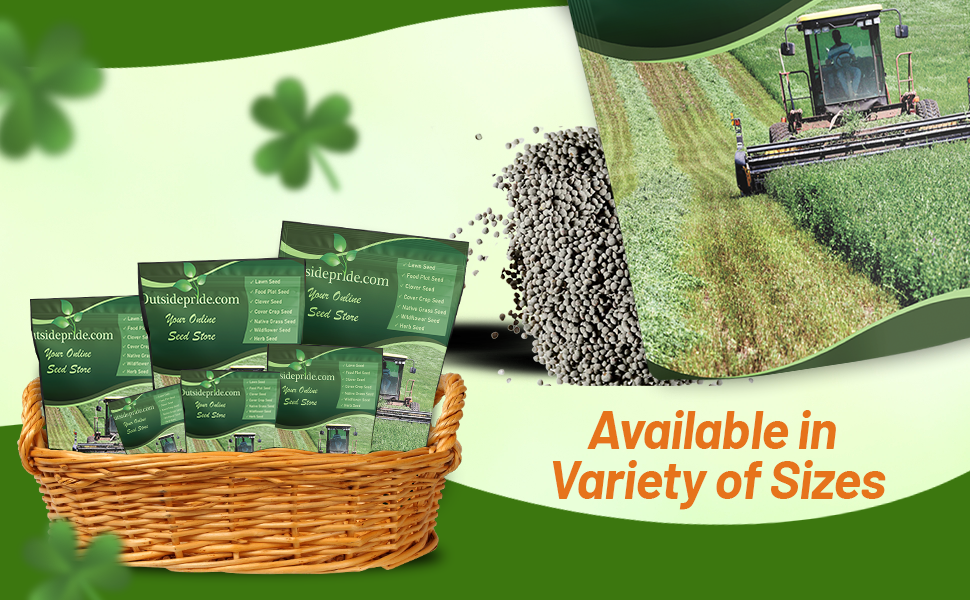
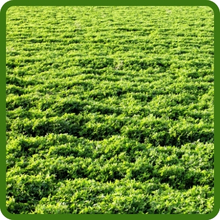
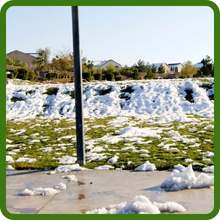
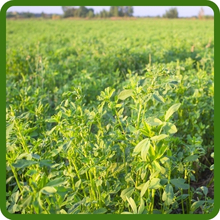
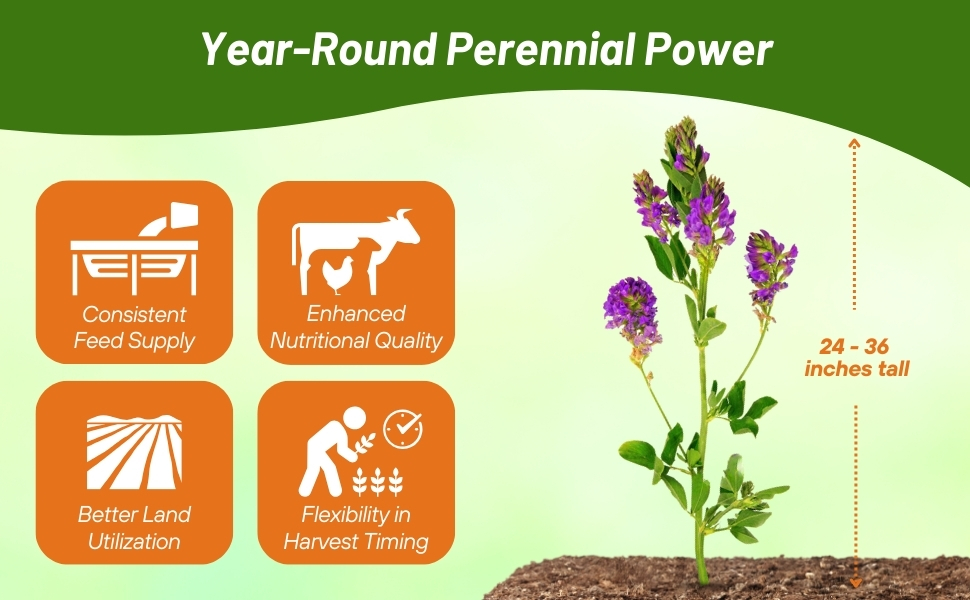
Vernal alfalfa has been the standard of the industry for many years. It exhibits good winter hardiness, has moderate re-growth after cutting, is fine stemmed and has dark green leaves. Vernal alfalfa is used mostly for hay production in medium rotation applications. It was developed by the University of Wisconsin and released in 1953.
Here are some of the outstanding features of Vernal alfalfa:
- Produces high yields even on fields where root rots are a problem
- Uniquely winterhardy, a full season variety with the winterhardiness of varieties adapted to the far north
- Wide spectrum pest resistance decreases yield fade in later stand years
- Very high yield potential, top performer in University yield trials
- Resists stem nematode problems common to lighter soils
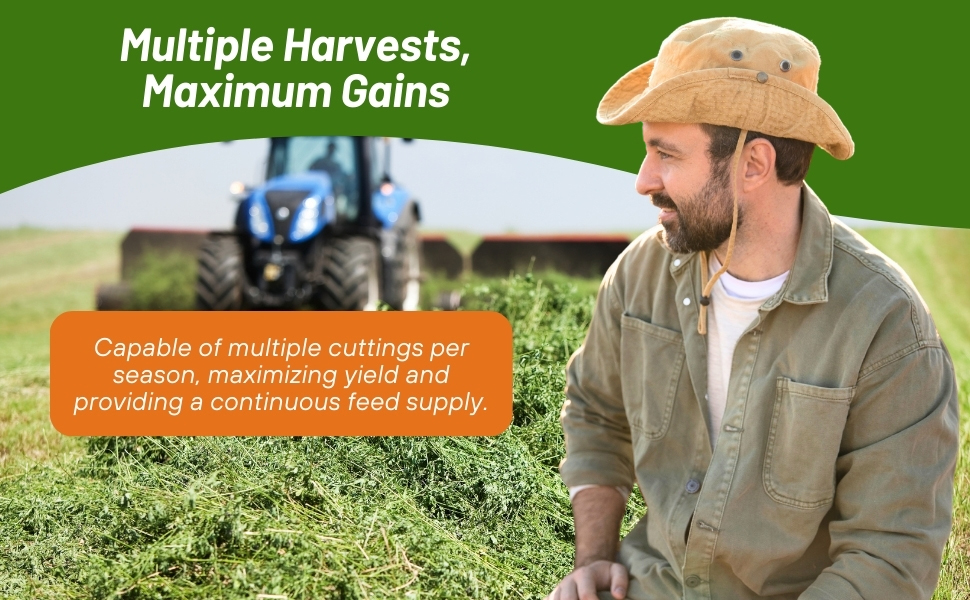
- Very fast recovery and very good frequent cutting tolerance
Establishment
Use a soil test measure as a guide to check your pH and nutrient status several months before seeding alfalfa seeds. Apply lime and fertilizer as needed. Your pH levels should be 6.5-7.0. An ideal soil bed is moist, fertile and firm. Vernal prefers crumbly silt loam to sandy loam textures but alfalfa seeds will grow well on most deep, well-drained soils with adequate internal and surface drainage. Alfalfa will die if the soil is saturated for an extended period.
Plowing will result in a clean, firm seedbed, but you have to plant when the soil is not too dry or too wet. Plowing may bring rocks to the surface and the field would be more subject to soil erosion. Discing or harrowing requires less time than plowing/tilling, but may not rid the seedbed of weed seeds, diseased plant parts or herbicide residues.
No-till seeding of alfalfa seeds can be completed on a wider range of soil conditions and rocks are left below the surface and the field is far less susceptible to soil erosion. You also save time, fuel and power requirements.
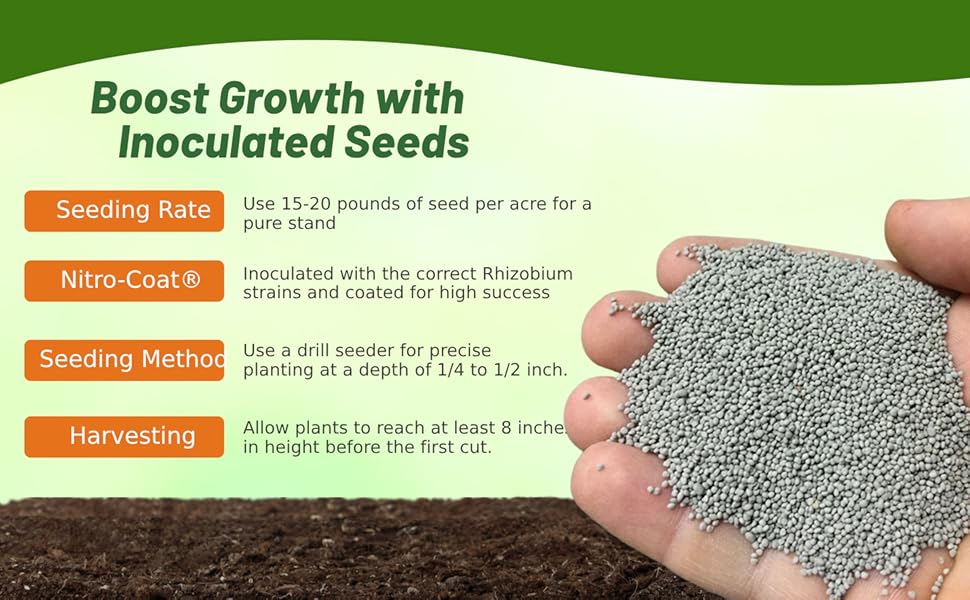
Plant alfalfa seeds 1/4" to 1/2" deep on medium to heavy textured soils and plant at least 1/2" on sandy soils either in the spring or late summer-early fall.
Management
For maximum yields, it is important to have 20-30 plants per square foot during the seedling year for protection against weed competition. Do not harvest alfalfa seeded in late summer until the following spring. Allow new seedlings to start to bloom before the first harvest. Cut three-four times a year when stand is 25% flowered.
Seeding Rate
15 to 20 lbs/acre.
Inoculated Seed - Our Vernal alfalfa seed has been coated with an inoculant for better establishment. Nitrogen fixation is a one of the key values found in legumes and can only occur with the proper inoculation. Although many strains or Rhizobium may be present in the soil, all are not equally beneficial. With Nitro-Coat® each seed is inoculated with the correct Rhizobium strains and coated through a proven process that ensures a very high level of successful inoculation. A key to any successful establishment and early seed development is moisture. Nitro-Coat® is naturally water absorbent and helps attract soil moisture to the seed, getting your stand established quickly. This coating process which Outsidepride utilizes, assures that only the top-performing and crop-specific rhizobia will be applied to ensure your clovers reach maximum nodulation, stand establishment, and yield potential. With Nitro-Coat® each seed is inoculated with the correct Rhizobium strains and coated through a proven process that ensures a very high level of successful inoculation. The weight of the alfalfa seeds will contain approximately 34% coating material that contains the inoculant and water holding material for better establishment and viability of the seed. There is no difference in the seeding rates between the coated and raw seed due to the increased germination and viability of the bulk alfalfa seeds that are coated and inoculated. This coating material is not OMRI certified.

Videos