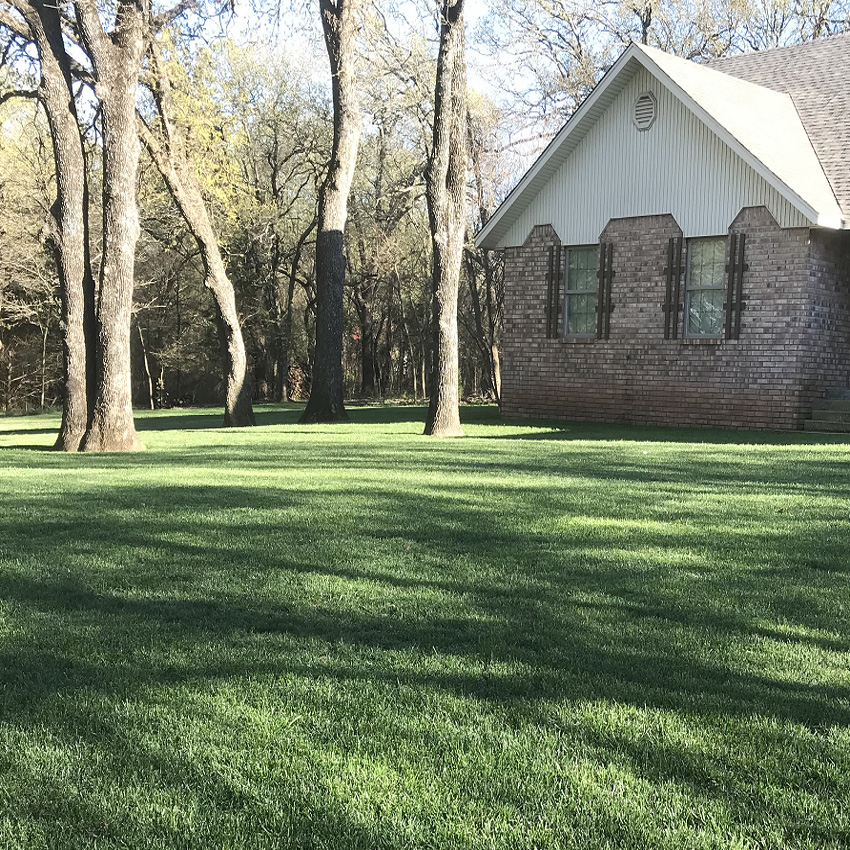
Grasses used in Alabama can be divided in to two groups: warm season grasses and cool season grasses. As their names imply, warm season grasses are adapted to hot weather and are usually native to tropical or sub-tropical environments. They go dormant in the winter and turn brown. Cool season grasses are better suited to cool weather and are usually native to temperate areas. They remain green all winter long.
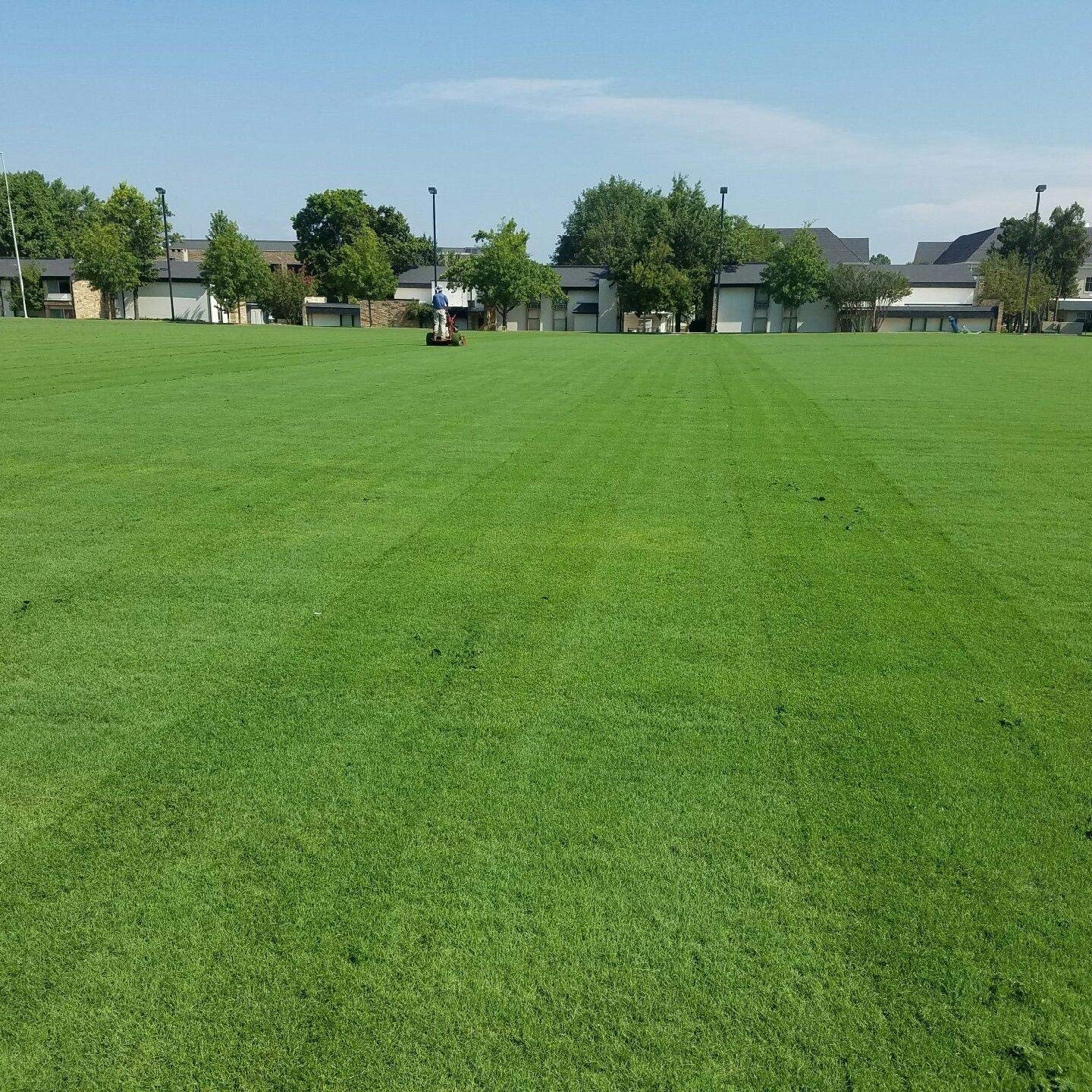
Warm season grasses: Bermudagrasses are the most popular warm season grass in Alabama. Bermudagrass is prized for its exceptional heat and drought tolerance which makes it well suited to the Alabama climate. Due to its fast growth habit, Bermudagrass also has a high well tolerance and is suitable for frequented lawns, soccer-fields, and gold courses alike. Bermudagrasses are more sensitive to cold weather and thus if you live in the northern areas of Alabama your best choice would be Yukon Bermudagrass which has superior cold tolerance.
Excellent Heat Tolerance
Superior Drought Tolerance
Wear Tolerant
Not well suited for northern Alabama (choose Yukon Bermudagrass instead)
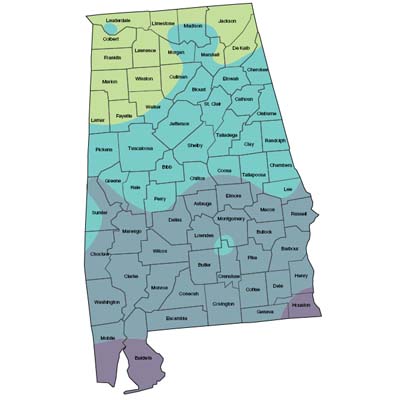
warm season grass options are best suited for Alabama counties: Sumter, Choctaw, Washington, Mobile, Marengo, Clarke, Dallas, Wilcox, Monroe, Conecuh, Escambia, Baldwin, Autaguga, elmore, Montgomery, Lowndes, Butler, Crenshaw, Covington, Macon, Bullock, Pike, Coffee, Dale, Barbour, Russell, Henrey, Geneva, and Houston.
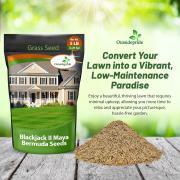
Arden 15 bermuda grass seed can be used on golf course fairways and tees - manicured home lawns - well maintained sports turf and parks. It has several advantages over traditional Bermuda grasses: Arden 15, just has a higher overall turf quality than all commercial seeded varieties in U.S. and international tests. This bermuda grass variety has a beautiful dark green color, medium fine leaf texture. Just as its predecessor Princess 77 had, Arden 15 has a high leaf density as well as a moderate spring greenup and fall color retention, and it is easily established from grass seed.
Golf Courses
Lawns
High End
Cool season grasses: Cool season grasses are a good choice for the northern half of Alabama or shady areas in Southern Alabama. Options include: Combat Extreme Southern, Combat Extreme Transition, and OSP Ryegrass. Other than having better cold tolerance than Bermudagrasses (although worse heat tolerance), these cool-season options can remain green in winter and are usually more cost-effective.
Better Cold Tolerance
Good Wear Tolerance
Cost Effective
May struggle during summer in southern Alabama
Cool season grasses are most suited for the Alabama counties: Lauderdale, Limestone, Madison, Jackson, Colbert, Lawrence, De Kalb, Marion, Winston, Cullman, Walker, and Fayette. Counties more southern than those should consider Bermudagrass options or make sure they are planting the cool season grass in a partially shaded area.
Combat Southern is a popular choice for homeowners because it is more cost effective for lawns than bermudagrass alternatives. Blending fescue grass seed varieties together that have top performance on some of the desired characteristics allows the lawn to adapt itself to various conditions. In the shady areas, the grass seed varieties with good shade tolerance will prevail, in the high traffic areas the best wear tolerant grass seed varieties will prevail, etc. The result is a beautiful lawn grass everywhere, from the same seed blend.
Most of the grasses used for turf in Alabama are warm season grasses. In north Alabama, some species of fescue (especially tall fescue) are used for permanent lawns. Creeping bentgrass is used on golf courses for putting greens in the northern half of the state. Ryegrass is used to overseed warm season grasses in the winter. This provides a green color when the wearm season grass is dormant.
One grass which is not suitable for use in Alabama is Kentucky bluegrass. Although this is the most popular grass nationwide because of its great appearance, it does not have the heat resistance to stand up to Alabama summers.
Bermuda grass is the most common grass found in Alabama. While Northern Alabama lies in a transitional zone, the cool season grasses (Fescue, Ryegrass, Bluegrass) will struggle to survive the hot summer temperatures when planted. Turf Type Fescue would be the exception to that in some areas of Northern Alabama. Due to summer heat stress, warm season grasses are the primary grasses planted in Alabama for full sun. For shade, turf type fescue is the best option like our Combat Extreme.
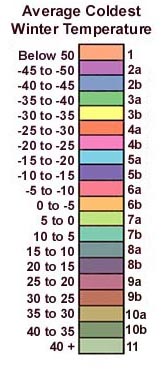
USDA Zone Map for Alabama
Below is the USDA Zone Map for Alabama so you can determine which zone you reside in. Below that are our picks for your state which will do best in your area. Next on this page are tables which list various grasses and their characteristics so you can compare before you decide on your purchase. Click on the product name (ie. La Prima) for more information about that grass and to make your purchase.