Page Index:
Grasses used in Texas for lawns are dependent on largely where in this large state they will be planted. Growing season ranges from 185 days in Northern cooler areas to over 300 days in the Southeast. Rainfall is also a factor in lawns with a wide range from over 50+ inches in the East to less than 10 in the western areas. Due to these factors, cool season and warm season grasses are used.
Cool-season grasses:
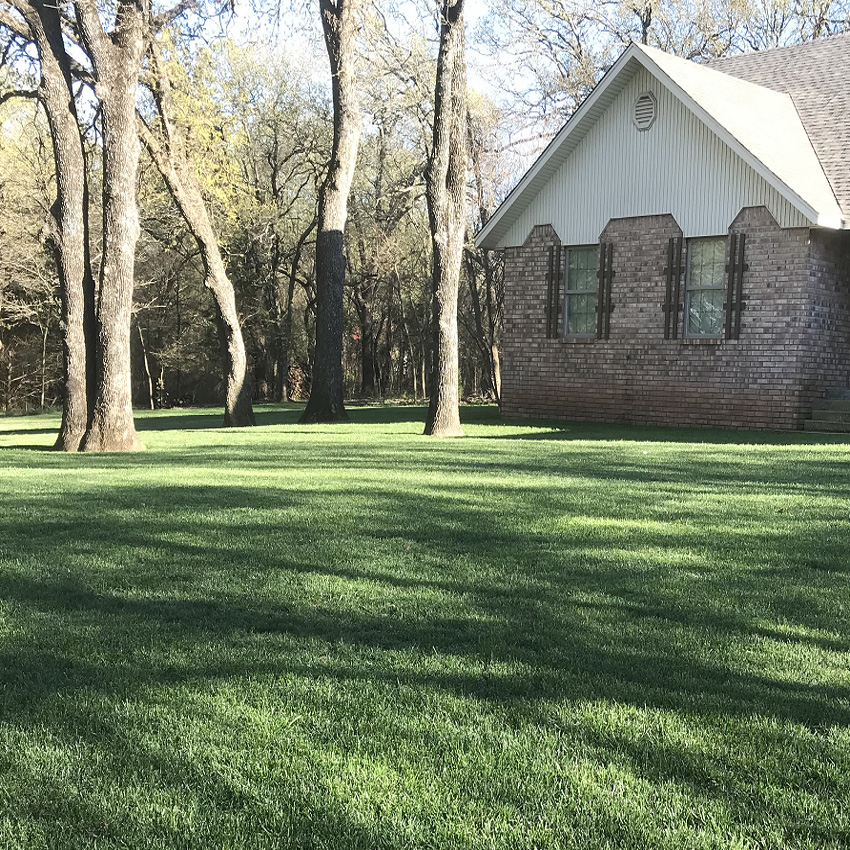
Tall Fescue (Festuca arundinacea). Tall fescue will tolerate a wide range of soil conditions, but like most turfgrasses grows best with a soil pH between 5.5 and 6.5. Turf-type tall fescues are used extensively in the Dallas/Fort Worth area and Northern Texas, but generally will require irrigation to survive heat/drought. Fescue can be used in any part of the state in shady areas.
Perennial ryegrass (Lolium perenne). Ryegrass is suited for overseeding warm season grasses throughout Texas. They can be used as a temporary winter cover on new lawns that have not been permanently established. Ryegrasses are also used for overseeding, that is, to provide a green cover on a warm-season grass during the winter.
Kentucky bluegrass - Kentucky bluegrass is a persistent and attractive species that is used in many home lawns, institutional grounds, parks, and athletic fields. This species has a medium to fine leaf texture and a medium- to dark-green color when properly fertilized. It produces extensive underground stems, called rhizomes, which provide good sod-forming characteristics and superior recuperative potential when compared to most other cool-season turfgrasses. Kentucky bluegrass is cold tolerant, wear tolerant, and moderately heat and drought tolerant. It makes optimum growth during the spring and fall and becomes semi-dormant under prolonged periods of heat and drought. It usually recovers quickly from dormancy with the advent of cooler temperatures and adequate soil moisture. Kentucky bluegrass is limited in use to mainly panhandle areas of Texas.
Warm-season grasses:
Bermudagrasses (Cynodon Spp). All bermudas thrive in hot weather but perform poorly in shade. Bermudas spread so rapidly by both above-and-below-ground runners that they are difficult to control around flower beds, walks and borders. If fertilized adequately, they require frequent mowing. The bermudagrasses are adapted to the entire state and tolerate a wide soil pH.
Centipedegrass (Eremochloa ophiuroides). This is a low, medium textured, slow growing but aggressive grass that can produce a dense, attractive, weed-free turf. It is more shade tolerant than bermudagrass but less shade tolerant than St. Augustine and zoysiagrass. Since centipede produces only surface runners, it is easily controlled around borders of flower beds and walks. It is well adapted as far north as Atlanta and Athens.
Centipede is the ideal grass for the homeowner who wants a fairly attractive lawn that needs little care. Centipede does not require much fertilizer or mowing, and compared to other lawn grasses, is generally resistant to most insects and diseases. It will, however, respond to good management and provide a very attractive turf. Centipede can be established from either seeds or sprigs. Since it is slow growing, it takes longer than bermuda and St. Augustine to completely cover. Centipede is used in North Texas and Panhandle areas.
Centipede is subject to "decline" problems that can be prevented by proper management. This includes care not to overfertilize, prevention of thatch accumulation, irrigation during drought stress, particularly in the fall, and maintaining a mowing height of 1-1 1/2 inches. Centipede is well adapted to soils of low fertility with a pH of 5.0 to 6.0 but grows best, like most grasses, at a soil pH of 6.0 to 6.5.
Zoysiagrasses (Zoysia Spp). Several species and/or cultivars of zoysiagrasses are available in Texas. Most are adapted to the entire state and form an excellent turf when properly established and managed. For the best appearance, most zoysias require cutting with a reel mower, periodic dethatching, and more frequent irrigation than other warm season turfgrasses. The zoysias form a dense, attractive turf in full sun and partial shade, but may thin out in dense shade. Most zoysias grow very slowly when compared to other grasses.
The zoysiagrasses are (1) slow to cover completely, thus more costly to establish; (2) less drought-tolerant than bermudagrass; and (3) recommended for lawn use only when the homeowner is willing to provide the required maintenance.
Buffalograss - These warm season stoloniferous grasses, due to their drought resistance, are becoming popular in the dryer areas where rainfall is limited to less than 20 inches annually. Buffalograsses are resistant to heat and drought. They are well adapted to a wide range of soils, but especially to alkaline conditions and soils of low fertility. Buffalograsses are slow to establish and they require infrequent mowing.
Carpetgrass (Axonopus affinis). Carpetgrass is a perennial, coarse-leaved, creeping grass which grows in coastal regions of the state. It grows better on low, wet soils than do other grasses. It will grow well in either sun or shade but is less shade tolerant than St. Augustine and centipedegrass which it resembles. Carpetgrass may be planted by seed or sprigs.
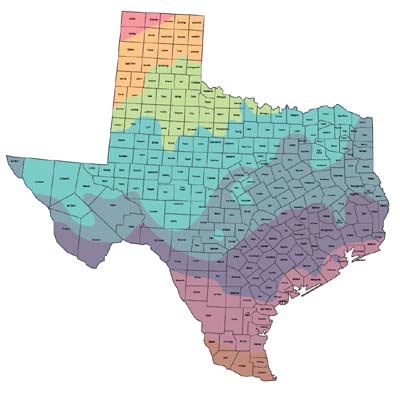
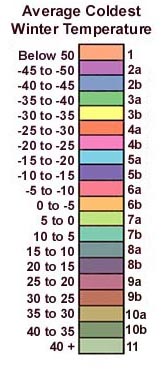
Below is the USDA Zone Map for Texas so you can determine which zone you reside in. Below that are our picks for your state which will do best in your area. Next on this page are tables which list various grasses and their characteristics so you can compare before you decide on your purchase. Click on the product name (ie. La Prima) for more information about that grass and to make your purchase.

| USDA Zone Map For Texas | |
|---|---|
![]() |
![]() |
| Best Grasses For Texas | |||
|---|---|---|---|
| Product Name | Species | Category | Applications |
| La Prima | Bermuda Grass | Warm Season | Lawns - Full Sun |
| Yukon | Bermuda Grass | Warm Season | Lawns - Full Sun |
| Centipede | Centipede Grass | Warm Season | Lawns - Mostly Sunny to Full Sun |
| Supreme | Buffalo Grass | Warm Season | Lawns - Full Sun |
| Zenith | Zoysia Grass | Warm Season | Lawns - Mostly Sunny to Full Sun |
| Compadre | Zoysia Grass | Warm Season | Lawns - Mostly Sunny to Full Sun |
| Carpet | Carpet Grass | Warm Season | Lawns - Partial Sun Lawns - Wet Areas |
| Seashore Paspalum | Seashore Paspalum | Warm Season | Lawns - Mostly Sunny to Full Sun |
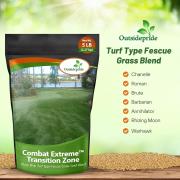
| Combat Extreme | Fescue - Turf Type | Cool Season | Lawns - Shady Areas |
| Champion Ryegrass | Rye Grass | Cool Season | Lawns - Winter Overseed |
| Midnight | Kentucky Bluegrass | Cool Season | Lawns - Full Sun, Panhandle |
| World Cup | Kentucky Bluegrass | Cool Season | Lawns - Full Sun, Panhandle |
| Compare Various Grasses For Their Characteristics | ||||||||
|---|---|---|---|---|---|---|---|---|
| Cool Season Grasses |
Leaf Texture |
Establish Rate |
Nitrogen Use |
Water Use |
Drought Tolerance |
Salinity Tolerance |
Shade Tolerance |
|
| Bentgrass - Creeping | Fine | Moderate to Fast |
Low to Moderate |
High | Poor to Moderate |
|
| Bentgrass - Colonial | Fine | Moderate to Fast |
Low | Moderate | Poor to Moderate |
Moderate | Moderate | |
| Bluegrass - Kentucky | Moderate to Fine |
Slow | Moderate to High |
Moderate to High |
Good | Moderate | Poor | |
| Bluegrass - Rough | Moderate to Fine |
Slow | Moderate to High |
Moderate to High |
Poor | Moderate | Excellent | |
| Fescue - Chewings | Fine | Moderate | Moderate to Low |
Moderate | Good to Excellent |
Low | Excellent | |
| Fescue - Hard | Fine | Slow to Moderate |
Low to Very Low |
Moderate | Excellent | Low to Moderate |
Excellent | |
| Fescue - Creeping | Fine | Moderate | Low to Moderate |
Moderate | Good | Low | Excellent | |
| Fescue - Turf Type | Moderate to Coarse |
Moderate | Moderate to High |
Low to Moderate |
Excellent | Low | Good to Excellent |
|
| Ryegrass - Perennial | Fine to Moderate |
Very Fast | Moderate to High |
Moderate to High |
Good | Poor to Moderate |
Poor to Moderate |
|
| Warm Season Grasses |
Leaf Texture |
Establish Rate |
Nitrogen Use |
Water Use |
Drought Tolerance |
Salinity Tolerance |
Shade Tolerance |
|
| Bahiagrass | Coarse toVery Coarse |
Slow to Moderate |
Low | Low | Excellent | Excellent | Moderate to Good |
|
| Bermudagrass | Fine to Moderate |
Moderate to Fast |
Moderate | Moderate to High |
Excellent | Very Good | Poor | |
| Blue Grama | Fine to Moderate |
Slow to Moderate |
Low | Low | Excellent | Moderate | Very Poor | |
| Buffalograss | Moderate to Coarse |
Slow to Moderate |
Low | Low | Excellent | Moderate | Very Poor | |
| Carpetgrass | Coarse | Moderate to Fast |
Low | High | Low | Low | Excellent | |
| Centipedegrass | Moderate to Coarse |
Slow | Low | Low | Good | Moderate | Moderate to Good |
|
| Seashore Paspalum | Moderate | Moderate | Moderate | Moderate | Excellent | Excellent | Good | |
| Zoysiagrass | Fine to Medium |
Slow to Moderate |
Moderate | Moderate | Excellent | Good | Moderate to Good |
|
| Compare Various Grasses For Their Characteristics - Continued | ||||||||
|---|---|---|---|---|---|---|---|---|
| Cool Season Grasses |
Fertility Needs |
Wear Resistance |
Mowing Height |
Cold Tolerance |
Acid Soil Tolerance |
Thatching Tendency |
Heat Tolerance |
|
| Bentgrass - Creeping | High | Low | Low | Low | Medium to High |
High | High | |
| Bentgrass - Colonial | High | Low | Low | Low | Medium to High |
High | High | |
| Bluegrass - Kentucky | Medium | Medium to High |
Medium | High | Medium | Medium | Medium | |
| Bluegrass - Rough | Medium | Medium | Medium | High | Medium | Medium | Medium | |
| Fescue - Chewings | Low | Low | Medium | Medium to High |
Medium to High |
Low to Medium |
Low to Medium |
|
| Fescue - Hard | Low | Low | Medium | Medium to High |
Medium to High |
Low to Medium |
Low to Medium |
|
| Fescue - Creeping | Low | Low | Medium | High | Medium to High |
Low to Medium |
Low to Medium |
|
| Fescue - Turf Type | Low to Medium |
Medium to High |
Medium to High |
Medium | High | Low | High | |
| Ryegrass - Perennial | Medium | High | Low to Medium |
Medium | Medium | Low | Medium to High |
|
| Warm Season Grasses |
Fertility Needs |
Wear Resistance |
Mowing Height |
Cold Tolerance |
Acid Soil Tolerance |
Thatching Tendency |
Heat Tolerance |
|
| Bahiagrass | Low | Medium to High |
High | Low | Low | Medium to High |
High | |
| Bermudagrass | Medium | High | Low to Medium |
Low to Medium |
Medium | Medium | High | |
| Blue Grama | Low | Low | High | High | Low | Low | High | |
| Buffalograss | Low | Low | High | High | Low | Low | High | |
| Carpetgrass | Low | Medium to High |
Low | Medium to High |
Medium to High |
High | Low | |
| Centipedegrass | Low | Low | Medium to High |
Medium to High |
High | Medium | High | |
| Seashore Paspalum | Medium to High |
Medium to High |
Low | Medium | Low | Medium to High |
High | |
| Zoysiagrass | Low to Medium |
Medium to High |
Low to Medium |
High | Low to Medium |
Medium to High |
High | |
To calculate the amount of seed you will need for your project, click one of the links below for the type of grass seed you are interested in. A dialog window will appear listing your selected coverage and providing options for calculating your seed.
If you already know the square feet, length/width or acreage of your yard or lot, you can use the 'Quick Calculator'. If you need to add multiple lots and/or subtract areas that will not require seed, you may use the 'Advanced Calculator.'
The dialog window can be moved by clicking and dragging the top 'title bar'. You may click different types of seed to recalculate without re-entering your data.
| Cool Season Grasses: | ||
|---|---|---|
| Type of Grass: | Name of Grass: | Square Feet Covered |
| Bentgrass, Colonial | Highland | 500 to 1000 |
| Bentgrass, Creeping | Nu Penn or Penncross | 500 to 1000 |
| Bluegrass, Creeping | True Putt | 350 to 500 |
| Bluegrass, Kentucky | Midnight or World Cup | 350 to 500 |
| Bluegrass, Rough | Maximum | 350 to 500 |
| Envirolawn | Envirolawn | 750 |
| Fescue, Fine | Hard, Creeping, Sheeps or Legacy | 150 to 200 |
| Fescue, Turf Type Tall | Combat Extreme | 100 to 125 |
| Mixtures, Turf Type Fescue & Kentucky Bluegrass | Combat Blue | 175 to 200 |
| Mixtures, Ryegrass & Fine Fescue | Garland | 125 to 175 |
| Mixtures, Ryegrass, Bluegrass, & Fine Fescue | Showtime | 175 to 250 |
| Mixtures, Rough Bluegrass & Supina Bluegrass | Poa Supina | 350 to 500 |
| Ryegrass, Perennial | Outsidepride Blend | 100 to 140 |
| Warm Season Grasses: | ||
| Type of Grass: | Name of Grass: | Square Feet Covered |
| Bahia | Pensacola | 175 to 200 |
| Bermuda | Laprima, Princess, or Riviera | 350 to 500 |
| Blue Grama | Bad River | 350 to 500 |
| Buffalo | Cody or Supreme | 350 to 500 |
| Carpet | Carpet | 200 to 250 |
| Centipede | Coated | 1000 to 2000 |
| Seashore Paspalum | Seashore Paspalum | 1000 |
| Zoysia | Companion or Zenith | 500 to 1000 |
LazyMan™ Liquid Gold lawn aerator, dethatcher and conditioner is a 3-in-1 easy apply spray-on liquid application to aerate, dethatch, and condition your turf and soil. This revolutionary polymer based liquid (polymaleic anhydride terpolymer and maleic anhydride sulfonated copolymer) also has humic acids, kelp, non-pathogenic thatch eating microbes, and mycorrhizae. The best thing about LazyMan™ Liquid Gold is you spray it on the whole lawn, the whole field, the whole golf course and then it just works, and keeps working, and keeps working. Sure, mechanical aeration is good for turf, but LazyMan™ Liquid Gold is better, much easier, and much more economical! MORE INFO! |