









-
CATEGORY ::
- All Seeds /
- All Fruit Seed




Banana - Velutina

SEASON
Perennial
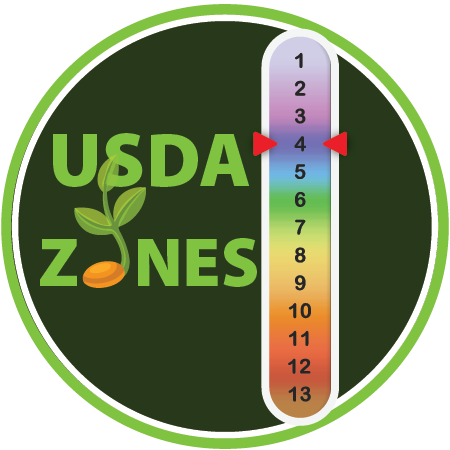
USDA ZONES
7 - 10

HEIGHT
72 inches

ENVIRONMENT
Full sun to partial shade

About...
Banana (Musa Veluntina) - There's something mystical about a pink velvet banana that will make your neighbors want one of these special banana trees too. Let Musa velutina be your first introduction to hardy bananas and let it become a favorite in your summer garden. Rarely exceeding 3 feet tall, Musa velutina produces copious flower stalks near the top of the trunk, starting in late summer.MORE FRUIT OPTIONS
Banana (Musa Velutina) - There's something mystical about a pink velvet banana that will make your neighbors want one of these special banana trees too. Let Musa velutina be your first introduction to hardy bananas and let it become a favorite in your summer garden. Rarely exceeding 3 feet tall, Musa velutina produces copious flower stalks near the top of the trunk, starting in late summer. Each stalk is soon home to attractive clusters of small, pink, velvet bananas, which peel themselves when ripe.
Once established, they seem to be quite winter-hardy. Until well-established, a cage of shredded leaves around the trunk in the winter months should do the trick. Grow as a perennial in zones 7b - 10 or greenhouse in winter months. Musa Veluntina will grow in full sun to partial shade.
The cinnamon scent, exotic leaves and extraordinary color of the musa velutina transforms any garden into a tropical oasis. It is an exotic type of banana tree which produces mysterious pink fruits instead of the usual yellow bananas we know. Although the actual flesh of the fruit is edible, the numerous large and small seeds are not which makes the consumption virtually impossible. Nevertheless, it is striking just in its appearance and will definitely spice up any garden.
To plant this banana seed, it is recommended to roughen the seed with sandpaper and keep it in water (room temperature) for about 12 - 24 hours before planting it. Special cultivating soil or coconut fiber is essential as these types of soil are particularly permeable. It is crucial to always keep the soil damp after planting the seed which should be fully covered in earth about 1/4 inch deep.
To enable the quick development of sprouts, plant the seed into a special breeding container to cultivate it and ensure that the temperature in the pot remains around 80 degrees. If cultivation at these temperatures is not possible, the sprouting process may take up to 10 weeks. The container should also be covered up by a transparent cover such as foil or glass but at the same time avoid mold by taking off the cover once every 3 days and letting a little air get to the soil.

Common Questions
Are banana trees easy to care for?
Banana trees are easy to grow if they have optimal conditions (indoors or outdoors). Give your banana tree lots of water, light, and fertilizer.
Do bananas need pollination to bear fruit?
Hybrid bananas are self-pollinating, so they don't need pollinators to bear fruit. Wild bananas, on the other hand, need to be pollinated by fruit bats.
How long does a banana tree take to bear fruit?
In the right conditions outdoors, a banana tree may bear fruit in 15 to 18 months after planting. After the banana has flowered and produced fruit, it dies back to the ground and another banana plant sprouts from the same roots.
Videos