










-
CATEGORY ::
- All Seeds /
- All Flower Seeds




Chicory Seeds
SEEDS PER POUND
425,923

SEASON
Perennial

USDA ZONES
3 - 9

HEIGHT
48 inches

BLOOM SEASON
Summer

BLOOM COLOR
Blue

ENVIRONMENT
Full sun

SOIL TYPE
Fertile, well-drained, pH of 5.5+

DEER RESISTANT
No

OFTEN HOUSE PLANT
No

About...
Chicory (Cichorium Intybus) - Chicory seeds produce a perennial wild flower that is not only lovely but beneficial as well. Chicory plants grow easily from flower seed in sunny locations and in well-drained or moderately drained soils. Cichorium Intybus plants have clusters of 1 - 3 daisy-like flowers, in brilliant pastel blue, and they prefer medium to higher fertility levels and a pH of 5.5 or greater.
MORE FLOWER OPTIONS

Planting Directions

TEMPERATURE
65 - 75F

AVERAGE GERM TIME
7 - 21 days

LIGHT REQUIRED
No

DEPTH
1/4 inch

SOWING RATE
2 ounces per 1,000 square feet or 5 pounds per acre

MOISTURE
Keep moist until germination

PLANT SPACING
10 - 12 inches


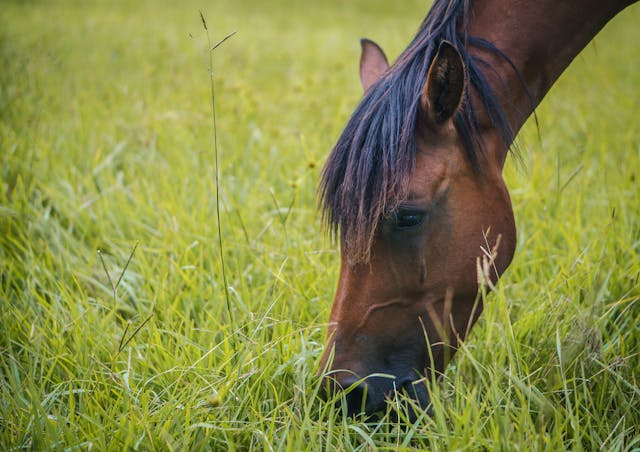
Chicory (Cichorium Intybus) - Chicory seeds produce a perennial wild flower that is not only lovely but beneficial as well. Chicory plants grow easily from flower seed in sunny locations and in well-drained or moderately drained soils. Cichorium Intybus plants have clusters of 1 - 3 daisy-like flowers, in brilliant pastel blue, and they prefer medium to higher fertility levels and a pH of 5.5 or greater. Chicory produces leafy growth that is higher in nutritive and mineral content than is produced by alfalfa or cool season grasses. It is drought tolerant due to its taproot which goes down deep to provide ample water. Chicory forage provides both spring and summer grazing with average growth rates from April through October of 50 pounds per acre per day. Chicory is a relatively new forage crop in the United States but has been used in other countries for more than 300 years. With warm temperatures in the spring it produces large numbers of leaves from the crown. In late spring, often during the second year of establishment, a few flower stems begin to develop from the crown and will reach heights of 6 feet. Even though Chicory has a thick taproot, it can be exposed and damaged by overgrazing, excessive hoof traffic, and frost heaving.
Seeding into an existing pasture - Broadcasting and no-till drilling are two methods that can be used to seed Chicory wild flower seed into existing pastures. Broadcast Chicory seeds onto existing pastures during the late winter or early spring when the soil freezes at night but thaws during the day. The freezing creates ice crystals that melt during the day and leave small holes in which the flower seeds can fall. To improve the success of this method, also called frost seeding, be certain to broadcast the flower seed early in the day before the soil thaws.
Seeding into a tilled seedbed - A moist, firm seedbed is required for forage Chicory, Chicory-grass, or Chicory-legume mixtures. Spring seedings of Chicory are usually successful. Summer seedings have been successful in some areas with proper irrigation. You do not want to sow Chicory flower seed after the middle of August as cooling temperatures and shortening day lengths in the fall impede Chicory stand development. You may either drill or broadcast chicory flower seed when planting although drilling is preferred because it provides a more uniform depth of planting. Plant Cichorium Intybus seeds 1/4 inch deep. Cultipacking the seedbed before and after broadcast seeding ensures the seeds have good seed-to-soil contact and are not planted too deep.
For more information on Chicory you may go to PSU where this information was adapted from. Click the link if you would like to view the PDF file from PSU. [Chicory]
Videos