









-
CATEGORY ::
- All Seeds /
- All Flower Seeds /
- All Flax Seeds

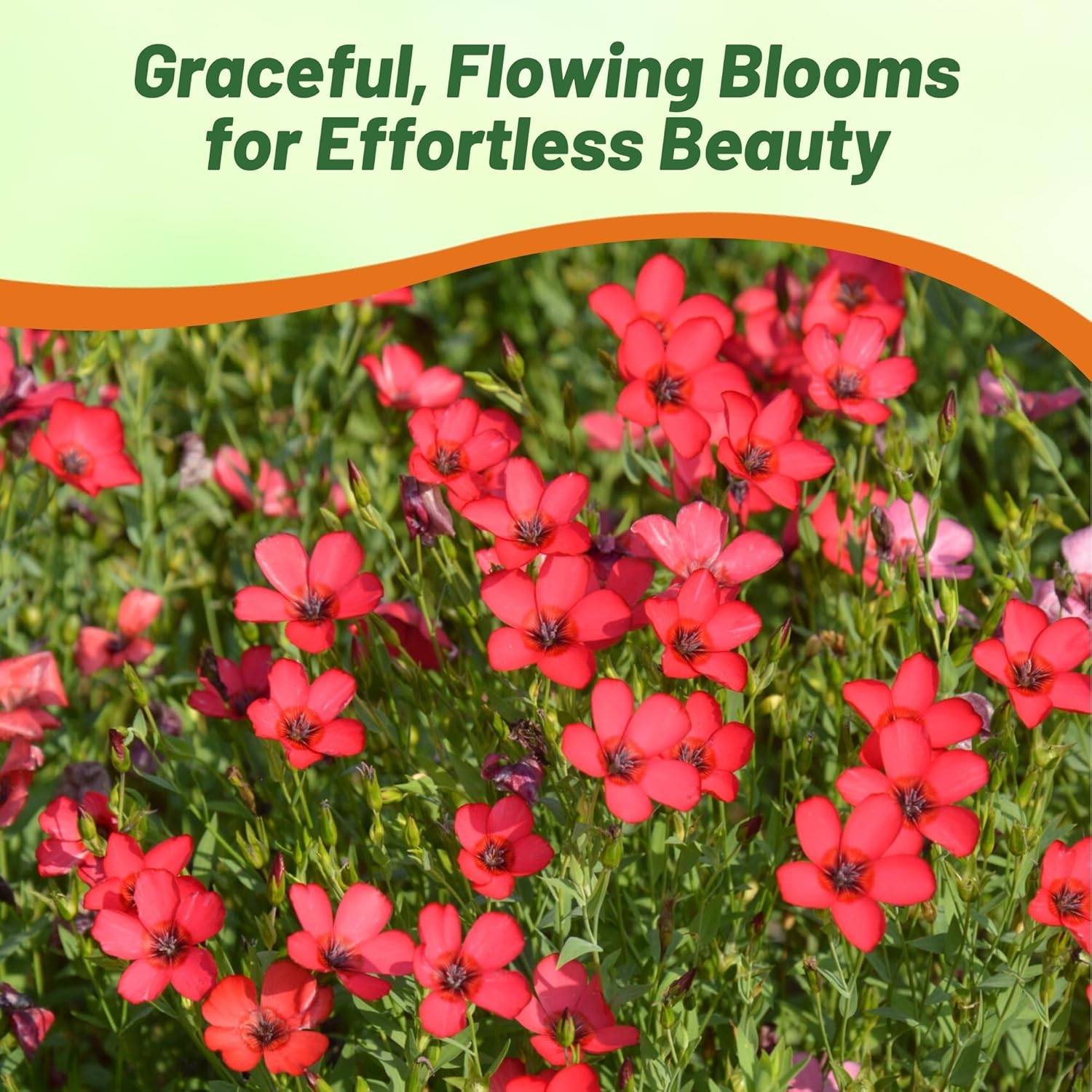
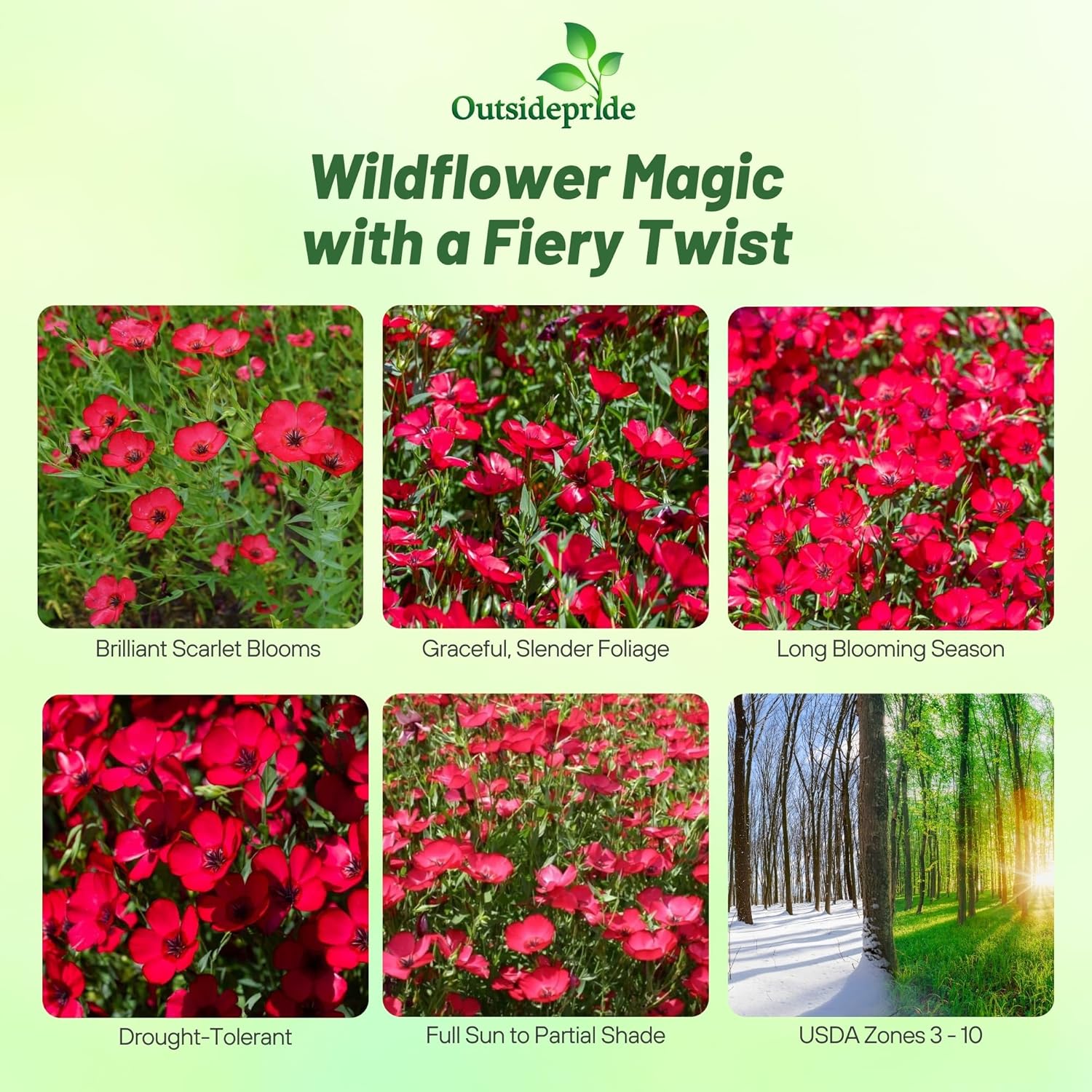
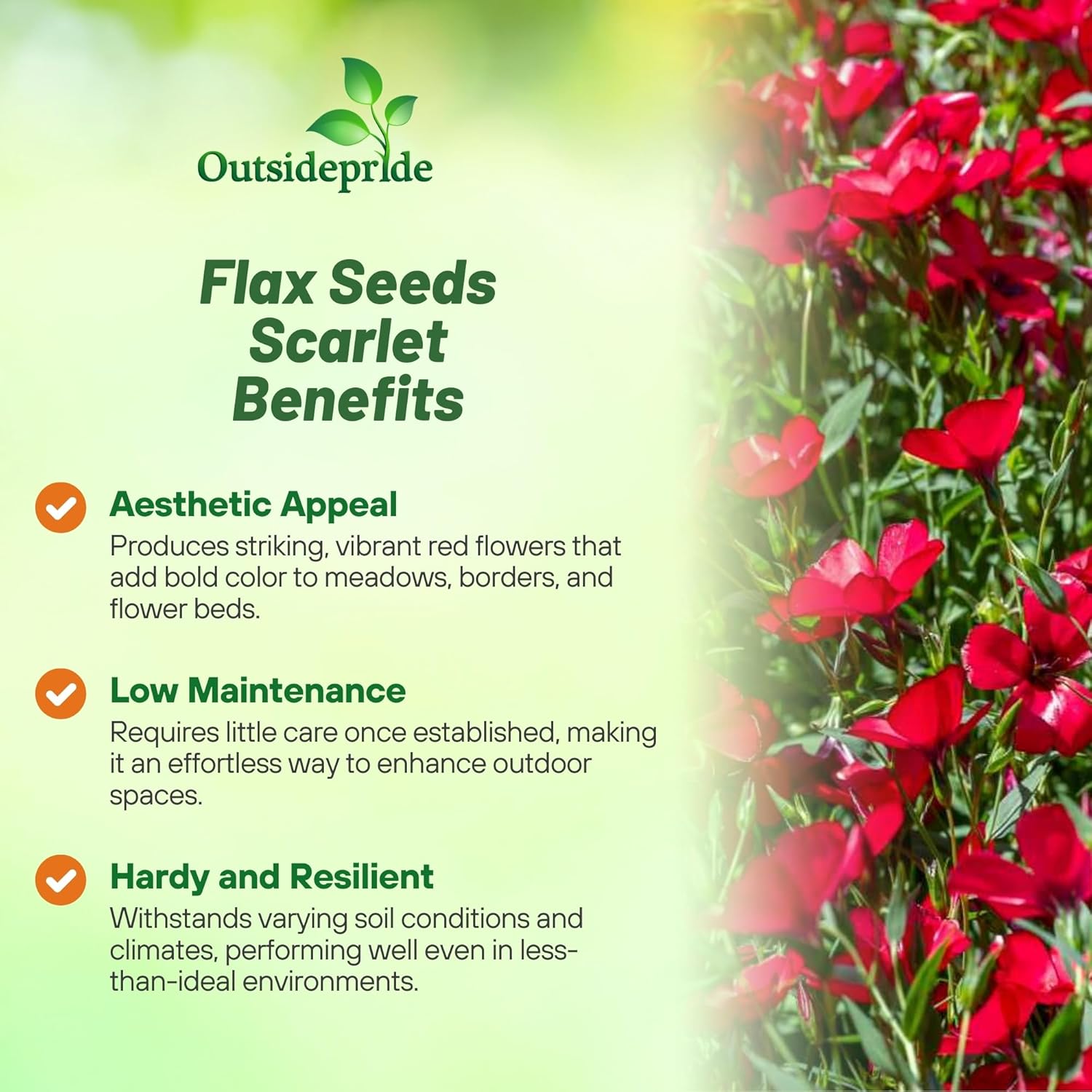
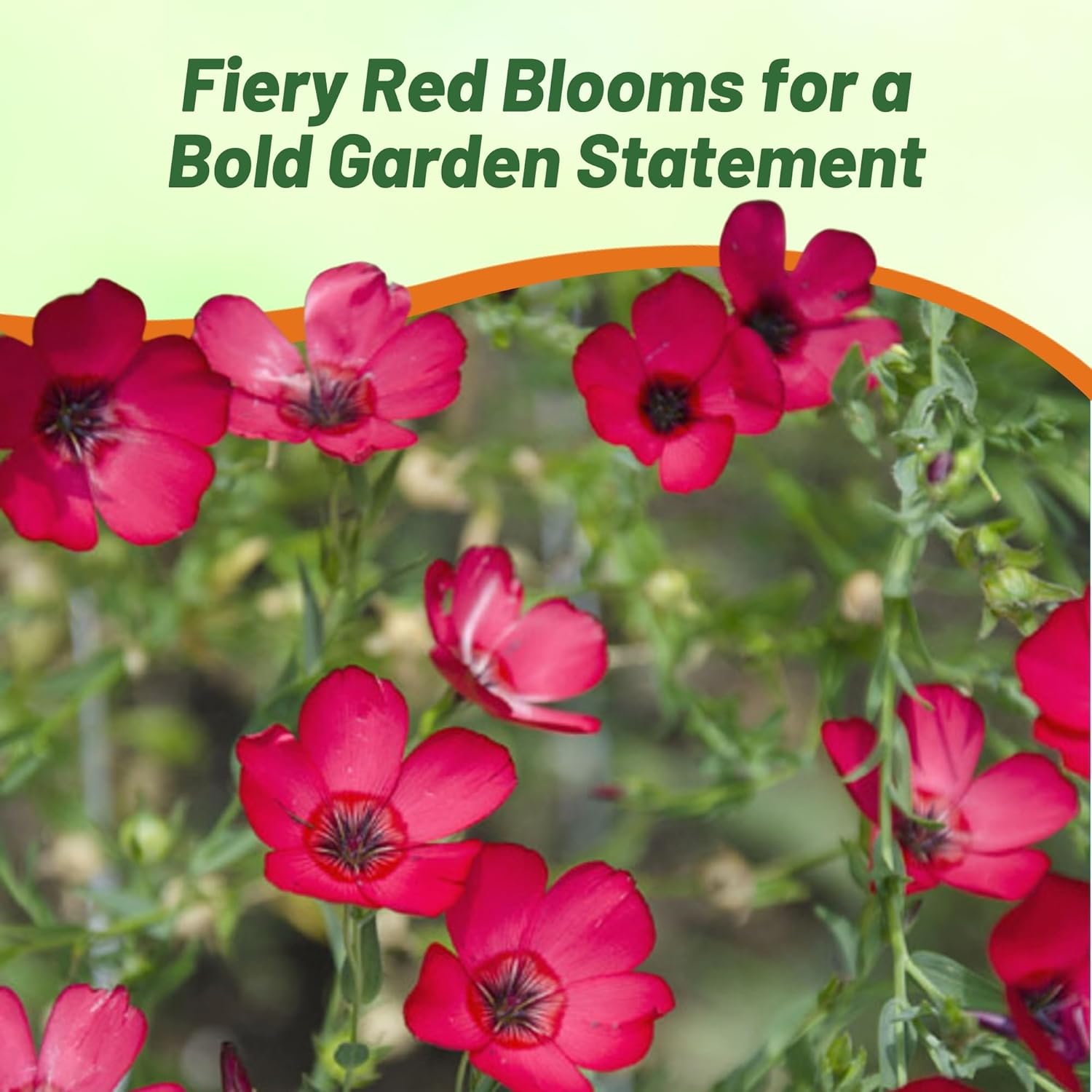

Flax Seeds - Scarlet
SEEDS PER POUND
136,000

SEASON
Annual
USDA ZONES
3 - 10

HEIGHT
14 - 24 inches

BLOOM SEASON
Late summer

BLOOM COLOR
Scarlet

ENVIRONMENT
Full sun to partial shade

SOIL TYPE
Well-drained, pH 6.5 - 7.5

DEER RESISTANT
Yes
HOUSE PLANT
No

About...
Scarlet Flax (Linum Rubrum) - What an outstanding profusion of color grown from Scarlet Flax seeds! Scarlet Flax wild flower is a drought tolerant, hardy annual, native to northern Africa and Southern Europe, and it has naturalized throughout the United States. Once established this variety can tolerate immense heat and extremely dry conditions though it will need watering at the height of summer.
MORE FLAX OPTIONS

Planting Directions
TEMPERATURE
65 - 70F

AVERAGE GERM TIME
20 - 25 days

LIGHT REQUIRED
Yes

DEPTH
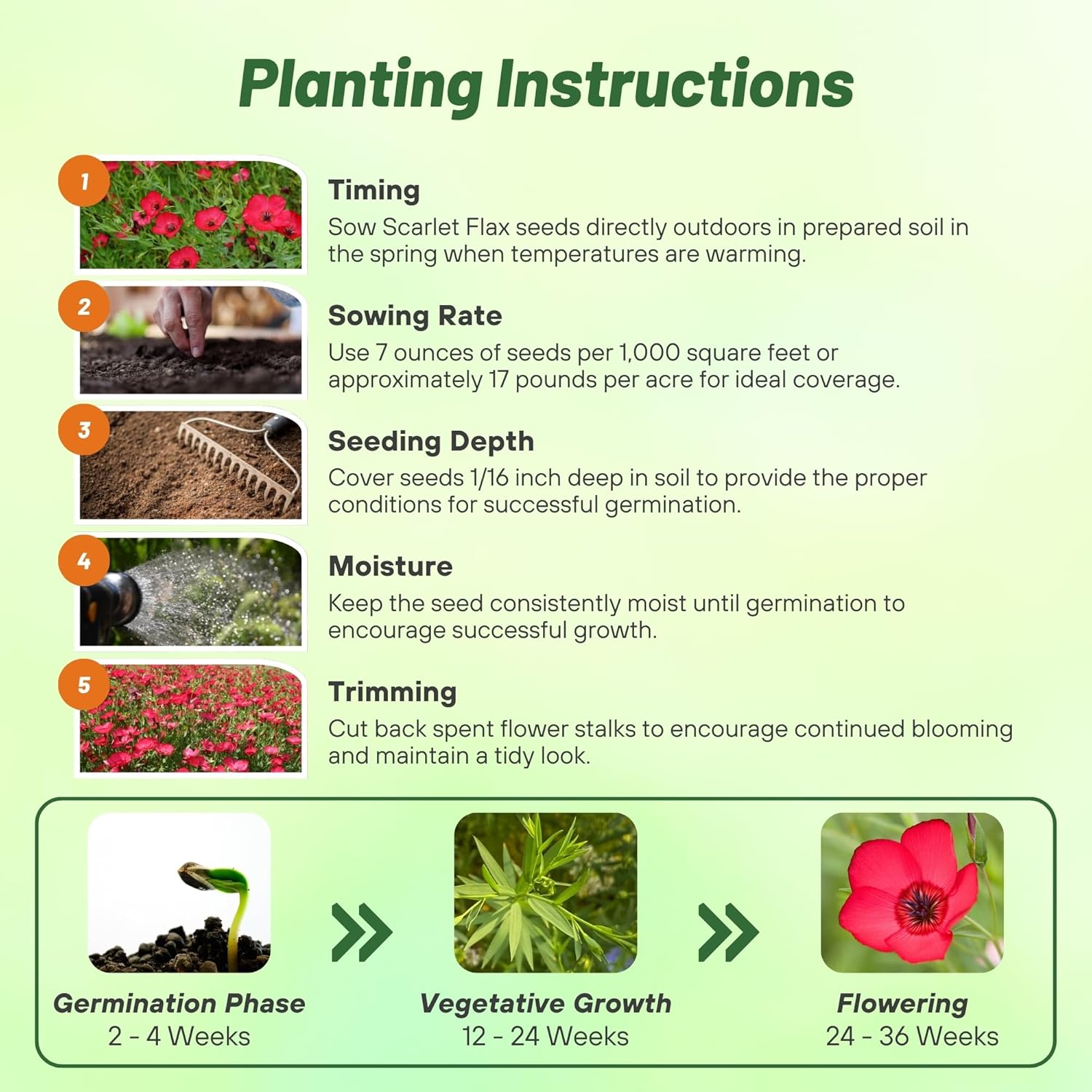
1/16 inch

SOWING RATE
7 ounces per 1,000 square feet or 17 pounds per acre

MOISTURE
Keep seed moist until germination

PLANT SPACING
12 - 15 inches
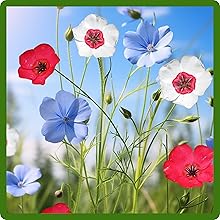
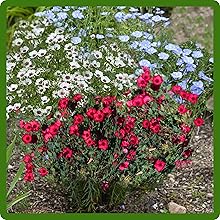
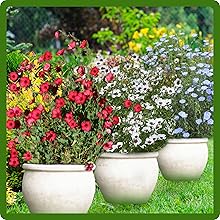
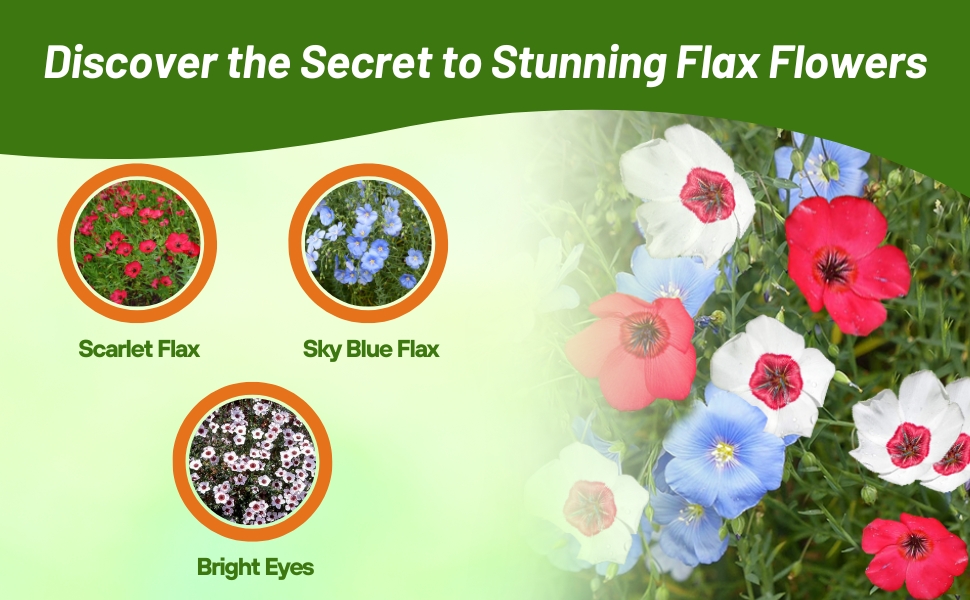
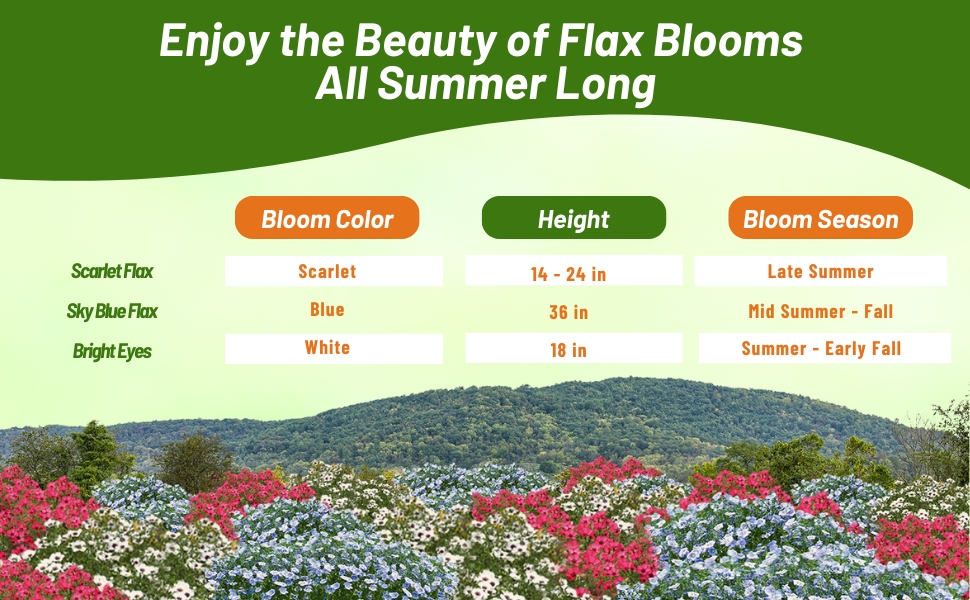

Scarlet Flax (Linum Rubrum) - What an outstanding profusion of color grown from Scarlet Flax seeds! Scarlet Flax wild flower is a drought tolerant, hardy annual, native to northern Africa and Southern Europe, and it has naturalized throughout the United States. Seedlings need moderate watering to get started, although spring rainfalls are usually sufficient. Scarlet Flax flowers are glossy, deep scarlet red, and they bloom in profusion and are best admired if planted densely. Linum Rubrum Scarlet Flax prefers full sun in well-drained soils. It often re-seeds and will be back the next spring! Scarlet Flax has some of the best flowers for attracting birds and insects.
Common Questions
When do you harvest flax plants?
Flax typically matures within 90 to 120 days. To harvest the seeds, pull out the whole plant, tie the stems together, and hang them to dry for three to five weeks until the seed heads are fully dried out.
What climate is ideal for growing flax?
Flax plants thrive in soil that is consistently moist (but not waterlogged) and in cool temperatures while growing. However, they require warm and dry conditions during the seed and fiber harvesting period.
What is the flax plant grown for?
Flax was among the earliest crops cultivated by humans, primarily for its fibers. The production of flax began to decline only after the invention of the cotton gin. Presently, there is a revival in cultivating this annual herb, with a newfound admiration for its natural charm and the versatile applications of its fiber, oil, and seeds.
Do I need to prune back my flowers?
If you cut back by half after the first bloom your flax plants will continue blooming. If you live in a hot climate, cutting back can negatively affect your plants so don’t cut back.
Videos