










-
CATEGORY ::
- All Seeds /
- All Flower Seeds /
- All Foxglove Seeds




Foxglove Seeds - Yellow

SEASON
Perennial
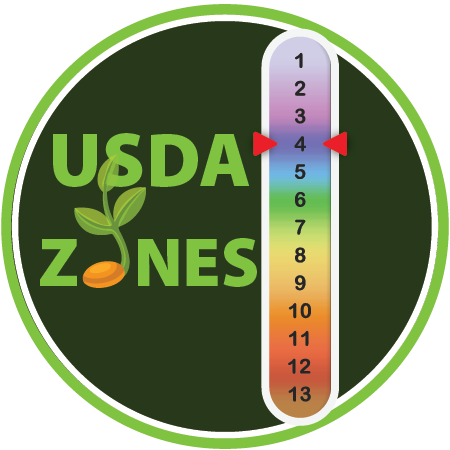
USDA ZONES
4 - 8

HEIGHT
18 inches

BLOOM SEASON
Early summer

BLOOM COLOR
Yellow

ENVIRONMENT
Full sun to partial shade

SOIL TYPE
Well-drained, pH 5.8 - 7.2

DEER RESISTANT
Yes

About...
Foxglove (Digitalis Ambiqua Temple Bells Yellow) - Many Foxgloves are short-lived biennials, but this is a true perennial. It readily grows from flower seeds, and it gives plenty of colorful blooms. This yellow Foxglove will return for many years gracing the garden or flower border with its elegance.

Planting Directions
TEMPERATURE
65 - 70F

AVERAGE GERM TIME
20 - 30 days

LIGHT REQUIRED
No

DEPTH
Do not cover the seed but tightly press into the soil

SOWING RATE
2 - 3 seeds per plant

MOISTURE
Keep seeds moist until germination

PLANT SPACING
15 inches


Foxglove (Digitalis Ambiqua Temple Bells Yellow) - Many Foxgloves are short-lived biennials, but this is a true perennial. It readily grows from flower seeds, and it gives plenty of colorful blooms. This yellow Foxglove will return for many years gracing the garden or flower border with its elegance.
Common Questions
How can I use foxglove in the landscape?
Use tall foxgloves in the landscape for the back row of mixed borders, to attract hummingbirds, and plant white foxglove flowers to brighten a moon garden.
Does foxglove spread aggressively?
Foxgloves freely self-seed, creating a sustained patch that produces flowers annually. However, foxglove is not considered an aggressive spreader.
How do I tell the difference between biennial and perennial foxgloves?
The common perennial type is the yellow foxglove (D. grandiflora), which has solid yellow flowers without the multiple colors found in biennials. If your foxglove has speckled colors in its throat, it is almost certainly a biennial that can be removed once the flowers are gone.
Will deer eat my foxglove plants?
No, deer tend to stay away from foxglove plants.
Do I need to prune back my flowers after blooms fade?
Cut back main flower spike as the blooms fade to encourage growth of flowering side shoots.
Is foxglove toxic?
Yes, foxglove is highly toxic if ingested. Wear gloves and wash your hands after handling. Toxic for dogs, cats, horses and humans.
Videos