










-
CATEGORY ::
- All Seeds /
- All Flower Seeds /
- All Lupine Seeds


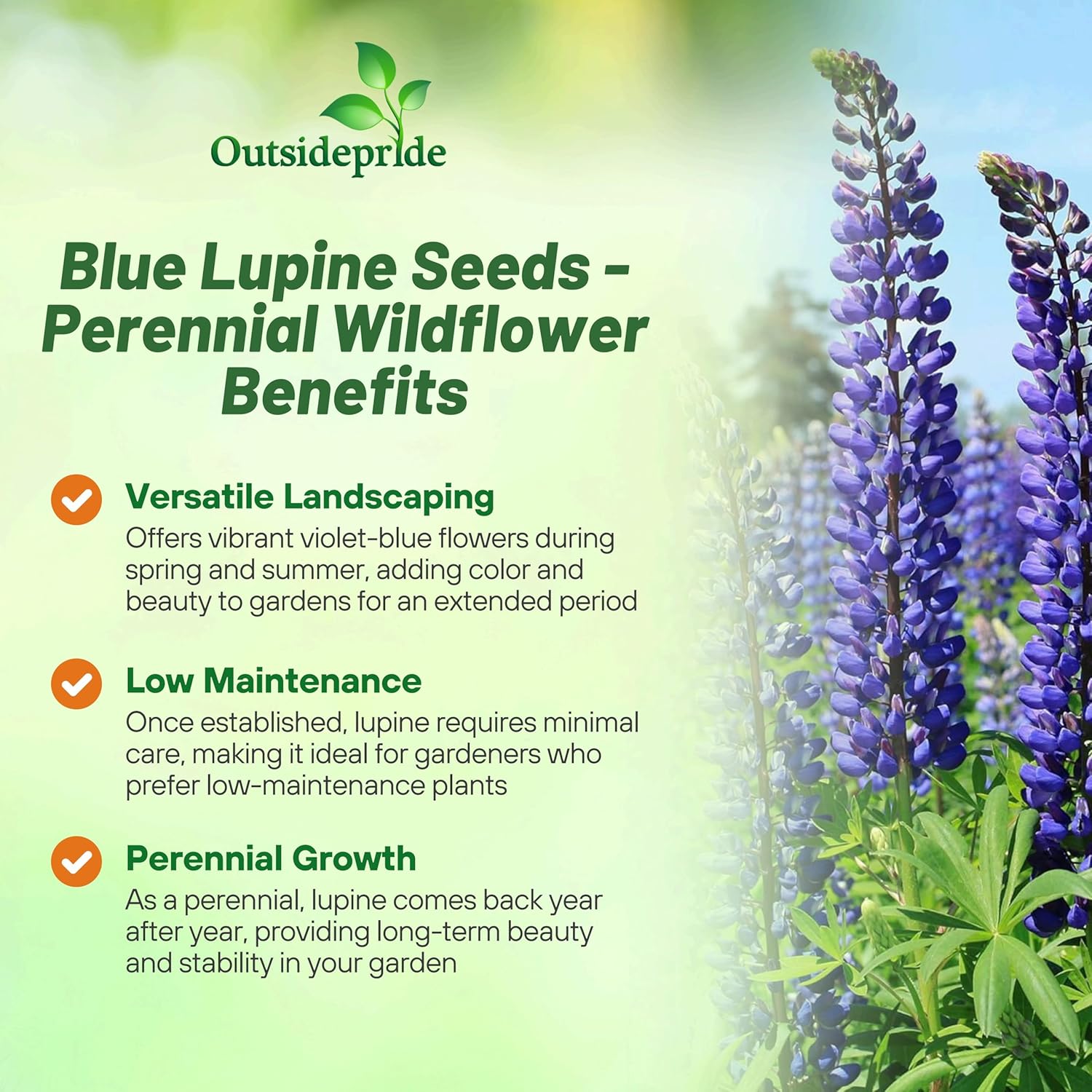


Lupine Seeds - Perennial Wildflower

SEEDS PER POUND
22,680

SEASON
Perennial

USDA ZONES
3 - 9

HEIGHT
36 inches

BLOOM SEASON
Spring through summer

BLOOM COLOR
Violet blue

ENVIRONMENT
Full sun

SOIL TYPE
Well-drained, pH 5.6 - 7.5

DEER RESISTANT
Yes

About...
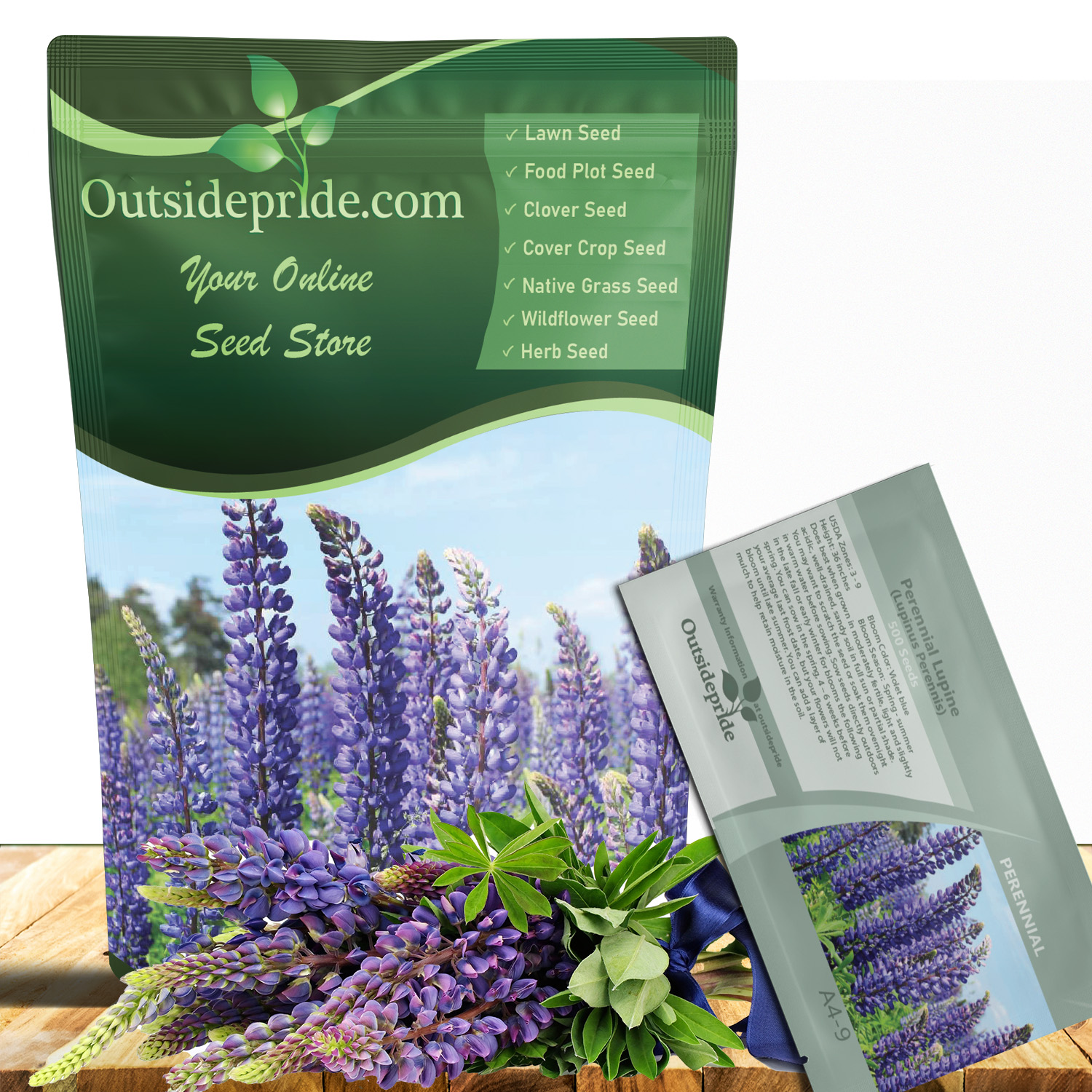
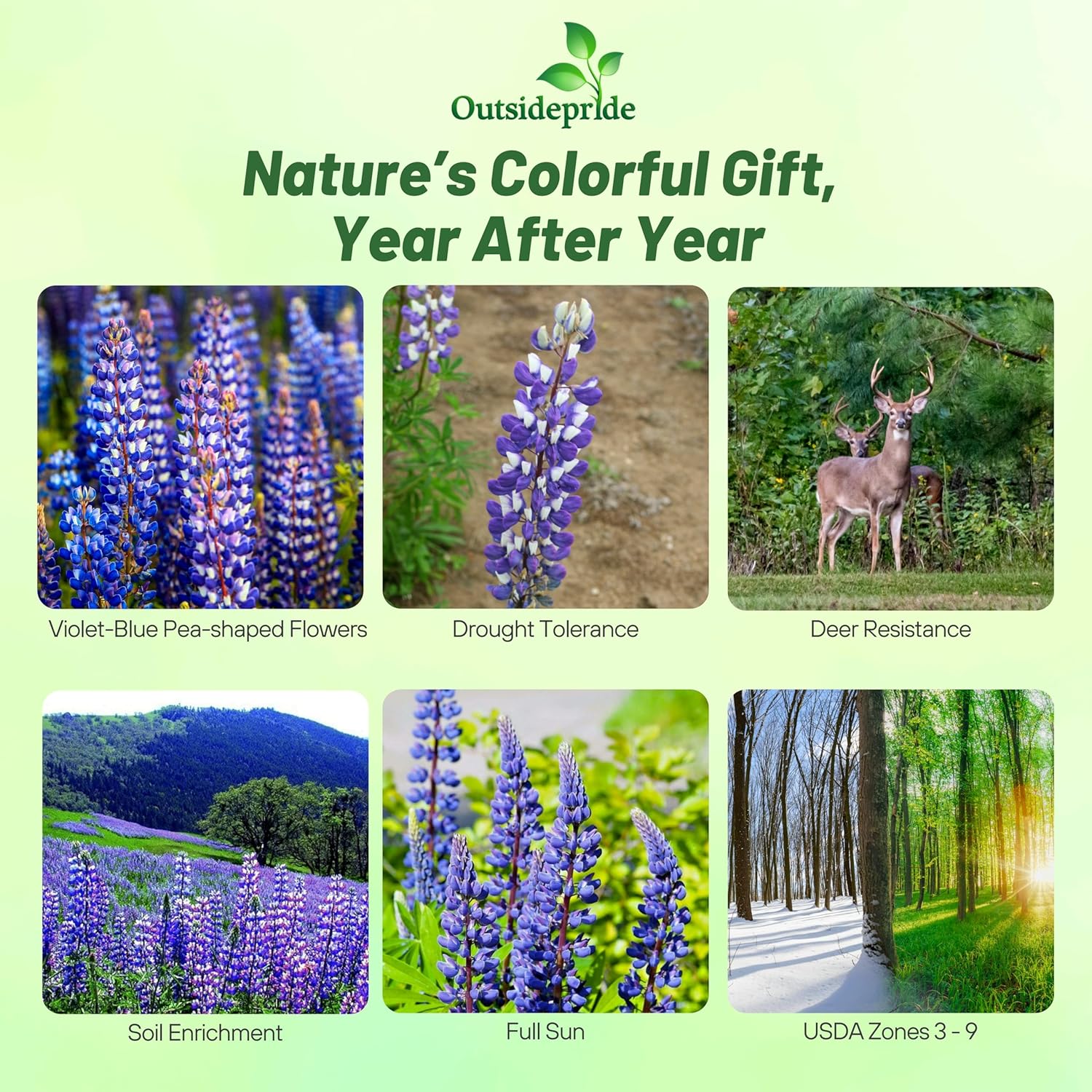
Lupine (Lupinus Perennis) - Bring beauty and interest to a natural setting by sowing Lupine wild flower seeds. These drought tolerant flowers stand up in clusters of spikes with sweet pea-shaped blooms. These well-known perennials are legumes and can add nitrogen to the soil and well as help with water conservation.
MORE LUPINE OPTIONS

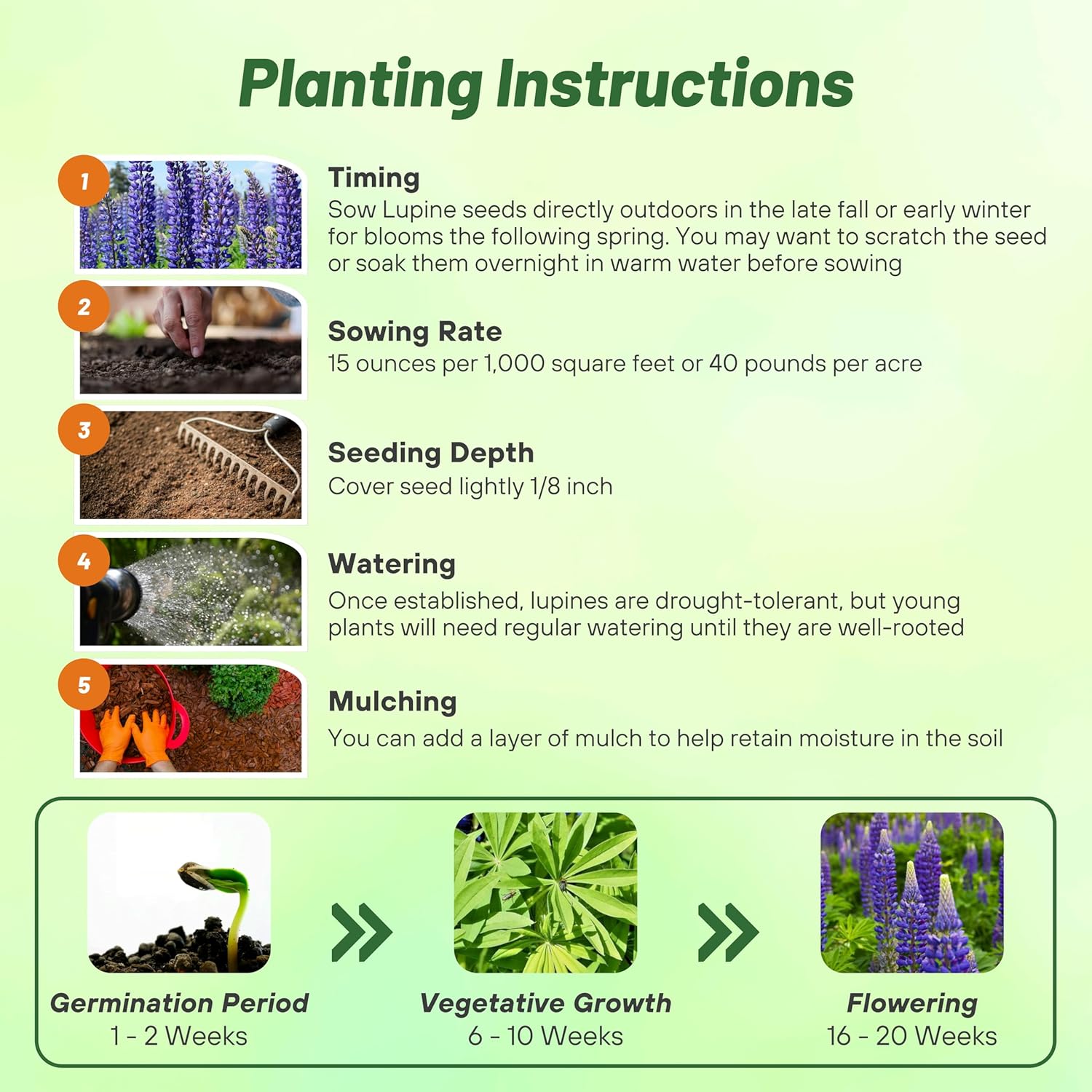
Planting Directions

TEMPERATURE
55 - 70F

AVERAGE GERM TIME
14 - 35 days

LIGHT REQUIRED
Yes

DEPTH
1/8 inch

SOWING RATE
15 ounces per 1,000 square feet or 40 pounds per acre

MOISTURE
Keep seed moist until germination

PLANT SPACING
18 inches
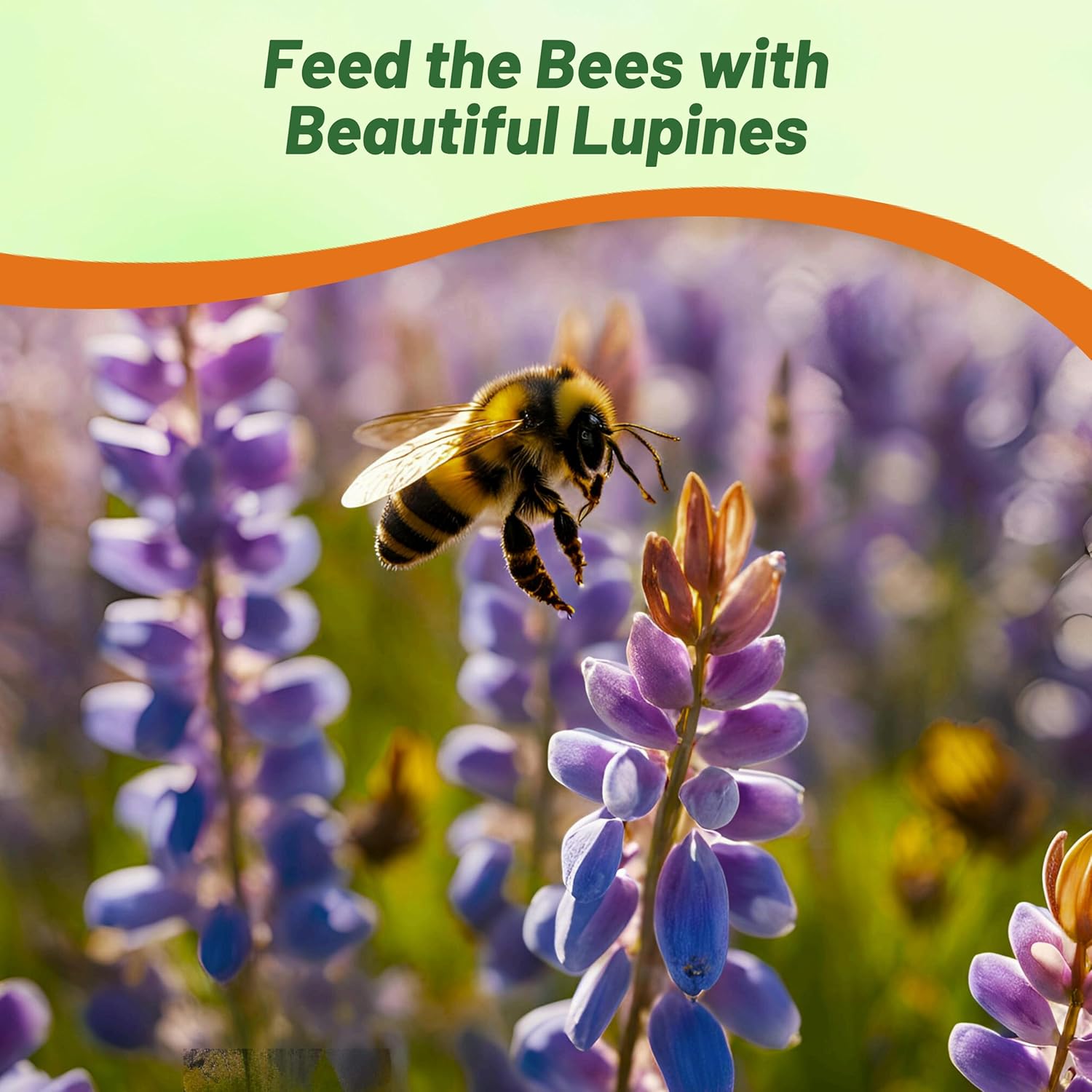
Lupine (Lupinus Perennis) - Bring beauty and interest to a natural setting by sowing Lupine wild flower seeds. These flowers stand up in clusters of spikes with sweet pea-shaped blooms. While this flowering plant is highly prominent in North America, species of Lupine grow throughout the world on nearly every continent. Wild Lupine are deer, heat, and drought resistant and quickly take root and do best in drier soils with high acidity, sand content and drainage. Perennial Lupine has beautiful violet to blue blooms throughout Spring and Summer that attract bees, butterflies, and hummingbirds with their nectar. Lupine is perfect for sowing in xeriscape garden beds or at the front of a meadow.
Common Questions
Do lupines bloom all summer?
Lupines can potentially bloom all summer. To encourage a second flush of bloom cut back the plant by half after the first blooms are spent.
How many years does it take for lupine to bloom?
Lupines planted from seed can take up to two years to bloom.
What are good companion plants for lupines?
Lupines can be planted with other late spring and early summer bloomers that like acidic soil like Shasta daisies, California poppies, allium, monkey flower and columbine.
Will deer eat my lupine?
No, deer do not like lupine.
Are plants toxic for my animals?
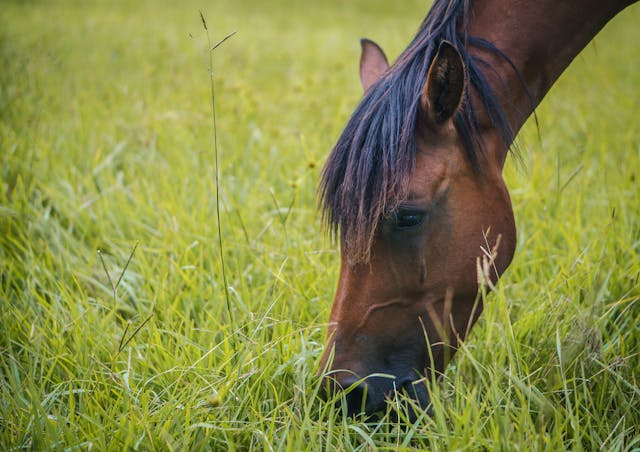
Yes, lupine is toxic for dogs. Cats, horses and humans. Wear gloves and wash hands when handling.
Videos