Grasses used in Connecticut generally consist of bluegrass, ryegrass, fine fescue, or mixtures of these grasses. Turf type fescue is also used where drought tolerance is the primary focus and colonial bentgrass is often used in coastal environments. Some people are using zoysia grass in CT. This is a warm season grass that will go dormant and turn brown during all cold months (approximately 6 months) in CT.
Cool-Season Grasses:
Kentucky bluegrass is a high quality, sod forming, cool season, shallow-rooted grass with
excellent appearance and recuperative potential. It may require frequent irrigation, tends to form
thatch and is somewhat disease and insect prone. However, it is extremely cold tolerant and
one of the most beautiful grasses there is. It also spreads by rhizomes which helps to repair itself
and makes it fairly wear tolerant. Kentucky bluegrass is not the only cool season grass used in
Connecticut. Fescue and ryegrass are two other commonly used cool season grasses.
Perennial ryegrasses are bunching cool season grasses that are compatible in appearance with bluegrass, do not form thatch, have good heat tolerance and may be drought resistant. They tend to be disease prone and offer poor freezing tolerance if flooded or exposed to wind. Perennial ryegrasses is designed for full sun areas, but will tolerate some shade. Ryegrass is bred to give a pleasing dark green color, with a fine texture and excellent mowing qualities. Is also a very good choice for blends with Kentucky Bluegrass and Fine Fescue.
Fine fescues are divided into Chewing fescues, Hard fescues, Red fescues and Sheep fescues. For our purposes they are all grouped together. They are bunching cool season grasses, have a fine leaf texture, offer good shade and cold tolerance, and will adapt to poor soil conditions and fertility.
Tall fescues are bunching, cool season, deep-rooted grasses that may be more drought resistant. They have few insect or disease problems, are slow to form thatch, and do well in shade. They are slow to recover from divoting, can become clumpy if not carefully established.
Warm-Season Grasses:
Zoysiagrass - This is the only warm-season grass grown as a lawn in Connecticut. Zoysia is easy to
identify because its leaves are covered with stiff hairs. It remains brown well into the spring
and turns brown again with the first fall frost. Zoysia is very invasive and is often a bone of
contention between neighbors. The only logical place for zoysiagrass is at a beach residence
where it is viewed only during the summer.
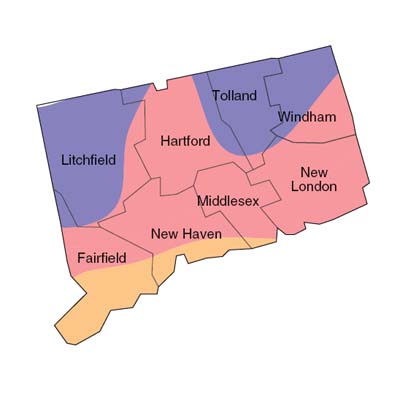
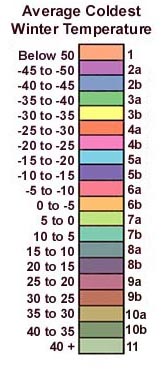
Below is the USDA Zone Map for Connecticut so you can determine which zone you reside in. Below that are our picks for your state which will do best in your area. Next on this page are tables which list various grasses and their characteristics so you can compare before you decide on your purchase. Click on the product name (ie. Midnight) for more information about that grass and to make your purchase.

| USDA Zone Map For Connecticut | |
|---|---|
![]() |
![]() |
| Best Grasses For Connecticut | |||
|---|---|---|---|
| Product Name | Species | Category | Applications |
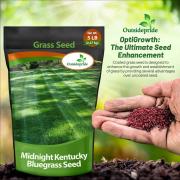
| Midnight | Kentucky Bluegrass | Cool Season | Lawns - Full Sun |
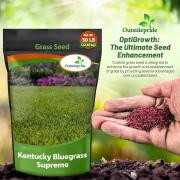
| World Cup | Kentucky Bluegrass | Cool Season | Lawns - Full Sun |
| Champion Ryegrass | Rye Grass | Cool Season | Lawns - Full Sun |
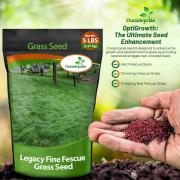
| Legacy | Fine Fescue | Cool Season | Lawns - Partial Sun |
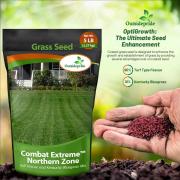
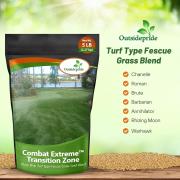
| Combat Extreme | Fescue - Turf Type | Cool Season | Lawns - Partial to Full Sun |
| Garland | Rye, Fine Fescue Mix | Cool Season | Lawns - Partial to Full Sun |
| Showtime | Fine Fescue, Rye, Bluegrass Mix | Cool Season | Lawns - Mostly Sunny to Full Sun |
| Poa Supina | Supina Bluegrass Mix | Cool Season | Lawns - Very Shady in Cool Zones |
| Compare Various Grasses For Their Characteristics | ||||||||
|---|---|---|---|---|---|---|---|---|
| Cool Season Grasses |
Leaf Texture |
Establish Rate |
Nitrogen Use |
Water Use |
Drought Tolerance |
Salinity Tolerance |
Shade Tolerance |
|
| Bentgrass - Creeping | Fine | Moderate to Fast |
Low to Moderate |
High | Poor to Moderate |
|
| Bentgrass - Colonial | Fine | Moderate to Fast |
Low | Moderate | Poor to Moderate |
Moderate | Moderate | |
| Bluegrass - Kentucky | Moderate to Fine |
Slow | Moderate to High |
Moderate to High |
Good | Moderate | Poor | |
| Bluegrass - Rough | Moderate to Fine |
Slow | Moderate to High |
Moderate to High |
Poor | Moderate | Excellent | |
| Fescue - Chewings | Fine | Moderate | Moderate to Low |
Moderate | Good to Excellent |
Low | Excellent | |
| Fescue - Hard | Fine | Slow to Moderate |
Low to Very Low |
Moderate | Excellent | Low to Moderate |
Excellent | |
| Fescue - Creeping | Fine | Moderate | Low to Moderate |
Moderate | Good | Low | Excellent | |
| Fescue - Turf Type | Moderate to Coarse |
Moderate | Moderate to High |
Low to Moderate |
Excellent | Low | Good to Excellent |
|
| Ryegrass - Perennial | Fine to Moderate |
Very Fast | Moderate to High |
Moderate to High |
Good | Poor to Moderate |
Poor to Moderate |
|
| Warm Season Grasses |
Leaf Texture |
Establish Rate |
Nitrogen Use |
Water Use |
Drought Tolerance |
Salinity Tolerance |
Shade Tolerance |
|
| Bahiagrass | Coarse toVery Coarse |
Slow to Moderate |
Low | Low | Excellent | Excellent | Moderate to Good |
|
| Bermudagrass | Fine to Moderate |
Moderate to Fast |
Moderate | Moderate to High |
Excellent | Very Good | Poor | |
| Blue Grama | Fine to Moderate |
Slow to Moderate |
Low | Low | Excellent | Moderate | Very Poor | |
| Buffalograss | Moderate to Coarse |
Slow to Moderate |
Low | Low | Excellent | Moderate | Very Poor | |
| Carpetgrass | Coarse | Moderate to Fast |
Low | High | Low | Low | Excellent | |
| Centipedegrass | Moderate to Coarse |
Slow | Low | Low | Good | Moderate | Moderate to Good |
|
| Seashore Paspalum | Moderate | Moderate | Moderate | Moderate | Excellent | Excellent | Good | |
| Zoysiagrass | Fine to Medium |
Slow to Moderate |
Moderate | Moderate | Excellent | Good | Moderate to Good |
|
| Compare Various Grasses For Their Characteristics - Continued | ||||||||
|---|---|---|---|---|---|---|---|---|
| Cool Season Grasses |
Fertility Needs |
Wear Resistance |
Mowing Height |
Cold Tolerance |
Acid Soil Tolerance |
Thatching Tendency |
Heat Tolerance |
|
| Bentgrass - Creeping | High | Low | Low | Low | Medium to High |
High | High | |
| Bentgrass - Colonial | High | Low | Low | Low | Medium to High |
High | High | |
| Bluegrass - Kentucky | Medium | Medium to High |
Medium | High | Medium | Medium | Medium | |
| Bluegrass - Rough | Medium | Medium | Medium | High | Medium | Medium | Medium | |
| Fescue - Chewings | Low | Low | Medium | Medium to High |
Medium to High |
Low to Medium |
Low to Medium |
|
| Fescue - Hard | Low | Low | Medium | Medium to High |
Medium to High |
Low to Medium |
Low to Medium |
|
| Fescue - Creeping | Low | Low | Medium | High | Medium to High |
Low to Medium |
Low to Medium |
|
| Fescue - Turf Type | Low to Medium |
Medium to High |
Medium to High |
Medium | High | Low | High | |
| Ryegrass - Perennial | Medium | High | Low to Medium |
Medium | Medium | Low | Medium to High |
|
| Warm Season Grasses |
Fertility Needs |
Wear Resistance |
Mowing Height |
Cold Tolerance |
Acid Soil Tolerance |
Thatching Tendency |
Heat Tolerance |
|
| Bahiagrass | Low | Medium to High |
High | Low | Low | Medium to High |
High | |
| Bermudagrass | Medium | High | Low to Medium |
Low to Medium |
Medium | Medium | High | |
| Blue Grama | Low | Low | High | High | Low | Low | High | |
| Buffalograss | Low | Low | High | High | Low | Low | High | |
| Carpetgrass | Low | Medium to High |
Low | Medium to High |
Medium to High |
High | Low | |
| Centipedegrass | Low | Low | Medium to High |
Medium to High |
High | Medium | High | |
| Seashore Paspalum | Medium to High |
Medium to High |
Low | Medium | Low | Medium to High |
High | |
| Zoysiagrass | Low to Medium |
Medium to High |
Low to Medium |
High | Low to Medium |
Medium to High |
High | |
There are two methods to calculate the square feet of the area you are planting. Method 1: measure the size of your yard or yards that you want to purchase grass seed for. If you have circles or triangles you may have to get out the old math book to determine the length and width. Method 2: enter the measures for you lot in the first section. Enter measures for your house, garage, and other buildings in section 2. In section 3, enter other dimensions of areas you will not be seeding such as driveways and sidewalks. The calculator will subtract the area you are not seeding from you lot size to determine the amount of square feet that you will be seeding. After you have entered your dimensions, scroll down to the next section and choose the grass seed you want to purchase and enter the seeding rate into the calculator.
| Before you leave our web site with your grass seed, please be sure to check out our LazyMan Liquid product line. No need to rent aerators and dethatchers any more! Just spray on and let the products do the work for you and enrich your soil at the same time. |