Grasses used in Hawaii primarily consist of only warm season grasses for this tropical climate.
Warm-season grasses:
Bermuda grass - Bermudagrass is the most widely grown turfgrass in Hawaii because of its adaptation to
climates and soil types. Bermudagrass forms a dense, attractive sod. It spreads primarily
through stolon growth, although rhizomes do play a part in its aggressive growth habits.
It is not unusual for a stolon to grow 6 feet in 1 year when spreading over bare ground.
This aggressiveness makes bermudagrass the preeminent turf for areas of high traffic, since
it can spread quickly to cover damaged areas. Bermudagrasses also have good wear tolerance.
The major limiting factor to bermudagrass growth is the amount of sunlight it requires. It does not tolerate full shade and only tolerates partial shade for half a day. It is best to have full sun for the highest quality lawn.
Bermudagrass is responsive to management. Quality lawns require large amounts of fertilizer and water and frequent mowing. Although bermudagrass is drought-tolerant, it has a high water requirement to produce an attractive turf.
Bermudagrass is adapted to a range of soil types and survives in alkaline and acid conditions, but it prefers well-drained soils with a pH of 6 to 7. The vigor of bermudagrass is reduced on poorly drained soils, but it produces an acceptable turf on clay soils. Bermudagrass is the most tolerant turfgrass to being submerged and is the preferred grass for stream banks.
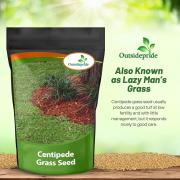
Centipede grass -Centipede is the grass of choice for some Hawaiians. The low level of maintenance required is a joy to those who want an acceptable quality of turf with the least amount of effort. The problems with centipedegrass often are caused by over-zealous homeowners trying to make centipedegrass look better.
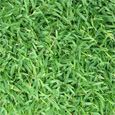
Centipedegrass is a slow growing, naturally lime green, somewhat coarse turfgrass adapted to growing in acid sandy soils. Centipedegrass grows best in a slightly moist, well-drained soil with a pH of 4.5 to 6.0. Iron deficiency causes the leaves to have a bleached appearance when the grass is grown on high pH soils. Centipedegrass responds to foliar iron applications by giving a darker green color.
Centipedegrass has poor wear tolerance and is slow to recover from injury because of its slow growth rate. Shade tolerance is better than bermudagrass, but not as good as St. Augustinegrass.
Zoysia grass - Zoysia grass is gaining popularity as a choice for lawns in parts of the the state. The zoysiagrasses form dense, thick sods of high quality. They have more shade tolerance than bermudagrass and form a finer, more attractive lawn than St. Augustinegrass or centipedegrass.
Rapid improvement has been made in the use of zoysiagrass establishment from seed. Seed are treated by the supplier to produce a more uniform, higher percentage germination. The seed still require excellent moisture management during germination. Placing a spun-bonded polyester cloth over the seedbed during germination has improved the initial stand and early growth. Better quality varieties are now available from seed which are much finer textured and more dense than Chinese or Korean Common. Trials in Hawaii have shown Zenith to grow acceptably from seed and produce a good quality turf.
Carpet grass - Carpet grass is a coarse, low-growing turfgrasses adapted to the wet, acidic sandy soils of Hawaii. They form a moderately dense, light-green turf that is similar to centipedegrass in color and texture. Individual carpetgrass plants resemble St. Augustinegrass. Tolerance to drought, wear, and cold is poor, and the rate of recovery from damage is slow. Carpetgrass develops many tall unattractive seedheads that require frequent mowing to keep the turf attractive, even though the foliage may not have grown sufficiently.
Even with all these drawbacks, carpetgrass is widely grown as a turfgrass. The major advantages are its ability to survive wet soil, its easy establishment from seed, and its low fertility requirements.
Seashore Paspalum - Seashore Paspalum is an extremely salt tolerant warm season turfgrass, Seashore Paspalum has outstanding turf quality, a bright green color, and a beautiful, uniform appearance. Ideal for temperate to hot, humid coastal climates, Sea shore Paspalum also affords excellent drought tolerance and good shade tolerance. Excellent for use on turfgrass areas irrigated with effluent water or subject to naturally high saline conditions.
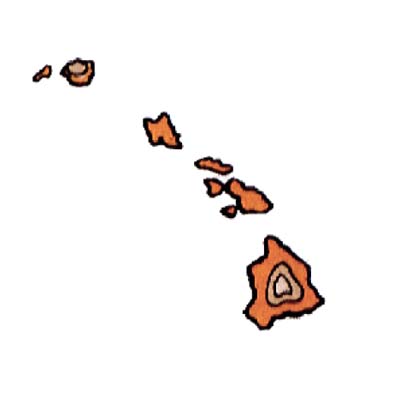
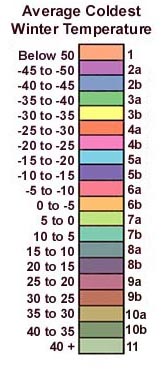
Below is the USDA Zone Map for Hawaii so you can determine which zone you reside in. Below that are our picks for your state which will do best in your area. Next on this page are tables which list various grasses and their characteristics so you can compare before you decide on your purchase. Click on the product name (ie. La Prima) for more information about that grass and to make your purchase.

| USDA Zone Map For Hawaii | |
|---|---|
![]() |
![]() |
| Best Grasses For Hawaii | |||
|---|---|---|---|
| Product Name | Species | Category | Applications |
| La Prima | Bermuda Grass | Warm Season | Lawns - Full Sun |
| Centipede | Centipede Grass | Warm Season | Lawns - Mostly Sunny to Full Sun |
| Zenith | Zoysia Grass | Warm Season | Lawns - Mostly Sunny to Full Sun |
| Compadre | Zoysia Grass | Warm Season | Lawns - Mostly Sunny to Full Sun |
| Carpet | Carpet Grass | Warm Season | Lawns - Partial Sun Lawns - Wet Areas |
| Seashore Paspalum | Seashore Paspalum | Warm Season | Lawns - Mostly Sunny to Full Sun |
| Compare Various Grasses For Their Characteristics | ||||||||
|---|---|---|---|---|---|---|---|---|
| Cool Season Grasses |
Leaf Texture |
Establish Rate |
Nitrogen Use |
Water Use |
Drought Tolerance |
Salinity Tolerance |
Shade Tolerance |
|
| Bentgrass - Creeping | Fine | Moderate to Fast |
Low to Moderate |
High | Poor to Moderate |
|
| Bentgrass - Colonial | Fine | Moderate to Fast |
Low | Moderate | Poor to Moderate |
Moderate | Moderate | |
| Bluegrass - Kentucky | Moderate to Fine |
Slow | Moderate to High |
Moderate to High |
Good | Moderate | Poor | |
| Bluegrass - Rough | Moderate to Fine |
Slow | Moderate to High |
Moderate to High |
Poor | Moderate | Excellent | |
| Fescue - Chewings | Fine | Moderate | Moderate to Low |
Moderate | Good to Excellent |
Low | Excellent | |
| Fescue - Hard | Fine | Slow to Moderate |
Low to Very Low |
Moderate | Excellent | Low to Moderate |
Excellent | |
| Fescue - Creeping | Fine | Moderate | Low to Moderate |
Moderate | Good | Low | Excellent | |
| Fescue - Turf Type | Moderate to Coarse |
Moderate | Moderate to High |
Low to Moderate |
Excellent | Low | Good to Excellent |
|
| Ryegrass - Perennial | Fine to Moderate |
Very Fast | Moderate to High |
Moderate to High |
Good | Poor to Moderate |
Poor to Moderate |
|
| Warm Season Grasses |
Leaf Texture |
Establish Rate |
Nitrogen Use |
Water Use |
Drought Tolerance |
Salinity Tolerance |
Shade Tolerance |
|
| Bahiagrass | Coarse toVery Coarse |
Slow to Moderate |
Low | Low | Excellent | Excellent | Moderate to Good |
|
| Bermudagrass | Fine to Moderate |
Moderate to Fast |
Moderate | Moderate to High |
Excellent | Very Good | Poor | |
| Blue Grama | Fine to Moderate |
Slow to Moderate |
Low | Low | Excellent | Moderate | Very Poor | |
| Buffalograss | Moderate to Coarse |
Slow to Moderate |
Low | Low | Excellent | Moderate | Very Poor | |
| Carpetgrass | Coarse | Moderate to Fast |
Low | High | Low | Low | Excellent | |
| Centipedegrass | Moderate to Coarse |
Slow | Low | Low | Good | Moderate | Moderate to Good |
|
| Seashore Paspalum | Moderate | Moderate | Moderate | Moderate | Excellent | Excellent | Good | |
| Zoysiagrass | Fine to Medium |
Slow to Moderate |
Moderate | Moderate | Excellent | Good | Moderate to Good |
|
| Compare Various Grasses For Their Characteristics - Continued | ||||||||
|---|---|---|---|---|---|---|---|---|
| Cool Season Grasses |
Fertility Needs |
Wear Resistance |
Mowing Height |
Cold Tolerance |
Acid Soil Tolerance |
Thatching Tendency |
Heat Tolerance |
|
| Bentgrass - Creeping | High | Low | Low | Low | Medium to High |
High | High | |
| Bentgrass - Colonial | High | Low | Low | Low | Medium to High |
High | High | |
| Bluegrass - Kentucky | Medium | Medium to High |
Medium | High | Medium | Medium | Medium | |
| Bluegrass - Rough | Medium | Medium | Medium | High | Medium | Medium | Medium | |
| Fescue - Chewings | Low | Low | Medium | Medium to High |
Medium to High |
Low to Medium |
Low to Medium |
|
| Fescue - Hard | Low | Low | Medium | Medium to High |
Medium to High |
Low to Medium |
Low to Medium |
|
| Fescue - Creeping | Low | Low | Medium | High | Medium to High |
Low to Medium |
Low to Medium |
|
| Fescue - Turf Type | Low to Medium |
Medium to High |
Medium to High |
Medium | High | Low | High | |
| Ryegrass - Perennial | Medium | High | Low to Medium |
Medium | Medium | Low | Medium to High |
|
| Warm Season Grasses |
Fertility Needs |
Wear Resistance |
Mowing Height |
Cold Tolerance |
Acid Soil Tolerance |
Thatching Tendency |
Heat Tolerance |
|
| Bahiagrass | Low | Medium to High |
High | Low | Low | Medium to High |
High | |
| Bermudagrass | Medium | High | Low to Medium |
Low to Medium |
Medium | Medium | High | |
| Blue Grama | Low | Low | High | High | Low | Low | High | |
| Buffalograss | Low | Low | High | High | Low | Low | High | |
| Carpetgrass | Low | Medium to High |
Low | Medium to High |
Medium to High |
High | Low | |
| Centipedegrass | Low | Low | Medium to High |
Medium to High |
High | Medium | High | |
| Seashore Paspalum | Medium to High |
Medium to High |
Low | Medium | Low | Medium to High |
High | |
| Zoysiagrass | Low to Medium |
Medium to High |
Low to Medium |
High | Low to Medium |
Medium to High |
High | |
There are two methods to calculate the square feet of the area you are planting. Method 1: measure the size of your yard or yards that you want to purchase grass seed for. If you have circles or triangles you may have to get out the old math book to determine the length and width. Method 2: enter the measures for you lot in the first section. Enter measures for your house, garage, and other buildings in section 2. In section 3, enter other dimensions of areas you will not be seeding such as driveways and sidewalks. The calculator will subtract the area you are not seeding from you lot size to determine the amount of square feet that you will be seeding. After you have entered your dimensions, scroll down to the next section and choose the grass seed you want to purchase and enter the seeding rate into the calculator.
| Before you leave our web site with your grass seed, please be sure to check out our LazyMan Liquid product line. No need to rent aerators and dethatchers any more! Just spray on and let the products do the work for you and enrich your soil at the same time. |