Page Index:
Grasses used in Mississippi can be divided in to two groups: warm season grasses and cool season grasses. As their names imply, warm season grasses are adapted to hot weather and are usually native to tropical or sub-tropical environments. They go dormant in the winter and turn brown. Cool season grasses are better suited to cool weather and are usually native to temperate areas. They remain green all winter long.
Warm-season grasses:
Bermuda grass - Bermudagrass is the most widely grown turfgrass in Mississippi because of its adaptation to climates and soil types. Bermudagrass forms a dense, attractive sod. It spreads primarily through stolon growth, although rhizomes do play a part in its aggressive growth habits. It is not unusual for a stolon to grow 6 feet in 1 year when spreading over bare ground. This aggressiveness makes bermudagrass the preeminent turf for areas of high traffic, since it can spread quickly to cover damaged areas. Bermudagrasses also have good wear tolerance.
The major limiting factor to bermudagrass growth is the amount of sunlight it requires. It does not tolerate full shade and only tolerates partial shade for half a day. It is best to have full sun for the highest quality lawn.
Bermudagrass is responsive to management. Quality lawns require large amounts of fertilizer and water and frequent mowing. Although bermudagrass is drought-tolerant, it has a high water requirement to produce an attractive turf.
Bermudagrass is adapted to a range of soil types and survives in alkaline and acid conditions, but it prefers well-drained soils with a pH of 6 to 7. The vigor of bermudagrass is reduced on poorly drained soils, but it produces an acceptable turf on clay soils. Bermudagrass is the most tolerant turfgrass to being submerged and is the preferred grass for stream banks.
Centipede grass -Centipede is the grass of choice for some Mississippians. The low level of maintenance required is a joy to those who want an acceptable quality of turf with the least amount of effort. The problems with centipedegrass often are caused by over-zealous homeowners trying to make centipedegrass look better.
Centipedegrass is a slow growing, naturally lime green, somewhat coarse turfgrass adapted to growing in acid sandy soils. Centipedegrass grows best in a slightly moist, well-drained soil with a pH of 4.5 to 6.0. Iron deficiency causes the leaves to have a bleached appearance when the grass is grown on high pH soils. Centipedegrass responds to foliar iron applications by giving a darker green color.
Centipedegrass has poor wear tolerance and is slow to recover from injury because of its slow growth rate. Shade tolerance is better than bermudagrass, but not as good as St. Augustinegrass.
Zoysia grass - Zoysia grass is gaining popularity as a choice for lawns in the central and northern portions of the state. The zoysiagrasses have superior cold tolerance to the above-named grasses and are not as likely to sustain winter damage. The zoysiagrasses form dense, thick sods of high quality. They have more shade tolerance than bermudagrass and form a finer, more attractive lawn than St. Augustinegrass or centipedegrass.
Rapid improvement has been made in the use of zoysiagrass establishment from seed. Seed are treated by the supplier to produce a more uniform, higher percentage germination. The seed still require excellent moisture management during germination. Placing a spun-bonded polyester cloth over the seedbed during germination has improved the initial stand and early growth. Better quality varieties are now available from seed which are much finer textured and more dense than Chinese or Korean Common. Trials in Mississippi have shown Zenith to grow acceptably from seed and produce a good quality turf.
Carpet grass - Carpet grass is a coarse, low-growing turfgrasses adapted to the wet, acidic sandy soils of southeast Mississippi. They form a moderately dense, light-green turf that is similar to centipedegrass in color and texture. Individual carpetgrass plants resemble St. Augustinegrass. Tolerance to drought, wear, and cold is poor, and the rate of recovery from damage is slow. Carpetgrass develops many tall unattractive seedheads that require frequent mowing to keep the turf attractive, even though the foliage may not have grown sufficiently.
Even with all these drawbacks, carpetgrass is widely grown as a turfgrass. The major advantages are its ability to survive wet soil, its easy establishment from seed, and its low fertility requirements.
Cool-season grasses:
Turf-Type Fescue - Turf-type fescue a relatively coarse-leaved, dark-green grass that is almost as shade-tolerant as St. Augustinegrass. Consider it as a permanent lawn for shady areas in the northern portion of the state. Tall fescue has short rhizomes, but it does not spread well and should be managed as a bunch-type grass. It goes dormant in summer in sunshine and eventually thins out in the shade; so you should expect to reseed on a regular basis. Fortunately, the seed is not expensive and does not require extensive soil preparation to accomplish a successful reseeding.
Tall fescue has a deep root system and tolerates short periods of drought, but it turns brown from lack of water, so adequate watering is necessary. Water is especially critical in the summer to keep the grass from going dormant. Tall fescue is susceptible to several diseases, including brown patch and fescue leaf spot. Since it most often is grown in the shade, arrange the watering regime so the leaves are dry by nightfall.
Fine Fescue - Fine fescues are not grown often in Mississippi but can produce a good quality lawn in the northern counties for shady areas. Creeping red fescue (Festuca rubra) and chewing fescue (Festuca rubra) are fine-leaved fescues that are shade-tolerant. Chewing fescues do not have rhizomes. They will not grow in moist conditions, however, so well-drained soil is a must. These grasses have a low fertility requirement and a limited root system.
They are not as tolerant as tall fescue to alkaline soil conditions. They can be cut shorter than tall fescue, have a finer leaf, and produce a less coarse lawn. They are susceptible to several diseases, so water carefully to provide enough to maintain the grass with its shallow root system but not to keep the foliage wet for a great length of time.
These fescues are similar to centipedegrass in that too much fertilizer is more dangerous than not enough. As little as one pound of nitrogen per year is enough to produce an excellent turf. Over fertilization leads to problems with diseases (dollar spot and red thread).
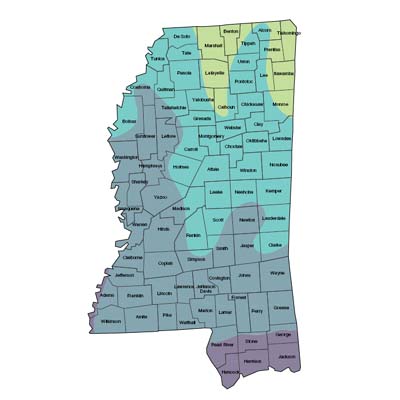
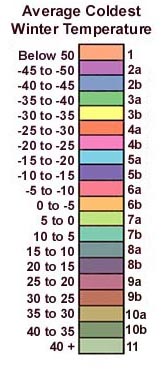
Below is the USDA Zone Map for Mississippi so you can determine which zone you reside in. Below that are our picks for your state which will do best in your area. Next on this page are tables which list various grasses and their characteristics so you can compare before you decide on your purchase. Click on the product name (ie. La Prima) for more information about that grass and to make your purchase.

| USDA Zone Map For Mississippi | |
|---|---|
![]() |
![]() |
| Best Grasses For Mississippi | |||
|---|---|---|---|
| Product Name | Species | Category | Applications |
| La Prima | Bermuda Grass | Warm Season | Lawns - Full Sun |
| Yukon | Bermuda Grass | Warm Season | Lawns - Full Sun |
| Centipede | Centipede Grass | Warm Season | Lawns - Mostly Sunny to Full Sun |
| Zenith | Zoysia Grass | Warm Season | Lawns - Mostly Sunny to Full Sun |
| Compadre | Zoysia Grass | Warm Season | Lawns - Mostly Sunny to Full Sun |
| Carpet | Carpet Grass | Warm Season | Lawns - Partial Sun Lawns - Wet Areas |
| Combat Extreme | Fescue - Turf Type | Cool Season | Lawns - Partial Sun |
| Champion Ryegrass | Rye Grass | Cool Season | Lawns - Winter Overseed |
| Compare Various Grasses For Their Characteristics | ||||||||
|---|---|---|---|---|---|---|---|---|
| Cool Season Grasses |
Leaf Texture |
Establish Rate |
Nitrogen Use |
Water Use |
Drought Tolerance |
Salinity Tolerance |
Shade Tolerance |
|
| Bentgrass - Creeping | Fine | Moderate to Fast |
Low to Moderate |
High | Poor to Moderate |
|
| Bentgrass - Colonial | Fine | Moderate to Fast |
Low | Moderate | Poor to Moderate |
Moderate | Moderate | |
| Bluegrass - Kentucky | Moderate to Fine |
Slow | Moderate to High |
Moderate to High |
Good | Moderate | Poor | |
| Bluegrass - Rough | Moderate to Fine |
Slow | Moderate to High |
Moderate to High |
Poor | Moderate | Excellent | |
| Fescue - Chewings | Fine | Moderate | Moderate to Low |
Moderate | Good to Excellent |
Low | Excellent | |
| Fescue - Hard | Fine | Slow to Moderate |
Low to Very Low |
Moderate | Excellent | Low to Moderate |
Excellent | |
| Fescue - Creeping | Fine | Moderate | Low to Moderate |
Moderate | Good | Low | Excellent | |
| Fescue - Turf Type | Moderate to Coarse |
Moderate | Moderate to High |
Low to Moderate |
Excellent | Low | Good to Excellent |
|
| Ryegrass - Perennial | Fine to Moderate |
Very Fast | Moderate to High |
Moderate to High |
Good | Poor to Moderate |
Poor to Moderate |
|
| Warm Season Grasses |
Leaf Texture |
Establish Rate |
Nitrogen Use |
Water Use |
Drought Tolerance |
Salinity Tolerance |
Shade Tolerance |
|
| Bahiagrass | Coarse toVery Coarse |
Slow to Moderate |
Low | Low | Excellent | Excellent | Moderate to Good |
|
| Bermudagrass | Fine to Moderate |
Moderate to Fast |
Moderate | Moderate to High |
Excellent | Very Good | Poor | |
| Blue Grama | Fine to Moderate |
Slow to Moderate |
Low | Low | Excellent | Moderate | Very Poor | |
| Buffalograss | Moderate to Coarse |
Slow to Moderate |
Low | Low | Excellent | Moderate | Very Poor | |
| Carpetgrass | Coarse | Moderate to Fast |
Low | High | Low | Low | Excellent | |
| Centipedegrass | Moderate to Coarse |
Slow | Low | Low | Good | Moderate | Moderate to Good |
|
| Seashore Paspalum | Moderate | Moderate | Moderate | Moderate | Excellent | Excellent | Good | |
| Zoysiagrass | Fine to Medium |
Slow to Moderate |
Moderate | Moderate | Excellent | Good | Moderate to Good |
|
| Compare Various Grasses For Their Characteristics - Continued | ||||||||
|---|---|---|---|---|---|---|---|---|
| Cool Season Grasses |
Fertility Needs |
Wear Resistance |
Mowing Height |
Cold Tolerance |
Acid Soil Tolerance |
Thatching Tendency |
Heat Tolerance |
|
| Bentgrass - Creeping | High | Low | Low | Low | Medium to High |
High | High | |
| Bentgrass - Colonial | High | Low | Low | Low | Medium to High |
High | High | |
| Bluegrass - Kentucky | Medium | Medium to High |
Medium | High | Medium | Medium | Medium | |
| Bluegrass - Rough | Medium | Medium | Medium | High | Medium | Medium | Medium | |
| Fescue - Chewings | Low | Low | Medium | Medium to High |
Medium to High |
Low to Medium |
Low to Medium |
|
| Fescue - Hard | Low | Low | Medium | Medium to High |
Medium to High |
Low to Medium |
Low to Medium |
|
| Fescue - Creeping | Low | Low | Medium | High | Medium to High |
Low to Medium |
Low to Medium |
|
| Fescue - Turf Type | Low to Medium |
Medium to High |
Medium to High |
Medium | High | Low | High | |
| Ryegrass - Perennial | Medium | High | Low to Medium |
Medium | Medium | Low | Medium to High |
|
| Warm Season Grasses |
Fertility Needs |
Wear Resistance |
Mowing Height |
Cold Tolerance |
Acid Soil Tolerance |
Thatching Tendency |
Heat Tolerance |
|
| Bahiagrass | Low | Medium to High |
High | Low | Low | Medium to High |
High | |
| Bermudagrass | Medium | High | Low to Medium |
Low to Medium |
Medium | Medium | High | |
| Blue Grama | Low | Low | High | High | Low | Low | High | |
| Buffalograss | Low | Low | High | High | Low | Low | High | |
| Carpetgrass | Low | Medium to High |
Low | Medium to High |
Medium to High |
High | Low | |
| Centipedegrass | Low | Low | Medium to High |
Medium to High |
High | Medium | High | |
| Seashore Paspalum | Medium to High |
Medium to High |
Low | Medium | Low | Medium to High |
High | |
| Zoysiagrass | Low to Medium |
Medium to High |
Low to Medium |
High | Low to Medium |
Medium to High |
High | |
To calculate the amount of seed you will need for your project, click one of the links below for the type of grass seed you are interested in. A dialog window will appear listing your selected coverage and providing options for calculating your seed.
If you already know the square feet, length/width or acreage of your yard or lot, you can use the 'Quick Calculator'. If you need to add multiple lots and/or subtract areas that will not require seed, you may use the 'Advanced Calculator.'
The dialog window can be moved by clicking and dragging the top 'title bar'. You may click different types of seed to recalculate without re-entering your data.
| Cool Season Grasses: | ||
|---|---|---|
| Type of Grass: | Name of Grass: | Square Feet Covered |
| Bentgrass, Colonial | Highland | 500 to 1000 |
| Bentgrass, Creeping | Nu Penn or Penncross | 500 to 1000 |
| Bluegrass, Creeping | True Putt | 350 to 500 |
| Bluegrass, Kentucky | Midnight or World Cup | 350 to 500 |
| Bluegrass, Rough | Maximum | 350 to 500 |
| Envirolawn | Envirolawn | 750 |
| Fescue, Fine | Hard, Creeping, Sheeps or Legacy | 150 to 200 |
| Fescue, Turf Type Tall | Combat Extreme | 100 to 125 |
| Mixtures, Turf Type Fescue & Kentucky Bluegrass | Combat Blue | 175 to 200 |
| Mixtures, Ryegrass & Fine Fescue | Garland | 125 to 175 |
| Mixtures, Ryegrass, Bluegrass, & Fine Fescue | Showtime | 175 to 250 |
| Mixtures, Rough Bluegrass & Supina Bluegrass | Poa Supina | 350 to 500 |
| Ryegrass, Perennial | Outsidepride Blend | 100 to 140 |
| Warm Season Grasses: | ||
| Type of Grass: | Name of Grass: | Square Feet Covered |
| Bahia | Pensacola | 175 to 200 |
| Bermuda | Laprima, Princess, or Riviera | 350 to 500 |
| Blue Grama | Bad River | 350 to 500 |
| Buffalo | Cody or Supreme | 350 to 500 |
| Carpet | Carpet | 200 to 250 |
| Centipede | Coated | 1000 to 2000 |
| Seashore Paspalum | Seashore Paspalum | 1000 |
| Zoysia | Companion or Zenith | 500 to 1000 |
LazyMan™ Liquid Gold lawn aerator, dethatcher and conditioner is a 3-in-1 easy apply spray-on liquid application to aerate, dethatch, and condition your turf and soil. This revolutionary polymer based liquid (polymaleic anhydride terpolymer and maleic anhydride sulfonated copolymer) also has humic acids, kelp, non-pathogenic thatch eating microbes, and mycorrhizae. The best thing about LazyMan™ Liquid Gold is you spray it on the whole lawn, the whole field, the whole golf course and then it just works, and keeps working, and keeps working. Sure, mechanical aeration is good for turf, but LazyMan™ Liquid Gold is better, much easier, and much more economical! MORE INFO! |