Nevada Grass Seed

USDA Zone Map For Nevada & Best Grass Seed Choices

Page Index:

Grasses used in Nevada can be placed in two main categories: Cool season and Warm season turf.

Cool-Season Grasses:
Kentucky bluegrass - Kentucky bluegrass (Poa pratensis) is the most common type of grass used in Nevada. Cool season grasses characteristically endure cooler weather better than other types of grass. For instance, a Kentucky bluegrass lawn will stay green later in the season when temperatures begin to cool off. However, cool season grasses do not tolerate the heat of summer very well. If left to their own devices, cool season grasses will go dormant during the hottest months of the year.

Perennial ryegrass - Ryegrass is a persistent, dark-green, fine to medium-textured turfgrass that is used for home lawns, parks, grounds, golf courses, and athletic fields. This species produces a bunch-type growth habit and does not form rhizomes or stolons. Its recuperative potential is not as strong as Kentucky bluegrass. Perennial ryegrass germinates rapidly (5 to 7 days) and establishes quickly. It is very competitive with other turfgrasses and is used extensively for overseeding thin or damaged turf. Because of its aggressive nature, perennial ryegrass is generally not used in amounts over 20 percent in a mixture with other turfgrasses. It is suitable for use alone or in combination with Kentucky bluegrass and/or fine fescues.

Fine fescues - Fine Fescue is a shade tolerant turf grass with a medium to dark green color. Adapted to the Pacific Northwest, Fine Fescue grows best in cool humid regions, coastal regions and in high elevations. All varieties require little maintenance and like to be mowed at 1 1/2 to 2 1/2 inches. They have the finest leaves, the most shade tolerance and the lowest fertilizer, mowing and moisture requirements of all the cool season turf grasses. Chewings Fescue, Red Fescue, Creeping Red Fescue, Sheep Fescue and Hard Fescue are popular varieties of Fine Fescue. These varieties can be found on lawns, in parks, along road sides and other turf grass areas and extensively used in grass seed blends and mixes for both sunny and shady areas. Fine Fescues are not recommended for sports fields and golf tees because they have a low wear tolerance. Most of these varieties have all the same characteristics. Chewings Fescue has a noncreeping, bunch-type growth habit unlike Red Fescue. All varieties germinate rapidly and are well adapted to poor, dry, sandy soils.

Tall fescue - Turf Type - Tall Fescue is also a good general purpose turfgrass for Nevada. It often has greater heat tolerance and can tolerate more shade than Kentucky bluegrass. It also requires somewhat less irrigation. While older varieties were coarse in texture, most tall fescue varieties available today look very much like Kentucky bluegrass.Tall fescue is a persistent and durable plant that forms acceptable turf for home lawns, grounds, parks, playgrounds, and athletic fields. It is commonly used in low maintenance situations such as utility areas, highway medials, airstrips, and fairgrounds. Many new and improved varieties have finer texture, higher tiller densities, and a darker-green color than the coarse-textured, light-green varieties such as 'Kentucky 31' and 'Alta.' Tall fescue is considered by many individuals to be incompatible with the finer-textured and darker-green Kentucky bluegrass, perennial ryegrass, and fine fescues. Tall fescue may be objectionable in a mixture with fine-textured turfgrass species because it tends to form coarse-textured clumps in an otherwise uniform stand.

Tall fescue is primarily a bunch-type grass that occasionally produces short rhizomes. It is somewhat slow to establish extensive root systems and has only fair recovery potential. This species is the most heat and drought tolerant of the cool-season turfgrasses. The increased drought tolerance is a function of its ability to produce a deep root system. Tall fescue performs well in open, sunny areas and is moderately shade tolerant. It is less suited to heavily-shaded conditions than the fine fescues, but is more shade tolerant than Kentucky bluegrass and perennial ryegrass. Tall fescue is best suited to well-drained soils.

Warm-Season Grasses:
Buffalograss (Buchloe dactyloides). Is a warm season turf that can be planted in any area in Nevada, and it has many positive attributes. For instance, its color is a rich gray/blue that compliments many landscape plants. It does not grow very tall, making mowing completely optional. When it goes to seed, a quaint little bell-shaped seed head hangs from many of the stalks, making a decorative statement in your landscape. One drawback to Buffalograss - it’s not very cold tolerant. It takes longer in the spring to green up, and is among the first plants to go dormant in the fall. However, the dormant color of the Buffalograss is a uniform gold color- not the brown, dead looking color of dormant Kentucky bluegrass.

Warm season turfs are most common in Southern Nevada. These grasses include Bermudagrass (Cynodon dactlyon) and Zoysiagrass (Zoysia japonica). In and around the areas of Las Vegas most lawns are Bermuda grass. These grasses can tolerate the extremely warm temperatures common in Southern Nevada. Because these grasses are heat tolerant, they will not go dormant in the summer. However, because they are heat-loving grasses, warm season turfs have little tolerance for cold weather. A warm season grass will normally go dormant when temperatures begin to chill considerably. One beneficial aspect of warm season grasses is that they generally use less water than coolseason species.

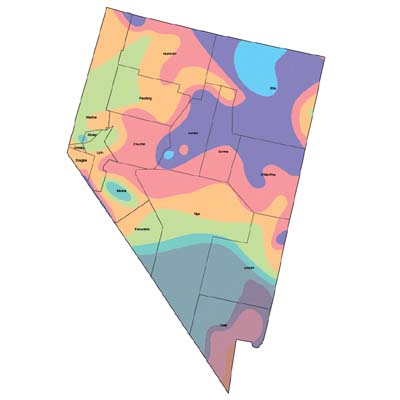
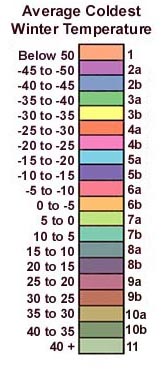
Below is the USDA Zone Map for Nevada so you can determine which zone you reside in. Below that are our picks for your state which will do best in your area. Next on this page are tables which list various grasses and their characteristics so you can compare before you decide on your purchase. Click on the product name (ie. Midnight) for more information about that grass and to make your purchase.

USDA Zone Map For Nevada
Nevada Grass Seed Nevada Zones
Best Grasses For Nevada
Product NameSpeciesCategoryApplications
MidnightKentucky BluegrassCool SeasonLawns - Full Sun
World CupKentucky BluegrassCool SeasonLawns - Full Sun
ShowtimeFine Fescue, Rye, Bluegrass MixCool SeasonLawns - Mostly Sunny to Full Sun
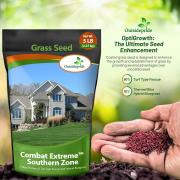
Combat ExtremeFescue - Turf TypeCool SeasonLawns - Partial to Full Sun
Champion RyegrassRye GrassCool SeasonLawns - Full Sun
GarlandRye Grass, Fine Fescue MixCool SeasonLawns - Partial to Full Sun
LegacyFine FescueCool SeasonLawns - Partial Sun, High Alt
Poa SupinaSupina Bluegrass MixCool SeasonLawns - Very Shady in Cool Zones
La PrimaBermuda GrassWarm SeasonLawns - Full Sun
YukonBermuda GrassWarm SeasonLawns - Full Sun
SupremeBuffalo GrassWarm SeasonLawns - Full Sun
ZenithZoysia GrassWarm SeasonLawns - Mostly Sunny to Full Sun
CompadreZoysia GrassWarm SeasonLawns - Mostly Sunny to Full Sun
Compare Various Grasses For Their Characteristics
Cool Season
Grasses
Leaf
Texture
Establish
Rate
Nitrogen
Use
Water
Use
Drought
Tolerance
Salinity
Tolerance
Shade
Tolerance
Bentgrass - Creeping Fine Moderate
to Fast
Low to
Moderate
High Poor to
Moderate
High Poor to
Moderate
Bentgrass - Colonial Fine Moderate
to Fast
Low Moderate Poor to
Moderate
Moderate Moderate
Bluegrass - Kentucky Moderate
to Fine
Slow Moderate
to High
Moderate
to High
Good Moderate Poor
Bluegrass - Rough Moderate
to Fine
Slow Moderate
to High
Moderate
to High
Poor Moderate Excellent
Fescue - Chewings Fine Moderate Moderate
to Low
Moderate Good
to Excellent
Low Excellent
Fescue - Hard Fine Slow to
Moderate
Low to
Very Low
Moderate Excellent Low to
Moderate
Excellent
Fescue - Creeping Fine Moderate Low to
Moderate
Moderate Good Low Excellent
Fescue - Turf Type Moderate
to Coarse
Moderate Moderate
to High
Low to
Moderate
Excellent Low Good to
Excellent
Ryegrass - Perennial Fine to
Moderate
Very Fast Moderate
to High
Moderate
to High
Good Poor to
Moderate
Poor to
Moderate
Warm Season
Grasses
Leaf
Texture
Establish
Rate
Nitrogen
Use
Water
Use
Drought
Tolerance
Salinity
Tolerance
Shade
Tolerance
Bahiagrass Coarse
toVery Coarse
Slow to
Moderate
Low Low Excellent Excellent Moderate
to Good
Bermudagrass Fine
to Moderate
Moderate
to Fast
Moderate Moderate
to High
Excellent Very Good Poor
Blue Grama Fine
to Moderate
Slow to
Moderate
Low Low Excellent Moderate Very Poor
Buffalograss Moderate
to Coarse
Slow to
Moderate
Low Low Excellent Moderate Very Poor
Carpetgrass Coarse Moderate
to Fast
Low High Low Low Excellent
Centipedegrass Moderate
to Coarse
Slow Low Low Good Moderate Moderate
to Good
Seashore Paspalum Moderate Moderate Moderate Moderate Excellent Excellent Good
Zoysiagrass Fine
to Medium
Slow to
Moderate
Moderate Moderate Excellent Good Moderate
to Good
Compare Various Grasses For Their Characteristics - Continued
Cool Season
Grasses
Fertility
Needs
Wear
Resistance
Mowing
Height
Cold
Tolerance
Acid Soil
Tolerance
Thatching
Tendency
Heat
Tolerance
Bentgrass - Creeping High Low Low Low Medium
to High
High High
Bentgrass - Colonial High Low Low Low Medium
to High
High High
Bluegrass - Kentucky Medium Medium
to High
Medium High Medium Medium Medium
Bluegrass - Rough Medium Medium Medium High Medium Medium Medium
Fescue - Chewings Low Low Medium Medium
to High
Medium
to High
Low to
Medium
Low to
Medium
Fescue - Hard Low Low Medium Medium
to High
Medium
to High
Low to
Medium
Low to
Medium
Fescue - Creeping Low Low Medium High Medium
to High
Low to
Medium
Low to
Medium
Fescue - Turf Type Low to
Medium
Medium
to High
Medium
to High
Medium High Low High
Ryegrass - Perennial Medium High Low to
Medium
Medium Medium Low Medium
to High
Warm Season
Grasses
Fertility
Needs
Wear
Resistance
Mowing
Height
Cold
Tolerance
Acid Soil
Tolerance
Thatching
Tendency
Heat
Tolerance
Bahiagrass Low Medium
to High
High Low Low Medium
to High
High
Bermudagrass Medium High Low to
Medium
Low to
Medium
Medium Medium High
Blue Grama Low Low High High Low Low High
Buffalograss Low Low High High Low Low High
Carpetgrass Low Medium
to High
Low Medium
to High
Medium
to High
High Low
Centipedegrass Low Low Medium
to High
Medium
to High
High Medium High
Seashore Paspalum Medium
to High
Medium
to High
Low Medium Low Medium
to High
High
Zoysiagrass Low to
Medium
Medium
to High
Low to
Medium
High Low to
Medium
Medium
to High
High

Grass Seed Calculator - Find How Much Seed You Need

There are two methods to calculate the square feet of the area you are planting. Method 1: measure the size of your yard or yards that you want to purchase grass seed for. If you have circles or triangles you may have to get out the old math book to determine the length and width. Method 2: enter the measures for you lot in the first section. Enter measures for your house, garage, and other buildings in section 2. In section 3, enter other dimensions of areas you will not be seeding such as driveways and sidewalks. The calculator will subtract the area you are not seeding from you lot size to determine the amount of square feet that you will be seeding. After you have entered your dimensions, scroll down to the next section and choose the grass seed you want to purchase and enter the seeding rate into the calculator.

Yards / Lot SizeBuildings if using lot sizeOther if using lot size
Yard 1 Width: ft.
Yard 1 Length: ft.
Yard 2 Width: ft.
Yard 2 Length: ft.
Yard 3 Width: ft.
Yard 3 Length: ft.
Yard 4 Width: ft.
Yard 4 Length: ft.
Building 1 Width: ft.
Building 1 Length: ft.
Building 2 Width: ft.
Building 2 Length: ft.
Other 1 Width: ft.
Other 1 Length: ft.
Other 2 Width: ft.
Other 2 Length: ft.

Quick Reference Guide For Calculating Your Seed

Once you have typed in the dimensions of your lot or yards up above, it is now time to find the grass seed you are interested in and how many square feet that grass seed will cover. To do this, simply look at the list below of the grass seeds we offer. Find the grass you are interested in and the look to the right to see how many square feet one pound of seed covers. For thicker turf and quicker establishment, choose the smaller number. Take that number and type it into the calculator where it says, "1 Pound Covers." Hit the "Calculate" button and then just look to the right to see how many pounds of seed you will need to cover your yards. Round up to the nearest package size that we offer.

Cool Season Grasses:
Type of Grass:Name of Grass:Square Feet Covered
Bentgrass, Colonial Highland 500 to 1000
Bentgrass, Creeping Nu Penn or Penncross 500 to 1000
Bluegrass, Creeping True Putt 350 to 500
Bluegrass, Kentucky Midnight or World Cup 350 to 500
Bluegrass, Rough Maximum 350 to 500
EnvirolawnEnvirolawn 750
Fescue, Fine Hard, Creeping, Sheeps or Legacy 150 to 200
Fescue, Turf Type Tall Combat Extreme 100 to 125
Mixtures, Turf Type Fescue & Kentucky Bluegrass Combat Blue 175 to 200
Mixtures, Ryegrass & Fine Fescue Garland 125 to 175
Mixtures, Ryegrass, Bluegrass, & Fine Fescue Showtime 175 to 250
Mixtures, Rough Bluegrass & Supina Bluegrass Poa Supina 350 to 500
Ryegrass, Perennial Outsidepride Blend 100 to 140
Warm Season Grasses:
Type of Grass:Name of Grass:Square Feet Covered
Bahia Pensacola 175 to 200
Bermuda Laprima, Princess, or Riviera 350 to 500
Blue Grama Bad River 350 to 500
Buffalo Cody or Supreme 350 to 500
CarpetCarpet 200 to 250
Centipede Coated 1000 to 2000
Seashore PaspalumSeashore Paspalum 1000
Zoysia Companion or Zenith 500 to 1000
Area Covered By One Pound Of Seed: 1 Pound Covers: sq. ft. ~
—— Calculated Area: ——
yard 1 Area: sq. ft.
yard 2 Area: sq. ft.
yard 3 Area: sq. ft.
yard 4 Area: sq. ft.
Total Area WITHOUT Other and Buildings substituted
Total Area: sq. ft.

Total Area WITH Other and Buildings substituted
Total Area: sq. ft.

Total Pounds Needed:

LazyManTM Soil Improvement Product Line


Before you leave our web site with your grass seed, please be sure to check out our LazyMan Liquid product line. No need to rent aerators and dethatchers any more! Just spray on and let the products do the work for you and enrich your soil at the same time.
Lawn Aerator Lawn Dethatcher Soil Conditioner
BACK TO TOP