








Stevia Seeds - Sweetleaf
SEASON
Perennial
USDA ZONES
9 - 10
HEIGHT
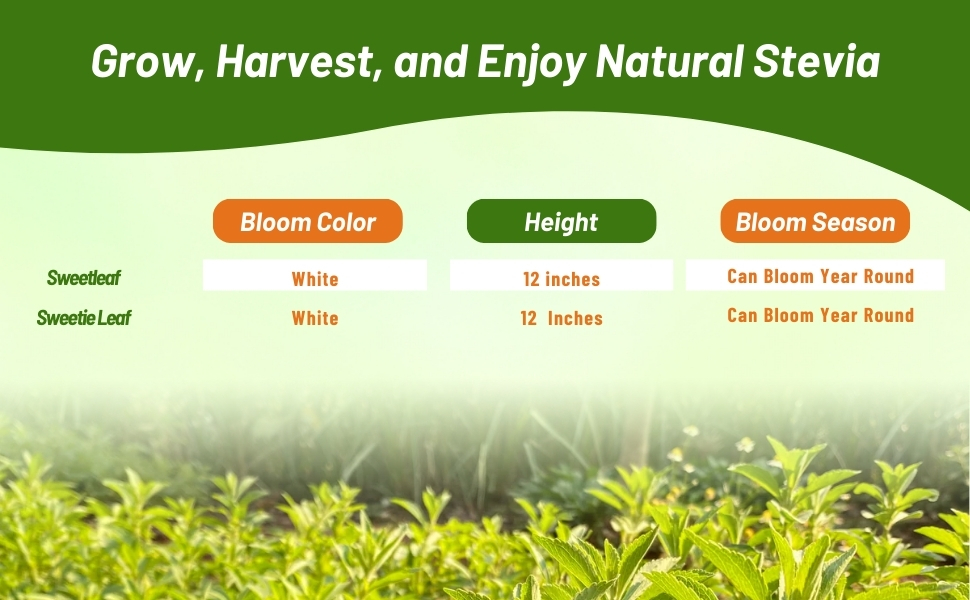
12 inches

BLOOM SEASON
Can bloom year round

BLOOM COLOR
White
ENVIRONMENT
Partial shade

SOIL TYPE
Moist, well-drained, pH 6.1 to 6.5
DEER RESISTANT
No

About...
Stevia Sweetleaf (Stevia Rebaudiana) - Start Stevia seeds and grow this well-known culinary herb that is used as a sweetener. The leaves are 20 to 30 times sweeter than sugar cane, but with no calories or carbohydrates. Sweetleaf Stevia could even be considered a medicinal herb because it nourishes the pancreas and does not raise blood glucose levels.MORE STEVIA OPTIONS

Planting Directions
TEMPERATURE
68 - 75F
AVERAGE GERM TIME
7 - 14 days
LIGHT REQUIRED
Yes
DEPTH
Press seed onto surface of soil, cover lightly with peat moss

SOWING RATE
2 - 3 seeds per plant
MOISTURE
Keep moist until germination
PLANT SPACING
12 inches
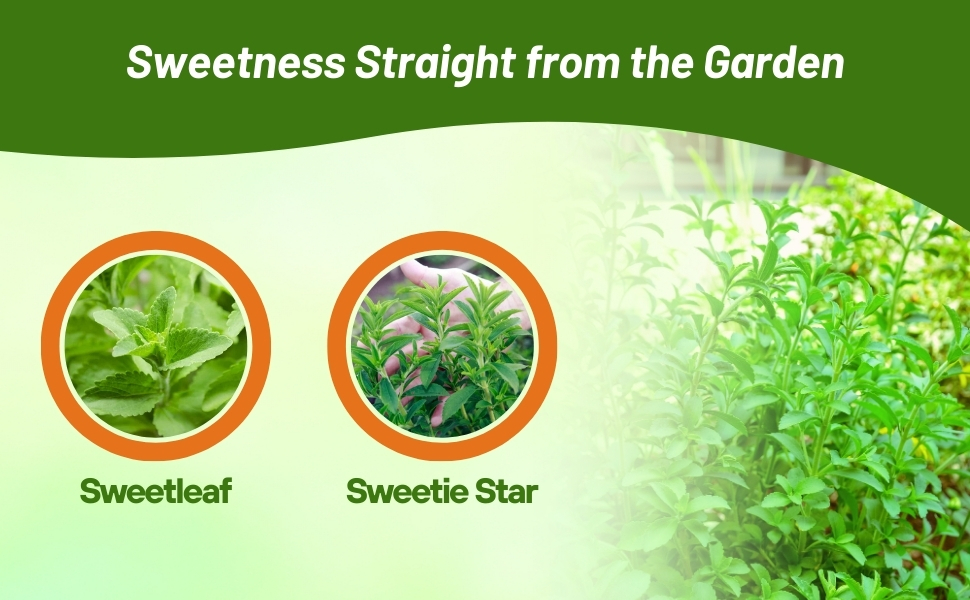
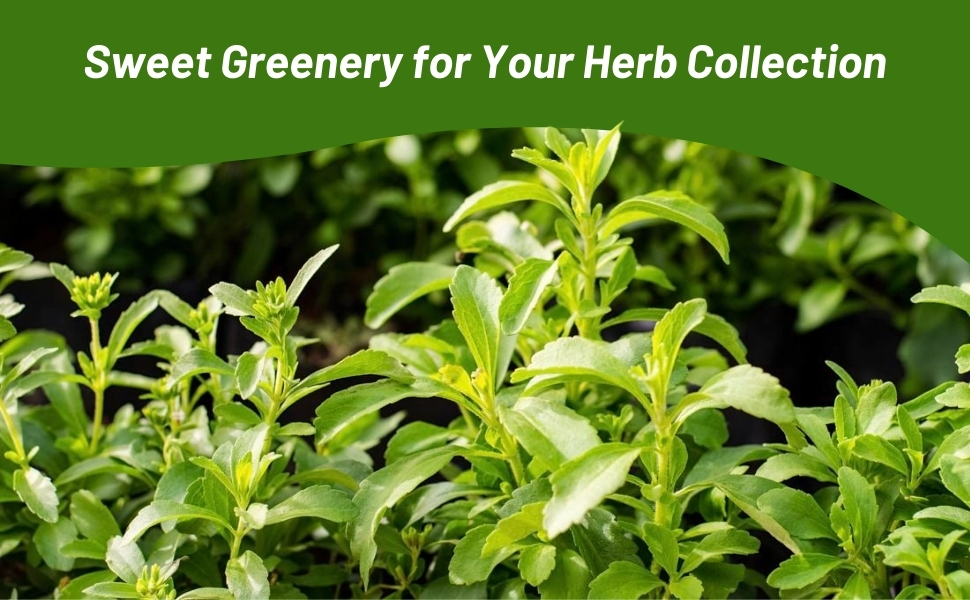
Stevia Sweetleaf (Stevia Rebaudiana) - Start Stevia seeds and grow this well-known culinary herb that is used as a sweetener. The leaves are 20 to 30 times sweeter than sugar cane, but with no calories or carbohydrates. Sweetleaf Stevia could even be considered a medicinal herb because it nourishes the pancreas and does not raise blood glucose levels. This makes it not only safe for diabetics but also beneficial. Dieters also benefit from the sweetening of Stevia herb without the harm that artificial sweeteners are known for. The leaves can be applied directly into drinks or made into tea. The dried Stevia leaves can also be ground into powder and used in recipes that call for green Stevia powder. For sweetness, 3 table spoons fresh leaves or 1 teaspoon powder equals 1 cup of sugar.
Stevia is a rewarding plant to grow in the herb garden! It is a tender perennial that is native to subtropical regions. Wild Stevia plants often grow on the edges of marches or streams. The Sweet Leaf herb plant can be successfully grown in the herb garden in most any region. It prefers a well-drained sandy loam. Raised beds ensure that the roots do not have too much moisture, and organic compost and regular watering give adequate moisture and nutrients. In colder, northern climates, grow Stevia herb plants as annuals.
How To Grow Stevia Rebaudiana: Start the Stevia seeds indoors 6 to 8 weeks before the last expected frost date. Use a starter mix and gently press the herb seeds into the soil. Lightly cover the Sweet Leaf herb seeds with peat moss. Keep Stevia seeds consistently moist by watering from the bottom of the container. A plastic dome or plastic wrap over the tray or containers is helpful in keeping the moisture in. To encourage a bushier growth, pinch back the tips of the plant 2 to 3 times before transplanting outdoors. Transplant outdoors into a prepared bed after danger of frost has passed. If possible, give the plants some protection from wind. Consistent moisture is important during the summer. Soaker hoses work well for deep weekly watering. Stevia Plants can be wintered indoors if given adequate light. A sunny, south facing window or a fluorescent light is needed.
Harvest the Stevia herb leaves when the flavor is the highest which is before flowering or as soon as the blossoms appear. Stems can be cut in the morning after dew has dried, bunched together and hung upside down in a well-ventilated place. Stevia leaves are crisp and bright green when they are fully dry.
Frequently Asked Questions
Which herbs can thrive in the kitchen?
Not all herbs are suitable for indoor growth. Herbs with woody, bushy growth, like rosemary are too large for indoor herb gardens. Consider other more suitable herbs for an indoor kitchen garden, such as chives, oregano, thyme, dill, mint, basil, cilantro, sage and savory. Each herb has specific growing needs, so ensure to provide the right amount of light, humidity, and air circulation. If using a single large container, ensure that all plants require similar amounts of sunlight and water. For instance, chives and cilantro may not need as much sunlight as dill and oregano.
What are good companion plants for herb gardens?
Pairing herbs based on watering requirements, like planting lavender with thyme or basil with chives, is ideal for maintaining the health of both plants. Avoid companion planting with catnip, lemon balm and mint as they should be grown in separate pots due to their rapid spreading nature that can overtake other plants in your indoor herb garden.
When do I establish an indoor herb garden?
Create a kitchen herb garden by propagating cuttings from your outdoor plants as the weather cools in the fall. If you opt to sow your indoor herb garden from purchased seeds, begin a few weeks before the anticipated first frost of the season. Most herbs can be harvested within a few weeks, so there is no need to plant too far in advance.
Do kitchen herbs need full sun?
Most herbs need 6 hours of sunlight a day to thrive. If you do not have this type of light available in your kitchen, consider a grow light that will run 14-16 hours per day 6 to 12 inches above your plants. NOTE: Rotate herbs periodically when grown in windows to let each part of the plant receive sunlight.
What time of year should you plant herbs?
Herbs grown in indoor gardens can be planted any time of year. Many gardeners prefer to grow their herbs outdoors during the summer growing season, and then move them to their indoor garden before the first frost of fall. If you prefer to start your seeds outdoors you will need to wait until after danger of frost in the spring or start your seeds indoors 6 -8 weeks before last frost and transplant in your garden after danger of frost.
Do herbs come back every year?
Perennial herbs will come back each year when planted in the correct zone or grown indoors during the cold winter months. Popular perennial herbs are oregano, parsley, sage, fennel, chives, lavender, thyme and mint varieties.
How do I know when my herbs need watered?
Allow the soil to dry out just slightly before watering your herbs again. Give your indoor herb garden a dose of diluted water-soluble fertilizer every 2 weeks or so. Too much food will compromise the taste of the herbs. It is also beneficial to provide adequate humidity. If the indoor air is especially dry – which is often the case in regions with cold winters. Set the herbs pots on trays of stones. Fill the trays with water but keep the level below the drainage holes of your pots.
When do I water my outdoor herb garden?
Different herbs plants will need different amounts of water so keep this in mind when planting your garden and keep similar plants together to simplify watering. Watering is best done in the early morning hours when temperatures are cooler. Many herbs are hardy. They can tolerate soil that is moderately dry. You want to keep an eye out for wilting when the soil is wet. Ideally, your herbs should make quick use of the water you give them. Saturated soil is not what you are after. Pay close attention to the coloration of the leaves on your herbs. Yellow leaves can be a sign of too much water, and so can black leaves. If you spot any mildew or fuzz on the herbs, too much moisture can be the problem.
How do I harvest my herbs?
Trim back flowering sections before they bloom for healthier leaves. Prune new growth on young plants weekly to encourage a fuller mature plant. Snip herbs for harvest when they are just a few inches tall. Pruning back the herbs often means a larger, longer harvest. Cut the new growth back at least one per week, even if you are not using the herbs in recipes (see drying and freezing page if you do not want to waste your harvest). Long stems that are about to set flower buds should be trimmed off as they appear.
What do I need to start an indoor herb garden?
Common tools needed for an indoor herb garden are: garden trowel, scissors for snipping, stones (optional). Materials for your herbs plants include seed, pots, potting soil, cactus potting soil (optional), pots or trays, fertilizer and a grow light if you do not have adequate sunlight of at least 6 hours per day for your plants.
How do I prepare my containers for planting?
Choose large, deep containers with drainage holes to accommodate fast-growing herbs. Fill the container with potting mix leaving about ½ inch clear at the top. Use standard commercial potting soil for most herbs but blend in cactus potting mix for herbs native to the Mediterranean, such as thyme and oregano which prefer dryer soils.
Can I put my indoor herb containers outside?
Yes! Move your potted herbs to the patio or deck when the weather warms in the spring and for a boost of sunshine.
How do I know when my herbs need larger containers?
When roots begin to emerge through the drainage holes of its container, it is time to repot the herbs. Replace the potting mix; the organic material in the potting mix breaks down over time. Remove any plants with woody or thickened stems and replace them with new seeds or seedlings.
Do herbs need fertilizer?
The short answer is yes. However, not all herbs have the same fertilizer needs. Herbs roughly fall into two groups. 1. Slow-growing herbs with small leaves or needles and fibrous, woody stems that are native to the mediterranean where they grow culinary lavender, month, marjoram, oregano, rosemary, sage, savory, tarragon and thyme. 2. Fast-growing herbs with larger, thinner leaves. These can be annuals such as basil, borage, cilantro, chervil and dill; bi-annual herbs such as parsley or perennials such as chives. Herbs in the first group generally need less fertilizer than herbs in the second group.
What type of nutrients do herbs need?
Start out by planting herbs in healthy soil rich in organic matter. In addition, they will benefit from an organic complete, slow-release fertilizer containing equal amounts of macronutrients nitrogen, phosphorus and potassium. A slow-release fertilizer is especially important if your garden has sandy soil because nutrients wash out quickly. To give fast-growing herbs that you harvest often an extra boost, you can also apply fish emulsion, an organic fertilizer that is high in nitrogen, with an NPK ratio of 4-1-1 or 5-1-1.
How often should I fertilize my herbs?
The frequency of fertilization follows the growth pattern of the herbs. In soil of average fertility, it is usually sufficient to apply a balanced fertilizer in the spring when they break dormancy, or when the new growing season starts. For other herbs, a light monthly application of a slow-release complete fertilizer should be enough – unless the leaves start to look yellow, which may be a sign of nitrogen deficiency. In that case, applying fish emulsion is a quick fix but before you reach for the fertilizer bottle, rule out that the yellowing of leaves is not caused by something else.
How do I fertilize my herbs in a container?
Herbs grown in containers need fertilizer applications more often, because with frequent watering that container plants require, the fertilizer in the potting mix washes out more quickly. Just as with sandy soil, it is important to use slow-release fertilizer. The roots of container plants are in a confined space, unlike herbs grown in the garden or raised beds, which can lead to over fertilization if you are not careful. Organic fertilizers are recommended over synthetic which often contain a high level of salts that can build up in the container over time. To prevent this, it is best to use half the strength of the fertilizer amount specified on the label for any type of fertilizer.
Is it possible to overfertilize herbs?
Adding too much fertilizer to herbs usually leads to an excess of nitrogen, which has undesirable results especially for slow-growing herbs. For basil and other thin-leaved herbs, the fast leaf growth induced by nitrogen is fine because you want your plants to be lush. For rosemary and other Mediterranean herbs however, rapid growth means that there are less concentration of essential oils causing the herbs to become less aromatic and have weaker flavor.
How do I prepare garden soil before planting an herb garden?
Once you have picked the location for growing your herb garden, you will need to prepare the soil. If the soil is sandy or clay heavy, add plenty of compost. Even if your soil is in pretty good condition, working some compost into the soil will help provide nutrients to the herbs while they are growing.
Can I harvest my herbs too often?
Many times, when a new gardener is starting an herb garden, they are afraid that harvesting the herbs frequently will hurt them. The opposite is true. Frequent harvesting of herbs will result in the herb plant producing more and more foliage, which increases the amount you are able to harvest. At the end of the season, you can dry or freeze your herb harvest to enjoy home grown herbs all year long.
I don’t have a good sunny spot outdoors for my herb garden, what can I do?
If your yard is mostly shaded, there is not much you can do to change that, but you can pick shade friendly herbs. Parsley, sweet woodruff and mint are good examples of herbs that don’t require as much light. If you are growing plants in low light, manage your expectations. Your herbs will grow but will be slow and results less impressive.
My container soil is staying wet, what do I do?
Choose a container that allow for water to drain. If you over water or if it rains too much a good pot will allow the water to flow to the bottom without soaking and rotting the roots of your plants. You can use rocks or pottery shards to fill the bottom of the container to help with drainage. This applies outdoors too. If your herbs constantly have wet feet, they won’t thrive. Either plan ahead when planting your garden and add some sand for drainage or pick plants that don’t mind wet roots as much.
My herbs plants are going to seed, why?
The short answer is you are not pruning enough. To prevent rapid growth and encourage a bushy habit, be sure to prune your herb plants regularly. The more you pick off your stems and leaves the longer your herb plant will remain in its production cycle. If you start to see flower heads, snip them right away. When you fail to cut back the plant, it is likely to go to seed and complete its lifecycle. Once that happens, many plants die back. Keep cutting and pinching back flowers to prevent this from happening.
Should I throw away my seeds on their expiration date?
Seeds do not have an expiration date, rather it is a sell by date just like food. The dates on seed packages are guidelines to help you know when your seeds are getting old, but it does not mean you need to toss them. Every plant is different. Some seeds last longer than others. Most seeds, if kept cool and dry will last 2 – 3 years. If you are unsure test them out by growing microgreens.
Videos