




Seaside II Creeping Bent Grass
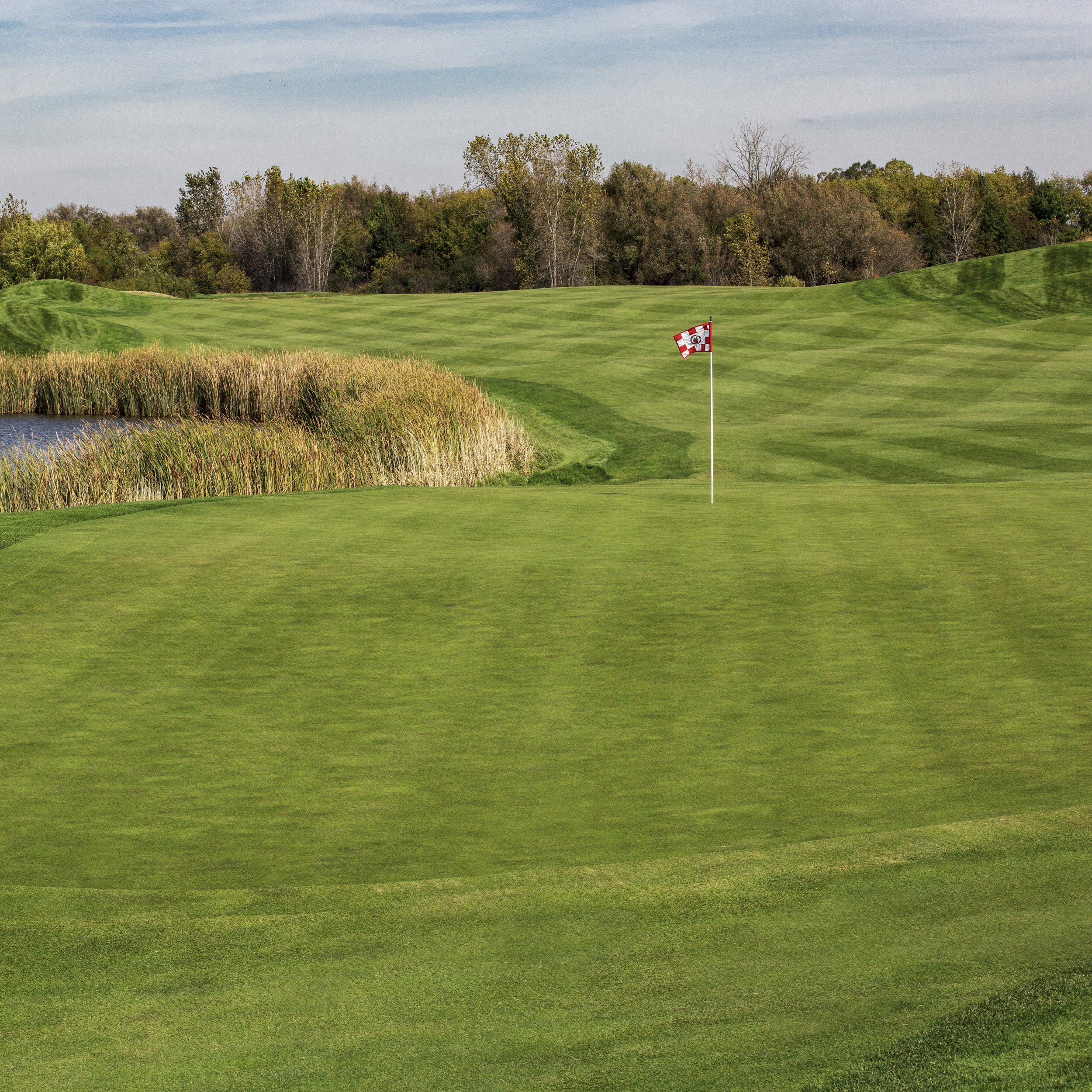
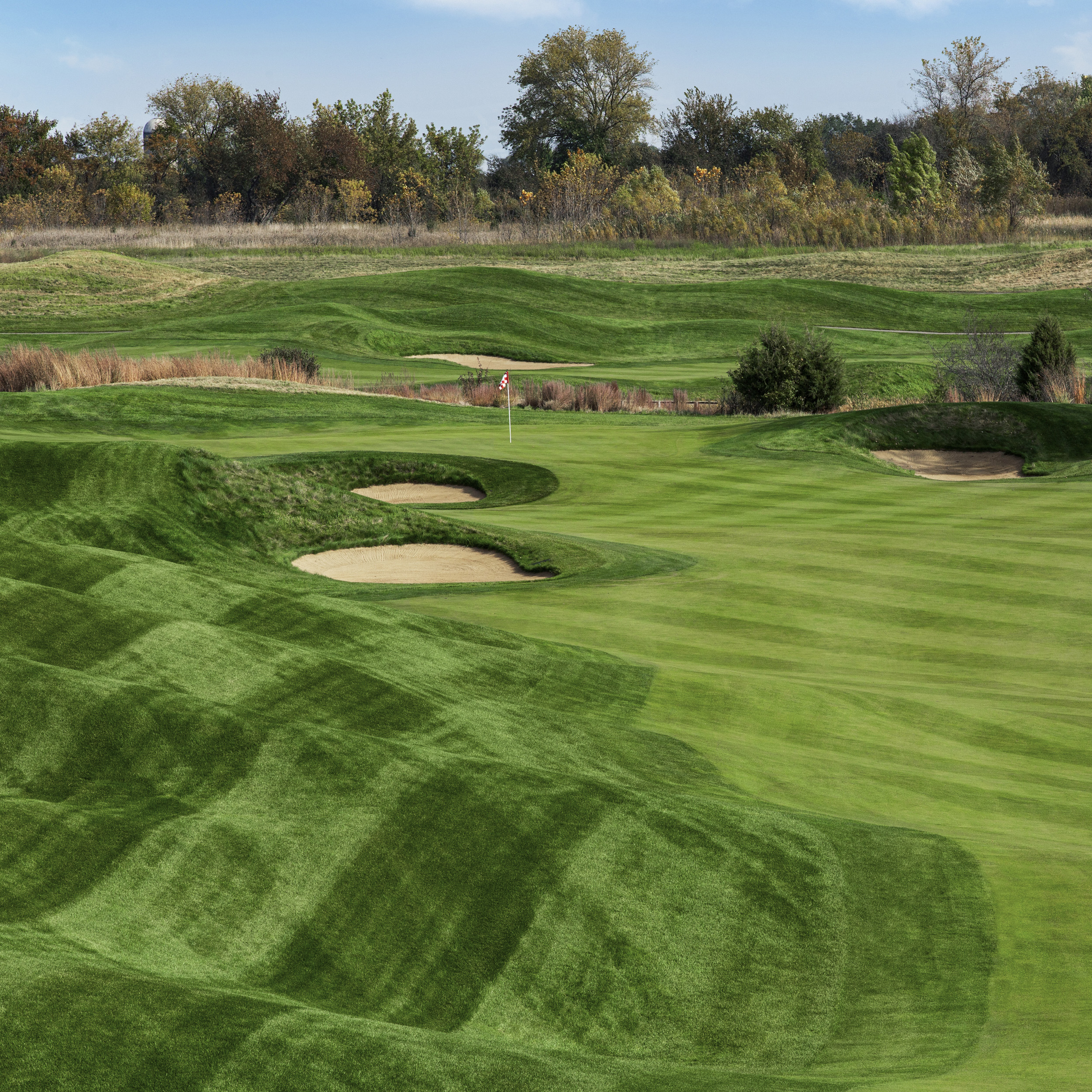
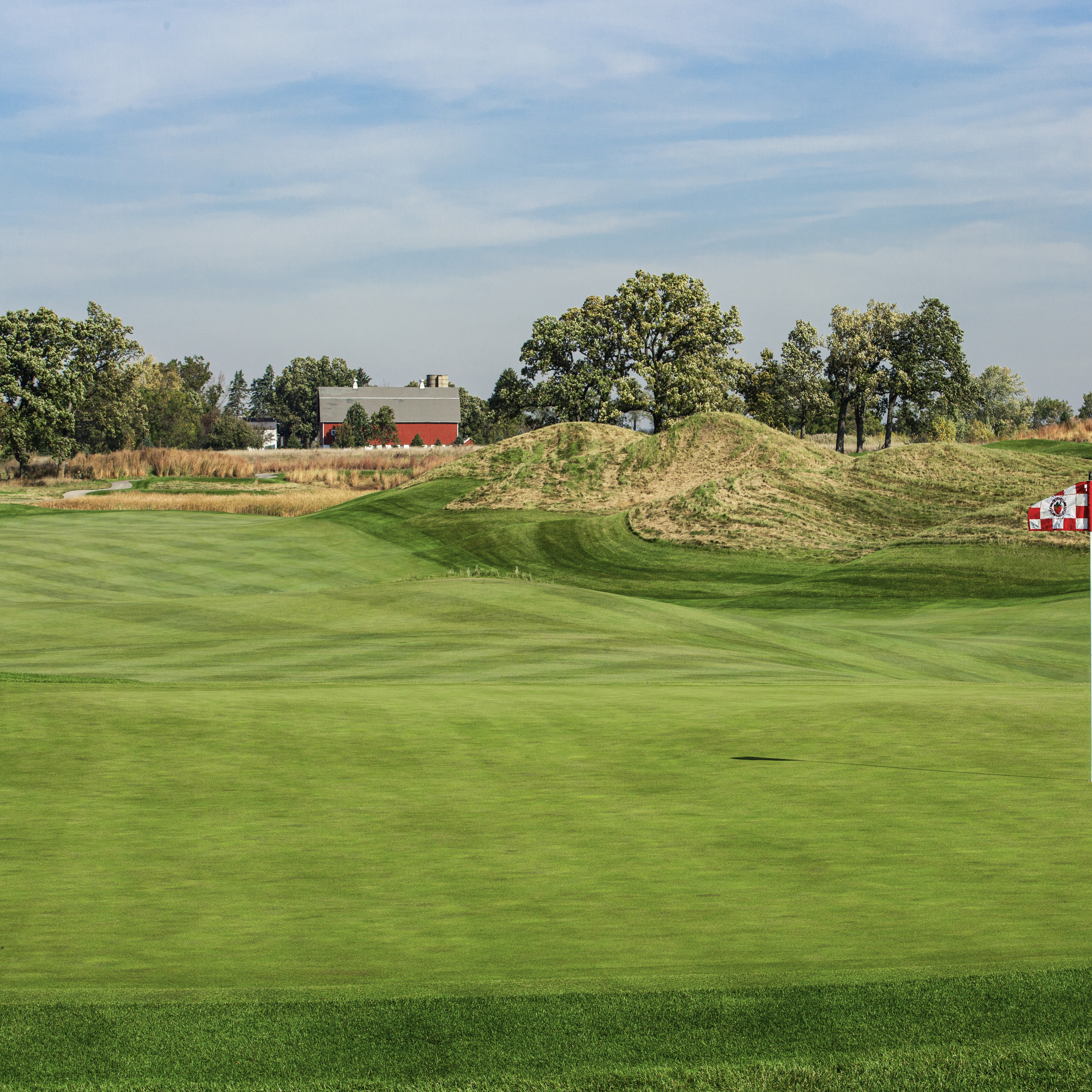
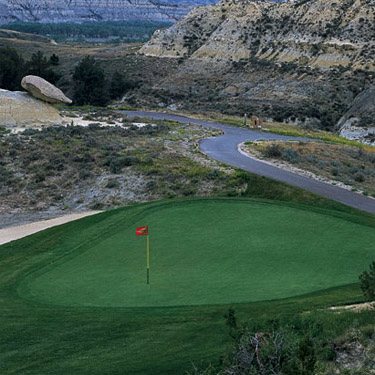
Photography compliments of Tee-2-Green
Seaside II Creeping Bent grass, with a medium-fine texture, provides a high-quality playing surface for greens, tees, and fairways, and Seaside II establishes quickly from putting grass seed.This variety of Creeping Bent grass has shown very good drought tolerance and the ability to use water sources that have a high salt level. Recommended seeding rate is 1.25 to 1.5 lbs/1,000 sq ft for a new planting, and 0.1 to 0.25 lbs/1,000 sq ft for inter-seeding. Seaside II Bentgrass has shown excellent resistance to dollar spot and other diseases. In addition, this golf greens seed produces a dense turf that competes with grassy weeds like Poa annua. If you live in a coastal climate and want to grow putting green grass for a home putting green, Seaside II Creeping Bent grass seed is an excellent choice.
Maintenance Program
For a Seaside II home putting green, the amount of the fertilizer should be .1 lbs of nitrogen every 14 days +/-, depending on approximate growth, clippings, and performance. The yearly amount of nitrogen will be from 2 to 4 lbs, phosphorous 2 to 3 lbs, and potassium 6 to 10 lbs. As far as micro-nutrient amounts, this should be checked with tissue tests during the year and again with a soil test in the early spring. Fertilizer is important for healthy Bent Grass Greens.
Seaside II greens can be irrigated with water sources containing salt content as high as 15,000 ppm and a pH of 7.5 - 8.5, and it also demonstrates resistance to dollar spot. Seaside II Bent grass seed is often chosen for coastal golf courses where sea spray is a problem for other varieties of Creeping Bentgrass.
The first mowing of creeping bent grass should be done when there is uniform turf coverage with a height from 1/4 to 3/8 inches and definitely not more than a 1/2 inch. The mower should have a smooth front roller. It has been reported that some people have used grooved rollers too early. Bent grass clippings should not be caught early on, as this will help build a biomass or padding that will protect the plant from damage. During the early stage it is important to do a weekly light top dressing. This will cover the clippings and smooth any roughness in the surface as well as accelerate the filling-in of the turf grass canopy. It is possible to get to the desired mowing height within six to seven weeks after the first mowing, if not sooner.
Aeration
With regard to aerating creeping bent grass, this has varied from course to course. Most golf courses aerate two to three times a year: in the spring, early summer, and fall, similar to what is currently being done with other Bent grass varieties. Some courses are going less, others more, but it all depends on the size of the greens, soil type, and traffic. Top dressing varies depending on management style, from light weekly applications to once a month when verticutting. As with all Creeping Bent grass greens, it is important to get as much top dressing into the canopy as possible. This can only be accomplished if the canopy is opened up by the use of groomers, verticutting, grooving, or spiking. All grasses including Bent grass should be aerated.
Seeding Rate & Planting Time
- New turf: Sow 1 1/4 - 1 1/2 pounds Bent grass putting green seed per 1,000 square feet
- Plant Seaside II Bentgrass seed when soil temperature reaches 55 degrees in spring up until a minimum of 6 weeks before frost in fall
Certification
The Grass Seed Certification program establishes the genetic purity and germination of varieties, blends, and mixtures. The certification process begins with the proper field history before production and continues through the bagging of a grass seed lot with every step independently verified by Seed Certification personnel. Each bent grass seed lot to be certified is sampled by Certification personnel and tested in the state seed laboratory, so the grass seed you buy is the seed that was tested. If even one standard in this process failed, the lot is uncertified. You can rest assured that your bent grass seed is certified!