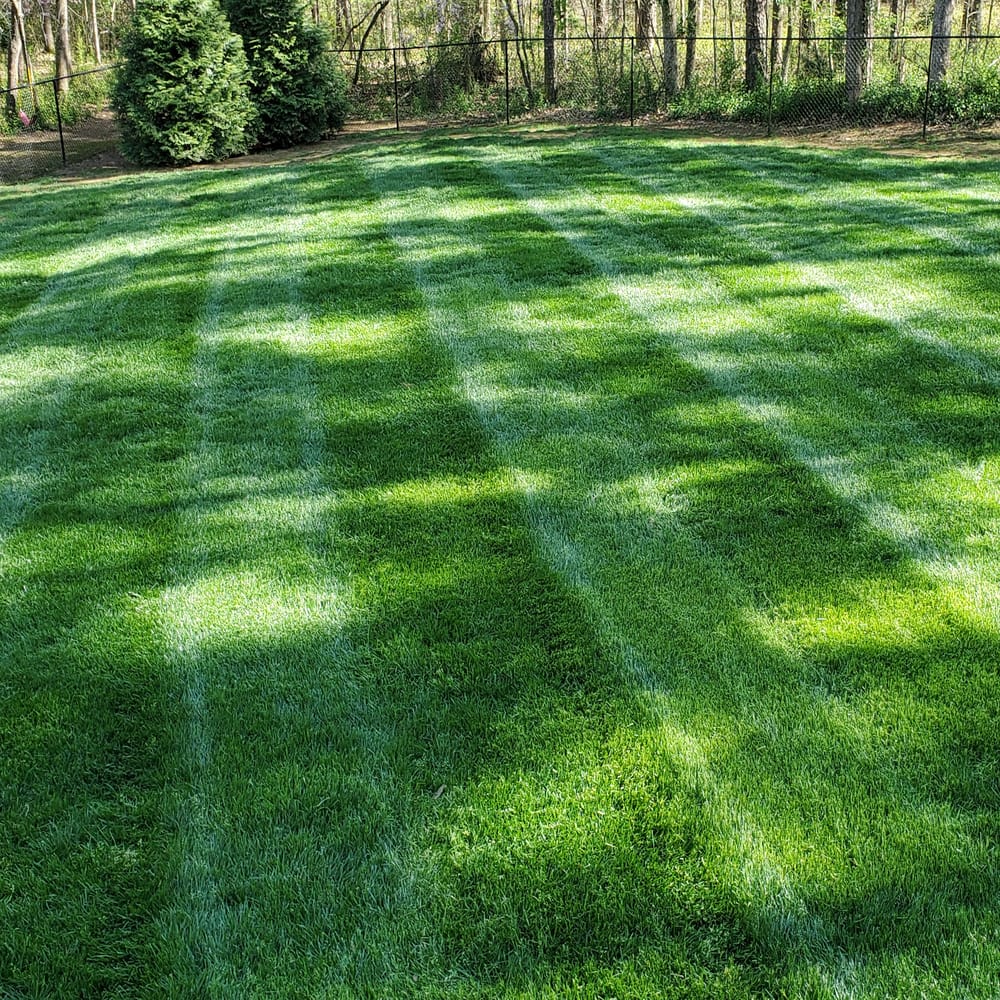
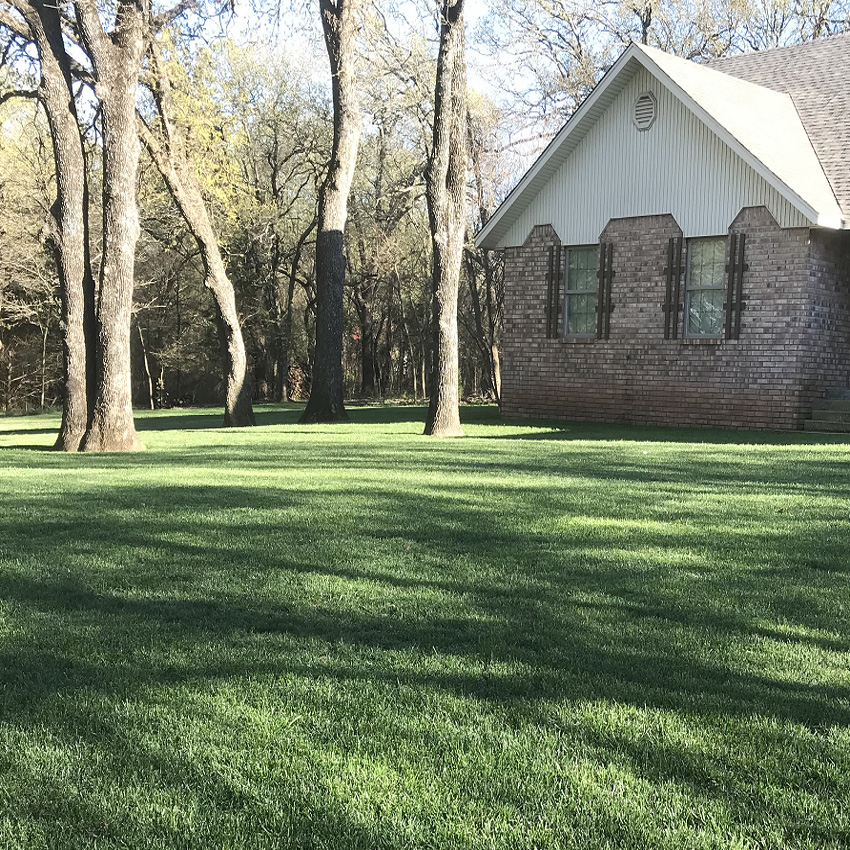
One of the easiest ways to narrow down your grass seed choices is to determine what type of grass grows best where you live. Grass seed falls into three main categories: cool-season grass seed, warm-season grass seed, and transition-zone grass seed. Cool-season grass seed is best suited for areas with colder winters and more moderate summers. Warm-season grass seed performs well in hotter climates. And for areas that sit between warm- and cool-season regions, you need a specially blended grass seed mix designed for seasonal temperature swings.
Find out what type of grass seed you need by exploring our climate-based collections below.
The Best Grass Seed Varieties Based On Your Climate
Once you’ve identified whether you need warm- or cold-weather grass seed, you can zero in on exactly what variety will work best for your specific growing conditions.
Best Grass Seed for Warm Climates
The best warm-weather grass seeds have high heat- and drought- tolerance. This type of grass seed typically performs best when air and soil temperatures are between 80 and 95 degrees F. Some of the most popular hot climate grass seeds include:
Cold-hardy grass seed produces lush, green lawns in spring and fall, while growth slows in summer and goes fully dormant in winter. The ideal soil temperature for germination for these types of seeds is between 50 and 65 degrees F.
Transition zone grass seeds are specially formulated blends designed to tolerate temperature extremes – scorching summer heat and freezing winters. These dual-climate grass seed mixes generally produce deep roots for gathering moisture and are resilient in the face of challenging weather conditions.
Southern US, Hot & Humid/DryLate Spring & Summer - Peak Growth / Goes Dormant in Fall/Winter (Tan/Brown)Prefers 80-95°F (27-35°C)Denser, coarser texture, creeps with runners (stolons/rhizomes)Bermudagrass, Zoysia, St. Augustine, CentipedeLess watering needed (efficient), handles heat, frequent mowing in peak
How to Find the Best Grass Seed for Where You Live
Climate is a great place to start when figuring out what type of grass seed will help you grow the healthiest lawn. But there are other factors to consider, including:
Sun and shade conditions: Evaluate how many hours of direct sunlight your yard gets on a daily basis. Choose a partial-shade or full-sun grass seed accordingly.
Rainfall and irrigation: Do you get reliable rainfall, or is your area more prone to drought? Find a grass seed variety that suits your specific irrigation needs.
Soil and growing conditions: Determine what type of soil you have – sandy, clay, loam, etc. – and how well the soil drains. These factors can greatly affect grass seed establishment and growth.
Lawn use and maintenance: Does your yard get heavy foot traffic? Do you have pets? How much upkeep can you commit to? These are all important considerations when selecting the best grass seed for your lawn.
Need help narrowing down your options? Our lawn seed experts can suggest the best grass seed based on your specific needs. Contact us.
FAQs
What is the difference between warm-season and cool-season grass seed?
The primary difference between warm-season and cool-season grasses is that cool-season grasses have the most active growth during the spring and fall seasons, while warm-season grasses grow most actively during the warm summer months.
What is the best grass seed for the South?
The best type of grass seed to grow in the southern part of the U.S. is Bermudagrass, a warm-season variety with high heat- and drought-tolerance. If you live in a Southern state in the transition zone such as Oklahoma, Virginia, or the Carolinas, consider a Tall Fescue grass seed blend.
Find the best type of lawn grass seed for every state in our comprehensive guide.
When is the best time to plant grass seed?
The best time to plant grass seed depends on the type of grass you choose. Cool-season grasses should be planted in early fall, about 6 to 8 weeks before your first hard frost, while warm-season grass seed should be sown in late spring or early summer, when soil temperatures reach 80 degrees.
Have additional questions? Contact us and our seed experts can help you find the right grass seed for your climate and growing conditions.