








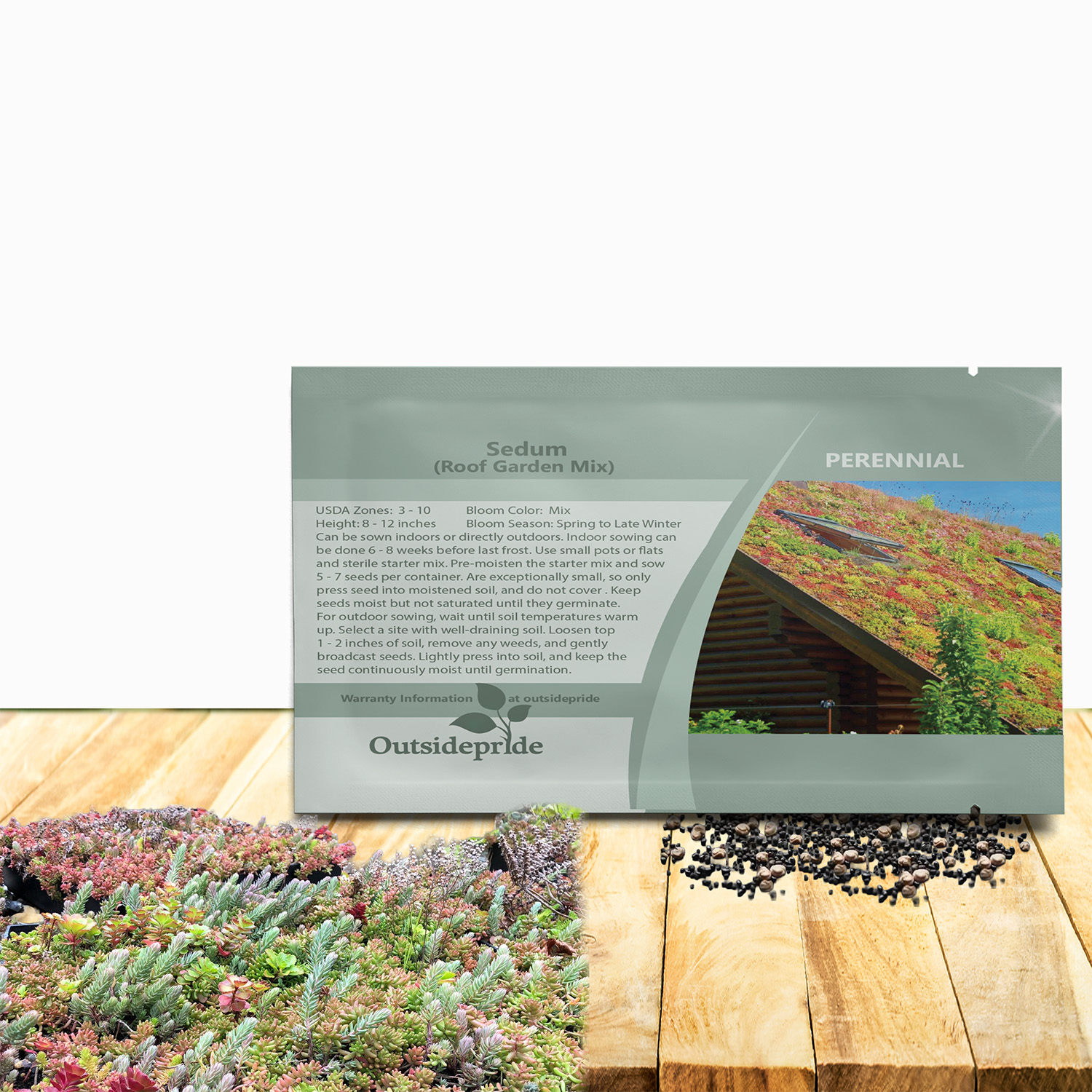


Sedum Seeds - Roof Garden

SEASON
Perennial

USDA ZONES
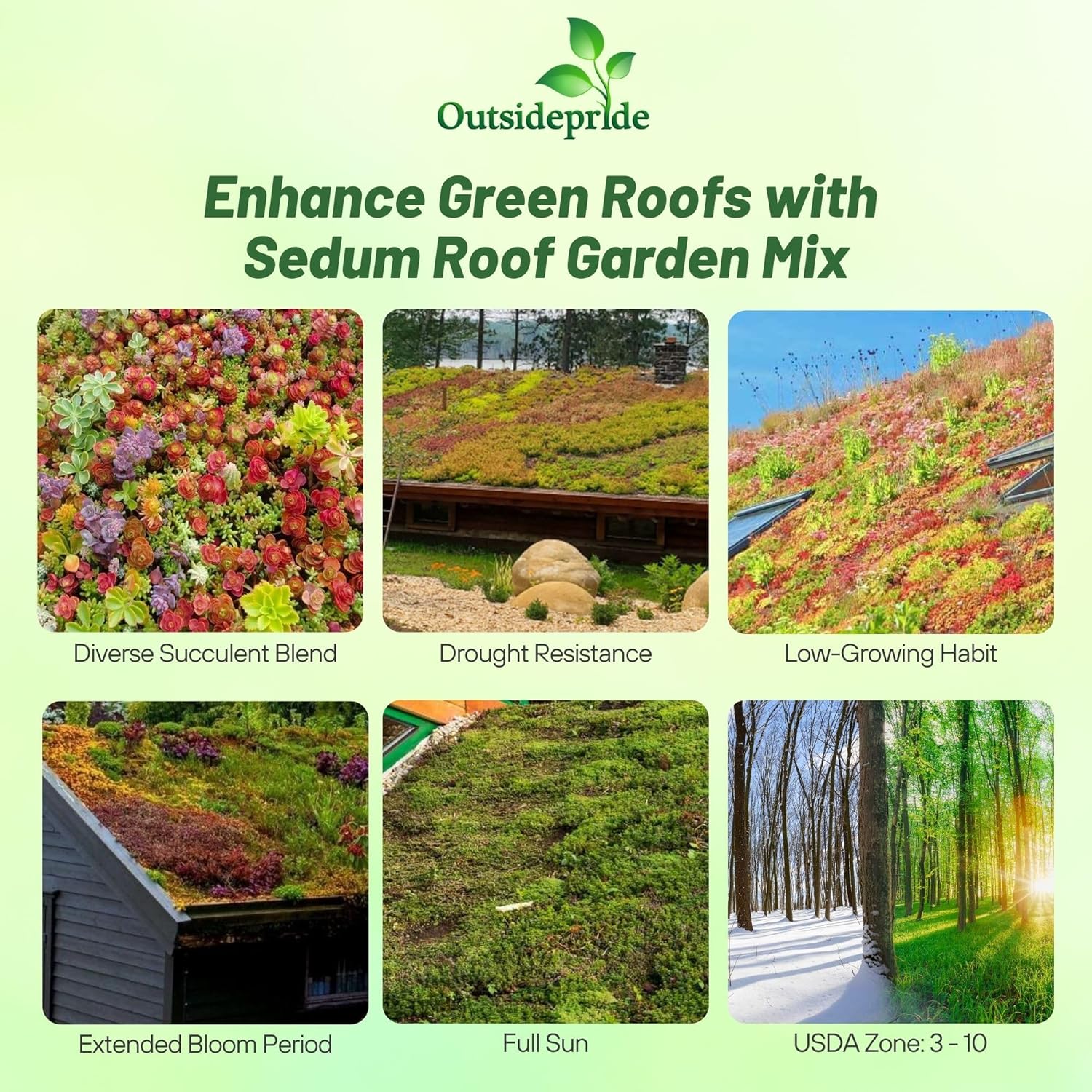
3 - 10

HEIGHT
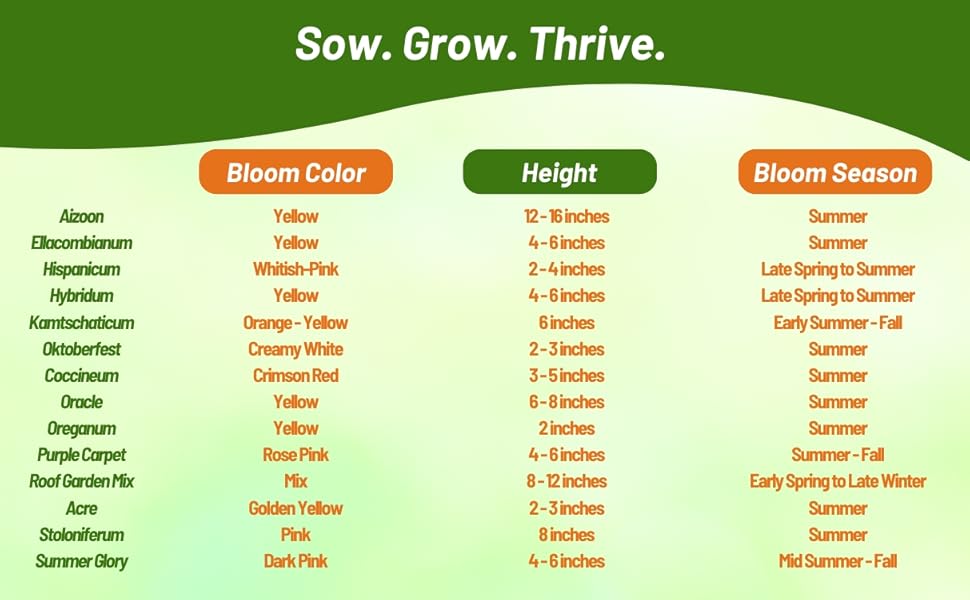
8 - 12 inches

BLOOM SEASON
Early Spring to late Winter

BLOOM COLOR
Mixture

ENVIRONMENT
Full sun

SOIL TYPER
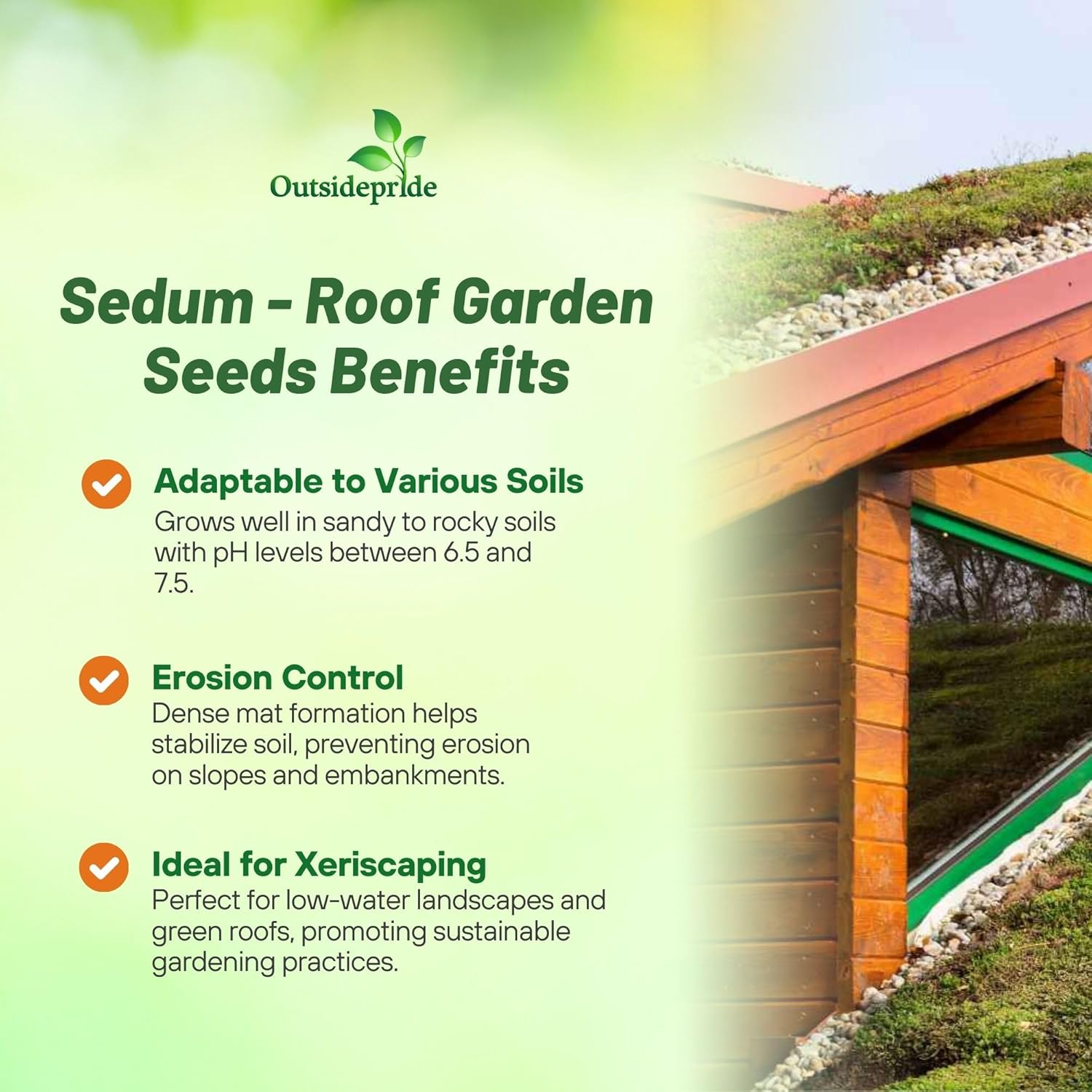
Drier soils preferred, but always well drained

DEER RESISTANT
Yes

About...
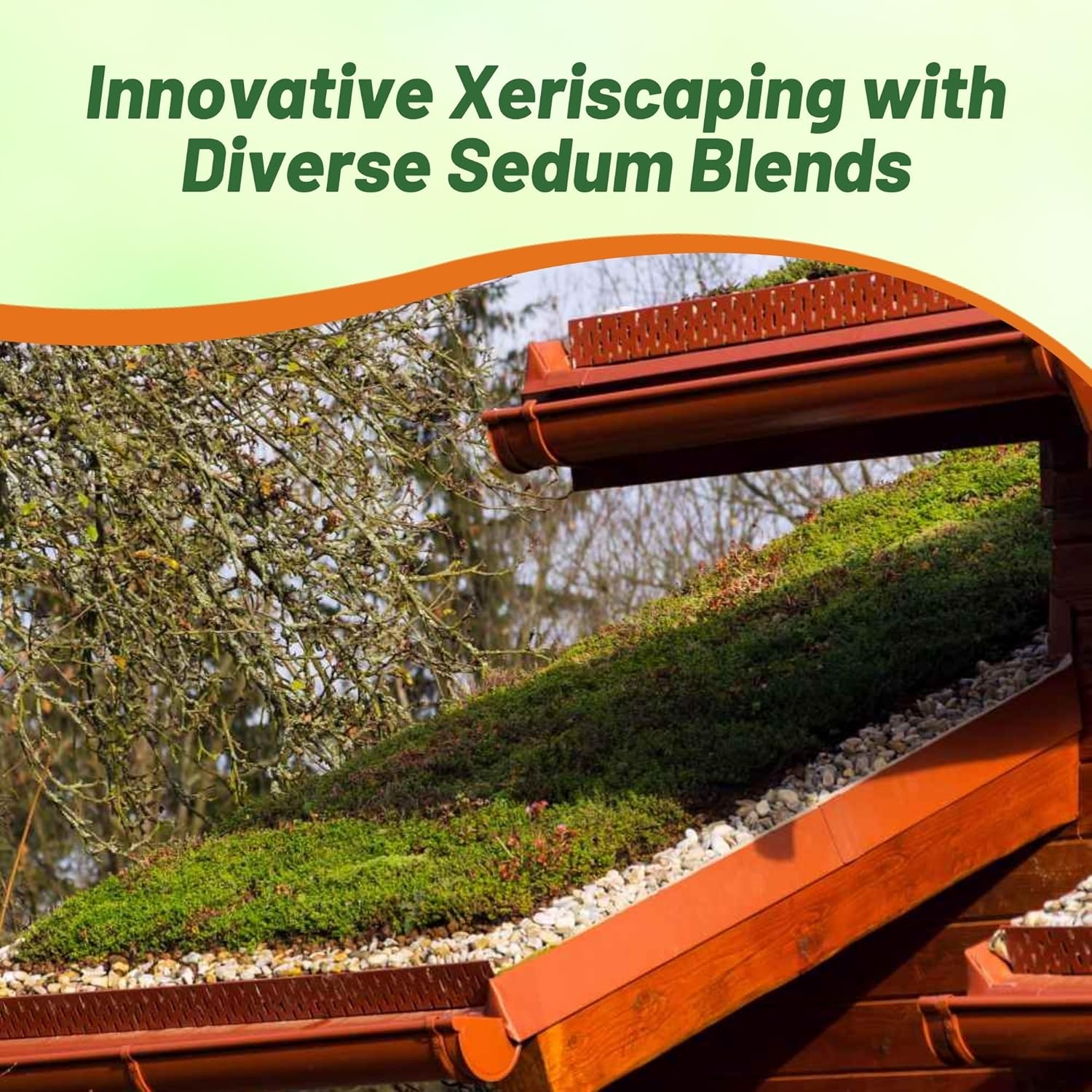
Sedum (Roof Garden Mix) - Create a green roof with Sedum seeds. Green roofs are becoming more and more popular in both rural and urban locations. They can be installed on flat roofs to roofs with a slope of up to 45 degrees. There are different ways of achieving a living roof. An extensive green roof is particularly low maintenance, generally planted with drought tolerant Sedum succulent plants and is designed to look after itself for most of the year.
MORE SEDUM OPTIONS

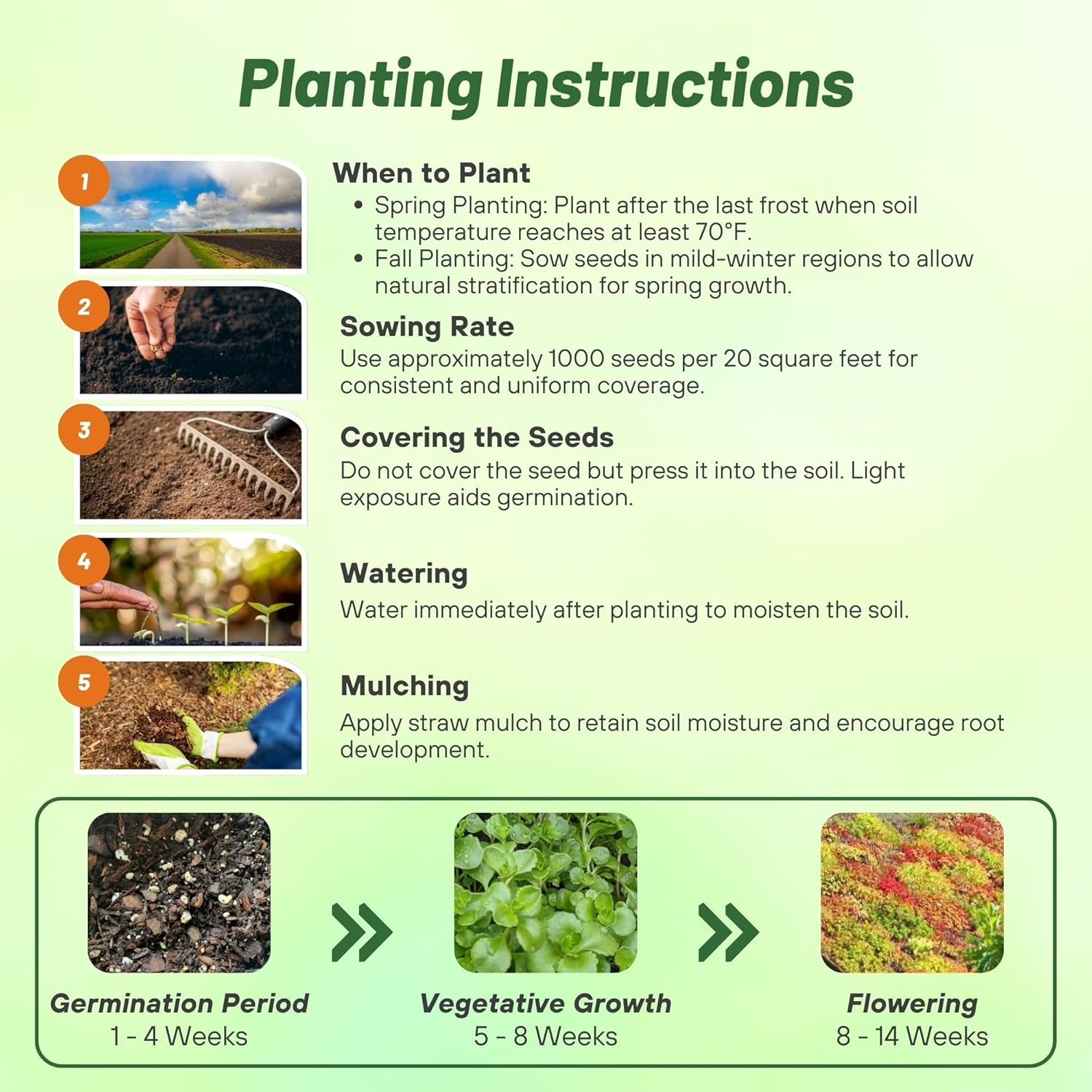
Planting Directions

TEMPERATURE
68 - 70F

AVERAGE GERM TIME
14 - 28 days

LIGHT REQUIRED
Yes

DEPTH
Do not cover the seed but press into the soil

SOWING RATE
Approximately 1000 seeds covers 20 square feet.

MOISTURE
Keep seeds moist until germination
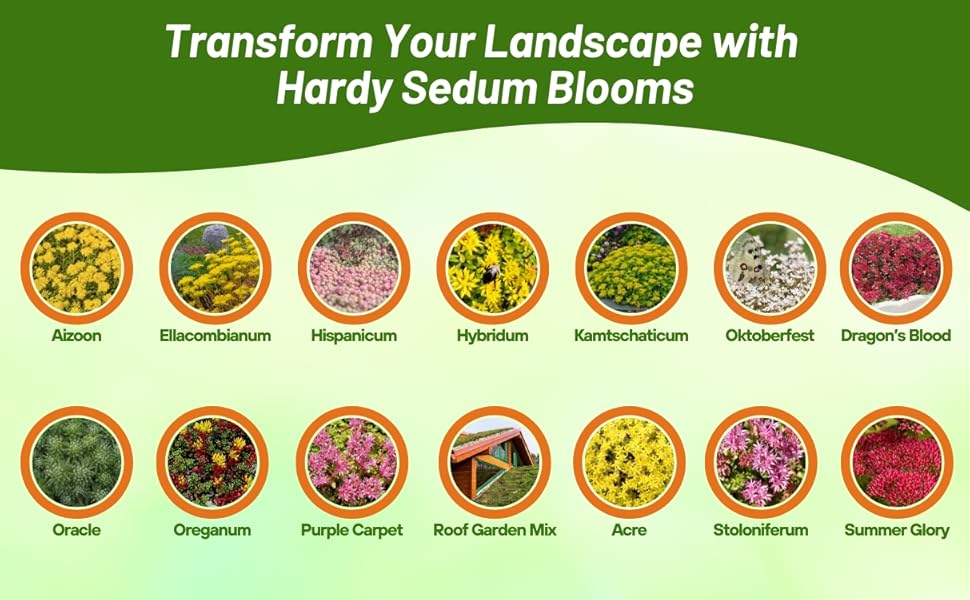
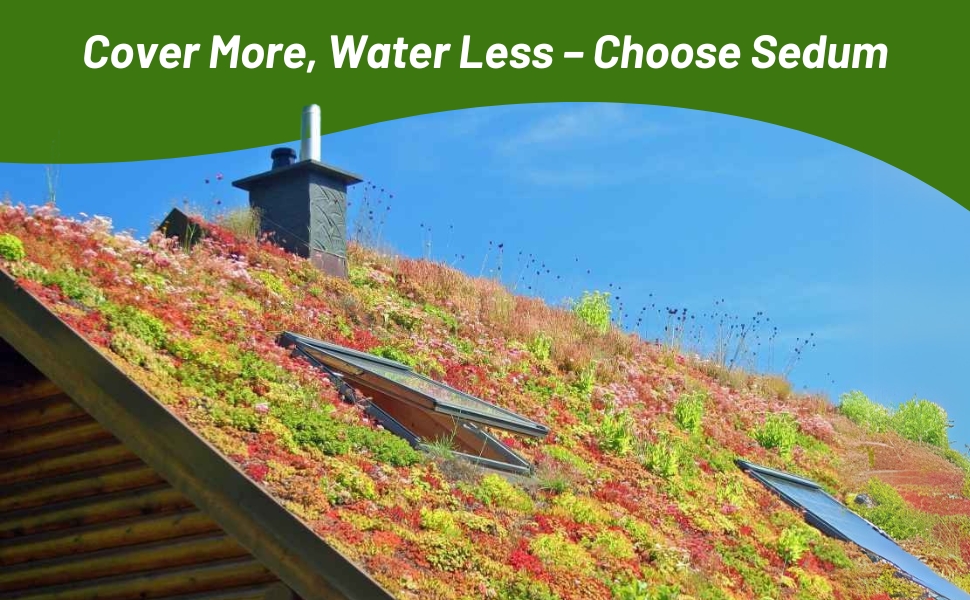
Sedum (Roof Garden Mix) - Create a green roof with Sedum seeds. Green roofs are becoming more and more popular in both rural and urban locations. They can be installed on flat roofs to roofs with a slope of up to 45 degrees. There are different ways of achieving a living roof. An extensive green roof is particularly low maintenance, generally planted with Sedum drought tolerant succulent plants and is designed to look after itself for most of the year. One of the reasons green roofs are becoming so popular is that they offer environmental benefits. Green roof seeds are easy to establish and with the increasing concern about the impact our development of the planet is having on the worldwide environment and the calling for sustainable development, green roofs offer a number of benefits over more traditional forms of roofing, helping to meet sustainable development objectives. Green roofs with sedum can:
Alleviate Flooding
Following a heavy rainfall a green roof will initially retain more rain than a conventional roof. This minimizes the initial heavy runoff, which can cause localized flooding and put pressure on the sewage system. The remaining water then drains off more slowly, allowing more rain to remain in the natural water cycle and less in the sewage system.
Noise Reduction
The soft layer of sedum blanket growing on a green roof has the affect of absorbing sound, as opposed to hard conventional roofs which can reflect it. In an already noisy urban environment this is certainly beneficial. The same layer improves the buildings sound insulation properties, reducing sound pollution within the building.
Thermal Insulation
The addition of a green roof layer to a property increases its thermal insulation properties, making it warmer in winter, cooler in summer and reducing energy costs.
Natural Habitat for Animals and Plants
Green roofs can help compensate for the loss of green surfaces, sacrificed to building developments. This helps to provide an environment for the development of wildlife, especially bird, plant and insect life, increasing the biodiversity in our towns and cities.
Improving Building Aesthetics
The clever use of a green roof can help a large and small buildings blend into a surrounding green landscape, minimizing the impact it has on the immediate environment. Green roofs can be used to soften ugly flat roofs on extensions, garages, sheds etc. helping them blend more easily into their surrounding environment. Where a building is located in a more urban landscape, the addition of a green roof can introduce a very welcome green interlude in a heavily built up area, where green spaces are few and far between, substituting in some way for the loss of a previous greener landscape.
Perennial Sedum plants have been one of the best choices for green roofs due to the fact that it is an extremely adaptable plant. Its special properties include:
Low Maintenance once established sedum forms a tightly knit drought tolerant sedum carpet, which allows little room for the development of weeds and can be left largely unattended. This makes it perfect for use on sedum roofs.
Low Growing sedum is a low growing plant, which generally reaches a height of 2 inches to 5 inches (up to 12 inches when in flower). It does not become overgrown and does not require regular cutting or pruning ideal when used on a sedum roof.
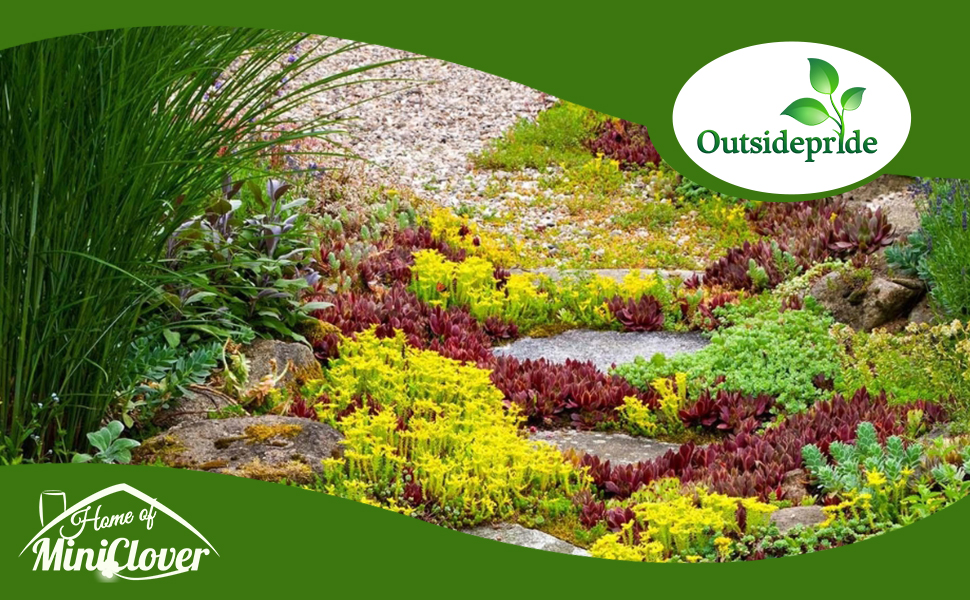
Colorful Hues by mixing a number of different varieties of sedum together as in this Sedum Roof Garden Mix, the sedum turf will have a beautiful mix of colors (greens, yellows, reds and purples) and textures. As an evergreen it continues to provide a changing display of color throughout the winter months. When used to create a sedum roof it will provide a beautifully changing display throughout the year.
Common Questions
Will sedum attract pollinators to my gardens?
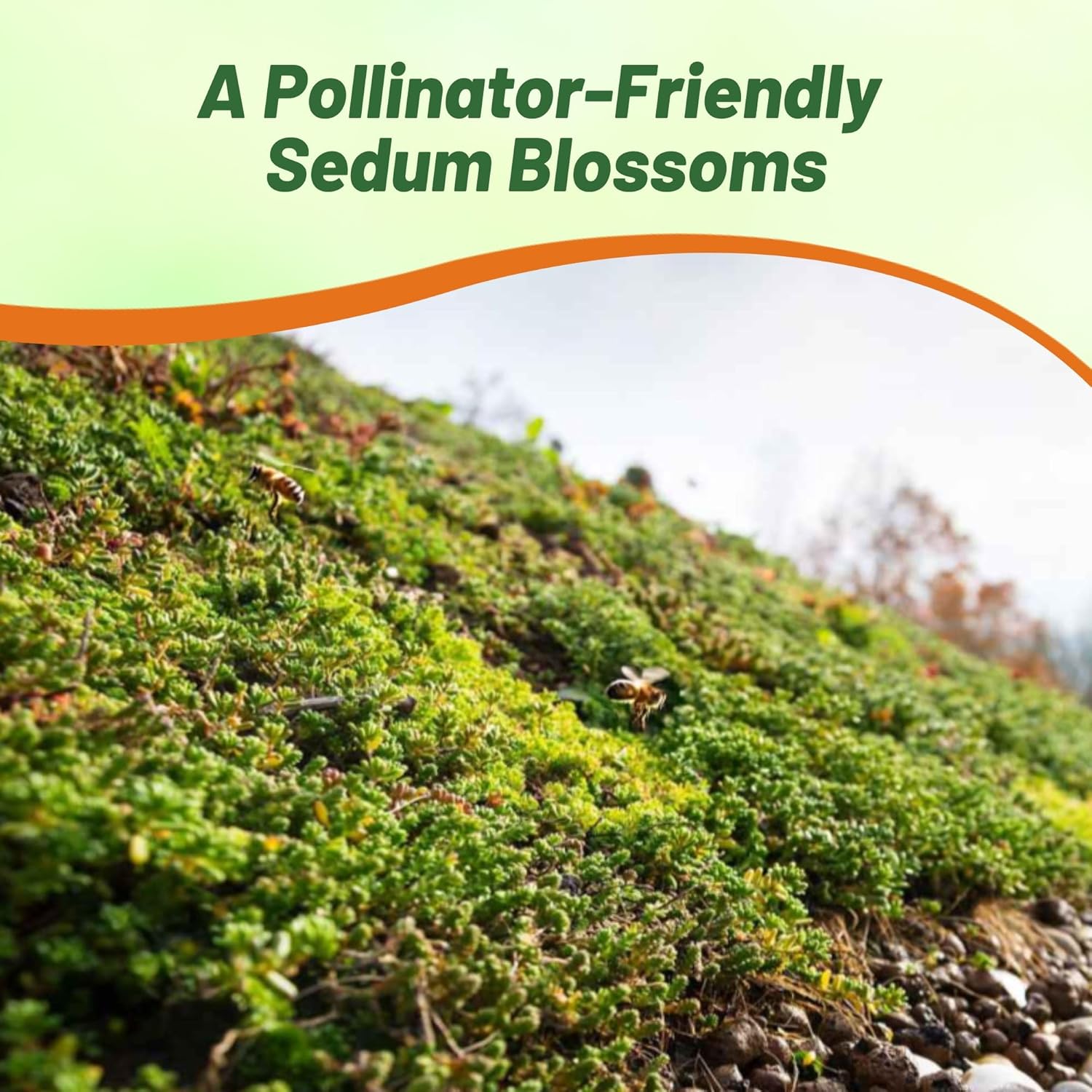
Yes, these are a great choice to attract pollinators such as butterflies to your garden.
Do I need to deadhead my plants?
No, sedum does not need any deadheading.
Do I need to prune my plants in the fall?
Yes, cutting back plants after flowering helps to maintain a tidy appearance and encourage bushier, studier growth.
Do I need to fertilize my sedum plants?
No, sedum does not need supplemental fertilization. Plants prefer nutrient poor soil and can become weak and leggy in soil that is too rich.
Can I grow in containers?
Yes, sedum does well in containers as long as you provide excellent drainage.
Videos