








8 Reasons You Should Be Planting Micro Clover
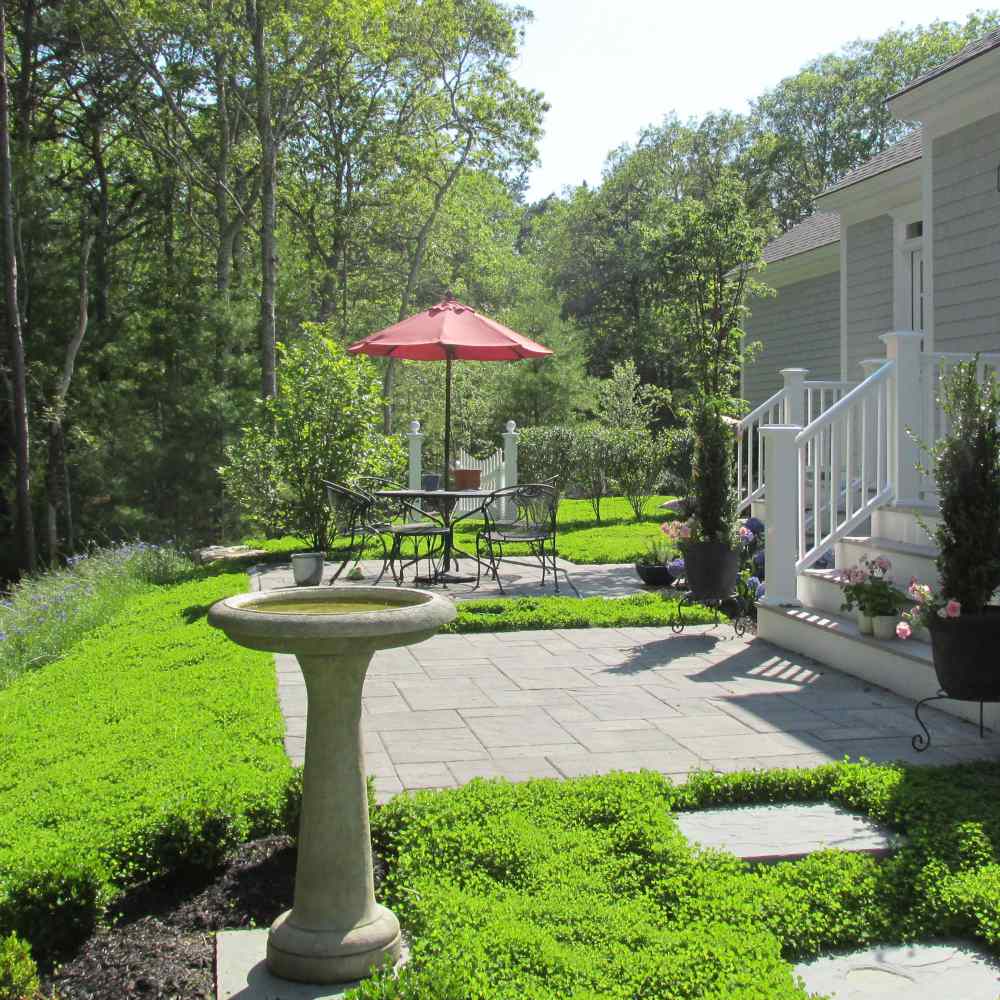
Micro clovers are making a comeback. This once popular lawn seed alternative fell out of favor in the 1950s when broadleaf herbicides, intended to kill weeds, ended up killing off the clover, too. Today, selectively bred and cultivated micro clover seed, like Outsidepride’s Miniclover seed, has changed the game. Thanks to its rapid spreading growth pattern, Miniclover naturally crowds out weeds, reducing the need for synthetic herbicides.
If you’ve noticed this low-growing, tiny-leafed ground cover popping up around your neighborhood more and more, there’s good reason. Micro clover is a dwarf variety of Dutch white clover (Trifolium repens) that offers many advantages over traditional grass seed, including lower maintenance requirements and improved sustainability.
Today we’re sharing the top 8 benefits of micro clover lawns, including long-term cost savings, biodiversity improvements, and more. Plus, read reviews from Miniclover customers to get real-world feedback on this grass seed alternative.
Quick Facts
Top 8 Reasons You Should Be Planting Micro Clover Seed
It’s Easy to Grow & Maintain
Micro clover is one of the easiest types of ground cover to grow from seed. Germination happens quickly, with seeds sprouting and starting to establish in about 2 to 3 weeks. Micro clover also self-fertilizes by naturally fixing nitrogen in the soil. Once established, micro clover lawns require less upkeep than traditional grass yards. Pure micro clover lawns only need to be mowed 2 to 4 times per season and watered during dry spells and extreme heat.
Planting guide: Check out our step-by-step guide for simple instructions on how to plant micro clover seed.
It Looks Great
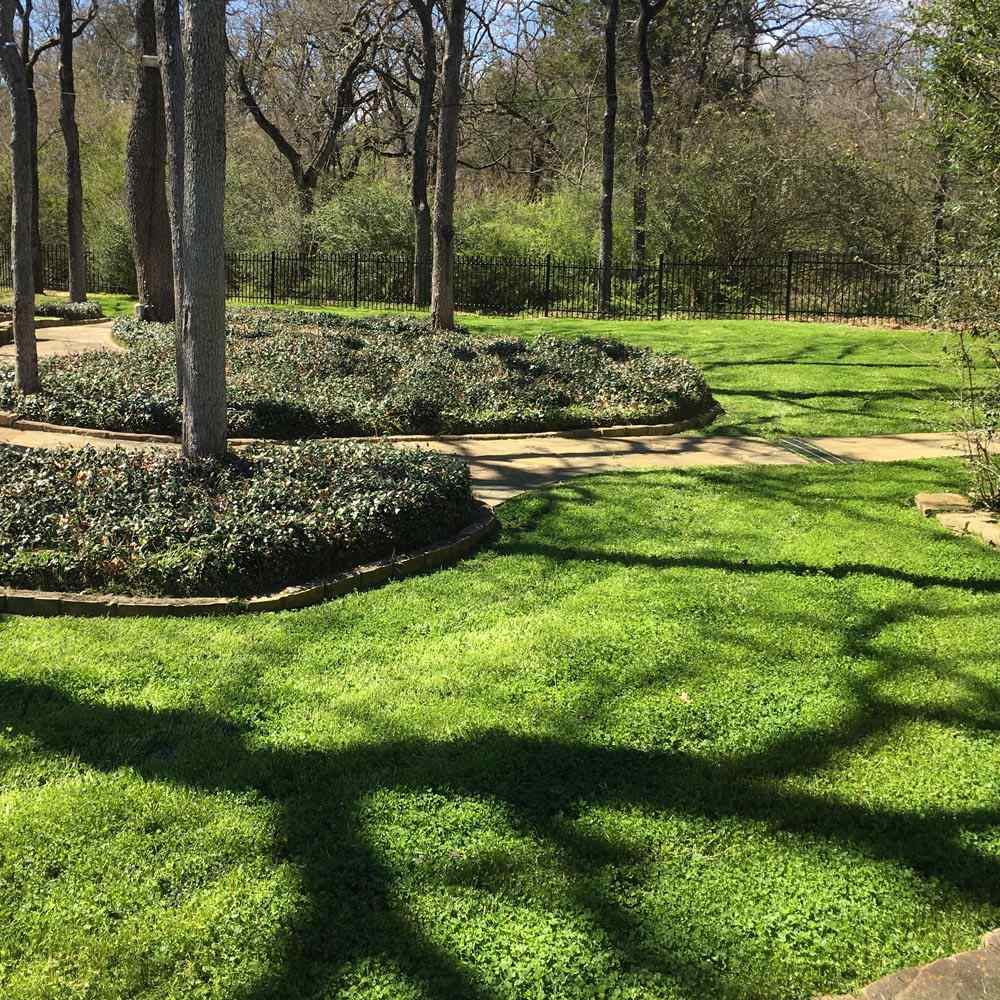
Whether you’re growing new ground cover or filling in patchy areas, planting micro clover seed is great for creating a classic, uniform lawn appearance. With its tiny leaves and compact growing habit, micro clover blankets lawns in a lush, smooth green carpet that maintains its vibrant color longer than grass.
It Requires Less Watering
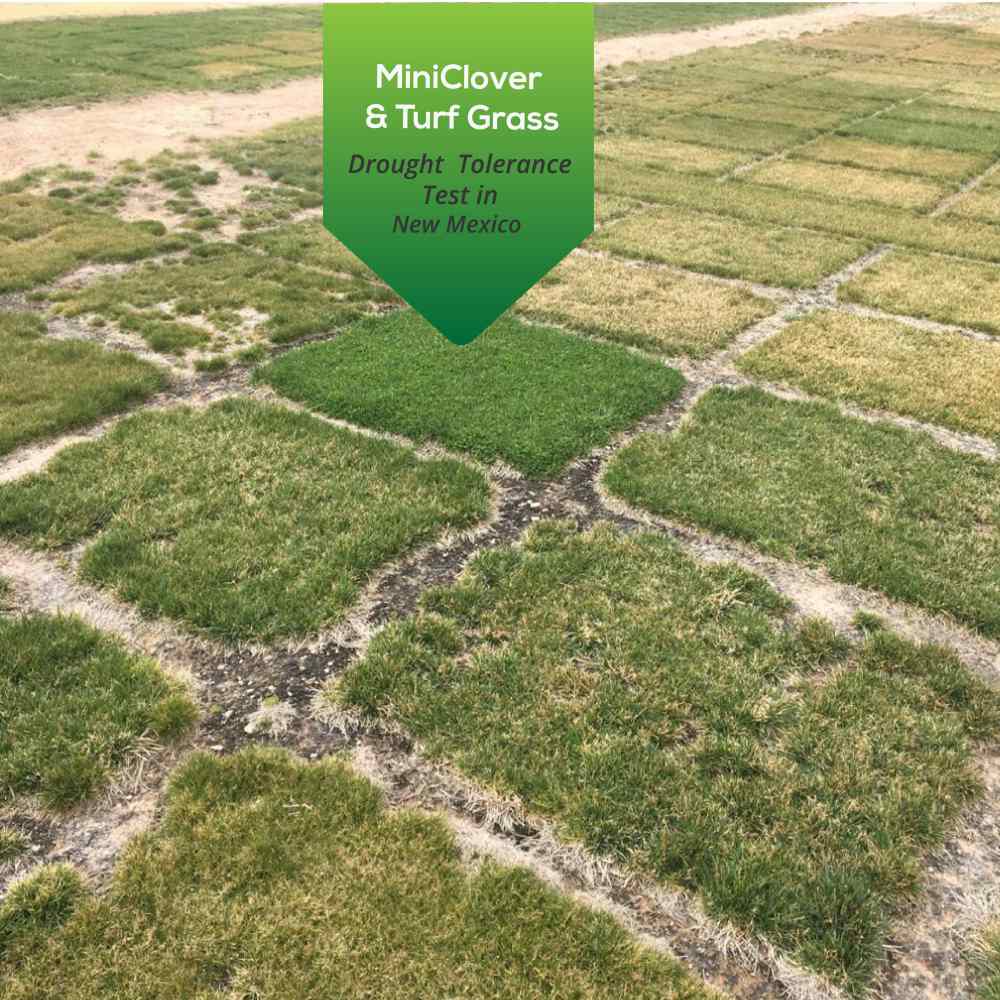
Established micro clover lawns are generally more drought-tolerant than traditional grass lawns. While newly planted micro clover lawns should be watered daily, after three to four weeks, watering can be tapered to 1 to 2 times per month.
About the photo: The arrow points to a patch of unwatered turf containing Miniclover seed. The surrounding patches are various other types of lawn grass seed without any Miniclover added for improved drought tolerance. You can see the Miniclover plot has remained healthier and greener.
It’s a Natural Nitrogen Fixer
Like all legume seeds, micro clover naturally fixes nitrogen, adding nutrients to the soil, encouraging plant establishment, and reducing the need for synthetic fertilizers. Some micro clover seeds, like Outsidepride’s Miniclover seed, are coated with additional Rhizobium bacterial strains to accelerate germination and support healthy growth.
It Increases Biodiversity
Flowering varieties of micro clover produce nectar and pollen for pollinators like honeybees, bumblebees, and butterflies, which, in turn, supports crop production. Micro clover also attracts helpful insects like ladybugs and parasitoid wasps, which prey on common garden pests.
It’s Eco-Friendly
Homeowners often choose micro clover because it is better for the environment and more sustainable than other ground cover options. Planting micro clover improves soil health by aerating the soil, adding organic matter, reducing compaction, and suppressing weed growth, which reduces the need for herbicides.
It’s Pet Friendly
Homeowners with dogs often complain about how hard it is to keep their grass green and healthy. Micro clover, which is resistant to pet urine, is an easy solution to this landscaping problem. Not only does micro clover stay green in the face of pet potty breaks, it also is great for filling in spotty areas caused by pet wear and tear. Plus, soft micro clover feels great on little paws!
It’s Highly Adaptable
Micro clover is well-suited to most growing regions in the U.S. and can be planted alongside turfgrass to create a more versatile lawn. Planting micro clover can also help lawns stay greener through dry and other challenging conditions.
It’s Cost-Effective
Because micro clover requires less water and fertilizer than traditional grass, planting a micro clover lawn can save you money, especially over time. A 5,000-square-foot established lawn, for example, can require as much as 25% less irrigation and 50% less fertilizer than grass lawns. Of course, this depends on your local climate, rainfall, and soil conditions.
The chart below gives a general idea of the long-term cost savings you can achieve with micro clover. These numbers exclude the cost of the seed itself and watering costs during establishment.
| Year | Standard Grass Lawn | Established Micro Clover Lawn | Estimated Cost Savings |
|---|---|---|---|
| 1 | $512 | $334 | $178 |
| 2 | $512 | $334 | $178 |
| 3 | $512 | $334 | $178 |
| 3-year total | $1,536 | $1,002 | $534 |
Hear From Real Homeowners
Curious about how planting micro clover actually helps with landscaping challenges? These Trustpilot reviews are from people who have purchased and used Outsidepride’s Miniclover seed.
“Outsidepride’s miniclover is great! It grows easily in exposed soil and even pokes its way through turf when overseeding. Great results so far, and delivery was super quick, too.”
“Miniclover for the WIN! We purchased a 10lb bag of Miniclover to use as new lawn cover. After spreading a thin layer of compost across the whole layer, we sprinkled the seeds everywhere, kept the yard watered, and within 3 days there were tiny green sprigs popping up. I was so shocked at how fast they germinated! Within a week they over doubled and sprouted a beautiful green! I can’t wait until I complete more yard areas!”
“Good stuff. High germination percentage. I’m in the process of doing all garden borders with the miniclover. Into the lawn area next year and my goal is to retire my lawnmower.”
“I’ve been buying miniclover for overseeding my lawns for several years now. Outsidepride always delivers. I took advantage of cooler temps and a day of rain recently to apply seed to a few patchy areas. Happy to say, the clover is sprouting and now I just have to stay vigilant about keeping the area moist for a little while longer. The miniclover is one of the best additions to my landscaping!!”
“Miniclover is making my whole lawn healthier with less water - love it!”
FAQs
What are the differences between micro clover and common white clover?
When comparing micro clover vs. common white Dutch clover, the main differences are in the leaf size, height, and blooming quality. As a specially bred clover, micro clover has smaller leaves, grows lower to the ground, and spreads more slowly than common white clover. While common white clover produces an abundance of flowers, micro clover is a shy bloomer. Micro clover is commonly preferred for residential lawn applications because of its neat, uniform appearance.
Is pure micro clover or a mix of clover and grass better for my lawn?
Both 100% pure micro clover lawns and micro clover-grass blends are excellent ground cover options. For homeowners who want less lawn maintenance, micro clover’s drought tolerance and low-mow requirements make it an ideal fit. For active yards with a lot of foot traffic, micro clover seed mixed with grass seed offers better durability.
How tall does micro clover get?
Through regular mowing, Outsidepride’s Miniclover can be trained to grow to just 4–6 inches tall. When left unmowed, Miniclover can reach 6–8 inches.
How long does micro clover seed take to germinate?
The average germination time for micro clover is between 7 and 14 days.
Does micro clover come back every year?
Yes. Micro clover is a perennial, growing back every year after winter dormancy.
Will micro clover overtake grass?
No. Micro clover blends well with turfgrass and encourages healthy growth.
What are the drawbacks of planting micro clover?
While there are many benefits to micro clover lawns, it is not a one-size-fits-all solution. Micro clover does not grow well in acidic soil or shady areas. Avoid planting micro clover in areas with prolonged heat. Micro clover is also susceptible to broadleaf weed killers, and it requires reseeding every 2–3 years.