








Planting Guide
How to Plant Miniclover®
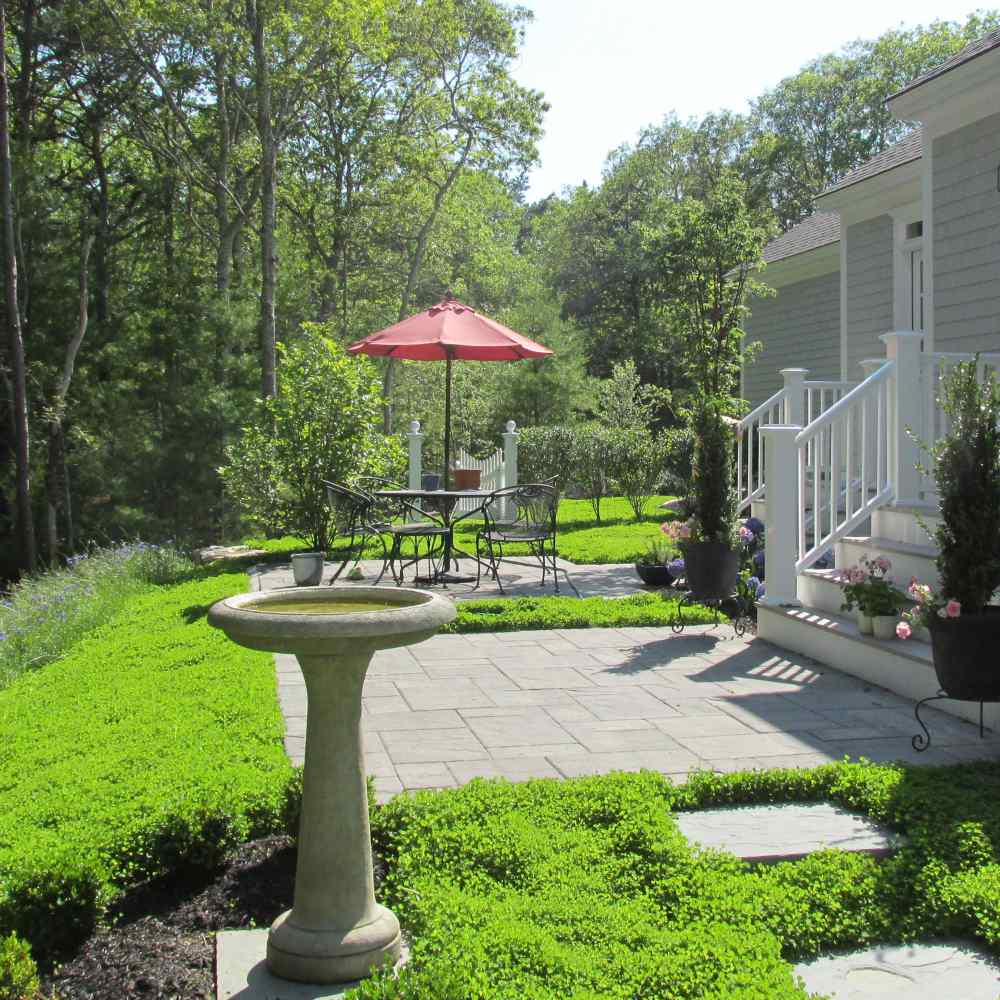
Miniclover is the easiest way to grow a soft, self-feeding lawn that needs less mowing, less water, and less fertilizer. With the smallest leaf of any clover and a mature height of just 4–6 inches, it works beautifully as a stand-alone lawn, a grass companion, or a low, green ground cover. Here's everything you need to get it growing.
Quick Facts
Planting a New Miniclover Lawn
Starting fresh on bare ground? Follow these five steps for a thick, even clover lawn. The best time to plant is spring through early summer, or in early fall while the soil is still warm.
Test & prep your soil
Miniclover does best in near-neutral soil (pH 6.0–7.0). Run a quick soil test, and if your soil is acidic, work in lime to raise the pH — clover simply won't thrive in sour ground. Loosen the top inch or two of soil and rake it smooth.
Clear out the competition
Because broadleaf herbicides kill clover too, remove competing weeds and grass before you seed. Either till and wait 4–6 weeks so new weeds sprout (then clear them), or use the no-till method: knock down growth, let it green up, kill it off, and leave the bare, loose soil ready to seed.
Sow the seed
Miniclover seed is tiny, so a little goes a long way — about 1–2 lbs per 1,000 sq ft. Mix it with dry sand to help spread it evenly, then broadcast it across the surface. Don't bury it: seed planted deeper than ¼ inch may never emerge. Aim for it resting on top or barely raked in.
Press in & keep it moist
Lightly rake or roll the area so the seed makes solid contact with the soil. Then water gently — enough to keep the surface consistently moist, but not so hard that seed washes away. In warm, damp conditions you'll see sprouts in just 5–7 days.
Let it establish, then 'train' the height
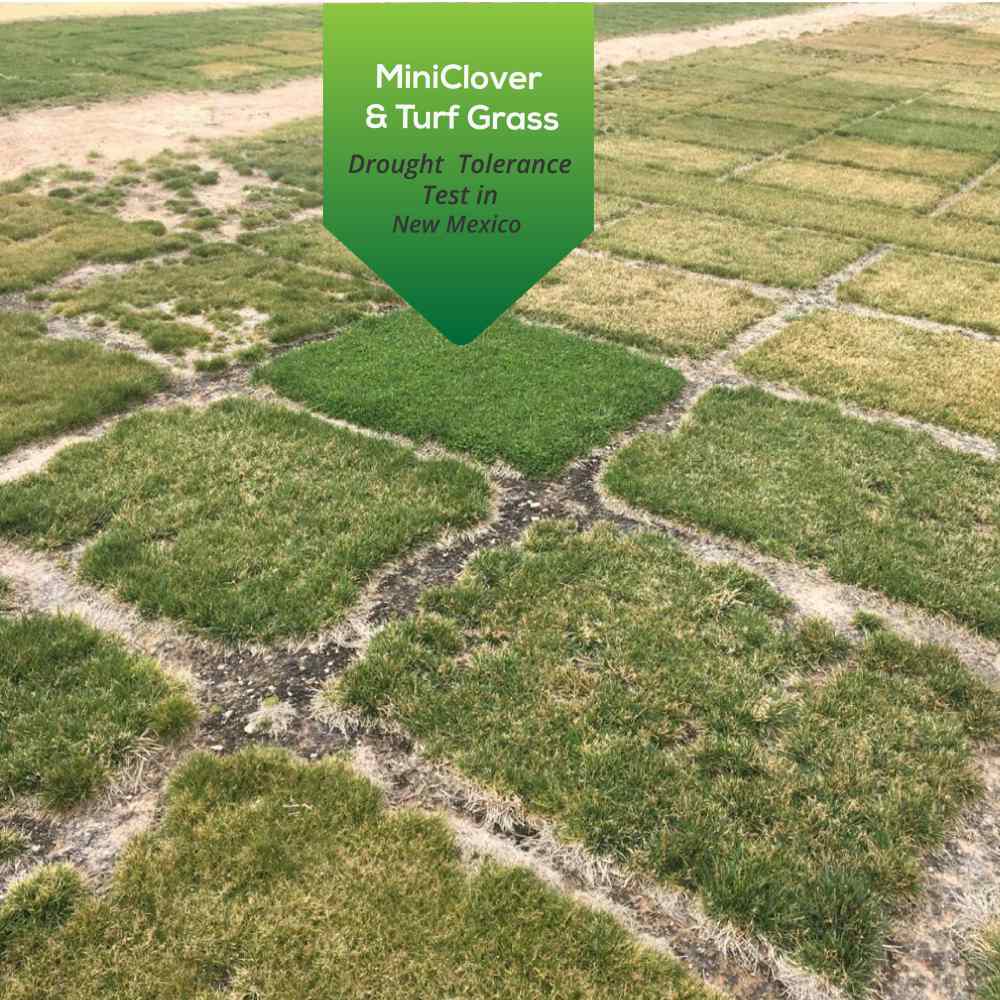
Give the clover a few weeks to root in. Miniclover has natural "plant elasticity" — the more you mow, the smaller the leaf stays. Mow around 3 inches and it settles in near 4 inches, forming a dense, lush carpet. Leave it unmowed and it reaches about 6 inches and blooms for roughly a month in summer.
Overseeding Miniclover Into an Existing Lawn
Already have grass? Adding Miniclover is one of the easiest ways to green up your lawn, cut down on fertilizer, and boost drought tolerance — the clover pulls nitrogen from the air and feeds the grass growing around it.
Mow low & rake
Mow your existing lawn shorter than usual and rake out the thatch so the tiny seed can reach the soil. Good seed-to-soil contact is the number-one key to overseeding success.
Broadcast the seed
Mix the Miniclover seed with sand and spread it evenly over the lawn. For overseeding you can use a lighter rate than a full clover lawn — you're filling in between existing grass, not starting from scratch.
Water consistently
Keep the lawn consistently moist for the first two weeks while the clover germinates and roots. This is the make-or-break window — don't let the surface dry out between waterings.
Ease off & let it spread
Once established, back off on nitrogen fertilizer and tall mowing. The clover keeps spreading, weaving its stolons into the grass, fixing nitrogen, and staying green even when the lawn would otherwise brown out in summer.
Or Just Mix It Into Your Grass Seed
Starting a lawn from scratch? You can blend Miniclover right into your grass seed before sowing. A small amount goes a long way — many homeowners mix in roughly 5–10% clover by weight. Spread the combined seed together, keep it moist, and you'll grow a self-feeding, drought-tough lawn where clover and grass thrive side by side.
How Much Seed Do I Need?
Miniclover seeds at about 1–2 lbs per 1,000 sq ft. Enter your lawn size and we'll suggest a bag.
Your lawn
Seed needed
Recommended bag
Suggested for full coverage. Overseeding into existing grass? You can use about half as much.