











Wave Petunia Seeds - Coral Crush

SEASON
Annual

USDA ZONES
3 - 8

HEIGHT
7 - 10 inches

BLOOM SEASON
Spring through late Summer

BLOOM COLOR
Coral

ENVIRONMENT
Full sun

SOIL TYPE
Moist, well-drained, pH 5.6 - 6.6

DEER RESISTANT
No

About...
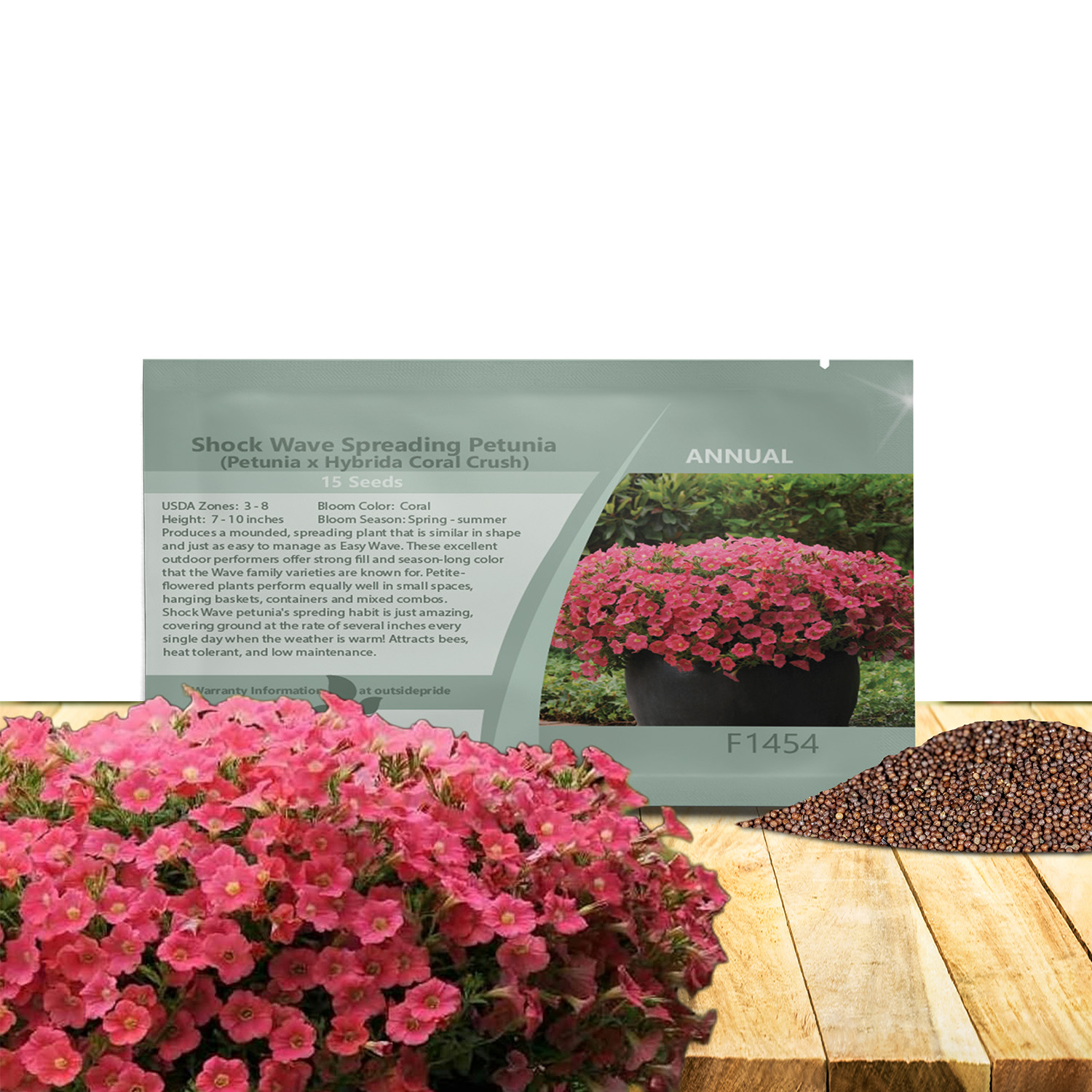
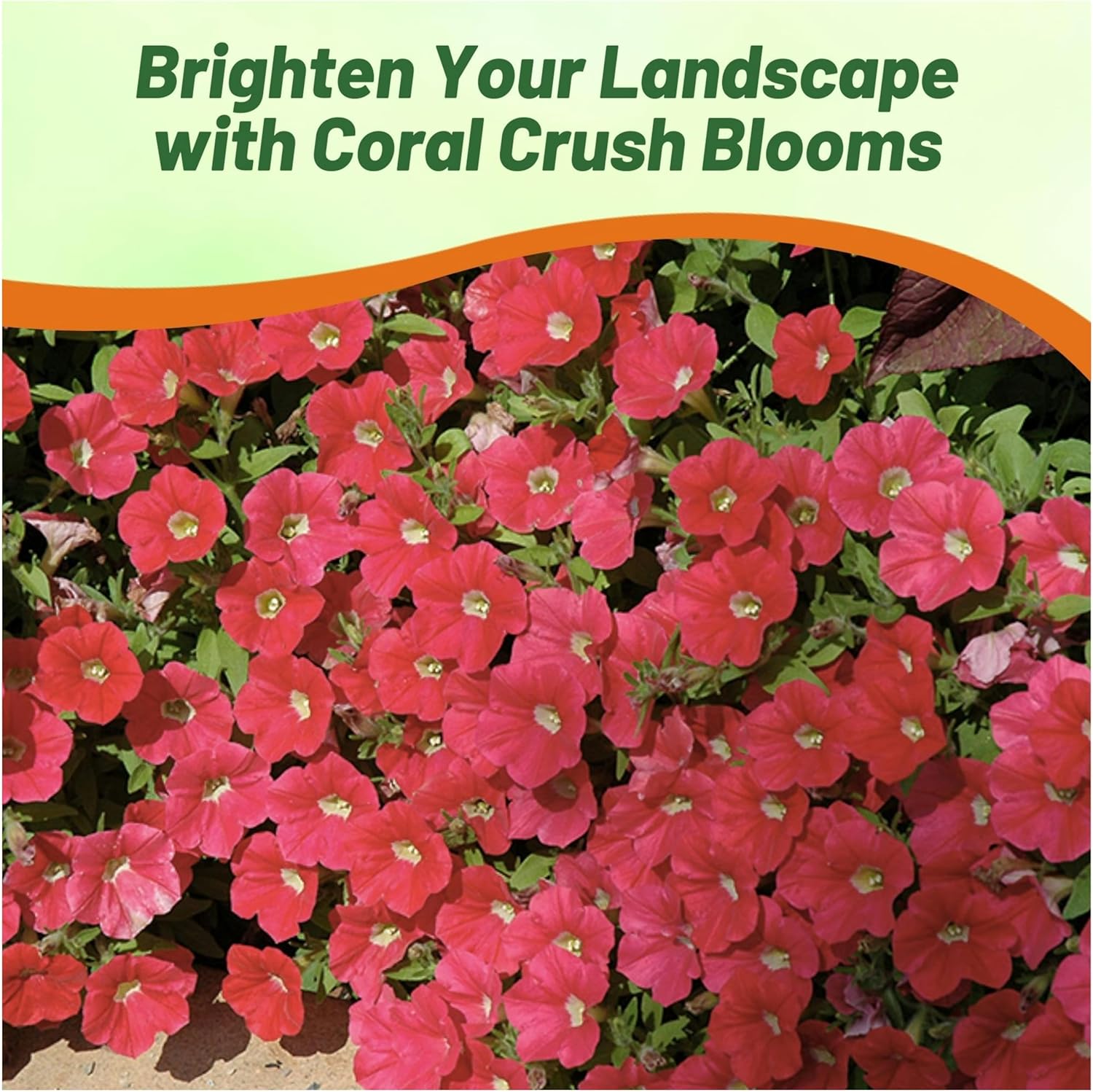
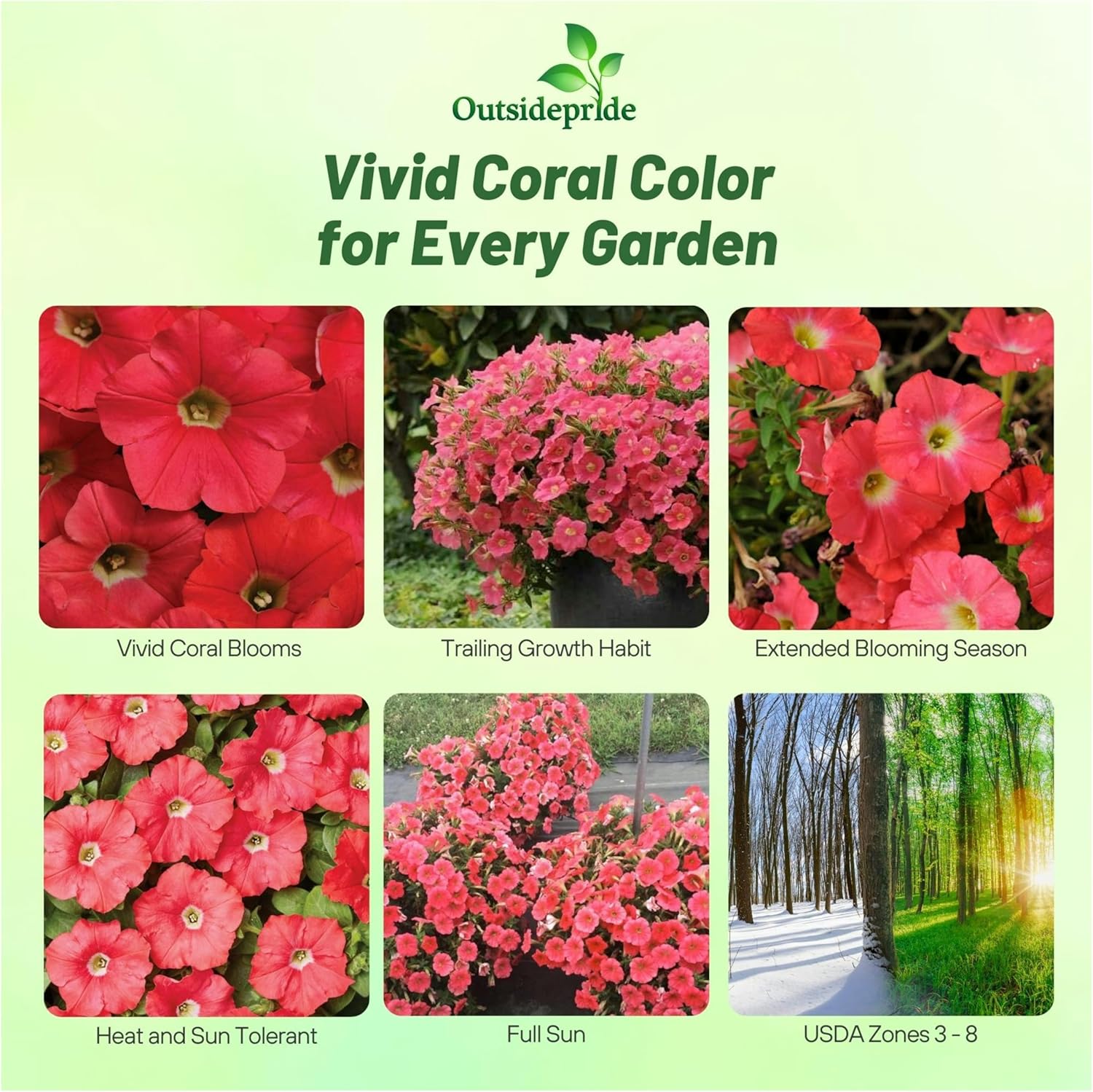
Shock Wave Spreading Petunia (Petunia x Hybrida Coral Crush) - This low growing, spreading petunia only reaches heights of 7 - 10 inches; however, it spreads 20 - 30 inches! Its beautiful 2 inch coral blooms will flourish from Spring to late Summer.MORE PETUNIA OPTIONS

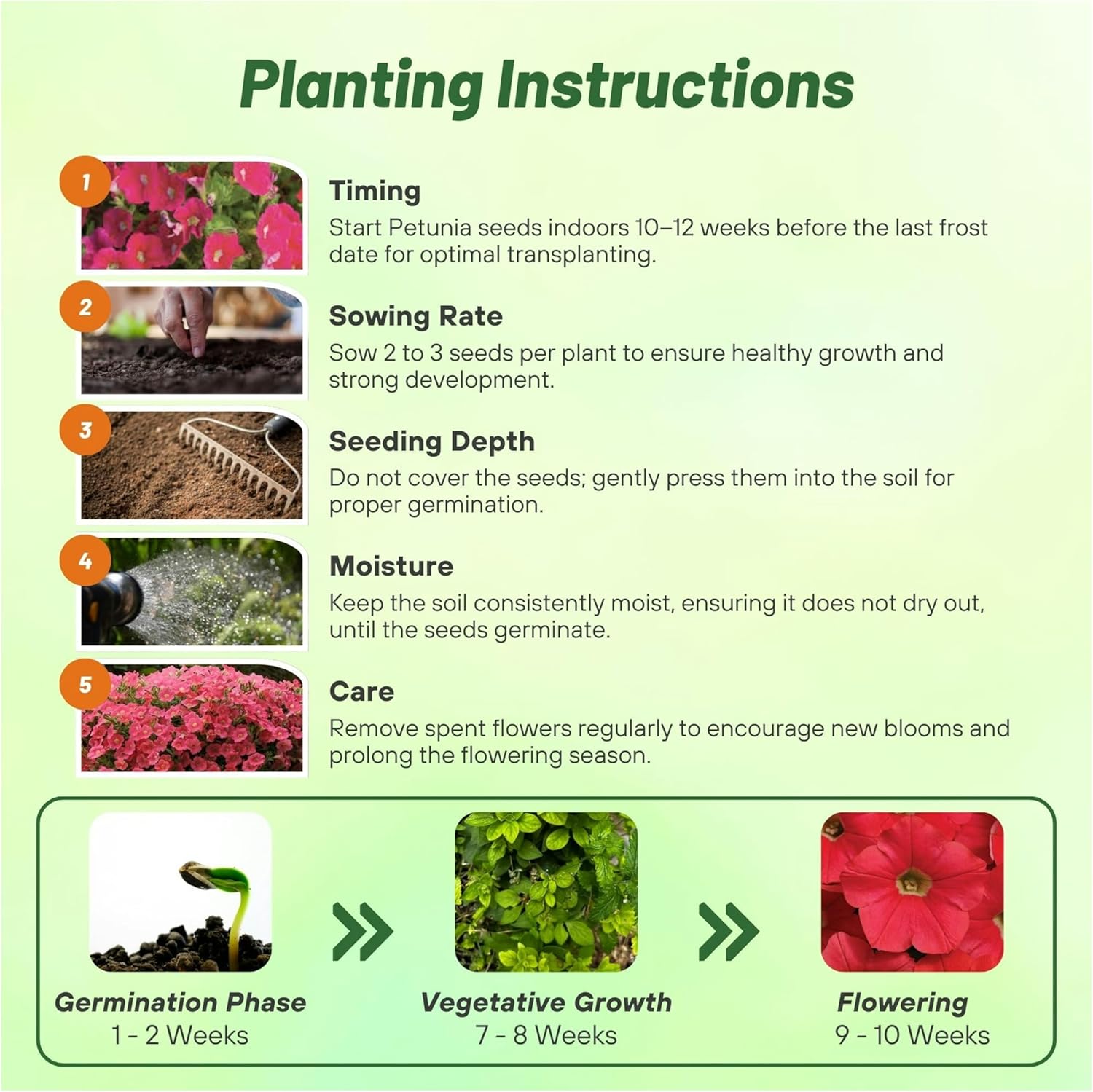
Planting Directions

TEMPERATURE
72 - 76F

AVERAGE GERM TIME
7 - 14 days

LIGHT REQUIRED
Yes

DEPTH
Do not cover the seed but press into the soil

SOWING RATE
2 - 3 seeds per plant

MOISTURE
Keep soil moist for best germination

PLANT SPACING
10 - 15 inches
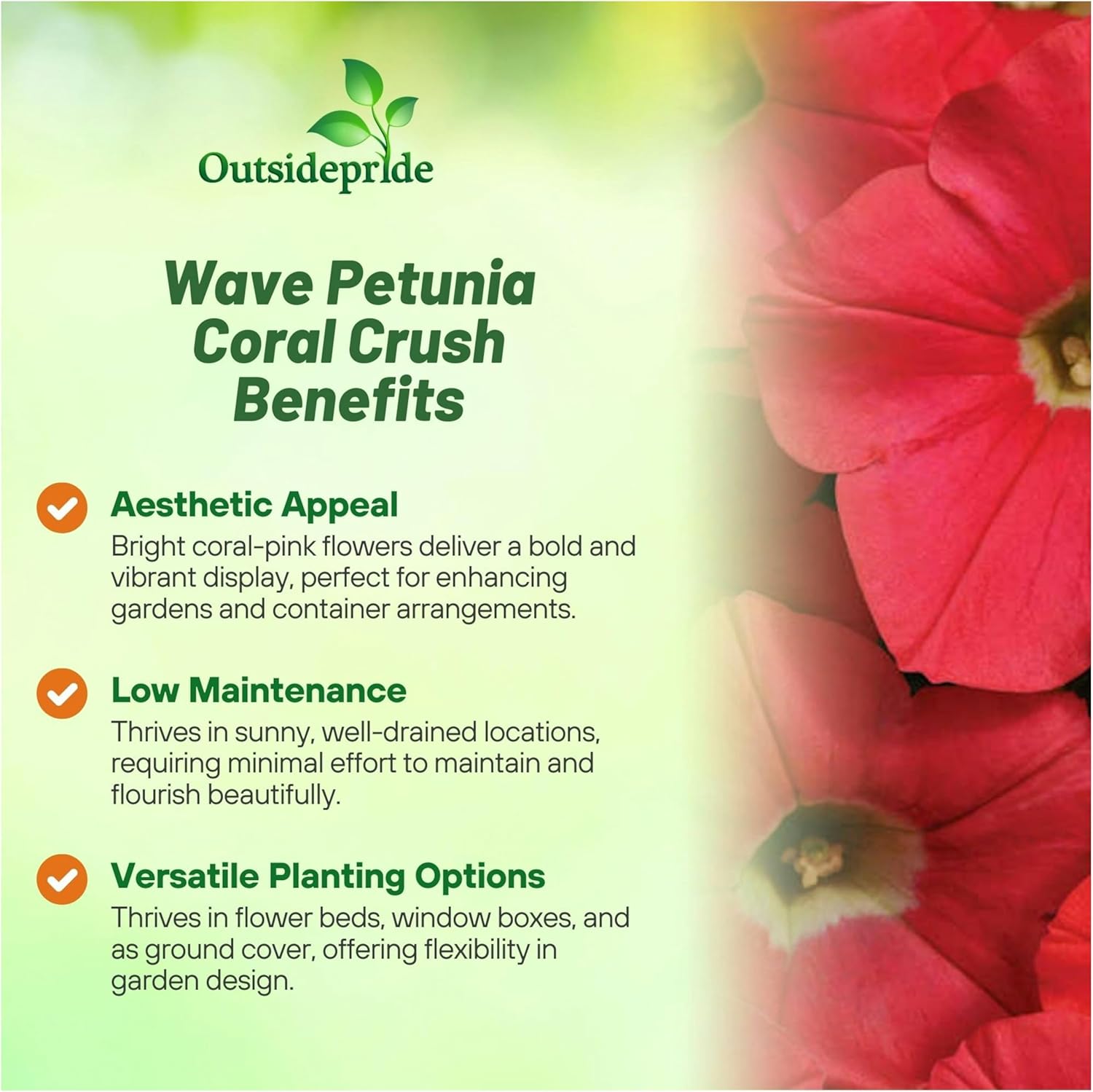
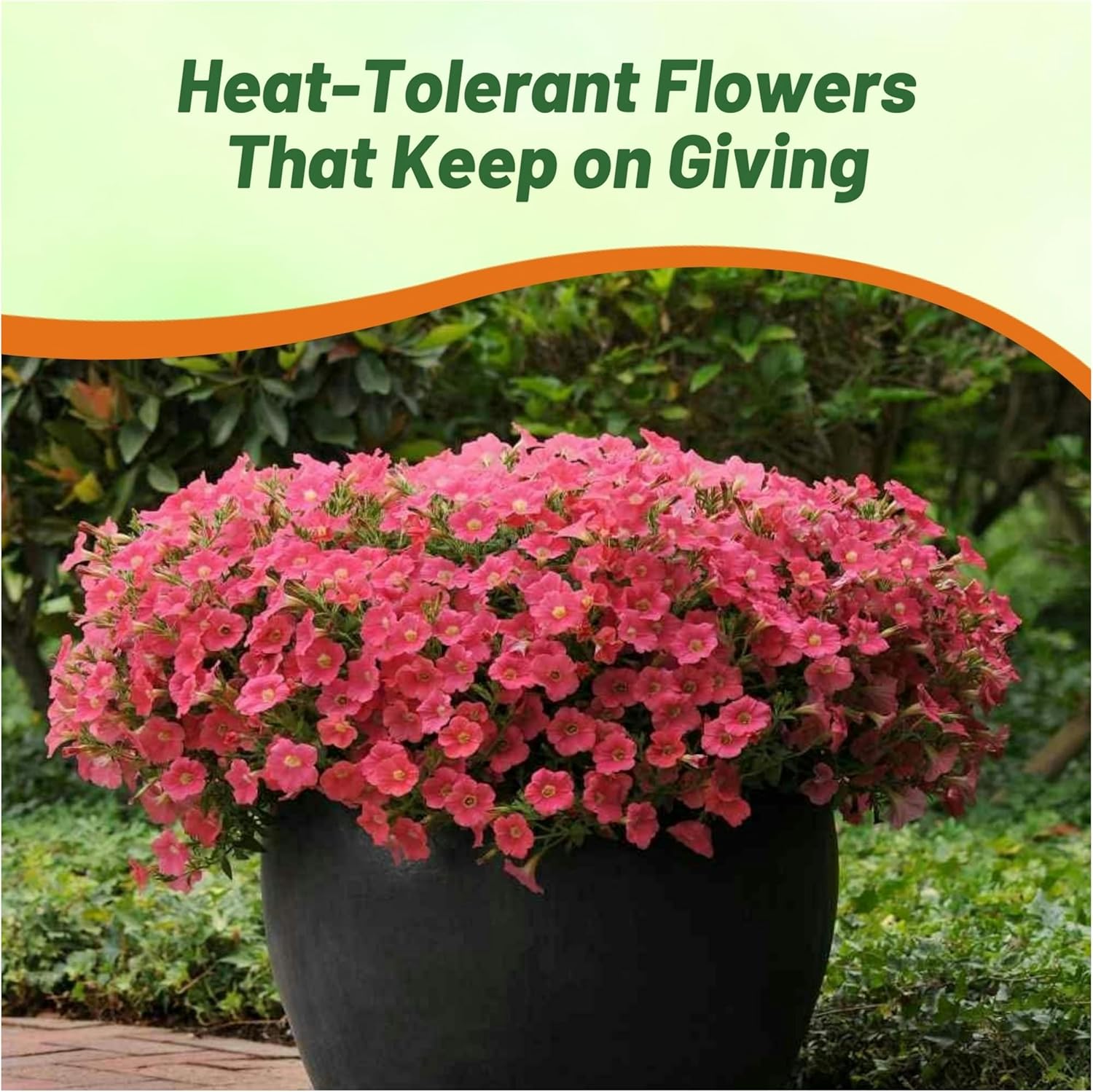
Shock Wave Spreading Petunia (Petunia x Hybrida Coral Crush) - This low growing, spreading petunia only reaches heights of 7 - 10 inches; however, it spreads 20 - 30 inches! Its beautiful 2 inch coral blooms will flourish from Spring to late Summer. Shock Wave produces a mounded, spreading plant that is similar in shape and just as easy to manage as Easy Wave. These excellent outdoor performers offer strong fill and season-long color that the Wave family varieties are known for. Petite-flowered plants perform equally well in small spaces, hanging baskets, containers and mixed combos.
Shock Wave petunia's spreding habit is just amazing, covering ground at the rate of several inches every single day when the weather is warm! Attracts bees, heat tolerant, and low maintenance.
Common Questions
Do I need to deadhead my flowers?
Yes, you will need to deadhead your flowers to encourage more blooms.
Do petunia’s attract any pollinators?
Yes, butterflies and hummingbirds both enjoy these flowers.
What are some good ways to use in my landscape?
Beds, borders, edging, ground cover, hanging baskets or containers are all wonderful ways to use petunia’s around your garden or landscape.
My plants leaves are turning yellow, why?
Yellow leaves are a sign of low nitrogen or iron, not enough water, not enough sunlight or poor drainage. Review your growing conditions to try and determine the cause.
My flowers and leaves are looking wilted, what do I do?
Check soil moisture, it is most likely that your plant needs more water.
What are some common companion plants?
Geraniums, osteopermum, verbena and salvia all are beautiful companion plants.
Videos