









Hyacinth Bean Seeds - Mix
SEASON
Perennial
USDA ZONES
9 - 11
HEIGHT
96 inches
BLOOM SEASON
Mid summer to fall

BLOOM COLOR
Mix
ENVIRONMENT
Full sun

SOIL TYPE
Soil can by sandy or clayish, well drained soil, pH 4.5 - 7.5
DEER RESISTANT
No

About...
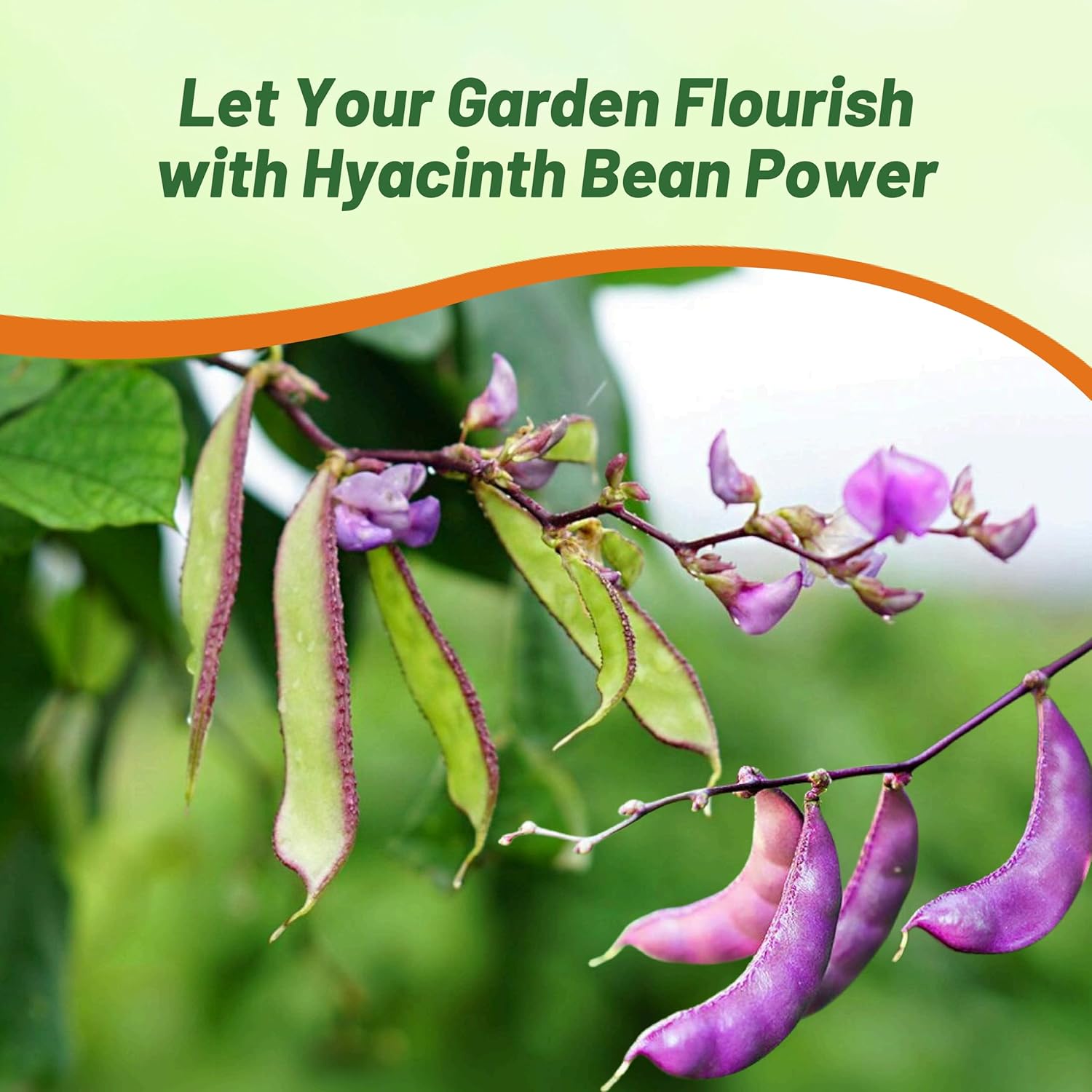
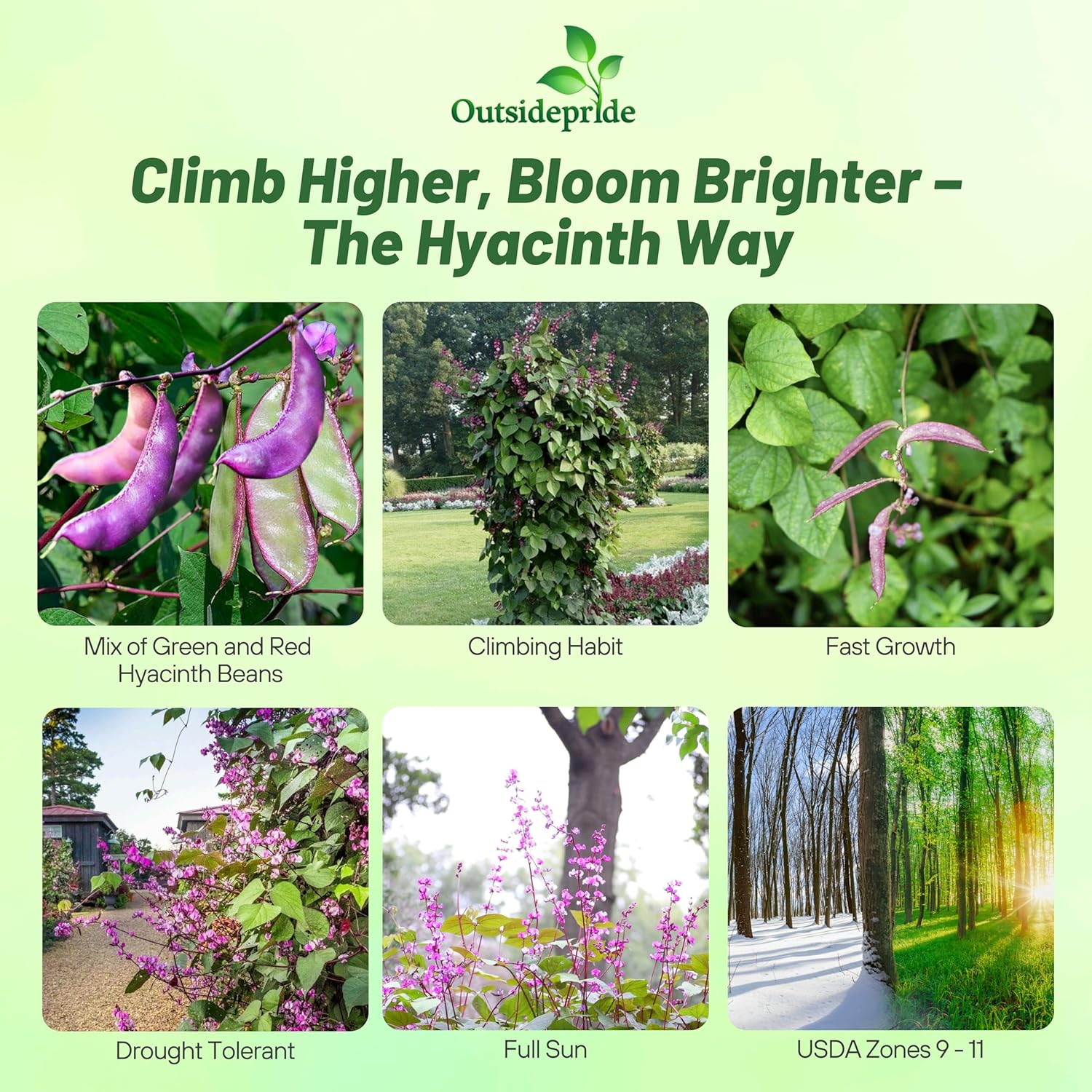
Hyacinth Bean Mix (Dolichos Lablab) - A mix of green and red hyacinth beans combine to form a fast growing climber. Redleaved hyacinth plants have dark crimson red foliage and deep purple flowers whereas green leaved has purple and white bicolored flowers with green tinged purple foliage.Trustpilot Reviews
I discovered Outside Pride several…
I discovered Outside Pride several years ago when I wanted a more affordable (($8 for 100 vs. $8 for 12 seeds) source of Hyacinth Bean seeds than that offered by local specialty nurseries. This year I ordered more bean seeds plus 3 varieties of zinnia. I planted zinnia seeds 3 days ago, and some of them are already sprouted!!!
Read more on TrustpilotMORE HYACINTH BEAN OPTIONS

Planting Directions
TEMPERATURE
65 - 70F
AVERAGE GERM TIME
10 - 20 days
LIGHT REQUIRED
No

DEPTH
1/2 inch - 1 inch deep

SOWING RATE
2 seeds per plant
MOISTURE
Keep seeds moist until germination
PLANT SPACING
12 inches
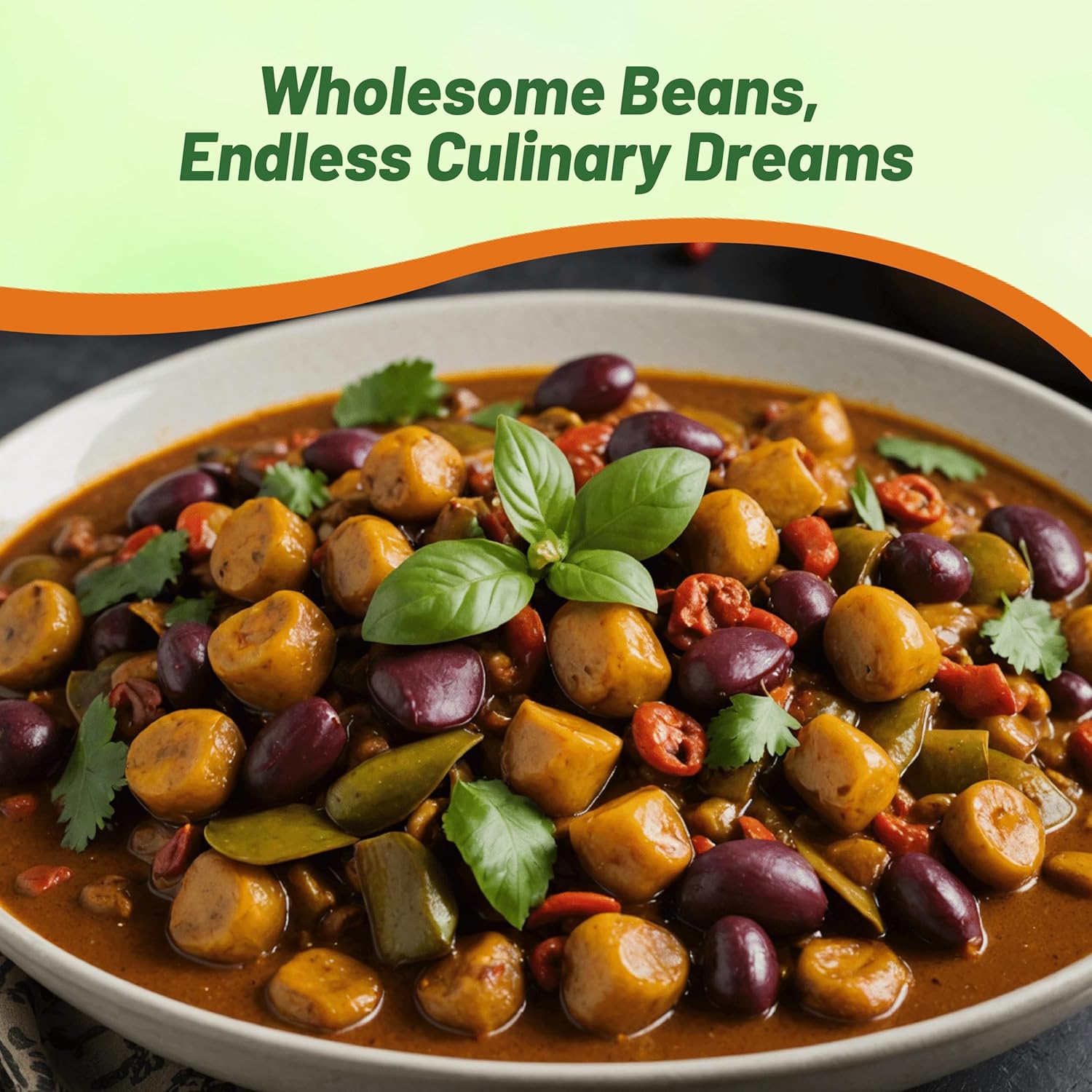
Hyacinth Bean Mix (Dolichos Lablab) - A mix of green and red hyacinth beans combine to form a fast growing climber. Redleaved hyacinth plants have dark crimson red foliage and deep purple flowers whereas green leaved has purple and white bicolored flowers with green tinged purple foliage. Dolichos Lablab is a good choice for a quick screen on a trellis or fence and reaches 8 feet in height. Lablab flowers are beautiful and fragrant and attract butterflies and hummingbirds, and it even produces edible leaves, flowers, pods, seeds and roots. Dry Lablab seeds are poisonous due to high concentrations of cyanogenic glucosides, and can only be eaten after prolonged boiling. Chinese and Indian herbalists use Hyacinth Bean Vine as a medicinal herb.
How To Grow Hyacinth Bean Vine: Many gardeners recommend nicking the Hyacinth Bean seeds with a knife and then soaking the flower seeds in water for 24 hours before sowing. Planting Hyacinth Bean seeds can be done directly outside once danger of frost has passed. Lablab typically blooms from mid summer to fall. This vine can be a perennial in zones 9 - 11 which do not get frost; however, in other zones it grows as an annual climbing vine.
Frequently Asked Questions
My plants are all foliage and few flowers, what is wrong?
If your vine lacks flowers, it could be due to insufficient sunlight or excessive nitrogen in the soil. Beans, as nitrogen fixers, can lead to lush foliage but few flowers if the soil has an excess of nitrogen. To address this, incorporate a potassium-rich soil amendment to promote flowering. If this doesn't work, consider moving your perennial to a sunnier spot or planting seeds in a sunnier location next year.
Do I need to prune my hyacinth plants?
To keep hyacinth bean plants healthy and attractive, prune woody stems in early spring, shape the plant in summer, and rejuvenate by cutting back if flower production slows. Regular pruning for annual growth control includes snipping off the growing tip to encourage lateral stem growth. Monitor and prune vines as needed during the growing season.
Do I need to fertilize my plants?
Yes, due to the fast-growing nature of these plants it is best to feed every 4 – 5 weeks throughout the summer. A monthly feeding with something like organic fish fertilizer will encourage blooming. Always follow product directions for application rates. Choose fertilizer with a higher phosphorus content than nitrogen.
Should I use support structure for my hyacinth?
Yes, these grow fast and will need some support such as a trellis or teepee.
Do I need to deadhead my plants?
Deadheading is optional to maintain the bloom cycle. Yet, if you aim to promote a second burst of blooms in the fall, trim the plant to 6 inches. It will regrow rapidly and blossom once more.
Videos