









Best Lawn Grass Seeds For South Carolina
Known for its hot, humid summers, South Carolina lawns do best with warm-season grasses such as Bermuda Grass and Centipede Grass. For the cooler, mountainous upstate area, cool-season grasses like Tall Fescue are most popular. Below, we’ll help you find the best grass seed for your South Carolina yard based on your USDA Zone, soil and sunlight conditions, and maintenance preferences.
Best Warm Season Grass Seeds for South Carolina
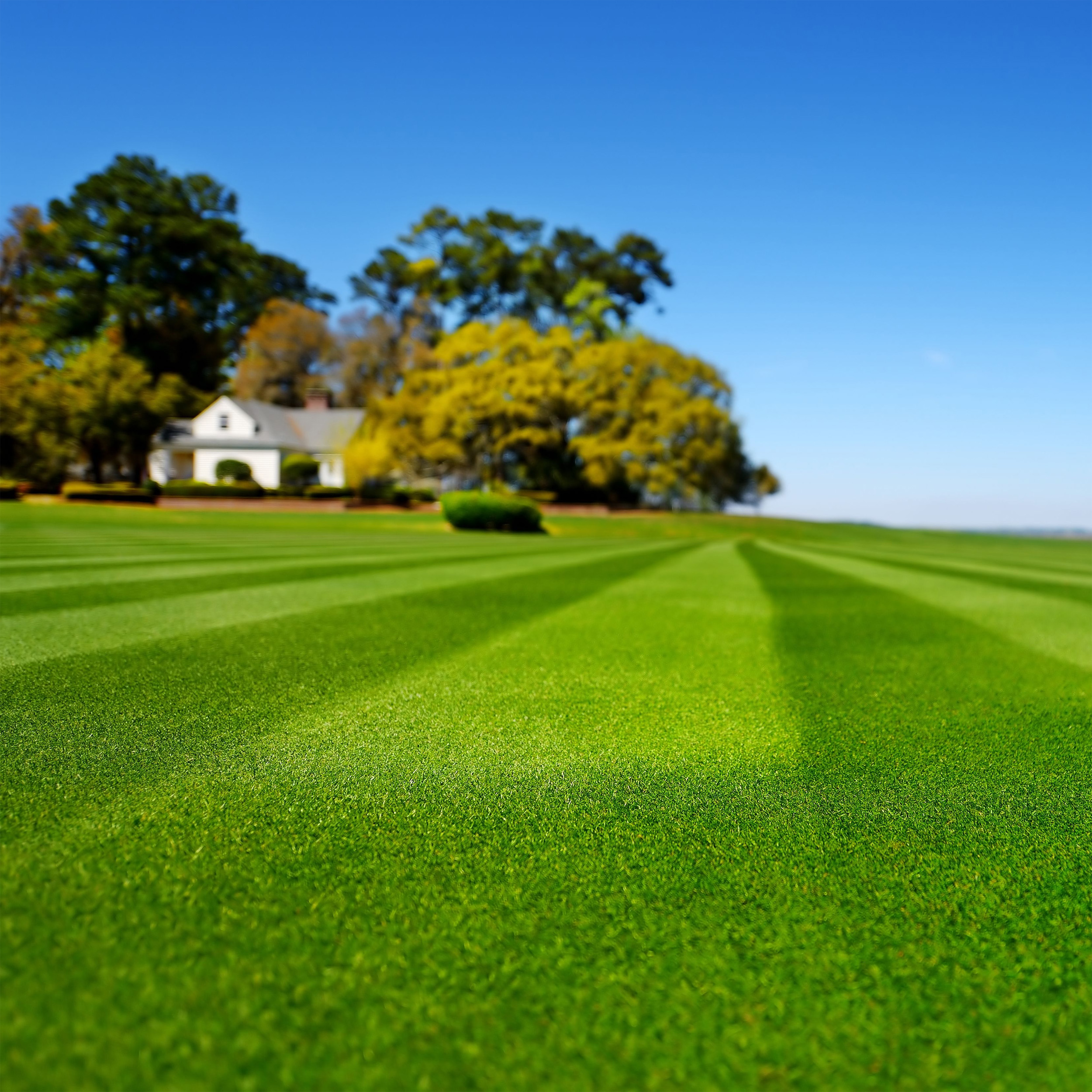
Warm Season Bermuda Grass
The most commonly used grass seed throughout South Carolina is Bermuda Grass. Ideal for full sun, Bermuda Grass can handle challenging growing conditions including sandy soil, high foot traffic, heat, and moderate drought. Choose from seven different varieties of this hardy grass seed, including popular options such as Blackjack Bermudagrass and Royal TXD Bermudagrass. Shop Bermuda Grass → |
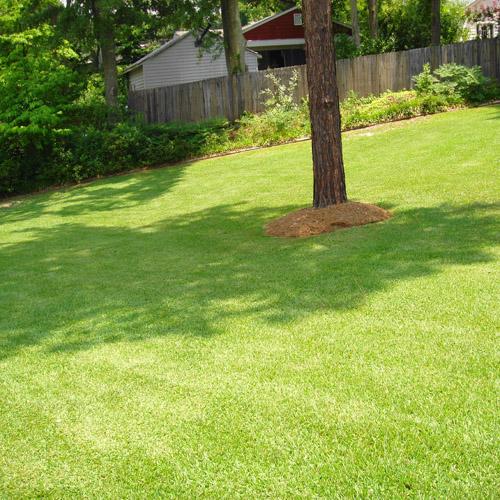
Warm Season Centipede Grass
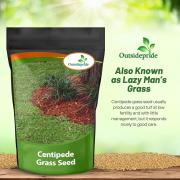
Medium in texture with a pale to medium green color, Centipede Grass is a great option for growing a good, dense, low-maintenance, and relatively weed-free South Carolina lawn. It is commonly referred to as Lazy Man’s Grass for its low-effort upkeep. Shop Centipede Grass → |

Warm Season Carpet Grass
Similar in appearance to Centipede Grass, Carpet Grass is a creeping, warm-season perennial grass that is ideal for wet and acidic soils. Property owners looking for the best grass to grow in South Carolina’s more swampy, shaded areas should consider this type of warm-season grass seed. Shop Carpet Grass → |
Best Cool Season Grass Seeds for South Carolina
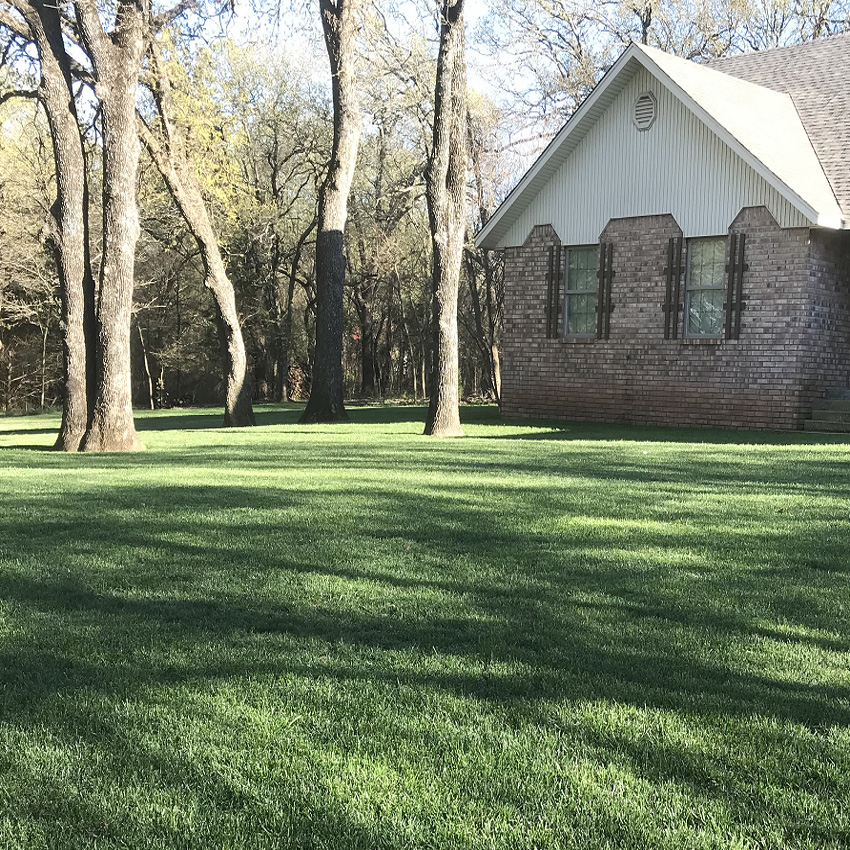
Cool Season Tall Fescue
Tall Fescue is a persistent and durable plant ideal for South Carolina home lawns, common grounds, parks, playgrounds, and athletic fields. Turf-type tall fescues such as Combat Extreme Southern, as well as fine fescues like Creeping Red Fescue, are especially popular for their shade and drought tolerance, year-round greenery, and ability to grow in sandy soil. Shop Tall Fescue → |
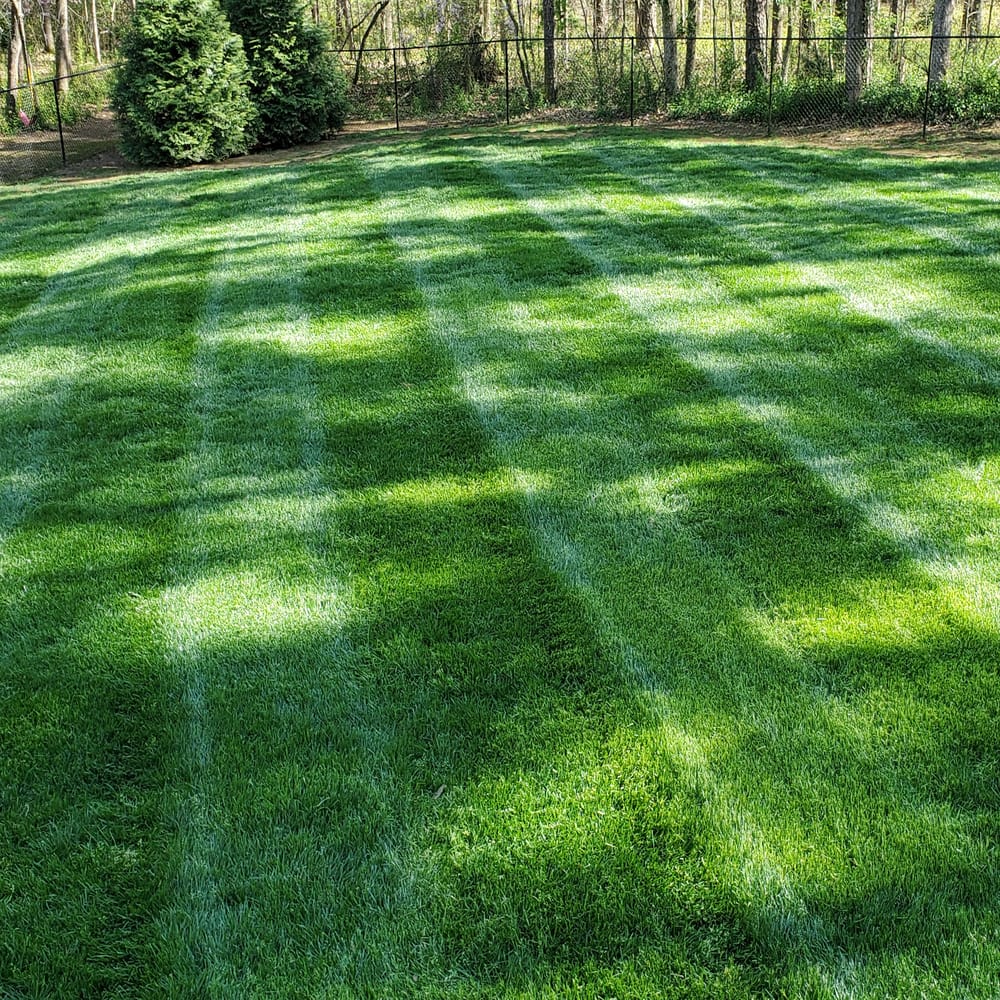
Cool Season Kentucky Bluegrass
Often used in mixes when planting in South Carolina lawns, particularly in the cooler Upstate areas, Kentucky Bluegrass seed produces a beautiful, dark grass color. Cold-tolerant and moderately heat- and drought-tolerant, this South Carolina grass seed has the added benefit of being able to self-repair bare spots and recuperate from damage. Shop Kentucky Bluegrass → |
Cool Season Perennial Ryegrass
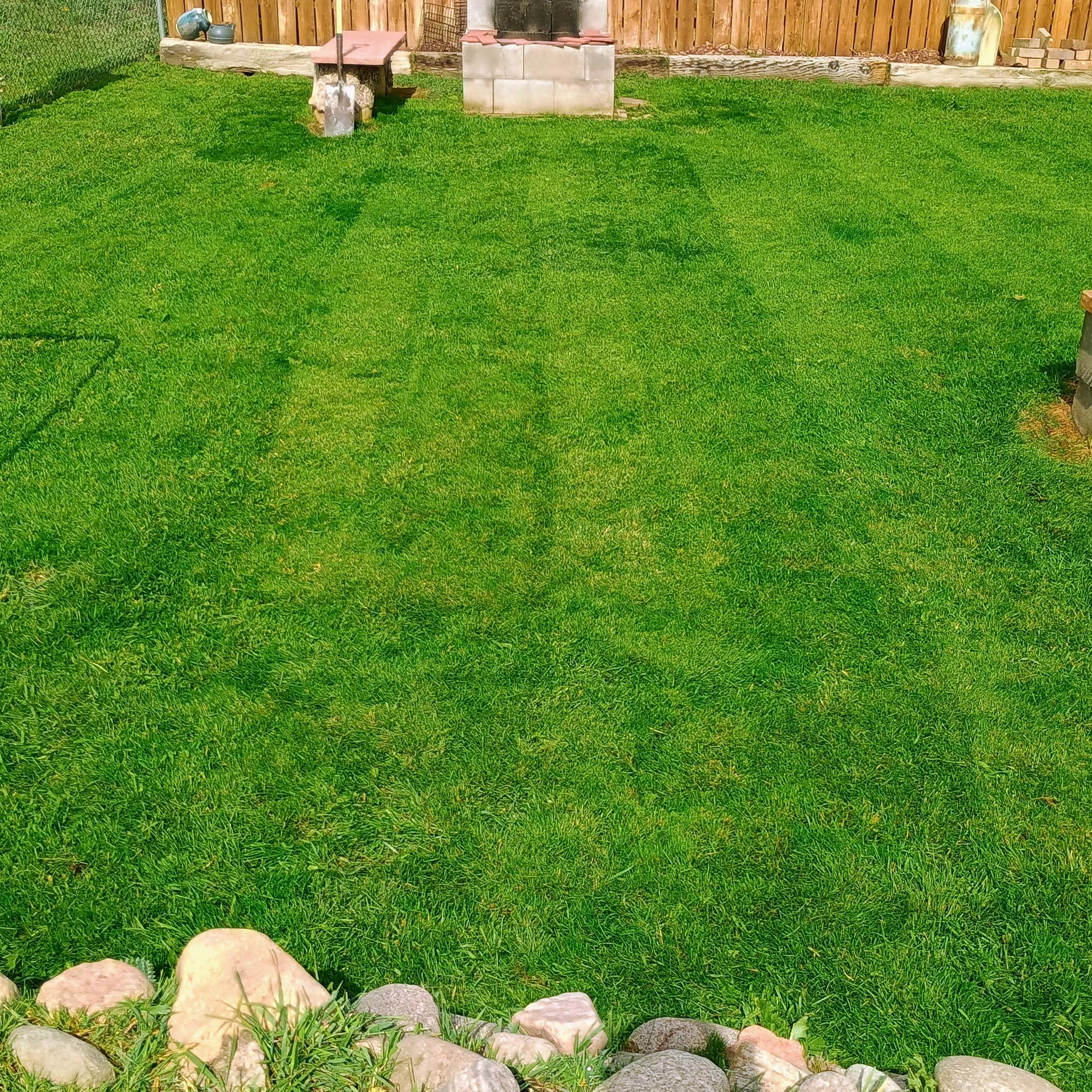
Perennial Ryegrass is most commonly used in South Carolina to overseed Bermuda grass and other warm-season lawns. With a rapid germination rate of 5 to 7 days and good drought tolerance, this fine to medium-textured turfgrass creates a lush green lawn during South Carolina winters. Shop Perennial Ryegrass → |
All Options For South Carolina
| Grass Seed Choice | Type | Applications | |
|---|---|---|---|
| Bermuda Grass - Oasis |
 |
Warm Season | Lawns - Full Sun - Fast Growing |
| Bermuda Grass - Blackjack |
 |
Warm Season | Lawns - Full Sun - Fast Growing |
| Bermuda Grass - Yukon |
 |
Warm Season |
Lawns - Golf Course - Fast Growing Full Sun - High End - Best Cold Tolerance |
| Bermuda Grass - Arden 15 |
 |
Warm Season |
Lawns - Golf Course - Fast Growing Full Sun - High End |
| Centipede Grass |
 |
Warm Season | Lawns - Mostly Sunny to Full Sun - Low Maintenance |
| Cool Season Mix - Showtime |
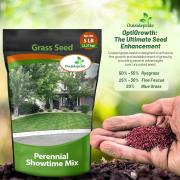 |
Cool Season |
Lawns - Moderate Shade Rye, Kentucky Bluegrass, Fine Fescue Mix |
| Cool Season Mix - Garland |
 |
Cool Season |
Lawns - Moderate Shade Rye, Fine Fescue Mix |
| Fescue/Bluegrass Mix - Combat Extreme South |
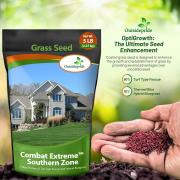 |
Cool Season | Lawns - Wear Tolerant - Extra Heat Tolerance |
| Fescue Blend - Combat Extreme Transition |
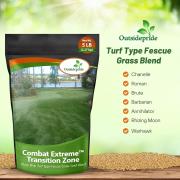 |
Cool Season | Lawns - Wear Tolerant |
| Fine Fescue Blend - Legacy |
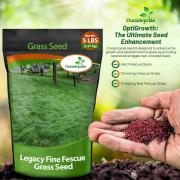 |
Cool Season | Lawns - Moderate to Dense Shade |
| Kentucky Bluegrass - Bluegrass Supreme |
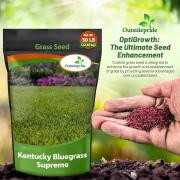 |
Cool Season | Lawns - Golf Courses - Full Sun |
| Kentucky Bluegrass - Midnight |
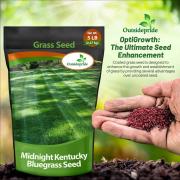 |
Cool Season | Lawns - Golf Courses - Full Sun |
| OSP Ryegrass |
 |
Cool Season | Lawns - Golf Courses - Overseeding |
South Carolina Grass Seeds by USDA Zone
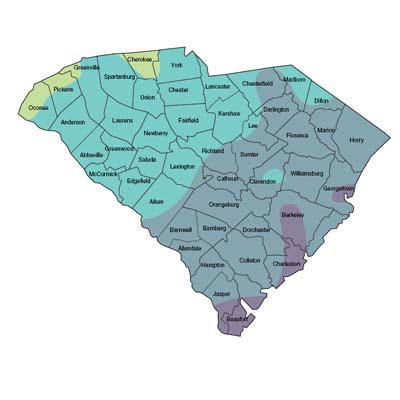
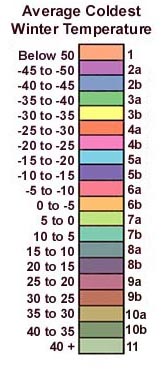
Using the USDA Plant Hardiness Zone Map below, find the best grass to grow in South Carolina based on your specific location.
Zone 7b – 8a
Encompassing the Upstate, Blue Ridge, and Piedmont areas, including Greenville, Spartanburg, Anderson, Rock Hill, and the foothills, this Zone does best with cool-season South Carolina grass seeds like Turf-Type Tall Fescue or Kentucky Bluegrass. For a mix that withstands the summer heat, use a specialized blend like Combat Extreme Transition Zone Fescue.
Zone 8a – 9b
If you live in the Midlands or Sandhills of South Carolina, including cities like Columbia and Sumter, it is best to plant warm-season grasses like Bermuda Grass and Centipede Grass.
Zone 8b – 9a
For planting in the Coastal Plain and Lowcountry areas of the state, look for South Carolina seeds like Bahia, Seashore Paspalum, and Carpet Grass.
Compare Various Grasses For Their Characteristics
| Compare Various Grasses For Their Characteristics | ||||||||
|---|---|---|---|---|---|---|---|---|
| Cool Season Grasses |
Leaf Texture |
Establish Rate |
Nitrogen Use |
Water Use |
Drought Tolerance |
Salinity Tolerance |
Shade Tolerance |
|
| Bentgrass - Creeping | Fine | Moderate to Fast |
Low to Moderate |
High | Poor to Moderate |
High | Poor to Moderate |
|
| Bentgrass - Colonial | Fine | Moderate to Fast |
Low | Moderate | Poor to Moderate |
Moderate | Moderate | |
| Bluegrass - Kentucky | Moderate to Fine |
Slow | Moderate to High |
Moderate to High |
Good | Moderate | Poor | |
| Bluegrass - Rough | Moderate to Fine |
Slow | Moderate to High |
Moderate to High |
Poor | Moderate | Excellent | |
| Fescue - Hard | Fine | Slow to Moderate |
Low to Very Low |
Moderate | Excellent | Low to Moderate |
Excellent | |
| Fescue - Creeping | Fine | Moderate | Low to Moderate |
Moderate | Good | Low | Excellent | |
| Fescue - Turf Type | Moderate to Coarse |
Moderate | Moderate to High |
Low to Moderate |
Excellent | Low | Good to Excellent |
|
| Ryegrass - Perennial | Fine to Moderate |
Very Fast | Moderate to High |
Moderate to High |
Good | Poor to Moderate |
Poor to Moderate |
|
| Warm Season Grasses |
Leaf Texture |
Establish Rate |
Nitrogen Use |
Water Use |
Drought Tolerance |
Salinity Tolerance |
Shade Tolerance |
|
| Bermudagrass | Fine to Moderate |
Moderate to Fast |
Moderate | Moderate to High |
Excellent | Very Good | Poor | |
| Buffalograss | Moderate to Coarse |
Slow to Moderate |
Low | Low | Excellent | Moderate | Very Poor | |
| Compare Various Grasses For Their Characteristics - Continued | ||||||||
|---|---|---|---|---|---|---|---|---|
| Cool Season Grasses |
Fertility Needs |
Wear Resistance |
Mowing Height |
Cold Tolerance |
Acid Soil Tolerance |
Thatching Tendency |
Heat Tolerance |
|
| Bentgrass - Creeping | High | Low | Low | Low | Medium to High |
High | High | |
| Bentgrass - Colonial | High | Low | Low | Low | Medium to High |
High | High | |
| Bluegrass - Kentucky | Medium | Medium to High |
Medium | High | Medium | Medium | Medium | |
| Bluegrass - Rough | Medium | Medium | Medium | High | Medium | Medium | Medium | |
| Fescue - Hard | Low | Low | Medium | Medium to High |
Medium to High |
Low to Medium |
Low to Medium |
|
| Fescue - Creeping | Low | Low | Medium | High | Medium to High |
Low to Medium |
Low to Medium |
|
| Fescue - Turf Type | Low to Medium |
Medium to High |
Medium to High |
Medium | High | Low | High | |
| Ryegrass - Perennial | Medium | High | Low to Medium |
Medium | Medium | Low | Medium to High |
|
| Warm Season Grasses |
Fertility Needs |
Wear Resistance |
Mowing Height |
Cold Tolerance |
Acid Soil Tolerance |
Thatching Tendency |
Heat Tolerance |
|
| Bermudagrass | Medium | High | Low to Medium |
Low to Medium |
Medium | Medium | High | |
| Blue Grama | Low | Low | High | High | Low | Low | High | |
| Buffalograss | Low | Low | High | High | Low | Low | High | |
Compare Various Grasses For Their Characteristics
| Compare Various Grasses For Their Characteristics | ||||||||
|---|---|---|---|---|---|---|---|---|
| Cool Season Grasses |
Leaf Texture |
Establish Rate |
Nitrogen Use |
Water Use |
Drought Tolerance |
Salinity Tolerance |
Shade Tolerance |
|
| Bentgrass - Creeping | Fine | Moderate to Fast |
Low to Moderate |
High | Poor to Moderate |
High | Poor to Moderate |
|
| Bentgrass - Colonial | Fine | Moderate to Fast |
Low | Moderate | Poor to Moderate |
Moderate | Moderate | |
| Bluegrass - Kentucky | Moderate to Fine |
Slow | Moderate to High |
Moderate to High |
Good | Moderate | Poor | |
| Bluegrass - Rough | Moderate to Fine |
Slow | Moderate to High |
Moderate to High |
Poor | Moderate | Excellent | |
| Fescue - Hard | Fine | Slow to Moderate |
Low to Very Low |
Moderate | Excellent | Low to Moderate |
Excellent | |
| Fescue - Creeping | Fine | Moderate | Low to Moderate |
Moderate | Good | Low | Excellent | |
| Fescue - Turf Type | Moderate to Coarse |
Moderate | Moderate to High |
Low to Moderate |
Excellent | Low | Good to Excellent |
|
| Ryegrass - Perennial | Fine to Moderate |
Very Fast | Moderate to High |
Moderate to High |
Good | Poor to Moderate |
Poor to Moderate |
|
| Warm Season Grasses |
Leaf Texture |
Establish Rate |
Nitrogen Use |
Water Use |
Drought Tolerance |
Salinity Tolerance |
Shade Tolerance |
|
| Bermudagrass | Fine to Moderate |
Moderate to Fast |
Moderate | Moderate to High |
Excellent | Very Good | Poor | |
| Buffalograss | Moderate to Coarse |
Slow to Moderate |
Low | Low | Excellent | Moderate | Very Poor | |
| Compare Various Grasses For Their Characteristics - Continued | ||||||||
|---|---|---|---|---|---|---|---|---|
| Cool Season Grasses |
Fertility Needs |
Wear Resistance |
Mowing Height |
Cold Tolerance |
Acid Soil Tolerance |
Thatching Tendency |
Heat Tolerance |
|
| Bentgrass - Creeping | High | Low | Low | Low | Medium to High |
High | High | |
| Bentgrass - Colonial | High | Low | Low | Low | Medium to High |
High | High | |
| Bluegrass - Kentucky | Medium | Medium to High |
Medium | High | Medium | Medium | Medium | |
| Bluegrass - Rough | Medium | Medium | Medium | High | Medium | Medium | Medium | |
| Fescue - Hard | Low | Low | Medium | Medium to High |
Medium to High |
Low to Medium |
Low to Medium |
|
| Fescue - Creeping | Low | Low | Medium | High | Medium to High |
Low to Medium |
Low to Medium |
|
| Fescue - Turf Type | Low to Medium |
Medium to High |
Medium to High |
Medium | High | Low | High | |
| Ryegrass - Perennial | Medium | High | Low to Medium |
Medium | Medium | Low | Medium to High |
|
| Warm Season Grasses |
Fertility Needs |
Wear Resistance |
Mowing Height |
Cold Tolerance |
Acid Soil Tolerance |
Thatching Tendency |
Heat Tolerance |
|
| Bermudagrass | Medium | High | Low to Medium |
Low to Medium |
Medium | Medium | High | |
| Blue Grama | Low | Low | High | High | Low | Low | High | |
| Buffalograss | Low | Low | High | High | Low | Low | High | |