



Alcea Rosea Creme Do Cassis Hollyhock Climbing Flower Seeds

Hollyhock Seeds - Crème de Cassis

25 Seeds
.......................................................................................................................................................
4.99
50 Seeds
.......................................................................................................................................................
8.99

SEASON

Perennial

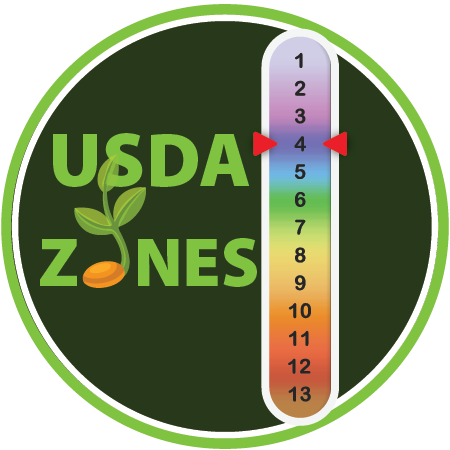
USDA ZONES

4 - 9

HEIGHT

72 - 96 inches

BLOOM SEASON

Early to late Summer

BLOOM COLOR

Wine, Red

ENVIRONMENT

Full sun

SOIL TYPE

Well drained, pH 6.1 - 7.8

DEER RESISTANT

Yes
HOUSE PLANT

No

About...

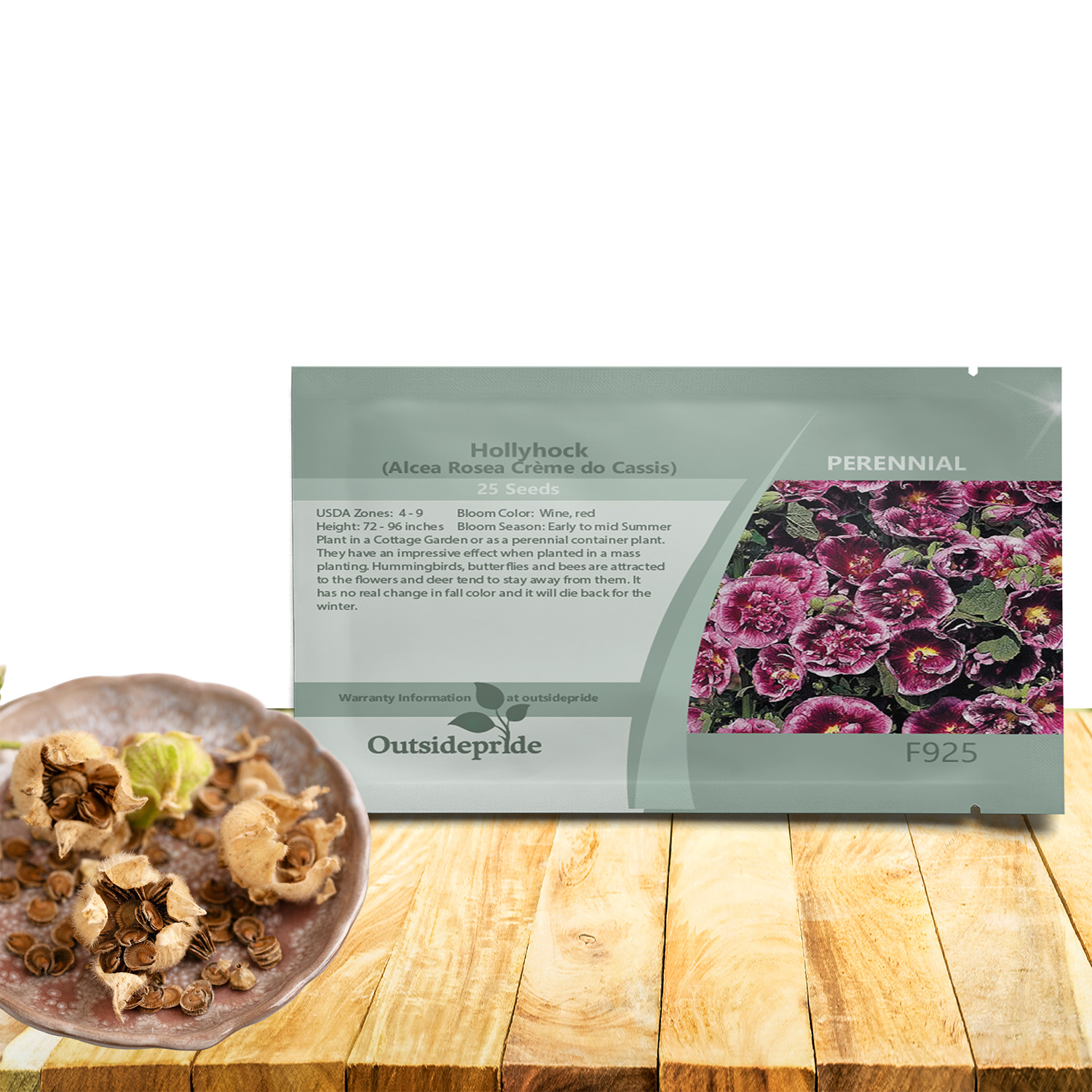
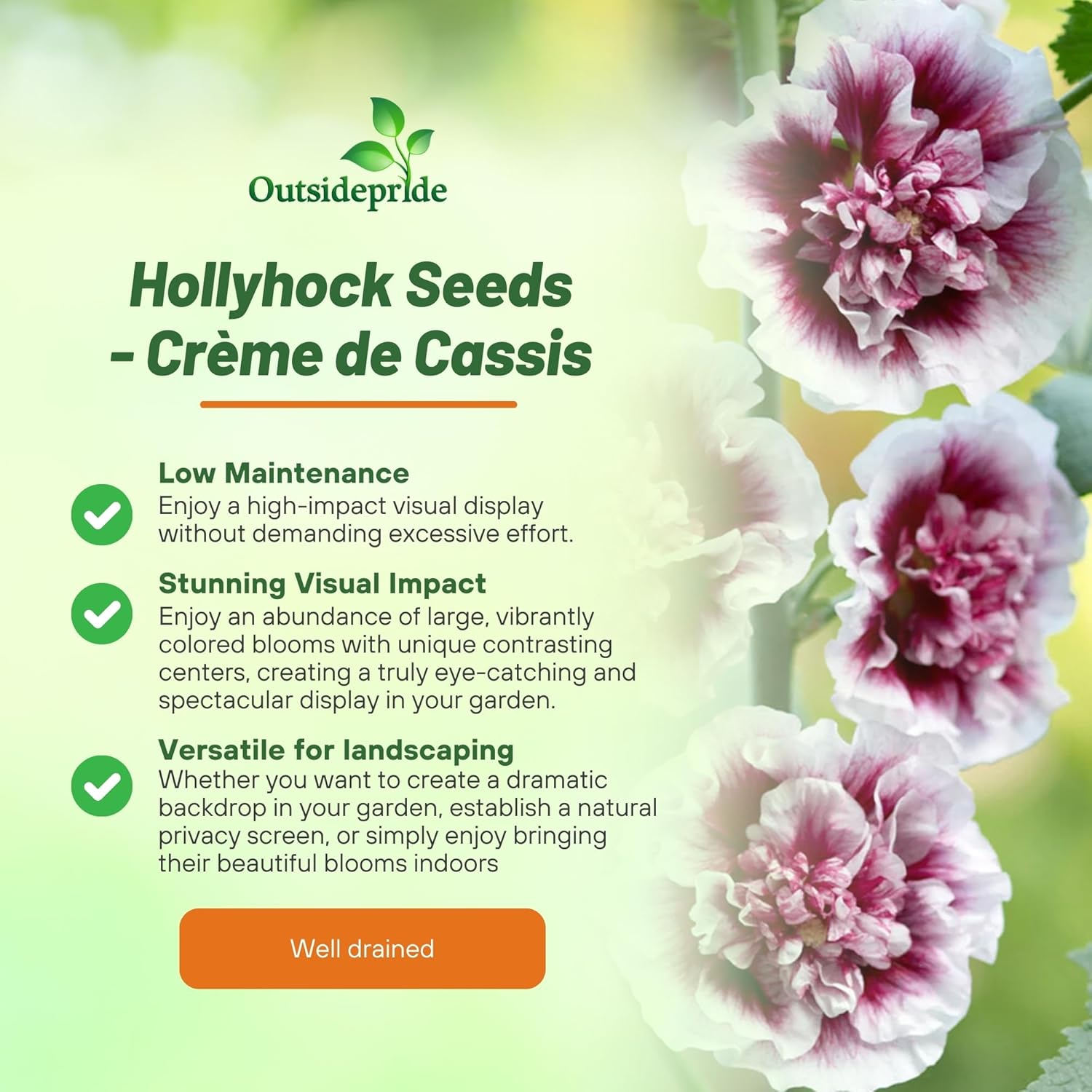
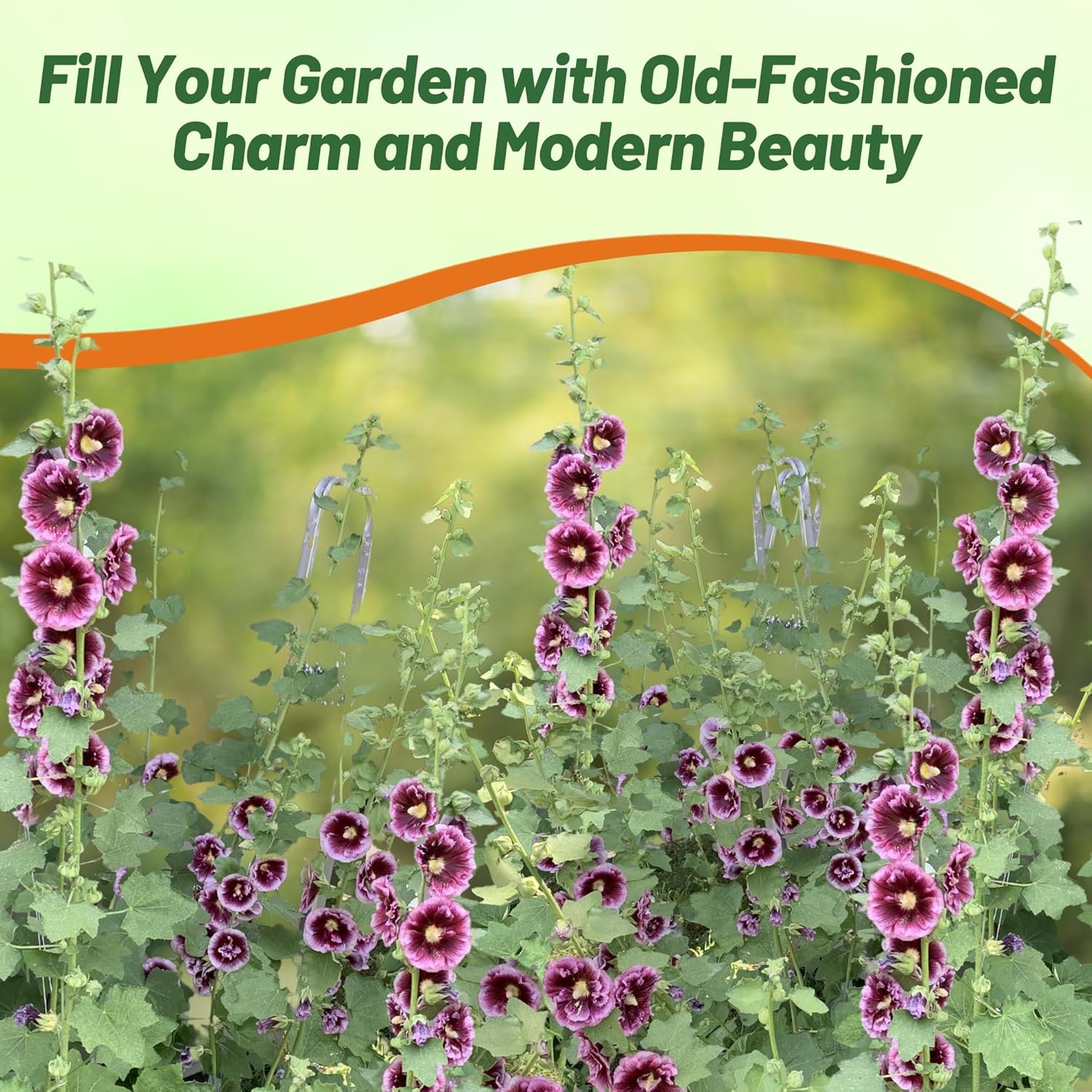
Hollyhock (Alcea Rosea Crème de Cassis) - First year blooming, with double, semi-double and singles on the same stem. Deep wine colored blooms with pink fringe make this Hollyhock a special selection for the sunny perennial garden. Best at the back of a sunny border. Grows 6 to 8 feet tall and plants should be spaced approximately 18 inches apart.
ABOUT
FAQ's
VIDEOS

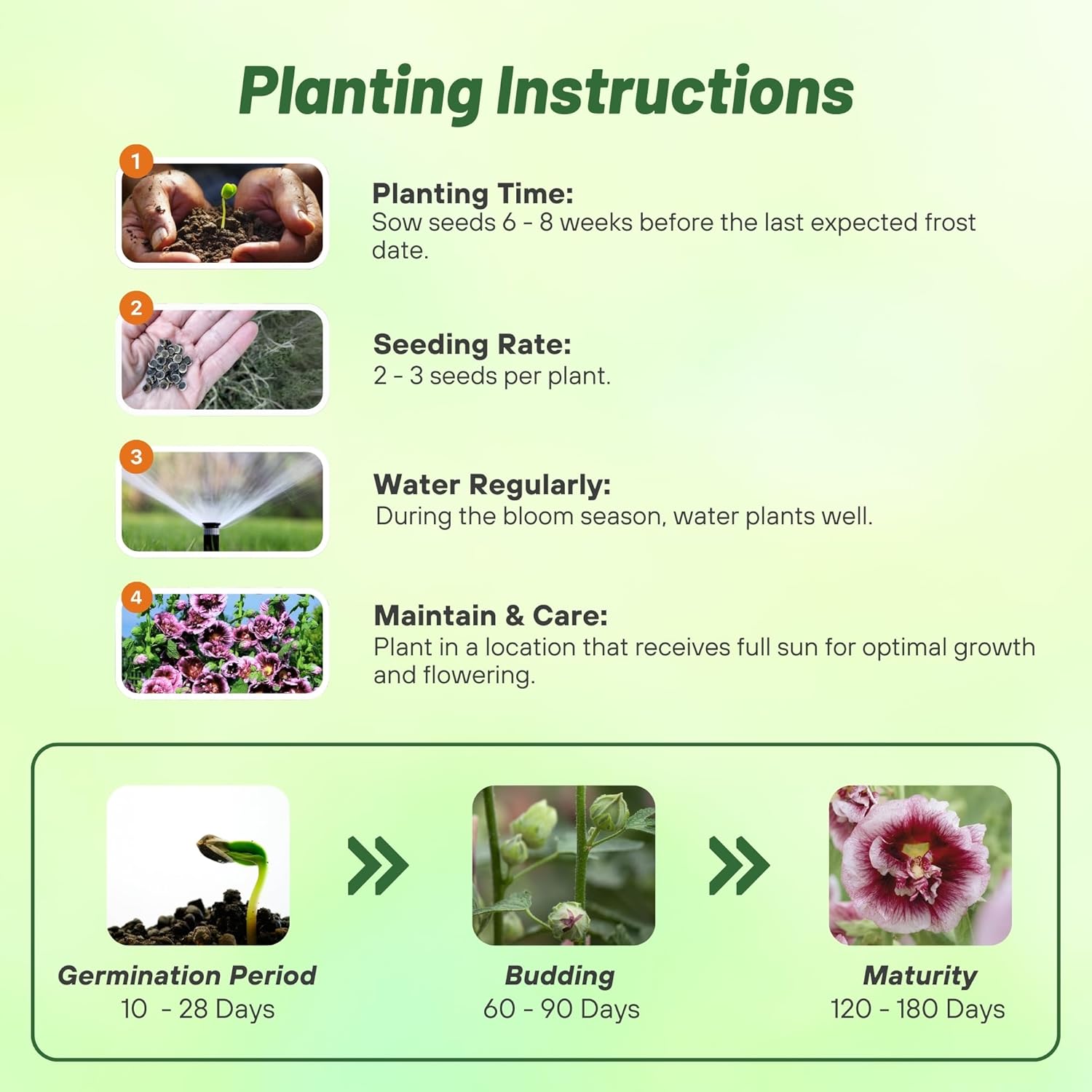
Planting Directions

TEMPERATURE

60 - 65F

AVERAGE GERM TIME

21 - 28 days

LIGHT REQUIRED

Yes

DEPTH

Do not cover the seed but press into the soil

SOWING RATE

2 - 3 seeds per plant

MOISTURE

Keep seeds moist until germination

PLANT SPACING

18 inches
Hollyhock Alcea Rosea Flower Garden Seed Mixture
Alcea Rosea Hollyhock Flower Seed Packets
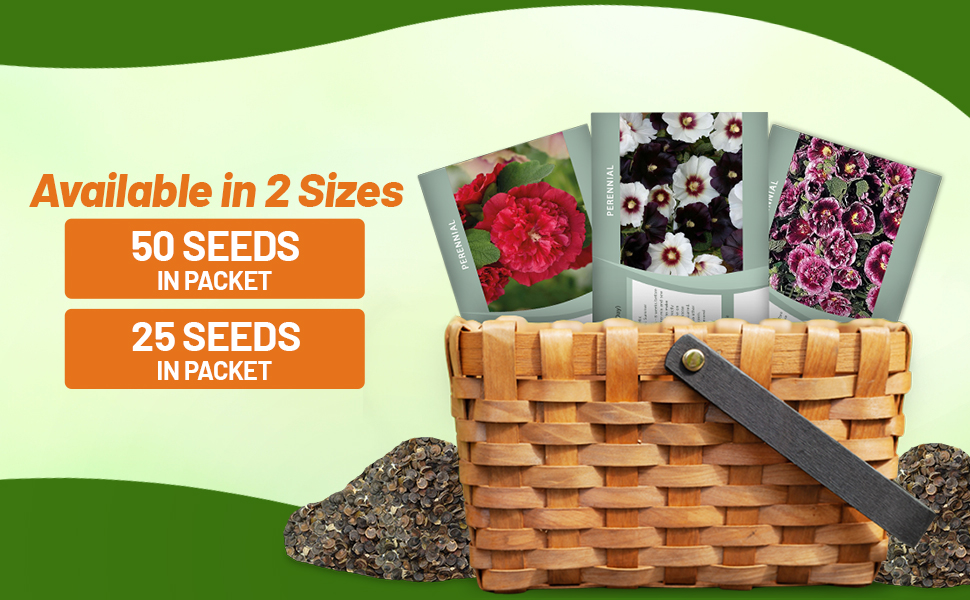
Outsidepride Rosea Hollyhock Seeds (Alcea Rosea) grow in full sun and USDA zones 3-9. Blooming from mid-summer to early fall, our perennial plants can reach heights of 30 to 96 inches, depending on the variety. Our hollyhocks are suited for borders, cottage gardens, and attracting pollinators. Available in packets of 50 or 25 seeds, our garden plants produce vibrant flowers that add color throughout the growing season. These garden seeds are easy to grow and maintain, adding height and beauty to your garden.
Vibrant & Diverse Blooms of Hollyhock
Vibrant & Diverse Blooms
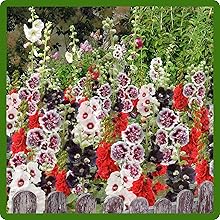
Rosea Hollyhock flower plants produce a wide variety of vibrant blooms, offering rich colors ranging from deep wine to fiery scarlet and soft pastels. These flowers grow in tall spikes, creating a striking visual impact that adds interest and color to garden borders and other spaces.
Tall, Vertical Upright Growth of Hollyhock
Dramatic Vertical Impact
Tall, stately flower spikes of Rosea Hollyhocks provide dramatic vertical impact in any flower garden. Reaching up to 8 feet, their impressive height creates a striking focal point, drawing the eye upward and adding dimension to garden beds, borders, and outdoor landscapes.
Hollyhock Flowers Attracting Pollinators
Attracts Pollinator
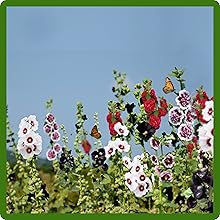
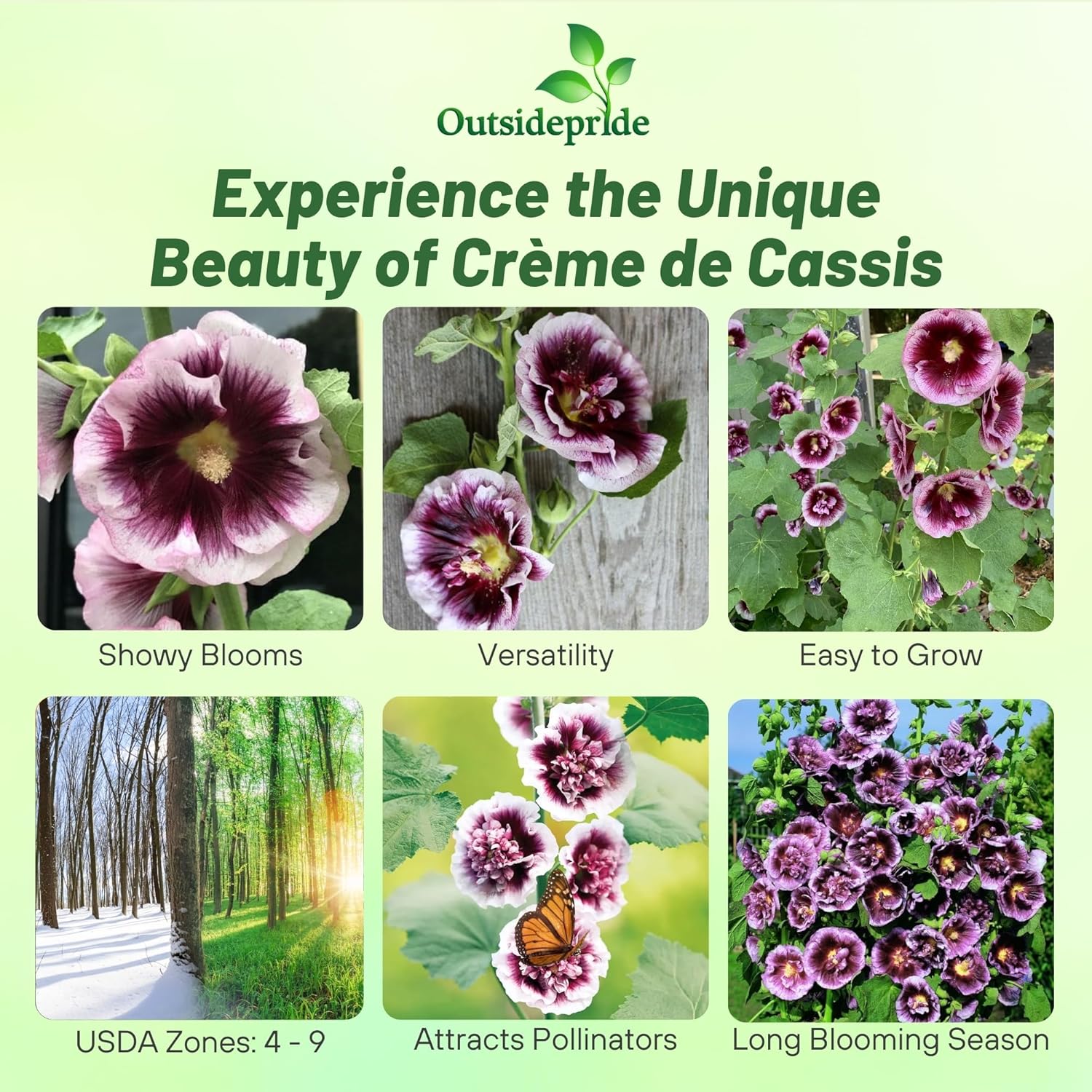
Hollyhock perennials attract bees, butterflies, and hummingbirds with their vibrant blooms, making them suitable flowers for garden pollination. These beneficial visitors pollinate your garden while adding lively movement and charm, promoting a healthy and growing garden.
Hardy Perennial Hollyhock Tall Flowers
Reliable & Long-Lasting Beauty
As hardy perennial flower seeds, our Hollyhocks endure through different seasons, ensuring consistent color and charm in your garden. Their steady growth makes them an enduring option for long-lasting visual appeal, adding a touch of elegance and beauty to your outdoors.
Three Varieties of Hollyhock Which Attract Butterflies
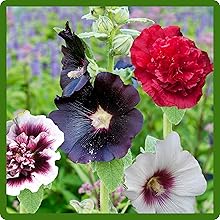
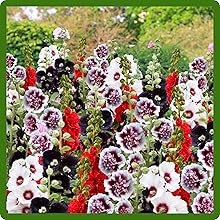
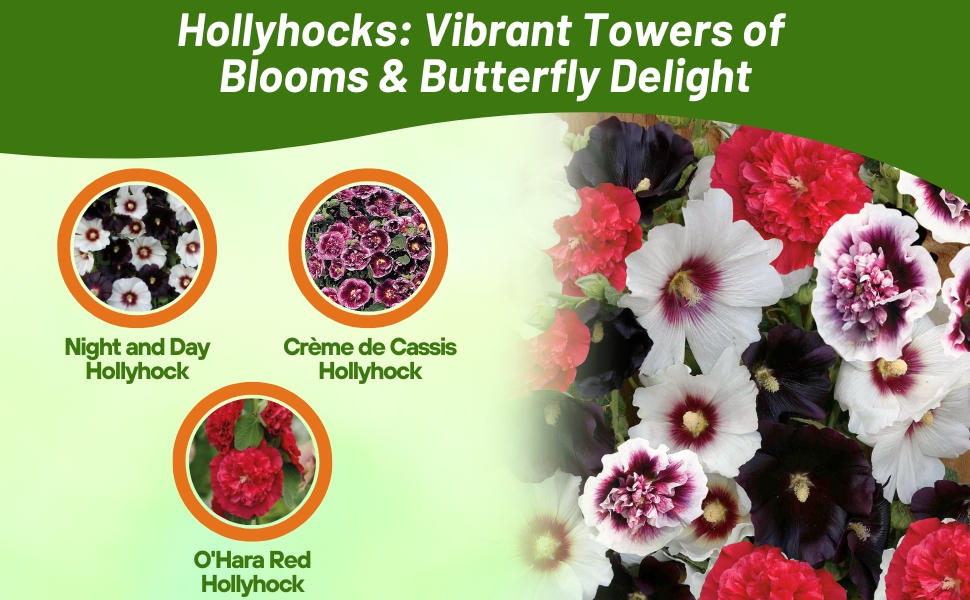
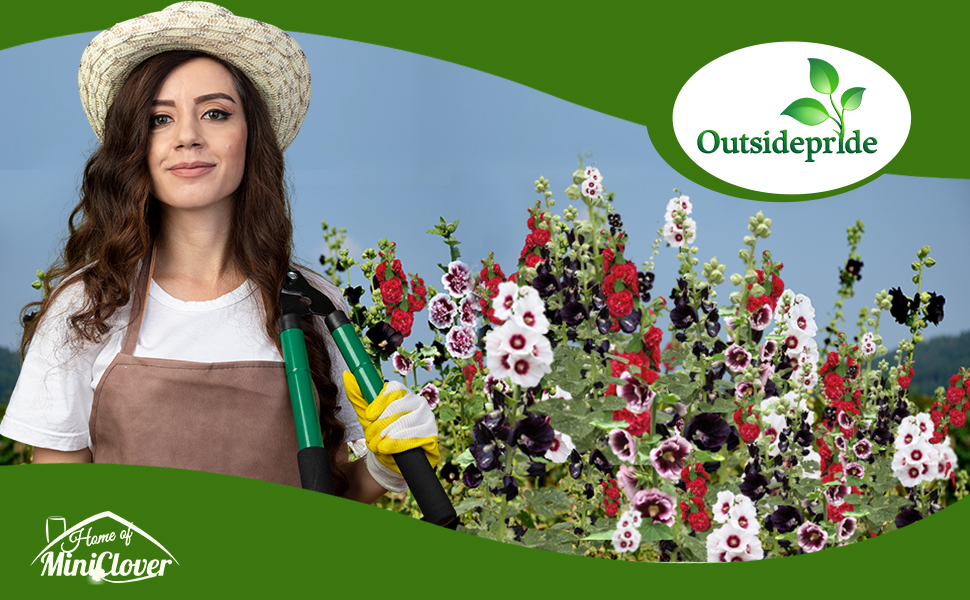
Hollyhocks are tall, striking plants that produce vibrant towers of blooms, making them a colorful addition to perennial plants for outside and creating a stunning focal point in any garden. The Night & Day variety boasts striking black and white flowers, creating a bold contrast. The Crème de Cassis variety features deep wine-colored blooms with a delicate pink fringe, adding richness to your garden. O'Hara delivers bright scarlet, fully double flowers, useful for creating a fiery focal point. These towering beauties not only captivate with their colors but also attract butterflies.
Bloom Season, Height, & Color of Hollyhock Flowers
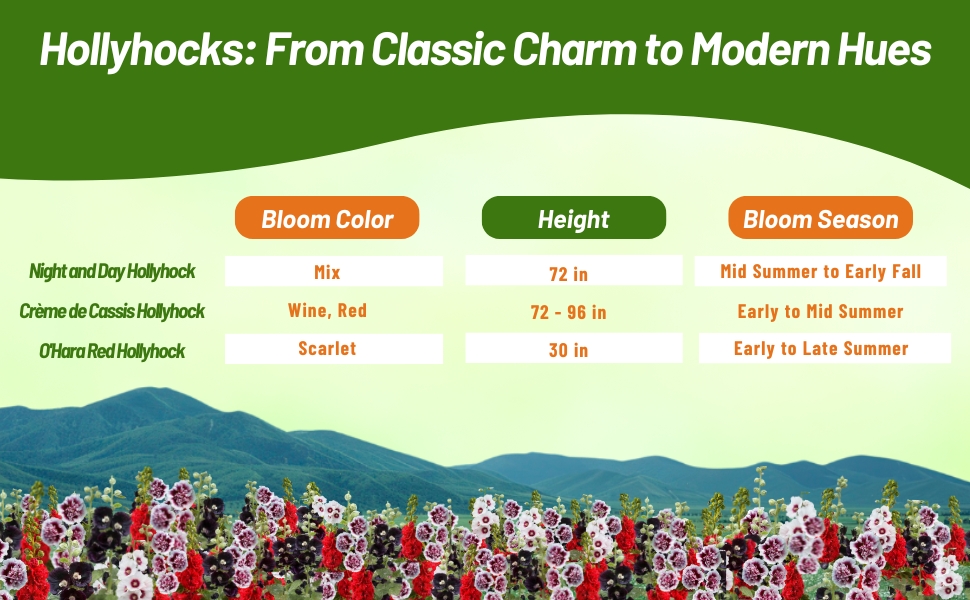
From classic charm to contemporary hues, Hollyhocks stand tall, ranging from 30 inches to 8 feet in height. They bloom from mid-summer to early fall, offering a long season of vibrant color. The tall flower spikes create vertical interest, making them well-suited for back borders or as focal points in the garden. Available in a variety of colors, from soft pastels to bold, rich tones, Hollyhocks are a wonderful addition of flower seeds to plant outside, adding both height and beauty to your garden throughout the growing season.
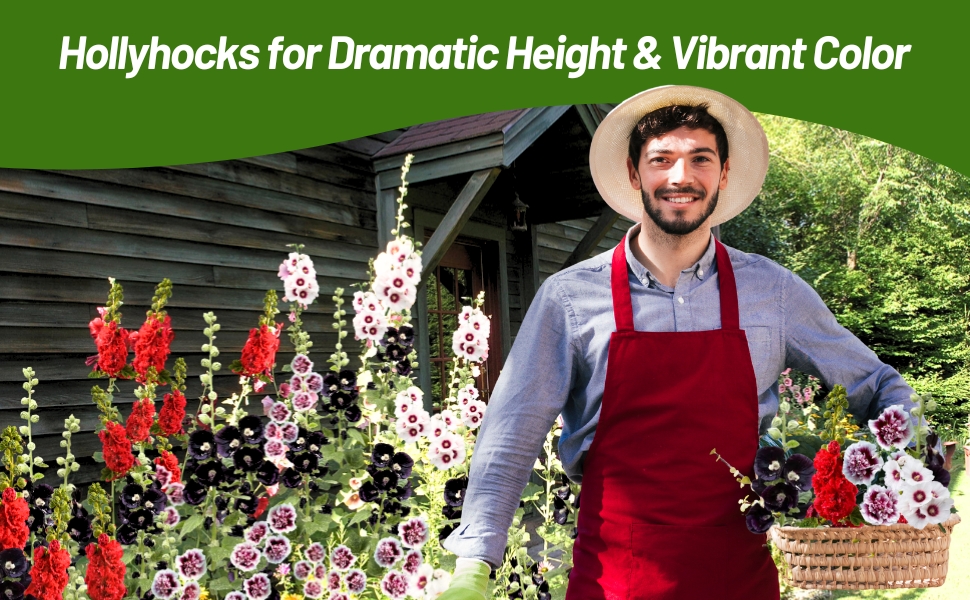
Hollyhock Flower Garden & Cut Flowers in Basket
Hollyhocks bring dramatic height and vibrant color to any garden, soaring up with stunning blooms that demand attention. These easy-to-grow flower seeds should be sown in well-drained soil at a depth of 1/4 inch, pressing them into the soil without covering. Maintain moisture until germination, which typically takes 10-28 days. These seeds for planting flowers grow well in full sun and are well-suited for adding vertical interest to borders and back rows. With proper upkeep, they’ll provide an eye-catching display.

Hollyhock (Alcea Rosea Crème de Cassis) - First year blooming, with double, semi-double and singles on the same stem. Deep wine colored blooms with pink fringe make this Hollyhock a special selection for the sunny perennial garden. Best at the back of a sunny border. Grows 6 to 8 feet tall and plants should be spaced approximately 18 inches apart. Hollyhock are perhaps the definitive old-fashioned garden plant. Flowering from late spring through summer, these are the tall stately flowers you looked up to in your grandmother's garden. Does well in cold zones, but not so good in the gulf states where heat and humidity can be a problem.

Plant hollyhocks in a Cottage Garden or as a back border in a perennial garden. They have an impressive effect when planted in a mass planting. Hummingbirds, butterflies and bees are attracted to the flowers and deer tend to stay away from Hollyhocks. It has no real change in fall color and it will die back for the winter.

Common Questions

Q

Are hollyhocks hard to grow?

A

Hollyhocks are low-maintenance and easy to grow. They just need fertile soil, plenty of sun, and appropriate spacing and moisture levels to prevent problems with the fungal disease rust.

Q

My hollyhock plants have a sickly appearance, what should I do?

A

If your hollyhocks appear stunted and feeble, they may be affected by the Puccinia malvacearum rust disease. This disease manifests as yellow or orange spots on the leaves, which later develop into lumps, causing the foliage to wither and fall off. Promptly eliminate the infected plants and dispose of them securely in a sealed bag.

Q

My hollyhock’s leaves are curling, what is wrong?

A

Curling hollyhock leaves could indicate that the plant is under heat stress due to intense sunlight. To remedy this, consider relocating the plants to a shadier spot or installing a shade cloth for protection. Additionally, adding mulch to the soil can help maintain cooler roots for the plant.

Q

Do I need to deadhead my hollyhock flowers?

A

Yes, to prolong your bloom season you will need to deadhead spent flowers. Also keeping your plants consistently moist will help encourage a good bloom season.

Q

What are some good companion plants for alcea?

A

Plants such as salvia, echinacea and shasta daisy all work well with the alcea hollyhock plants.

Videos

HOW ITS MADE