










Spring Field Peas

LATIN NAME
Pisum sativum

SEASON
Annual

HEIGHT

WHEN TO PLANT
After danger of frost in spring to fall

MOISTURE REQUIREMENTS
Moderate
CROP HEIGHT
36 - 48 inches

COLD TOLERANCE
Good

HEAT TOLERANCE
Good

SHADE TOLERANCE
Good
DAYS TO MATURITY
60 days

PLANT CHARACTERISTICS
Nitrogen fixator, wildlife attractant, fast growing

About...
Field peas have a wide variety of uses: cover crops, cereal grain, green chop, sprouting, wildlife mixes and can be used in bird seed mixes as well.Trustpilot Reviews
50lb bag of field peas
I’m glad I bought the big bag because the neighborhood squirrel keeps digging the seeds out and eating them. The seeds that make it have all sprouted within 2 days so I am making some progress. Today, I saw my ducks nibbling on the little leaves which is the whole purpose of planting these!
Read more on TrustpilotMORE COVER CROP OPTIONS

Planting Directions

SOWING TEMPERATURE
42F - 70F

SEEDING RATE
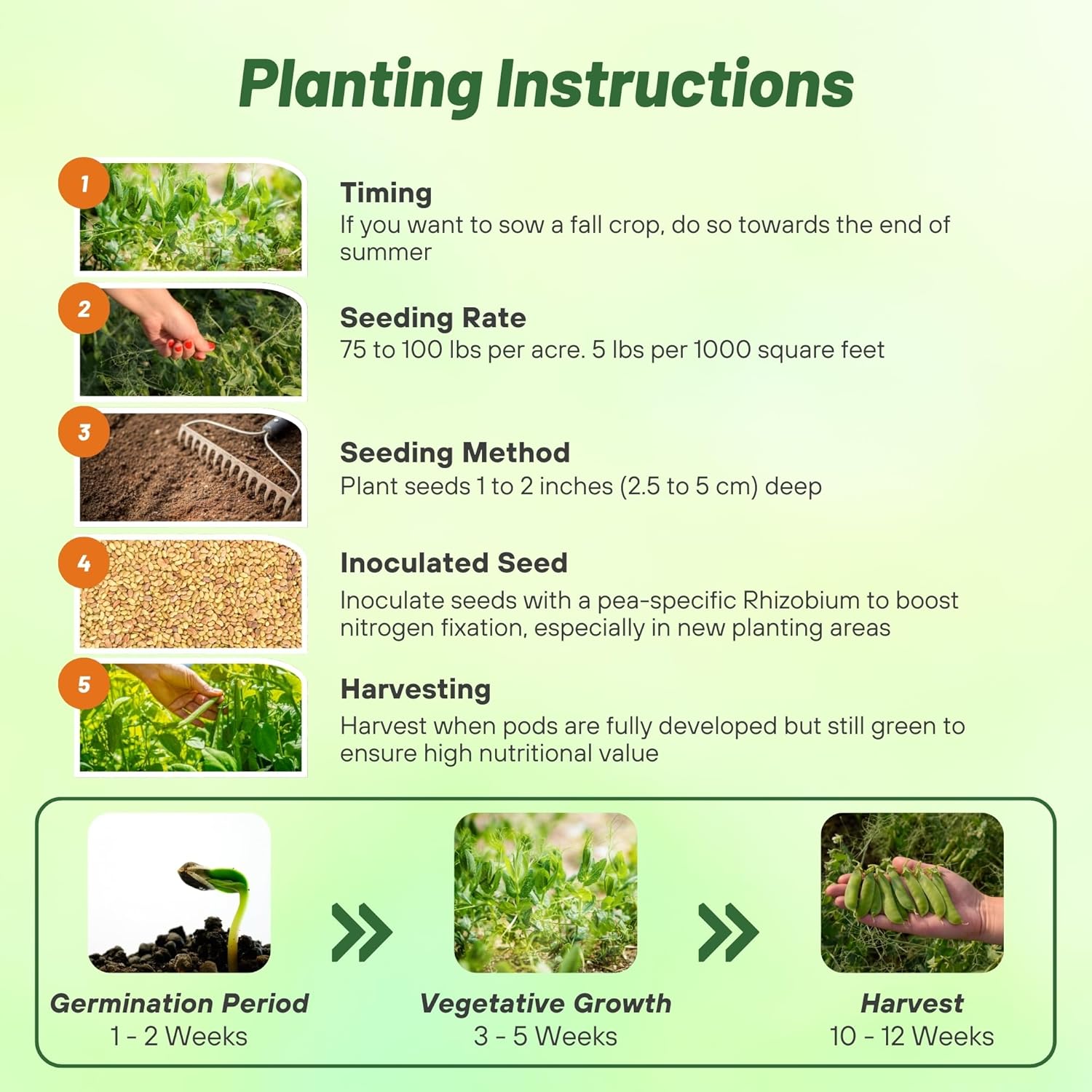
75 - 100 lbs per acre
AVERAGE GERMINATION TIME
7 - 14 days

PLANTING DEPTH
1 - 2 inches

SOWING METHOD
Broadcast or drill

ENVIRONMENT
Full sun
USDA ZONES
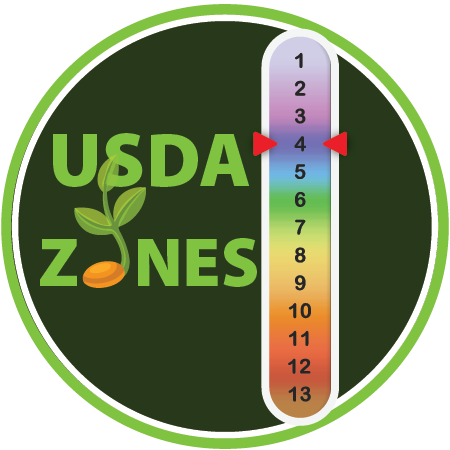
3 - 10
ESTABLISHMENT RATE
Fast

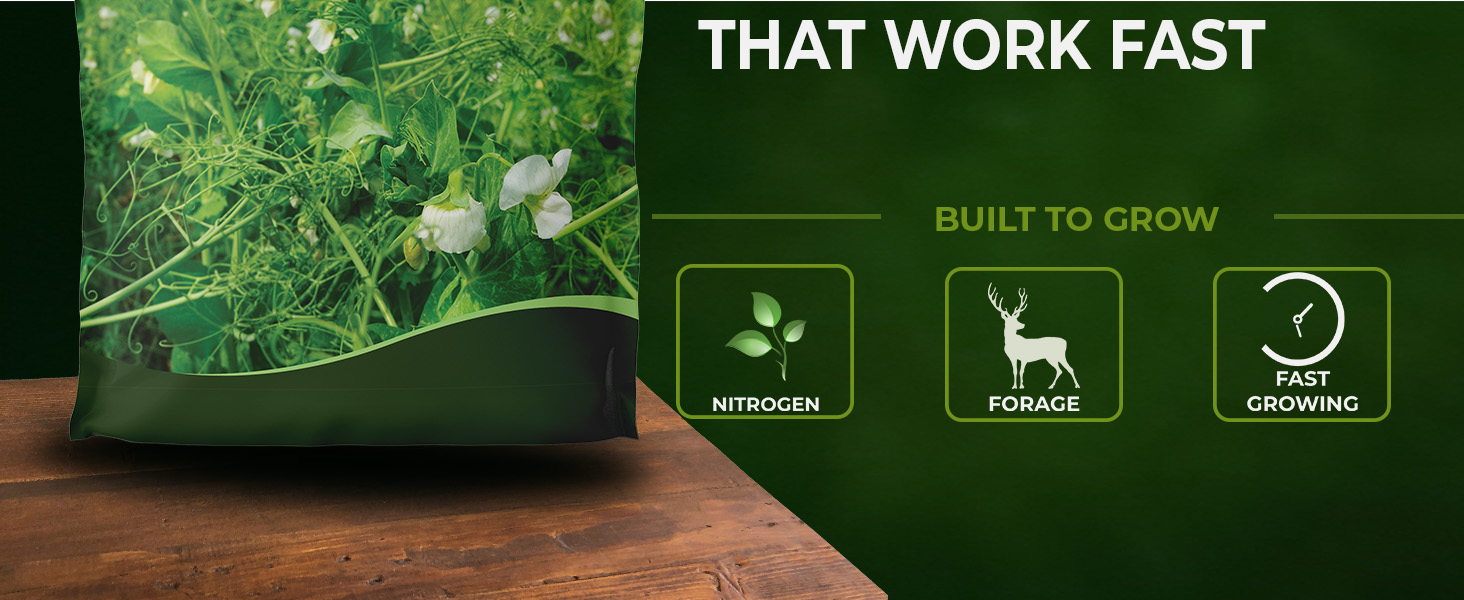
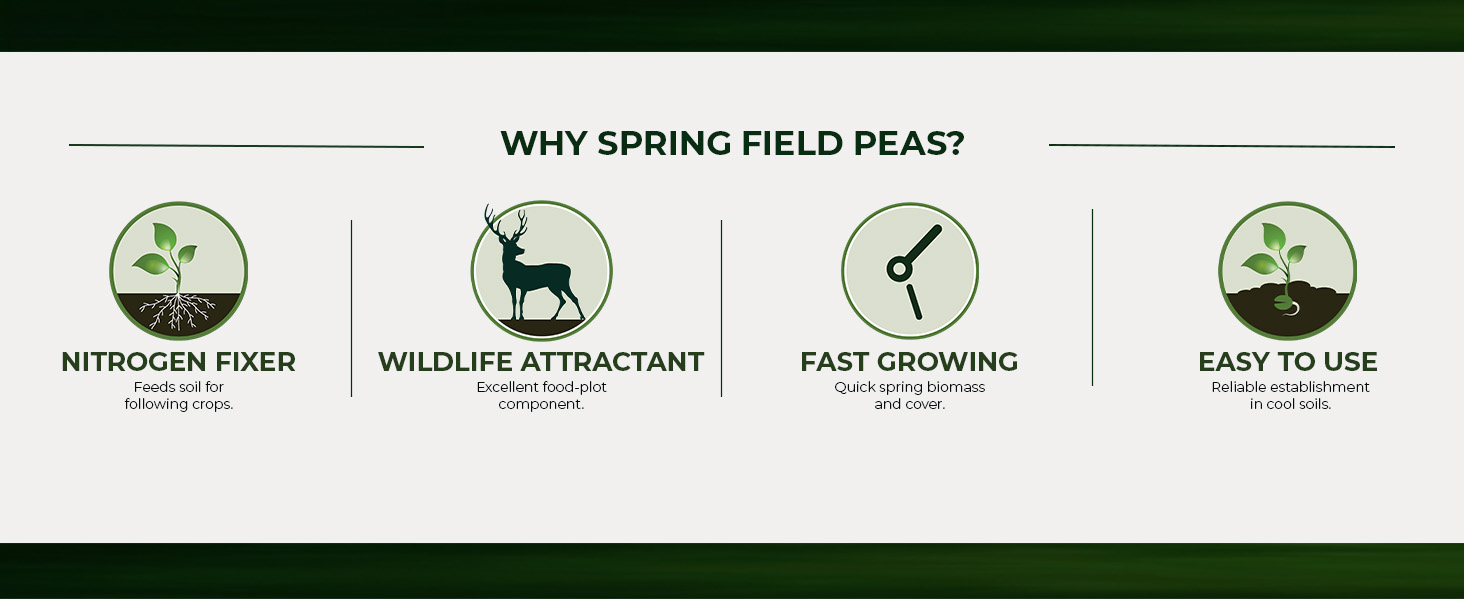
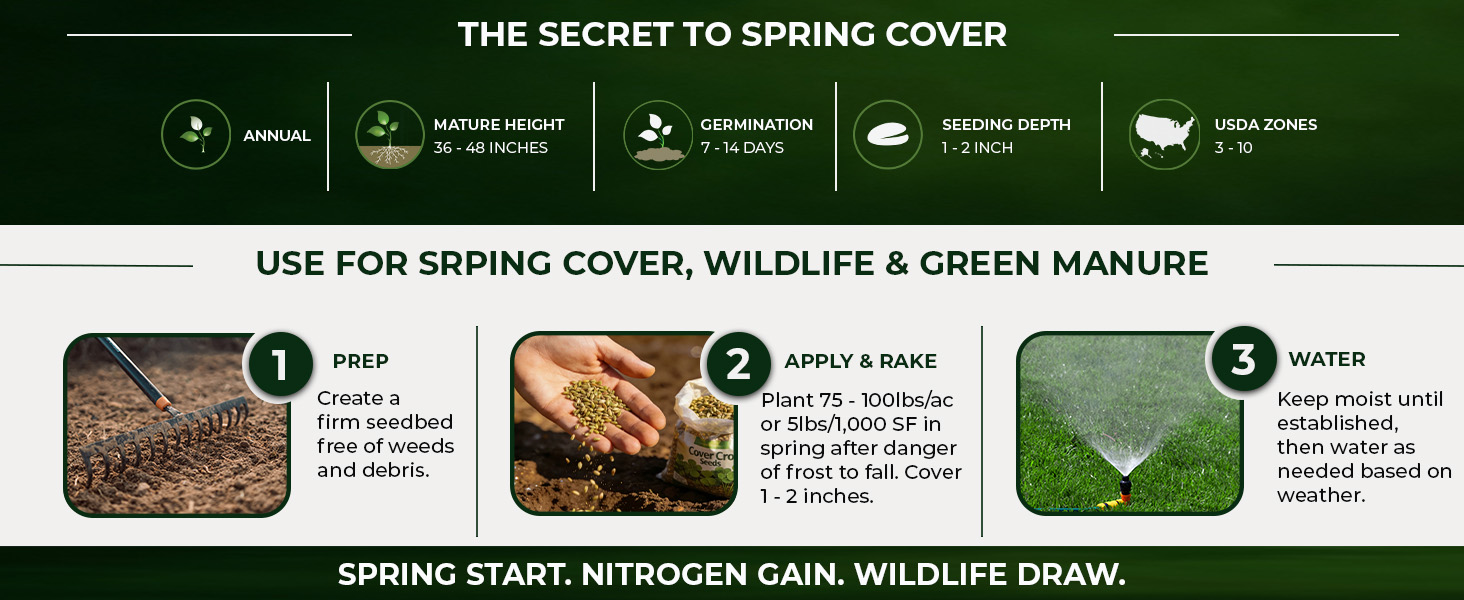
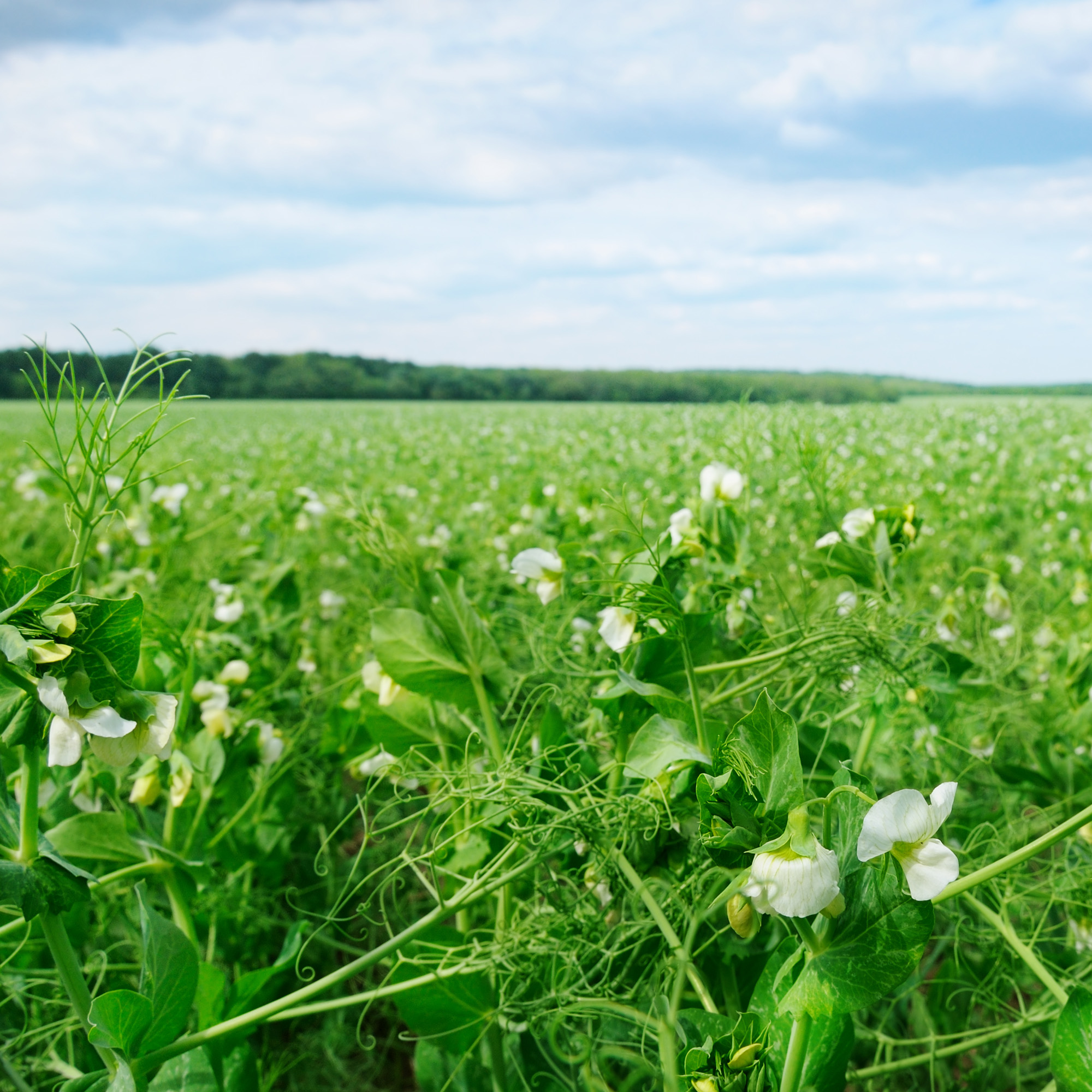
Plant Dundale spring peas as soon as the fields are able to work and expect field peas to grow rapidly in the spring. Seedlings are able to tolerate frost in the low 20s and will produce a new shoot if frost damage does occur. The plants will flowers in approximately 45 days and are ready for harvest in about 60 days.
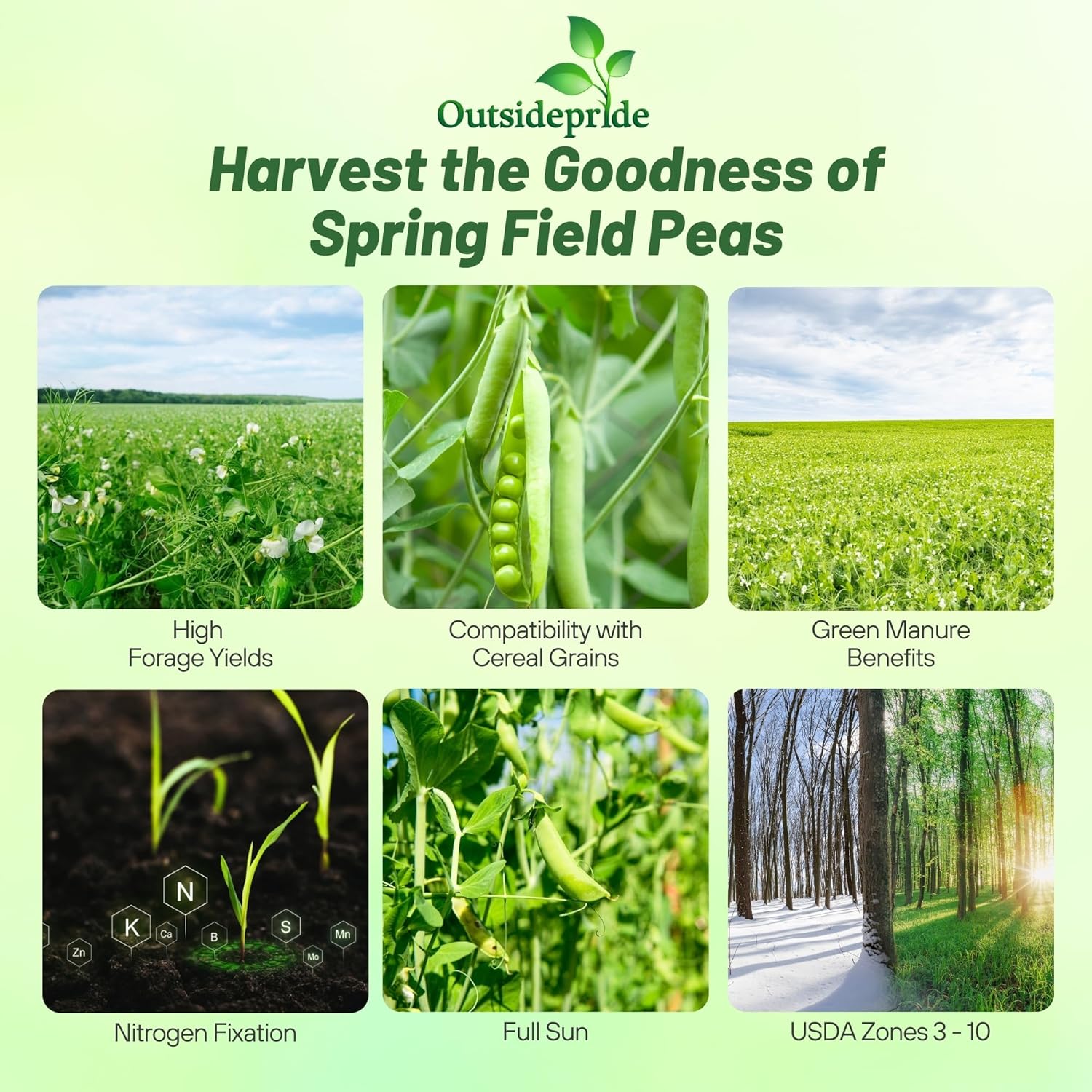
Field peas can be mixed with oats, barley or triticale and are an excellent source of protein forage. Research has shown that field pea is an excellent protein supplement in pigs, cattle and poultry rations. They are also excellent in wildlife mixes and bird seed mixes.
Spring field peas are also a good source of green manure for the soil. The thick foliage breaks down easily and enhances the quality of the soil. Field peas also fixate nitrogen and can greatly cut down the need to add fertilizers to the soil. Plant pea seed at a depth of 1 - 2 inches.
- High forage yields
- Mixes well with cereal grains
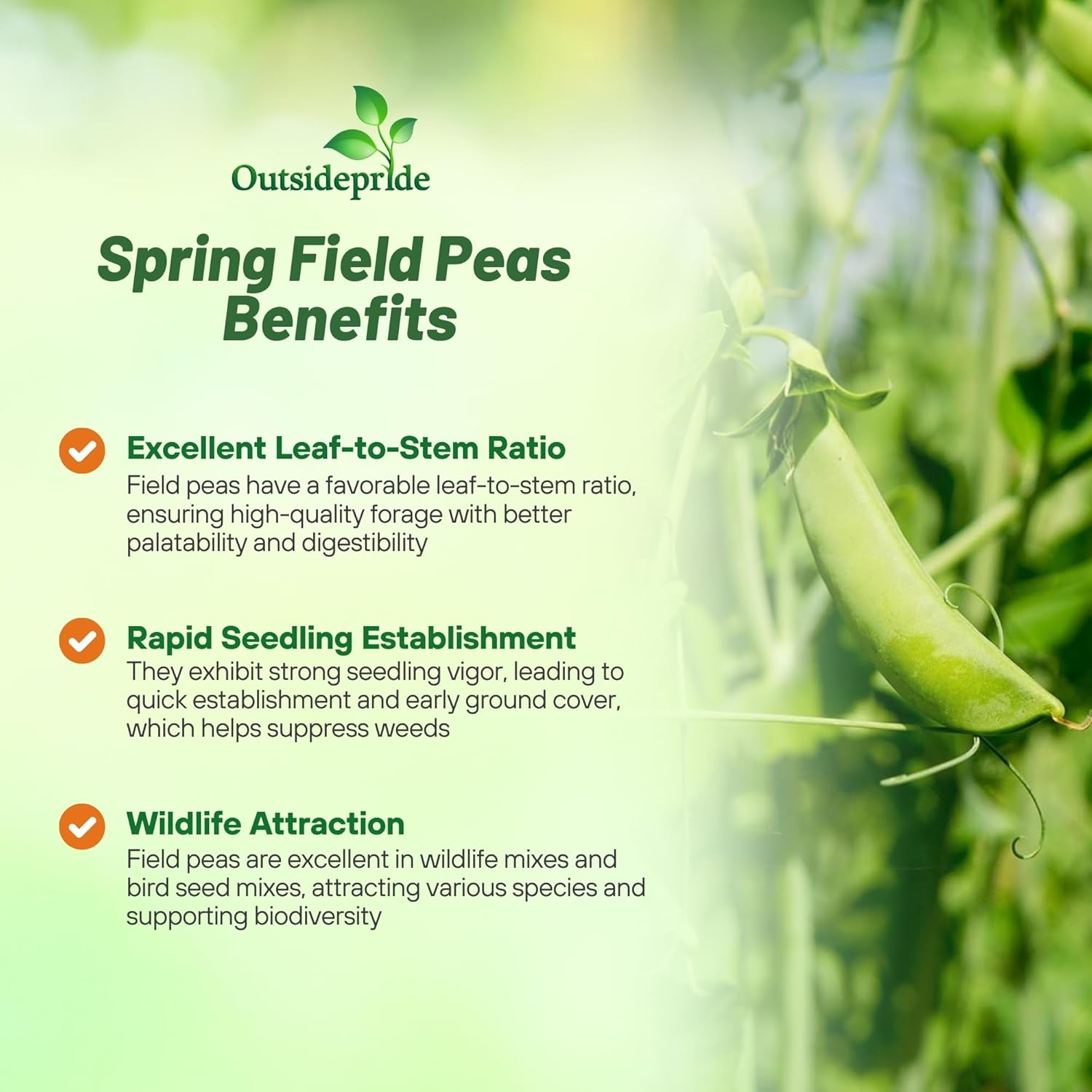
- Great leaf to stem ratio
- Excellent seedling vigor
- Large amounts of quality biomass
Seeding Rate: 75 to 100 lbs per acre. 5 lbs per 1,000 square feet.
Common Questions
Can You Mix Spring Field Peas With Other Seeds?
Field peas can be mixed with oats, barley or triticale and are an excellent source of protein forage. Field Peas are an excellent protein supplement in pigs, cattle and poultry rations. They are also excellent in wildlife mixes and bird seed mixes.
Can They Be Used As A Cover Crop?
Spring field peas are also a good source of green manure for the soil. The thick foliage breaks down easily and enhances the quality of the soil.
Do Field Peas Fixate Nitrogen?
Field peas also fixate nitrogen and can greatly cut down the need to add fertilizers to the soil while still producing large amounts of biomass.
What Can Field Peas Be Used For?
They are a versatile annual legumes primarily used for soil health, livestock forage, and companion cropping rather than as sweet garden table peas. Grown alongside small grains to provide high-quality livestock feed, green manure, or for grazing.
What Is The Seeding Rate & Planting Time?
Seed 75 - 100 pounds per acre at a depth of 1 - 2 inches. Plant in early Spring as soon as the soil can be worked when soil temperatures are at least 45F.
Videos