







Sweet Clover - Yellow

LATIN NAME
Melilotus officinalis

SEASON
Biennial

BLOOM COLOR
Yellow

WHEN TO PLANT
South (winter) - North (spring to early fall)

PLANT CHARACTERISTICS
Nitrogen fixator, drought tolerant

MOISTURE REQUIREMENTS
Low

ACIDIC SOIL TOLERANCE
Low

COLD TOLERANCE
Good

HEAT TOLERANCE
Low

SHADE TOLERANCE
Poor

FERTILITY NEEDS
Low
MATURE HEIGHT
48 inches

About...
Yellow Sweet Clover (Melilotus Officinalis)is a biennial legume with bright yellow flowers and a deep taproot. Use it as a cover crop or green manure to support nitrogen fixation and help improve soil structure. This versatile clover seed thrives in a wide range of conditions and can be planted across all 50 states. Outsidepride’s inoculated yellow clover seed is available at low, bulk prices with fast shipping right to your door.
MORE CLOVER OPTIONS

Planting Directions

SOWING TEMPERATURE
40F+

SEEDING RATE
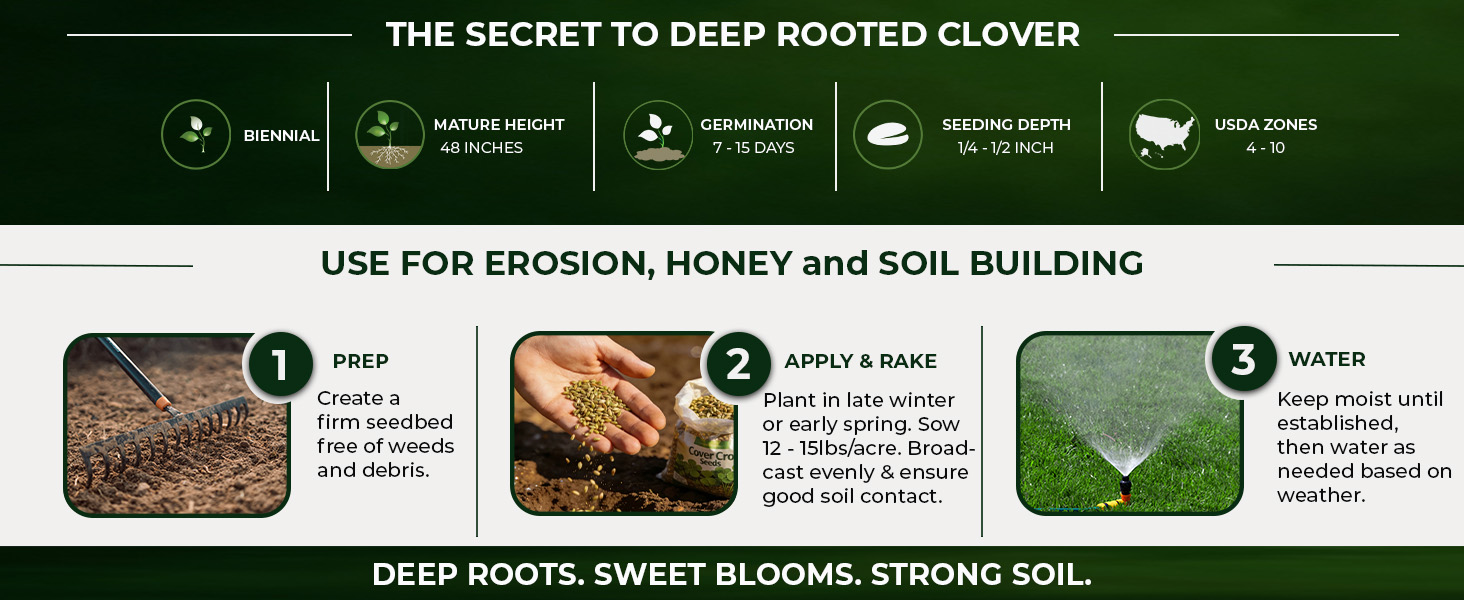
12 - 15 lbs per acre

AVERAGE GERM TIME
7 - 15 days

PLANTING DEPTH
1/4 - 1/2 inch

SOWING METHOD
Broadcast or drill

ENVIRONMENT
Full sun
USDA ZONES
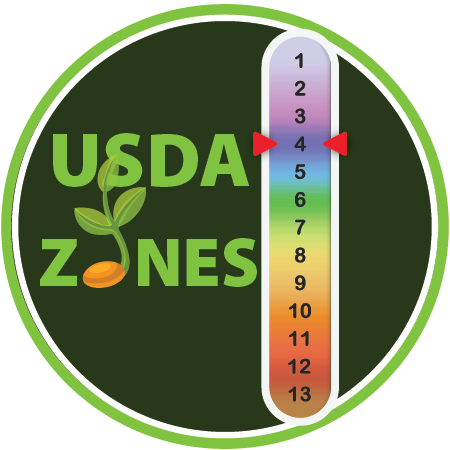
4 - 10

ESTABLISHMENT RATE
Moderate
Why Choose Yellow Sweet Clover Seed?
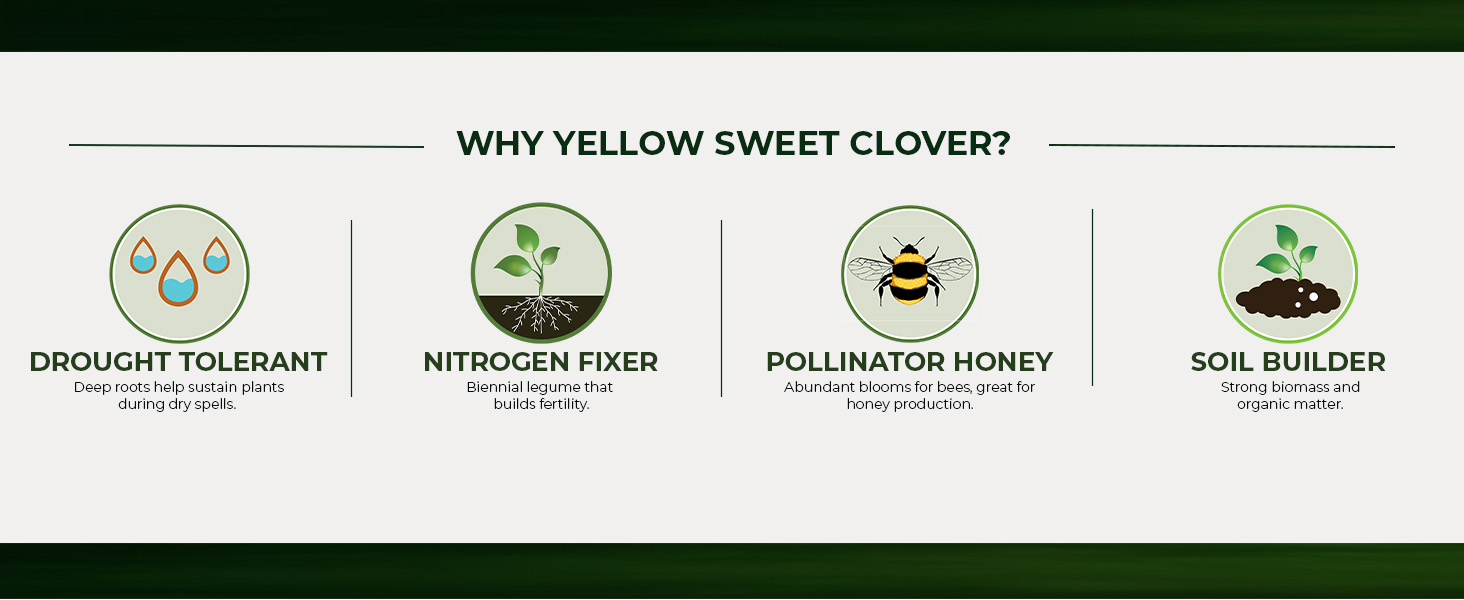
- Biennial
- Nitrogen-fixing
- Erosion control
- Deep taproot system
- Drought tolerant
- Winter hardy
- Pollinator-friendly
Our Inoculated Yellow Sweet Clover Seed
Our yellow clover seed is coated with a crop-specific Rhizobium inoculant to support nodulation, seed establishment, and nitrogen fixation. This coating makes up about 34% of the product weight and is not OMRI-certified.
Frequently Asked Questions
What is yellow sweet clover seed used for?
Yellow sweet clover is commonly planted as a cover crop and as forage for pollinators, birds, and wildlife. Deer, elk, and antelope feed on sweet clover stems, while bees use the flowers to produce honey.
Is yellow sweet clover an annual or a perennial?
Yellow sweet clover is a biennial. It typically grows vegetatively during its first year, then flowers and sets seed during its second year.
Can I use yellow sweet clover for a green manure crop?
Yes. Yellow sweet clover’s ability to grow rapidly and fix nitrogen make it an ideal green manure crop. Sweet clover is great at mining insoluble minerals like potassium and phosphorus from the lower levels of the soil and bringing them to the surface. Its long tap root also helps loosen hard packed soils.
Can I use sweet clover for reclamation?
Yes. Yellow sweet clover’s rapid growth and easy establishment make it is a popular choice for reclamation seedings. It also works well on road cuts, post-fire sites, and other disturbed areas
Why does my sweet clover produce lots of leaves but few flowers?
When sweet clover seeds grow more leaves than flowers, it is usually because the soil has too much nitrogen from fertilizers. Clover naturally fixes nitrogen, so excess feeding pushes leafy growth instead of blooms. Reducing nitrogen input and ensuring adequate phosphorus and potassium will encourage better flower production and longer blooming periods.
How often should I mow clover to keep it blooming?
Clover should not be mowed too frequently, as cutting removes developing flower buds. Mowing once after the peak bloom allows seeds to form and flowers to regenerate. Setting mower blades higher and leaving patches uncut will help extend the blooming season naturally.
Can overwatering reduce clover blooming?
Yes, overwatering creates waterlogged soil, suffocating roots and encouraging fungal diseases that weaken plants. Clover thrives in evenly moist but well-drained soil. Deep, infrequent watering supports strong root systems and healthier blooms, while consistent overwatering reduces flowering and may cause early plant decline.
Why is soil pH important for clover flowers?
Soil pH affects nutrient availability. If the soil is too acidic or alkaline, clover cannot absorb key elements like phosphorus and potassium that support flowering. Testing soil regularly and adjusting pH with lime or sulfur ensures balanced conditions and better blooming performance.
Can clover grow well in shady areas?
Clover tolerates partial shade but produces fewer flowers with less sunlight. For abundant blooms, plant sweet clover seed where it receives at least six hours of direct sun daily. If your garden is shaded, trimming trees or relocating clover to sunnier spots can significantly improve blooming
Is yellow clover drought resistant?
Yes. Yellow clover is exceptionally drought-resistant, making it a reliable choice for arid regions and water-conservation efforts. Its deep roots access moisture far below the soil surface, ensuring vigorous growth even in dry conditions.
-
Choose the right time Planting time for yellow clover seed depends on your region. In the North, plant in the spring after the threat of frost has passed. In the South, plant in the winter.
-
 Choose the right location Select a planting area with well-drained soil and full sun exposure. The ideal soil pH is 6.5 or above.
-
 Prepare the soil Till or loosen the soil to a depth of 2-3 inches.
-
 Plant the seed Broadcast or drill seeds at a rate of 10-20 pounds per acre and a depth of 1/4 to 1/2 inch. Spread seeds evenly and lightly rake into the soil.
-
 Water consistently Keep seeds moist with regular watering, especially during germination and establishment.
Planting Directions
Videos