

Capparis Spinosa Caper Bush Flower Seeds

Capparis Spinosa Seeds

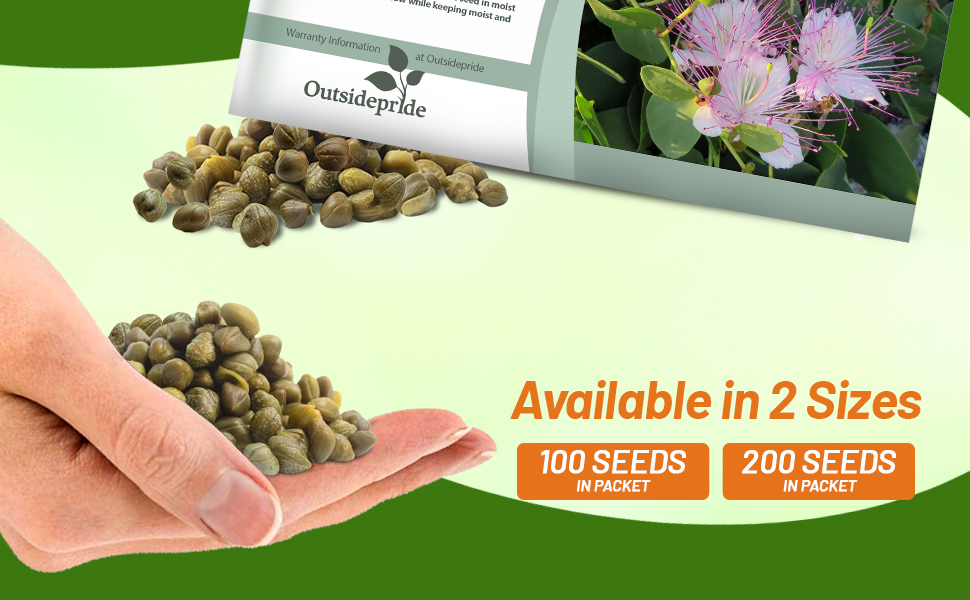
100 Seeds
.......................................................................................................................................................
4.99
200 Seeds
.......................................................................................................................................................
8.99

SEASON

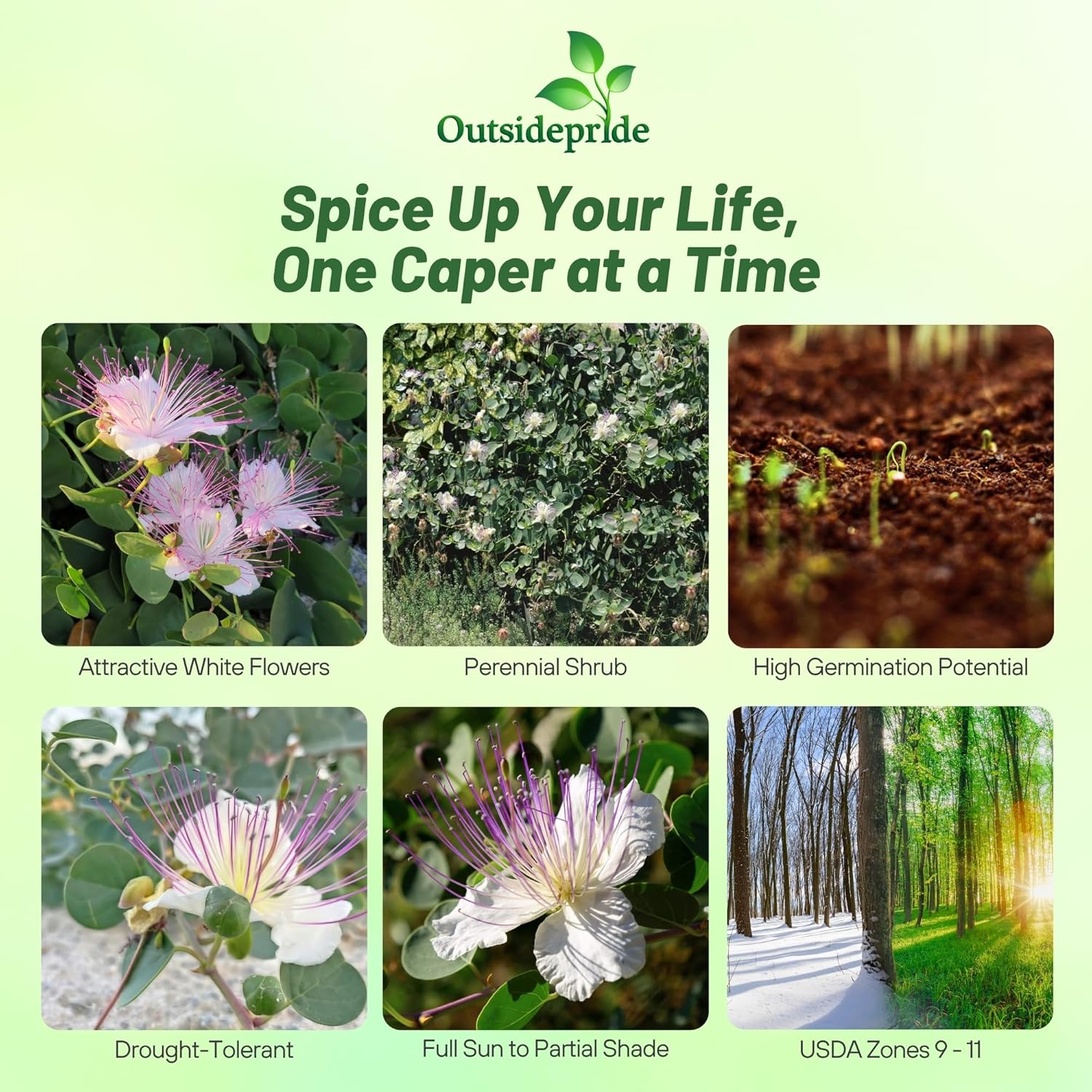
Perennial

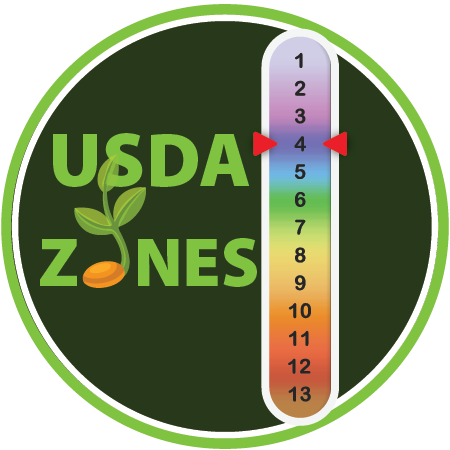
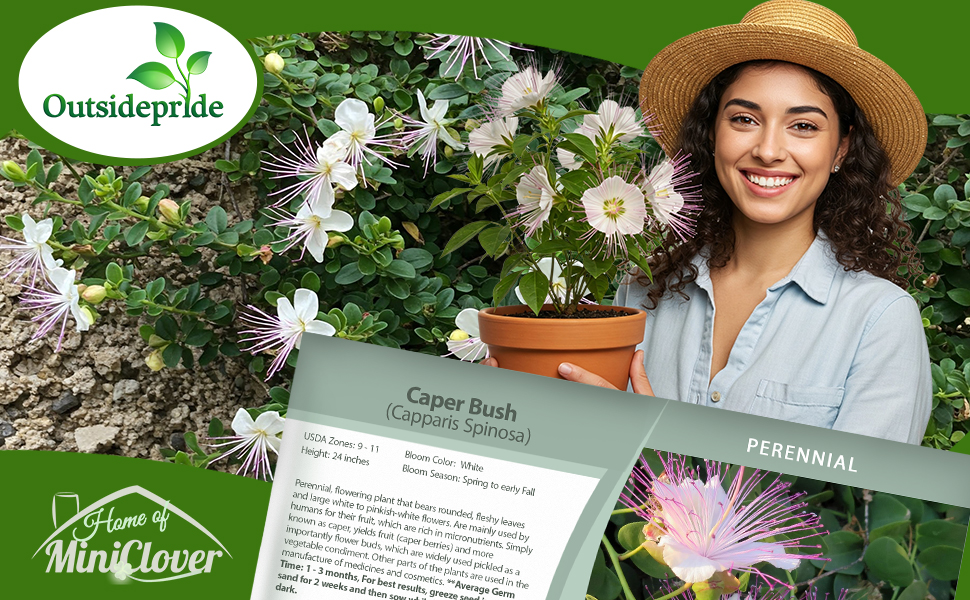
USDA ZONES

9 - 11

HEIGHT

24 inches

BLOOM SEASON

Spring to early fall

BLOOM COLOR

White

ENVIRONMENT

Full sun to partial shade

SOIL TYPE

Well drained soil, but can tolerate poor quality

DEER RESISTANT

Yes

About...

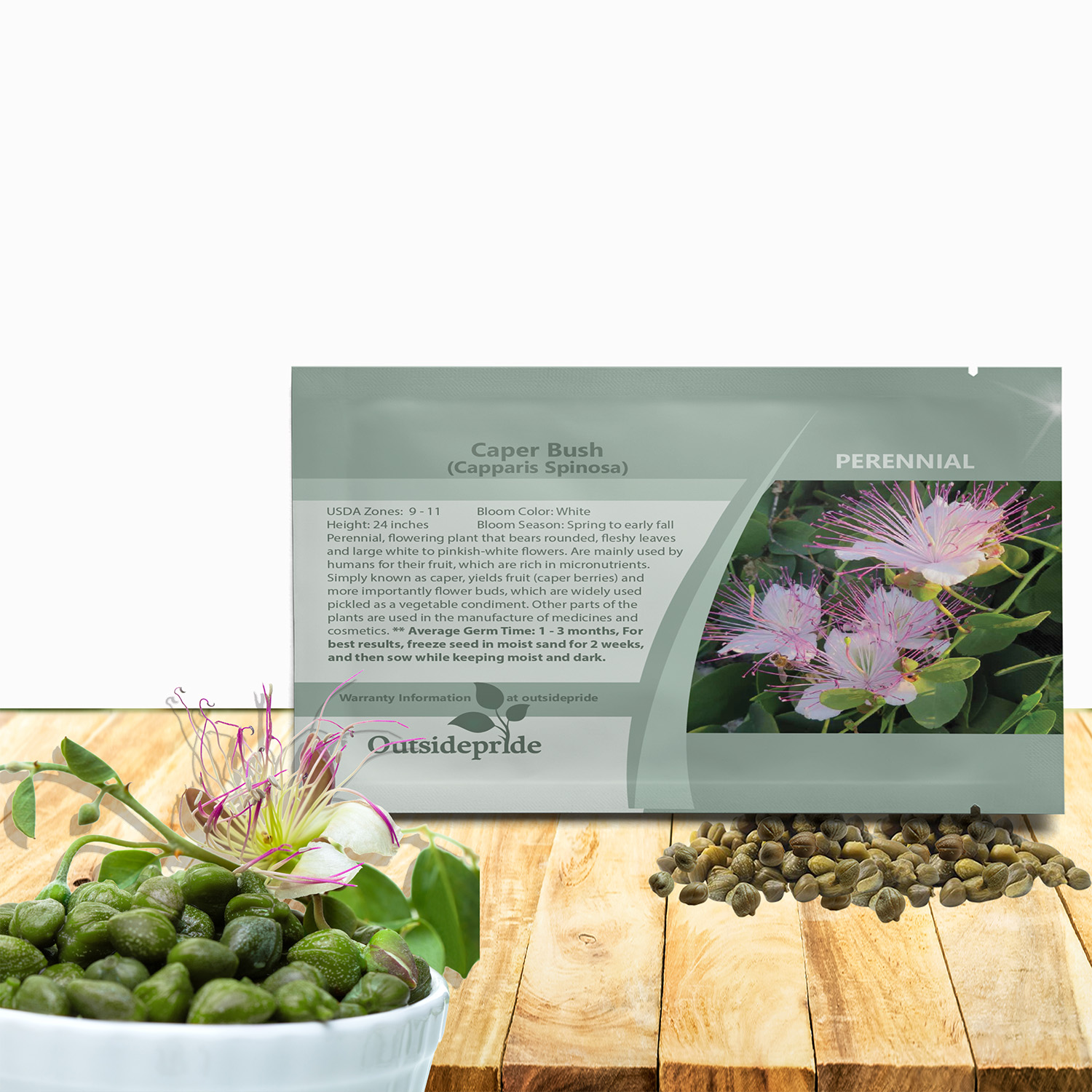
Caper Bush (Capparis Spinosa) - the caper bush, also called Flinders rose, is a perennial, flowering plant that bears rounded, fleshy leaves and large white to pinkish-white flowers. Caperbushes are mainly used by humans for their fruit, which are rich in micronutrients.
ABOUT
FAQ's
VIDEOS

Planting Directions

TEMPERATURE

41F Max

AVERAGE GERM TIME

1 - 3 months, For best results, freeze seeds in moist sand for 2 weeks...more 1 - 3 months, For best results, freeze seeds in moist sand for 2 weeks, and then sow while keeping moist and dark....less

LIGHT REQUIRED

No

DEPTH

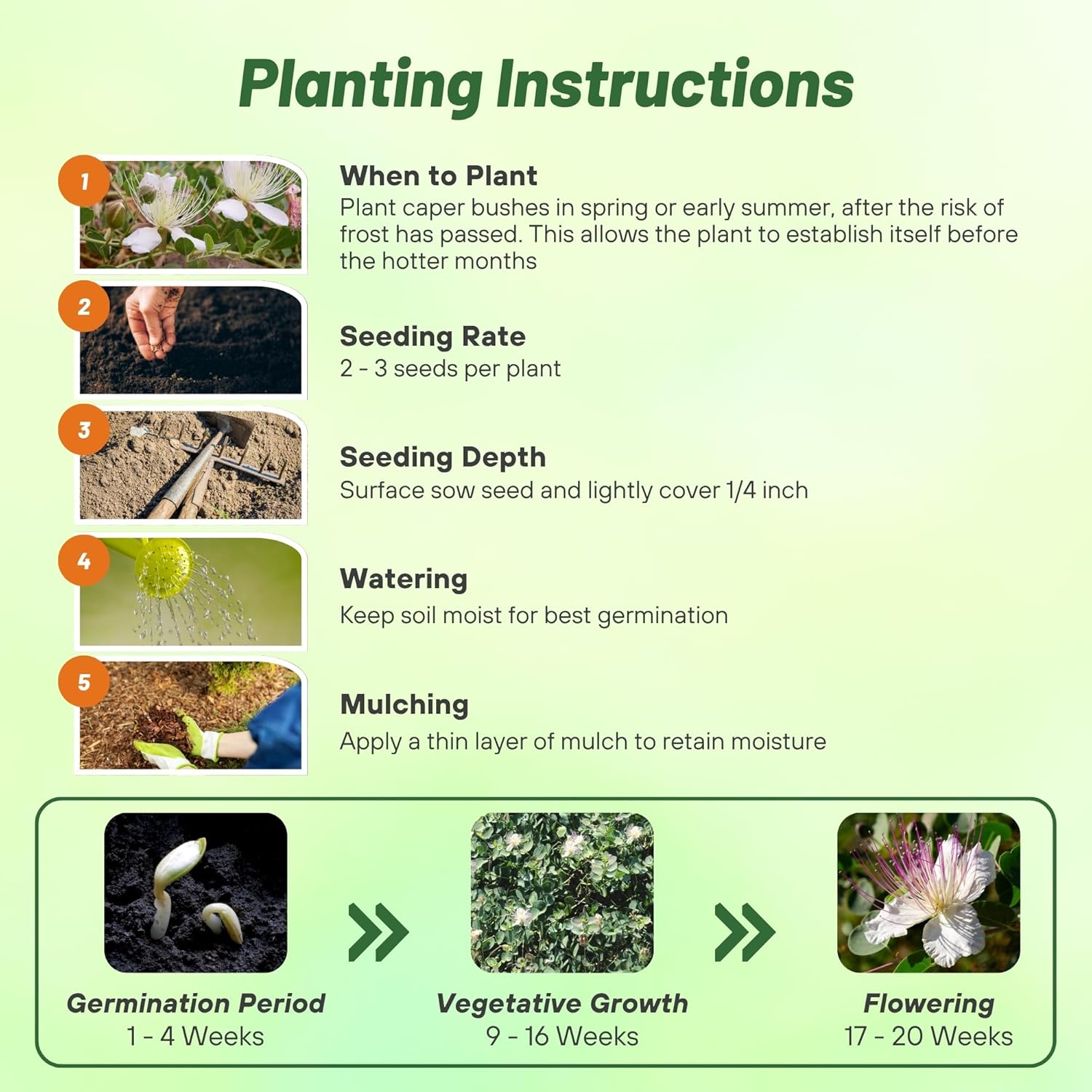
1/4 inch

SOWING RATE

2 - 3 seeds per plant

MOISTURE

Keep seeds moist until germination

PLANT SPACING

36 - 48 inches

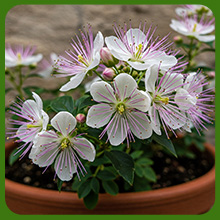
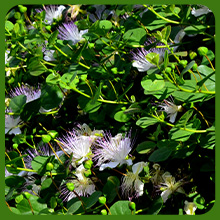
Caper Bush Plants in Garden
Caper Bush Seed Packets
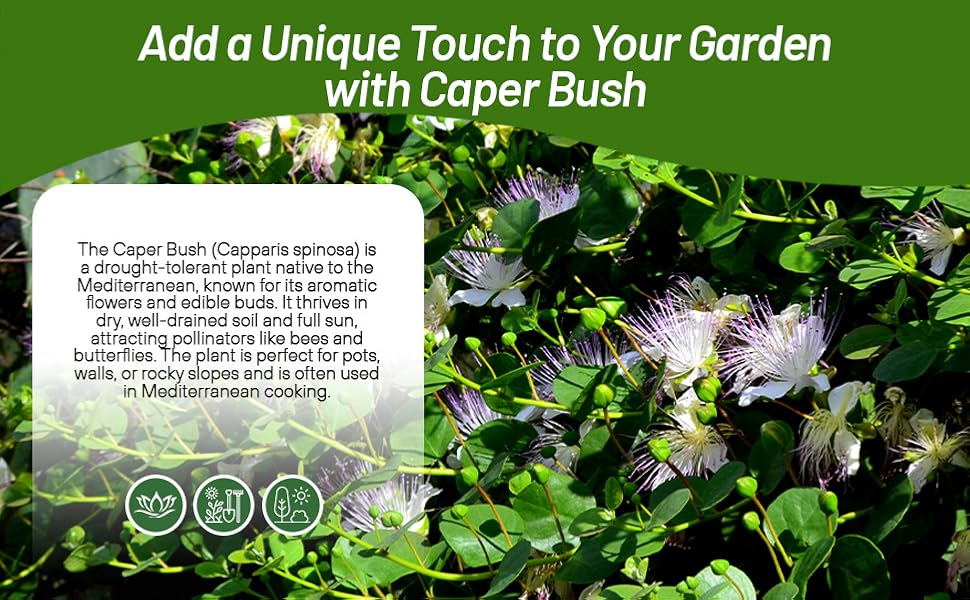
Our Outsidepride Caper Bush (Capparis Spinosa) Herb seeds are a stunning, drought-tolerant perennial plant suitable for gardeners in areas under USDA Zones 9-11. Known for its aromatic, vibrant white to pinkish flowers that stand at 24 inches in height, it grows in well-drained soil and full sun, making it well-suited for Mediterranean-themed gardens. Easy to grow, our herb bushes and shrubs attract pollinators like bees and butterflies, and their edible buds and caper berries are great for pickling and adding flavor to Mediterranean dishes. Add beauty and versatility to your garden with our hardy, low-maintenance shrub!
Caper Bush Large, Pinkish-White Blooms
Large, Pinkish-White Blooms
The Caper Bush seeds produces stunning, large, pinkish-white blooms that catch the eye and add beauty to any garden. Our flowers bloom from spring through early fall, are not only visually appealing but also the suitable flowering seeds to plant for a healthy herb garden.
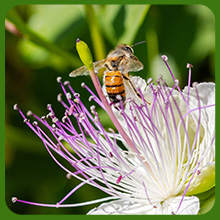
Pollinating Bee on Caper Bush Plant
Pollinator Friendly
Caper Bush is a pollinator-friendly plant, attracting bees, butterflies, and moths with its abundant nectar. By growing our heirloom seed pack, it helps support local pollinator populations, which are crucial for maintaining wildlife and ensuring the successful pollination of many other plants.
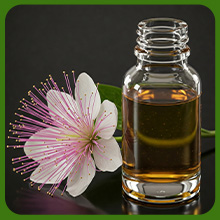
Caper Bush Oil For Condiments
Versatile Uses
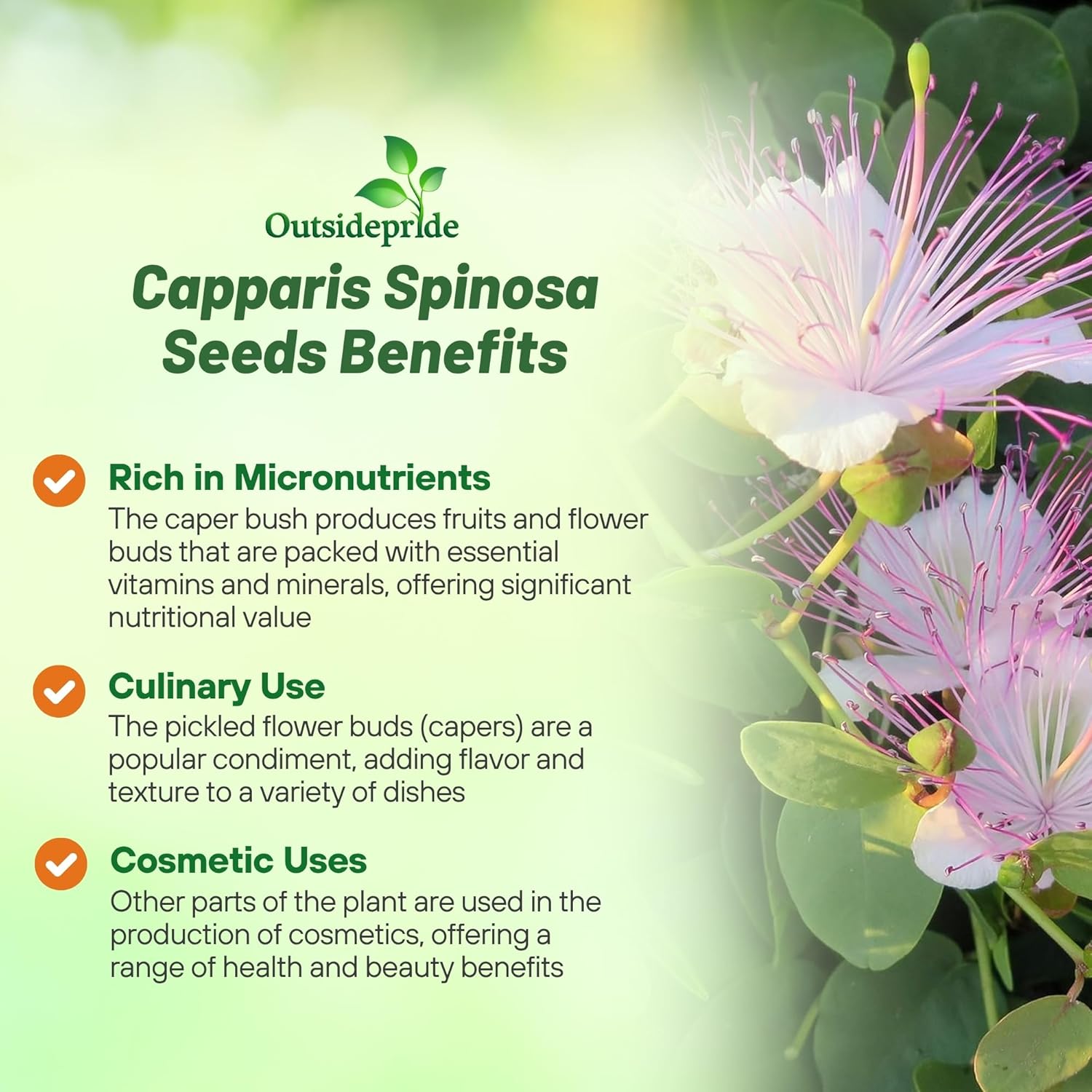
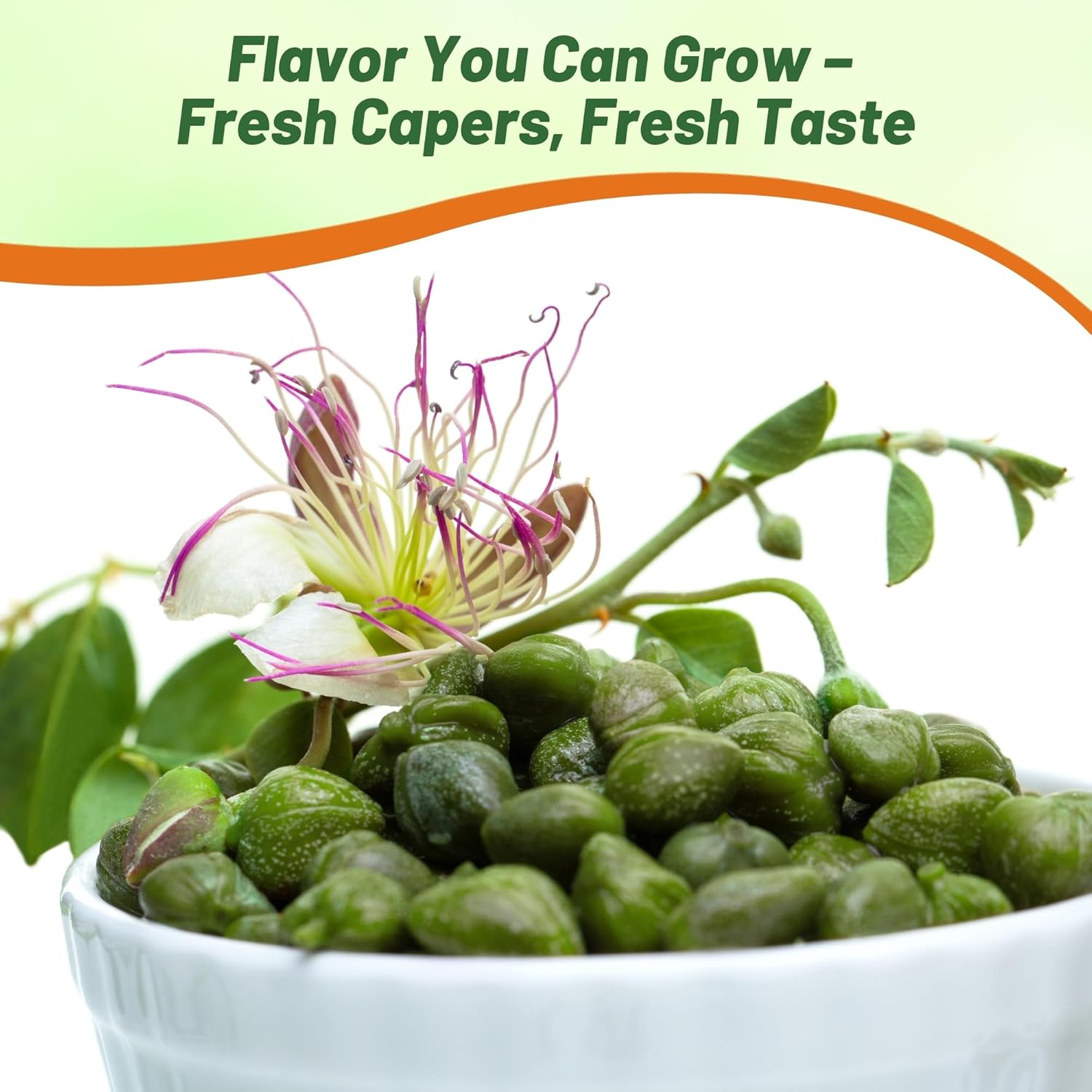
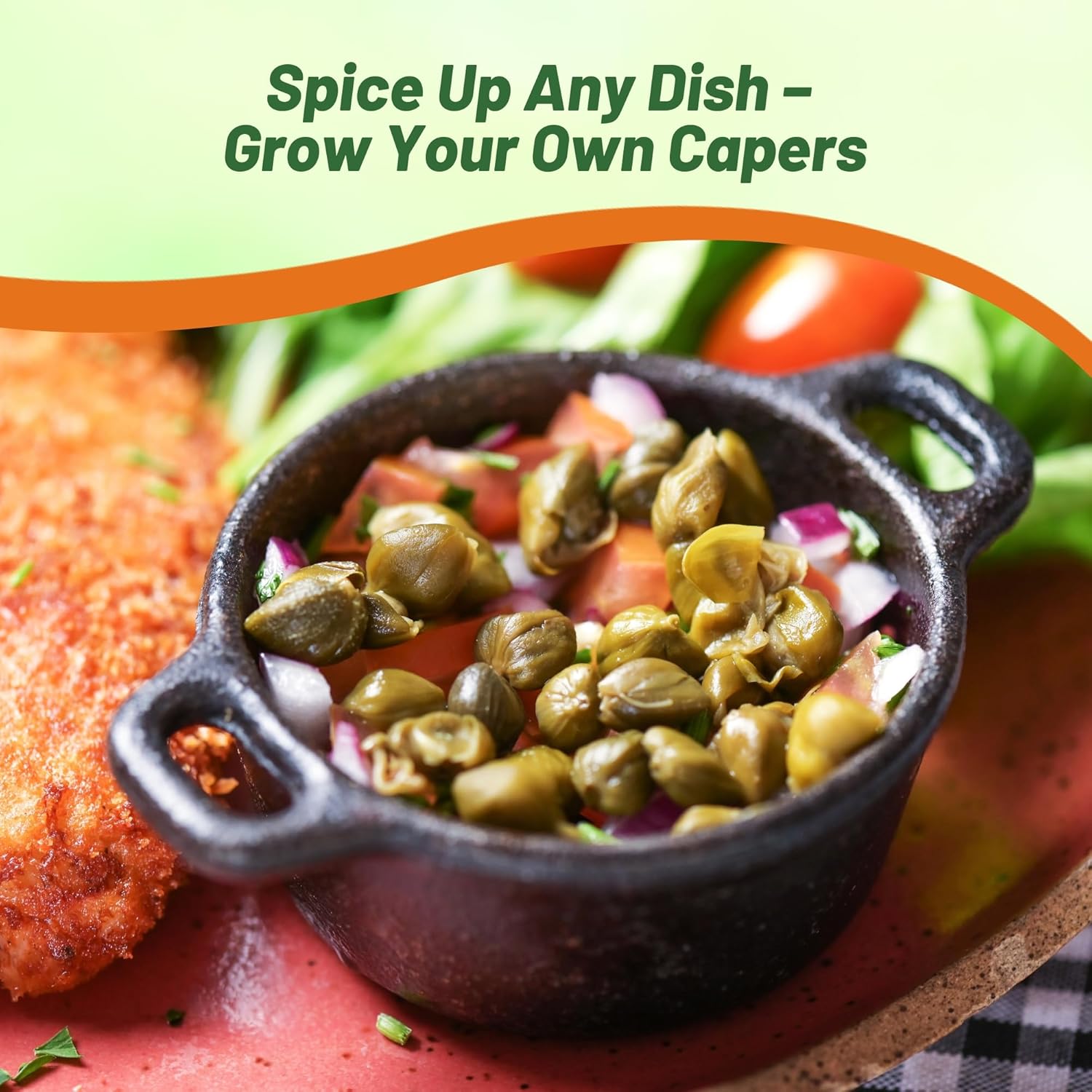
Beyond its ornamental value, our herb seeds for planting offers a wide array of uses. Our caper plant are harvested to make tangy, nutritious condiment for a flavorful twist. Our fragrant bushes is also used for its properties, offering various benefits that have been utilized in traditional uses.
Drought Tolerant Caper Bush Plant
Drought Tolerant
Our perennial bush seeds is drought-tolerant plant, suitable in dry conditions once established. Our hardy plant requires minimal water, making it a great choice for low-water gardens or regions with arid climates, offering both beauty and practicality without demanding frequent irrigation.
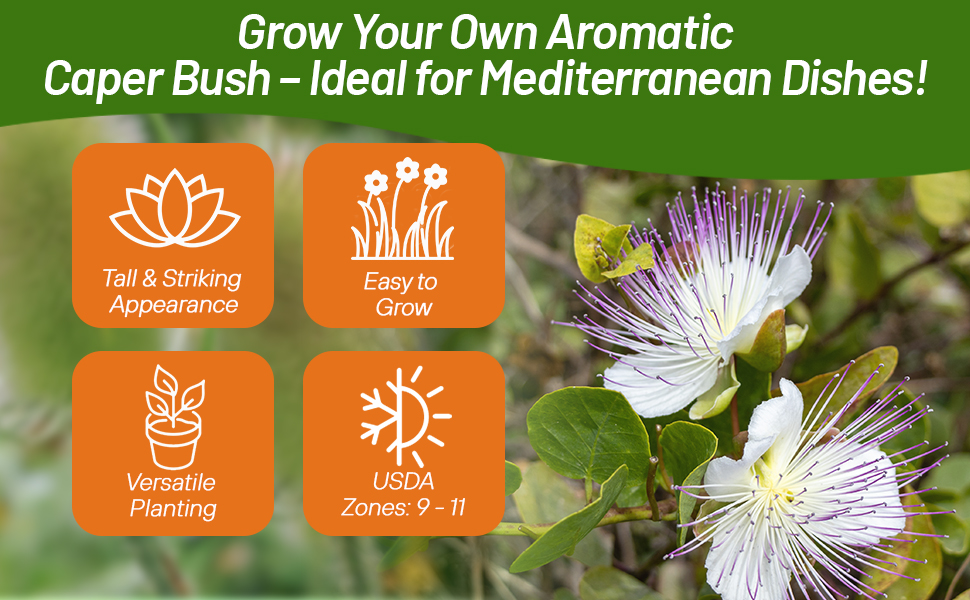
Aromatic Caper Bush Tall Flowers Culinary Herb Plant
Our Caper Bush is a stunning addition to any garden, offering tall, aromatic flower bulbs that add beauty and functionality. Its vibrant flowers, which are suitable for culinary herbs and seeds for Mediterranean dishes, make it a standout feature in your garden. Easy to grow in USDA Zones 9-11, our herb shrub seeds grow in well-drained soil and full sun. With versatile planting options, it’s suitable for various garden setups, whether planted in pots, beds, or along garden walls.
Drought Tolerant Capparis Spinosa
Our perennial flowering bushes and shrubs are drought-tolerant and grow in dry, well-drained soil and full sun. Native to the Mediterranean, it’s not only a beautiful ornamental addition but also attracts beneficial pollinators like bees and butterflies. Our hardy shrub is suitable for various garden environments, including pots, walls, and rocky slopes. The Caper Bush’s edible buds and berries seeds for planting are widely used in Mediterranean cuisine, enhancing both your garden and your cooking experience.
Seeding Rate & Planting Time For Capparis Caper Bush Plant Seed
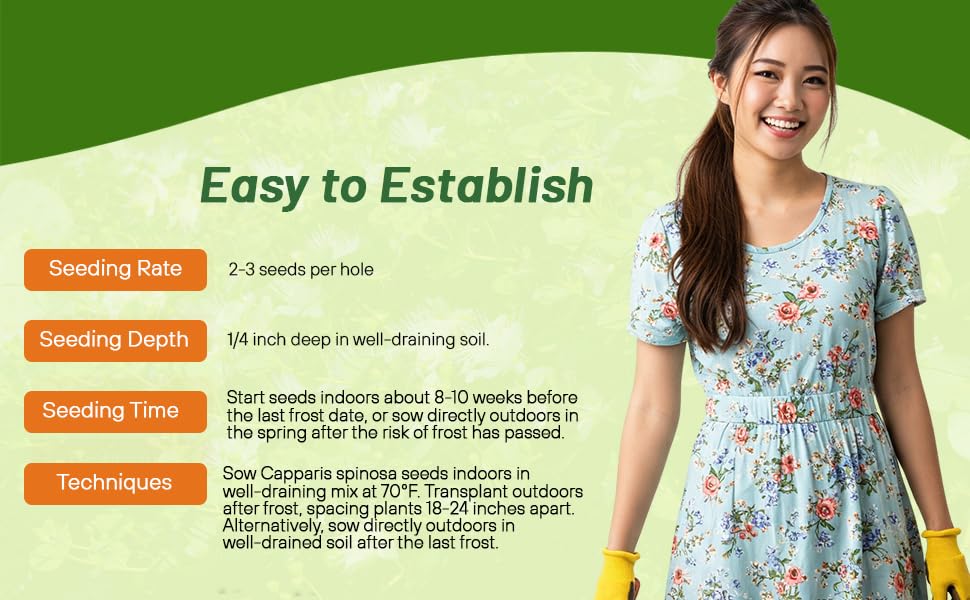
The Caper Bush is a straightforward plant to grow, with simple planting techniques that ensure successful establishment. Start by sowing 2-3 seeds indoors around 8-10 weeks before the last frost or directly outdoors after the risk of frost has passed. The seeds should be planted 1/4 inch deep in well-drained soil under 41°F maximum. Once the seedlings are established, transplant them into the garden, spacing plants 18-24 inches apart to allow for a germination time of 1-3 months, offering resilient and flavor-rich plants.

Caper Bush (Capparis Spinosa) - the caper bush, also called Flinders rose, is a perennial, flowering plant that bears rounded, fleshy leaves and large white to pinkish-white flowers. Caperbushes are mainly used by humans for their fruit, which are rich in micronutrients. Capparis spinosa, simply known as caper, yields fruit (caper berries) and more importantly flower buds, which are widely used pickled as a vegetable condiment. Other parts of Capparis plants are used in the manufacture of medicines and cosmetics.

Common Questions

Q

How long will it take for a caper bush to flower?

A

These plants grow slowly, reaching maturity in about two years and hitting optimal bud production the following year.

Q

How do you harvest buds from a caper bush?

A

Once your bush is thriving, you can begin harvesting buds in the summer. Ensure that the buds you select are dark green, compact, and at least 1/4-inch wide. It's best to pluck them in the morning as they may start to unfurl in the heat of the day. Afterward, sun-dry the buds before brining, salting, or pickling them.

Q

Do caper bushes make good plants for a rock garden?

A

They thrive in gravelly soil, making them a great choice for a sunny courtyard or rock garden.

Videos

HOW ITS MADE