










Iris Missouriensis Seeds

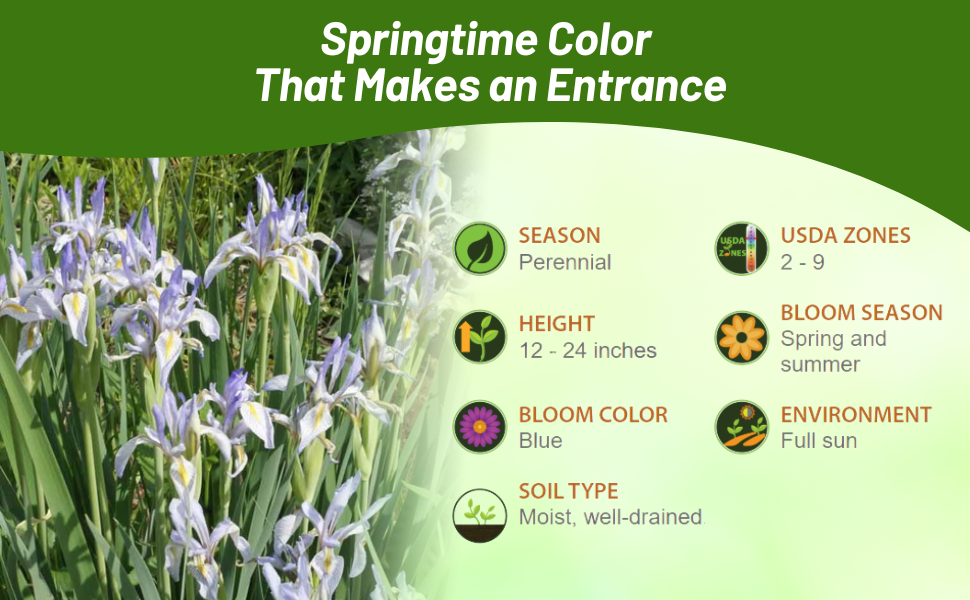
SEASON
Perennial
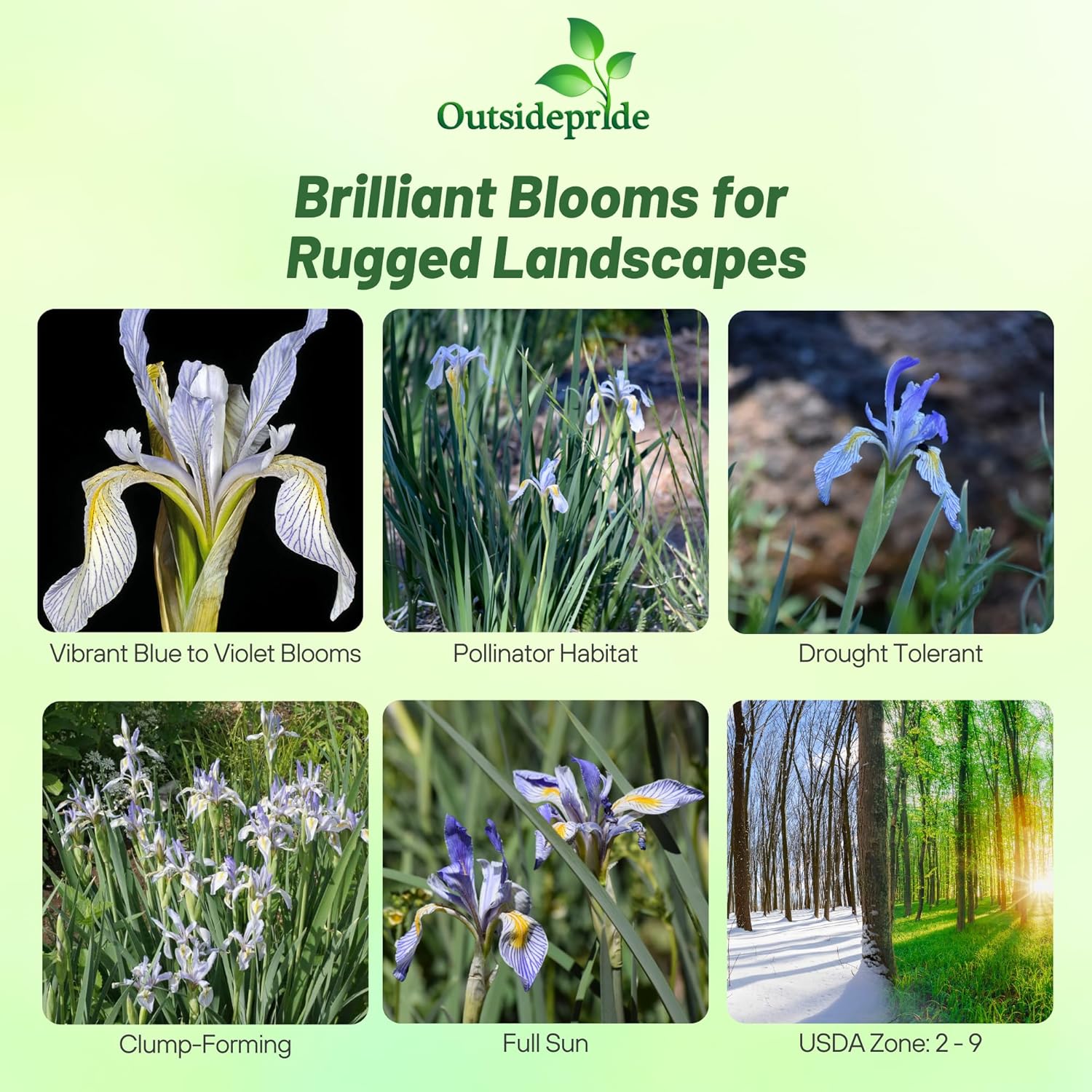
USDA ZONES
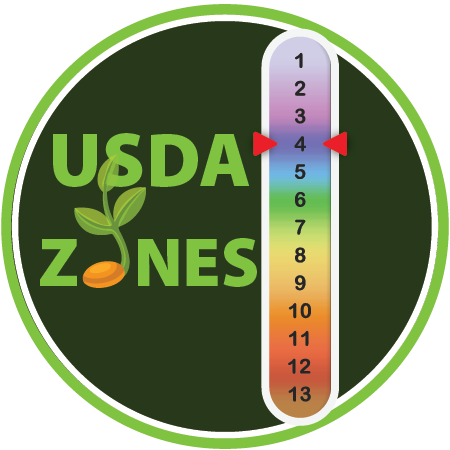
2 - 9

HEIGHT
12 - 24 inches

BLOOM SEASON
Spring and summer

BLOOM COLOR
Blue

ENVIRONMENT
Full sun

SOIL TYPE
Moist, well-drained, pH 6.1 - 7.8
DEER RESISTANT
Yes

LATIN NAME
Iris missouriensis

About...
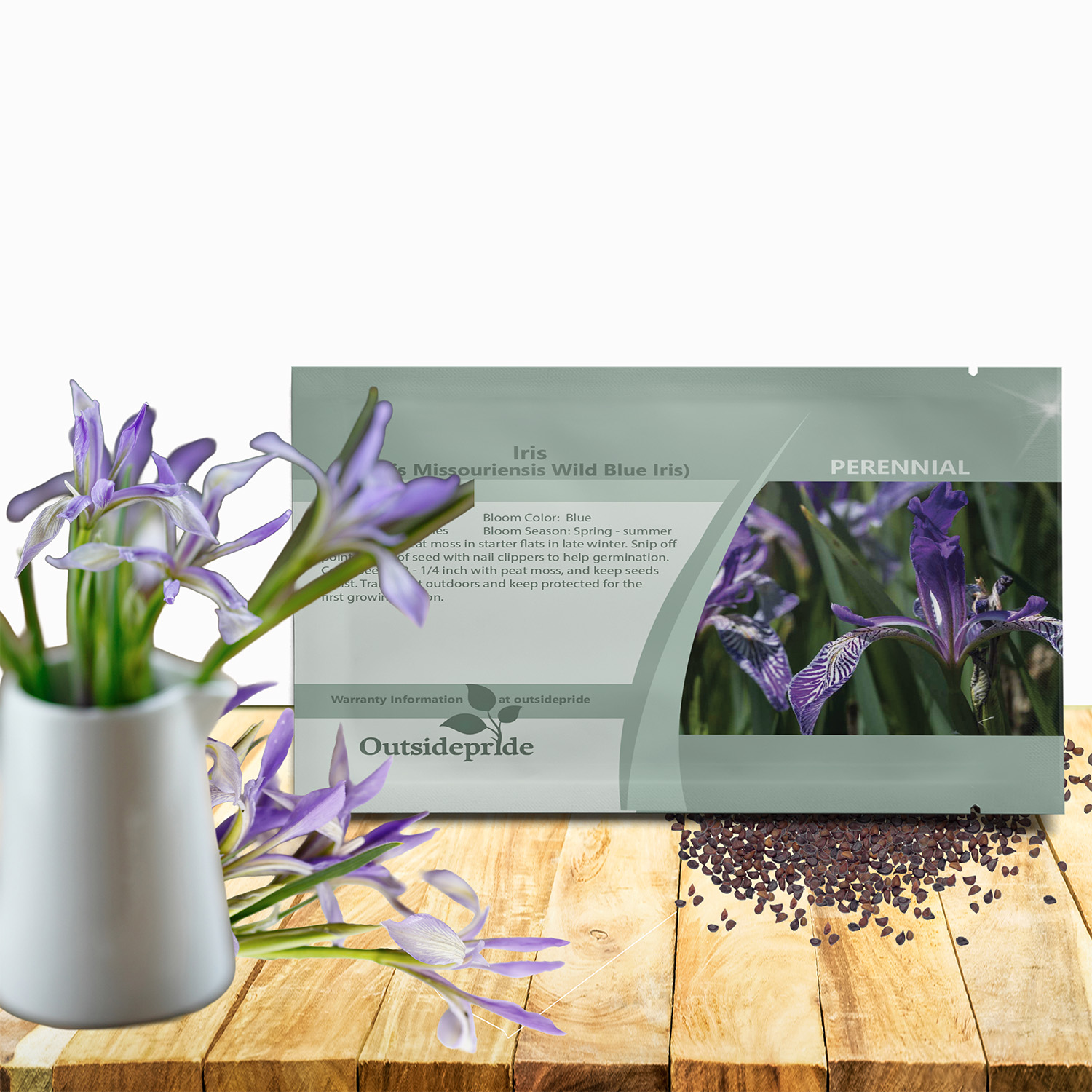
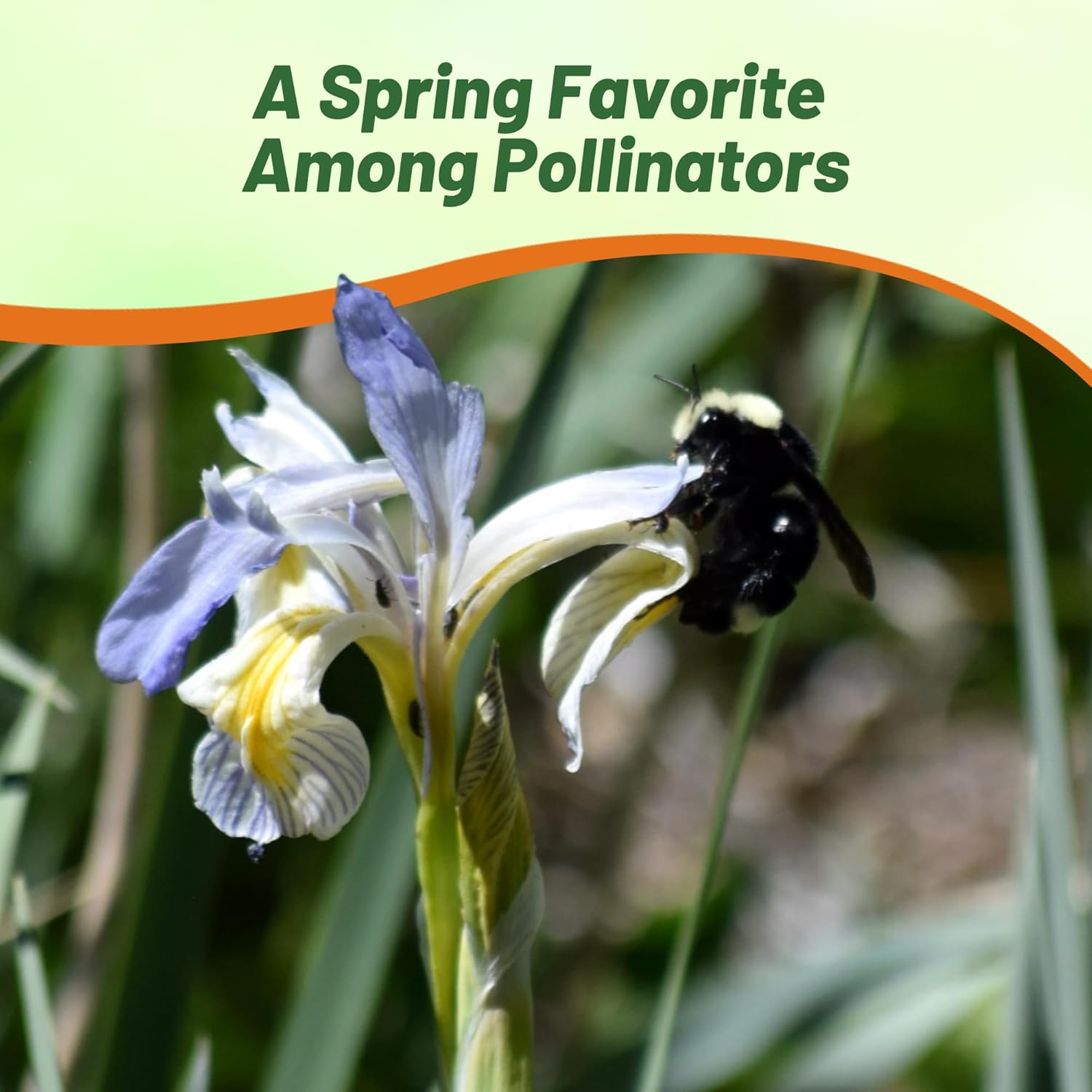
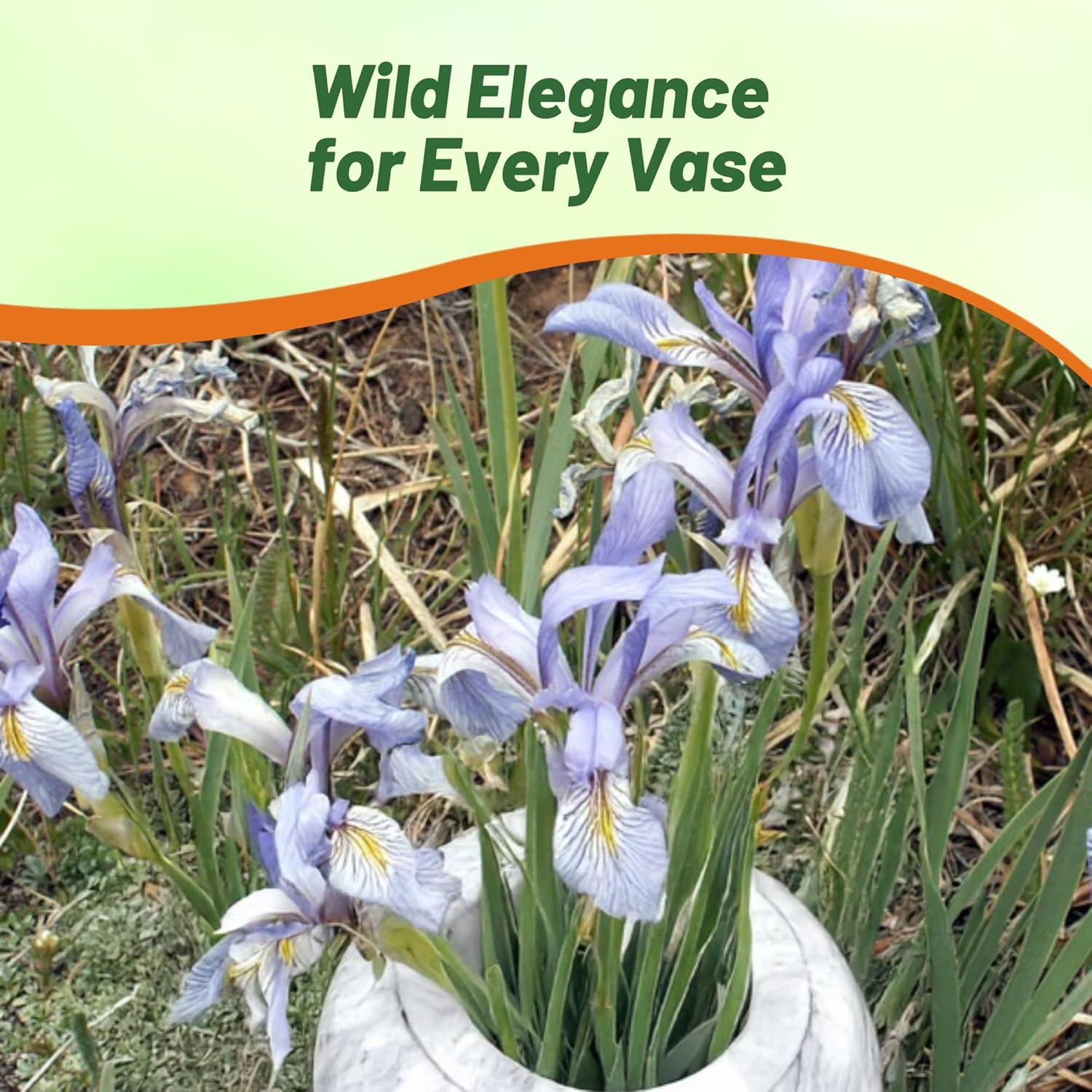
Iris (Iris Missouriensis Wild Blue Iris) - Hummingbirds love the blue, showy flowers of the Wild Blue Iris. Grow this perfectly shaped miniature Iris from flower seed for your garden, and enjoy the 3 inch blooms that most often are in shades of blue to violet.MORE FLOWER OPTIONS

Planting Directions
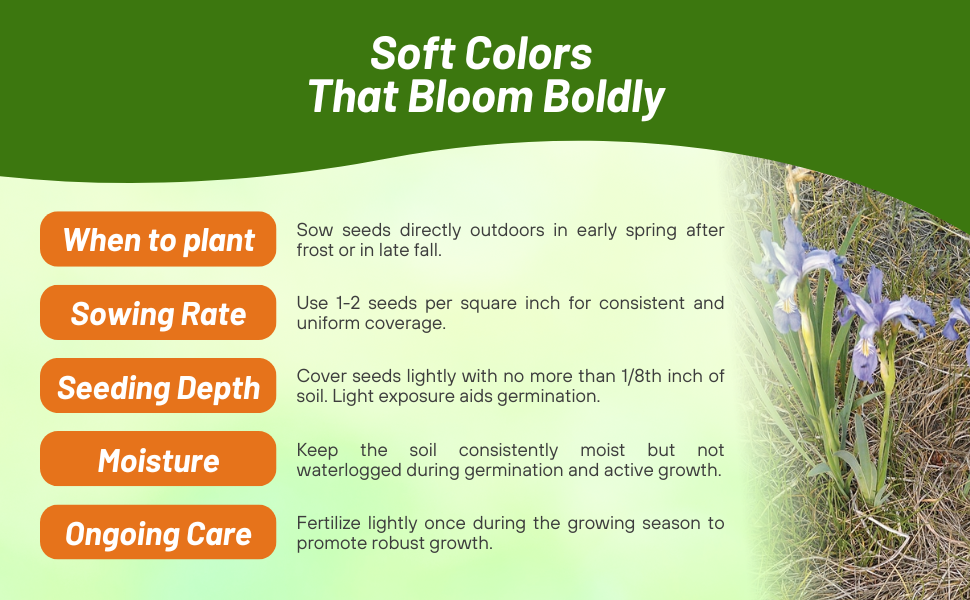
TEMPERATURE
64 - 72F
AVERAGE GERM TIME
14 - 28 days

LIGHT REQUIRED
Yes

DEPTH
1/8 -1/4 inch

SOWING RATE
1 - 2 seeds per plant
MOISTURE
Keep seeds moist until germination

PLANT SPACING
6 - 12 inches
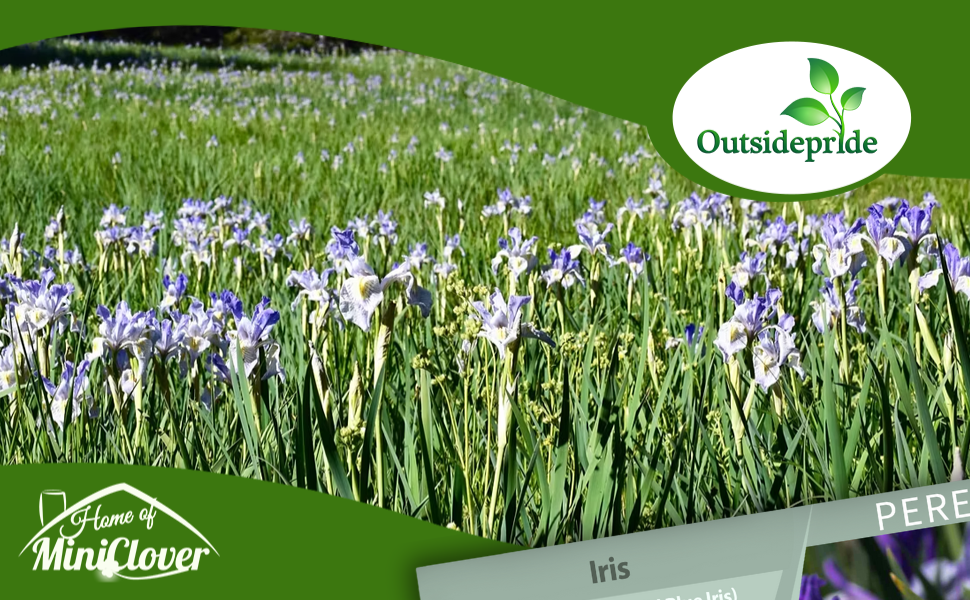
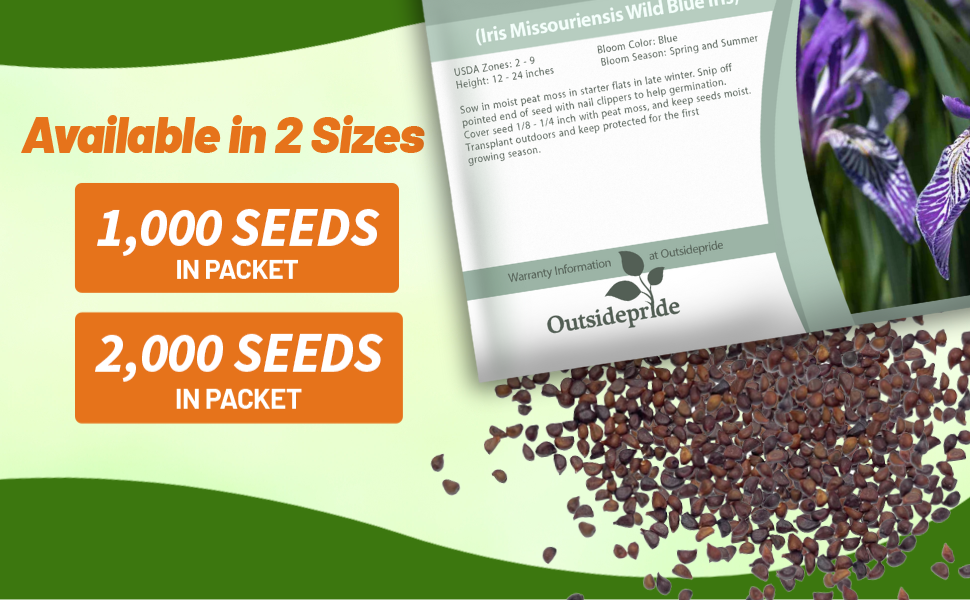
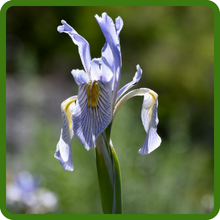
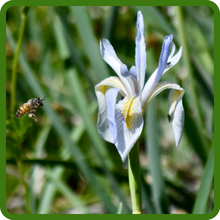
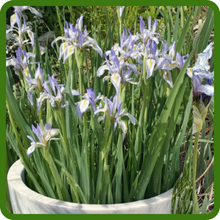
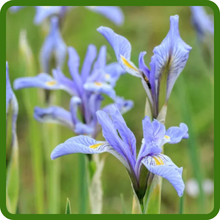
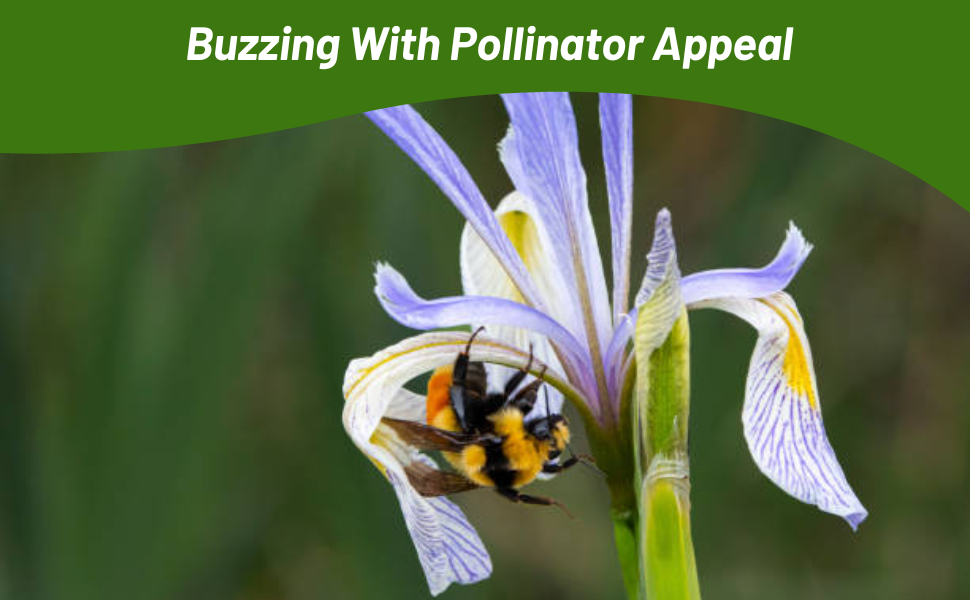
Iris (Iris Missouriensis Wild Blue Iris) - Hummingbirds love the blue, showy flowers of the Wild Blue Iris. Grow this perfectly shaped miniature Iris from flower seed for your garden, and enjoy the 3 inch blooms that most often are in shades of blue to violet. Wild Iris typically only grows approximately one foot tall including the foliage and flower stalk; however, it is not uncommon to see them in meadows up to two feet tall. Wild Iris is also known as Rocky Mountain Iris, Wild Blue Flag Iris, and Western Blue Flag Iris.
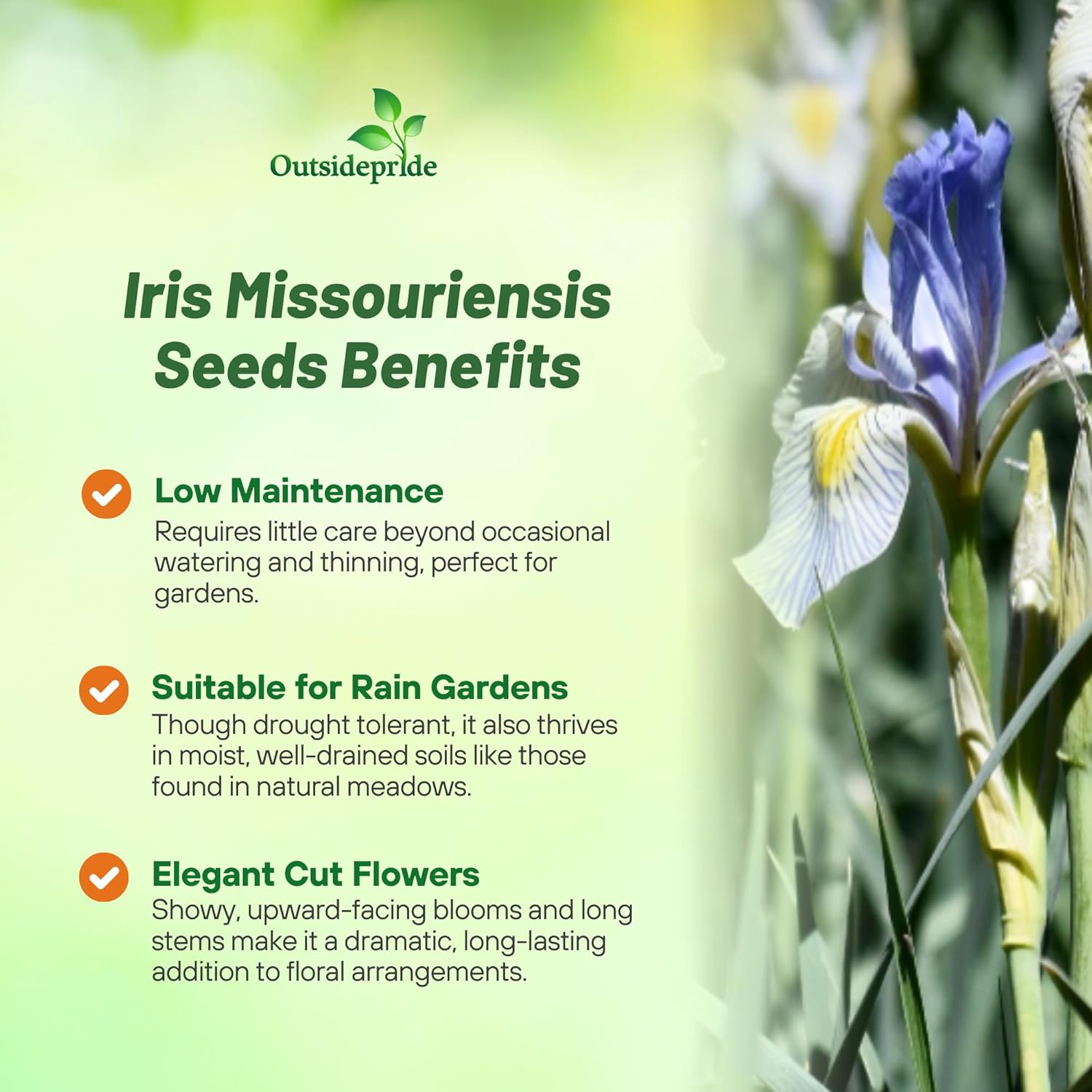
Rocky Mountain Iris is often found in meadows and stream banks where there is plenty of moisture. It has low tolerance to drought and prefers regular waterings. This perennial Iris can spread from thick rhizomes. Western Blue Flag plants are free-flowering and long-lived. They are very carefree and provide a wonderful display of color.
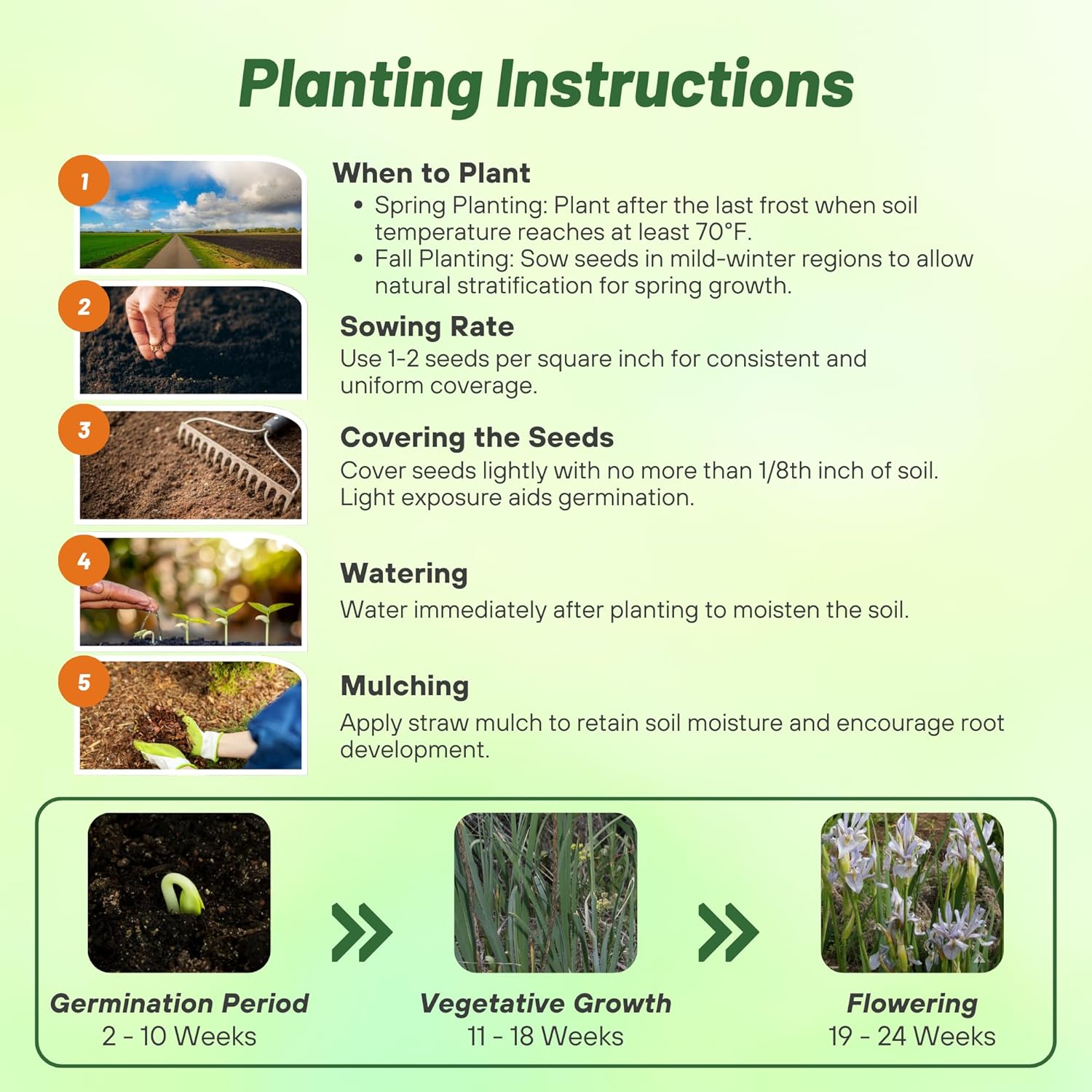
Sow Iris seeds in moist peat moss in starter flats in the late winter. Snip off the pointed end of the flower seed with nail clippers to hasten germination. Cover the Wild Blue Iris seed 1/8 - 1/4 inch with peat moss, and keep flower seeds continuously moist. Transplant outdoors and keep protected for the first growing season.
Frequently Asked Questions
How can I use these plants in my landscape?
These plants make a welcome addition to beds and borders, wall side borders, city gardens, cottage gardens, coastal gardens. They also can be found in open woodlands, wet meadows, and dry steppes.
Do I need to prune back my plants?
Yes, you will want to remove any dying foliage in fall, spent flower stalks should also be cut down after flowering.
Are these plants toxic to animals?
Yes, they are toxic for dogs, cats and horses.
Videos