


Malope Seeds - Malope Trifida Flower Seed

Malope Mix Seeds

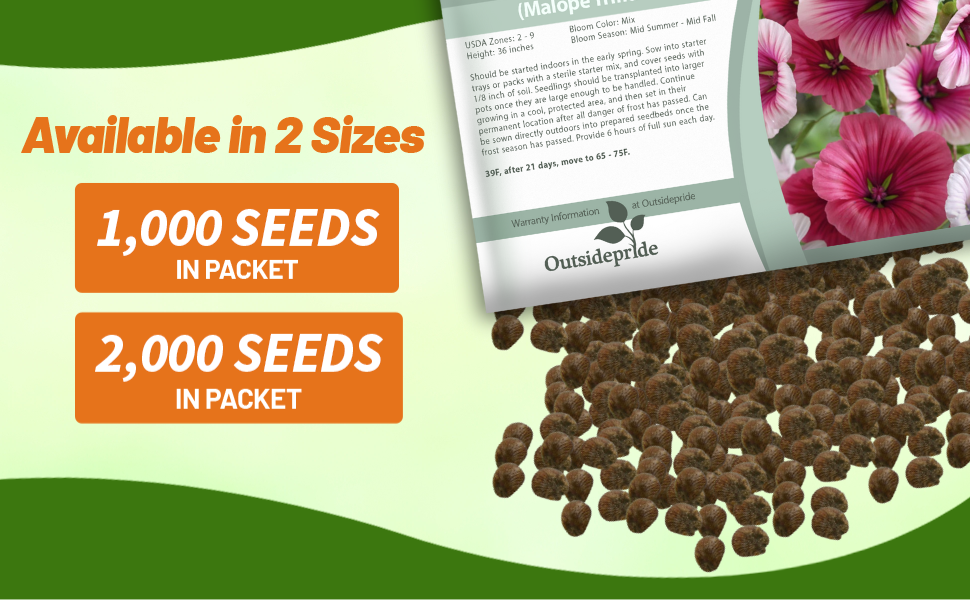
1000 Seeds
.......................................................................................................................................................
4.99
2000 Seeds
.......................................................................................................................................................
8.99

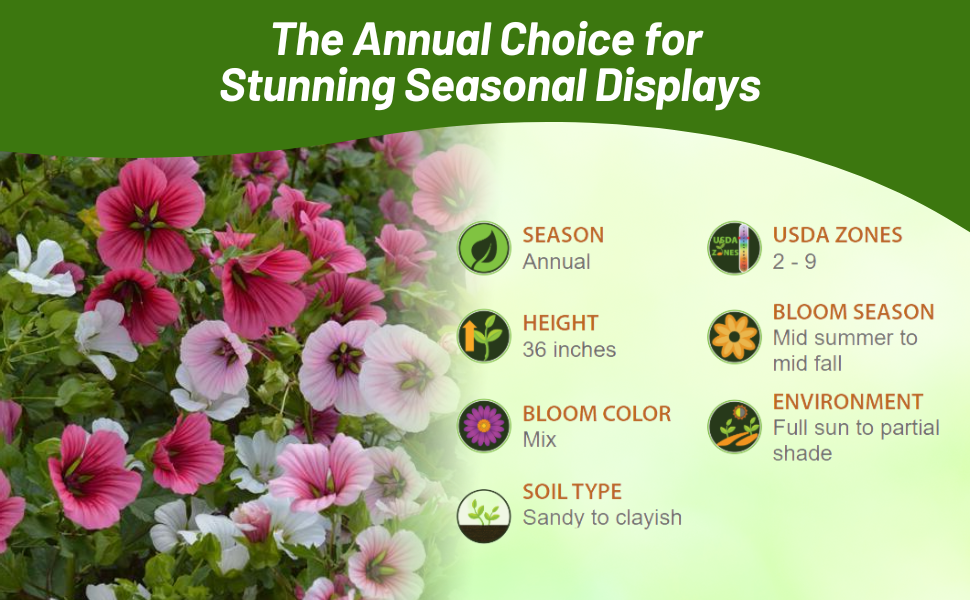
SEASON

Annual

USDA ZONES

2 - 9

HEIGHT

36 inches

BLOOM SEASON

Mid summer to mid fall

BLOOM COLOR

Mix

ENVIRONMENT

Full sun to partial shade

SOIL TYPE

Sandy to clayish, pH 5.5 - 7.5

DEER RESISTANT

Yes

About...

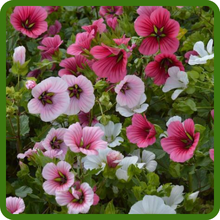
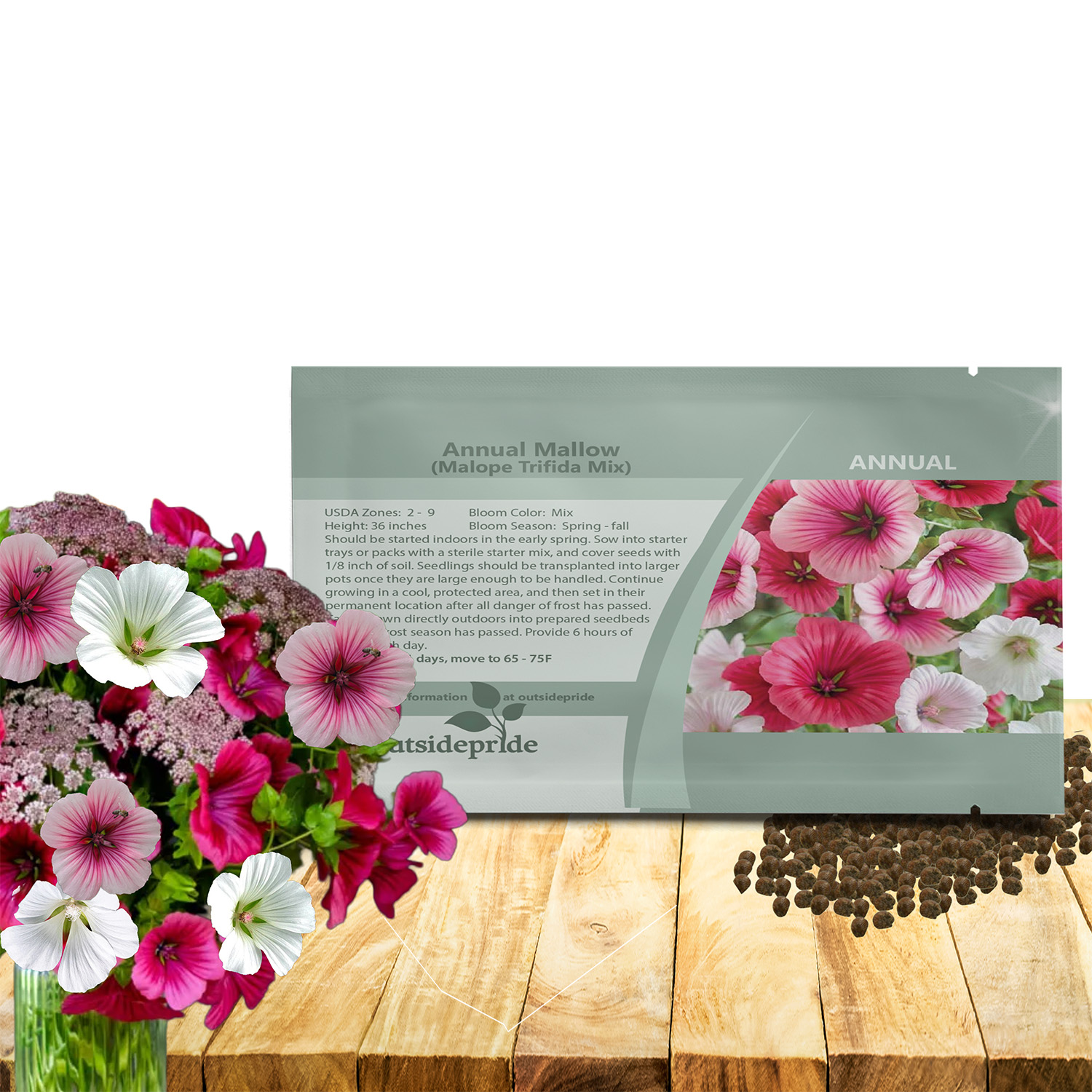
Annual Mallow (Malope Trifida Mix) - Start Malope Trifida seeds and enjoy this colorful annual in your flower beds and borders.  The Malope flower is showy with 5 petals and comes in a rich mix of shades. The flowers form on long sturdy stems making them great for cutting.
ABOUT
FAQ's
VIDEOS

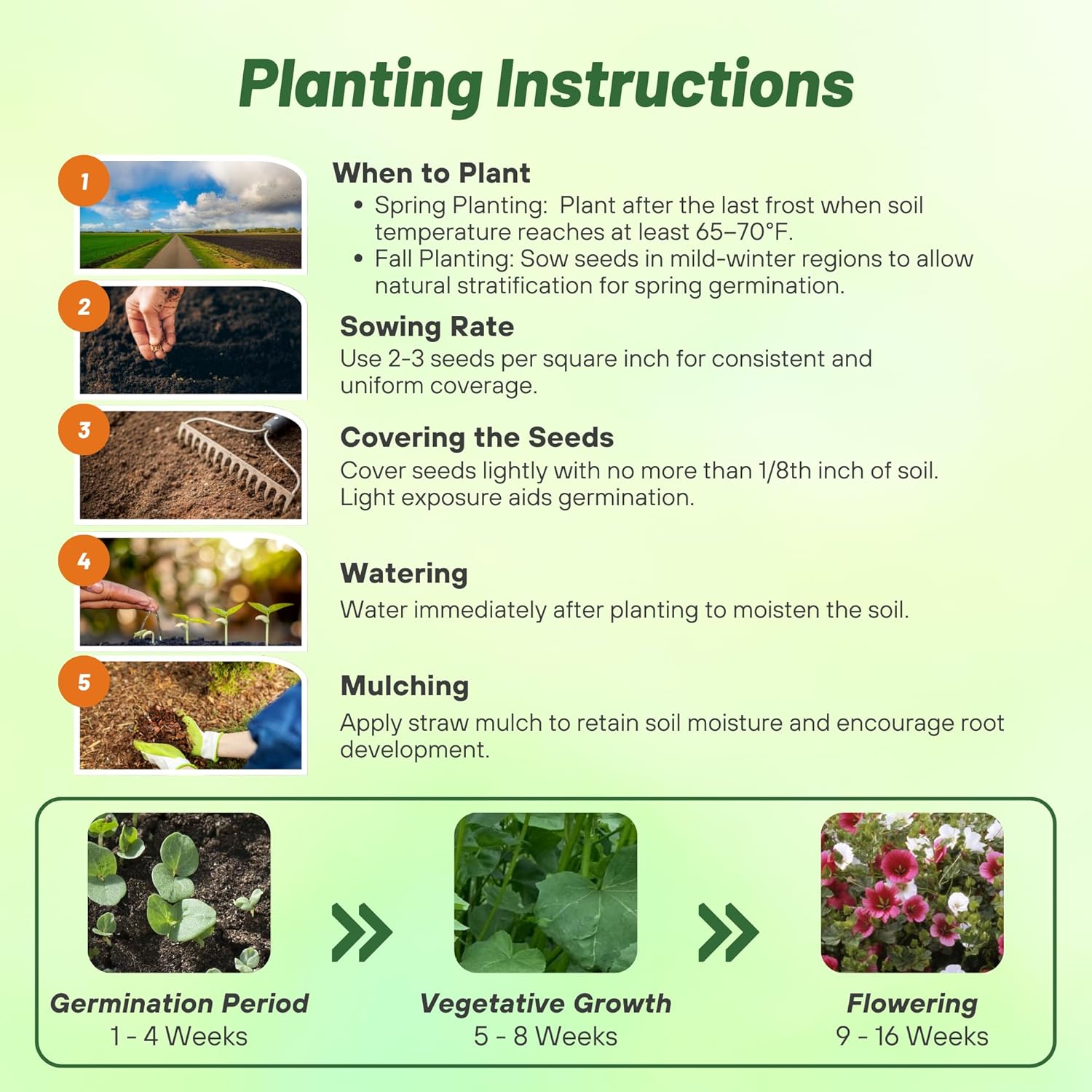
Planting Directions

TEMPERATURE

39F, after 21 days, move to 65 - 75F

AVERAGE GERM TIME

14 - 30 days

LIGHT REQUIRED

Yes

DEPTH

Plant 1/8 inch deep

SOWING RATE

2 - 3 seeds per plant

MOISTURE

Keep seeds moist until germination

PLANT SPACING

24 inches
Annual Mallow Malope Flower Garden
Mallow Malope Seed Packets For Planting
Outsidepride Mallow Malope Flower Seed Mix (Malope trifida) includes mallow seeds suitable for USDA zones 2–9. These annuals flower seeds grow 18–36 inches tall and produce a brilliant mix of colors from late spring through fall. The plants thrive in full sun and well-drained soil, attracting beneficial pollinators and offering blooms suitable for cut flower mixes. Available packaging sizes include 1000 and 2000 seeds, providing options for garden beds and pollinator-friendly landscapes.
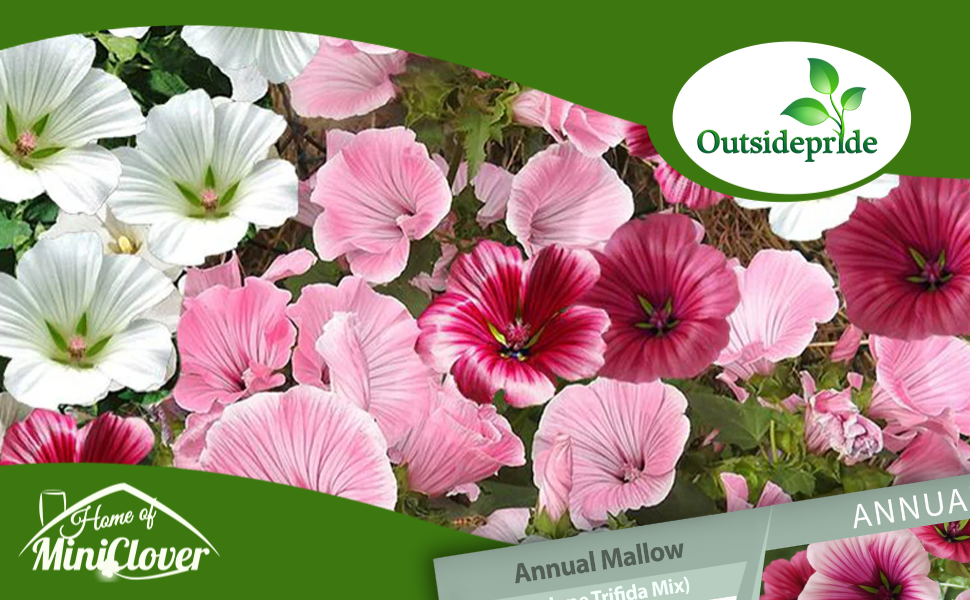
Mallow Malope Brilliant Mix of Colors
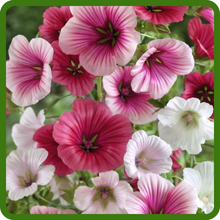
Brilliant Mix of Colors
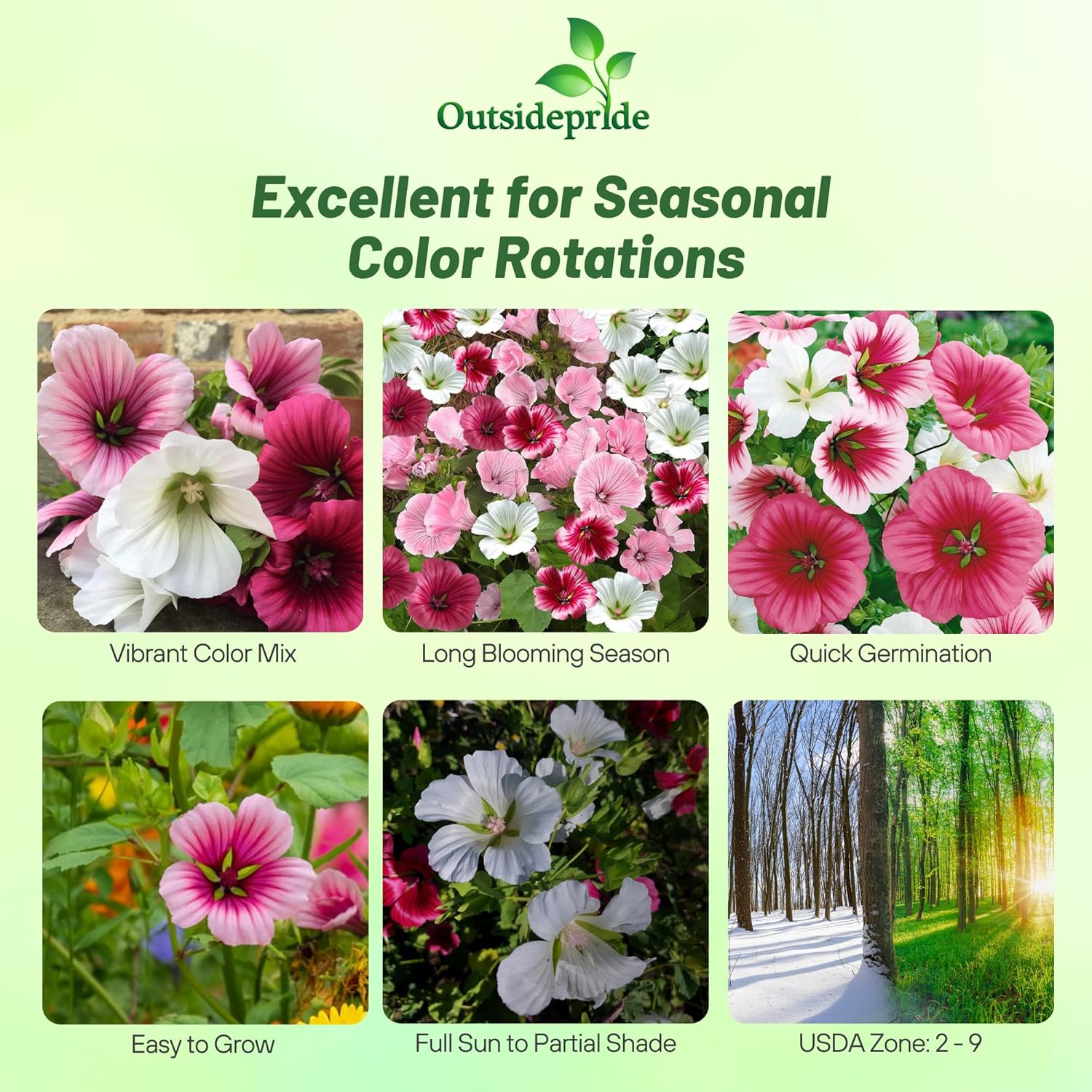
Mallow malope flower plants produce a vibrant mix of colors including shades of pink, purple, and white. This colorful display adds visual interest and variety to gardens, making the plants a versatile choice for flower beds and borders.
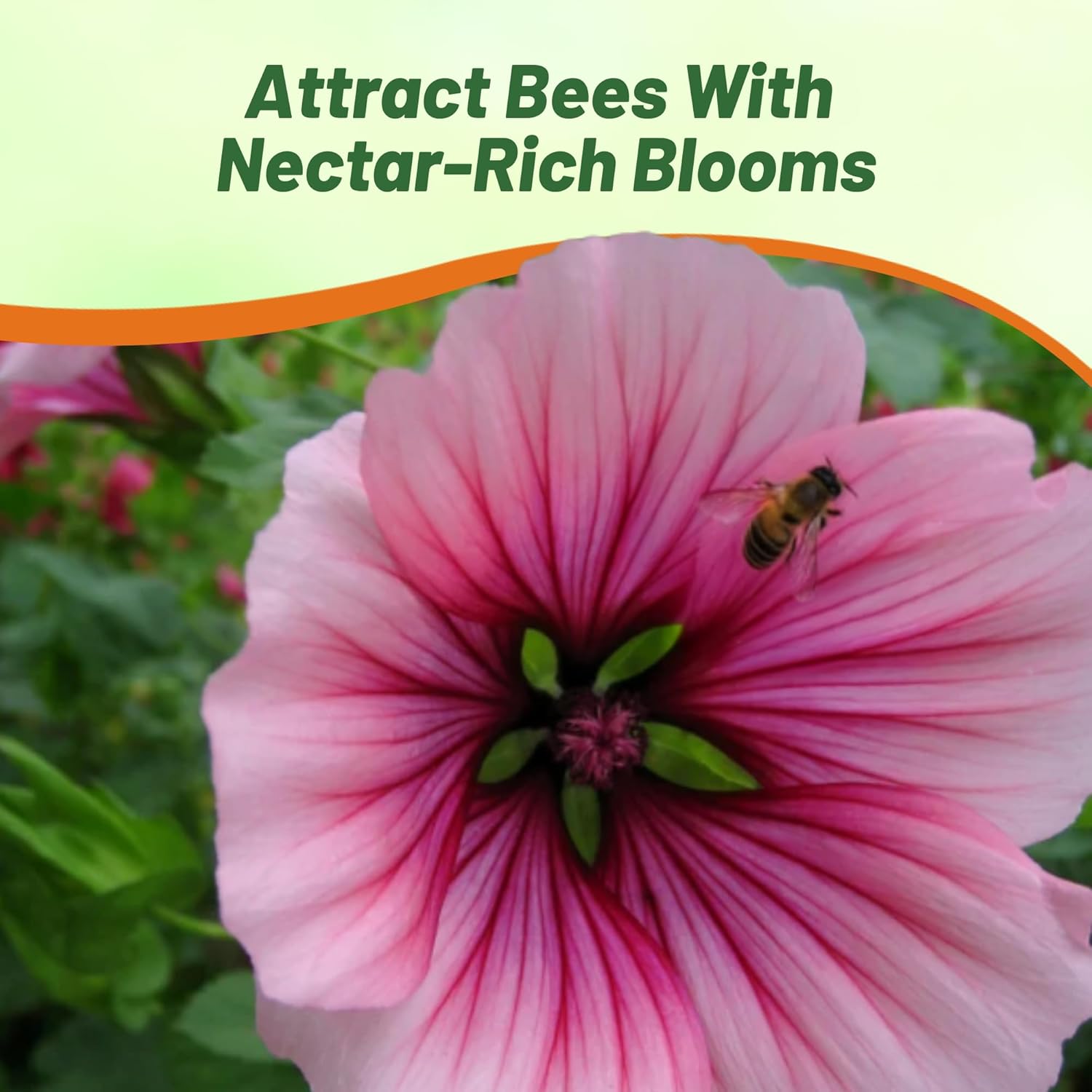
Malope Attracts Beneficial Pollinators
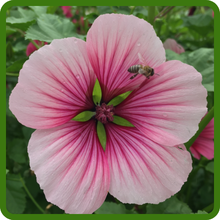
Attracts Beneficial Pollinators
Mallow malope plants attract a variety of beneficial pollinators, including bees, butterflies, and other nectar-feeding pollinators. Their brightly colored flowers provide essential nectar and pollen resources, supporting pollination in the garden.
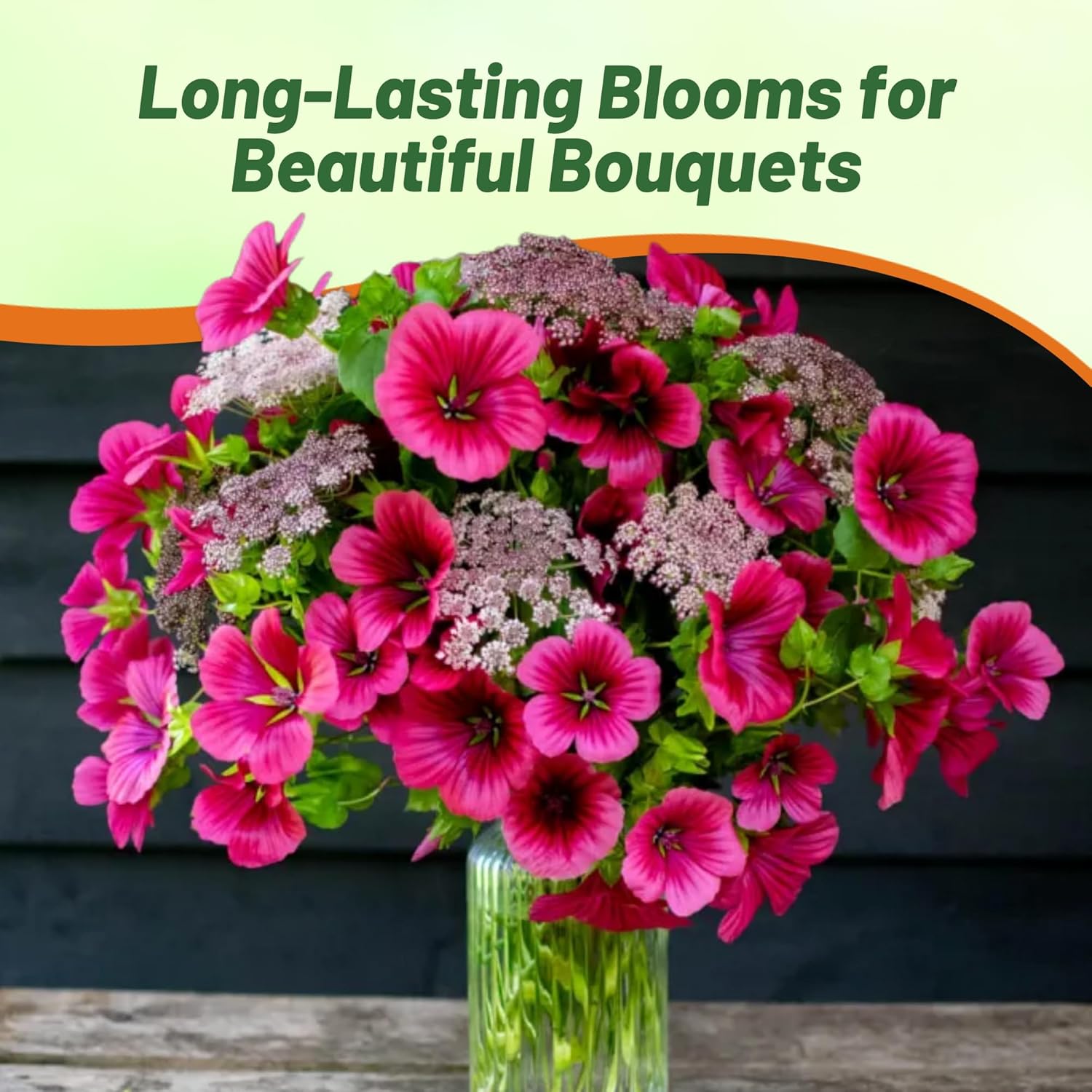
Malope Suitable as Cut Flowers
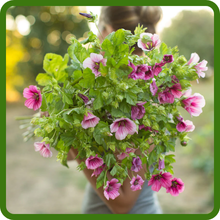
Suitable as Cut Flowers
Mallow plants produce sturdy stems and vibrant, colorful blooms that hold up well when cut. Their flowers add texture and charm to floral arrangement and bouquets. This makes them a great choice for gardeners seeking annuals flower seeds that can be used both in the garden and as fresh cut flowers.
Malope Long Blooming Season
Long Blooming Season
Malope plants have an extended blooming period, producing flowers continuously from late spring through fall. This long flowering season provides ongoing color and interest in the garden. Their consistent bloom cycle makes them valuable for sustained garden vitality.
Annual Malope  For Sun or Partial Shade
Mallow seeds for planting grow into annual plants reaching 18–36 inches tall, blooming from late spring through fall. These plants produce colorful flowers in shades of pink, purple, and white, thriving in full sun with well-drained soil. Suitable for USDA zones 2–9, mallow malope plants adapt to various garden environments. Their vibrant blooms attract pollinators and are often included in cut flower mixes, making them a versatile choice for gardeners interested in adding color and ecological value to flower beds and landscapes.
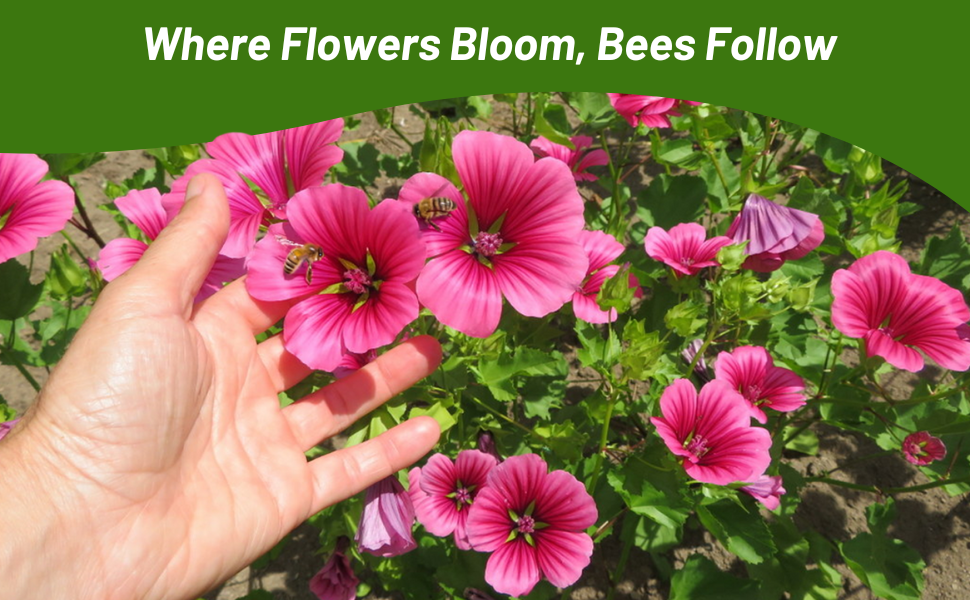
Pollinating Bees on Malope Flowers
Mallow malope plants grown from mallow seeds for planting create inviting habitats for a variety of beneficial pollinators such as bees, butterflies, and other nectar-feeding pollinators. Their bright, colorful flowers provide essential nectar and pollen resources throughout the long blooming season, giving pollinator seed mix goals. These annuals flower seeds contribute to garden vitality by attracting pollinators that assist in the reproduction of many garden plants. Their presence gives and adds seasonal interest, making them a valuable component of pollinator-friendly landscapes.
Planting Directions For Malope  Flower Seeds
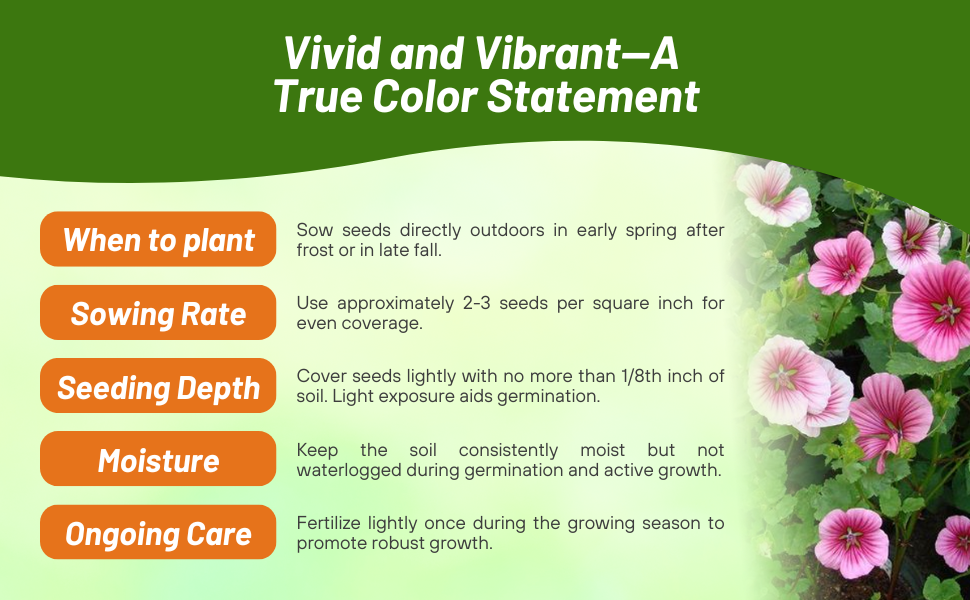
To plant mallow seeds for planting, sow seeds about 1/8 inch deep in well-drained soil located in a sunny spot after the last frost date. Keep the soil consistently moist but avoid waterlogging to encourage healthy germination, which typically occurs within 14–30 days. Space seedlings 24 inches apart to allow sufficient room for growth and airflow. Mallow malope plants thrive in a variety of garden settings and benefit from occasional watering during dry periods. Their long blooming season and vibrant flowers make them suitable for any occasion or different places.

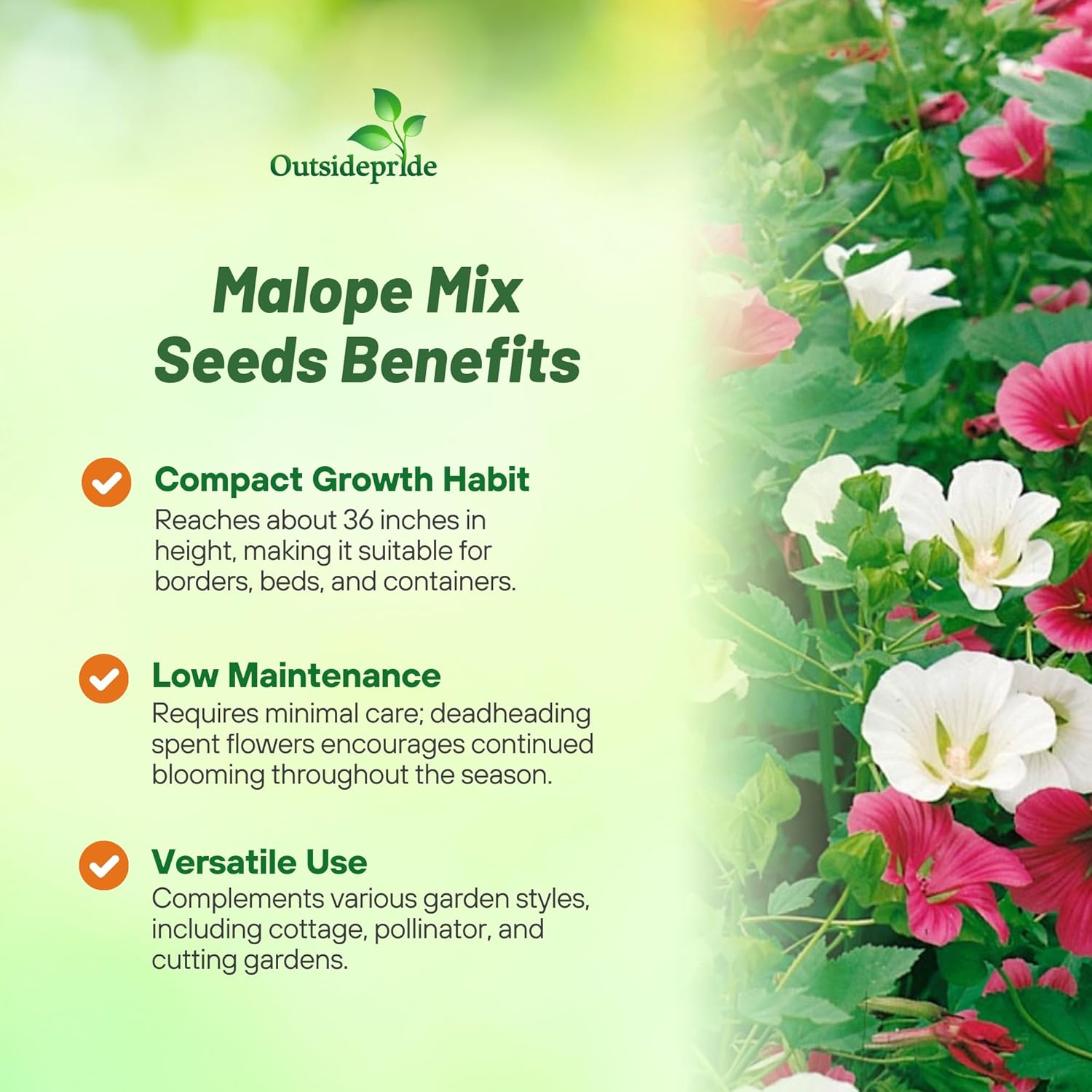
Annual Mallow (Malope Trifida Mix) - Start Malope Trifida seeds and enjoy this colorful annual in your flower beds and borders. The Malope flower is showy with 5 petals and comes in a rich mix of shades. The flowers form on long sturdy stems making them great for cutting. The Malope plant is well-branched, reaching about 36 inches in height and spreading about 20 inches in width. Annual Mallow grows quickly and blooms heavily. The blooming will last longer with deadheading of the spent flowers.

Start Malope seeds indoors in early spring. Cover the flower seed lightly with soil. Transplant the the Annual Mallow seedlings into larger pots once they are large enough to handle and continue growing them in a protected, cool area. Set the Molope plants into their permanent place after frost danger has passed. For areas with a longer growing season, the Malope seeds can be sown directly outdoors into a prepared seedbed once frost season is over. Malope plants needs full sun for at least 6 hours per day and a well-drained soil mix.

Common Questions

Q

Will I need to stake my flowers?

A

Yes, the taller varieties of malope may need to be staked.

Q

Does malope make a good landscaping plant?

A

Yes, their showy blooms add a beautiful splash of color to your beds, borders or containers.

Q

Do I need to deadhead my flowers?

A

Yes, to encourage more blooms you will need to deadhead spent flowers.

Videos

HOW ITS MADE