





Drought Tolerant Goji Berry Fruit Plant Seeds - AKA Wolfberry

Goji Berry Seeds

10 Seeds
.......................................................................................................................................................
4.99
20 Seeds
.......................................................................................................................................................
8.99

SEASON

Perennial

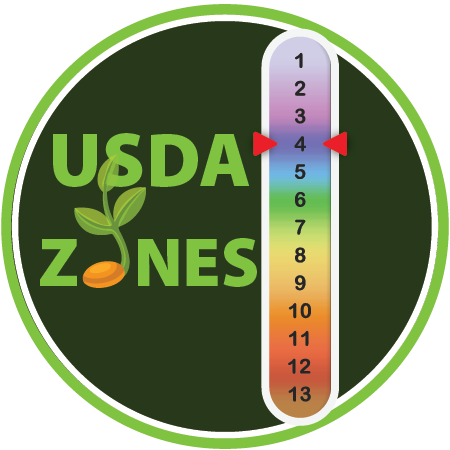
USDA ZONES

5 - 9

HEIGHT

96 - 120 inches

BLOOM SEASON

Mid summer to early fall

BLOOM COLOR

Red

ENVIRONMENT

Full sun to partial shade

SOIL TYPE

Fertile, well drained, pH 6.5 - 7.5

DEER RESISTANT

Yes

About...

Goji Berry (Lycium Barbarum) - Goji Berry plants, also called Wolfberry, are drought tolerant and prefer well-draining soil. They do best in USDA zones 5 - 9, tolerating temps down to -10 F and will flourish well in the dry west or humid east.
ABOUT
VIDEOS
Goji Berry Plant
Goji Berry Seed Packet For Sale
Outsidepride Goji Berry Fruit Seeds (Lycium barbarum) are goji berry seeds for planting, suitable for USDA zones 5–9. This fast-growing goji berry plant is a deciduous shrub that reaches 96 to 120 inches tall and produces small, bright red berries from summer to fall. It thrives in full sun and well-drained soils, showing drought tolerance once established. Goji berries are known for their nutrient-rich profile and versatility in culinary and garden uses. Packaging sizes include 10 and 20 seeds, suitable for berry seeds for planting and outdoor garden cultivation.
Bowl of Goji Berries
Nutrient-Rich Fruit
Goji berries are small, nutrient-rich fruits harvested from the goji berry plant. These bright red berries are used in various culinary applications and provide a concentrated source of vitamins and minerals, making them a valued addition to berry seeds for planting and garden landscapes.
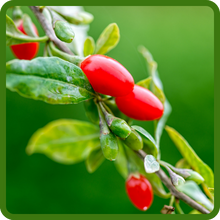
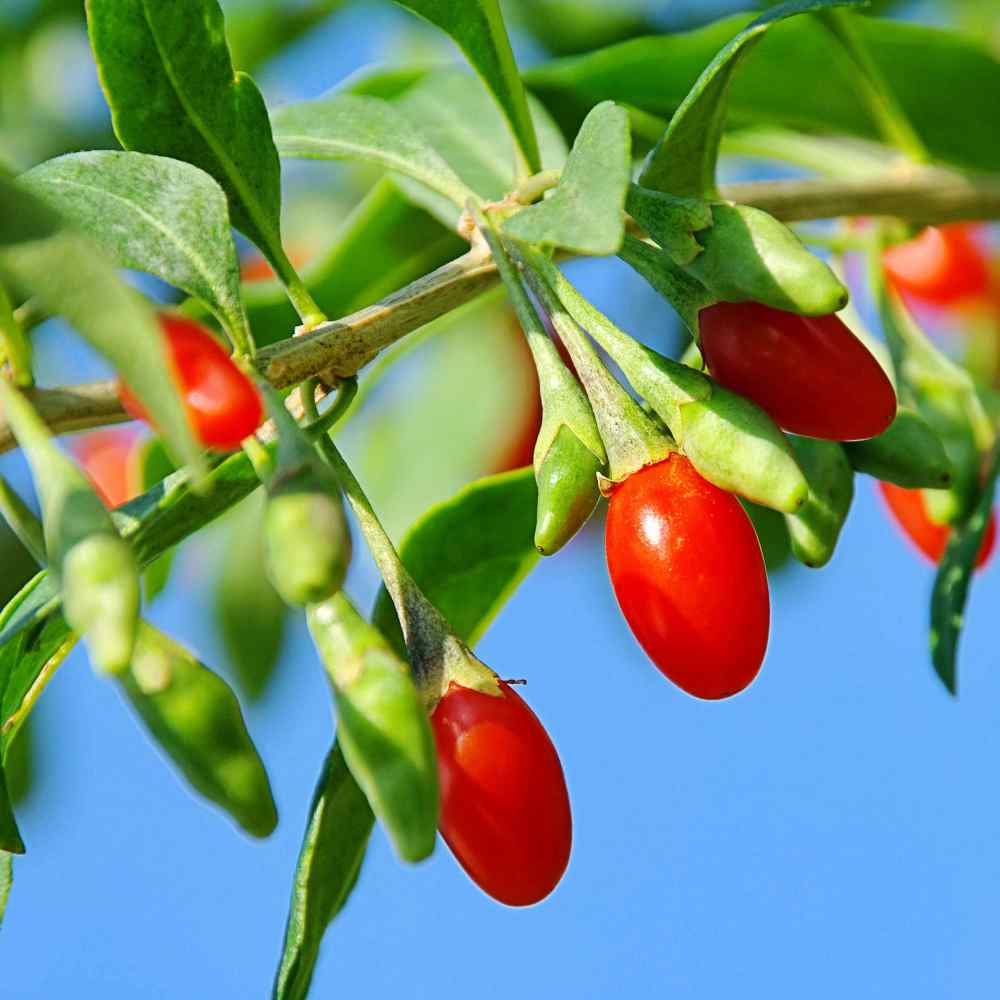
Bright Red Cluster of Goji Berries
Small, Bright Red Berries
The goji berry plant produces clusters of small, bright red berries that ripen in late summer through fall. Their vivid color and compact size make them visually appealing in garden settings and practical for harvesting in berry seeds for planting collections.
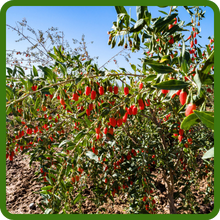
Fast Growing Goji Berry Shrub
Fast-Growing Shrub
Goji berry plants are fast-growing shrubs that establish quickly in suitable environments. Their vigorous growth habit allows them to produce fruit within the first few years, making them a practical option for berry seeds for planting and outdoor garden cultivation.
Drought Tolerant Goji Berry Plant
Drought-Tolerant
Once established, goji berry plants are adapted to withstand dry conditions and require moderate watering. This feature carries their use in outdoor gardens and berry seeds for planting where water conservation is important, making them suitable for a variety of garden environments.
Goji Berry Herbal Tea
Dried goji berries are commonly used to prepare herbal teas, releasing subtle flavors and nutrients when steeped. The drying process preserves the berries for extended use, allowing gardeners and tea enthusiasts to enjoy goji berries year-round. Growing goji berry plants provides a continuous supply of berries suitable for drying and tea preparation. Also, it can be combined with other herbs or teas to create unique blends. The connection between garden seed cultivation and culinary tradition highlights the versatility of goji berry seeds for planting and their role in outdoor garden landscapes.
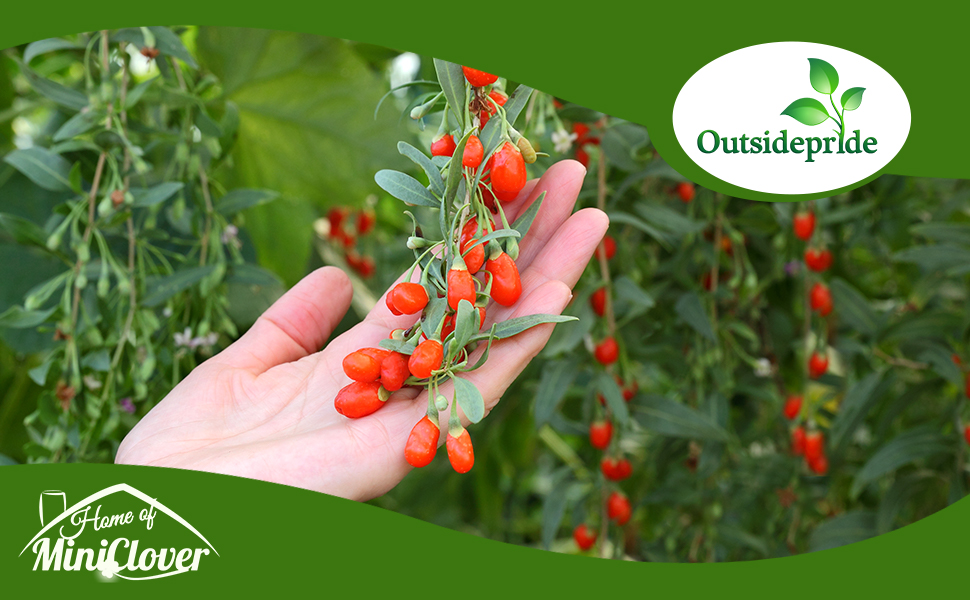
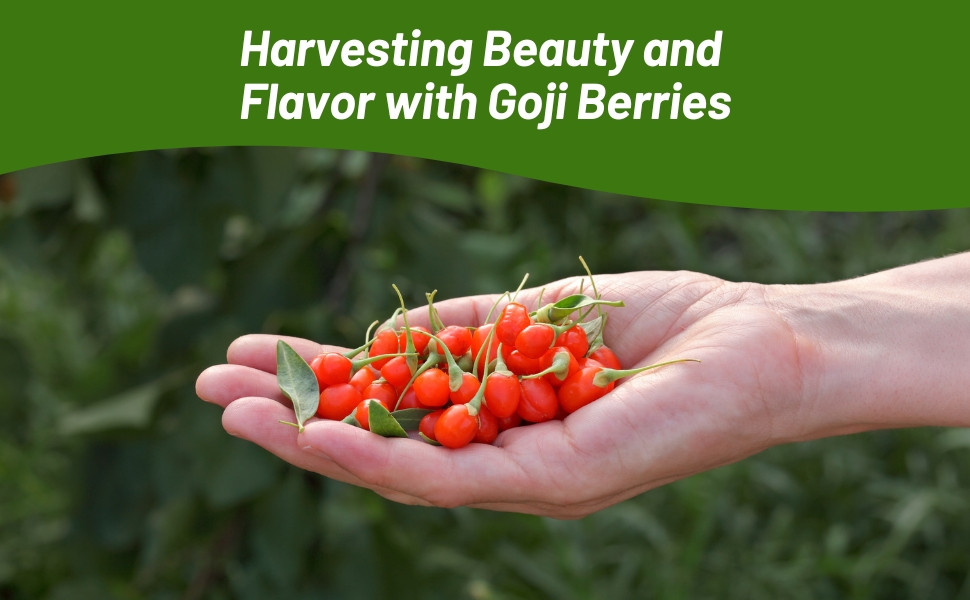
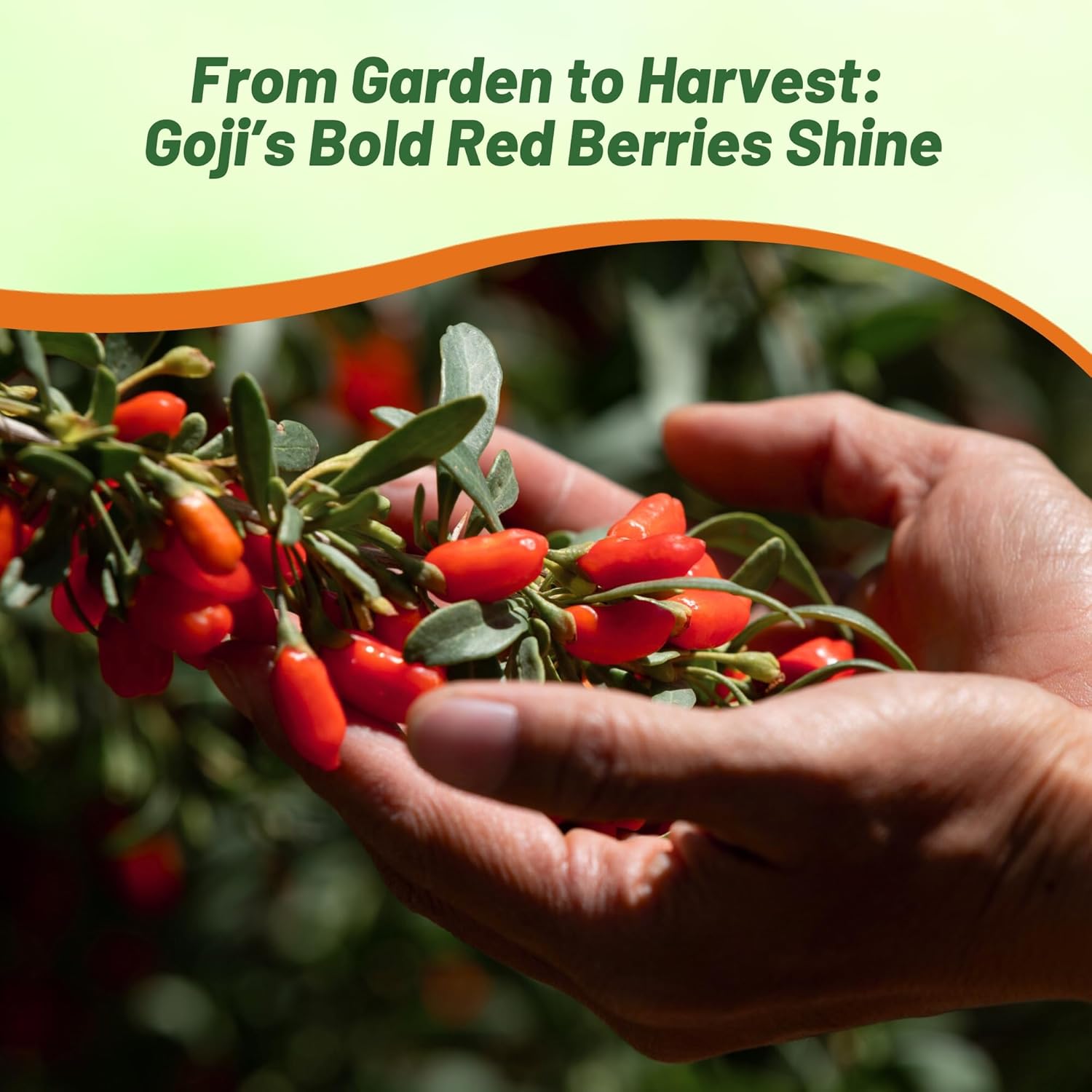
Harvest Goji Berries In Hand
Harvesting goji berries involves carefully picking the small, bright red fruits by hand when fully ripe to ensure optimal flavor. The goji berry plant’s bushy growth habit allows easy access to clusters of berries, making the harvesting process manageable. Regular harvesting encourages continued fruit production throughout the season. This hands-on approach makes goji berry plants a practical addition to berry seeds for planting and outdoor garden cultivation. The vibrant berries add visual interest and value to garden landscapes while providing a rewarding experience for gardeners.
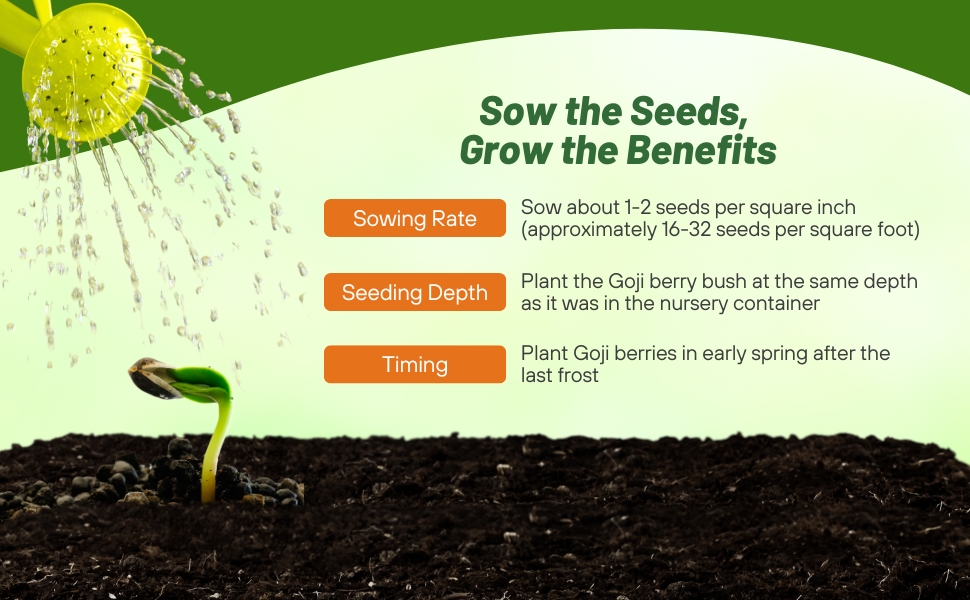
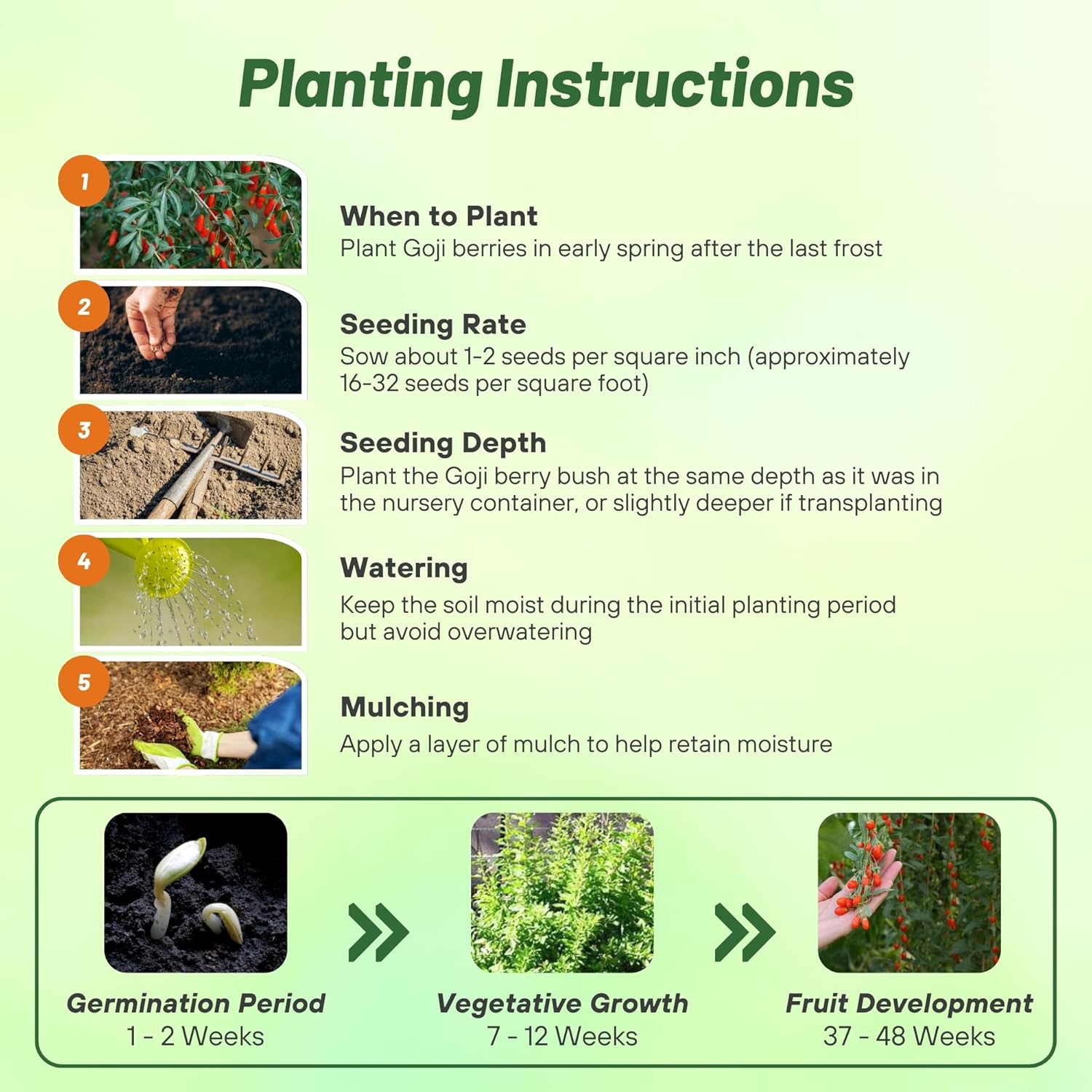
Sowing Rate and Planting Directions For Goji Berry
To plant goji berry seeds, soak seeds in water for 24 hours before sowing to improve germination. Sow seeds ¼ inch deep in well-drained soil with full sun exposure. Maintain consistent moisture until seedlings emerge, typically within 14 to 21 days. Space plants 3 to 5 feet apart to allow room for growth. Goji berry plants thrive in USDA zones 5–9 and tolerate drought once established. Regular pruning encourages bushier growth and higher berry yields, making them suitable for berry seeds for planting and outdoor garden landscapes.

Goji Berry (Lycium Barbarum) - Goji Berry plants, also called Wolfberry, are drought tolerant and prefer well-draining soil. They do best in USDA zones 5 - 9, tolerating temps down to -10 F and will flourish well in the dry west or humid east. If you're outside of zones 5 - 9, you can still grow these very popular berries by planting them in containers and bring them inside when the temperatures drop. Goji berry plants will grow in sun or partial shade, but your harvest will be greater with more sun. When planting outside in your garden, place your Gojis every 4 ft. They grow into viney bushes to the point some gardeners will even plant them on trellises. A mature wolfberry plant will produce almost 7 lbs of berries under good conditions.

Goji Berries are used to treat a broad range of ailments and diseases. The superfood is packed with antioxidants, amino acids, Vitamins C, B and E, essential fatty acids - and are widely used to reduce inflammation. This shrub is easy to grow and will reward you with loads of nutritious berries over a long harvest season. Goji berries are rarely grown commercially in the United States, and their shelf life is short, so fresh berries can seldom be found at local supermarkets or farmers markets. Therefore, growing in your  home garden is the best way to enjoy fresh goji berries. Also, dried gojis are not inexpensive, and the overwhelming majority of commercial goji berries come from China, where information about how they’re grown isn’t usually available. It may take 3 years to get fruits when planting from seeds, but it will be worth the wait.

Videos

HOW ITS MADE