








Yucca - Filamentosa

SEASON
Perennial
USDA ZONES
5 - 9

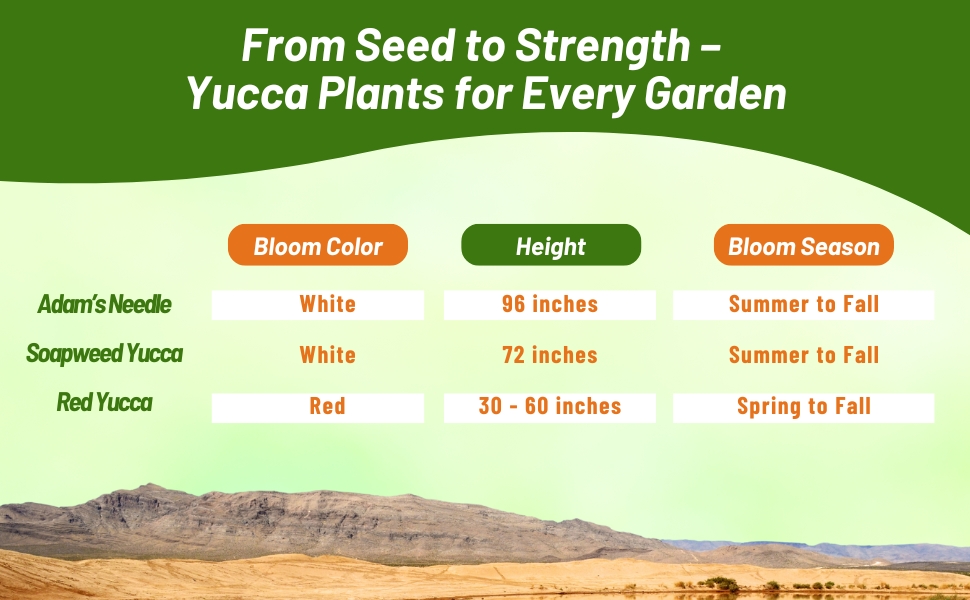
HEIGHT
96 inches

BLOOM SEASON
Summer to Fall

BLOOM COLOR
White

ENVIRONMENT
Full sun to partial shade

SOIL TYPE
Dry, well-drained soils
DEER RESISTANT
Yes

About...
Adam's Needle (Yucca filamentosa) - Although Yucca is a very drought tolerant plant, they are also completely winter hardy. They are virtually stemless broadleaf evergreen shrubs that are native to beaches, sand dunes and fields from South Carolina down to Florida and Mississippi.MORE YUCCA OPTIONS

Planting Directions
TEMPERATURE
71F - 75F
AVERAGE GERM TIME
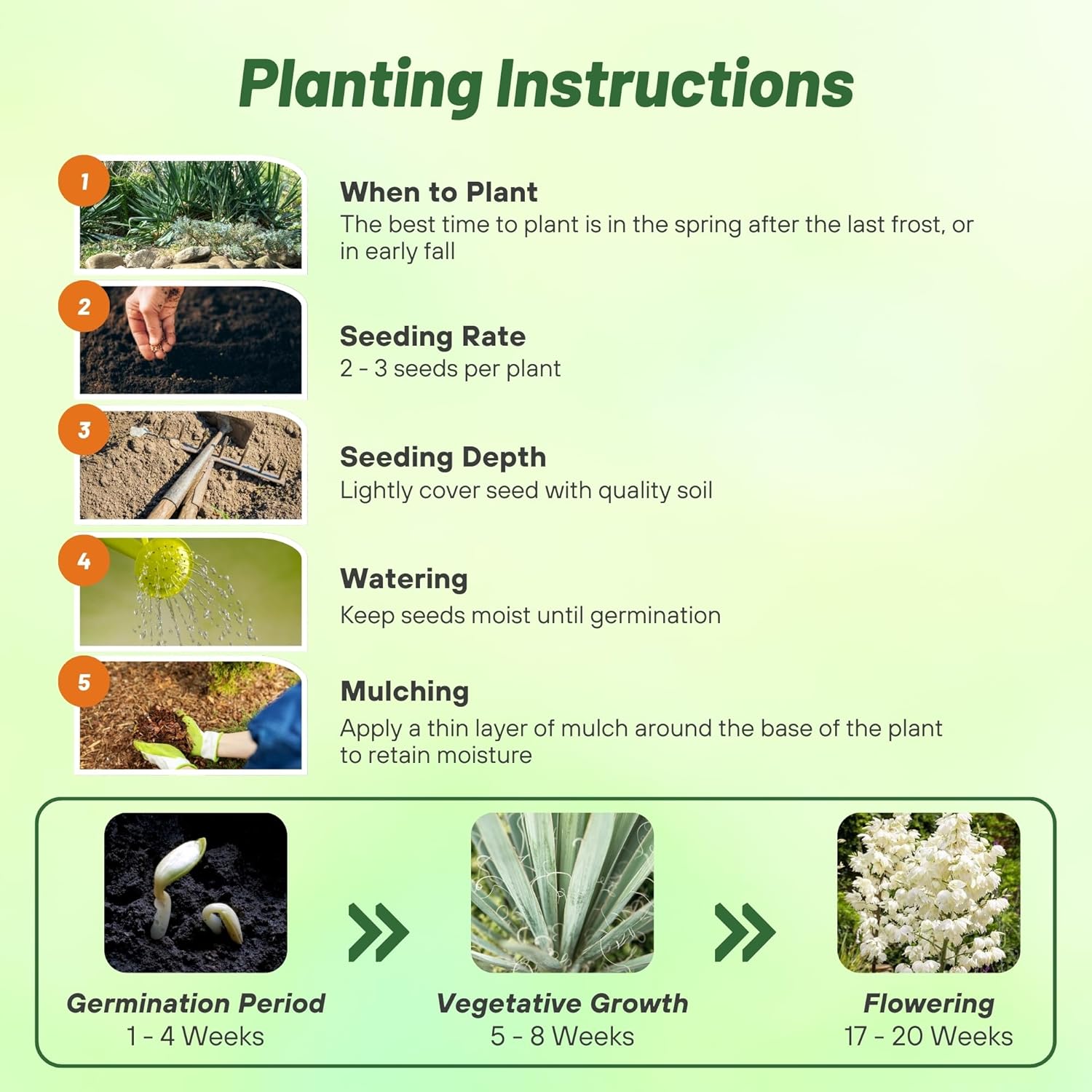
14 - 21 days

LIGHT REQUIRED
Yes
DEPTH
Lightly cover seed with quality soil

SOWING RATE
2 - 3 seeds per plant
MOISTURE
Keep seeds moist until germination
PLANT SPACING
10 feet
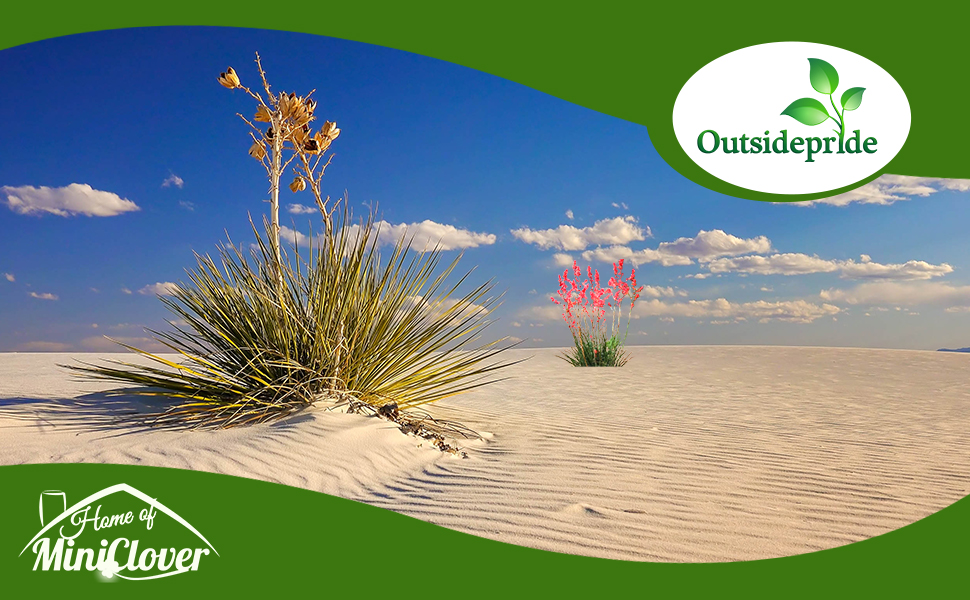
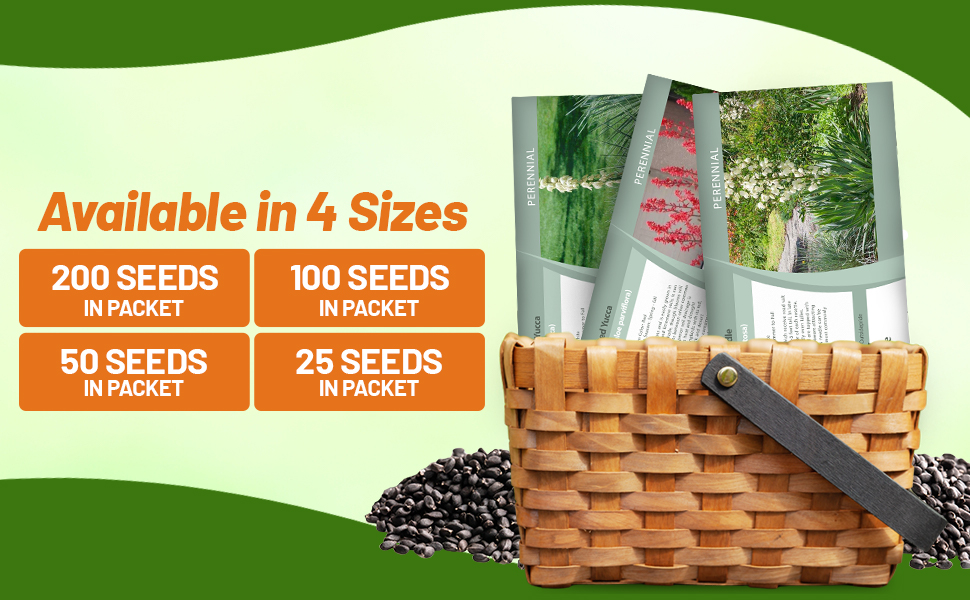
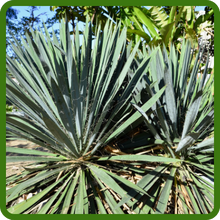
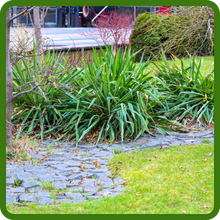
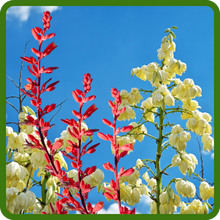
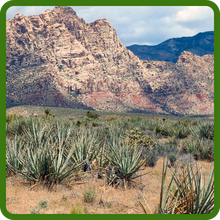
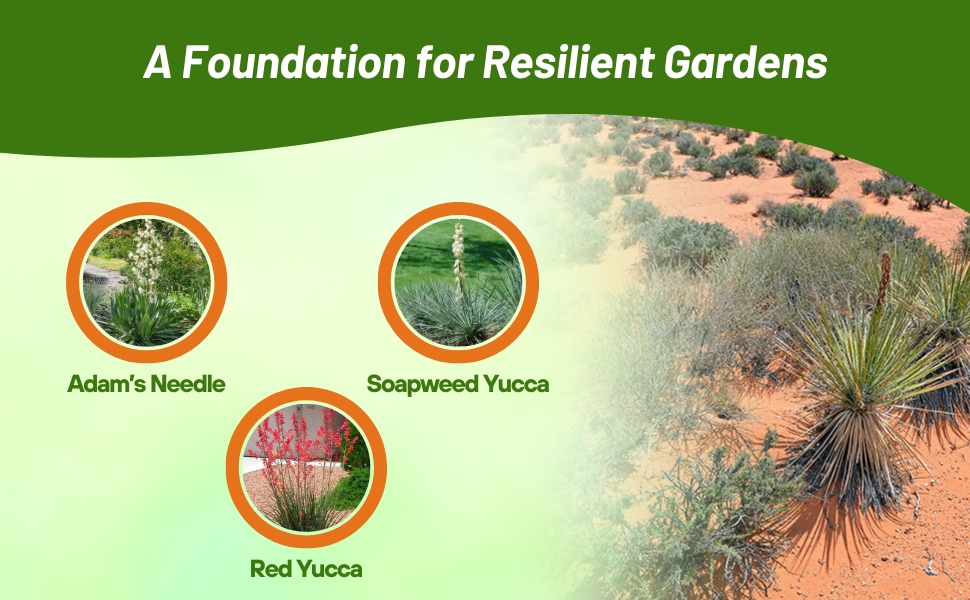
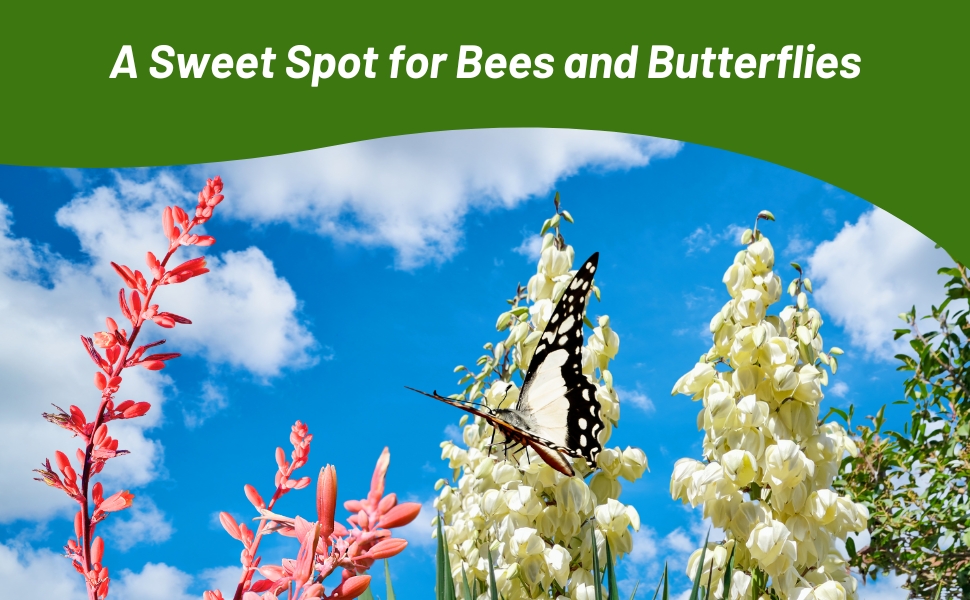
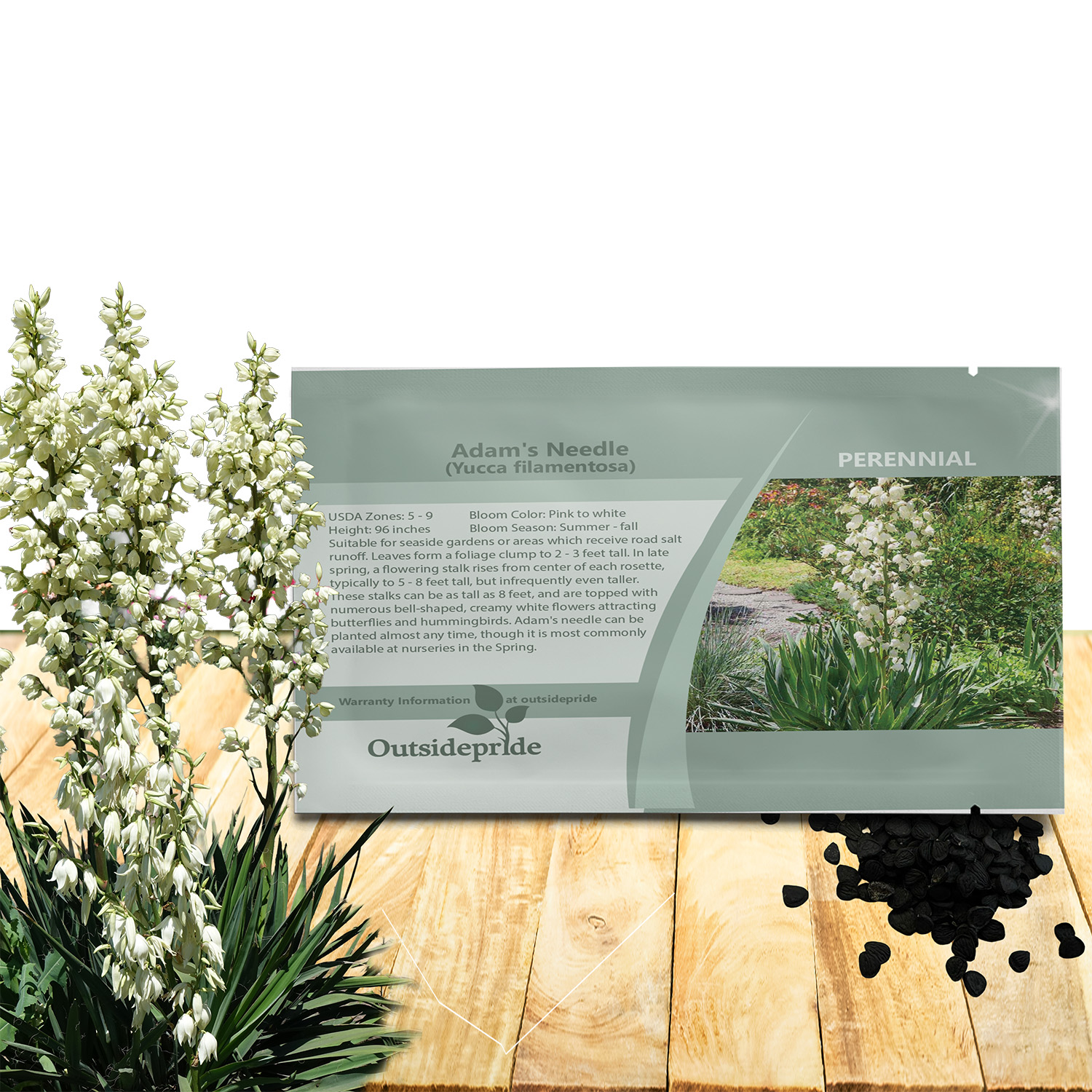
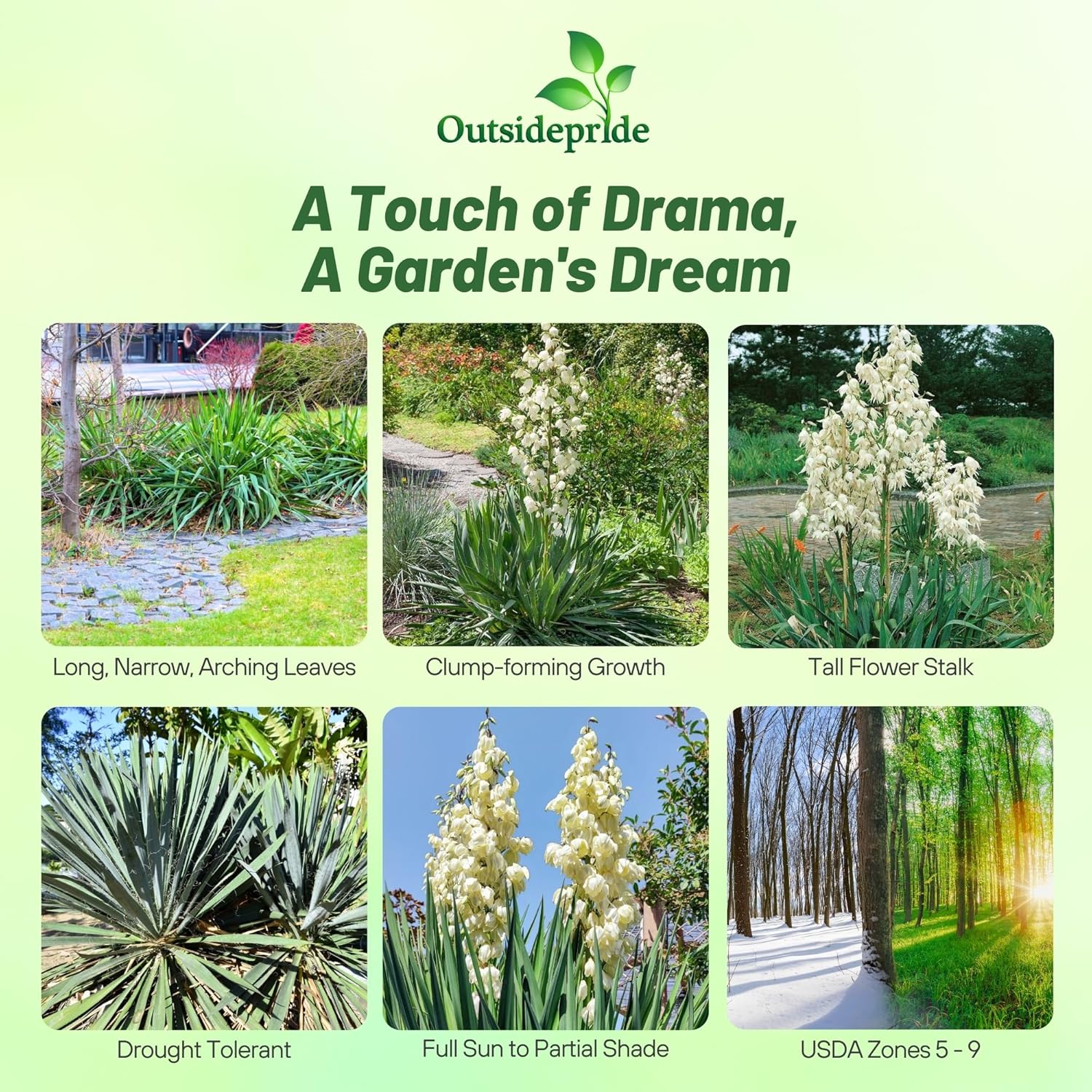
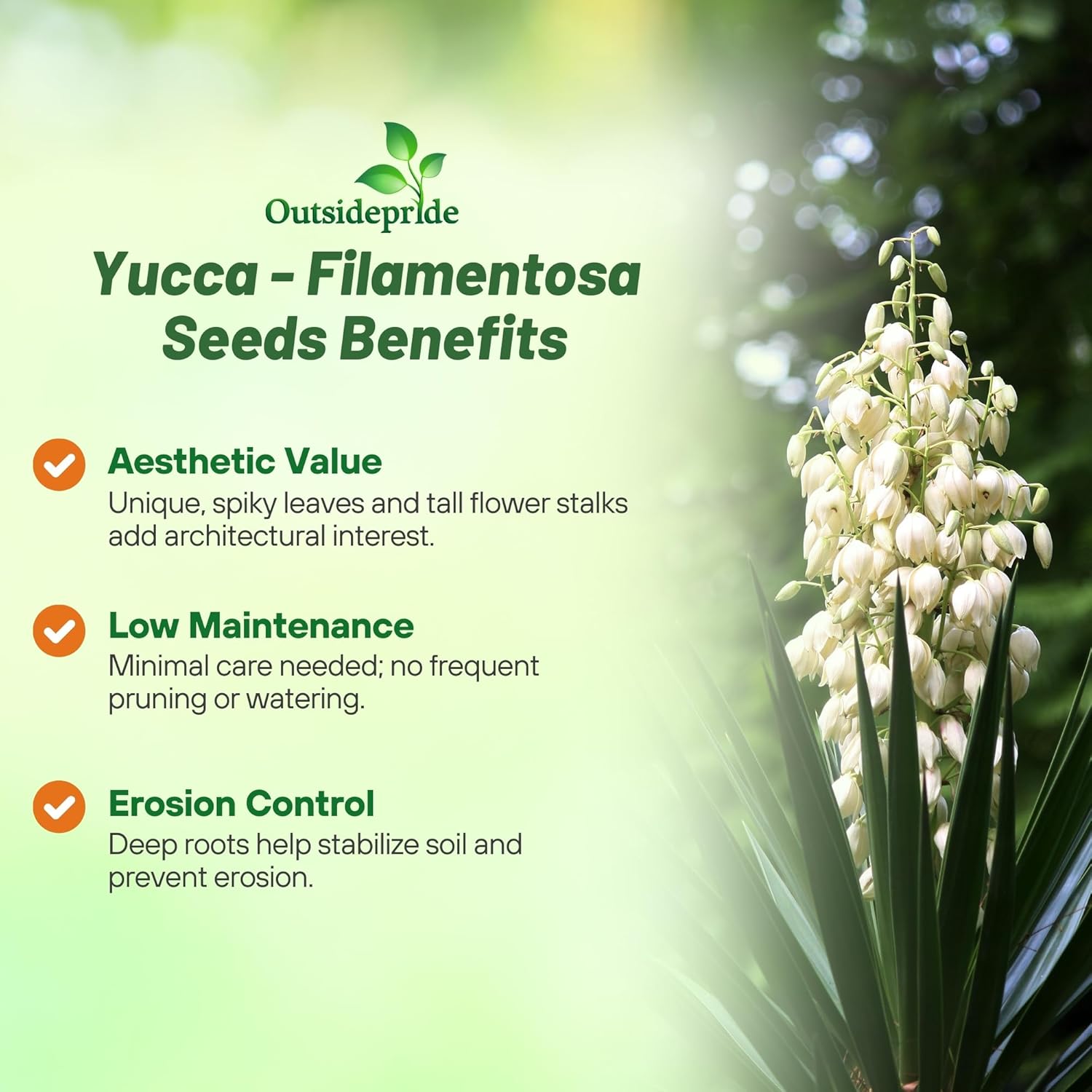
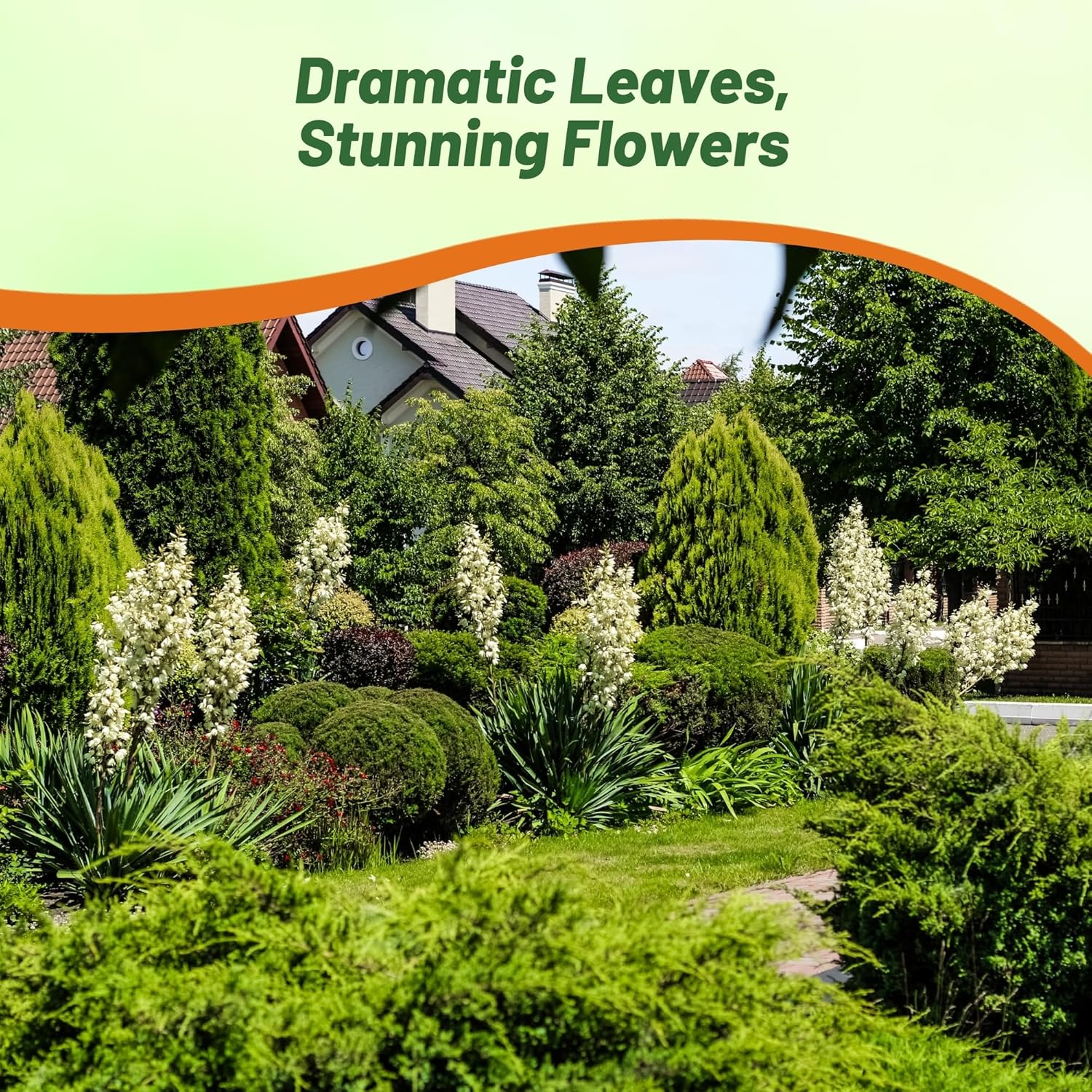
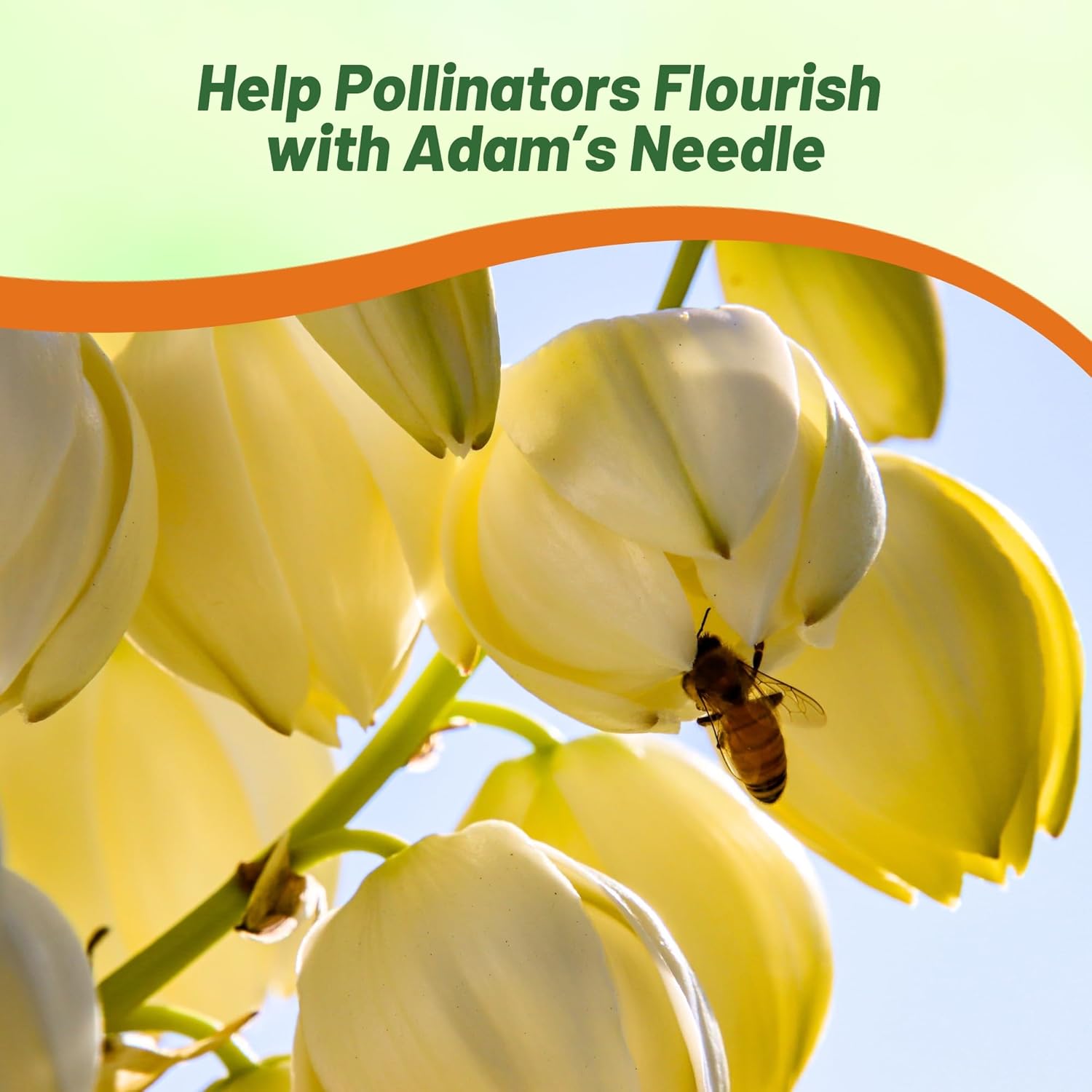
Adam's Needle (Yucca filamentosa) - Although Yucca is a very drought tolerant plant, they are also completely winter hardy. They are virtually stemless broadleaf evergreen shrubs that are native to beaches, sand dunes and fields from South Carolina down to Florida and Mississippi. Over time, they are now located across the U.S. These heat and drought tolerant plants and perfect for xersicape or natural landscaping where very low water needs are desired. Yucca can be planted for erosion control or even grown in containers, borders, or other dry garden areas. Attractive for butterflies and other pollinators, but not attractive to deer and rabbits.
A few other names for Yucca filamentosa is: Spanish bayonet, Yucca, and Needle Palm. Suitable for seaside gardens or areas which receive road salt runoff. Leaves form a foliage clump to 2 - 3 feet tall. In late spring, a flowering stalk rises from the center of each rosette, typically to 5 - 8 feet tall, but infrequently even taller. Mature plants about four or five years old will send up large flower stalks from the center of the foliage in late spring or summer. These stalks can be as tall as 8 feet, and are topped with numerous bell-shaped, creamy white flowers that attract butterflies and hummingbirds. Adam's needle can be planted almost any time, though it is most commonly available at nurseries in the Spring.
Frequently Asked Questions
Do I need to prune back spent blooms?
Yes, you will need to remove the spent blooms to keep your plant tidy and compact.
Where are some good areas of a landscape to use these plants?
These are great for borders, rock gardens, containers or a small garden area.
Are plants toxic to animals?
Yes, these are toxic to dogs, cats and horses.
What are some companion plants to use with this yucca?
Gayfeather, creeping thyme and lavenders all look lovely and do well with yucca filamentosa.
My yucca leaves are yellowing, and the stems are spongy, what is wrong?
In most situations, yellowing leaves indicate that the plant is receiving too much water. The central stem may begin to soften, which is a clear indication of overwatering. Yuccas should only be watered once the soil is nearly completely dry. It's best to avoid a strict watering schedule; instead, use your finger to check the soil's dryness. To help your plants cease watering and enhance drainage by transferring the plant to a pot with additional drainage holes or by using well-draining soil. Improve air circulation around the plant and ensure that the humidity levels nearby are not excessively high.
My plants leaves are curling, what do I do?
If you observe that your yucca leaves are curling, it may be a sign that the temperature is either too high or too low for the plant. Yuccas thrive in a temperature range of 45°F to 90°F. When exposed to temperature stress, the leaves may develop red spots and start to drop. To remedy this issue, relocate the plant to an area with a more suitable temperature. You should see improvement within the next couple of days.
Can I grow in containers?
Yes, yucca can do well in a container. Yuccas thrive when they are slightly pot-bound, provided they do not become too heavy to topple their containers. You can expect to wait two to three years before needing to repot. Repotting larger yucca plants can be quite challenging, but you can rejuvenate them by simply removing the top 2 inches of soil from the container and adding fresh potting soil. During a standard repotting process, you can lift the yucca from its container and increase its size by one pot, always ensuring you use fresh potting soil.
Videos