







-
CATEGORY ::
- All Seeds /
- All Cover Crop Seed




Gardenway Cover Crop Seed

LATIN NAME

SEASON
Annual

WHEN TO PLANT
After danger of frost in Spring or early fall

MOISTURE REQUIREMENTS
Moderate
CROP HEIGHT
36 inches

COLD TOLERANCE
Good

HEAT TOLERANCE
Good

SHADE TOLERANCE
Good
DAYS TO MATURITY
60 - 80 days

PLANT CHARACTERISTICS
Nitrogen fixator, fast growing, excellent vigor

LATIN NAME
Fagopyrum esculentum
SEASON
Annual
WHEN TO PLANT
Late spring to mid summer
MOISTURE REQUIREMENTS
Moderate
CROP HEIGHT
36 - 48 inches
COLD TOLERANCE
Excellent
HEAT TOLERANCE
Good
SHADE TOLERANCE
Poor
DAYS TO MATURITY
70 - 90 days
PLANT CHARACTERISTICS
Wear tolerant, fast growing, improves soil, nutritious grain
LATIN NAME
Lens culinaris
SEASON
Annual

HEIGHT
12 - 24 inches
WHEN TO PLANT
Late September - early October
MOISTURE REQUIREMENTS
Medium
COLD TOLERANCE
Excellent
HEAT TOLERANCE
Poor
SHADE TOLERANCE
Poor
DAYS TO MATURITY
80 - 110 days

IDEAL FOR
Cover crop, food source
LATIN NAME
Panicum miliaceum
SEASON
Annual
HEIGHT
36 - 72 inches
WHEN TO PLANT
Late spring to early summer
MOISTURE REQUIREMENTS
Low
COLD TOLERANCE
Low
HEAT TOLERANCE
High
SHADE TOLERANCE
Low
DAYS TO MATURITY
60 - 90 days
IDEAL FOR
Birds, livestock, wildlife, cover crop
LATIN NAME
Lens culinaris
SEASON
Annual
HEIGHT
12 - 24 inches
WHEN TO PLANT
Early spring
MOISTURE REQUIREMENTS
Medium
COLD TOLERANCE
Good
HEAT TOLERANCE
Poor
SHADE TOLERANCE
Poor
DAYS TO MATURITY
80 - 110 days
IDEAL FOR
Cover crop, food source
LATIN NAME
Linum usitatissimum
SEASON
Annual
HEIGHT
24 - 36 inches
WHEN TO PLANT
Early Spring
MOISTURE REQUIREMENTS
Little
COLD TOLERANCE
Poor
HEAT TOLERANCE
Poor
SHADE TOLERANCE
Poor
DAYS TO MATURITY
90 - 120 days
IDEAL FOR
Linen fiber, edible seed, oil, cover crop
LATIN NAME
Camelina sativa
SEASON
Annual
HEIGHT
12 - 48 inches
WHEN TO PLANT
Spring
MOISTURE REQUIREMENTS
Low
COLD TOLERANCE
Good
HEAT TOLERANCE
High
SHADE TOLERANCE
Good
DAYS TO MATURITY
85 - 100 days
IDEAL FOR
Edible oil, biodiesel, covercrop
LATIN NAME
Vicia sativa
SEASON
Annual
HEIGHT
24 - 48 inches
WHEN TO PLANT
Depends on location
MOISTURE REQUIREMENTS
Moderate
COLD TOLERANCE
Moderate
HEAT TOLERANCE
Moderate
SHADE TOLERANCE
Good
DAYS TO MATURITY
70 - 125 days
IDEAL FOR
Cover crop, green manure, hay, silage, forage
About...
Gardenway is a great cover crop seed for your home garden. It is a mixture of several different seeds which can establish quickly. Cover crops help retain the soil, lessen erosion, and add organic tilth to the soil if tilled in.
MORE COVER CROP OPTIONS

Planting Directions

SOWING TEMPERATURE
42F - 70F

SEEDING RATE
75 - 100 lbs per acre
AVERAGE GERMINATION TIME
7 - 14 days

PLANTING DEPTH
1 - 2 inches

SOWING METHOD
Broadcast or drill

ENVIRONMENT
Full sun to partial shade
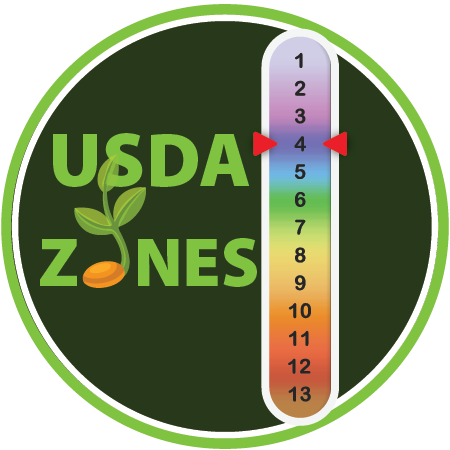
USDA ZONES
3 - 10

ESTABLISHMENT RATE
Fast

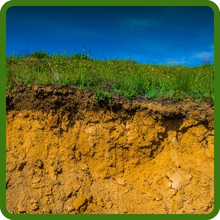
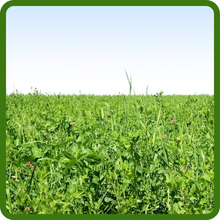
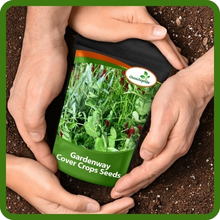

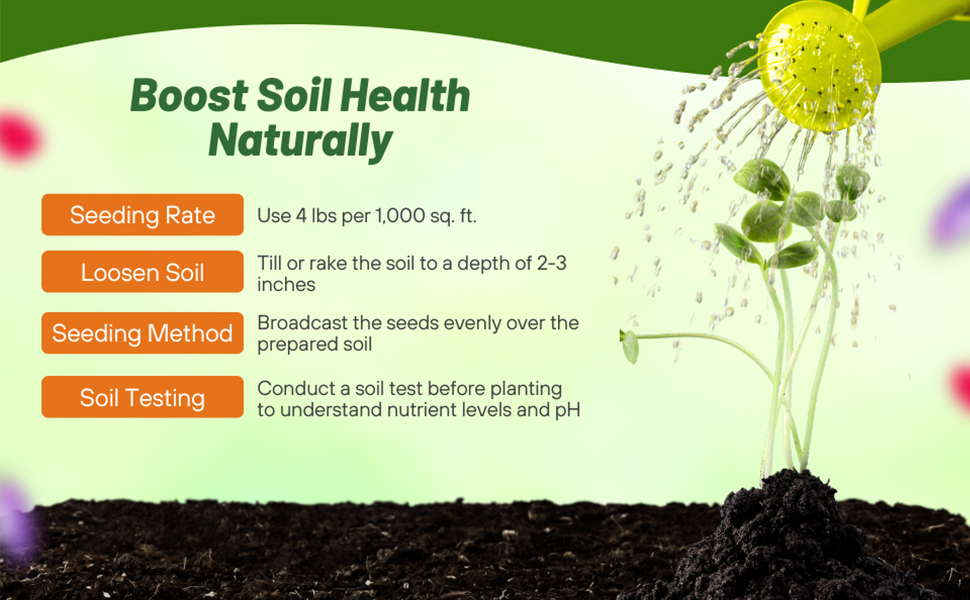
The benefits of using a cover crop on your garden at the end of the season are well documented. The University of Rhode Island Landscape Horticulture Program provides the following information.
|
Cover cropping can be an important practice for the end of the garden season. Even small gardens will benefit from the use of cover crops, or "green manures." Tilling, weeding, harvesting and foot traffic of most home gardens tend to destroy soil structure. Planting cover crops is an easy way to revitalize the soil as well as help soil tilth and subsequent plant growth. Cover crops are planted in vacant space and worked into the soil after they grow instead of being eaten. They provide a number of advantages to the otherwise wasteful use of space during your garden's off-season.
Cover crops help to retain the soil, lessen erosion and decrease the impact of precipitation on the garden by slowing the runoff of water. They also reduce mineral leaching and compaction and suppress perennial and winter annual weed growth. The top growth adds organic matter when it is tilled into the garden soil. The cover crop's root system also provides organic matter and opens passageways that help improve air and water movement in the soil. |
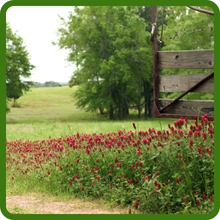
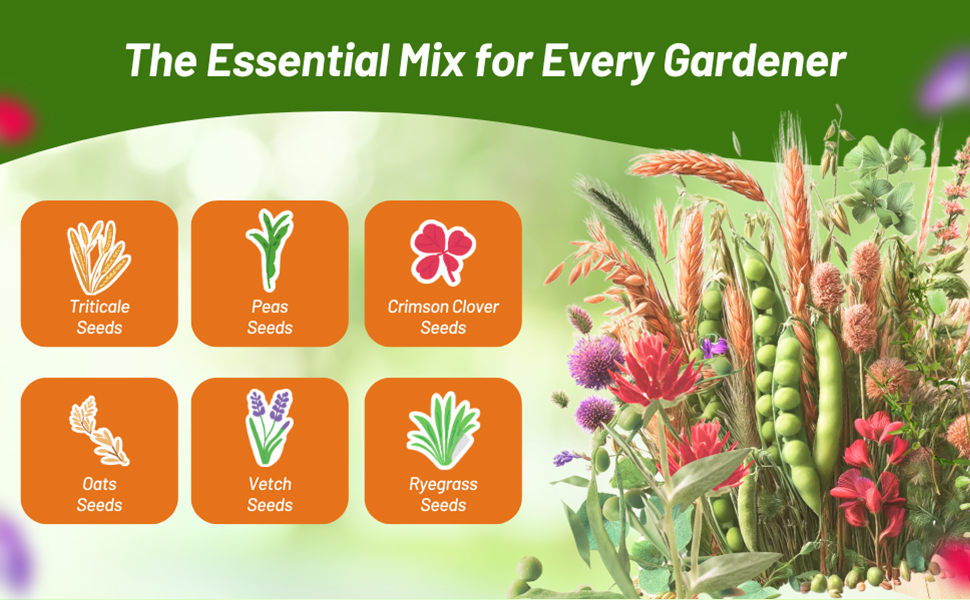
Gardenway is the perfect cover crop for your garden. A mixture of nitrogen fixating plants to enhance your soil that you can plow or till under the following spring. This mixture will work for a winter cover crop in any area across the United States. One of the most economical ways to get the most soil enhancing cover crops on the market today! Gardenway cover crop seed is a mixture of: triticale, peas, oats, vetch, annual ryegrass, and crimson clover.
Planting Directions
SOWING TEMPERATURE
50F - 70F
SEEDING RATE
40 - 50 lbs per acre
AVERAGE GERMINATION TIME
3 - 5 days
PLANTING DEPTH
1/2 - 1 inch
SOWING METHOD
Broadcast or drill
ENVIRONMENT
Full sun
USDA ZONES
3 - 10
ESTABLISHMENT RATE
Fast
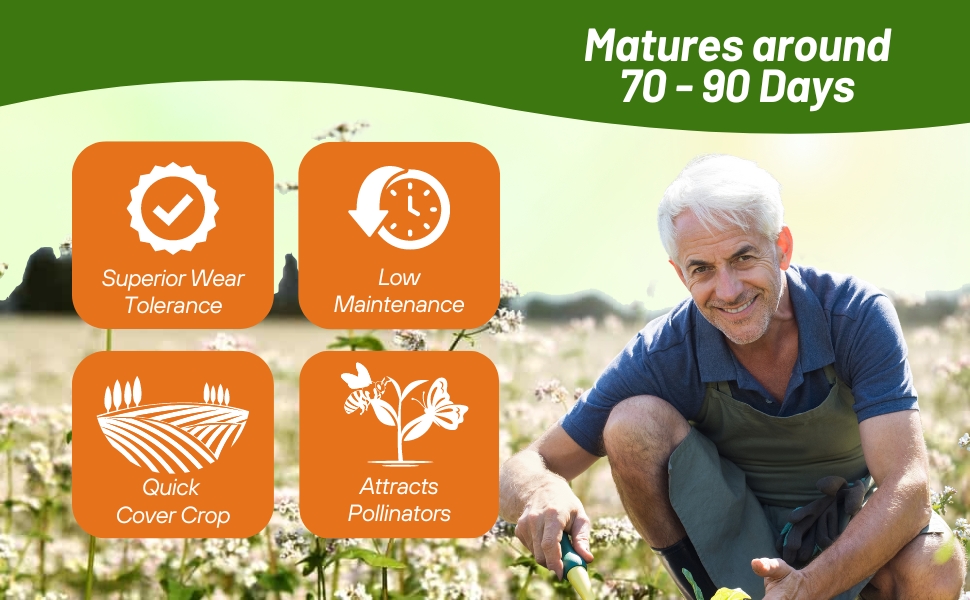
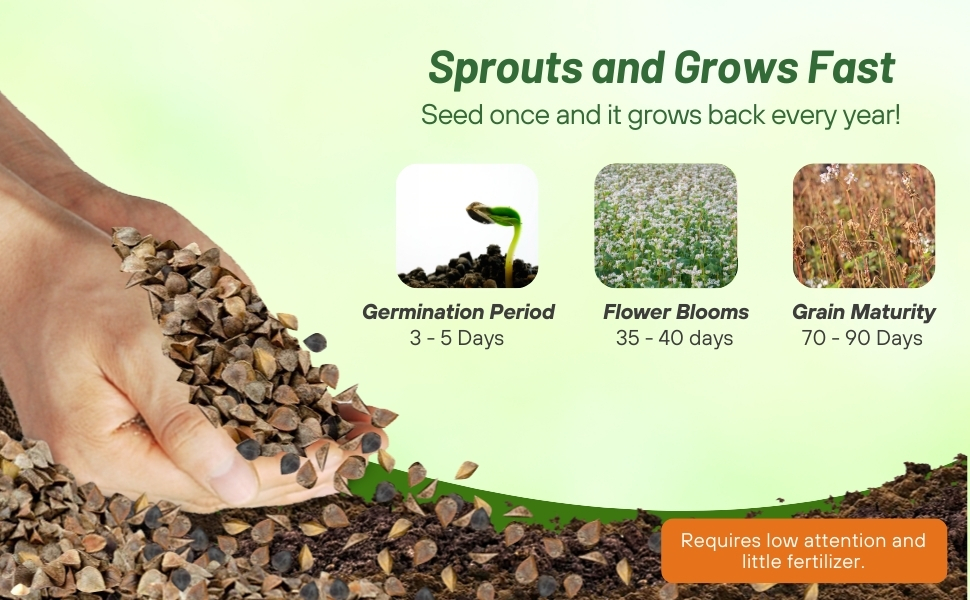
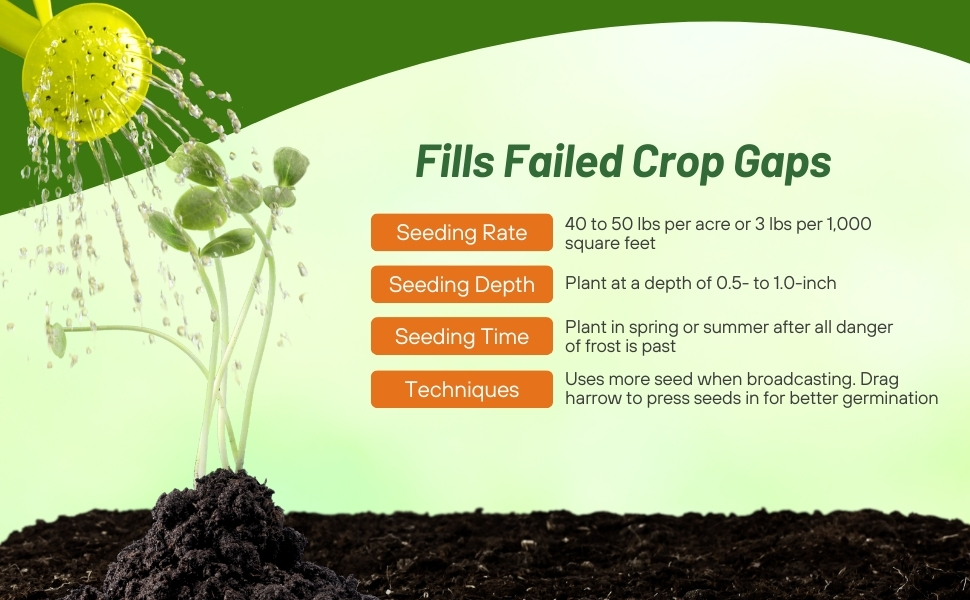
Reasons to grow buckwheat:
- Fits into rotations at a time when fields might otherwise be idle.
- Can be grown as a catch crop where another crop failed.
- Inexpensive to grow because it requires no pesticides and little fertilizer.
- Can be grown with equipment available on most farms.
- Requires little attention during the growing season.
- Mellows the soil and suppresses some weeds.
- Easily raised Organically, at a premium price.
For more information from Cornell University: Buckwheat
Planting Directions
SOWING TEMPERATURE
40F +
SEEDING RATE
30 lbs/acre
AVERAGE GERMINATION TIME
7 - 14 days
PLANTING DEPTH
1.5 - 2 inches
SOWING METHOD
Broadcast or drill
ENVIRONMENT
Full sun
USDA ZONES
3 - 9
ESTABLISHMENT RATE
Slow
Lentils (Lens culinaris) - Winter Lentils (planted late September or early October) are cool season annual vegetables in the legume family. Grown across the world for human consumption they are high in protein and low in fat. They also are able to deposit nitrogen into the soil making this a great cover crop to include in your rotation. Individual plants may vary from single stems to vigorous, bushy forms in dense or sparse stands that normally reach 12 - 18 inches tall. Flowers are small, less than 1/2 inch long, and white, pale purple, or purple black. Lentils prefer cool weather, full sun, and a well-drained soil pH from 6 - 8. You can also grow these in drought-prone areas however, the yields will likely be reduced. Plant with potatoes, cucumbers, and summer savor. Avoid planting with onions or garlic.
Lentils compete poorly with weeds for light, water, and nutrients. During early stages of vegetative growth and in cool weather, lentil growth rates are slow and weeds can quickly overgrow the crop. A seeding depth of 1.5 - 2 inches is optimal for germination and growth, even though deeper plantings may have better access to soil moisture and improved protection from frost. Planting can occur any time after ground temperature sustains 40 - 45F.
Difference between Winter and Spring Lentils:
- Planting Time: Spring lentils are sown as soon as soil hits 40F - 45F, usually April – May. Winter lentils are sown in late September or early October, settling in before winter.
- Harvest and Maturity: Winter lentils reach maturity 3 – 4 weeks earlier than spring-sown varieties, allowing them to avoid late-summer drought conditions.
- Yields: Winter lentils typically produce higher yields and more pods than spring varieties due to a longer growing season and better moisture utilization.
- Hardiness: Spring lentils can withstand light frost (down to 21F). Winter lentils are highly hardy, able to survive temperatures below -25F (Zone 5b).
- Production Area: While spring lentils are common, winter lentils are highly valued in the U.S. Pacific Northwest for reducing erosion in conservation tillage systems.
- Winter Lentils: Offer better weed control (better competition), improve rotation with winter cereals, and increase yields.
- Spring Lentils: Offer immediate convenience and are more widespread, but risk heat stress during blooming.
Planting Directions
SOWING TEMPERATURE
60F +
SEEDING RATE
20 - 25 lbs / acre
AVERAGE GERMINATION TIME
7 - 14 days
PLANTING DEPTH
1/2 - 3/4 inch
SOWING METHOD
Broadcast or drill
ENVIRONMENT
Full sun
USDA ZONES
2 - 9
ESTABLISHMENT RATE
Fast
White Proso Millet (Panicum miliaceum) - Proso millet is one of the most drought tolerant and cost effective warm season annual grasses that produces large amounts of grain. It is the shortest growing millet and works best in grazing mixes the northern US. Proso millet is an excellent seed producing making it is a great plant for game bird or other wildlife mixes. It performs well in mixes for wildlife cover and is popular for dove, quail, turkey and duck fields. It is also sued as feed for cattle or forage for deer and rabbits.
Proso millet is also a gluten-free, drought-tolerant ancient grain used for human food and birdseed. Known for its mild, nutty flavor and quick cooking time. It's rich in protein, fiber, and minerals, making it a nutritious alternative to rice or quinoa, suitable for dishes like porridge, pilafs, and salads, and it thrives in warm, dry climates where other crops struggle.
Another great use of proso millet is as a cover crop. It is a fast-growing ideal as a short-term summer cover crop (60 – 90 days) for soil protection, weed suppression, and erosion control. It thrives in dry conditions, requiring low moisture to grow 3 - 6 feet tall, and is an excellent option for breaking up crop rotations to improve soil health.
- Application or Use: Cover Crop, Erosion Control, Cattle Forage, Livestock Grazing, Food Plot
- Germination Time: 5 - 7 days, under optimal conditions
- Growing Locations: Warm Season, Transition Zone, Cool Season
- Height: 3 - 6 feet
- Sunlight Requirements: 8+ hours, full sun for best results
- Advantages: Increased drought tolerance; high seed producer under hot, dry conditions.
- When to Plant: Recommend planting time is spring and summer when night time temperatures are consistently 65+ degrees.
- Maturity: 60 - 90 days
- Seeding Rate: 20 lbs per acre
Planting Directions
SOWING TEMPERATURE
40F +
SEEDING RATE
30 lbs/acre
AVERAGE GERMINATION TIME
7 - 14 days
PLANTING DEPTH
1.5 - 2 inches
SOWING METHOD
Broadcast or drill
ENVIRONMENT
Full sun
USDA ZONES
3 - 9
ESTABLISHMENT RATE
Slow
Lentils (Lens culinaris) - Spring Lentils (planted early spring, matured by fall) are cool season annual vegetables in the legume family. Grown across the world for human consumption they are high in protein and low in fat. They also are able to deposit nitrogen into the soil making this a great cover crop to include in your rotation. Individual plants may vary from single stems to vigorous, bushy forms in dense or sparse stands that normally reach 12 - 18 inches tall. Flowers are small, less than 1/2 inch long, and white, pale purple, or purple black. Lentils prefer cool weather, full sun, and a well-drained soil pH from 6 - 8. You can also grow these in drought-prone areas however, the yields will likely be reduced. Plant with potatoes, cucumbers, and summer savor. Avoid planting with onions or garlic.
Lentils compete poorly with weeds for light, water, and nutrients. During early stages of vegetative growth and in cool weather, lentil growth rates are slow and weeds can quickly overgrow the crop. A seeding depth of 1.5 - 2 inches is optimal for germination and growth, even though deeper plantings may have better access to soil moisture and improved protection from frost. Planting can occur any time after ground temperature sustains 40 - 45F.
Difference between Winter and Spring Lentils:
- Planting Time: Spring lentils are sown as soon as soil hits 40F - 45F, usually April – May. Winter lentils are sown in late September or early October, settling in before winter.
- Harvest and Maturity: Winter lentils reach maturity 3 – 4 weeks earlier than spring-sown varieties, allowing them to avoid late-summer drought conditions.
- Yields: Winter lentils typically produce higher yields and more pods than spring varieties due to a longer growing season and better moisture utilization.
- Hardiness: Spring lentils can withstand light frost (down to 21F). Winter lentils are highly hardy, able to survive temperatures below -25F (Zone 5b).
- Production Area: While spring lentils are common, winter lentils are highly valued in the U.S. Pacific Northwest for reducing erosion in conservation tillage systems.
- Winter Lentils: Offer better weed control (better competition), improve rotation with winter cereals, and increase yields.
- Spring Lentils: Offer immediate convenience and are more widespread, but risk heat stress during blooming.
Planting Directions
SOWING TEMPERATURE
55F
SEEDING RATE
20 - 30 lbs/acre
AVERAGE GERMINATION TIME
7 - 14 days
PLANTING DEPTH
1/4 - 1/2 inch
SOWING METHOD
Broadcast or drill
ENVIRONMENT
Full sun
USDA ZONES
3 - 9
Common Flax (Linum usitatissimum) - Also known as linseed. It is a flowering, short-lived, annual subshrub. In its native habitat, it can be grown as a perennial, but it is not cold tolerant. The thin, wiry stems that support the flower buds appear delicate, but are difficult to break. It produces pale blue flowers on slender, but strong, stems in late spring into mid-summer. Flax is a plant known historically for fiber production. The seed is used to produce edible oils and also oils for wood finishing products.
Common flax prefers moist, well-drained, mildly acid, neutral and mildly alkaline soils. It does best in full sun and cannot grow in the shade. The plant tolerates strong winds but not maritime exposure. It will tolerate drought and dry or rocky soil, but clay soils can cause the plant to root shallowly that will cause problems for the plant in cold weather.
It is a versatile cover crop used for soil conditioning, especially effective at fighting compaction and increasing mycorrhizal fungi activity. It is best used in mixes (e.g., with oats, vetch, or peas) to build soil health, as it is non-competitive and can be easily seeded at 20 - 30 lbs/acre. Its fibrous roots improve soil structure and its flowers attract pollinators and beneficial insects. As a cover crop, flax helps to mobilize phosphorus in the soil and add organic matter. Plant early Spring or late Summer.
Planting Directions
SOWING TEMPERATURE
40F +
SEEDING RATE
8 - 10 lbs/acre
AVERAGE GERMINATION TIME
5 to 10 days
PLANTING DEPTH
1/4 - 1/2 inch
SOWING METHOD
Broadcast or drill
ENVIRONMENT
Full sun
USDA ZONES
3 - 9
ESTABLISHMENT RATE
Rapid
Camelina (Camelina sativa) - is an oilseed that is getting attention for its omega-3 nutritional attributes and as a possible, affordable source for biodiesel. It contains about 34 to 36 percent omega-3 oil. It has many names such as: usually known as camelina, gold-of-pleasure, or false flax, but also occasionally as wild flax, linseed dodder, German sesame, or Siberian oilseed.
Camelina is well suited for marginal soils. According to Montana State University (MSU) research, camelina has a lower break-even cost than wheat and canola. The seed can be broadcast or drilled. The seeds are dense and small at 345,000 to 465,000 seeds per pound. Yields vary depending on soils and rainfall. Based on MSU research, camelina will average 1,800 to 2,200 pounds per acre under 16- to 18-inch rainfalls. In other dryland research trials by MSU, camelina yields averaged 1,000 to 1,700 per acre. Yields drop with less rainfall and increase when using irrigation. Montana State suggests including camelina in a three- or four-year crop rotation.
Camelina can be grown as a cover crop either alone or more commonly as part of a cover crop mix. Mostly winter camelina is used as a cover crop for a fall to spring cover, but spring camelina can also be used depending on climate and seed availablity.
- Nitrogen fixation: Camelina holds onto nitrogen especially as an overwintered cover crops.
- Pollinator effect: Camelina will bloom earlier than most other flowering species so provides an early nectar source in spring.
- Soil aeration: Camelina has one main tap root that has been shown to help with compacted soils.
- Drought tolerance: Camelina is very drought tolerant once established compared to most other cover crops.
- Other benefits: It can grow well in the shade so good in a cover crop mix. It grows well in low fertility environments. It is also good at helping control erosion.
Planting Directions
SOWING TEMPERATURE
50F
SEEDING RATE
30 - 75 lbs/acre
AVERAGE GERMINATION TIME
7 - 14 days
PLANTING DEPTH
1/2 - 1 inch deep
SOWING METHOD
Broadcast or drill
ENVIRONMENT
Full sun to partial shade
USDA ZONES
4 - 9
ESTABLISHMENT RATE
Fast
Common Vetch (Vicia sativa) - Common vetch is a fast establishing, high-yielding winter annual legume perfect for a winter forage, cover crop, pollinator habitat and supports wildlife. It is not winter-hardy, so it is best to be used in southern areas or where winter survival is not important. It can also be planted early spring for plowdown in early summer. It is a viny, succulent, attaining a height of 24 inches when planted alone. It grows faster than hairy vetch in Spring, is more economical for seed, and is preferred for forage due to lower toxicity risks compared to hairy vetch.
Common vetch grows on a wide range of soils. It does well on loams, sandy loams, or gravelly soils, as well as on fine-textured clay soils as long as there is good drainage. Although common vetch tolerates short periods of saturated soils, it does not tolerate extended flooding. Common vetch tolerates pH of 5.5 - 8.2, but optimum pH is 6.5. It is used successfully as a cover crop in vineyards and orchards. In vineyards, common vetch is less likely to climb trellises than hairy vetch.
- Soil Fertility and Health: A nitrogen fixing legume, common vetch converts nitrogen into soil-available nutrients which reduces the need for synthetic fertilizers. It acts as an excellent green manure, adding significant organic matter.
- Erosion Control and Weed Supression: The extensive, deep root system holds soil in place. As a fast-growing, dense cover crop, it acts as a living mulch that reduces weeds and soil moisture evaporation.
- Forage and Livestock Feed: Common vetch is high in protein (up to 25%) and is used for hay, silage, and pasture, particularly for cows, sheep, and deer. It can be grown in mixtures with cereals like oats for enhanced forage.
- Environmental Benefits: It supports pollinators, such as bees, with nectar. It is also used in phytoremediation to accumulate contaminants in the soil.
- Crop Rotation: It is an effective nitrogen-adding component in crop rotations, improving soil for subsequent crops.
Videos