










-
CATEGORY ::
- All Seeds /
- All Cover Crop Seed


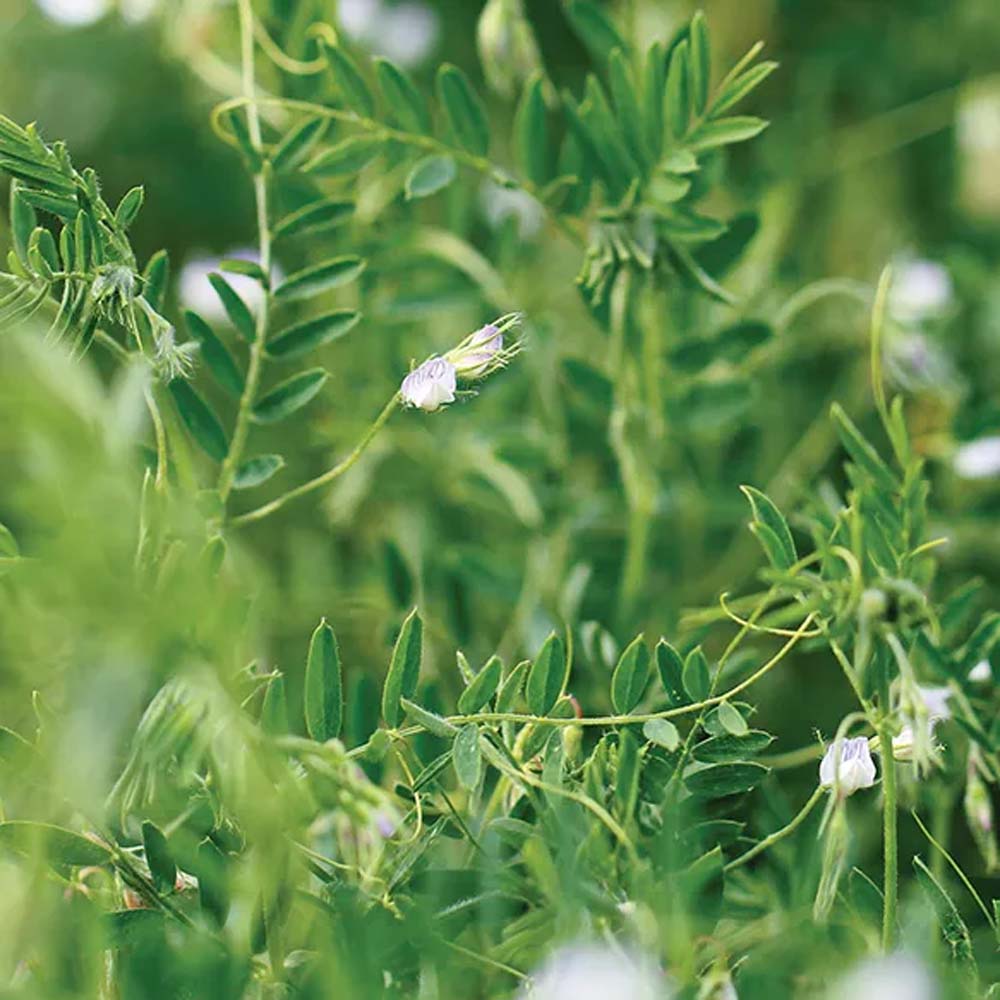
Lentils Seeds - Spring

LATIN NAME
Lens culinaris

SEASON
Annual

HEIGHT
12 - 24 inches

WHEN TO PLANT
April to early May (depends on temps)

MOISTURE REQUIREMENTS
Medium

COLD TOLERANCE
Good

HEAT TOLERANCE
Poor

SHADE TOLERANCE
Poor
DAYS TO MATURITY
80 - 110 days

IDEAL FOR
Cover crop, food source
About...
Lentils (Lens culinaris) - Spring Lentils (planted early spring, matured by fall) are cool season annual vegetables in the legume family. Grown across the world for human consumption they are high in protein and low in fat. They also are able to deposit nitrogen into the soil making this a great cover crop to include in your rotation.MORE COVER CROP OPTIONS

Planting Directions

SOWING TEMPERATURE
40F +

SEEDING RATE
30 lbs/acre
AVERAGE GERMINATION TIME
7 - 14 days

PLANTING DEPTH
1.5 - 2 inches

SOWING METHOD
Broadcast or drill

ENVIRONMENT
Full sun
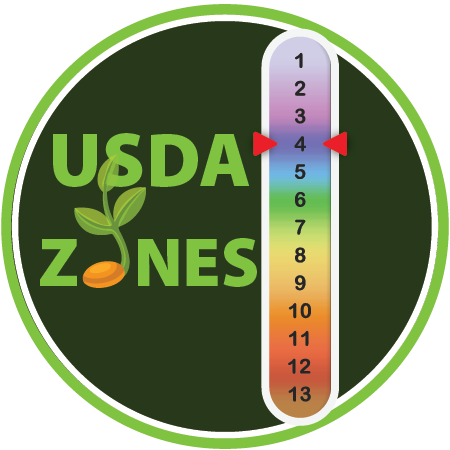
USDA ZONES
3 - 9

ESTABLISHMENT RATE
Slow
Lentils (Lens culinaris) - Spring Lentils (planted early spring, matured by fall) are cool season annual vegetables in the legume family. Grown across the world for human consumption they are high in protein and low in fat. They also are able to deposit nitrogen into the soil making this a great cover crop to include in your rotation. Individual plants may vary from single stems to vigorous, bushy forms in dense or sparse stands that normally reach 12 - 18 inches tall. Flowers are small, less than 1/2 inch long, and white, pale purple, or purple black. Lentils prefer cool weather, full sun, and a well-drained soil pH from 6 - 8. You can also grow these in drought-prone areas however, the yields will likely be reduced. Plant with potatoes, cucumbers, and summer savor. Avoid planting with onions or garlic.
Lentils compete poorly with weeds for light, water, and nutrients. During early stages of vegetative growth and in cool weather, lentil growth rates are slow and weeds can quickly overgrow the crop. A seeding depth of 1.5 - 2 inches is optimal for germination and growth, even though deeper plantings may have better access to soil moisture and improved protection from frost. Planting can occur any time after ground temperature sustains 40 - 45F.
Difference between Winter and Spring Lentils:
- Planting Time: Spring lentils are sown as soon as soil hits 40F - 45F, usually April – May. Winter lentils are sown in late September or early October, settling in before winter.
- Harvest and Maturity: Winter lentils reach maturity 3 – 4 weeks earlier than spring-sown varieties, allowing them to avoid late-summer drought conditions.
- Yields: Winter lentils typically produce higher yields and more pods than spring varieties due to a longer growing season and better moisture utilization.
- Hardiness: Spring lentils can withstand light frost (down to 21F). Winter lentils are highly hardy, able to survive temperatures below -25F (Zone 5b).
- Production Area: While spring lentils are common, winter lentils are highly valued in the U.S. Pacific Northwest for reducing erosion in conservation tillage systems.
- Winter Lentils: Offer better weed control (better competition), improve rotation with winter cereals, and increase yields.
- Spring Lentils: Offer immediate convenience and are more widespread, but risk heat stress during blooming.