










Gaillardia Seeds - Pulchella Bicolor

SEASON
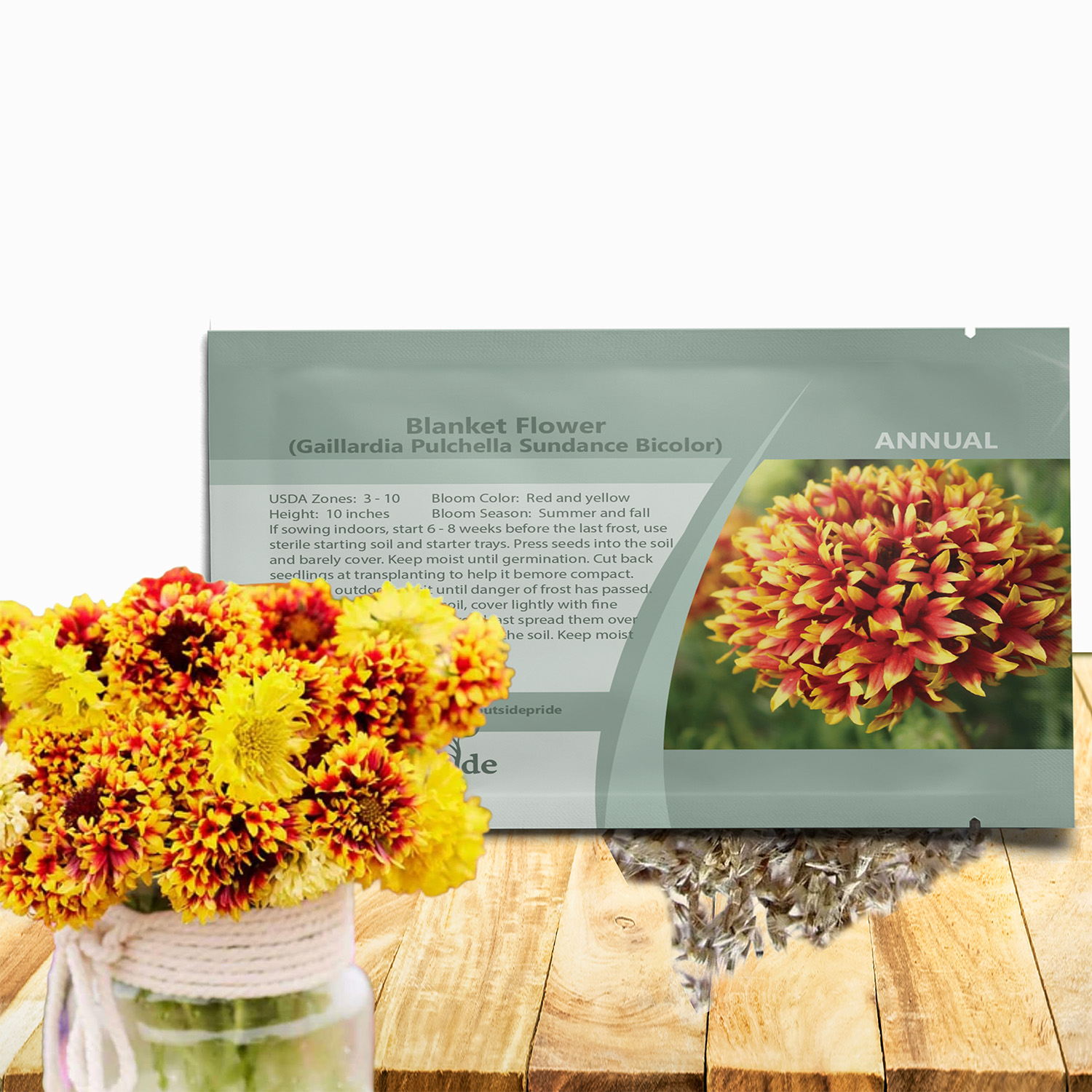
Annual
USDA ZONES
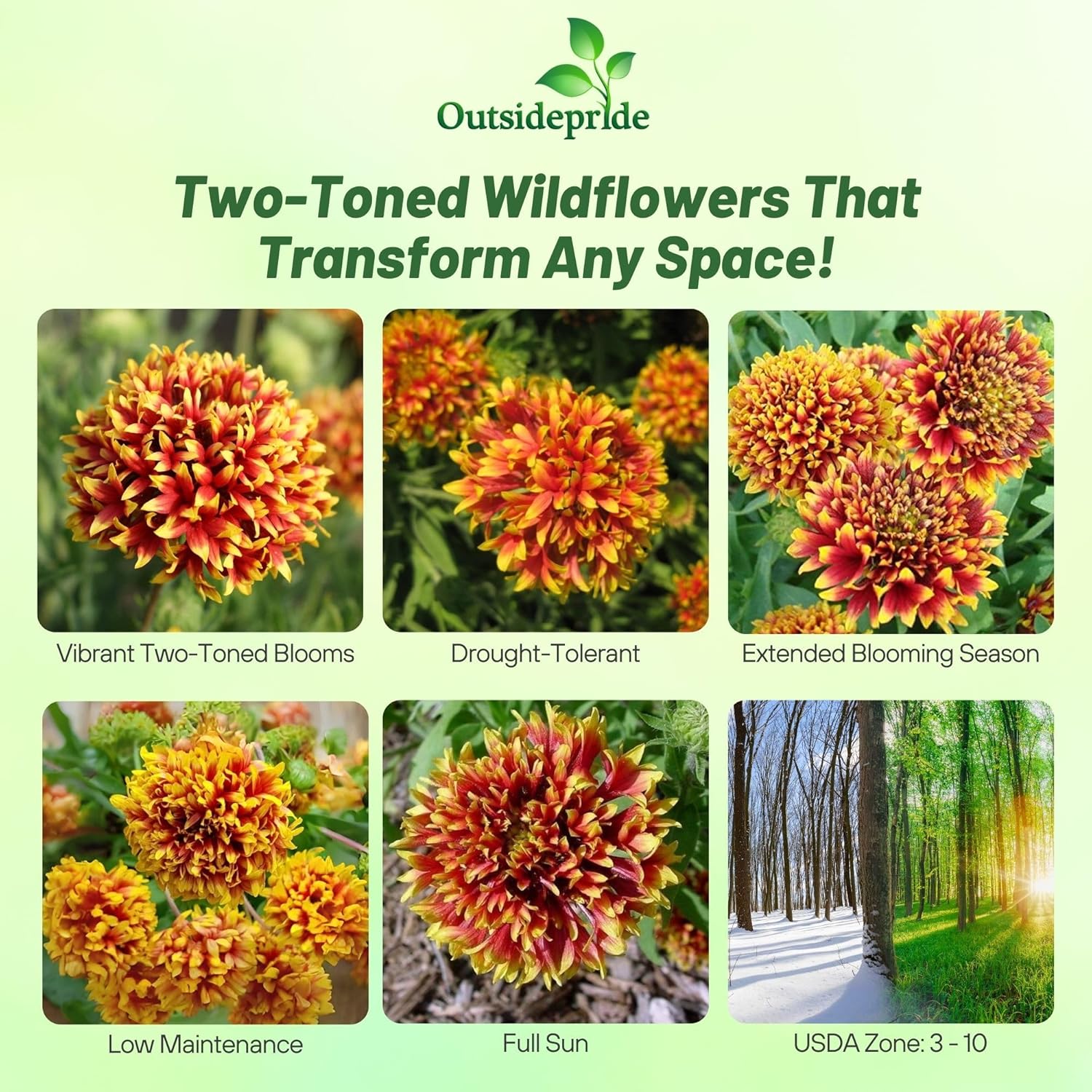
3 - 10

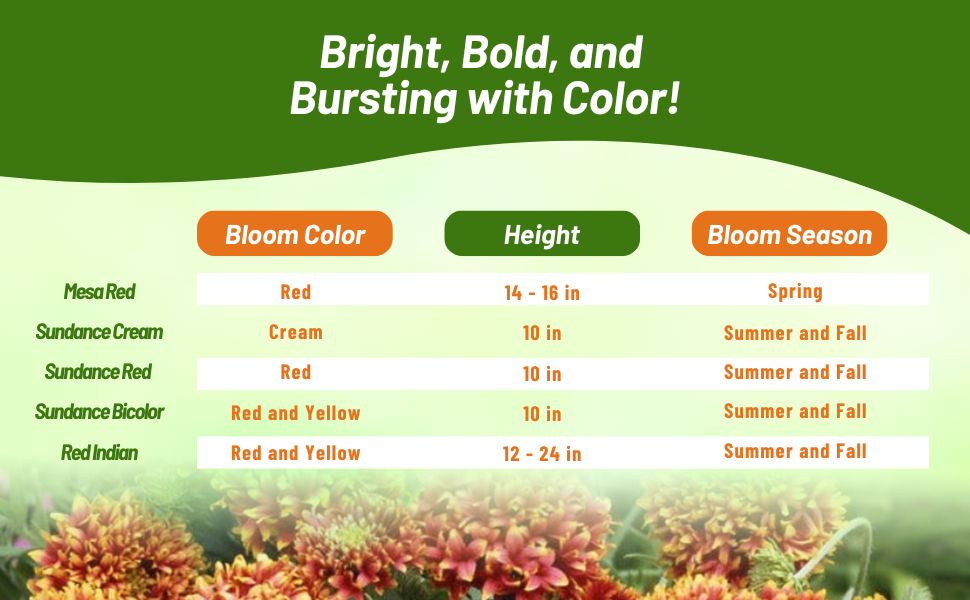
HEIGHT
10 inches

BLOOM SEASON
Summer and fall

BLOOM COLOR
Red and yellow

ENVIRONMENT
Full sun

SOIL TYPE
Well-drained, pH 6.2 - 7.2

DEER RESISTANT
Yes

About...
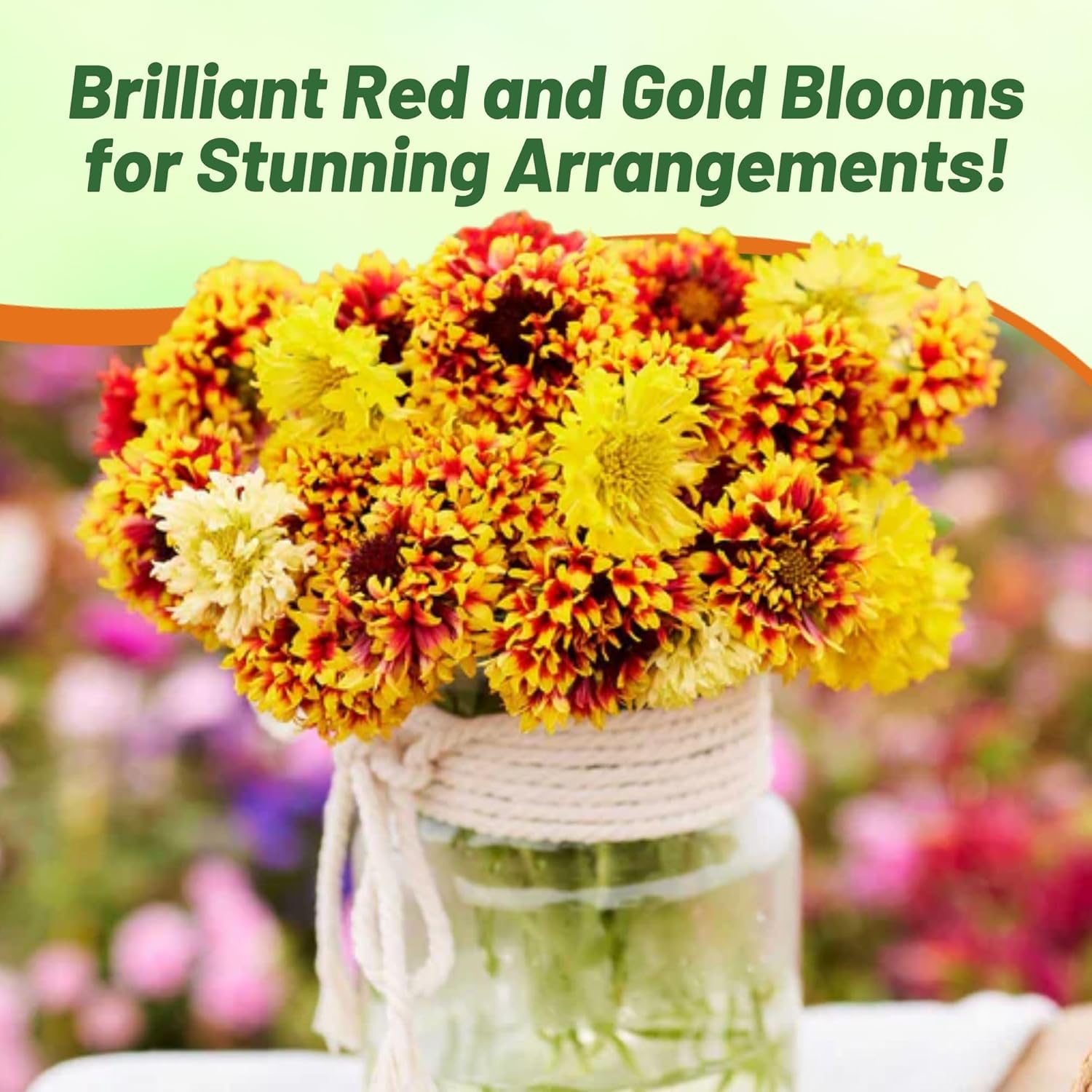
Indian Blanket (Gaillardia Pulchella Sundance Bicolor) - This annual is so easy and rewarding to grow from seeds! It is the first consistent mahogany red and yellow bi-color of its kind. The globe-shaped blooms are usually double and often will cover the drought tolerant plant throughout the growing season.
MORE GAILLARDIA OPTIONS

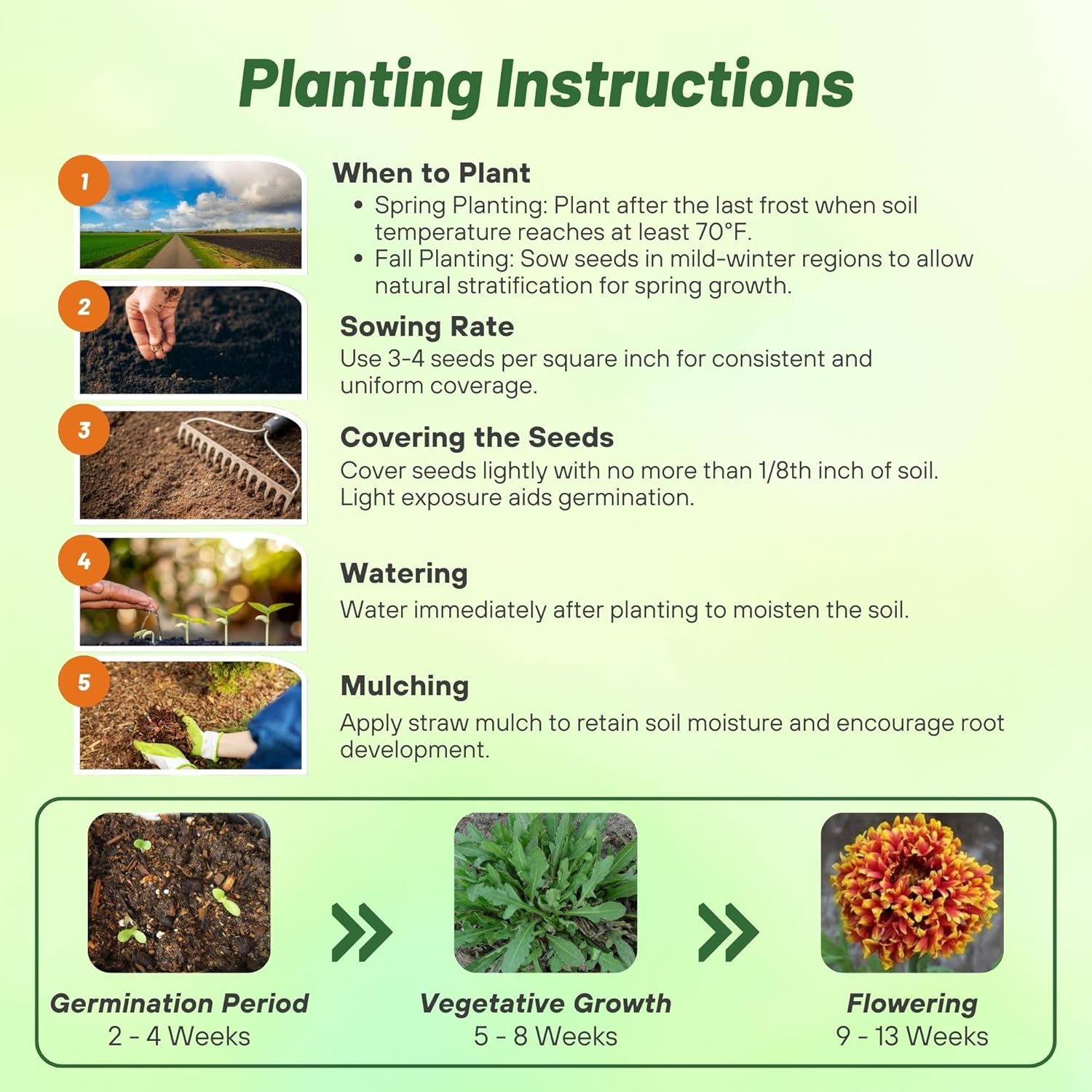
Planting Directions

TEMPERATURE
70F

AVERAGE GERM TIME
14 - 21 weeks

LIGHT REQUIRED
Yes

DEPTH
Seeds must be covered thinly, no more than the thickness of the seed

SOWING RATE
3 - 4 seeds per plant

MOISTURE
Keep seed moist until germination

PLANT SPACING
14 - 18 inches
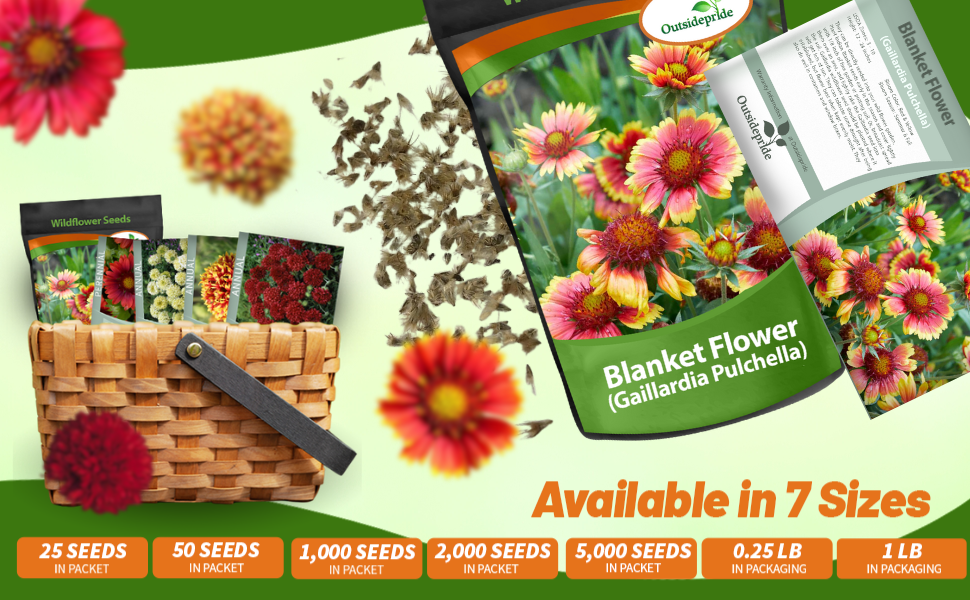
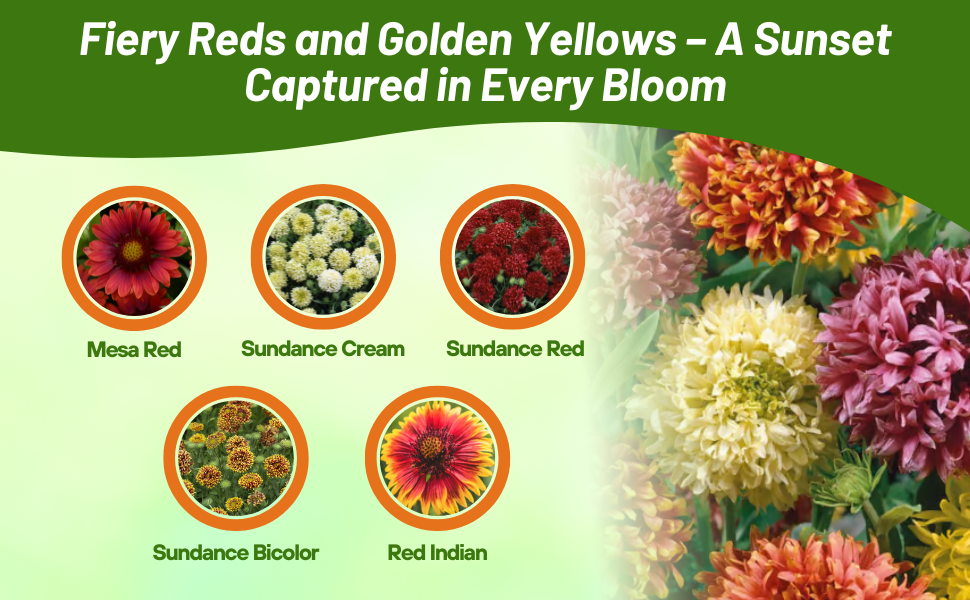
Indian Blanket (Gaillardia Pulchella Sundance Bicolor) - This annual is so easy and rewarding to grow from Gaillardia seeds! Sundance Bicolor Blanket Flower is the first consistent mahogany red and yellow bi-color Gaillardia flower. The globe-shaped blooms are usually double and often will cover the plant throughout the growing season. Exhibiting heat and drought tolerance, Gaillardia Sundance is carefree and hardy in the garden. The spreading plants need 15 to 16 inches of garden space, preferably in full sun. This annual needs moderately fertile soil and moisture to flower abundantly during the summer. The spreading habit is desirable for hanging baskets or patio containers.
Annual Blanket Flower grows readily from Gaillardia flower seed and is native to the southern United States and Mexico. Its upright, toothed or lobed, bushy gray-green foliage beautifully sets off the showy, double daisy-like flowers with dark purple centers. The blooms seem to dance on wiry stems spring to fall.
Frequently Asked Questions
Is blanket flower invasive?
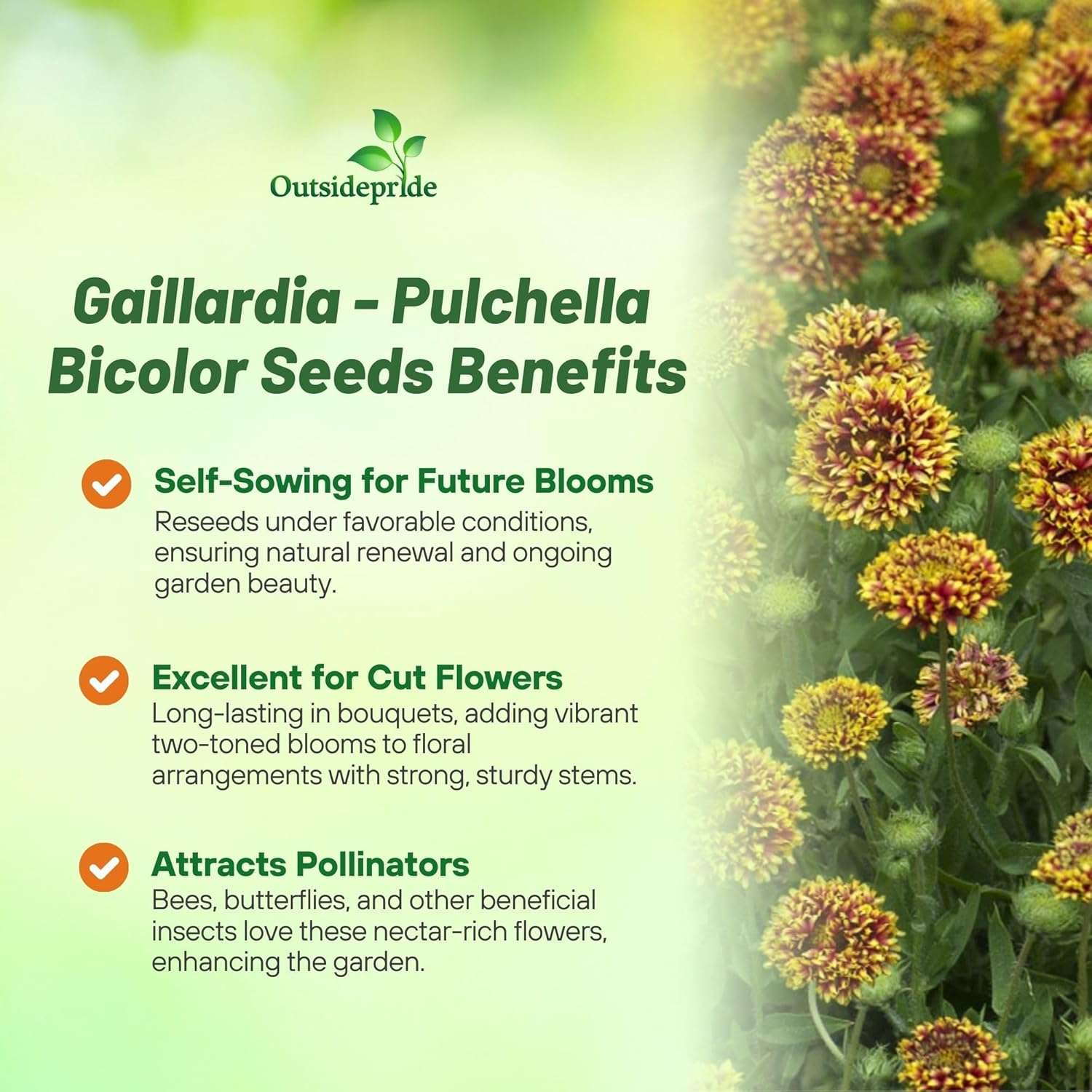
Though blanket flowers reseed themselves, they are not invasive and can be easily pulled up from unwanted places.
Does blanket flower bloom all summer?
Yes, blanket flowers bloom from early summer through the fall for long-lasting color.
What plants pair with blanket flower?
The bold, daisy-like blooms complement soft textures such as Coreopsis and cosmos, along with airy ornamental grasses. For added contrast, consider pairing them with spiky plants like Kniphofia or Crocosmia.
What are some good areas for using blanket flower in the landscape?
These flowers are suited well for beds and borders, containers, rock gardens, butterfly gardens, or prairies and meadows.
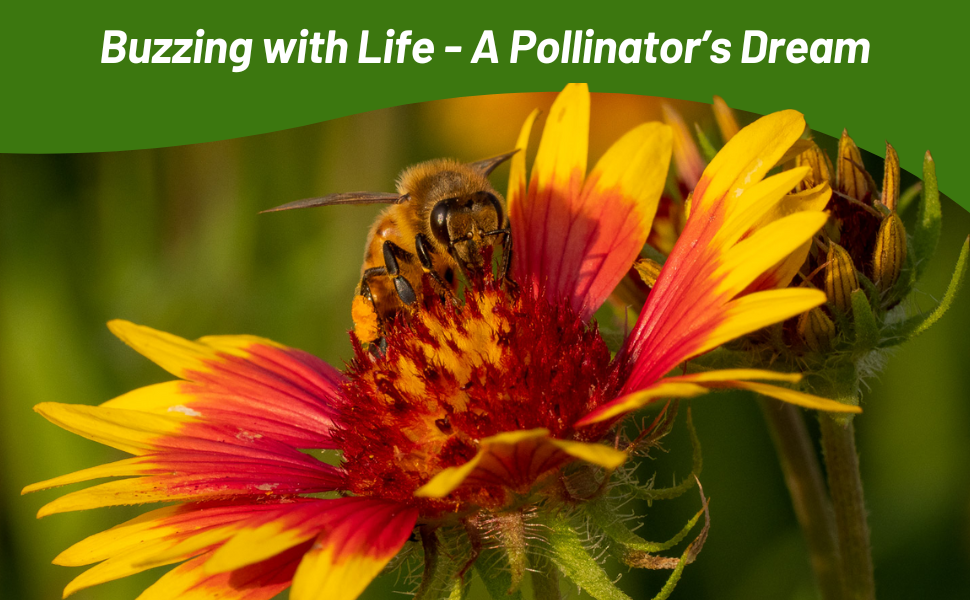
Will any pollinators be attracted to the flowers?
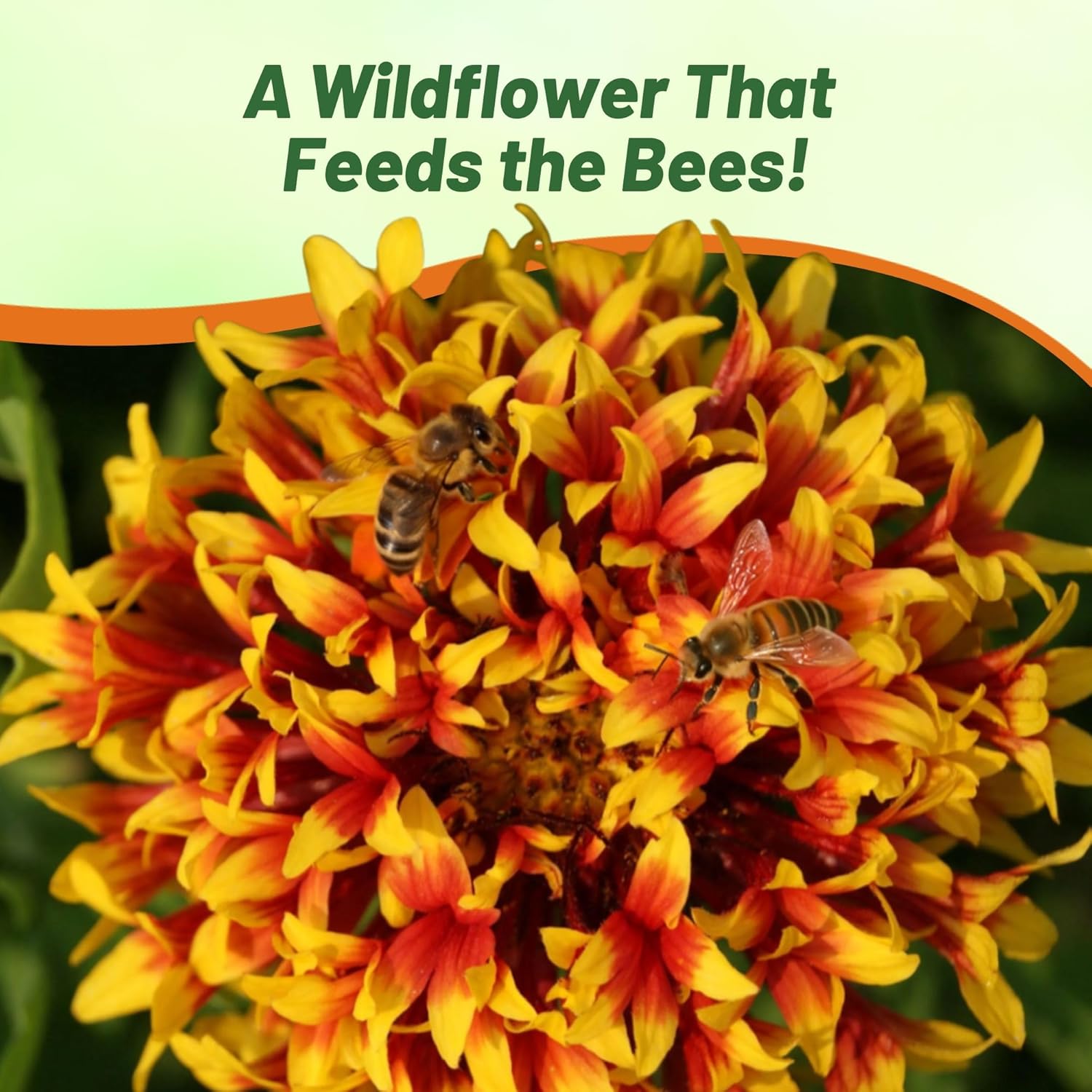
Yes, bees, birds and butterflies all enjoy these flowers.
Videos