







-
CATEGORY ::
- All Seeds /
- All Cover Crop Seed



Fava Bean Seed

LATIN NAME
Vicia faba

SEASON
Annual

WHEN TO PLANT
After danger of frost

MOISTURE REQUIREMENTS
Moderate - high
CROP HEIGHT
48 inches

COLD TOLERANCE
Fair - good

HEAT TOLERANCE
Moderate

SHADE TOLERANCE
Fair - good
DAYS TO MATURITY
80 - 100 days

PLANT CHARACTERISTICS
Nitrogen fixator, high yields, high protein, high biomass

LATIN NAME
Fagopyrum esculentum
SEASON
Annual
WHEN TO PLANT
Late spring to mid summer
MOISTURE REQUIREMENTS
Moderate
CROP HEIGHT
36 - 48 inches
COLD TOLERANCE
Excellent
HEAT TOLERANCE
Good
SHADE TOLERANCE
Poor
DAYS TO MATURITY
70 - 90 days
PLANT CHARACTERISTICS
Wear tolerant, fast growing, improves soil, nutritious grain
LATIN NAME
Glycine max
SEASON
Annual
WHEN TO PLANT
Spring to early summer
MOISTURE REQUIREMENTS
High
CROP HEIGHT
20 - 50 inches
COLD TOLERANCE
Poor
HEAT TOLERANCE
Good
SHADE TOLERANCE
Poor
DAYS TO MATURITY
80 - 120 days
PLANT CHARACTERISTICS
Nitrogen fixator, easy establishment, high yields, oil
LATIN NAME
Vigna radiata
SEASON
Annual

HEIGHT
12 - 36 inches
WHEN TO PLANT
Late Spring to early Summer
MOISTURE REQUIREMENTS
Low
COLD TOLERANCE
Poor
HEAT TOLERANCE
Excellent
SHADE TOLERANCE
Fair
DAYS TO MATURITY
60 - 90 days

IDEAL FOR
Food source, cover crop
LATIN NAME
Lens culinaris
SEASON
Annual
HEIGHT
12 - 24 inches
WHEN TO PLANT
Late September - early October
MOISTURE REQUIREMENTS
Medium
COLD TOLERANCE
Excellent
HEAT TOLERANCE
Poor
SHADE TOLERANCE
Poor
DAYS TO MATURITY
80 - 110 days
IDEAL FOR
Cover crop, food source
LATIN NAME
Panicum miliaceum
SEASON
Annual
HEIGHT
36 - 72 inches
WHEN TO PLANT
Late spring to early summer
MOISTURE REQUIREMENTS
Low
COLD TOLERANCE
Low
HEAT TOLERANCE
High
SHADE TOLERANCE
Low
DAYS TO MATURITY
60 - 90 days
IDEAL FOR
Birds, livestock, wildlife, cover crop
LATIN NAME
Lens culinaris
SEASON
Annual
HEIGHT
12 - 24 inches
WHEN TO PLANT
Early spring
MOISTURE REQUIREMENTS
Medium
COLD TOLERANCE
Good
HEAT TOLERANCE
Poor
SHADE TOLERANCE
Poor
DAYS TO MATURITY
80 - 110 days
IDEAL FOR
Cover crop, food source
LATIN NAME
Linum usitatissimum
SEASON
Annual
HEIGHT
24 - 36 inches
WHEN TO PLANT
Early Spring
MOISTURE REQUIREMENTS
Little
COLD TOLERANCE
Poor
HEAT TOLERANCE
Poor
SHADE TOLERANCE
Poor
DAYS TO MATURITY
90 - 120 days
IDEAL FOR
Linen fiber, edible seed, oil, cover crop
About...
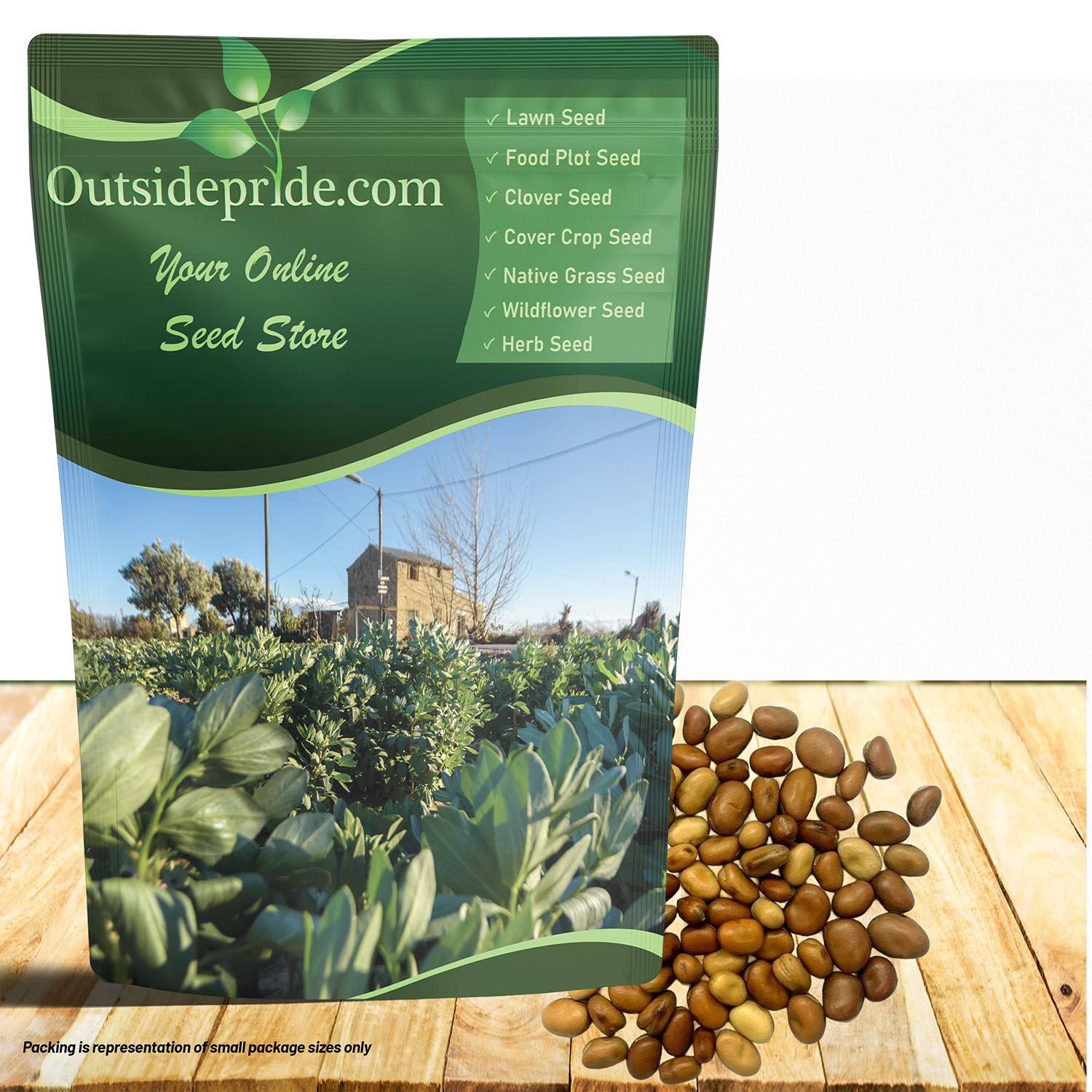
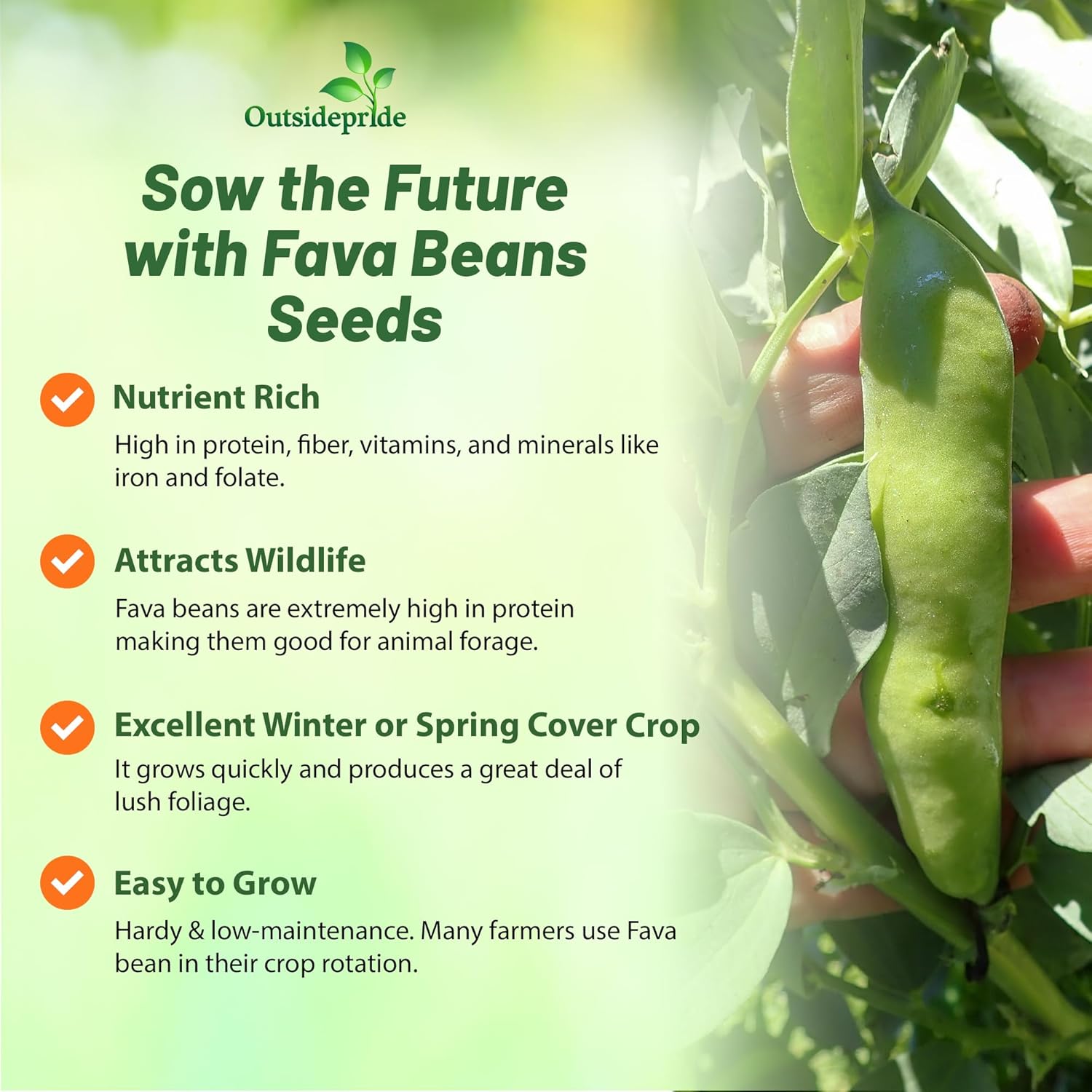
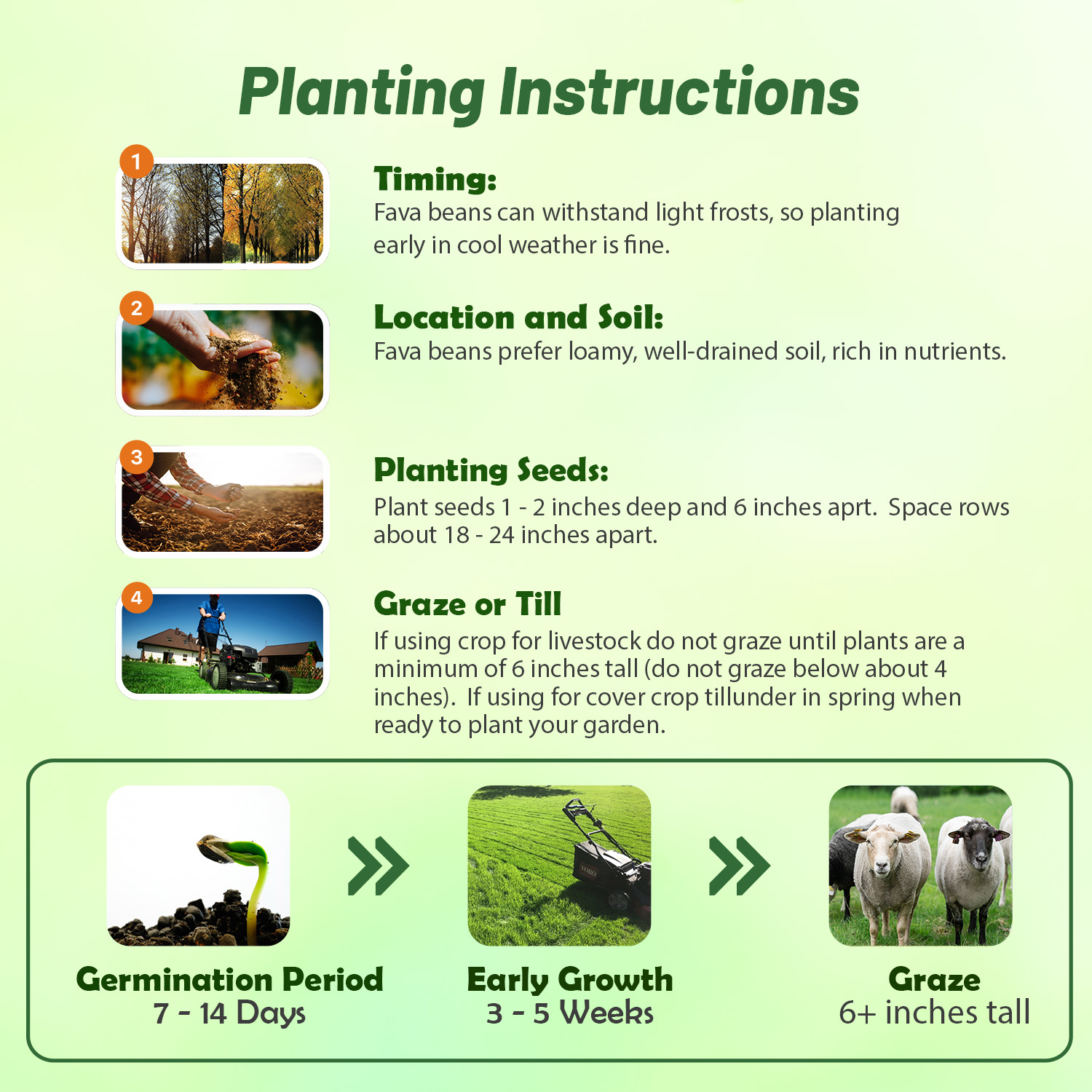
A tried and true bean seed dating back to the 4th century. Fava beans are one of the oldest domesticated food legumes often used as a cover crop seed.
MORE COVER CROP OPTIONS

Planting Directions

SOWING TEMPERATURE
41F+

SEEDING RATE
1 - 2 lbs per 1,000 square feet
AVERAGE GERMINATION TIME
7 - 14 days

PLANTING DEPTH
1 - 2 inches

SOWING METHOD
Broadcast or drill

ENVIRONMENT
Full sun
USDA ZONES
2 - 10

ESTABLISHMENT RATE
Fast
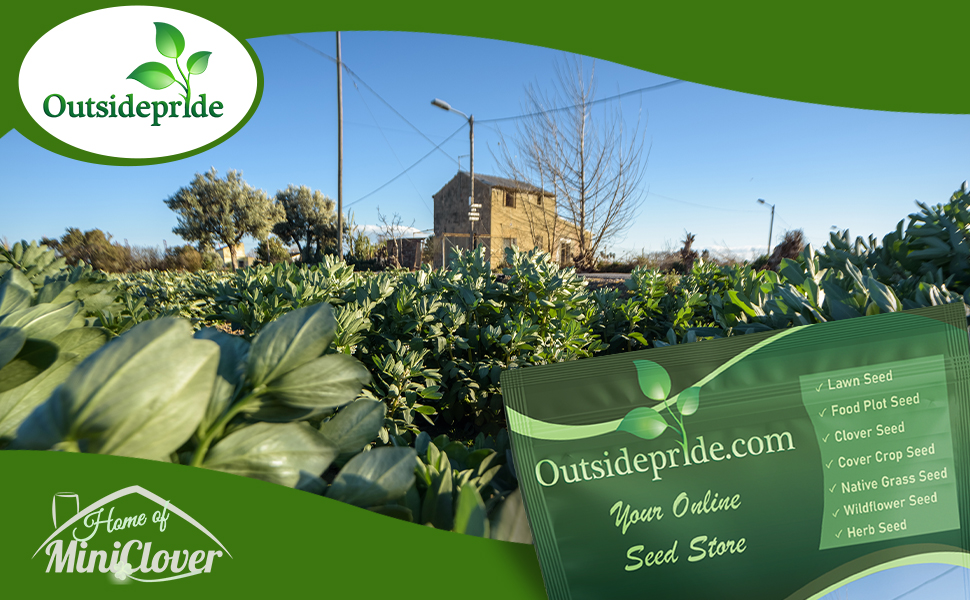
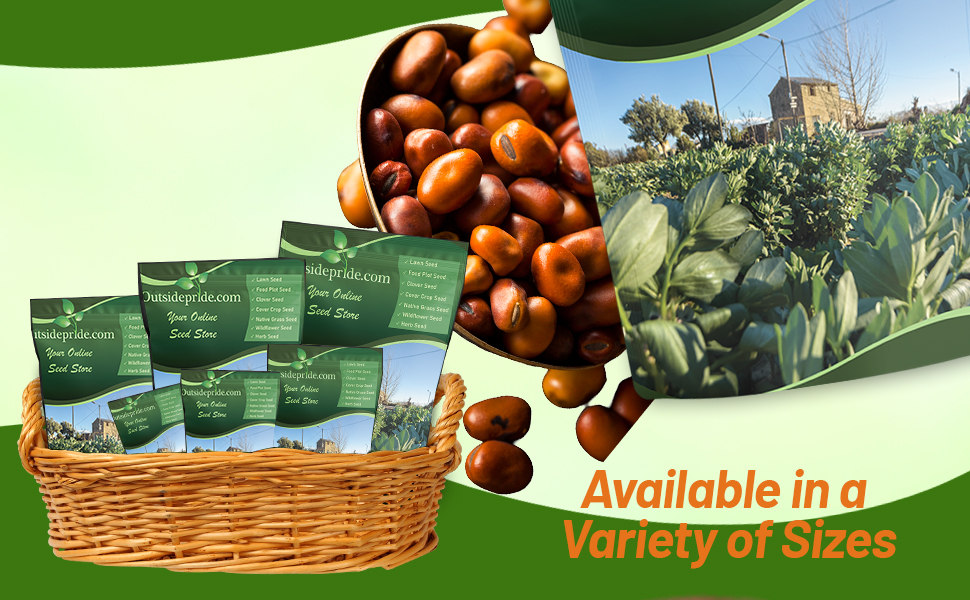
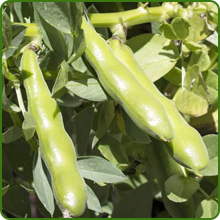
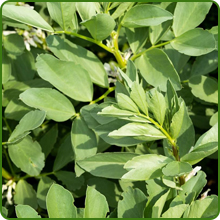
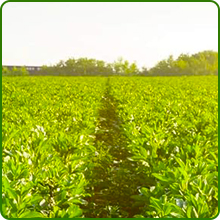

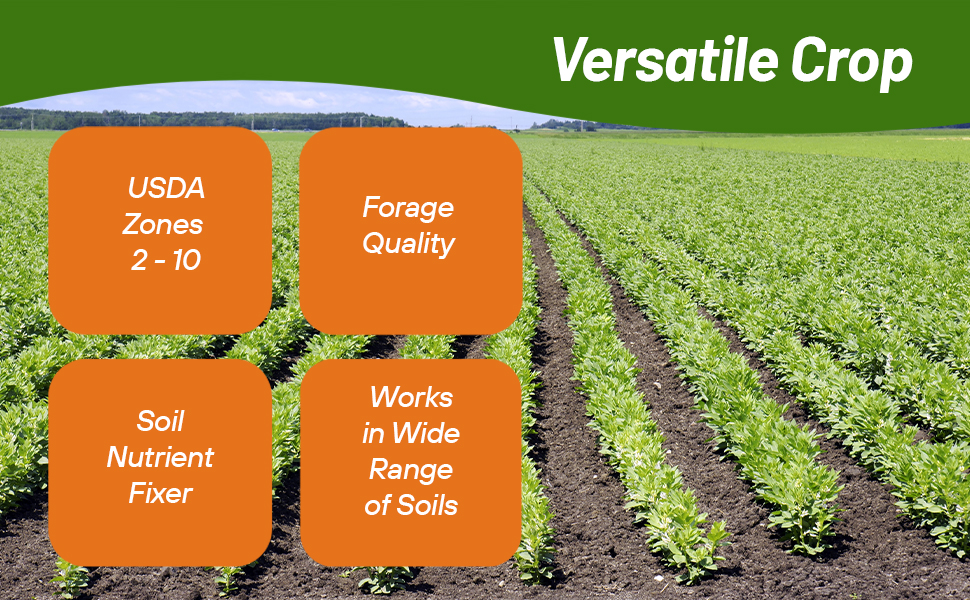
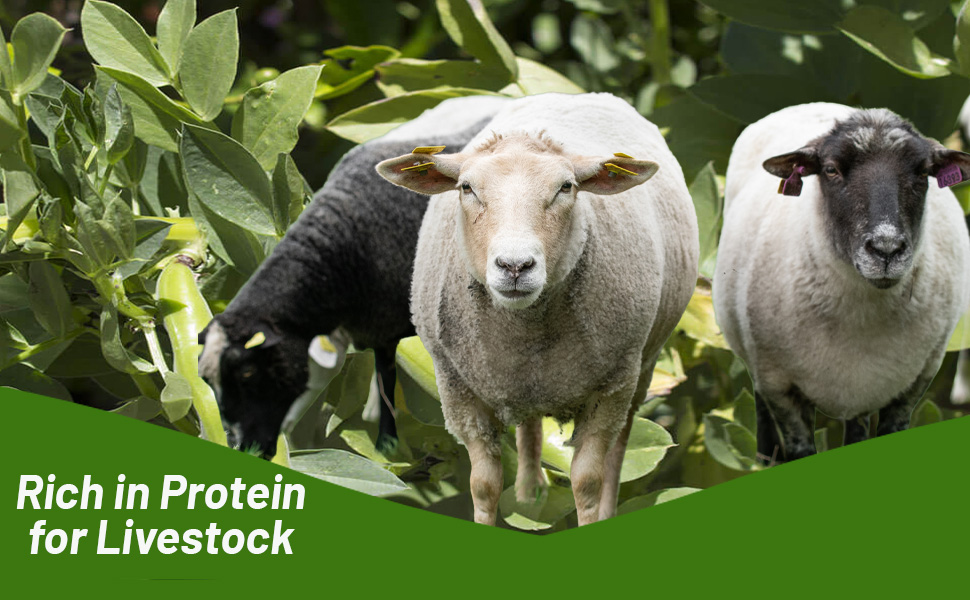
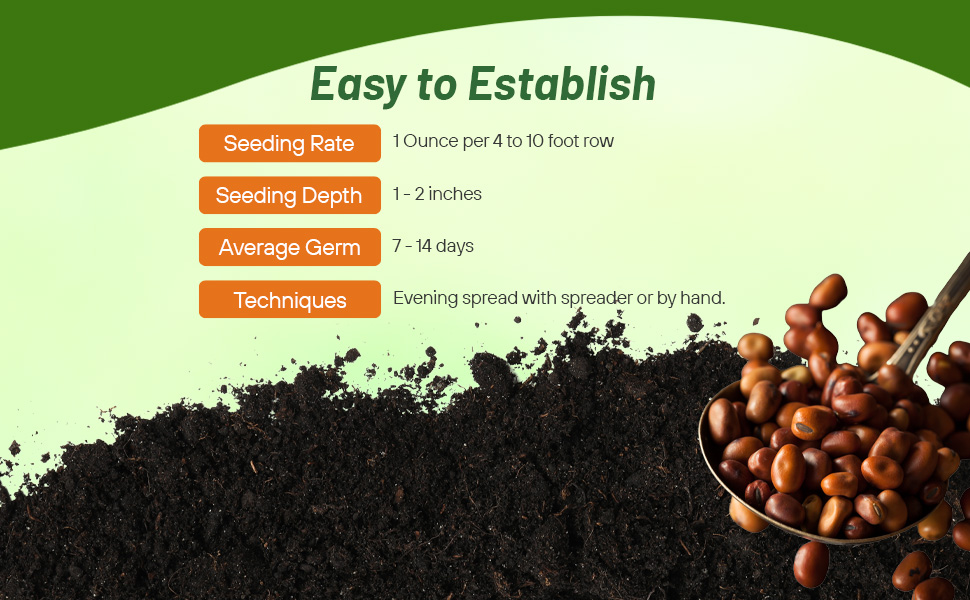
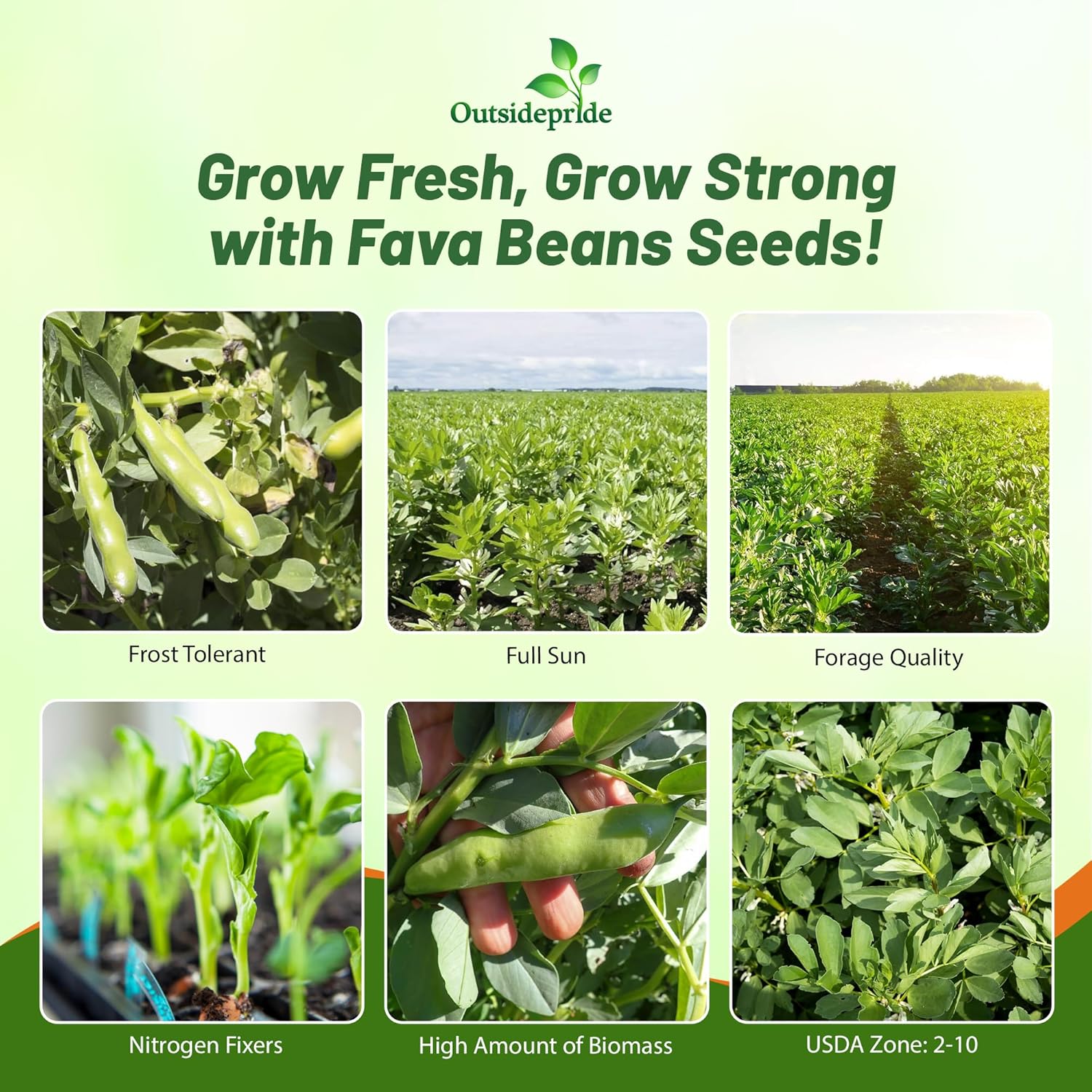
Fava Beans (Vicia Faba) - A relative of vetch, fava beans have erect, coarse stems and large leaves that grow into a bushy plant. This annual legume is also known as broad bean, field bean, horse bean, and Fababean. There are many varieties, even one for human consumption which is called Windsor bean. The cultivation of the bean dates back to early history where it is native to the Mediterranean region, especially Italy and Iran. In North America, Canada is the largest producer of Fava bean since they produce best in cool summer climates.
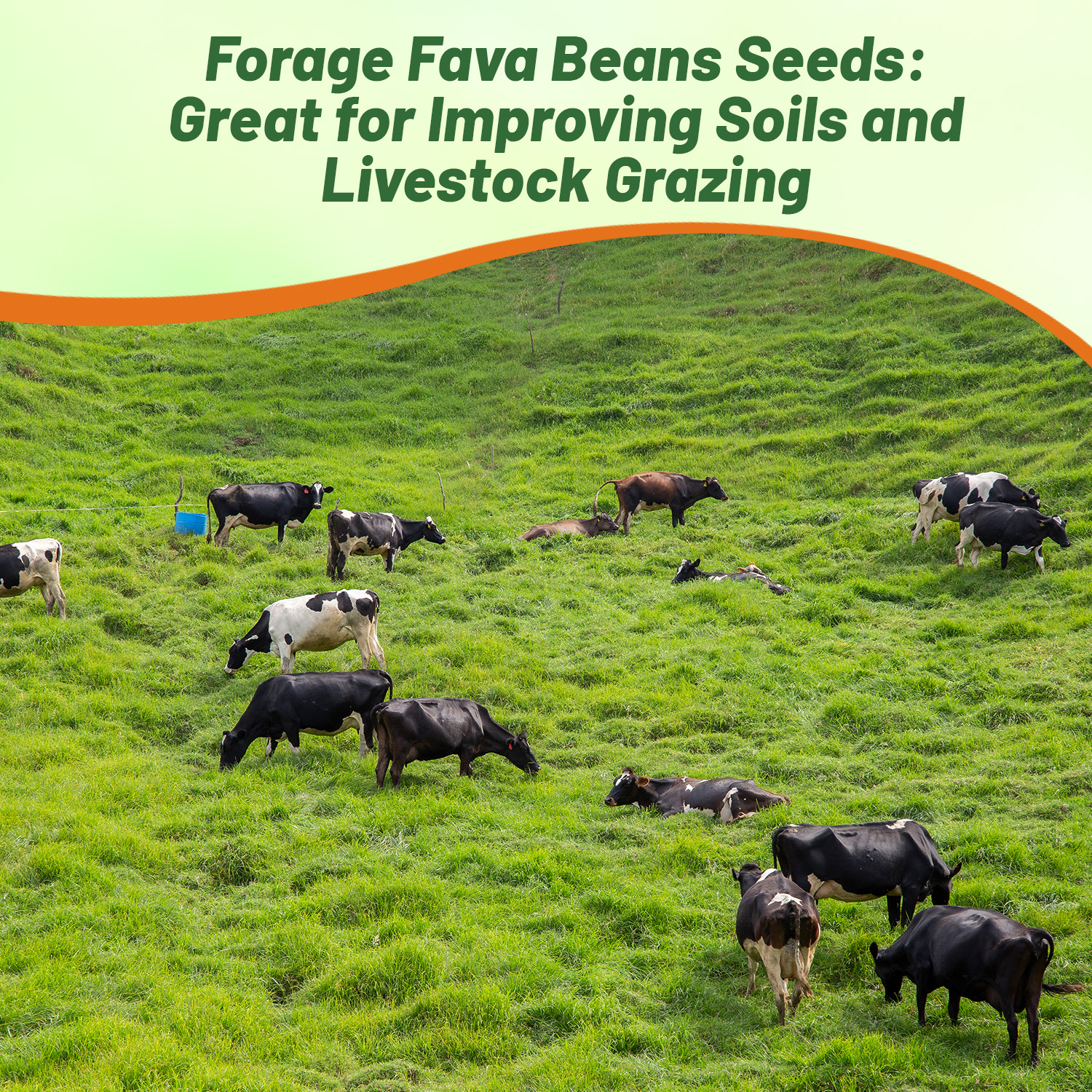
Our Fava beans are forage quality. They are not for human consumption.
Planting Directions
SOWING TEMPERATURE
50F - 70F
SEEDING RATE
40 - 50 lbs per acre
AVERAGE GERMINATION TIME
3 - 5 days
PLANTING DEPTH
1/2 - 1 inch
SOWING METHOD
Broadcast or drill
ENVIRONMENT
Full sun
USDA ZONES
3 - 10
ESTABLISHMENT RATE
Fast

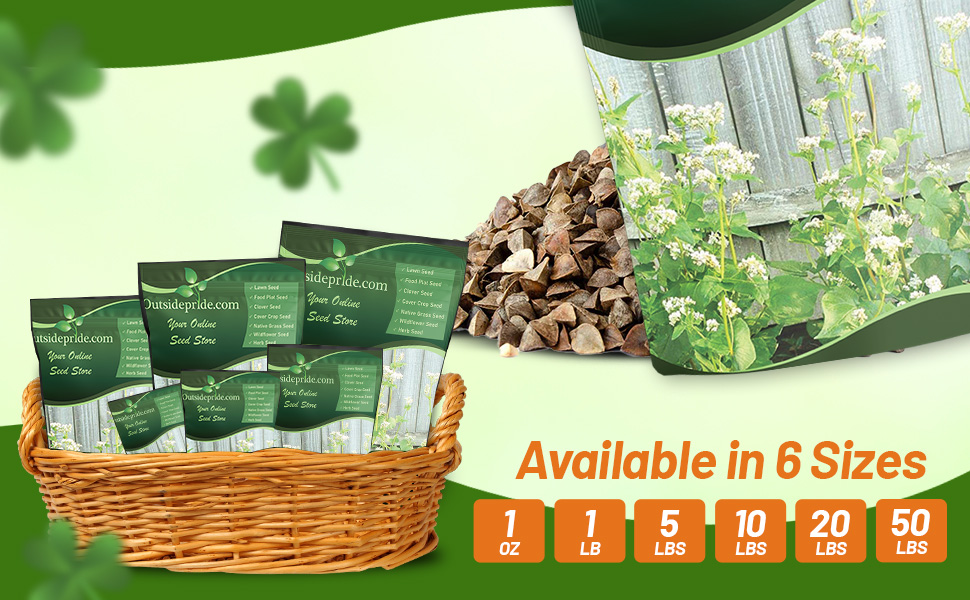

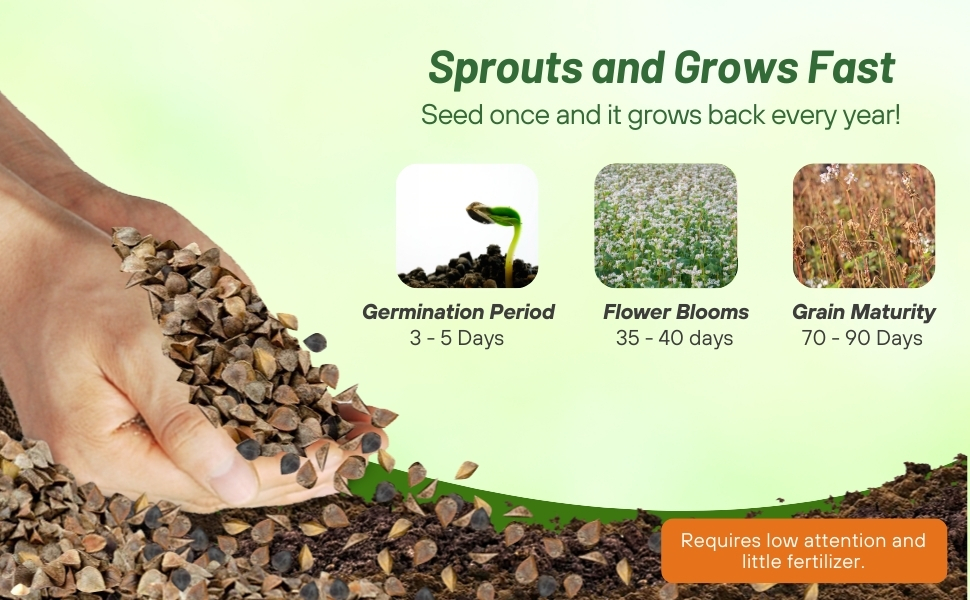
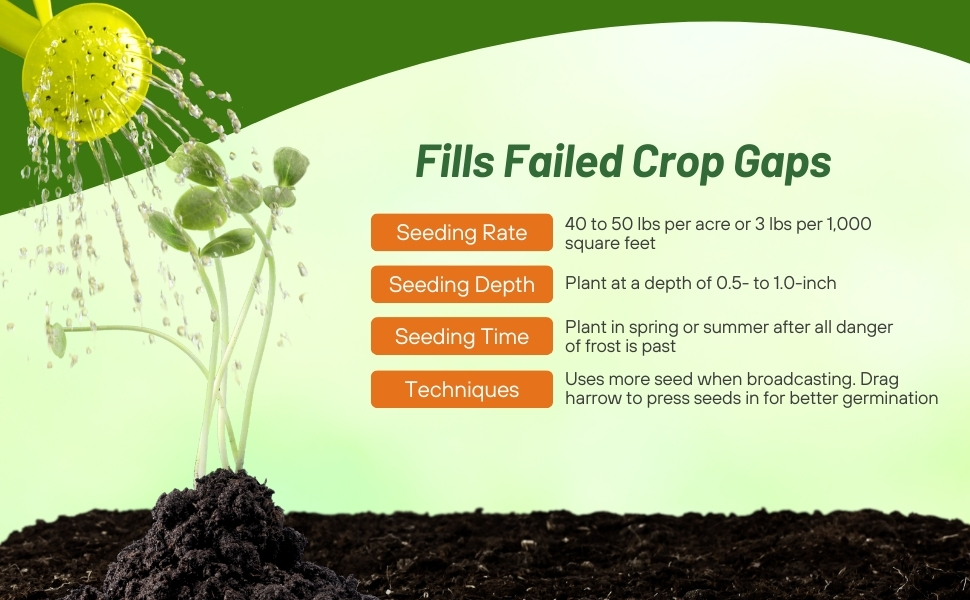
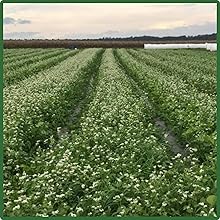
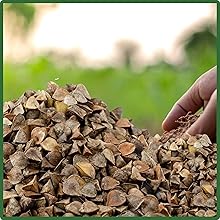
Reasons to grow buckwheat:
- Fits into rotations at a time when fields might otherwise be idle.
- Can be grown as a catch crop where another crop failed.
- Inexpensive to grow because it requires no pesticides and little fertilizer.
- Can be grown with equipment available on most farms.
- Requires little attention during the growing season.
- Mellows the soil and suppresses some weeds.
- Easily raised Organically, at a premium price.
For more information from Cornell University: Buckwheat
Planting Directions
SOWING TEMPERATURE
55F - 77F
SEEDING RATE
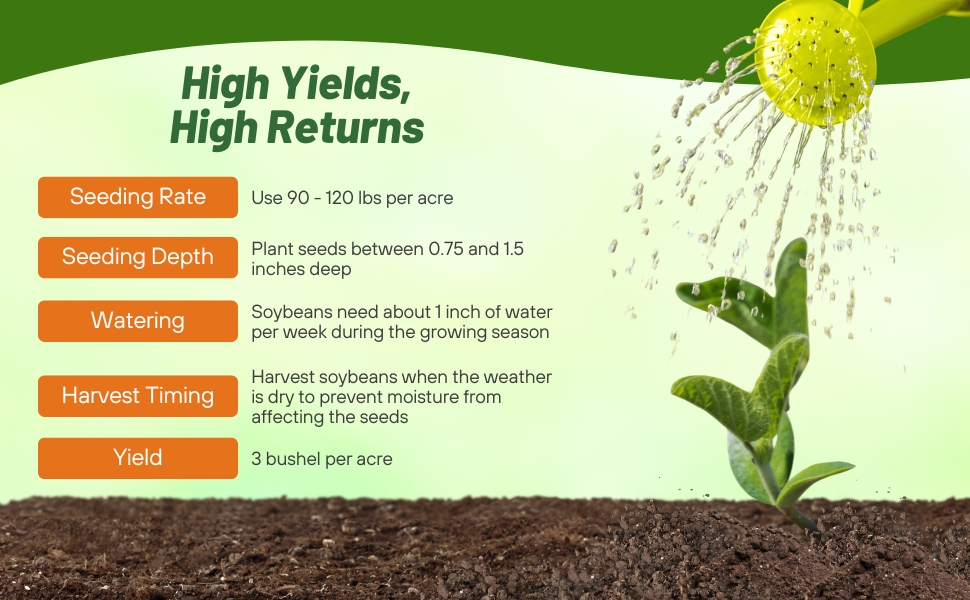
90 - 120 lbs per acre
AVERAGE GERMINATION TIME
5 - 10 days
PLANTING DEPTH
3/4 - 1 1/2 inches
SOWING METHOD
Broadcast or drill
ENVIRONMENT
Full sun
USDA ZONES
2 - 10
ESTABLISHMENT RATE
Fast
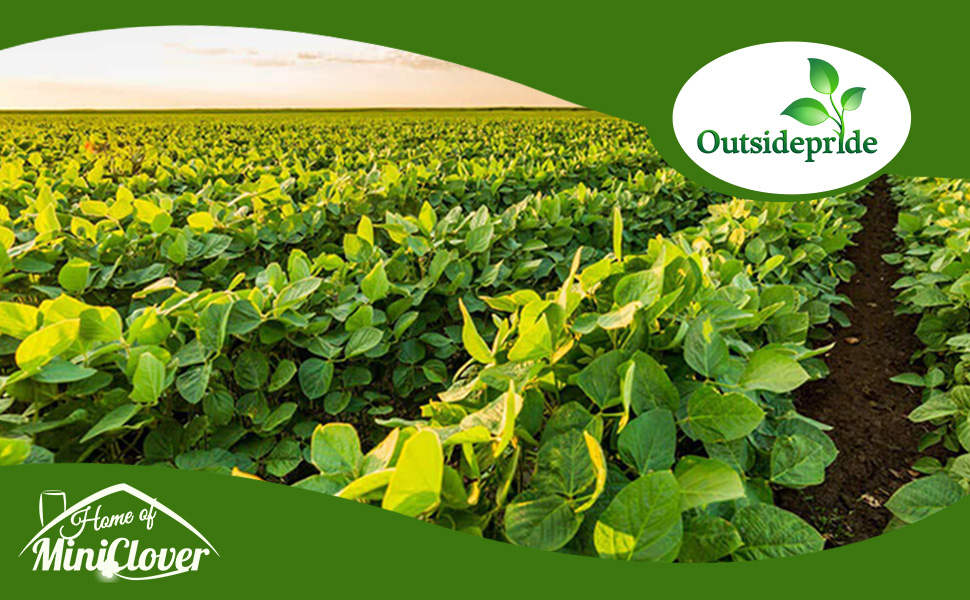

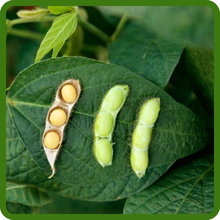




Soybeans (KS 5120N) - An heirloom variety which features good resistance to soybeans cyst nematode and soybean mosaic virus. It is an annual legume of the pea family which has edible seeds. The soybean is economically the most important bean in the world, providing vegetable protein for millions of people and ingredients for hundreds of chemical products.
When the farmer sells soybeans to a grain dealer, the beans may then go to a number of ultimate destinations. When processed, a 60-pound bushel will yield about 11 pounds of crude soybean oil and 47 pounds of soybean meal. Soybeans are about 18% oil and 38% protein. Because soybeans are high in protein, they are a major ingredient in livestock feed. Soybeans are processed for their oil and meal. A smaller percentage is processed for human consumption and made into products including soy milk, soy flour, soy protein, tofu and many retail food products. Soybeans are also used in many non-food industrial products.
Soybean processors bake the high-protein fiber that is left after the oil is removed and sell it for animal feed. Soybean oil is used in cooking and frying foods. Margarine is a product made from soybean oil. Salad dressings and mayonnaises are made with soybean oil. Some foods are packed in soybean oil such as: tuna and sardines. Baked breads, crackers, cakes, cookies and pies usually have soybean oil in them.
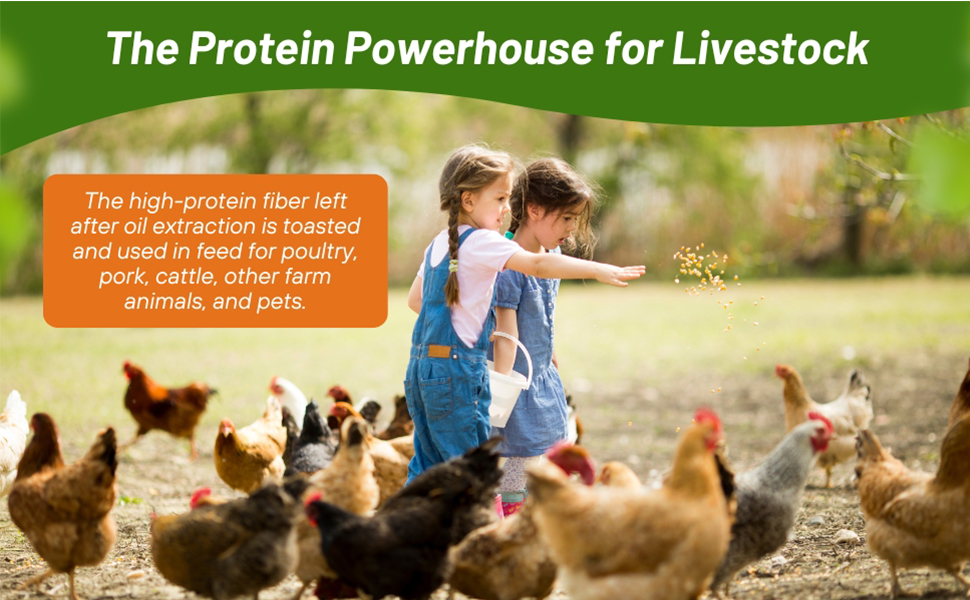
The high-protein fiber which remains after processing has removed the oil is toasted and prepared into animal feed for poultry, pork, cattle, other farm animals and pets. The poultry and swine industries are major consumers of soybean meal. Over half of the soybeans processed for livestock feed are fed to poultry, about one-quarter is fed to swine, and the rest is used for beef cattle, dairy cattle and pet food.
Planting Directions
SOWING TEMPERATURE
60F +
SEEDING RATE
15 - 25 lbs / acre
AVERAGE GERMINATION TIME
2 - 5 days
PLANTING DEPTH
1 - 1.5 inches
SOWING METHOD
Broadcast or drill
ENVIRONMENT
Full sun
USDA ZONES
3 - 11
ESTABLISHMENT RATE
Fast
Mung Beans (Vigna radiata) - Mung Beans are a warm season legume that is similar to cowpeas, however it has a shorter growing season. Mung beans are fairly similar in size and look to cowpeas, but the seed is smaller. This warm season legume is know for its excellent drought and heat tolerance. Mungs beans require very little water, therefore it makes for a perfect component in grazing mixtures. Mung beans have excellent nitrogen fixing potential and it beneficial for surface compaction and weed control.
Seed at 15 - 25 lbs per acre planted at 1 - 1 1/2 inches deep in a well prepared seed bed. When planted in early June, the crop will flower in 50 to 60 days, and will continue to flower for a few weeks. Grown primarily in the Midwest and Southeast maturing at 1 - 3 feet in height.
Mung beans are also cultivated across Asia, known for their versatility in both sweet and savory dishes, and are a highly nutritious, low calorie, rich in protein, fiber, vitamins, and minerals. They are used whole, ground into flour, or sprouted, and are a staple in many cuisines for soups, curries, and desserts, offering a complete protein when cooked with rice.
Planting Directions
SOWING TEMPERATURE
40F +
SEEDING RATE
30 lbs/acre
AVERAGE GERMINATION TIME
7 - 14 days
PLANTING DEPTH
1.5 - 2 inches
SOWING METHOD
Broadcast or drill
ENVIRONMENT
Full sun
USDA ZONES
3 - 9
ESTABLISHMENT RATE
Slow
Lentils (Lens culinaris) - Winter Lentils (planted late September or early October) are cool season annual vegetables in the legume family. Grown across the world for human consumption they are high in protein and low in fat. They also are able to deposit nitrogen into the soil making this a great cover crop to include in your rotation. Individual plants may vary from single stems to vigorous, bushy forms in dense or sparse stands that normally reach 12 - 18 inches tall. Flowers are small, less than 1/2 inch long, and white, pale purple, or purple black. Lentils prefer cool weather, full sun, and a well-drained soil pH from 6 - 8. You can also grow these in drought-prone areas however, the yields will likely be reduced. Plant with potatoes, cucumbers, and summer savor. Avoid planting with onions or garlic.
Lentils compete poorly with weeds for light, water, and nutrients. During early stages of vegetative growth and in cool weather, lentil growth rates are slow and weeds can quickly overgrow the crop. A seeding depth of 1.5 - 2 inches is optimal for germination and growth, even though deeper plantings may have better access to soil moisture and improved protection from frost. Planting can occur any time after ground temperature sustains 40 - 45F.
Difference between Winter and Spring Lentils:
- Planting Time: Spring lentils are sown as soon as soil hits 40F - 45F, usually April – May. Winter lentils are sown in late September or early October, settling in before winter.
- Harvest and Maturity: Winter lentils reach maturity 3 – 4 weeks earlier than spring-sown varieties, allowing them to avoid late-summer drought conditions.
- Yields: Winter lentils typically produce higher yields and more pods than spring varieties due to a longer growing season and better moisture utilization.
- Hardiness: Spring lentils can withstand light frost (down to 21F). Winter lentils are highly hardy, able to survive temperatures below -25F (Zone 5b).
- Production Area: While spring lentils are common, winter lentils are highly valued in the U.S. Pacific Northwest for reducing erosion in conservation tillage systems.
- Winter Lentils: Offer better weed control (better competition), improve rotation with winter cereals, and increase yields.
- Spring Lentils: Offer immediate convenience and are more widespread, but risk heat stress during blooming.
Planting Directions
SOWING TEMPERATURE
60F +
SEEDING RATE
20 - 25 lbs / acre
AVERAGE GERMINATION TIME
7 - 14 days
PLANTING DEPTH
1/2 - 3/4 inch
SOWING METHOD
Broadcast or drill
ENVIRONMENT
Full sun
USDA ZONES
2 - 9
ESTABLISHMENT RATE
Fast
White Proso Millet (Panicum miliaceum) - Proso millet is one of the most drought tolerant and cost effective warm season annual grasses that produces large amounts of grain. It is the shortest growing millet and works best in grazing mixes the northern US. Proso millet is an excellent seed producing making it is a great plant for game bird or other wildlife mixes. It performs well in mixes for wildlife cover and is popular for dove, quail, turkey and duck fields. It is also sued as feed for cattle or forage for deer and rabbits.
Proso millet is also a gluten-free, drought-tolerant ancient grain used for human food and birdseed. Known for its mild, nutty flavor and quick cooking time. It's rich in protein, fiber, and minerals, making it a nutritious alternative to rice or quinoa, suitable for dishes like porridge, pilafs, and salads, and it thrives in warm, dry climates where other crops struggle.
Another great use of proso millet is as a cover crop. It is a fast-growing ideal as a short-term summer cover crop (60 – 90 days) for soil protection, weed suppression, and erosion control. It thrives in dry conditions, requiring low moisture to grow 3 - 6 feet tall, and is an excellent option for breaking up crop rotations to improve soil health.
- Application or Use: Cover Crop, Erosion Control, Cattle Forage, Livestock Grazing, Food Plot
- Germination Time: 5 - 7 days, under optimal conditions
- Growing Locations: Warm Season, Transition Zone, Cool Season
- Height: 3 - 6 feet
- Sunlight Requirements: 8+ hours, full sun for best results
- Advantages: Increased drought tolerance; high seed producer under hot, dry conditions.
- When to Plant: Recommend planting time is spring and summer when night time temperatures are consistently 65+ degrees.
- Maturity: 60 - 90 days
- Seeding Rate: 20 lbs per acre
Planting Directions
SOWING TEMPERATURE
40F +
SEEDING RATE
30 lbs/acre
AVERAGE GERMINATION TIME
7 - 14 days
PLANTING DEPTH
1.5 - 2 inches
SOWING METHOD
Broadcast or drill
ENVIRONMENT
Full sun
USDA ZONES
3 - 9
ESTABLISHMENT RATE
Slow
Lentils (Lens culinaris) - Spring Lentils (planted early spring, matured by fall) are cool season annual vegetables in the legume family. Grown across the world for human consumption they are high in protein and low in fat. They also are able to deposit nitrogen into the soil making this a great cover crop to include in your rotation. Individual plants may vary from single stems to vigorous, bushy forms in dense or sparse stands that normally reach 12 - 18 inches tall. Flowers are small, less than 1/2 inch long, and white, pale purple, or purple black. Lentils prefer cool weather, full sun, and a well-drained soil pH from 6 - 8. You can also grow these in drought-prone areas however, the yields will likely be reduced. Plant with potatoes, cucumbers, and summer savor. Avoid planting with onions or garlic.
Lentils compete poorly with weeds for light, water, and nutrients. During early stages of vegetative growth and in cool weather, lentil growth rates are slow and weeds can quickly overgrow the crop. A seeding depth of 1.5 - 2 inches is optimal for germination and growth, even though deeper plantings may have better access to soil moisture and improved protection from frost. Planting can occur any time after ground temperature sustains 40 - 45F.
Difference between Winter and Spring Lentils:
- Planting Time: Spring lentils are sown as soon as soil hits 40F - 45F, usually April – May. Winter lentils are sown in late September or early October, settling in before winter.
- Harvest and Maturity: Winter lentils reach maturity 3 – 4 weeks earlier than spring-sown varieties, allowing them to avoid late-summer drought conditions.
- Yields: Winter lentils typically produce higher yields and more pods than spring varieties due to a longer growing season and better moisture utilization.
- Hardiness: Spring lentils can withstand light frost (down to 21F). Winter lentils are highly hardy, able to survive temperatures below -25F (Zone 5b).
- Production Area: While spring lentils are common, winter lentils are highly valued in the U.S. Pacific Northwest for reducing erosion in conservation tillage systems.
- Winter Lentils: Offer better weed control (better competition), improve rotation with winter cereals, and increase yields.
- Spring Lentils: Offer immediate convenience and are more widespread, but risk heat stress during blooming.
Planting Directions
SOWING TEMPERATURE
55F
SEEDING RATE
20 - 30 lbs/acre
AVERAGE GERMINATION TIME
7 - 14 days
PLANTING DEPTH
1/4 - 1/2 inch
SOWING METHOD
Broadcast or drill
ENVIRONMENT
Full sun
USDA ZONES
3 - 9
Common Flax (Linum usitatissimum) - Also known as linseed. It is a flowering, short-lived, annual subshrub. In its native habitat, it can be grown as a perennial, but it is not cold tolerant. The thin, wiry stems that support the flower buds appear delicate, but are difficult to break. It produces pale blue flowers on slender, but strong, stems in late spring into mid-summer. Flax is a plant known historically for fiber production. The seed is used to produce edible oils and also oils for wood finishing products.
Common flax prefers moist, well-drained, mildly acid, neutral and mildly alkaline soils. It does best in full sun and cannot grow in the shade. The plant tolerates strong winds but not maritime exposure. It will tolerate drought and dry or rocky soil, but clay soils can cause the plant to root shallowly that will cause problems for the plant in cold weather.
It is a versatile cover crop used for soil conditioning, especially effective at fighting compaction and increasing mycorrhizal fungi activity. It is best used in mixes (e.g., with oats, vetch, or peas) to build soil health, as it is non-competitive and can be easily seeded at 20 - 30 lbs/acre. Its fibrous roots improve soil structure and its flowers attract pollinators and beneficial insects. As a cover crop, flax helps to mobilize phosphorus in the soil and add organic matter. Plant early Spring or late Summer.
Videos