










Sweet Clover - White

LATIN NAME
Melilotus albus

SEASON
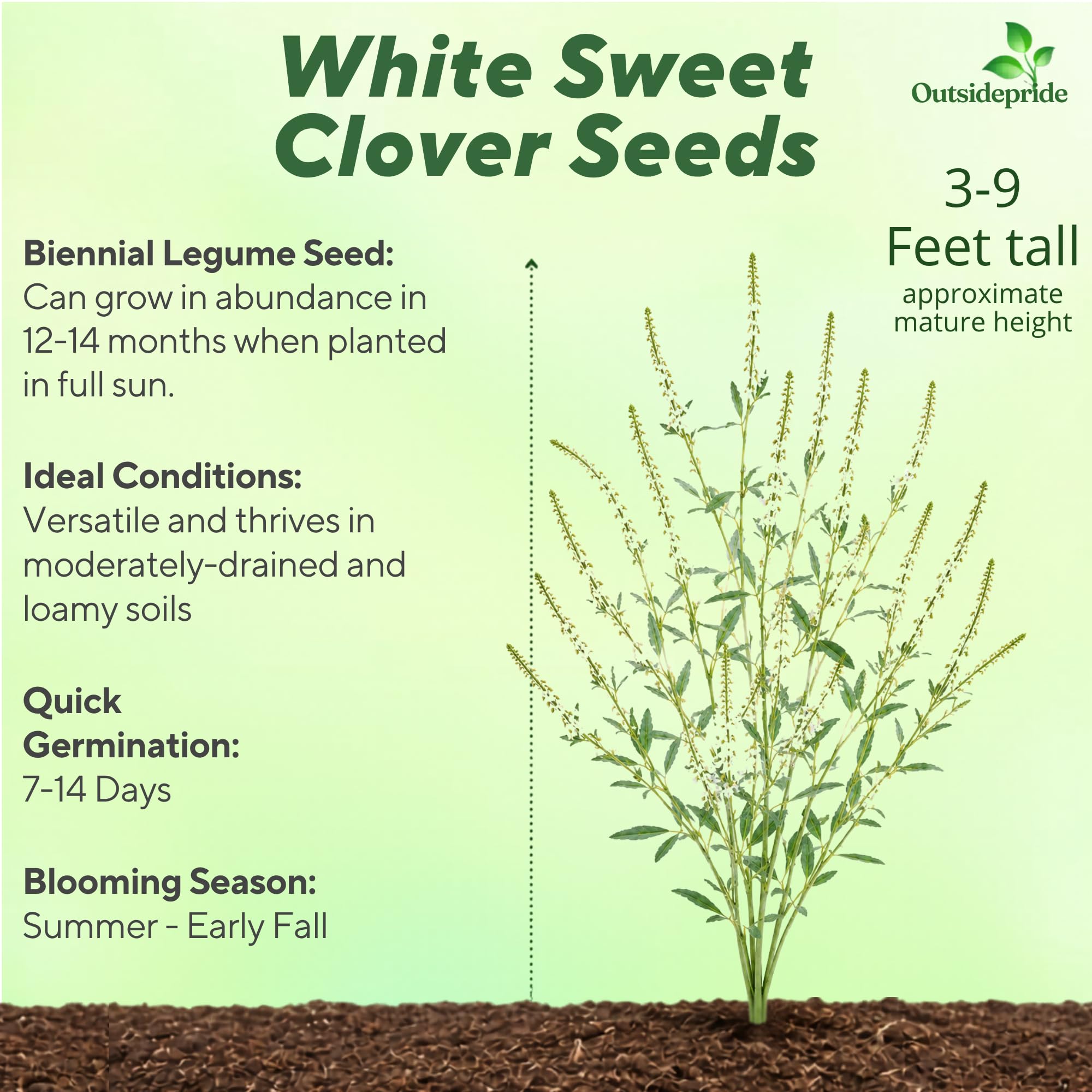
Biennial

BLOOM COLOR
White

IDEAL FOR
Forage, honey production, soil improvement

PLANT CHARACTERISTICS
Nitrogen fixator, drought tolerant

MOISTURE REQUIREMENTS
Low

ACIDIC SOIL TOLERANCE
Low

COLD TOLERANCE
Excellent

HEAT TOLERANCE
Good

SHADE TOLERANCE
Good

FERTILITY NEEDS
Low
MATURE HEIGHT
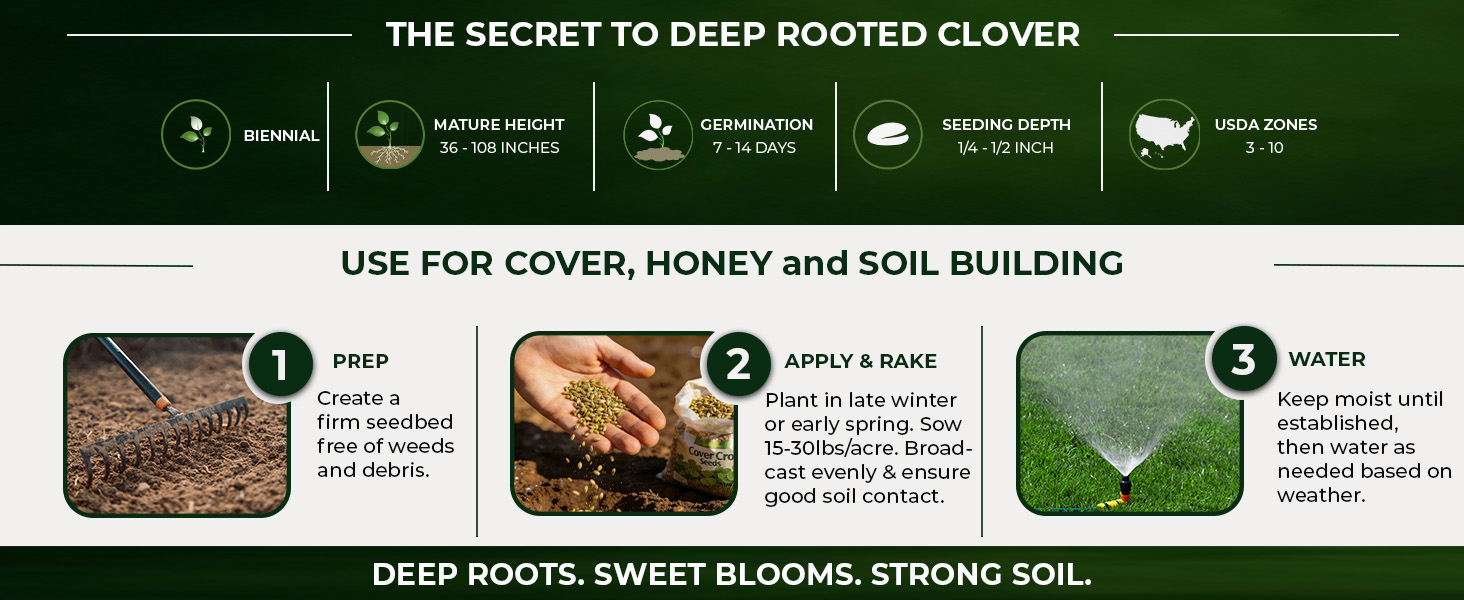
36 - 108 inches

About...
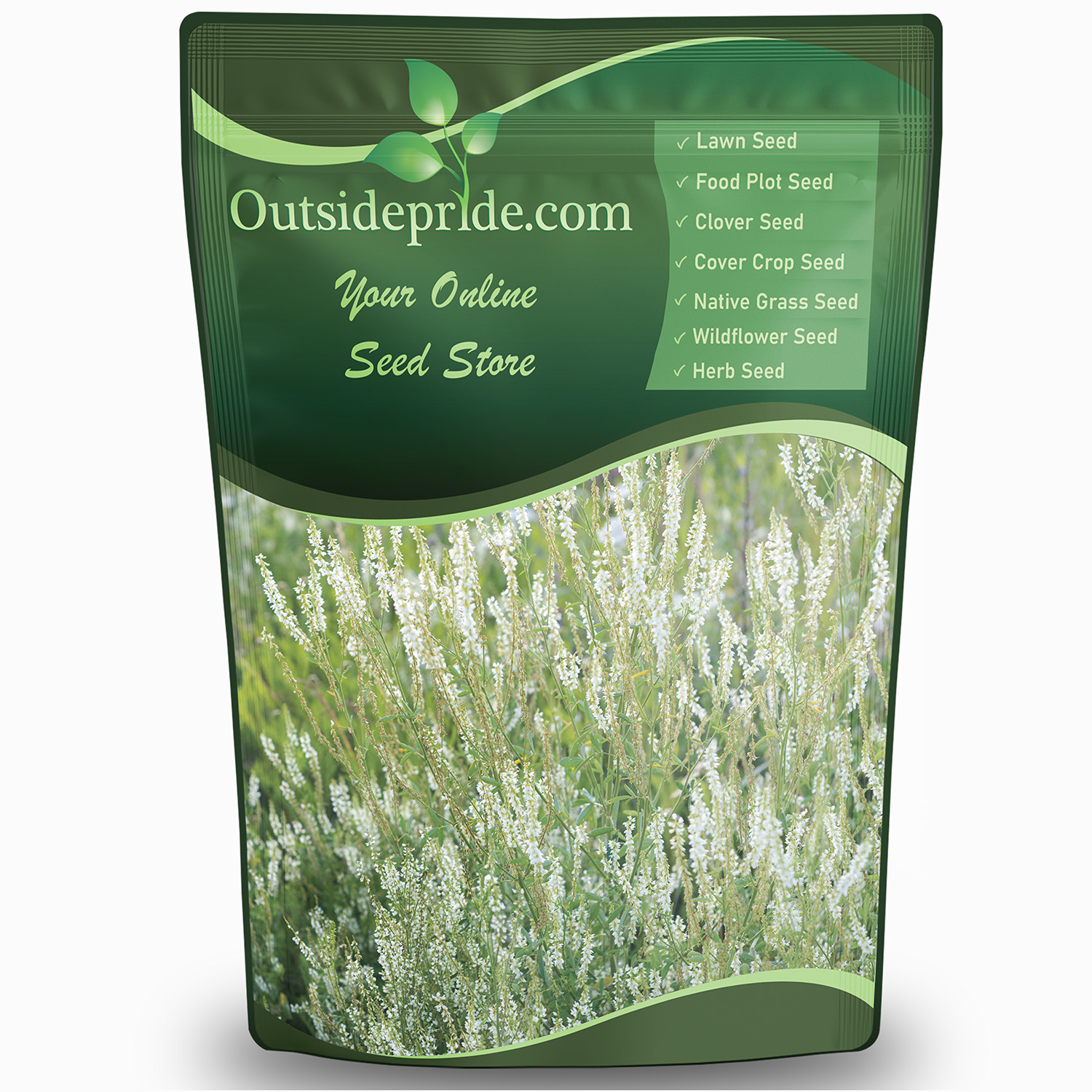
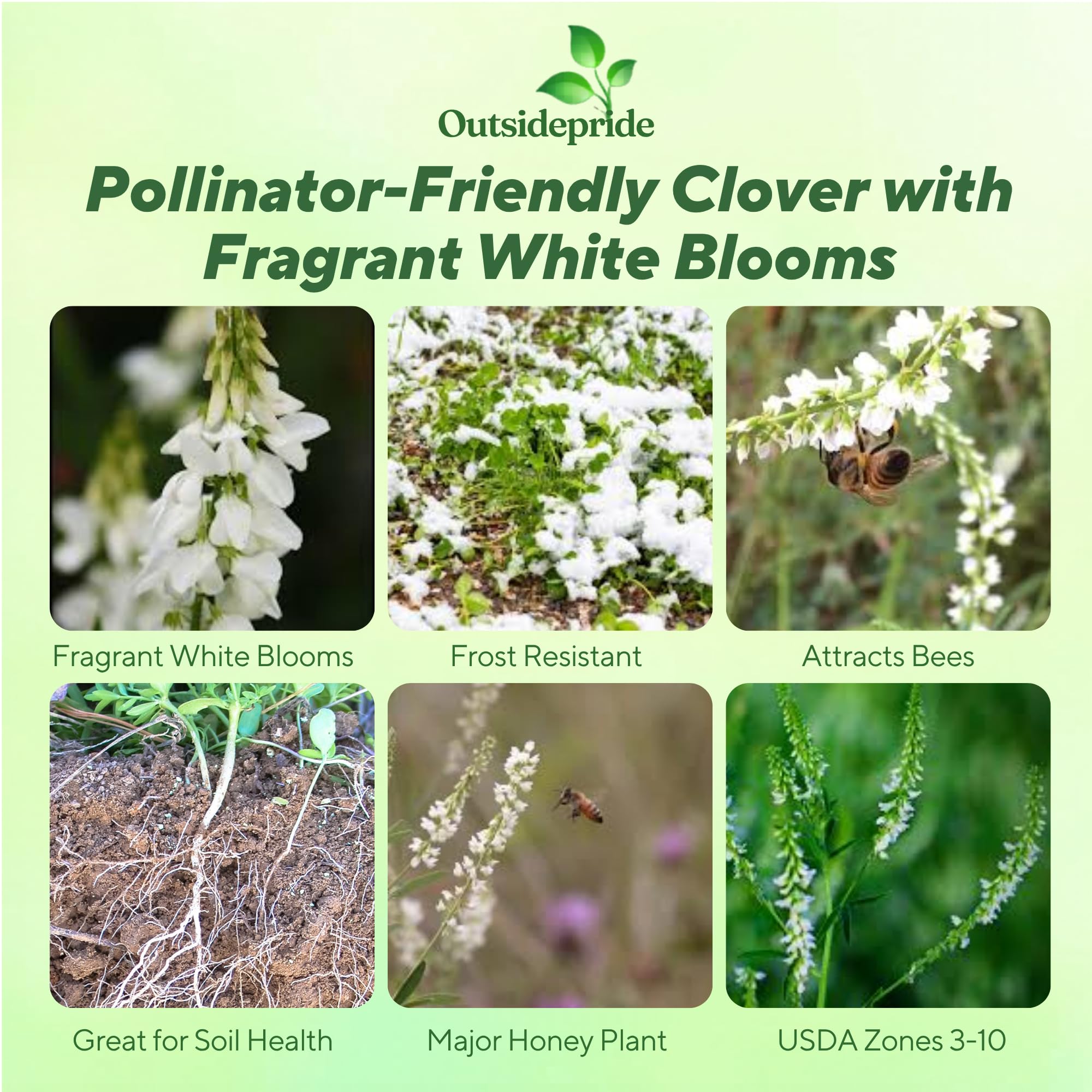
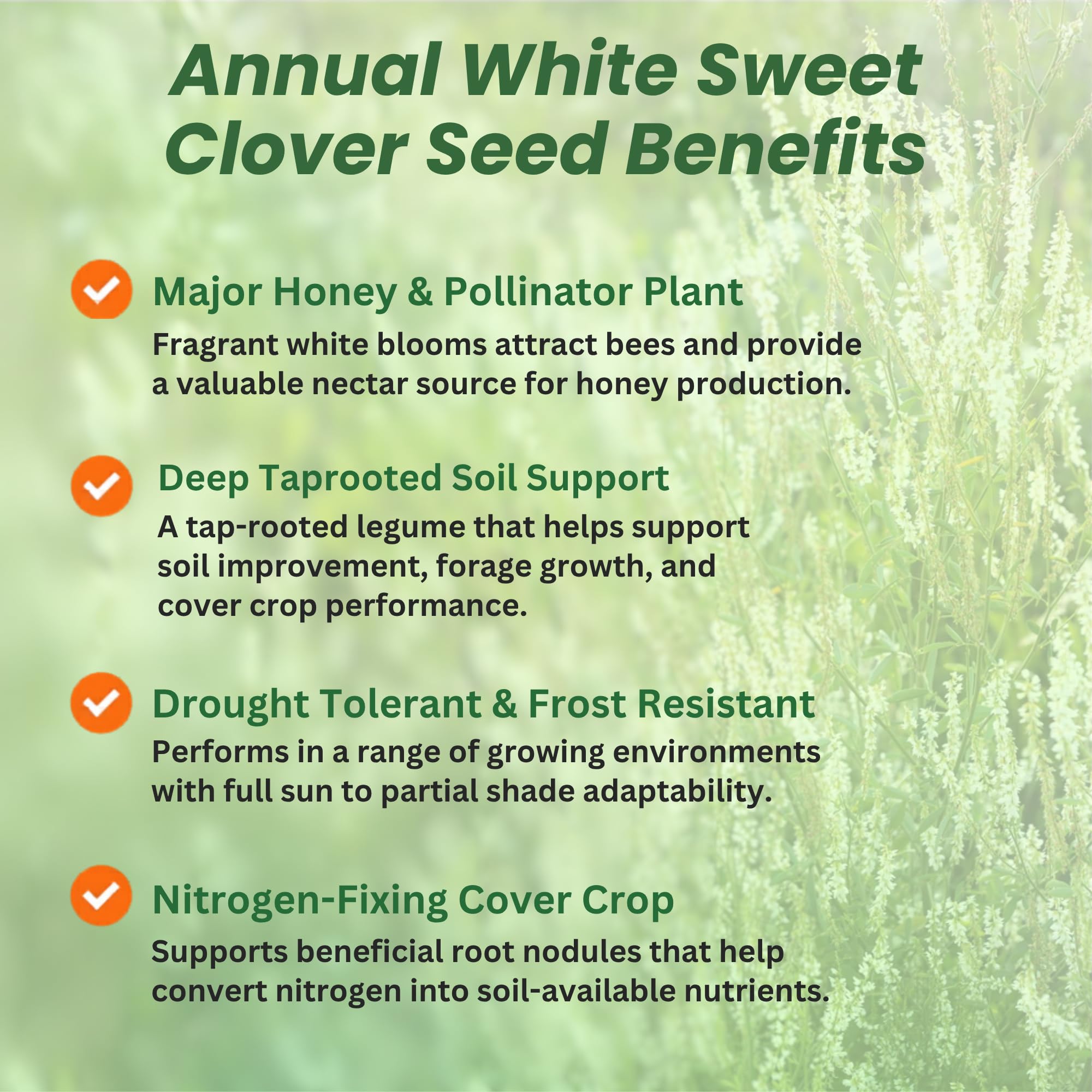
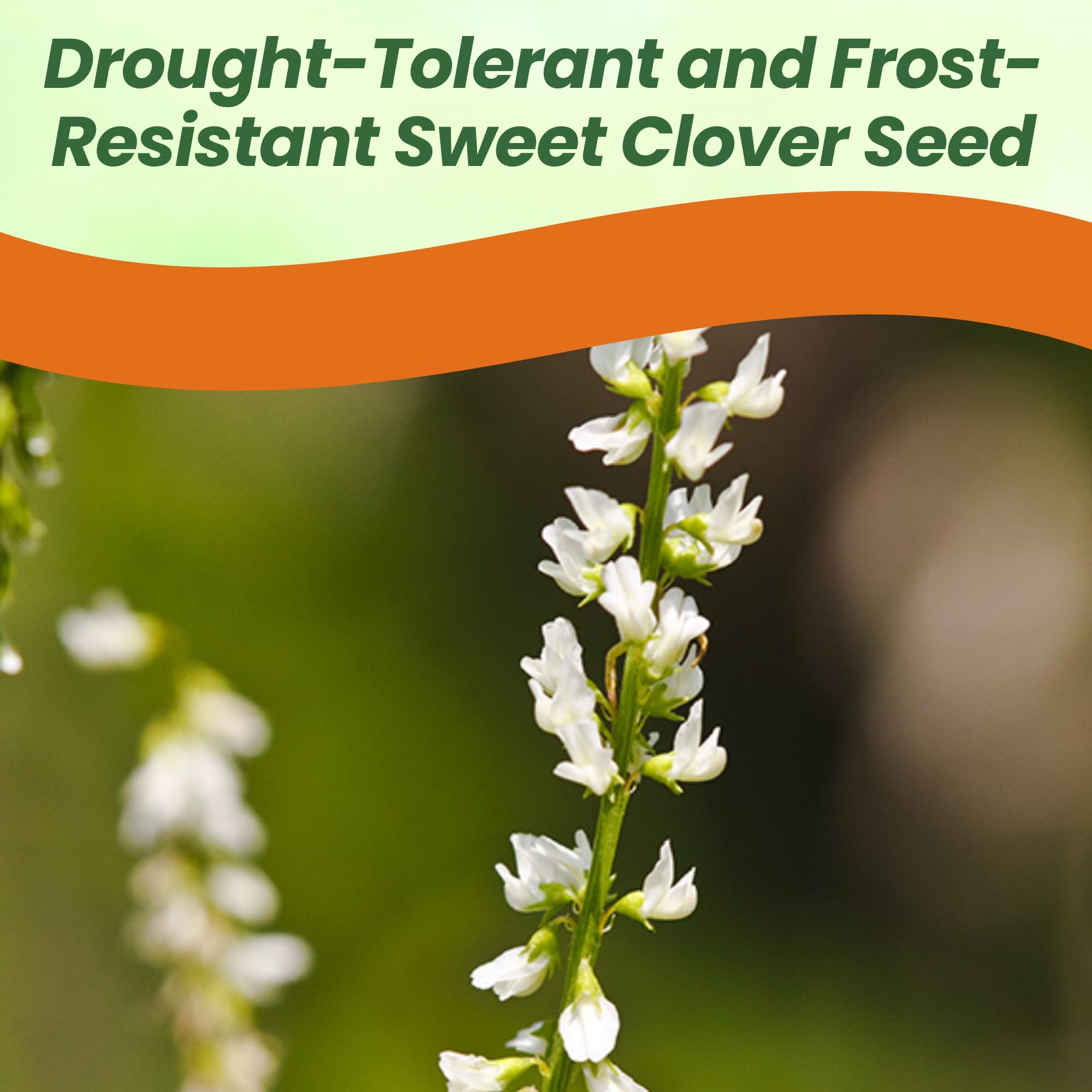
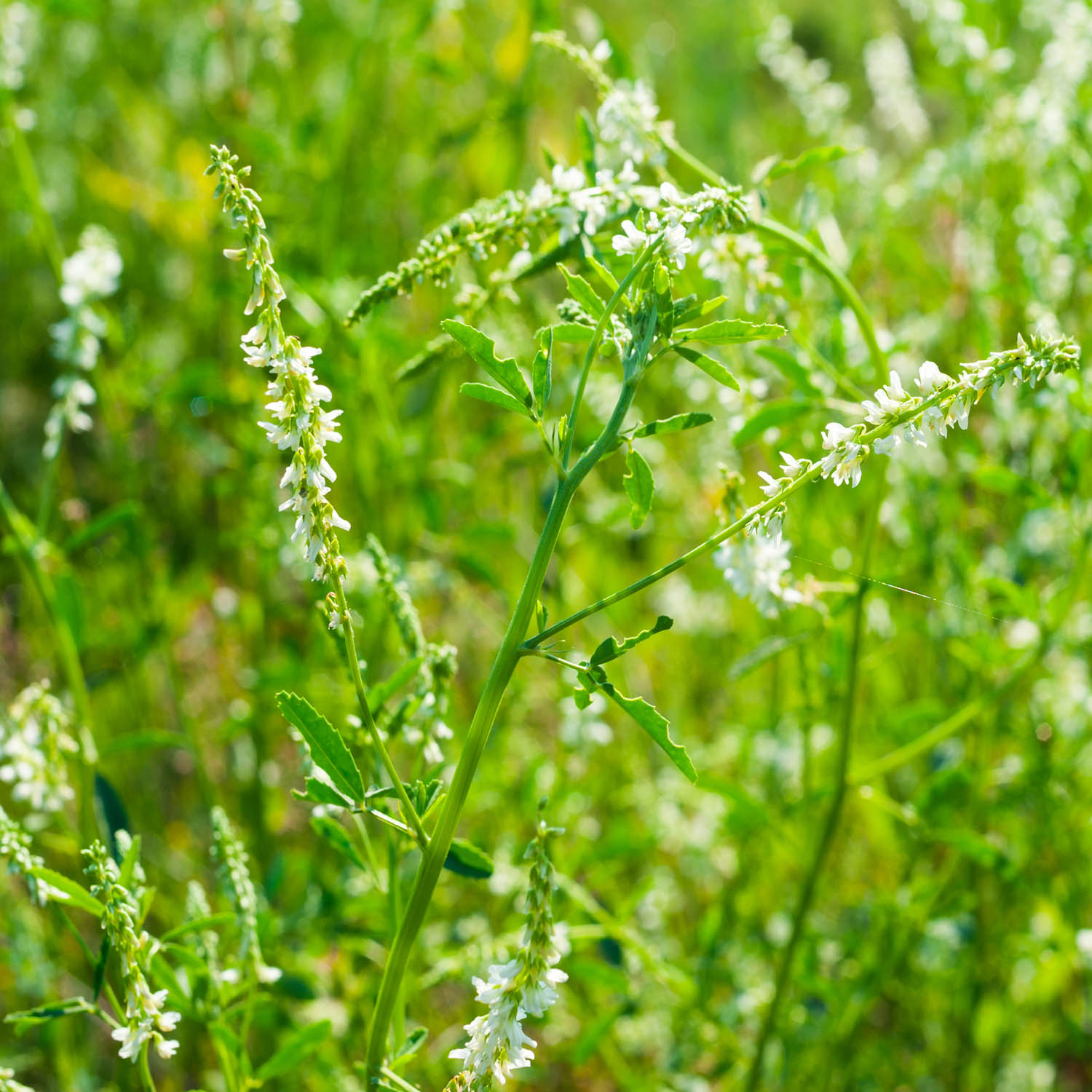
White Sweet Clover (Melilotus albus) - White Blossom Sweet Clover is a tap-rooted, biennial legume and a pollinator favorite. It grows best under cool, fertile, moist conditions and can be used for hay, grazing, and as abeneficial cover crop for fixing nitrogen. Its young leaves and flowers are eaten in salads or dried for teas, while the plant serves as a major nectar source for honey production.MORE CLOVER OPTIONS

Planting Directions

SOWING TEMPERATURE
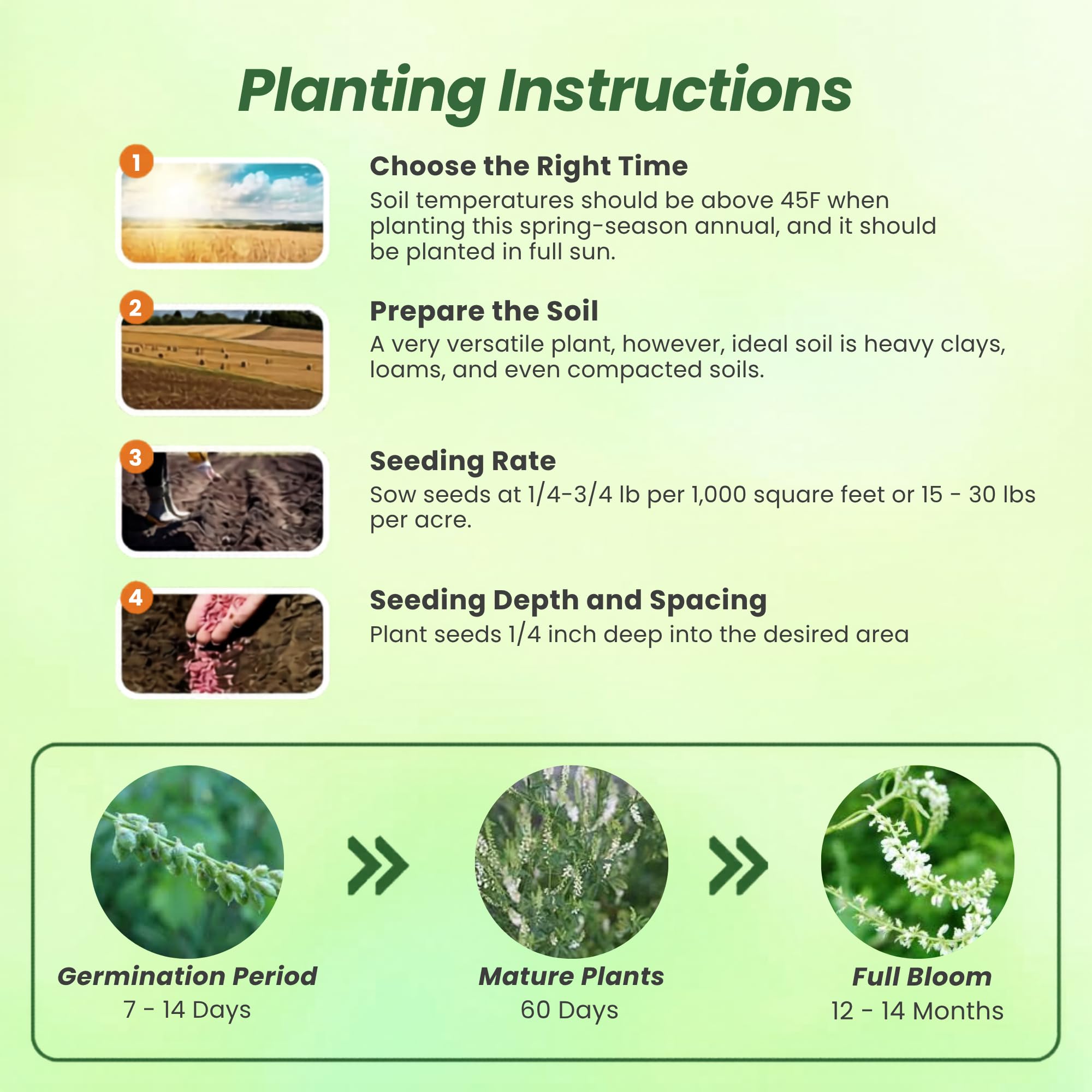
40F - 60F

SEEDING RATE
15 - 30 lbs per acre

AVERAGE GERM TIME
7 - 14 days

PLANTING DEPTH
1/4 inch

SOWING METHOD
Broadcast or drill

ENVIRONMENT
Full sun to partial shade

USDA ZONES
3 - 10

WHEN TO PLANT
Late Winter or Early Spring

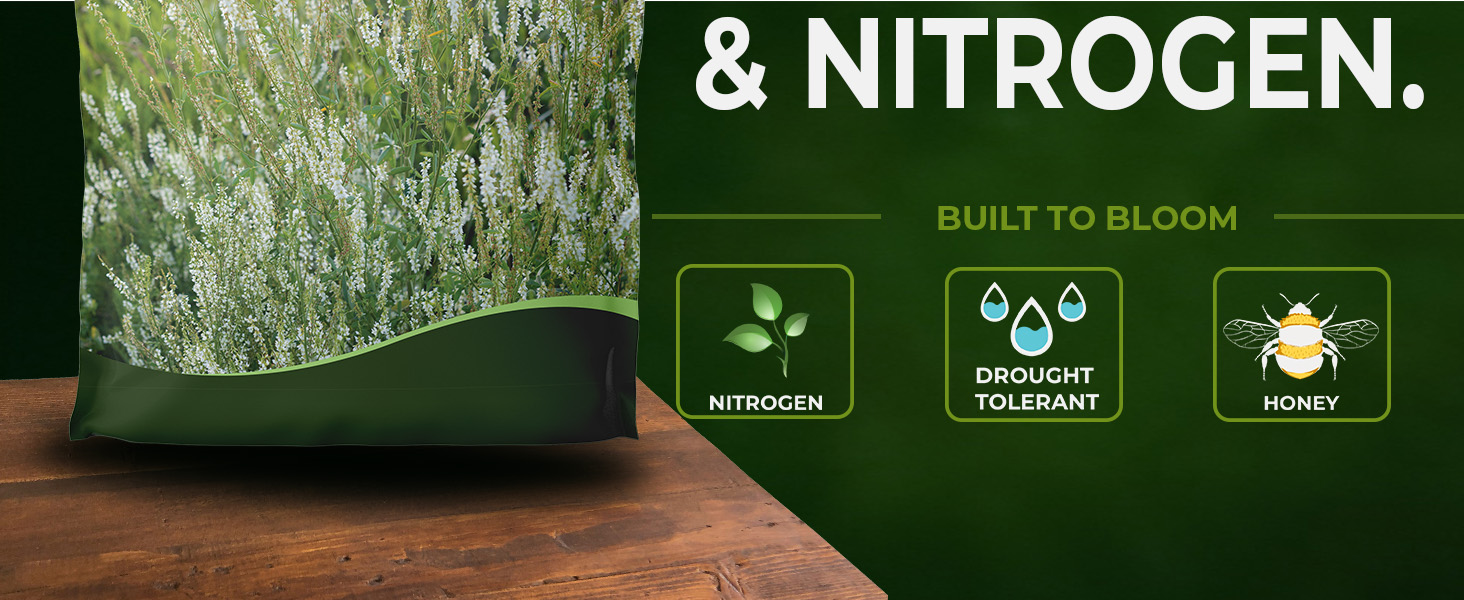
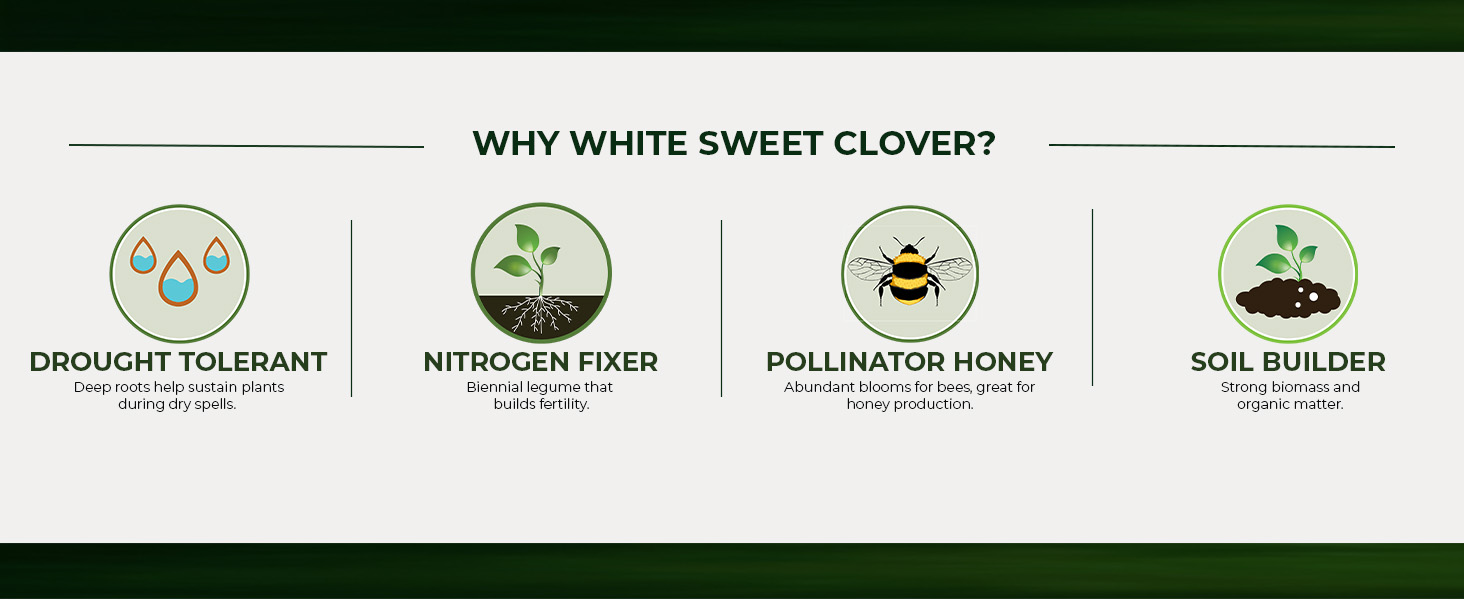
White Sweet Clover (Melilotus albus) - White Blossom Sweet Clover is a tap-rooted, biennial legume and a pollinator favorite. It grows best under cool, fertile, moist conditions and can be used for hay, grazing, and as abeneficial cover crop for fixing nitrogen. Its young leaves and flowers are eaten in salads or dried for teas, while the plant serves as a major nectar source for honey production.
Inoculated Seed - Our White Sweet clover seed has been coated with an inoculant for better establishment. Nitrogen fixation is a one of the key values found in legumes and can only occur with the proper inoculation. Although many strains or Rhizobium may be present in the soil, all are not equally beneficial. With Nitro-Coat® each seed is inoculated with the correct Rhizobium strains and coated through a proven process that ensures a very high level of successful inoculation. A key to any successful establishment and early seed development is moisture. Nitro-Coat® is naturally water absorbent and helps attract soil moisture to the seed, getting your stand established quickly. This coating process which Outsidepride utilizes, assures that only the top-performing and crop-specific rhizobia will be applied to ensure your clovers reach maximum nodulation, stand establishment, and yield potential. With Nitro-Coat® each seed is inoculated with the correct Rhizobium strains and coated through a proven process that ensures a very high level of successful inoculation. The weight of the clover seeds will contain approximately 34% coating material that contains the inoculant and water holding material for better establishment and viability of the seed. There is no difference in the seeding rates between the coated and raw seed due to the increased germination and viability of the bulk clover seeds that are coated and inoculated. This coating material is not OMRI certified.
Common Questions
How is sweet clover used?
Flowers are attractive to bees and butterflies and are popular for honey production. Sweet clover is also utilized by birds as cover and food. Can be used for hay, silage and pasture. However, livestock prefer other legumes because sweet clover has a bitter taste. Wildlife such as deer, elk and antelope like the stems of leaves of sweet clover.
Can I use sweet clover for a green manure crop?
Yes, its ability to grow rapidly and fix nitrogen make it an ideal green manure crop. Sweet clover is great at mining insoluble minerals like potassium and phosphorus from the lower levels of the soil and bringing them to the surface. Its long tap root also helps loosen hard packed soils.
Can I use sweet clover for reclamation?
Yes, rapid growth and easy establishment make sweet clover a popular choice for reclamation seedings. It also works well for road cuts, post fire, and other disturbed sites.
Why does my clover produce lots of leaves but few flowers?
This usually happens when the soil has too much nitrogen from fertilizers. Clover naturally fixes nitrogen, so excess feeding pushes leafy growth instead of blooms. Reducing nitrogen input and ensuring adequate phosphorus and potassium will encourage better flower production and longer blooming periods.
How often should I mow clover to keep it blooming?
Clover should not be mowed too frequently, as cutting removes developing flower buds. Mowing once after the peak bloom allows seeds to form and flowers to regenerate. Setting mower blades higher and leaving patches uncut will help extend the blooming season naturally.
Can overwatering really reduce clover blooming?
Yes, overwatering creates waterlogged soil, suffocating roots and encouraging fungal diseases that weaken plants. Clover thrives in evenly moist but well-drained soil. Deep, infrequent watering supports strong root systems and healthier blooms, while consistent overwatering reduces flowering and may cause early plant decline.
Why is soil pH important for clover flowers?
Soil pH affects nutrient availability. If the soil is too acidic or alkaline, clover cannot absorb key elements like phosphorus and potassium that support flowering. Testing soil regularly and adjusting pH with lime or sulfur ensures balanced conditions and better blooming performance.
Can clover grow well in shady areas?
Clover tolerates partial shade but produces fewer flowers with less sunlight. For abundant blooms, plant it where it receives at least six hours of direct sun daily. If your garden is shaded, trimming trees or relocating clover to sunnier spots will improve blooming significantly.
Does White Sweet Clover Improve The Soil?
It is ideal for enhancing soil quality. Its deep roots prevent erosion and improve soil structure, while its nitrogen-fixing properties enrich the soil with essential nutrients. This drought-tolerant biennial clover thrives in various soil types.
Is White Sweet Clover Good For Wildlife?
It offers cover and forage for various animals, including deer and other browsing species. The plant's abundant flowers attract pollinators like bees, enhancing biodiversity in your area. It can also thrive in various environments.
Can It Be Used For Erosion Control?
White Sweet Clover is highly effective for erosion control. Its deep and extensive root system stabilizes the soil, preventing erosion on slopes and other vulnerable areas. By improving soil structure and reducing runoff, it makes a healthier land.
Is White Sweet Clover Drought Tolerant?
It is exceptionally drought-resistant, making it a reliable choice for arid regions and water-conservation efforts. Its deep roots access moisture far below the soil surface, ensuring vigorous growth even in dry conditions.
What Is The Seeding Rate & Planting Time?
Sow seeds at 12 - 15 pounds per acre approximately 1/4 inch deep. In the Southern US, plant all through the winter. In the Norther US, plant from Spring through late Summer/early Fall at least 6 weeks before a heavy freeze.
Videos