
-
CATEGORY ::
- All Seeds /
- All Flower Seeds /
- All Flax Seeds
Flax Seeds - Scarlet
LATIN NAME
Linum usitatissimum
SEASON
Annual
HEIGHT
24 - 36 inches
WHEN TO PLANT
Early Spring
MOISTURE REQUIREMENTS
Little
COLD TOLERANCE
Poor
HEAT TOLERANCE
Poor
SHADE TOLERANCE
Poor
DAYS TO MATURITY
90 - 120 days
IDEAL FOR
Linen fiber, edible seed, oil, cover crop
About...
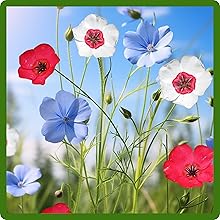
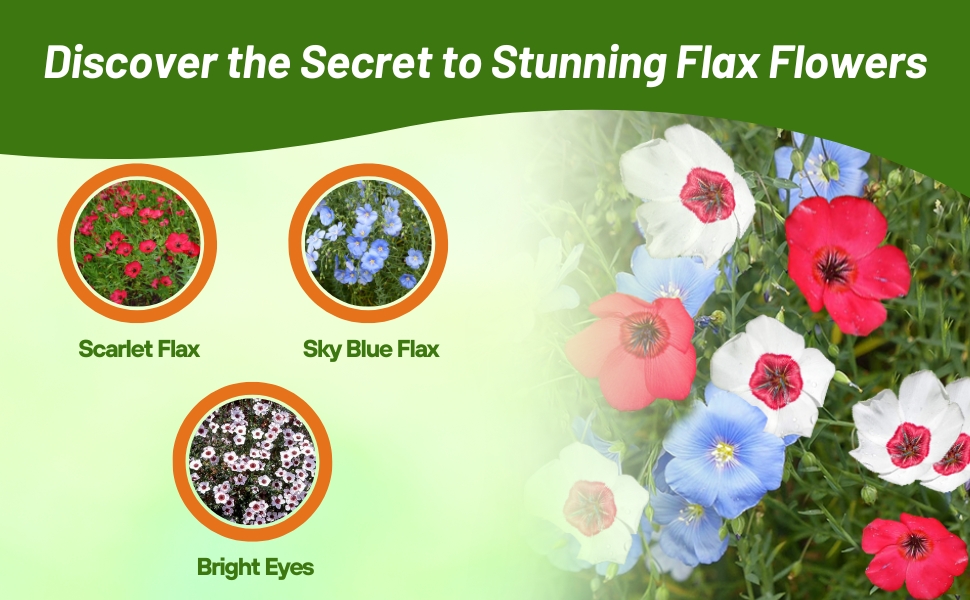
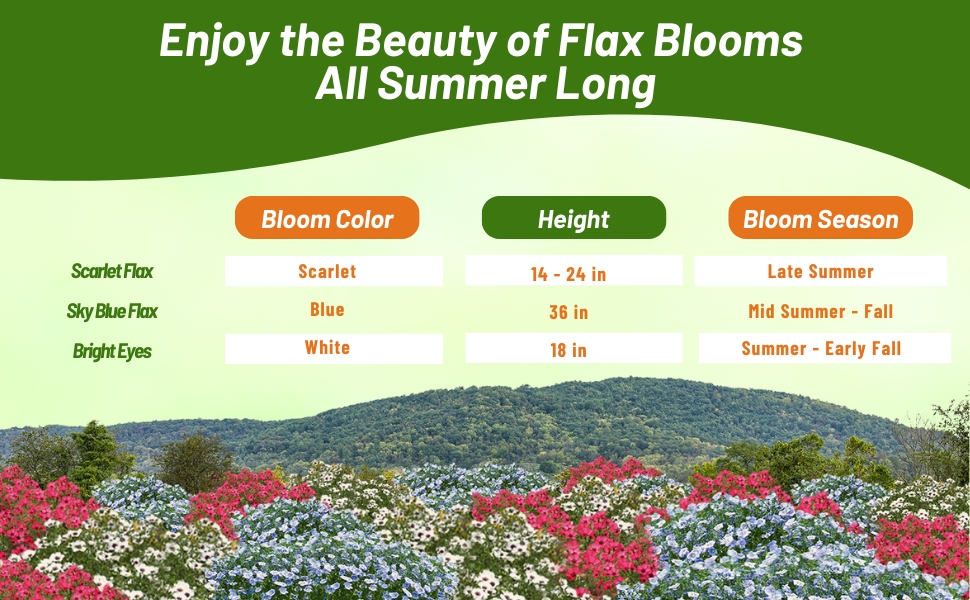
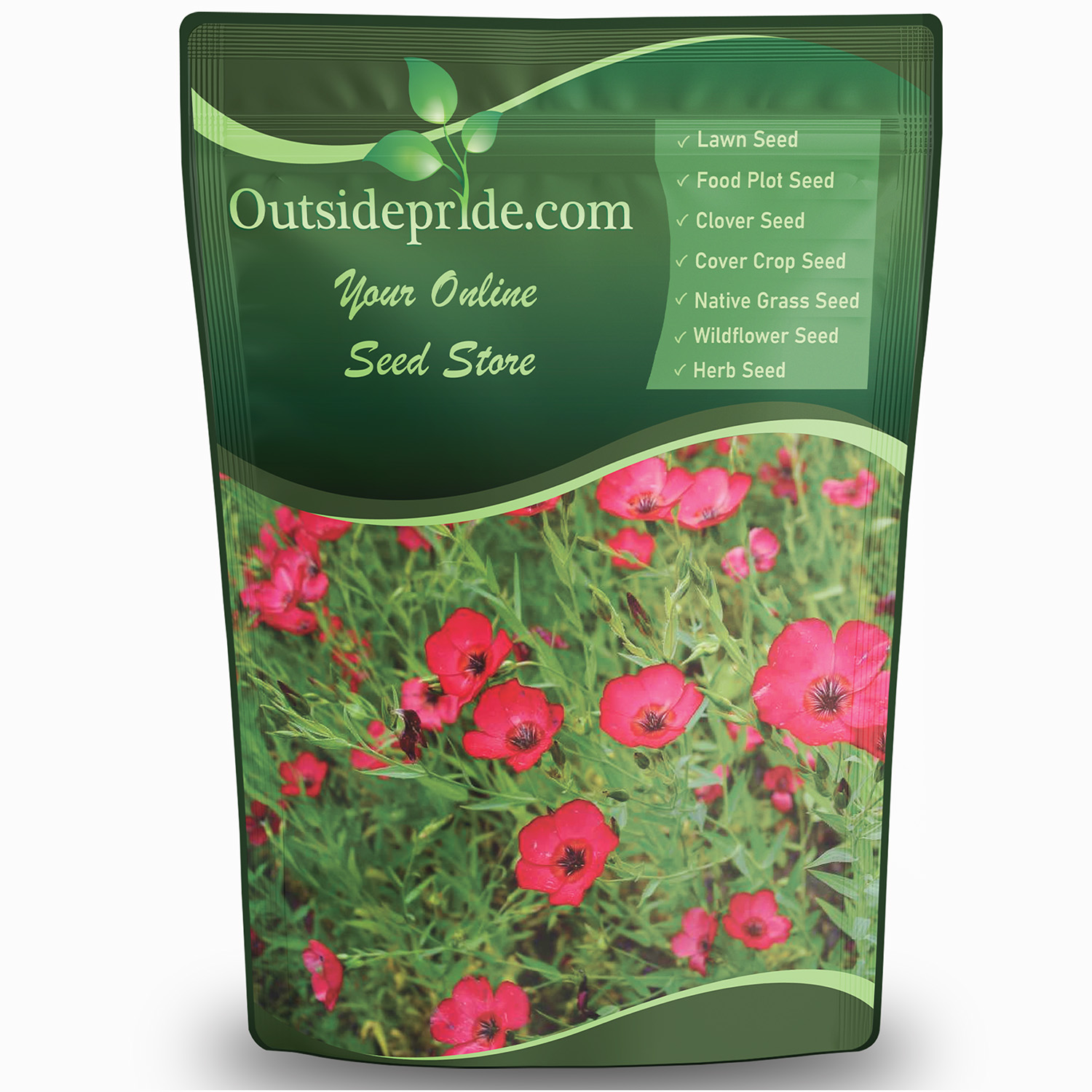
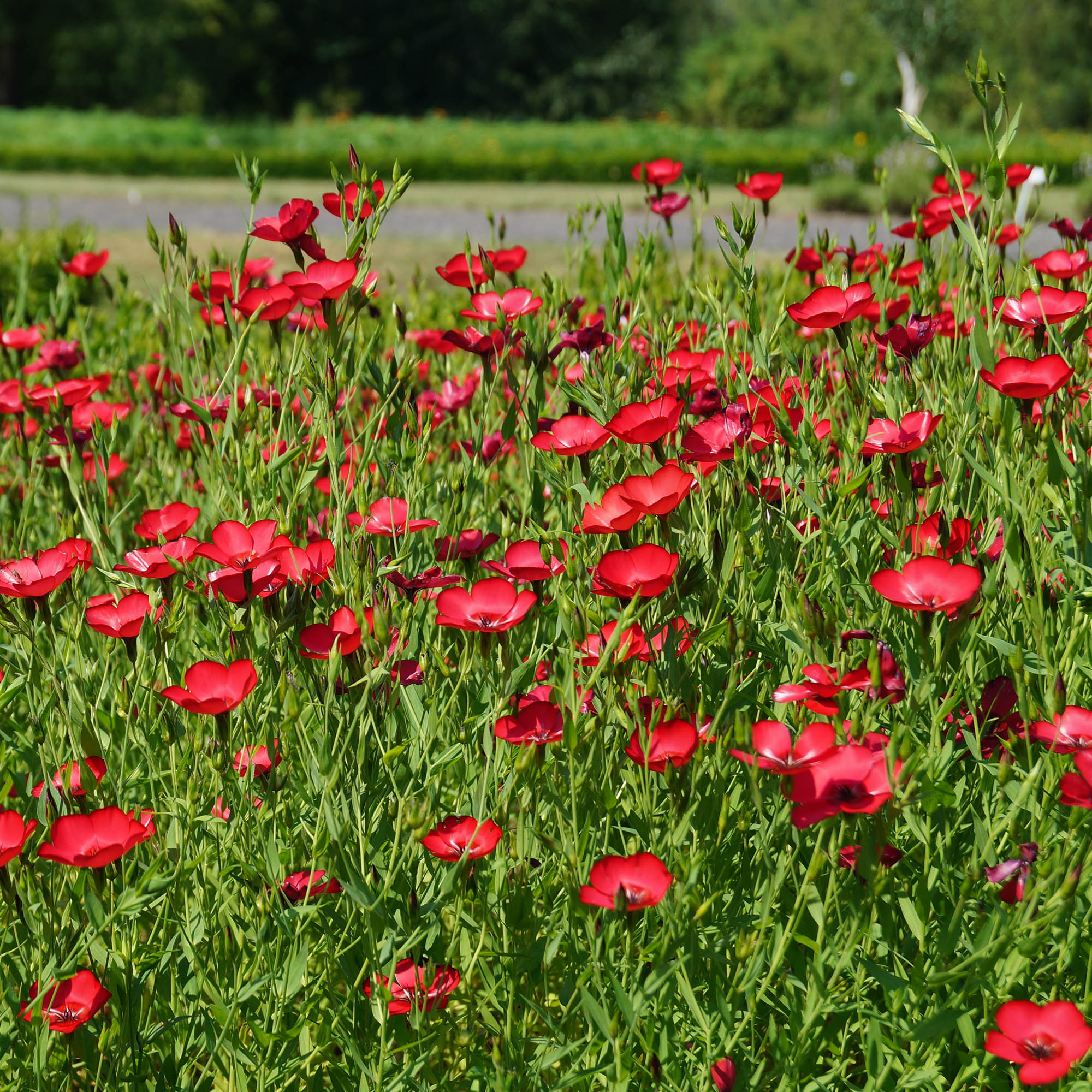
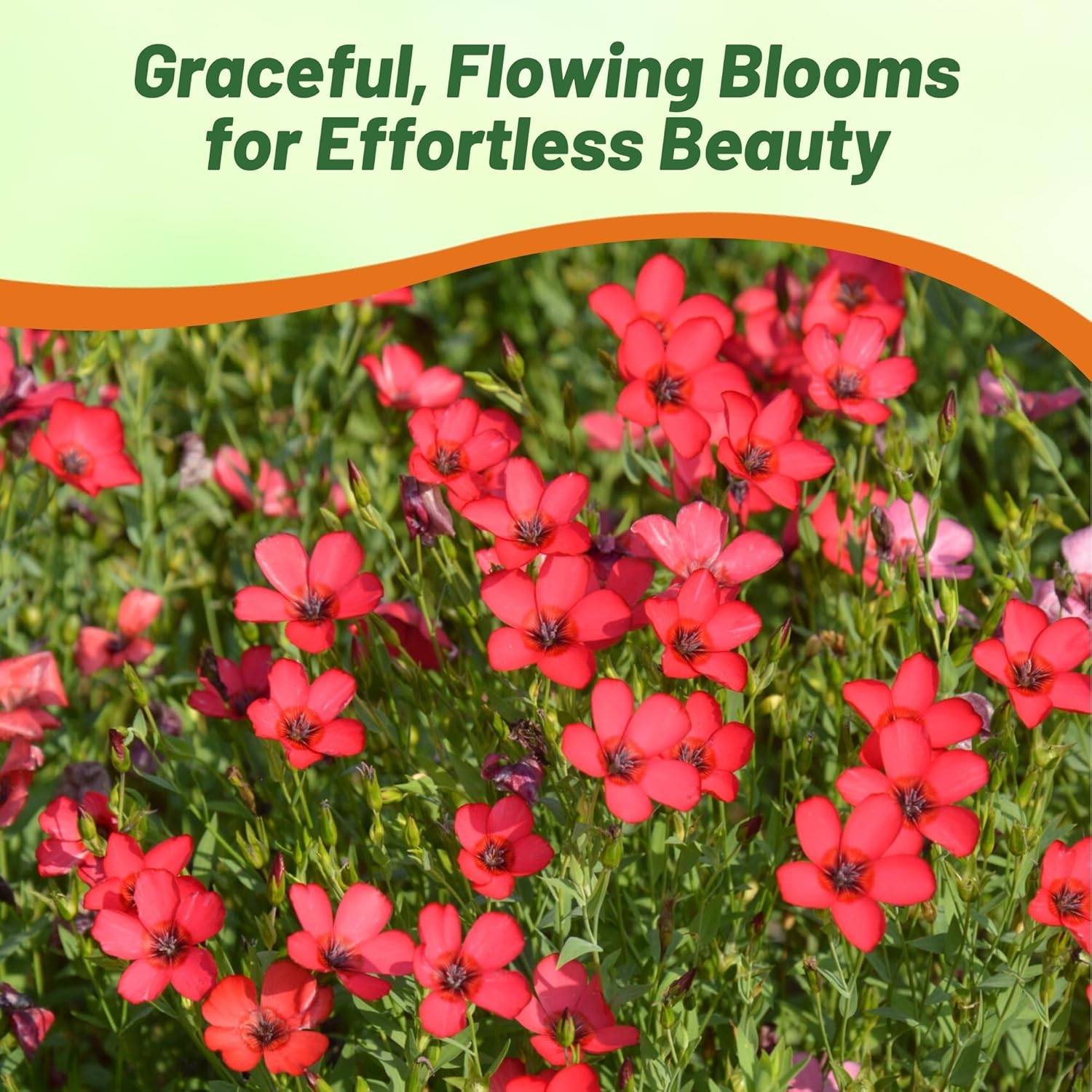
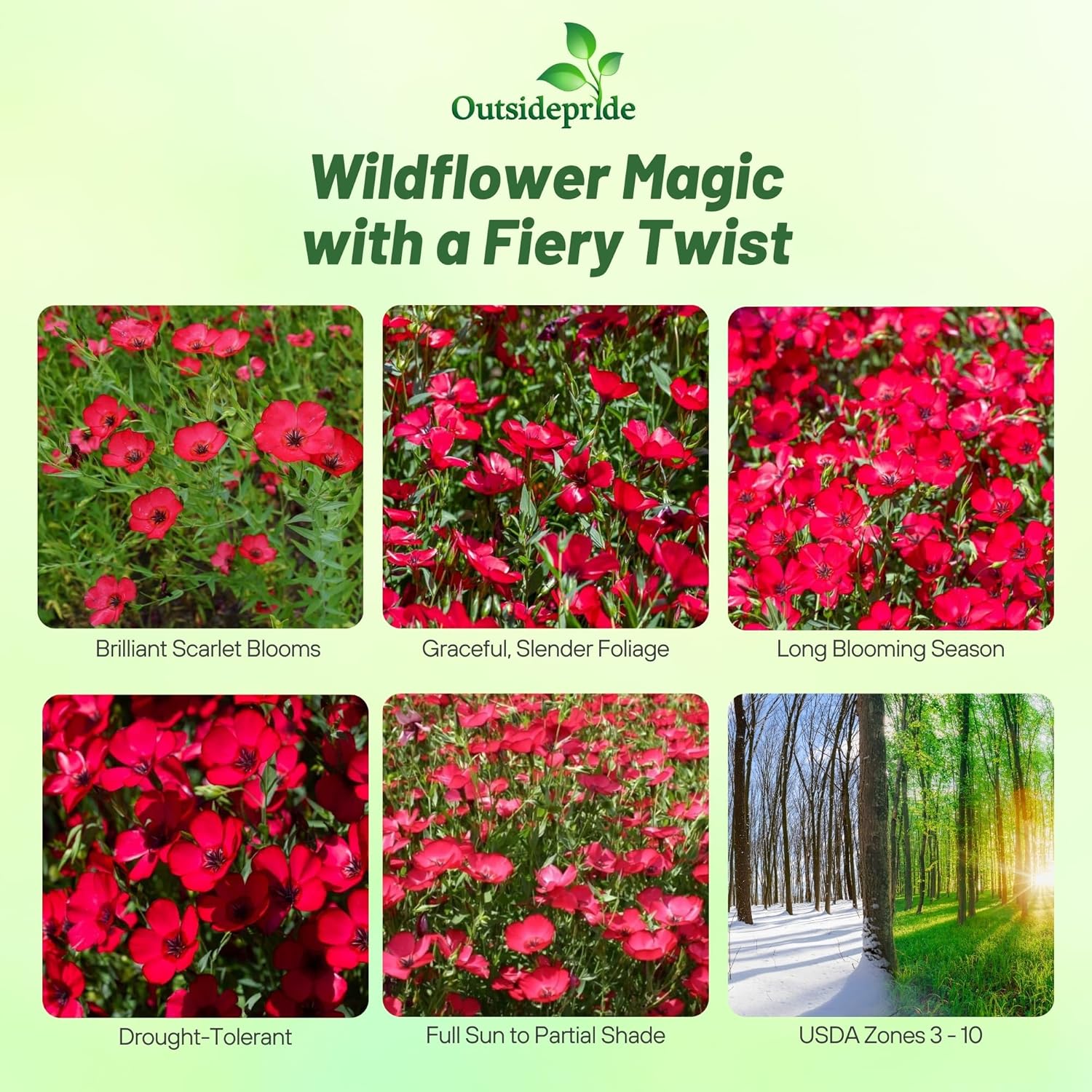
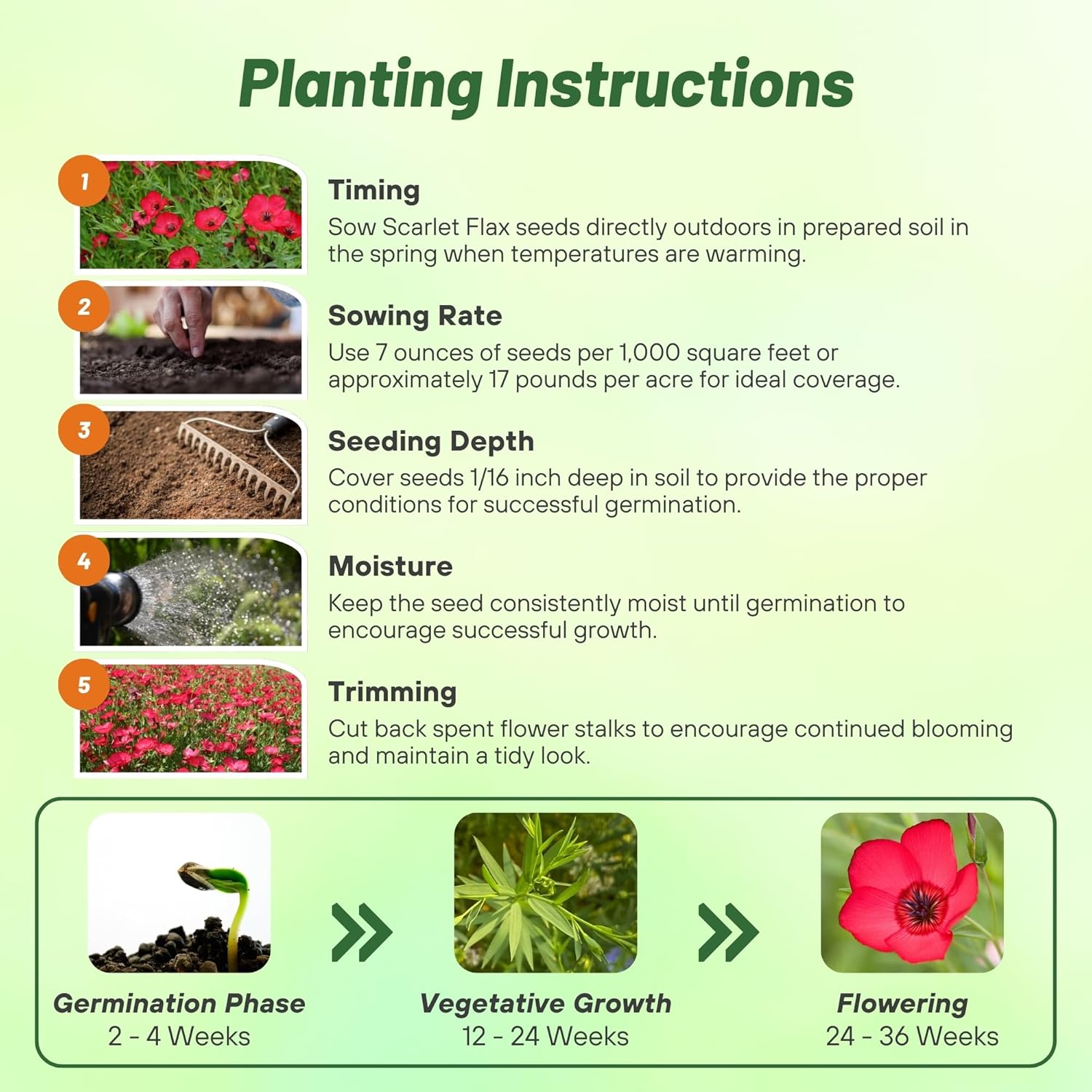
Scarlet Flax (Linum Rubrum) - What an outstanding profusion of color grown from Scarlet Flax seeds! Scarlet Flax wild flower is a drought tolerant, hardy annual, native to northern Africa and Southern Europe, and it has naturalized throughout the United States. Once established this variety can tolerate immense heat and extremely dry conditions though it will need watering at the height of summer.
MORE FLAX OPTIONS

Planting Directions
TEMPERATURE
65 - 70F
AVERAGE GERM TIME
20 - 25 days

LIGHT REQUIRED
Yes

DEPTH
1/16 inch

SOWING RATE
7 ounces per 1,000 square feet or 17 pounds per acre

MOISTURE
Keep seed moist until germination
PLANT SPACING
12 - 15 inches
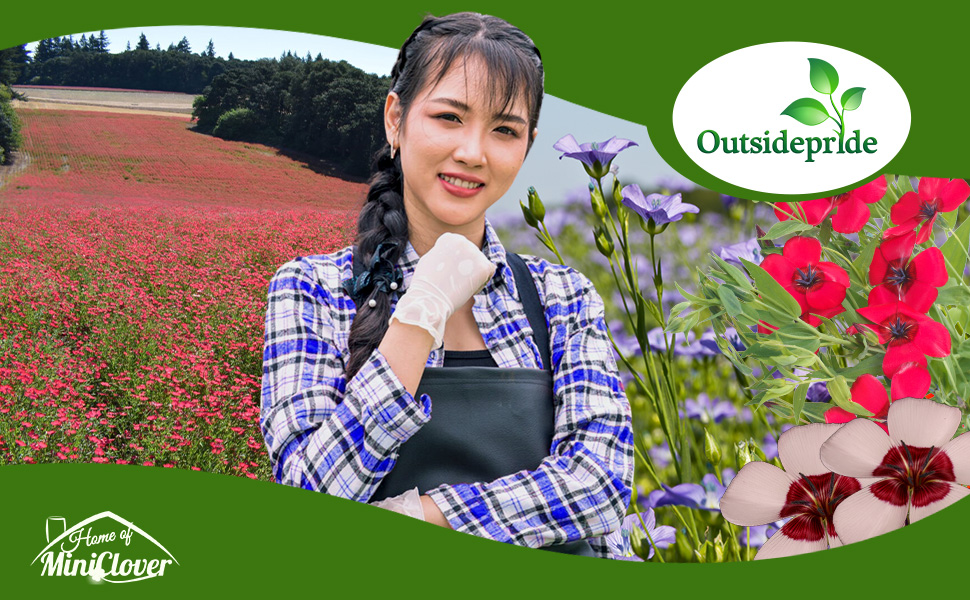
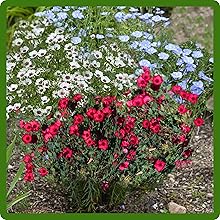
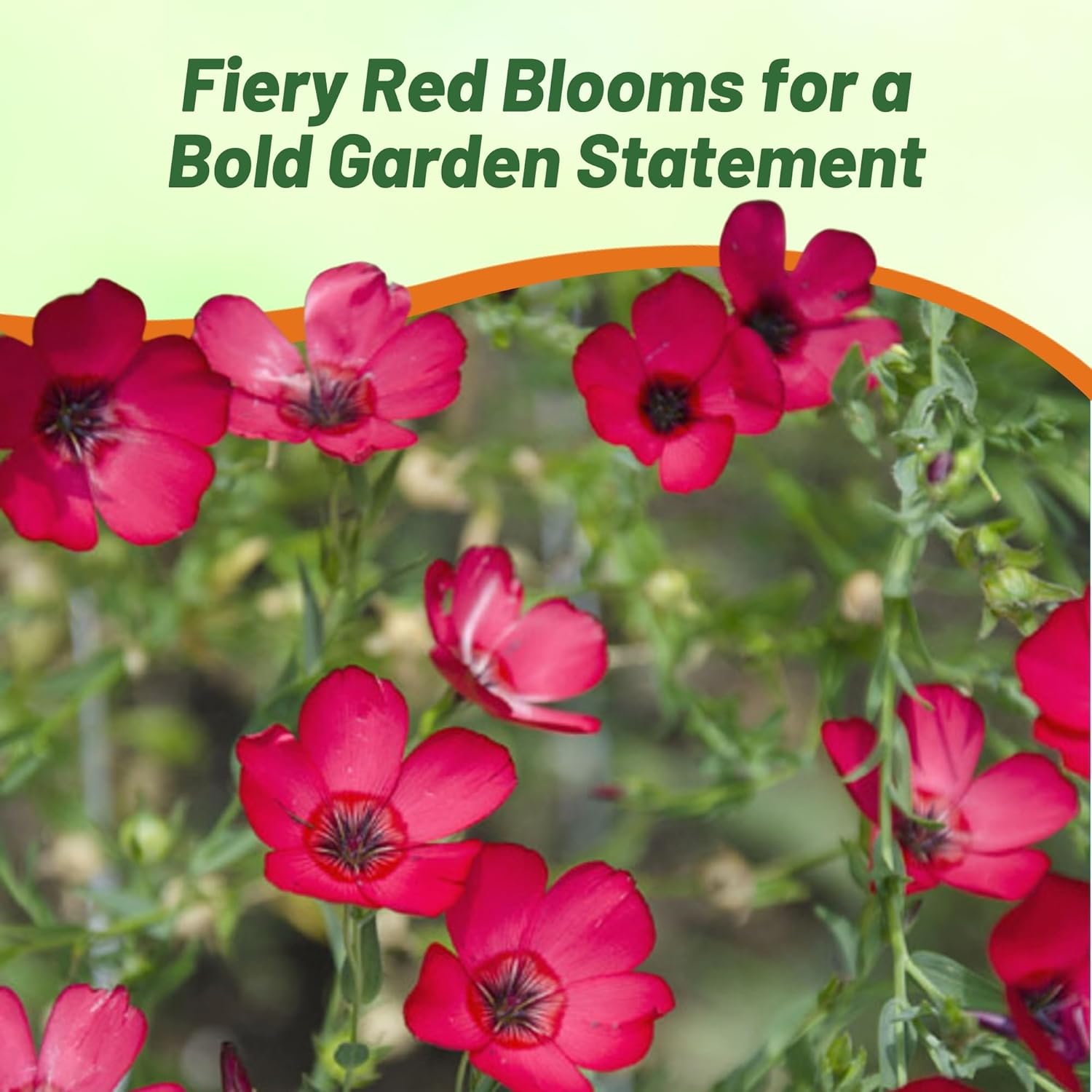
Scarlet Flax (Linum Rubrum) - What an outstanding profusion of color grown from Scarlet Flax seeds! Scarlet Flax wild flower is a drought tolerant, hardy annual, native to northern Africa and Southern Europe, and it has naturalized throughout the United States. Seedlings need moderate watering to get started, although spring rainfalls are usually sufficient. Scarlet Flax flowers are glossy, deep scarlet red, and they bloom in profusion and are best admired if planted densely. Linum Rubrum Scarlet Flax prefers full sun in well-drained soils. It often re-seeds and will be back the next spring! Scarlet Flax has some of the best flowers for attracting birds and insects.
Common Questions
When do you harvest flax plants?
Flax typically matures within 90 to 120 days. To harvest the seeds, pull out the whole plant, tie the stems together, and hang them to dry for three to five weeks until the seed heads are fully dried out.
What climate is ideal for growing flax?
Flax plants thrive in soil that is consistently moist (but not waterlogged) and in cool temperatures while growing. However, they require warm and dry conditions during the seed and fiber harvesting period.
What is the flax plant grown for?
Flax was among the earliest crops cultivated by humans, primarily for its fibers. The production of flax began to decline only after the invention of the cotton gin. Presently, there is a revival in cultivating this annual herb, with a newfound admiration for its natural charm and the versatile applications of its fiber, oil, and seeds.
Do I need to prune back my flowers?
If you cut back by half after the first bloom your flax plants will continue blooming. If you live in a hot climate, cutting back can negatively affect your plants so don’t cut back.
Planting Directions
TEMPERATURE
65 - 70F
AVERAGE GERM TIME
20 - 30 days
LIGHT REQUIRED
Yes
DEPTH
1/8 inch
SOWING RATE
3 ounces per 1,000 square feet or 9 pounds per acre
MOISTURE
Keep seed moist until germination
PLANT SPACING
15 - 18 inches
Blue Flax (Linum Perenne) - Blue Flax is a drought tolerant, perennial flower which will bloom the second year when grown from wildflower seed. It grows from tough, expanding clumps, and produces little pastel blue flowers, 1/2 - 1 inch across that bloom on light, graceful arching branches. Each bloom only lasts a day, but a new flower will open each day to take its place. It is very pretty! It will grow in all regions of North America, and it prefers full sun, and loose, dry soil, but it is very adaptable and good for xeriscape landscaping or gardening.
The clear Blue Flax flowers that appear in late spring are the hallmarks of perennial Flax. Clusters of buds typically droop at the branching ends of the slim stems. They open to an inch wide, and are 5 petaled flowers. Buds bloom successively over the weeks, opening in the early mornings just before dawn. Unless the day is overcast, the fully open flowers drop their petals by midday. A new round of bloom follows each day through to mid-summer. Because these Linum Perenne plants produce a profusion of buds, there are always plenty of flowers during its bloom season. Blue Flax will also drop its wild flower seed to re-seed itself the following spring.
Common Questions
When do you harvest flax plants?
Flax typically matures within 90 to 120 days. To harvest the seeds, pull out the whole plant, tie the stems together, and hang them to dry for three to five weeks until the seed heads are fully dried out.
What climate is ideal for growing flax?
Flax plants thrive in soil that is consistently moist (but not waterlogged) and in cool temperatures while growing. However, they require warm and dry conditions during the seed and fiber harvesting period.
What is the flax plant grown for?
Flax was among the earliest crops cultivated by humans, primarily for its fibers. The production of flax began to decline only after the invention of the cotton gin. Presently, there is a revival in cultivating this annual herb, with a newfound admiration for its natural charm and the versatile applications of its fiber, oil, and seeds.
Do I need to prune back my flowers?
If you cut back by half after the first bloom your flax plants will continue blooming. If you live in a hot climate, cutting back can negatively affect your plants so don’t cut back.
Planting Directions
TEMPERATURE
65 - 70F
AVERAGE GERM TIME
20 - 30 days
LIGHT REQUIRED
Yes
DEPTH
1/8th inch
SOWING RATE
2 - 3 seeds per plant
MOISTURE
Keep seeds moist until germination
PLANT SPACING
12 - 16 inches
Yellow Flax (Linum Flavum Compactum Yellow) - Dwarf Golden flax or Yellow flax can be grown from flower seeds and is well suited to xeriscape rock gardens or growing along rocky paths. This compact flax only reaches 8 - 12 inches tall making it a "dwarf" flax and best of all it is a perennial! Grows best in USDA zones in 4 - 9, blooming in early spring to mid summer. The average time till germination is 20 -30 days when planted correctly and kept moist until germination. Prefers full sun environments with well drained soil and planted at a depth of 1/8th inch or so.
Common Questions
When do you harvest flax plants?
Flax typically matures within 90 to 120 days. To harvest the seeds, pull out the whole plant, tie the stems together, and hang them to dry for three to five weeks until the seed heads are fully dried out.
What climate is ideal for growing flax?
Flax plants thrive in soil that is consistently moist (but not waterlogged) and in cool temperatures while growing. However, they require warm and dry conditions during the seed and fiber harvesting period.
What is the flax plant grown for?
Flax was among the earliest crops cultivated by humans, primarily for its fibers. The production of flax began to decline only after the invention of the cotton gin. Presently, there is a revival in cultivating this annual herb, with a newfound admiration for its natural charm and the versatile applications of its fiber, oil, and seeds.
Do I need to prune back my flowers?
If you cut back by half after the first bloom your flax plants will continue blooming. If you live in a hot climate, cutting back can negatively affect your plants so don’t cut back.
Planting Directions
TEMPERATURE
65 - 70F
AVERAGE GERM TIME
20 - 25 days
LIGHT REQUIRED
Yes
DEPTH
1/8th inch
SOWING RATE
4 - 5 seeds per plant
MOISTURE
Keep seeds moist until germination
PLANT SPACING
12 inches
Bright Eyes Flax (Linum Grandiflorum Bright Eyes) - It's so rewarding to start Linum seeds and grow this charming Bright Eyes Flax! This hardy, drought resistant little annual is great for containers, the front of the border, or in xeriscape rock gardens.
Common Questions
When do you harvest flax plants?
Flax typically matures within 90 to 120 days. To harvest the seeds, pull out the whole plant, tie the stems together, and hang them to dry for three to five weeks until the seed heads are fully dried out.
What climate is ideal for growing flax?
Flax plants thrive in soil that is consistently moist (but not waterlogged) and in cool temperatures while growing. However, they require warm and dry conditions during the seed and fiber harvesting period.
What is the flax plant grown for?
Flax was among the earliest crops cultivated by humans, primarily for its fibers. The production of flax began to decline only after the invention of the cotton gin. Presently, there is a revival in cultivating this annual herb, with a newfound admiration for its natural charm and the versatile applications of its fiber, oil, and seeds.
Do I need to prune back my flowers?
If you cut back by half after the first bloom your flax plants will continue blooming. If you live in a hot climate, cutting back can negatively affect your plants so don’t cut back.
Planting Directions
TEMPERATURE
65 - 70F
AVERAGE GERM TIME
25 - 30 days
LIGHT REQUIRED
Yes
DEPTH
1/8th inch
SOWING RATE
4 - 5 seeds per plant
MOISTURE
Keep seeds moist until germination
PLANT SPACING
18 inches
Sky Blue Flax (Linum Usitatissimum Sky Blue) - Grown since ancient times, Flax seed produces beautiful flowers and annual drought tolerant plants with many beneficial uses. Other common names are Common Flax, Blue Flax or Linseed.
Common Questions
When do you harvest flax plants?
Flax typically matures within 90 to 120 days. To harvest the seeds, pull out the whole plant, tie the stems together, and hang them to dry for three to five weeks until the seed heads are fully dried out.
What climate is ideal for growing flax?
Flax plants thrive in soil that is consistently moist (but not waterlogged) and in cool temperatures while growing. However, they require warm and dry conditions during the seed and fiber harvesting period.
What is the flax plant grown for?
Flax was among the earliest crops cultivated by humans, primarily for its fibers. The production of flax began to decline only after the invention of the cotton gin. Presently, there is a revival in cultivating this annual herb, with a newfound admiration for its natural charm and the versatile applications of its fiber, oil, and seeds.
Do I need to prune back my flowers?
If you cut back by half after the first bloom your flax plants will continue blooming. If you live in a hot climate, cutting back can negatively affect your plants so don’t cut back.
Planting Directions
SOWING TEMPERATURE
55F
SEEDING RATE
20 - 30 lbs/acre
AVERAGE GERMINATION TIME
7 - 14 days
PLANTING DEPTH
1/4 - 1/2 inch
SOWING METHOD
Broadcast or drill
ENVIRONMENT
Full sun
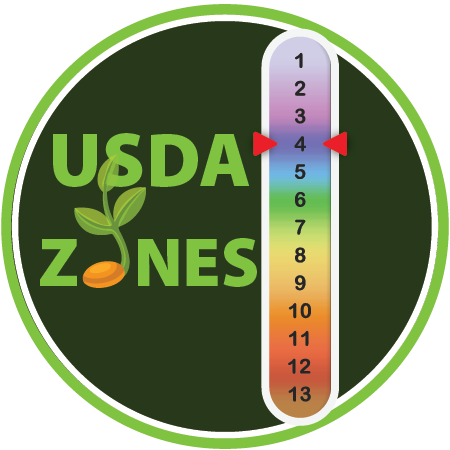
USDA ZONES
3 - 9
Common Flax (Linum usitatissimum) - Also known as linseed. It is a flowering, short-lived, annual subshrub. In its native habitat, it can be grown as a perennial, but it is not cold tolerant. The thin, wiry stems that support the flower buds appear delicate, but are difficult to break. It produces pale blue flowers on slender, but strong, stems in late spring into mid-summer. Flax is a plant known historically for fiber production. The seed is used to produce edible oils and also oils for wood finishing products.
Common flax prefers moist, well-drained, mildly acid, neutral and mildly alkaline soils. It does best in full sun and cannot grow in the shade. The plant tolerates strong winds but not maritime exposure. It will tolerate drought and dry or rocky soil, but clay soils can cause the plant to root shallowly that will cause problems for the plant in cold weather.
It is a versatile cover crop used for soil conditioning, especially effective at fighting compaction and increasing mycorrhizal fungi activity. It is best used in mixes (e.g., with oats, vetch, or peas) to build soil health, as it is non-competitive and can be easily seeded at 20 - 30 lbs/acre. Its fibrous roots improve soil structure and its flowers attract pollinators and beneficial insects. As a cover crop, flax helps to mobilize phosphorus in the soil and add organic matter. Plant early Spring or late Summer.