











Poppy Seeds - California

SEEDS PER POUND
294,835

SEASON
Annual
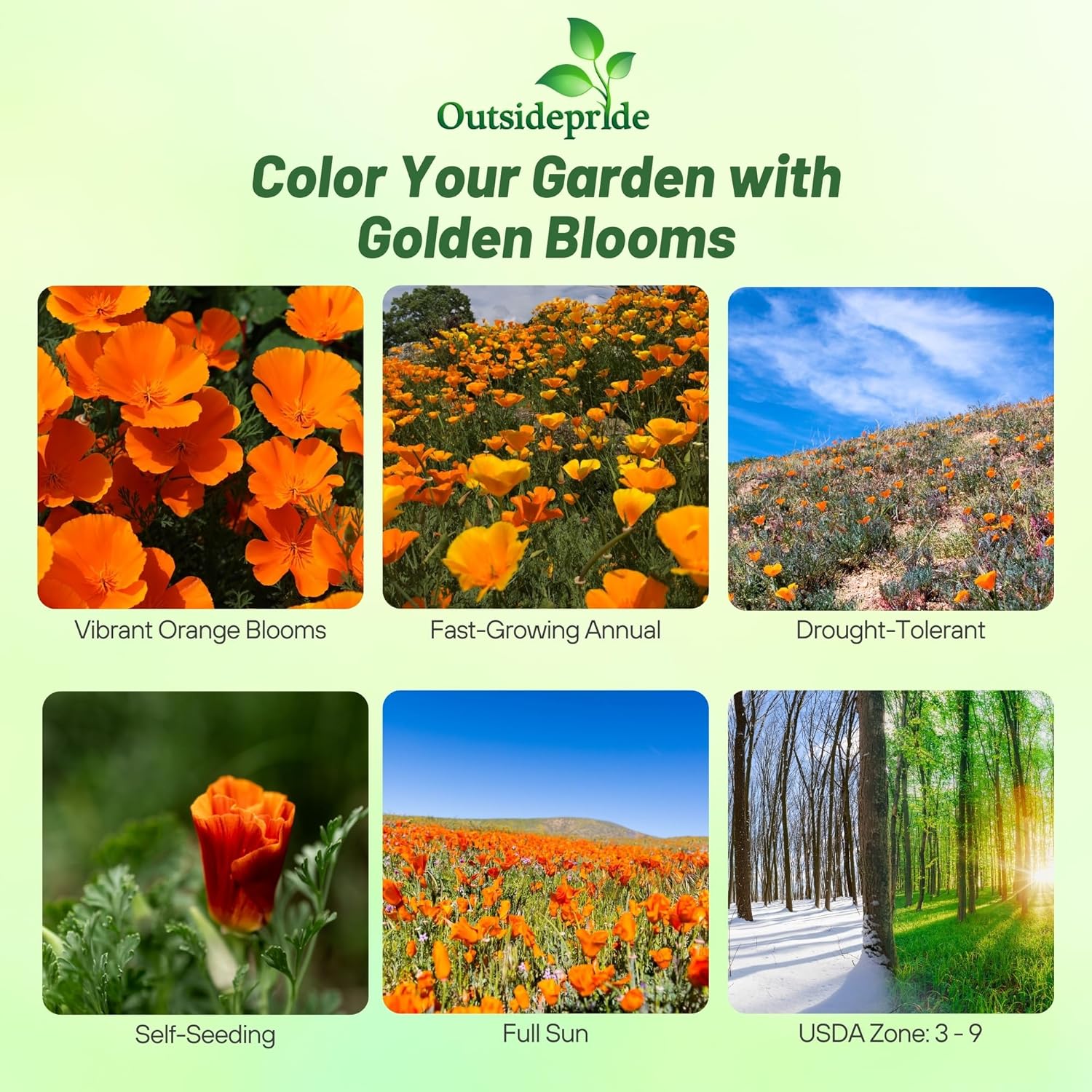
USDA ZONES
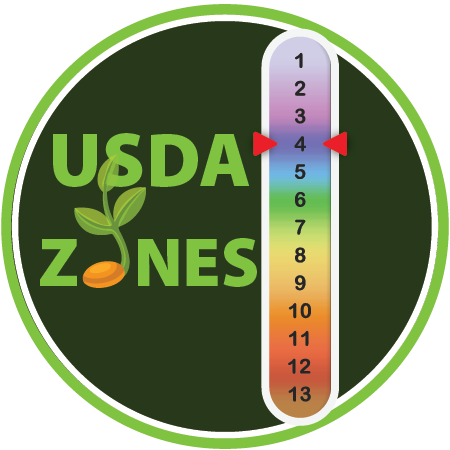
3 - 9

HEIGHT
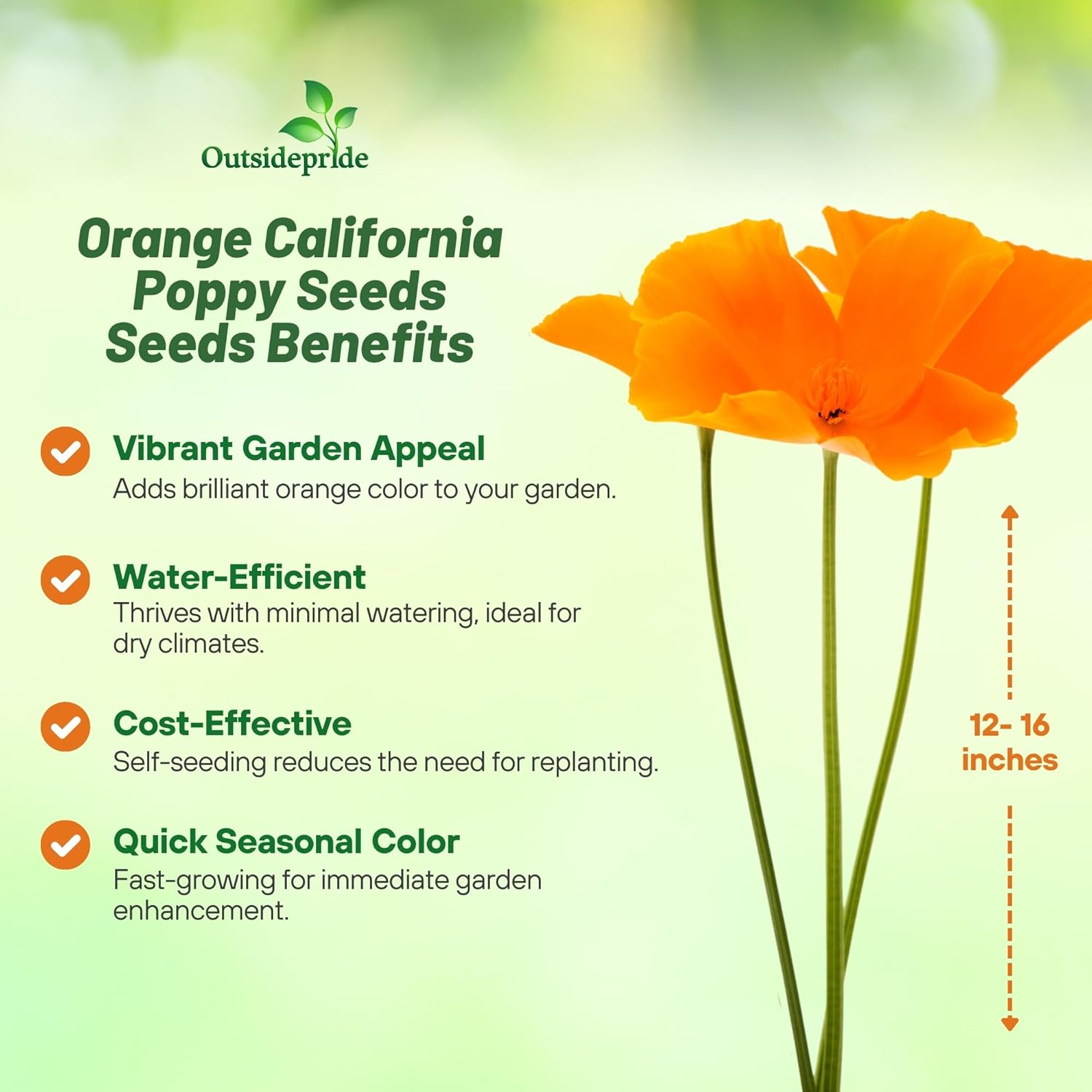
12 - 16 inches

BLOOM SEASON
Mid-summer

BLOOM COLOR
Orange

ENVIRONMENT
Full sun

SOIL TYPE
Prefers gritty, fast-draining conditions, pH 6.6 - 7.5

DEER RESISTANT
Yes

About...
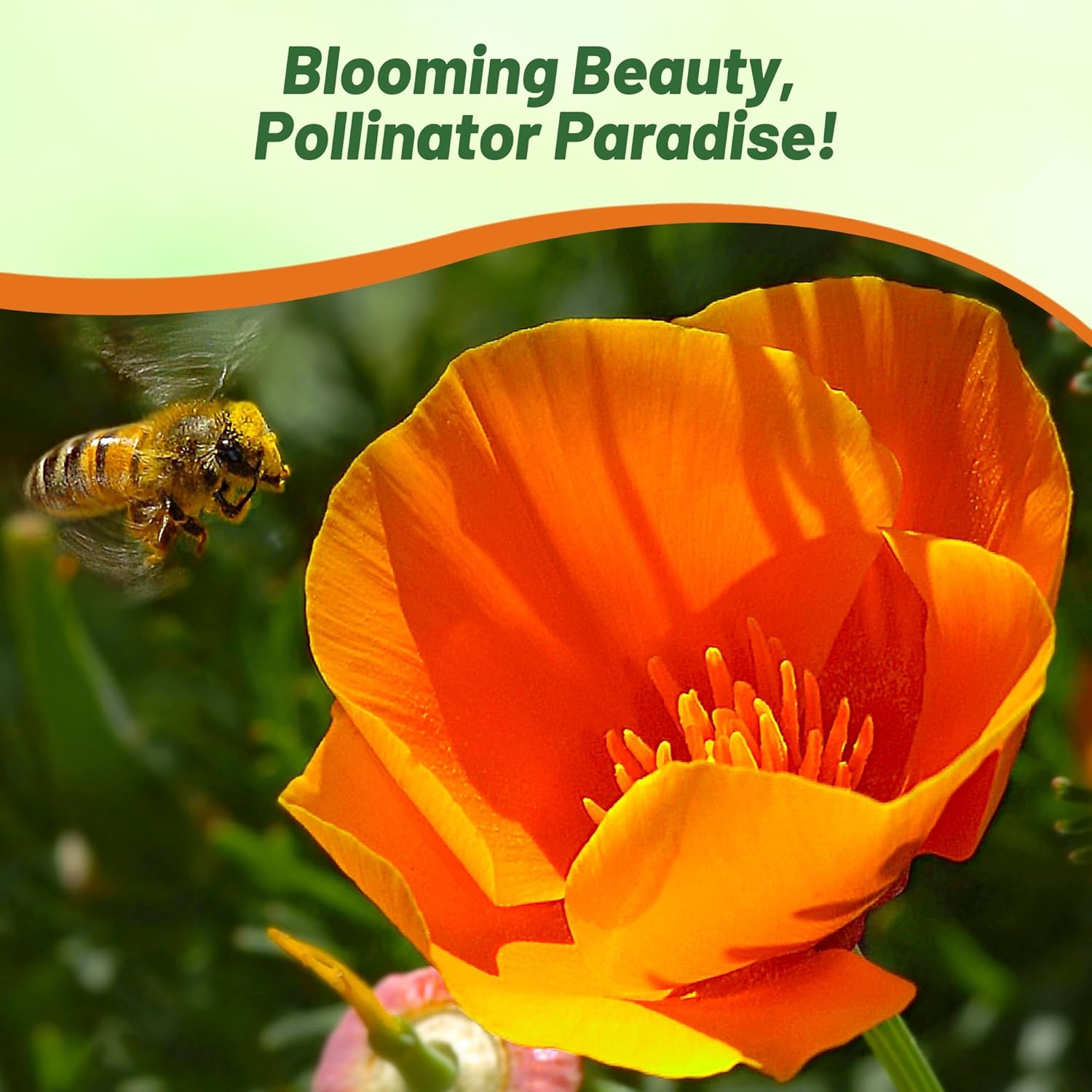
California Poppy (Eschscholzia Californica) - California Poppy seeds will grow quite well in cold climates, but only as an annual. Drought tolerant poppies can be used in beds, borders, and in naturalized settings, but generally do not do well in containers. The brilliant orange California Poppy work well with purple and yellow flowers.
Trustpilot Reviews
Fast shipping and great price
I was really happy to find 5 pounds of California poppy seeds for a good deal. Shipping was very quick too! Now I just hope they will grow!
Read more on TrustpilotAnother excellent experience.
This was my second order of California wildflowers for the garden later this spring. I've found Outside Pride to be very dependable -they ship fast, are generous with their seeds which have a high germination rate.
Read more on TrustpilotOutside Pride is our go to seed…
Outside Pride is our go to seed provider. We have ordered scarlet clover, micro clover and California poppy seeds from them and our orders were shipped quickly and we have been extremely satisfied with the germination rate.
Read more on TrustpilotBest seeds I have found
These poppy seeds germinate really well. It's a little hot here in Ohio yet, so I will put them out when it cools down in October. Great company. Fast shipping. The best place I have found to get beautiful flower seeds.
Read more on TrustpilotRepeat, repeat customer
I've been buying seed from Outside Pride for years. Good quality, always germinate, great deals on bulk seeds--found my way here for the miniclover, but a pound of California poppy seeds a year keeps the streetside planting strips looking cheerful all down the block.
Read more on TrustpilotMORE POPPY OPTIONS

Planting Directions

TEMPERATURE
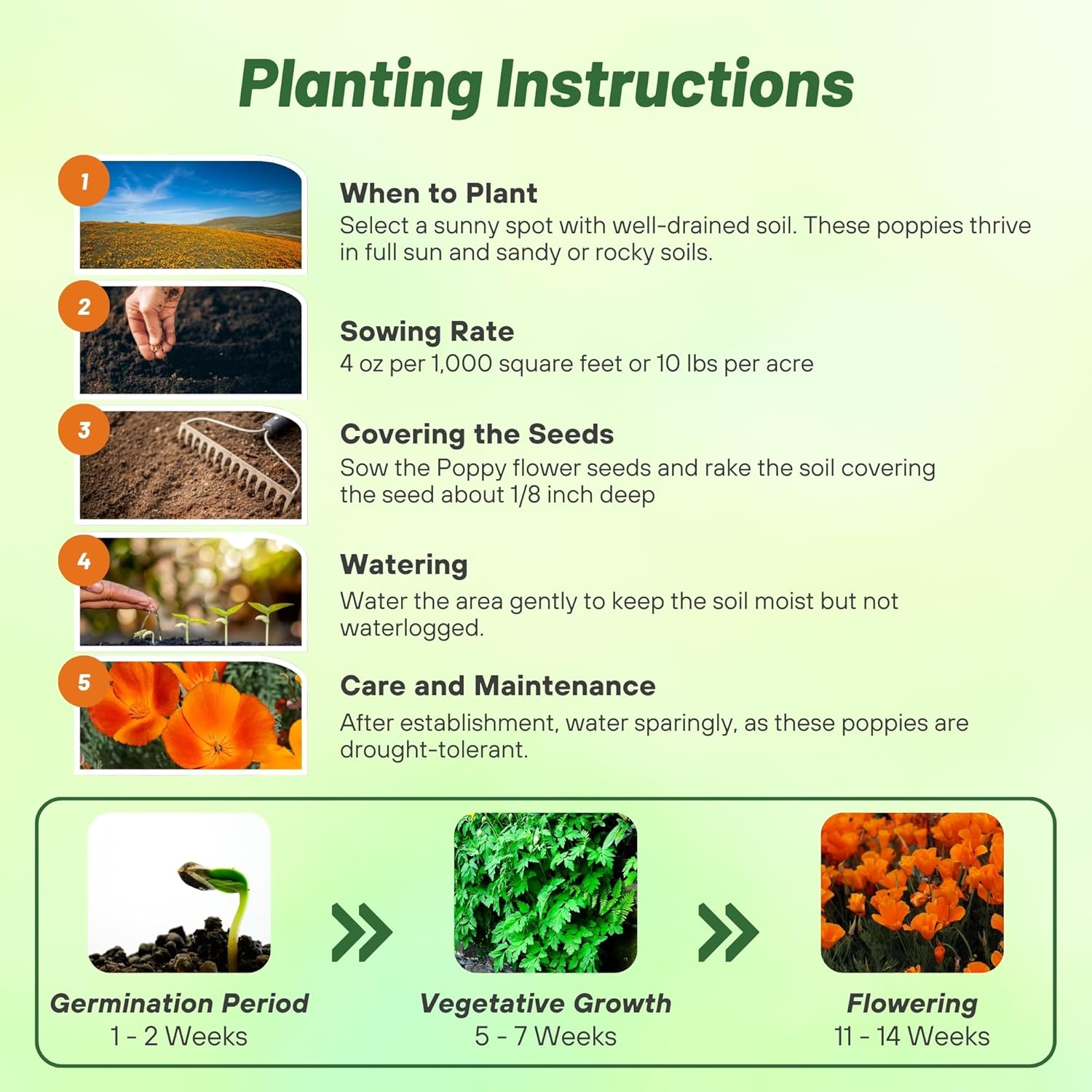
60 - 70F

AVERAGE GERM TIME
14 - 28 days

LIGHT REQUIRED
Yes

DEPTH
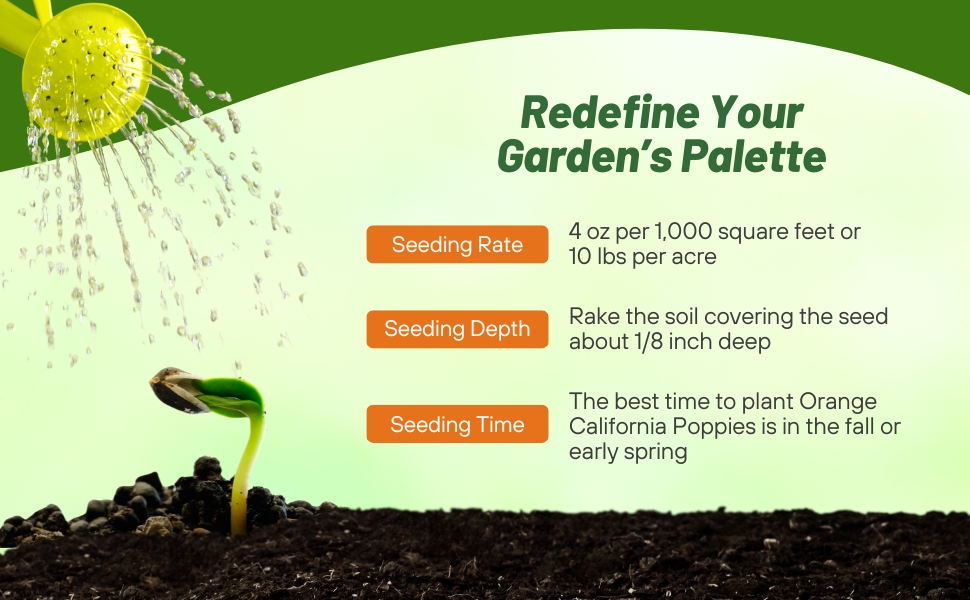
1/8 inch

SOWING RATE
4 ounces per 1,000 square feet or 10 pounds per acre

MOISTURE
Keep seeds moist until germination

PLANT SPACING
12 inches
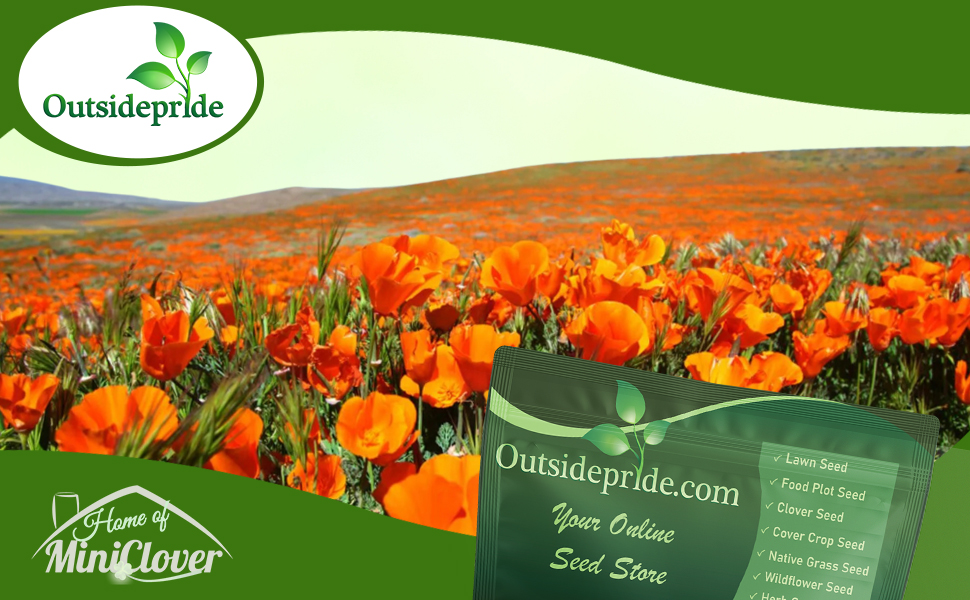
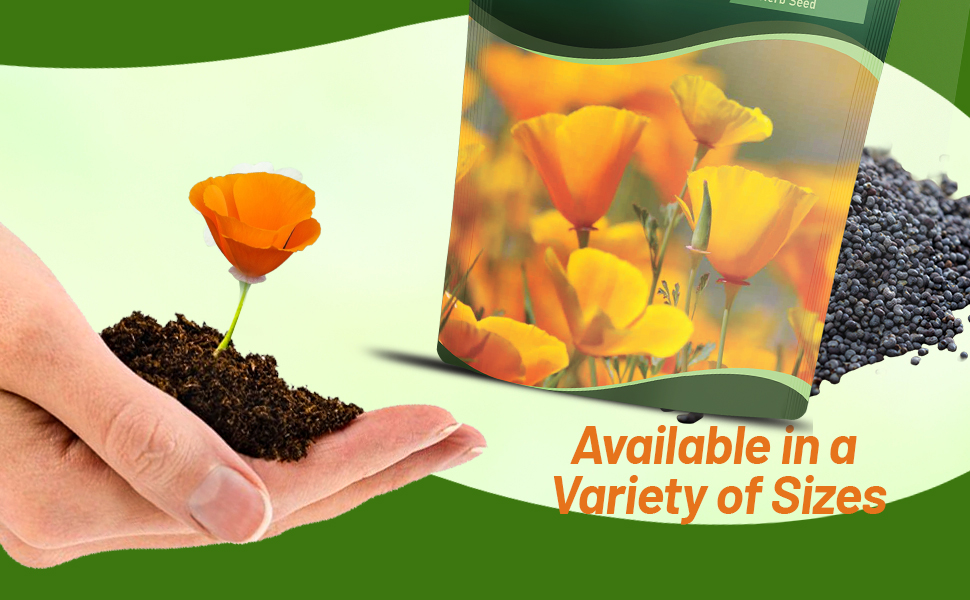
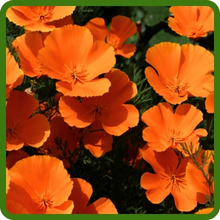
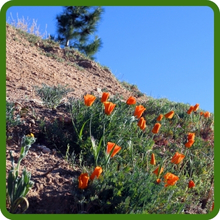
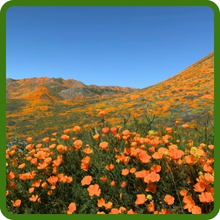
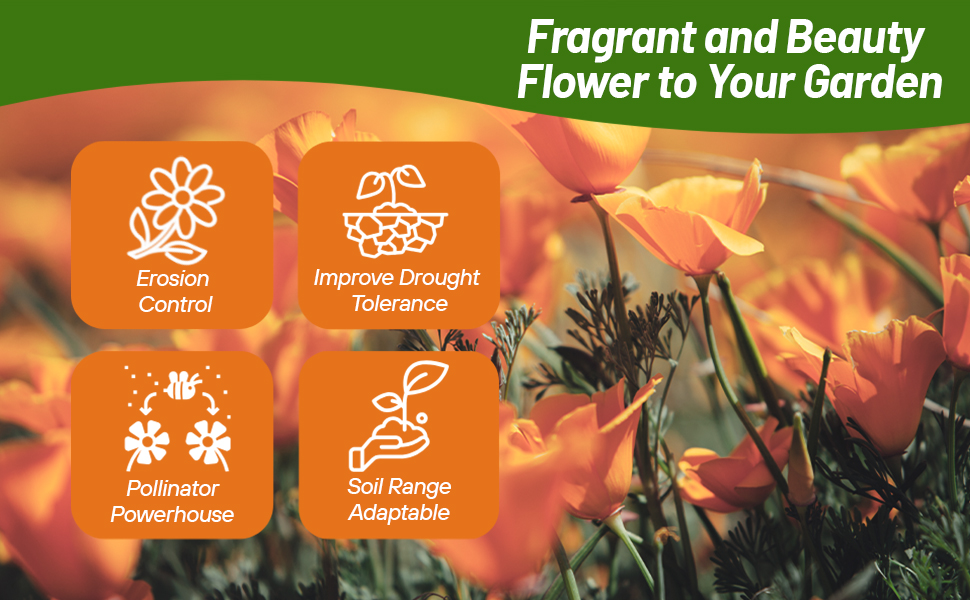
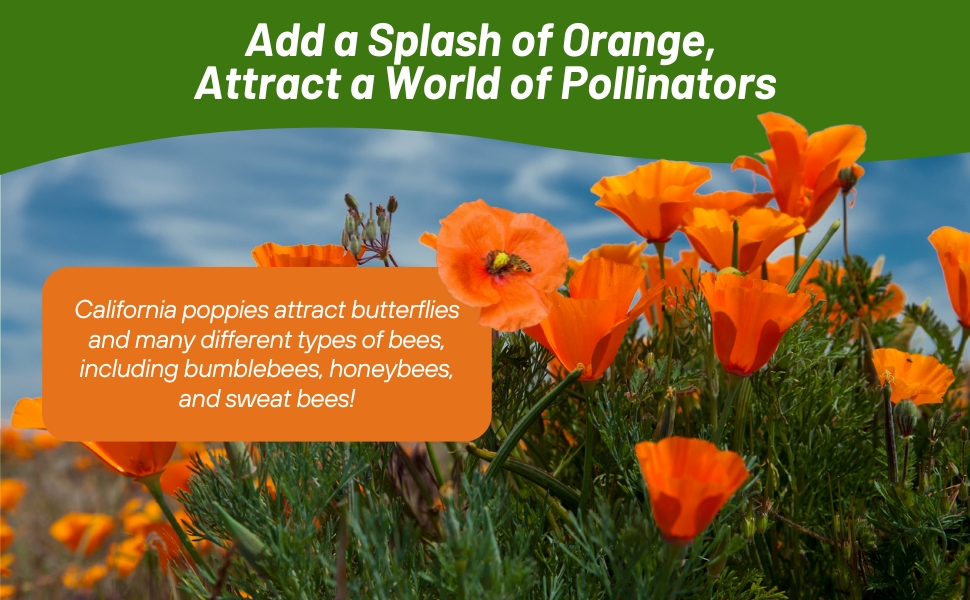
California Poppy (Eschscholzia Californica) - The bright orange drought tolerant California Poppy wildflower was named for doctor-naturalist Johann Friedrich Gustav von Eschscholtz who was the surgeon for the Russian expedition team that dropped anchor in San Francisco in 1815 in a bay surrounded by hills covered with the golden flowers. The wild flowers were designated the state flower of California in 1903, and now are protected by state law prohibiting anyone from picking or destroying them when they are growing on public property. These Poppy flowers close at night or in cold, windy weather and open again the following morning, although they may remain closed in cloudy weather.
Frequently Asked Questions
Do I need to deadhead California poppy?
This is optional; however, it will extend your bloom season. Leaving on some spent flowers if you want to reseed for your next growing season.
Are these flowers fragrant?
They are not known for their scent, but they are valued highly for their cheerful blooms.
Can I grow in containers?
Yes, you can. Make sure to choose a container large enough for mature plants as California poppies do not like to be transplanted. Containers will need good drainage and you will also need to water more frequently.
Are poppies deer resistant?
Yes, they do tend to be deer resistant.
Videos