

Lemon Grass Seeds For Planting - Cymbopogon Flexuosus Ornamental Grass Seed

Lemon Grass Seeds

1000 Seeds
.......................................................................................................................................................
4.99
2000 Seeds
.......................................................................................................................................................
8.98

SEASON

Perennial

USDA ZONES

8 - 10

HEIGHT

36 - 60 inches

WIDTH

24 - 36 inches

FOLIAGE COLOR

Blue-green

SOIL REQUIREMENT

Well-drained, pH 6.1 - 7.8

ENVIRONMENT

Full sun to partial shade

DEER RESISTANT

Yes

LATIN NAME

Cymbopogon flexuosus

SEASON

Perennial

USDA ZONES

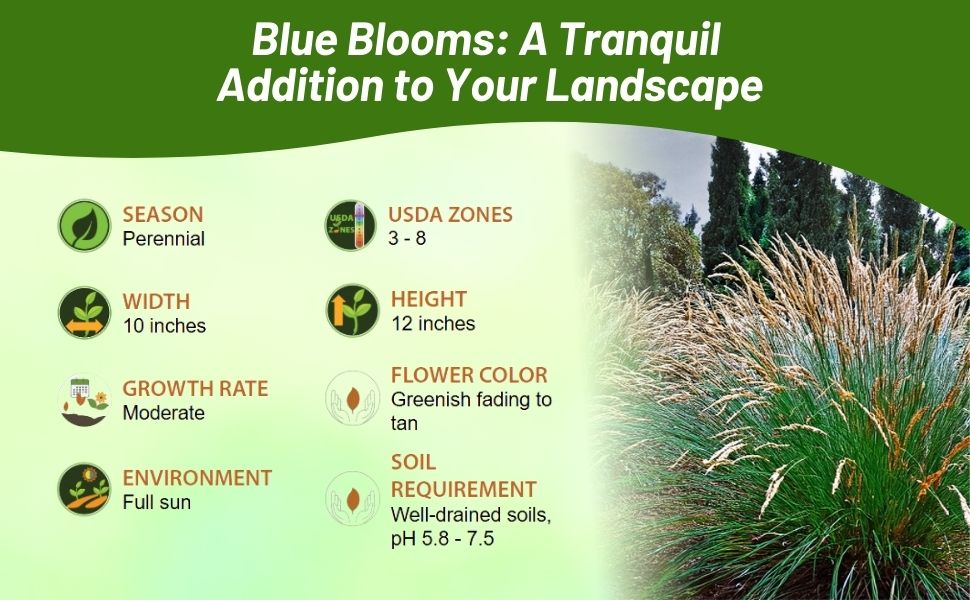
3 - 8

HEIGHT

12 inches

WIDTH

10 inches

FOLIAGE COLOR

Blue-green

FLOWER COLOR

Greenish fading to tan

GROWTH RATE

Moderate

FALL COLOR

Same

SOIL REQUIREMENT

Well-drained soils, pH 5.8 - 7.5

ENVIRONMENT

Full sun

DEER RESISTANT

Yes

MOISTURE REQUIREMENTS

Dry to medium

SEASON

Perennial

USDA ZONES

5 - 8

HEIGHT

24 inches

WIDTH

24 inches

FOLIAGE COLOR

Yellow

SOIL REQUIREMENT

Evenly moist, well-drained soil, pH 5.5 - 6.5

ENVIRONMENT

Partial shade to full shade

DEER RESISTANT

Yes

LATIN NAME

Milium effusum

LATIN NAME

Achnatherum hymenoides

SEASON

Perennial

USDA ZONES

3 - 9 (Western 1/2 of U.S.)

ENVIRONMENT

Full sun

HEIGHT

12 - 24 inches

SEASON

Perennial

USDA ZONES

3 - 8

HEIGHT

24 - 60 inches

WIDTH

12 - 30 inches

FLOWER COLOR

Green

SOIL REQUIREMENT

Medium to wet well drained soil

ENVIRONMENT

Full sun to deep shade

DEER RESISTANT

Yes

MOISTURE REQUIREMENTS

Prefers wet soils

LATIN NAME

Chasmanthium latifolium

SEASON

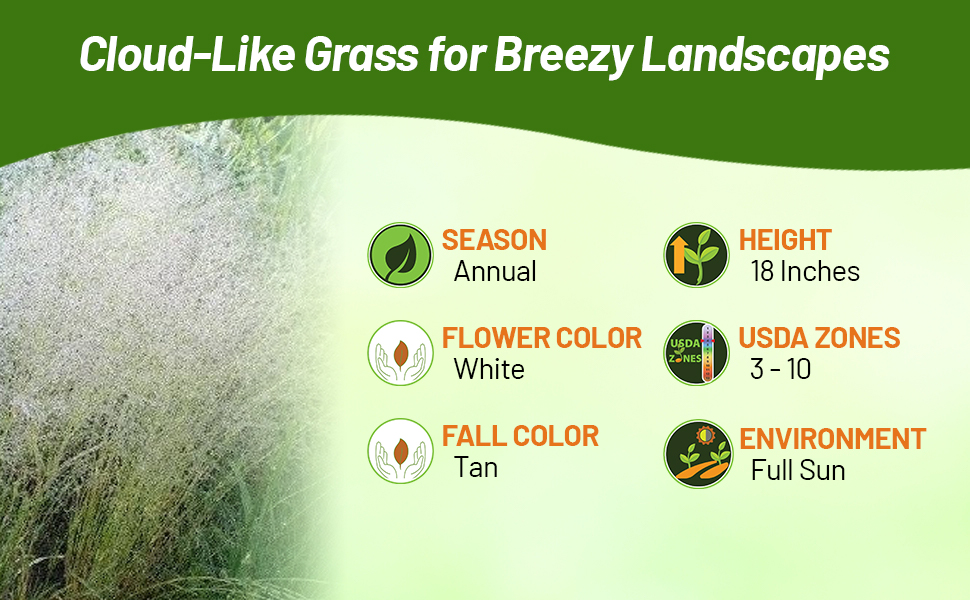
Annual

USDA ZONES

3 - 10

HEIGHT

18 inches

WIDTH

12 inches

FLOWER COLOR

White

FALL COLOR

Tan

ENVIRONMENT

Full sun

DEER RESISTANT

MOISTURE REQUIREMENTS

Average water

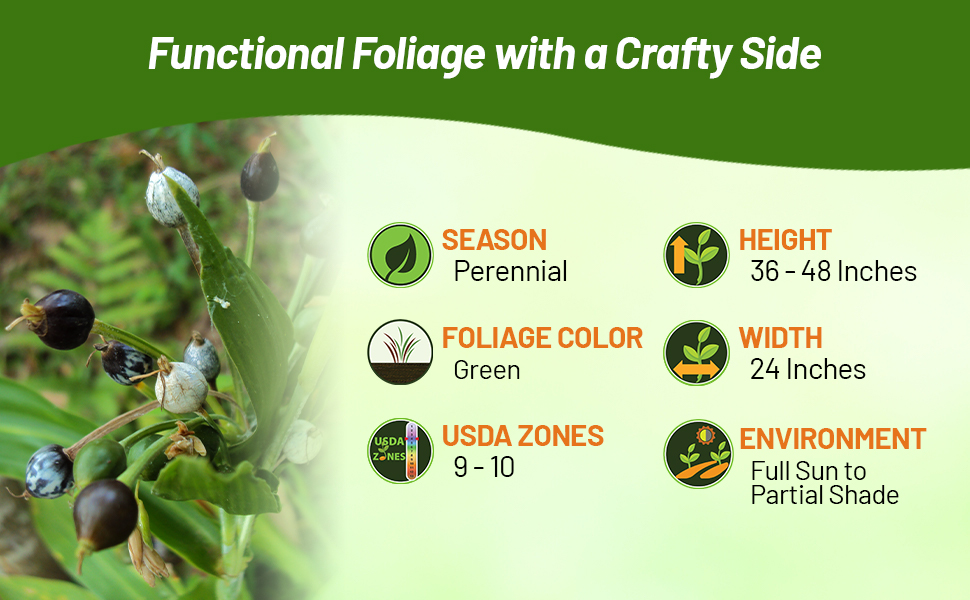
SEASON

Perennial

USDA ZONES

9 - 10

HEIGHT

36 - 48 inches

WIDTH

24 inches

FOLIAGE COLOR

Green

SOIL REQUIREMENT

Moist, pH 6.1 - 7.8

ENVIRONMENT

Full sun to partial shade

DEER RESISTANT

Yes

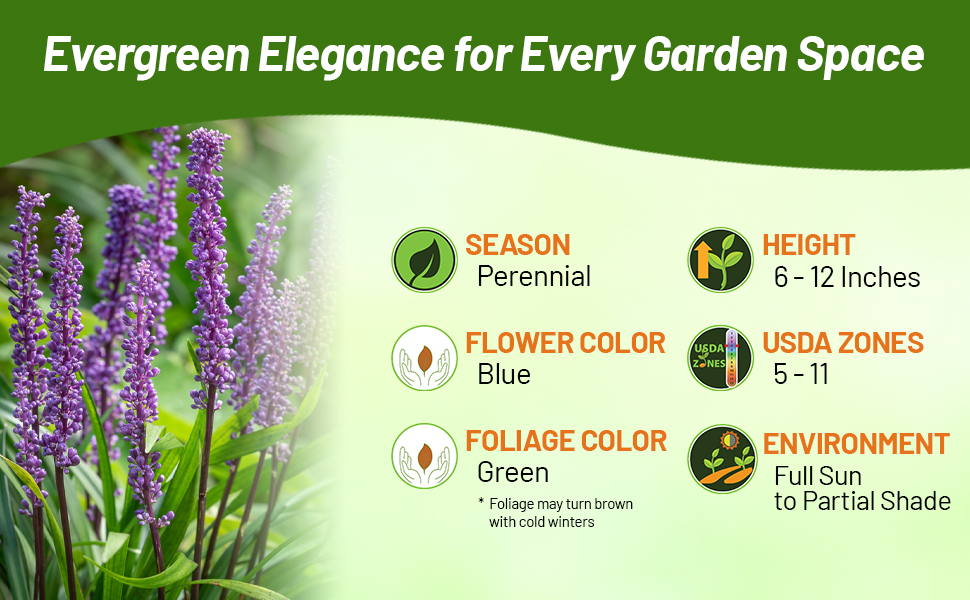
SEASON

Perennial

USDA ZONES

5 - 11

HEIGHT

6 - 12 inches

WIDTH

12 - 24 inches

FOLIAGE COLOR

Green

FLOWER COLOR

Blue

FALL COLOR

Foliage may turn brown with cold winters

SOIL REQUIREMENT

Average, medium, well-drained soil

ENVIRONMENT

Full sun to partial shade

DEER RESISTANT

Yes

MOISTURE REQUIREMENTS

Requires weekly watering during extreme heat for first year

LATIN NAME

Liriope muscari

About...

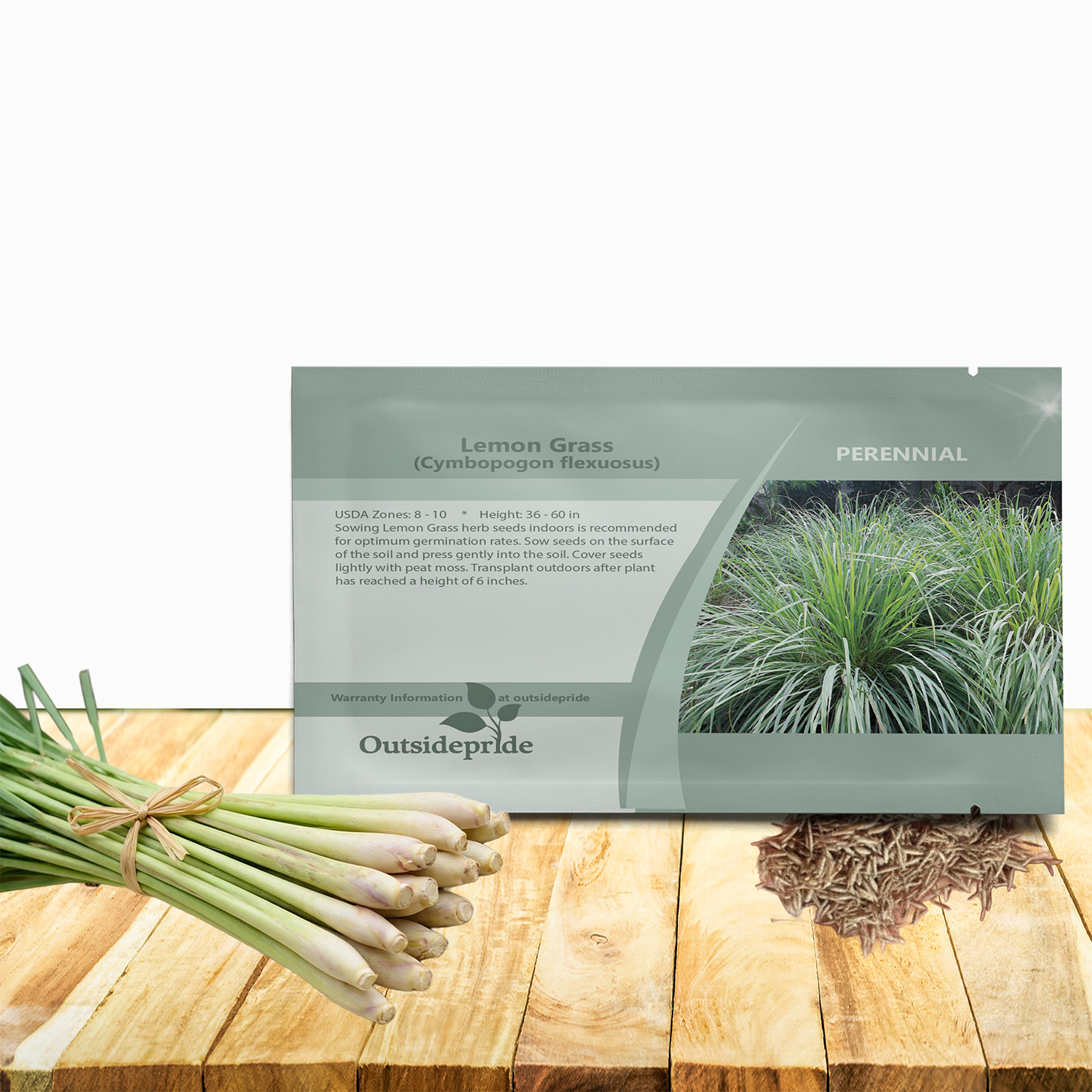
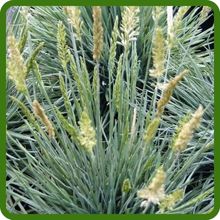
Lemon Grass (Cymbopogon flexuosus) - Grow Lemon Grass seeds for an essential herb used in Asian cuisine. The leaves and stems of Lemon Grass can be used fresh or dried to impart a distinct lemon flavor. Lemongrass herb adds exquisite flavor to soup, curries, and sauces, as well as fish and chicken dishes.

MORE ORNAMENTAL GRASS OPTIONS

Lemon grass seeds Blue hair grass seeds Millet seeds - golden Indian rice grass Northern sea oats Cloud grass Coix seeds Monkey grass seeds ...More
ABOUT
FAQ's
VIDEOS

Planting Directions

TEMPERATURE

70 - 75F

AVERAGE GERM TIME

7 - 21 days

LIGHT REQUIRED

Yes

DEPTH

Press seed onto surface of soil, cover lightly with peat moss

SOWING RATE

2 - 3 seeds per plant

MOISTURE

Keep seeds moist until germination

PLANT SPACING

36 - 48 inches
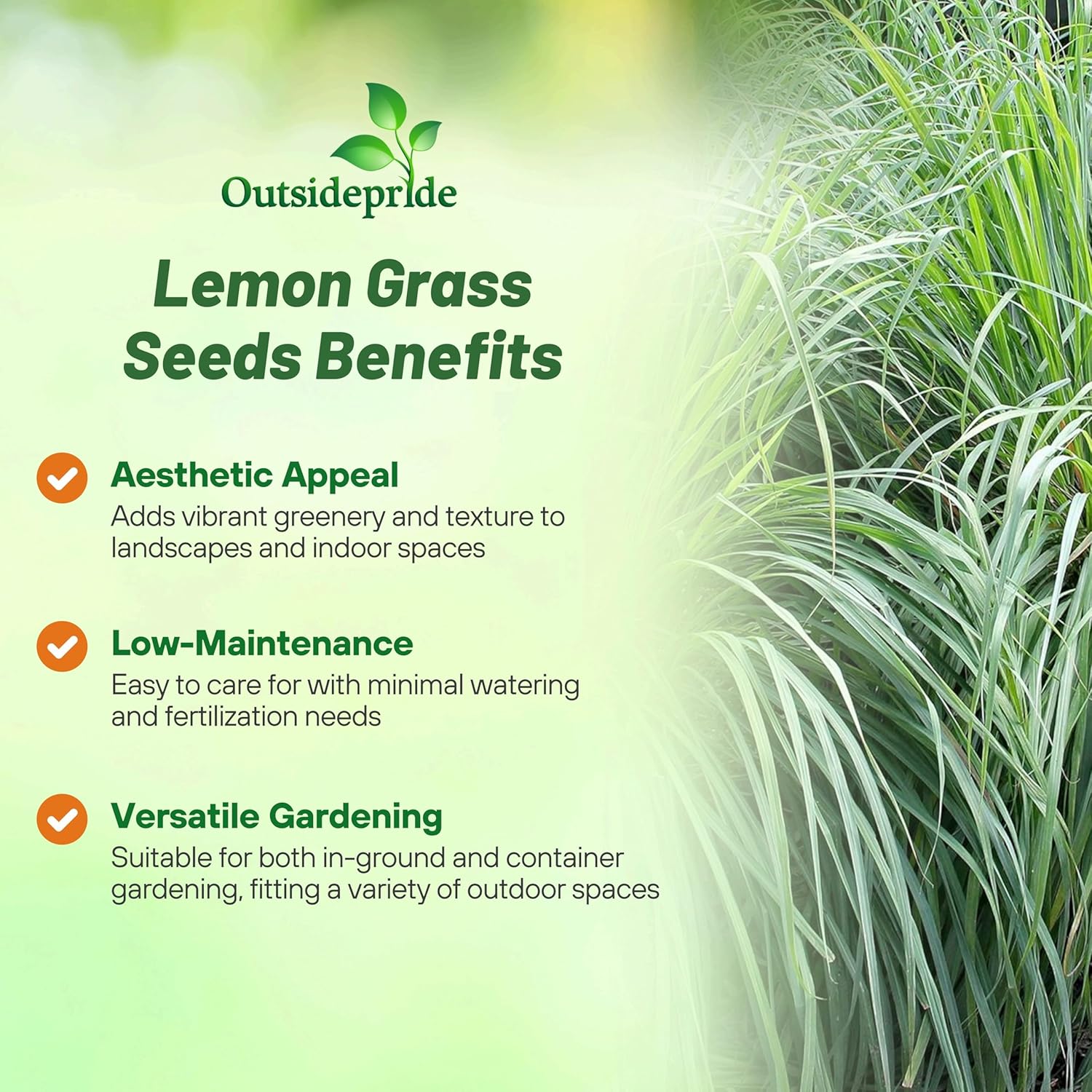
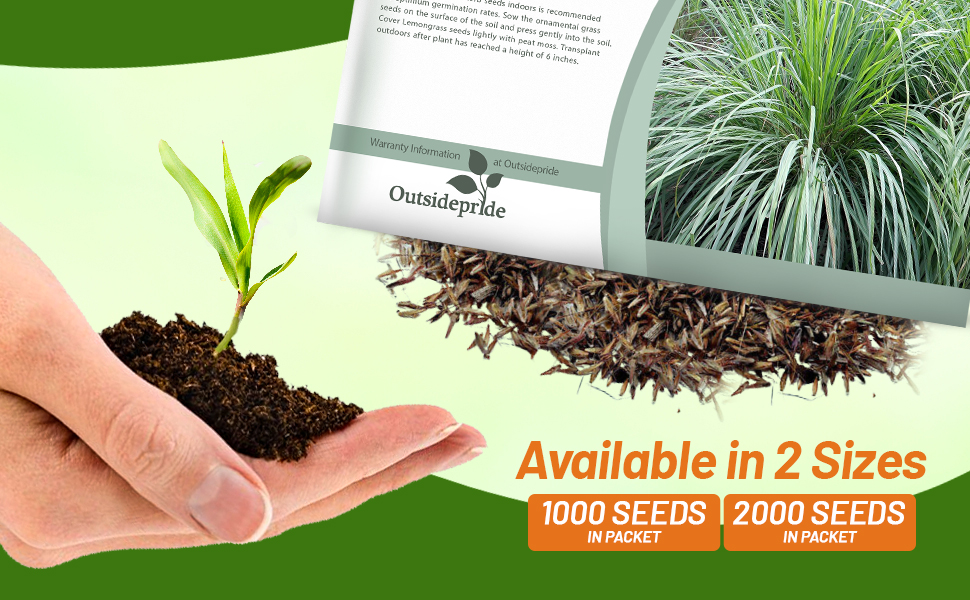
Outsidepride Lemon Grass Seeds (Cymbopogon flexuosus) bring flavor, fragrance, and utility to your garden. Suitable for USDA Zones 8–10, this tropical perennial grows 36–60 inches tall in full sun to partial shade and well-drained soil, featuring aromatic, clump-forming blue-green foliage. These lemon grass seeds for planting outdoors are ideal for adding flavor to soups, curries, teas, and marinades, while also helping to keep mosquitoes away and enhancing your garden’s appearance. Available in 1,000 or 2,000 seed packs, they are easy to grow and self-propagating.
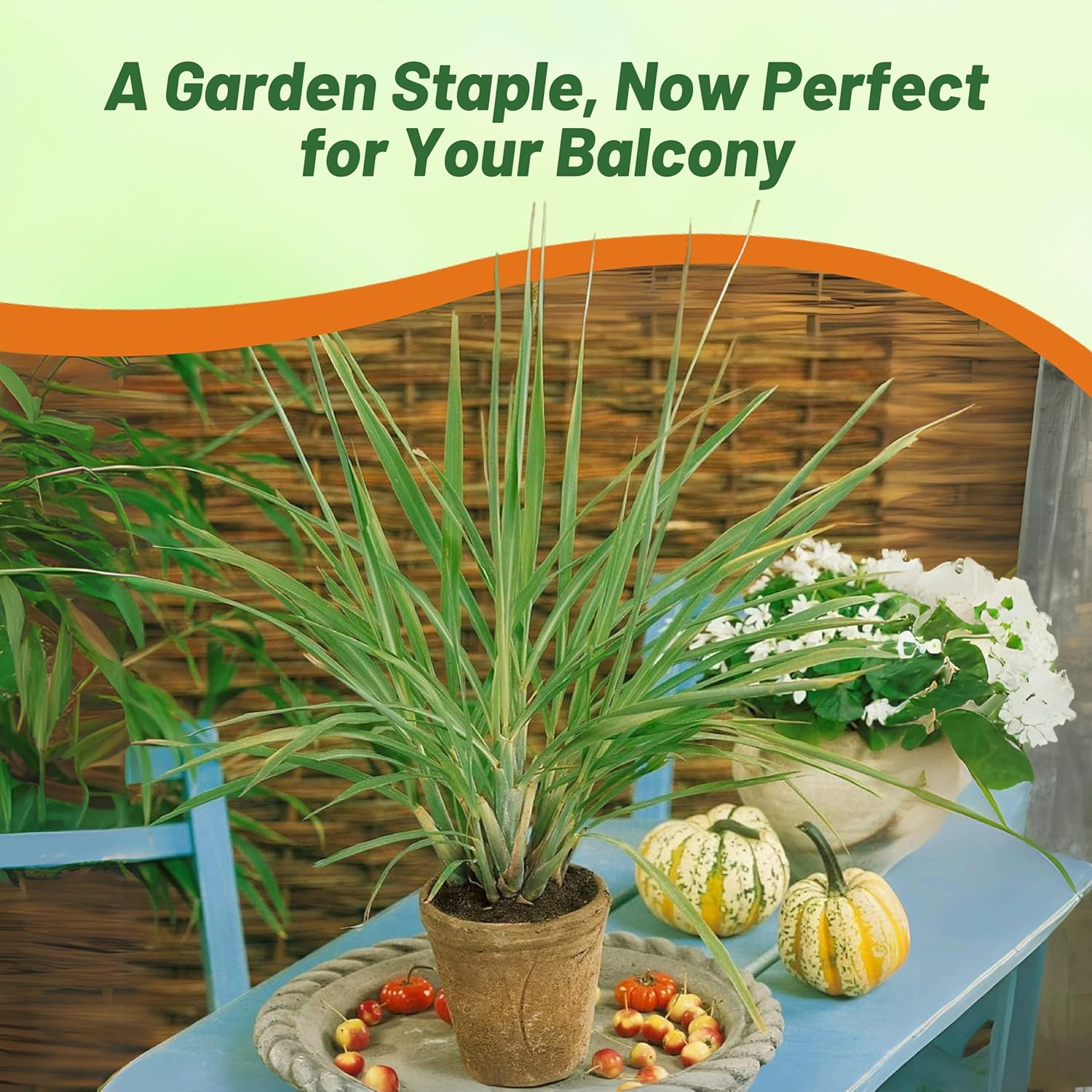
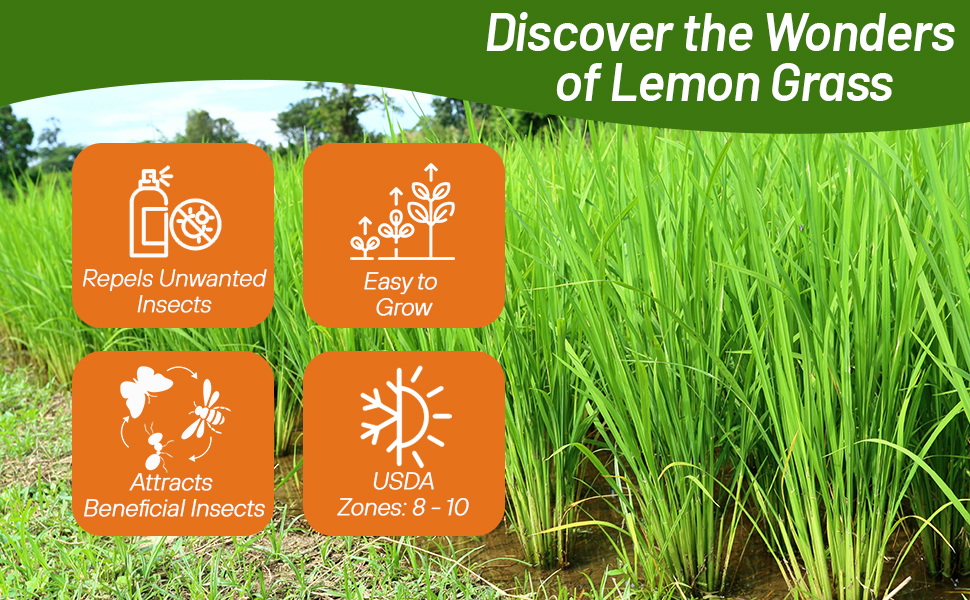
Discover the wonders of lemon grass, a delightful herb that not only enhances your cooking but also offers practical benefits for your garden. These herb seeds for planting thrive in USDA zones 8-10, making them ideal for warmer climates. With their strong citronella scent, it helps keep unwanted insects like mosquitoes away. Additionally, this remarkable plant attracts beneficial insects, promoting a healthier ecosystem in your garden. With minimal upkeep and the ability to self-propagate, you can enjoy a steady supply of this aromatic herb while maintaining a pleasant outdoor space.
Our Lemon Grass is the key to igniting your culinary creativity packed with remarkable culinary and health benefits. This versatile ingredient adds a vibrant lemony flavor to a variety of dishes, from soups and curries to marinades and teas. Beyond its delightful taste, lemon grass is known for its digestive properties, helping with discomfort. It supports overall wellness and may positively impact your health. Incorporating lemon grass into your meals not only elevates your cooking but also contributes to a healthier lifestyle, making it a must-have in any kitchen or garden.
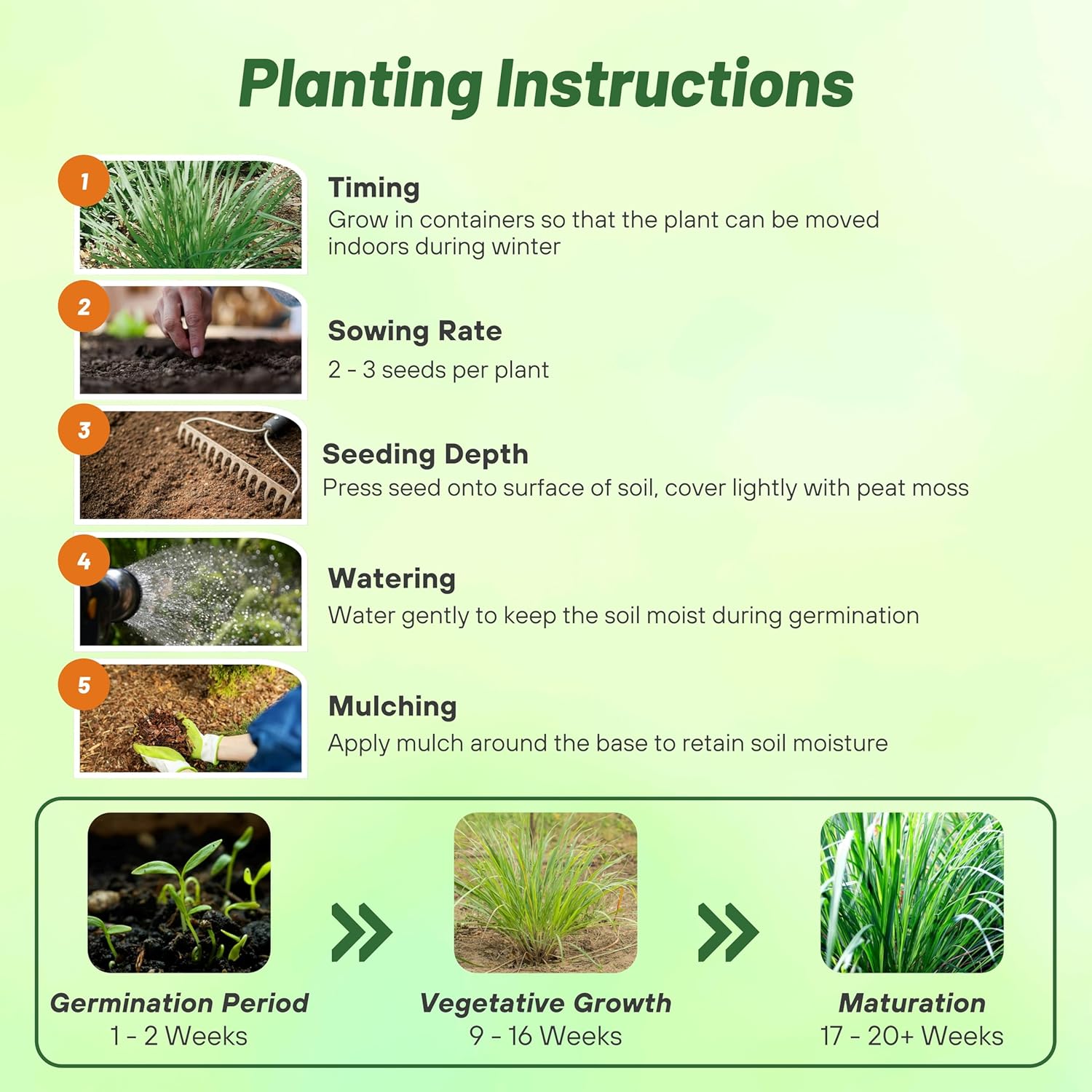
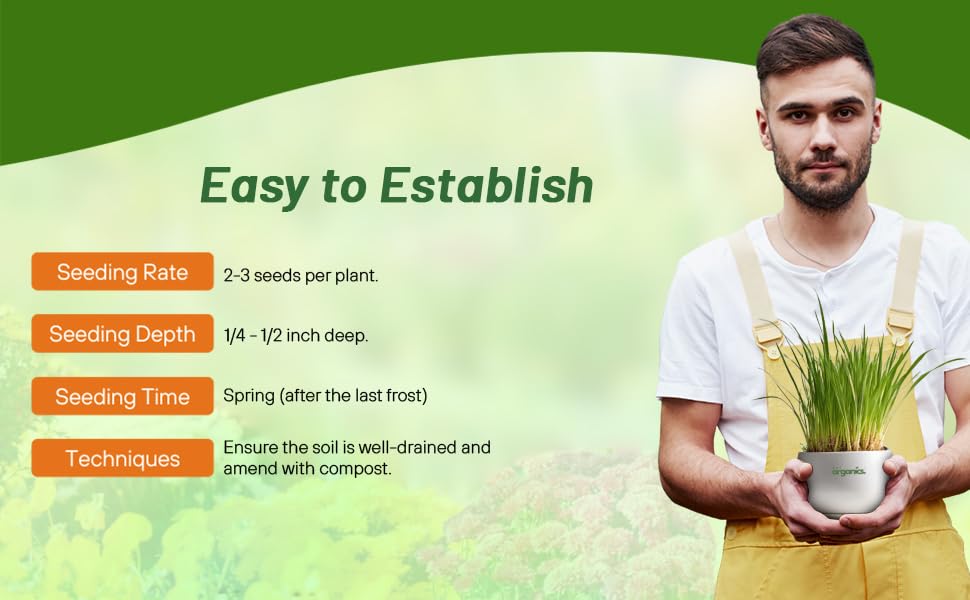
Unleash the vibrant zest of Lemon Grass in your garden, where this aromatic herb transforms everyday meals into culinary masterpieces! Easy to grow, it adds a refreshing twist to your cooking. To start, plant 2 - 3 LemonGrass seeds indoors or outdoors, pressing them gently onto the soil surface and covering lightly with peat moss. Keep the soil moist and warm; germination typically occurs within 7 to 21 days. Once seedlings reach six inches tall, transplant them outdoors, spacing them 36 to 48 inches apart. Enjoy the delicious flavors lemon grass brings!

Lemon Grass (Cymbopogon flexuosus) - Grow Lemon Grass seeds for an essential herb used in Asian cuisine. The leaves and stems of Lemon Grass can be used fresh or dried to impart a distinct lemon flavor. Lemongrass herb adds exquisite flavor to soup, curries, and sauces, as well as fish and chicken dishes. It is also great for keeping the mosquitoes away!

Common Questions

Q

Are cymbopogon flexuosus plants fragrant?

A

Yes, the leaves are fragrant.

Q

Do I need to divide my plants?

A

Yes, plants should be divided every three years to maintain vigor.

Q

What are these plants used for?

A

They are used in the herb garden, mixed borders, large containers, lemongrass oil (can be used as an insect repellent), stems can be used in soups, stews, curries and other dishes but are typically removed before serving.

ABOUT
FAQ's
VIDEOS

Planting Directions

TEMPERATURE

70F

AVERAGE GERM TIME

7 - 14 days

LIGHT REQUIRED

Yes

DEPTH

Cover the seeds with a thin layer of vermiculite

SOWING RATE

3 - 5 seeds per plant

MOISTURE

Keep soil moist until germination

PLANT SPACING

10 inches

TEMPERATURE

AVERAGE GERM TIME

LIGHT REQUIRED

DEPTH

SOWING RATE

MOISTURE
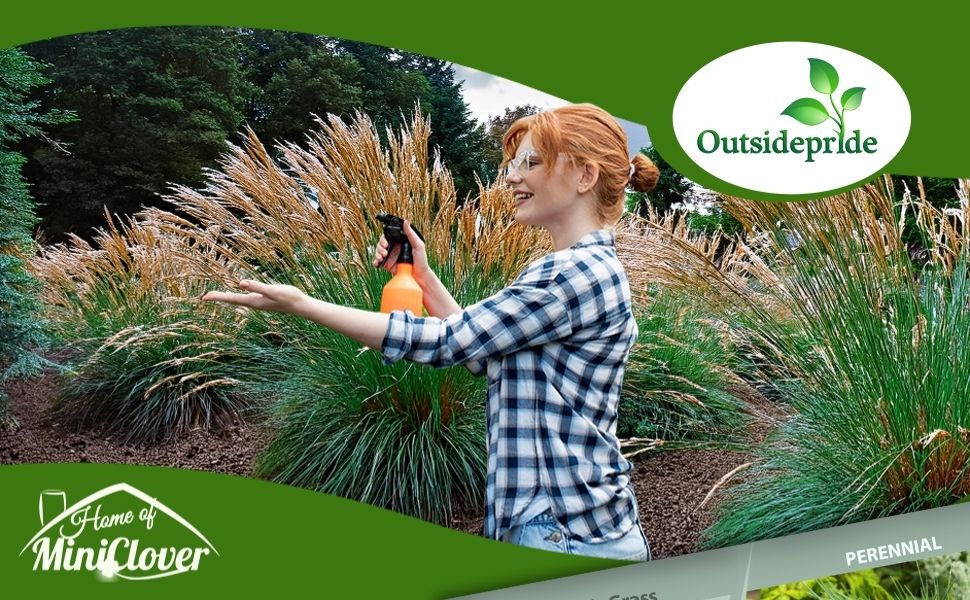
Koeleria glauca Blue Hair Ornamental Grass
Koeleria glauca Blue Hair Ornamental Grass Seed Packet
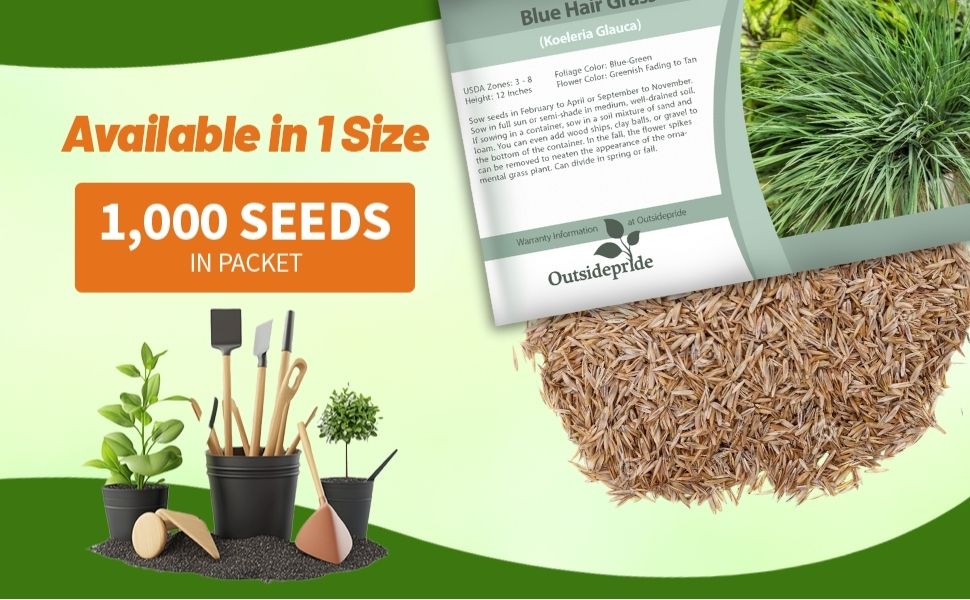
Outsidepride Seeds Perennial Blue Hair Ornamental Grass Seed for Planting (Koeleria glauca) is a cool-season, low-growing ornamental grass that thrives in USDA Zones 3-8. Reaching only 12 inches tall, this grass forms dense tufts of blue-green foliage—plant in full sun and well-drained soil. Sow ornamental grass seeds in early spring or fall. This drought-tolerant grass adds a unique texture. Available in 1,000 seed counts.
Compact Koeleria glauca Blue Hair Ornamental Grass
Compact Growth Habit
Blue Hair Grass maintains a tidy, compact growth habit, reaching only 12 inches in height. This makes it an excellent choice for borders, rock gardens, or mass plantings, providing structure and visual appeal without overwhelming space.
Drought Tolerant Koeleria glauca Blue Hair Ornamental Grass
Drought Tolerant
Once established, Blue Hair Grass is drought-tolerant. This ornamental grass thrives in dry to medium moisture conditions, making it ideal for xeriscaping and water-wise gardens, conserving water while maintaining its beauty.
Koeleria glauca Blue Hair Ornamental Grass Growing in Poor Soil
Adaptable to Poor Soils
This ornamental grass adapts well to poor, lean soils, thriving where other plants struggle. Avoid planting in rich, fertile soil, as it performs best in less nutrient-rich environments, maintaining its distinctive blue hue.
Koeleria glauca Blue Hair Ornamental Grass Tolerates Wet Soils
Attracts Beneficial Insects
While not a primary attractant, Blue Hair Grass can provide habitat for beneficial insects and support pollinators by offering shelter and nesting material. Its low-maintenance nature supports a healthy garden environment.
Perennial Koeleria glauca Blue Hair Ornamental Grass Specifications
Discover the beauty of Blue Hair Grass with its unique blue-green foliage and delicate flower panicles. This low-growing ornamental grass adds a tranquil touch to any garden setting with its soft texture and cool hues. Ideal for borders or rock gardens, Koeleria Glauca creates a soothing visual effect throughout the seasons. Enjoy the serene presence of this tall grass plant outdoors and bring it to your landscape.
Koeleria glauca Blue Hair Ornamental Grass Decorative Landscape
Transform your outdoor space with the calming beauty of Blue Hair Grass. Its blue-green foliage creates a serene atmosphere, perfect for relaxing and unwinding after a long day. The unique hue of this ornamental grass provides a cool contrast to brighter flowers or can be combined with other grasses and textures for a dynamic display. The flower plumes are an excellent addition to dried floral projects and are great for those who want an easy, low-maintenance project. This ornamental grass seed offers a tranquil escape right in your backyard.
Planting Directions For Koeleria glauca Blue Hair Ornamental Grass Seeds
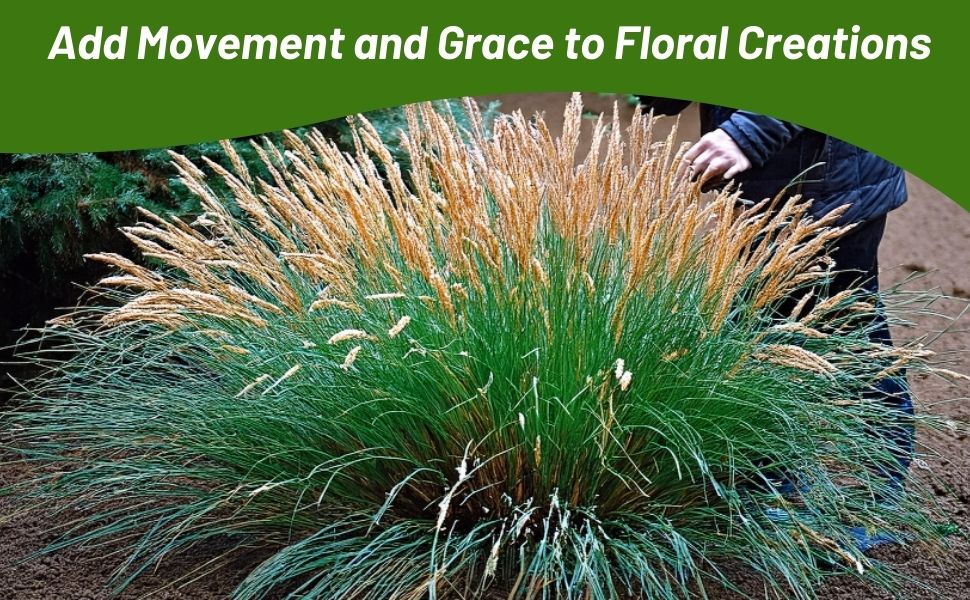
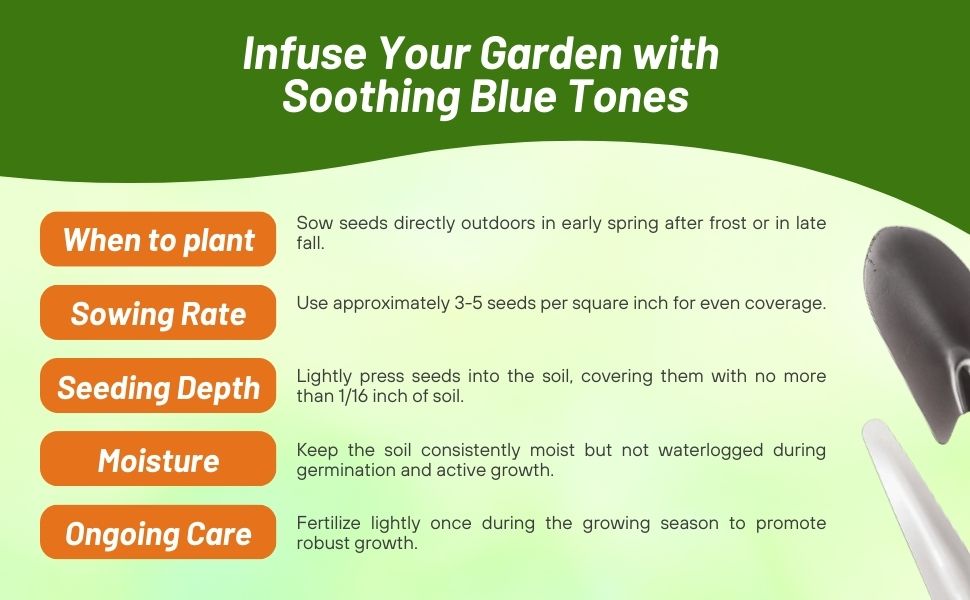
For optimal results, plant your ornamental grass seed in well-drained soil and full sun, though it will tolerate part shade. Sow 3-5 seeds in early spring or fall, ensuring consistent moisture until germination. Space plants are about 10 inches apart to allow for their mature width, encouraging healthy growth and a well-defined form. Blue Hair Grass flowers preserve well and can be used in dried arrangements if trimmed back in fall or winter. Their unique texture and movement add natural elegance and sophisticated charm to your floral creations.

Blue Hair Grass (Koeleria glauca) - Drought tolerant Blue Hair grass seed produce both the foliage and flowers that are attractive and enhancing to the landscape, and it is one of the few low-growing ornamental grasses. This ornamental grass will only grow to 12 inch tall, producing dense tufts of blue-green leaves. Blue Hair grass is a well-behaved and non-spreading species that is suitable for sunny borders. It forms a low mound of very fine blue-green leaves with a hedgehog appearance. In the spring, flower panicles emerge that are glossy green, and they mature into tan seed heads by midsummer and last through late summer. The flowers preserve well and can be used in dried arrangements. The Blue Hair plant may remain evergreen in mild winter regions. Blue Hair Grass care includes a hard trimming in late winter down to 2 inches to remove dead foliage. In the fall, the flower spikes can be removed to neaten the appearnace of the ornamental grass plant. Can divide in spring or fall.

Blue Hair grass grows easily in average, dry to medium, well-drained soil in full sun. It performs the best in lean soils and will not do as well in rich, fertile soil. Koeleria glauca Blue Hair grass is drought tolerant, but it is not tolerant of heavy clay soils, wet soils and shade.

Common Questions

Q

Do I need to prune my plants?

A

Yes, blue hair grass should be pruned back in late winter to make room for new growth come spring.

Q

Can I use in my dried flower arrangements?

A

Yes, the flowers preserve well and can be used in dried flower arrangements if trimmed back in fall or winter.

Q

Can I divide my plants?

A

Yes, blue hair grass can be divided in spring or fall.

ABOUT
FAQ's
VIDEOS

Planting Directions

TEMPERATURE

68F

AVERAGE GERM TIME

10 - 90 days, germination can be erratic

LIGHT REQUIRED

Yes

DEPTH

Surface sow

SOWING RATE

4 - 5 seeds per plant

MOISTURE

Keep seeds moist until germination

PLANT SPACING

24 inches
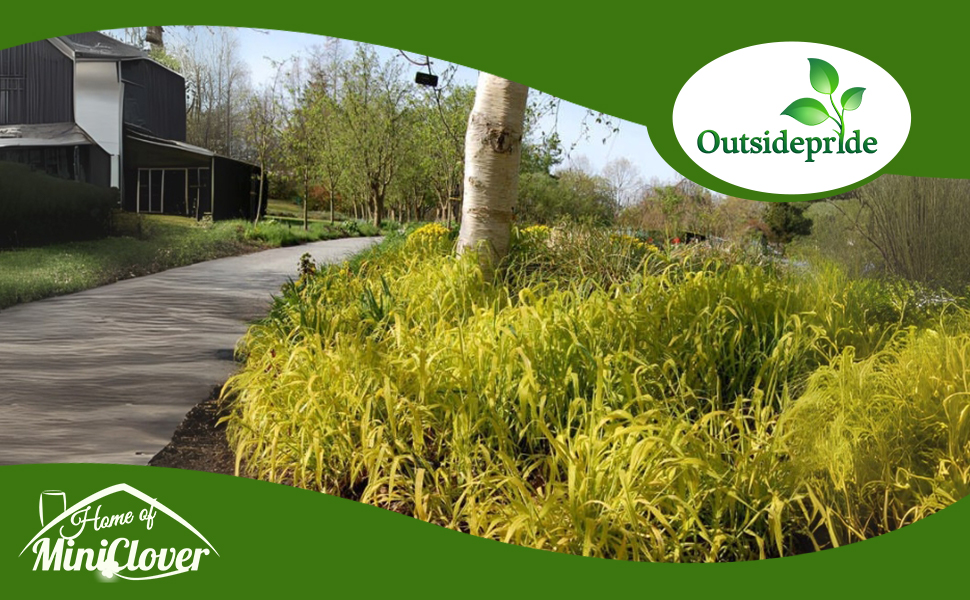
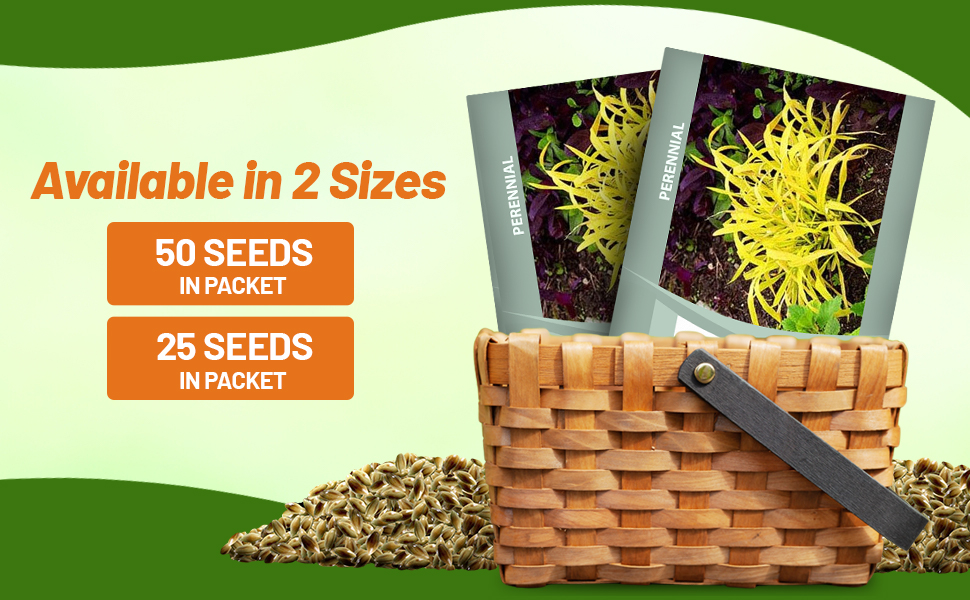
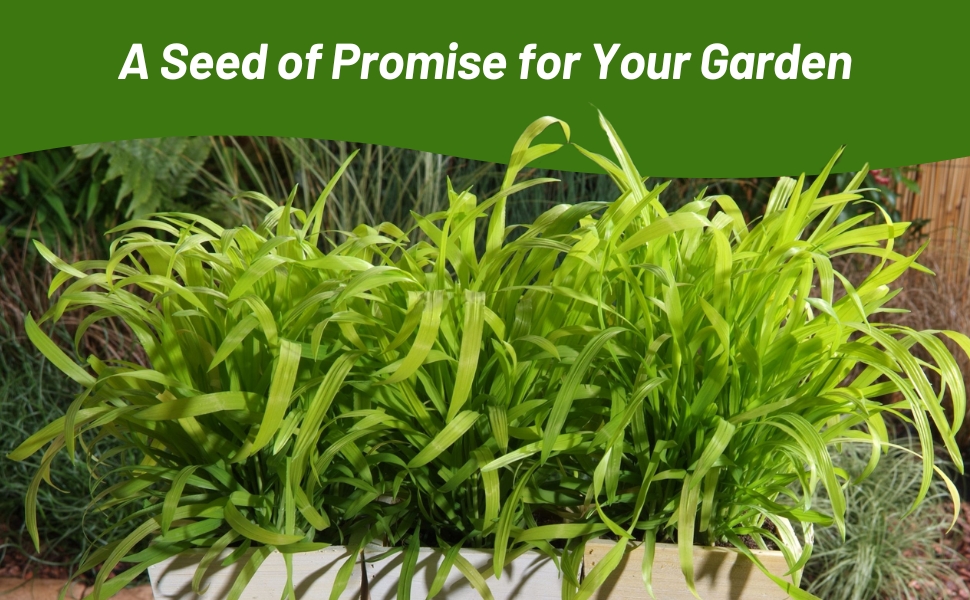
Enrich shaded landscapes with Outsidepride's exquisite ornamental grass seed. Golden Millet (Milium Effusum), the golden gem of ornamental grasses. These perennial ornamental tall grass plants thrive in partial shade, adding a radiant splash of gold to any shady spots in woodland gardens, borders, and containers. Enjoy its graceful, arching forms, bringing movement and texture. These easy-to-grow seeds ensure a serene, inviting, and shimmering foliage display in your outdoor spaces, creating a captivating and tranquil atmosphere. Available in 50 and 25 seed packets.
While some millets are cultivated as grains for food, our Golden Millet is specifically grown for its exceptional visual appeal, ensuring your garden will have a unique and elegant feel. Create stunning, eye-catching displays with these captivating ornamental tall grass plants, which will capture anyone's eyes. Revel in the golden elegance of this ornamental grass seed enhancing your garden's aesthetic and its natural harmony. It's not for food purposes.
Beyond its radiant golden foliage, Golden Millet's delicate seed heads add a subtle texture to the late-season garden, extending its visual interest and making it the highlight of any season. The ornamental grass seed is perfect for creating a serene and inviting atmosphere. Use it to enhance your garden's appeal with its effortless charm and subtle brilliance. This can transform and elevate your outdoor living space into a stunning work of art.
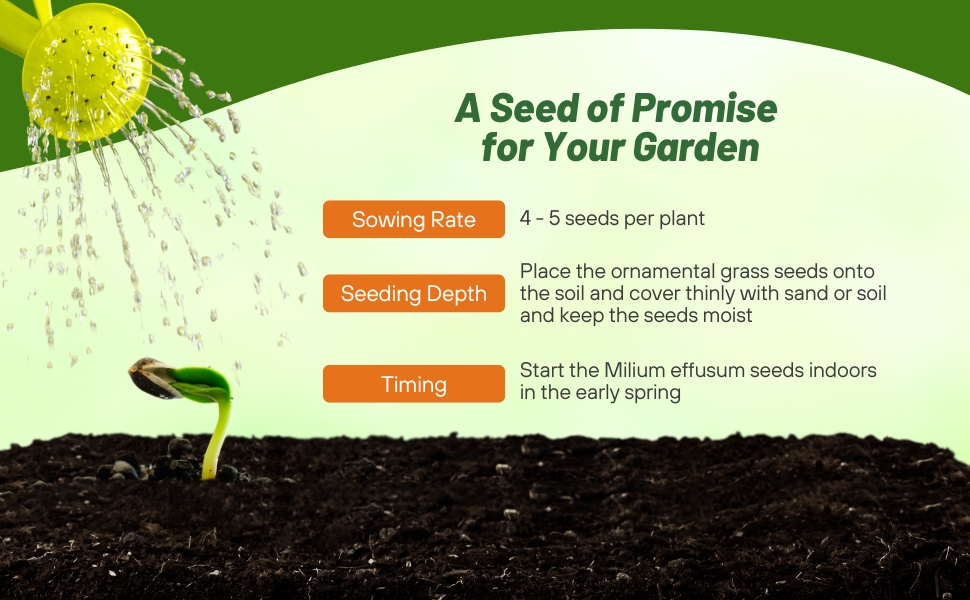
Sow 4-5 seeds indoors or directly in the garden for flexible planting options to see the best results. Lightly cover the seeds with soil and keep them consistently moist until germination occurs, ensuring optimal conditions for growth and success. Plant in a partially shaded location with well-drained soil, which will promote healthy development and vibrant foliage. Thin seedlings allow ample space for optimal growth and to showcase their elegant form with brilliance.

Golden Millet (Milium effusum) - If you have shade, you will want to start Golden Millet seeds! Most ornamental grasses need full sun, but this little ornamental Millet Grass actually prefers a shady location. The golden, chartreuse leaves will brighten any shady spot in your landscape, and it will gently spread to create a bright ground cover for shade. Also called Golden Wood Millet Grass, this ornamental's foliage is bright yellow in spring, and turns greenish gold in summer, and the plant only grows to about 18 - 24 inches tall. A drought tolerant plant perfect for xeriscape landscaping where water conservation is an important factor in the grasses you choose.

How To Grow Golden Millet: Start the Milium effusum seeds indoors in the early spring. Use small pots filled with seed starting mix. Place the ornamental grass seeds onto the soil and cover thinly with sand or soil and keep the seeds moist. Transplant outdoors once soil temperatures have warmed and frost danger has passed. 

Common Questions

Q

Do I need to prune my golden millet plants?

A

Yes, in early spring before new growth starts prune back your plants to encourage healthy new growth.

Q

Can I use it for flower arrangements?

A

Yes, these can be dried and used in flower arrangements.

ABOUT
VIDEOS

Indian Rice Grass (Achnatherum hymenoides) - Also called Indian Millet and Sandgrass.  It is a widely adapted native grass of the intermountain west growing best on dry, sandy, or rocky soils that are in full sun and rain well. Sandgrass is very drought tolerant and useful in land reclamation projects. Grows at elevations between 3,000 and 10,000 feet and adapted to a wide variety of soils. Most frequently occurs in sandy, gravelly, and shallow soils, frequently found in dunes. Valuable grass for domestic livestock and big game animals. Excellent food source of high protein food for upland game birds. Highly valued for wildlife habitat improvement, disturbed sites, mine reclamation and range mixes. 

Indian rice grass is also used as an ornamental grass growing 1 to 2 feet in height. Makes a beautiful bunch grass in any landscape. Also used as a wildlife forage as it seeds are sought after by small mammals and birds. Palatable for most grazing animals, can sustain relatively high grazing pressure if it is allowed to produce enough seed for reproduction. Indian ricegrass decreases under grazing because grazing removes the seeds, and therefore plants are not reproduced. One of the few grasses that do better if planted deep, normally 1 - 1 1/2 inches is good, but it will also do well if it is necessary to plant along at the same depth with a grass mixture.

  • A widely adapted native grass
  • Drought tolerant, found on most range sites
  • Excellent in sandy, gravelly, and shallow soils
  • Valuable for domestic livestock and big game animals
  • Excellent source protein for upland game birds
  • Highly valued for wildlife habitat improvement
  • Widely used on disturbed sites, range mixes

Seeding Rate: 20 - 25 lbs per acre

ABOUT
FAQ's

Planting Directions

TEMPERATURE

73F

AVERAGE GERM TIME

14 days

LIGHT REQUIRED

Yes

DEPTH

Surface sow and press seed into soil

SOWING RATE

2 - 3 seeds per plant

MOISTURE

Keep seeds moist until germination

PLANT SPACING

12 - 30 inches

Outsidepride Perennial Northern Sea Oats ornamental grass seed for planting (Chasmanthium latifolium) thrives in USDA Zones 3-8, preferring full sun to partial shade and well-drained soil. This perennial grass has many names like Inland Sea Oats, Indian Wood Oats, Wild Oats, River Oats, Flathead Oats, Upland Oats, and Upland Sea. Whatever name you choose, it is a clump-forming, upright, ornamental grass that grows 2-5 feet tall, featuring unique, drooping seed heads that provide visual interest. Available in packaging sizes of 500 and 1,000 seeds to meet your gardening needs.
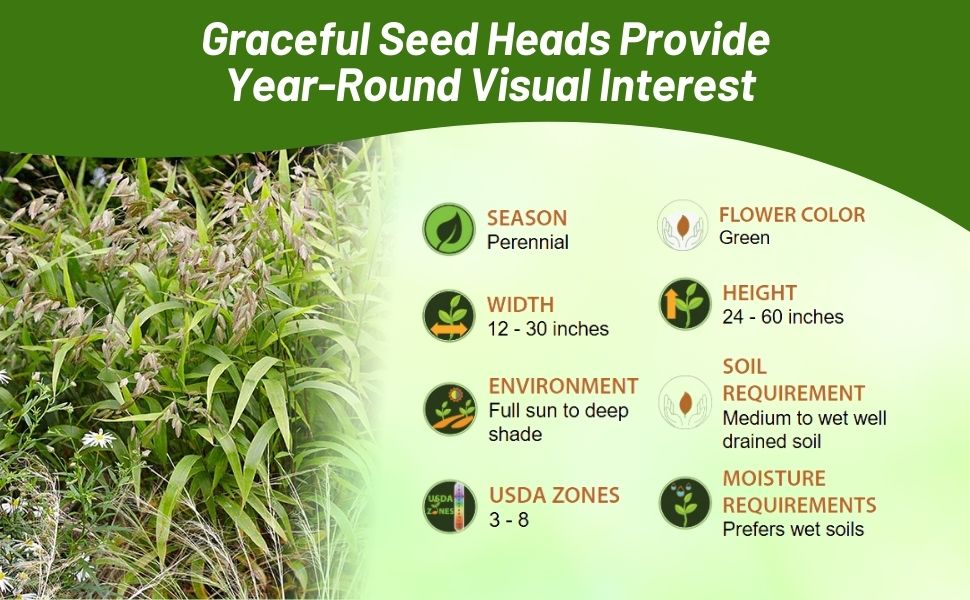
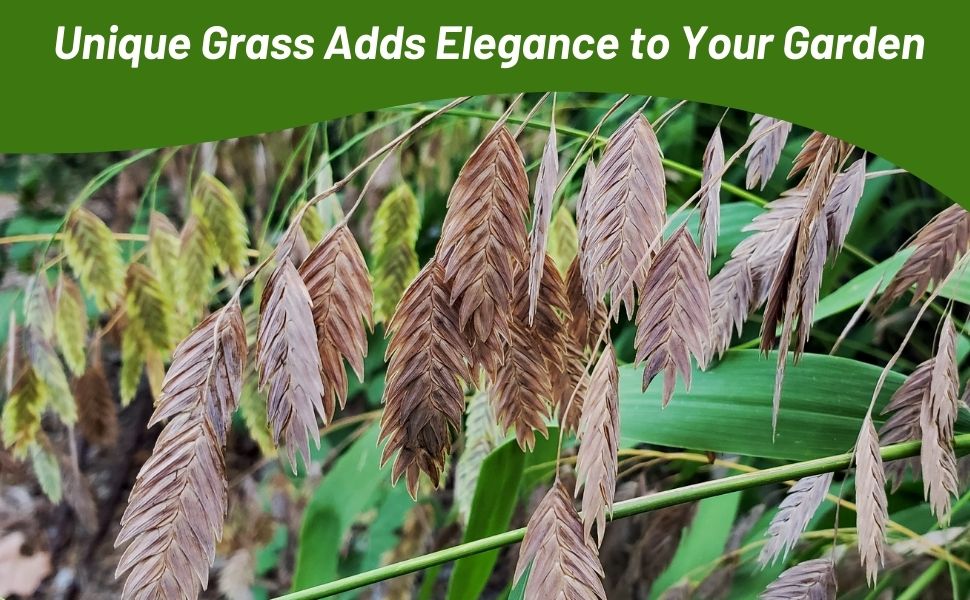
Discover the beauty of our Northern Sea Oats perennial seeds for planting with their graceful seed heads that provide year-round visual interest. It showcases unique drooping seed heads that flutter in the breeze. These ornamental grasses grow 2-5 feet tall and thrive in various conditions, making them perfect for naturalized areas or as a backdrop in flower beds. Their adaptability and aesthetic appeal make them a must-have for any garden.
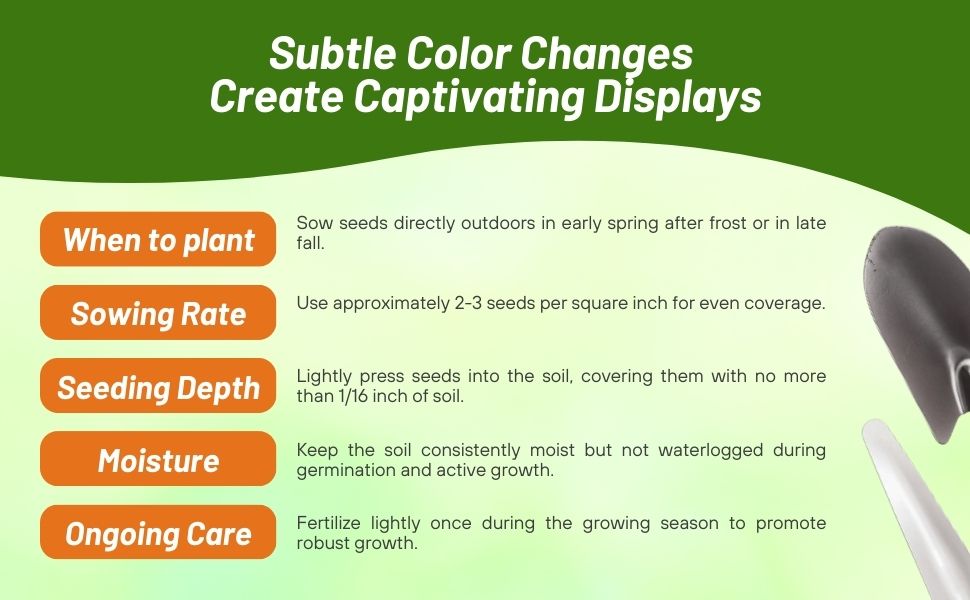
Elevate your garden with our Northern Sea Oats ornamental grass seeds known for their subtle color changes throughout the seasons. The lush green foliage transitions to warm copper tones in fall, providing captivating displays that attract attention. These grasses are also excellent self-seeders, ensuring continuous growth and beauty year after year while requiring minimal maintenance to thrive in various conditions.
Plant our garden seeds by sowing 2-3 seeds at a depth of 1/4 inch in well-drained soil under full sun to partial shade. Space plants 12-30 inches apart to allow for proper growth and airflow. Keep the soil consistently moist until germination occurs within 14-21 days. With ideal temperatures around 70°F for germination, these perennials will provide stunning foliage and seed heads from spring through fall, adding elegance to your garden effortlessly.

Northern Sea Oats (Chasmanthium latifolium) - The plant with many names as it is also called: Inland Sea Oats, Indian Wood Oats, Wild Oats, River Oats, Flathead Oats, Upland Oats, and Upland Sea Oats. Whatever name you choose, it is a clump-forming, upright, ornamental grass, usually growing 2 - 5 feet tall and 12 - 30 inches wide. Grows best in shady conditions in moist soils often being found in woods, rocky slopes along streams, and on moist bluffs.  The hallmark of this ornamental grass is its flat, drooping seed heads which will flutter even in gentle winds. Seed heads emerge green but turn purplish bronze by late summer. Bright green leaves which are 5 - 9 inches long turn a coppery color after frost and eventually brown by winter. It passes through most of winter a soft brown, but becomes tattered and gray by February, a good time to cut it back. Excellent for dried flower arrangements. 

Provides excellent contrast and texture almost year-round to the border, shade garden, native plant garden, naturalized area, along streams or on the periphery of the water garden. Tolerant of poor soils, but prefers moist, fertile soils. One of the more shade tolerant of the ornamental grasses. Self-seeds and may spread aggressively in wet areas. It is best to leave foliage in place over winter as it adds interest to the landscape and helps protect crowns from the cold. Cut back to the ground in early spring.  It reseeds easily and can expand aggressively within a couple of years, making a solid mat in moist loams. It has been used to prevent soil erosion along streams, but also makes a great container plant.

Common Questions

Q

Can I use it in dried flower arrangements?

A

Yes, these dry very nicely and look lovely in your dried arrangements.

Q

How can I use this grass in my landscape?

A

This beautiful grass looks lovely along borders combined with other plants, along streams or ponds, in cottage gardens, rain gardens or in prairie plantings.

Q

Do I need to prune back my plants?

A

Yes, in early spring before new growth emerges cut grass to the ground.

Q

What are some recommended companion plants?

A

A few good companion plants are miscanthus, sedums, hosta and astilbe.

ABOUT
FAQ's
VIDEOS

Planting Directions

TEMPERATURE

71F

AVERAGE GERM TIME

7 - 10 days

LIGHT REQUIRED

Yes

DEPTH

Surface sow seed

SOWING RATE

4 - 5 seeds per plant

MOISTURE

Keep seeds continually moist until germination

PLANT SPACING

12 inches
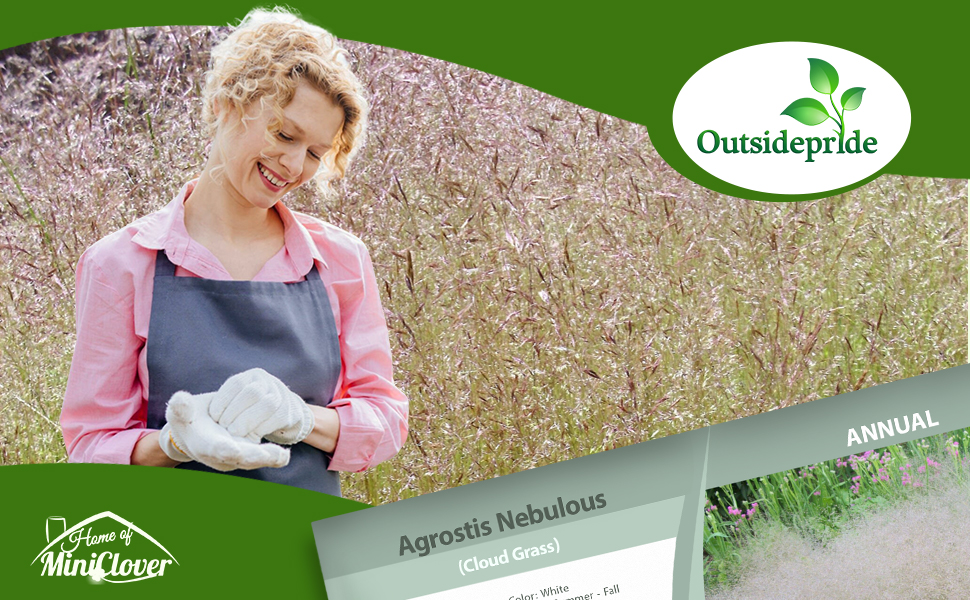
Agrostis Nebulosa Cloud Ornamental Grass
Agrostis Nebulosa Cloud Ornamental Grass Seed Packets For Planting
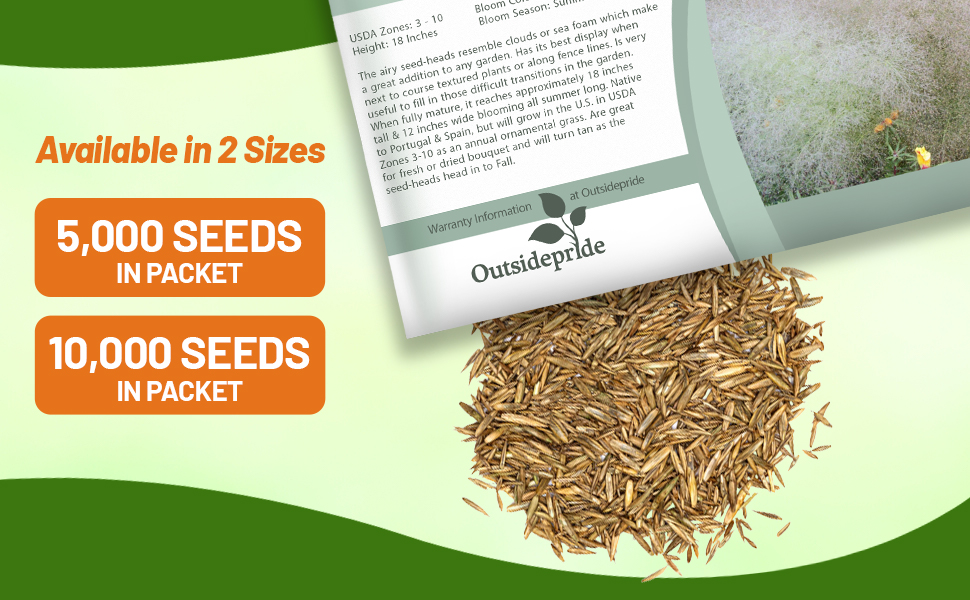
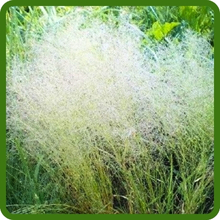
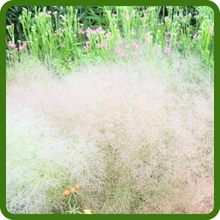
Outsidepride's Cloud Grass (Agrostis Nebulosa) showcases delicate, airy flower clusters, forming a hazy, cloud-like mist that's a true delight in any garden. This annual grass thrives in full sun and well-drained soil (USDA zones 3-10) and reaches a height of around 18 inches. It's ideal for creating meadows, softening borders, and adding an ethereal touch to whimsical dried arrangements. Plus, it self-seeds, ensuring a continuous display! It is available in 10,000 and 5,000 seeds.
Airy Plume of Agrostis Nebulosa Cloud Ornamental Grass
Airy, Light Flower Stems
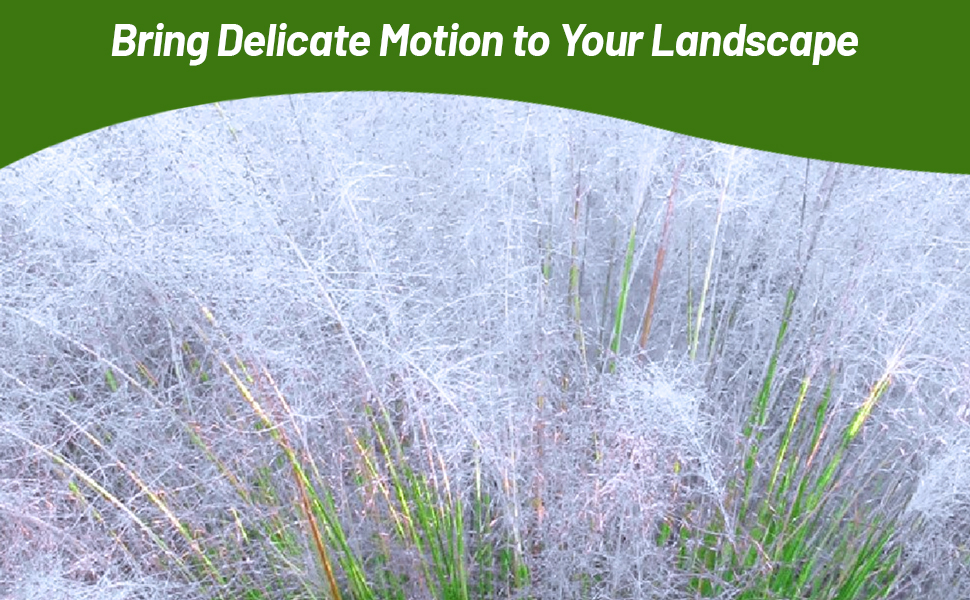
Enjoy the airy elegance of Cloud Grass ornamental grass! Its delicate flower stems create a light, cloud-like effect, bringing subtle movement and ethereal charm to gardens. These flower clusters give the effect of a cloud or sea foam, adding interest throughout the summer.
Arching Growth of Agrostis Nebulosa Cloud Ornamental Grass
Graceful, Arching Growth
Add a touch of grace with Cloud Grass tall grass plants' arching growth habit creates a flowing, natural look, and adding visual interest to landscapes. This ornamental grass is a species of bentgrass. It forms a compact clump of narrow, upright, bright green leaves
Self-seeding Agrostis Nebulosa Cloud Ornamental Grass
Self-Seeding Potential
Enjoy years of effortless beauty with Cloud Grass ornamental grass seed! This plant readily self-seeds, allowing it to naturalize in your garden, ensuring a continuous display of its delicate blooms from year to year. Deadheading is recommended to prevent its spread.
Drought Tolerant Agrostis Nebulosa Cloud Ornamental Grass
Drought Tolerant
Conserve water with Cloud Grass! This resilient ornamental grass is drought-tolerant once established, making it ideal for low-water landscapes and xeriscaping projects while still providing unmatched beauty and texture. Plant this flower to create beauty in a drought.
Annual Agrostis Nebulosa Cloud Ornamental Grass For Full Sun
Elevate your garden with Cloud Grass (Agrostis Nebulosa). Its delicate flower heads and airy form enhance any landscape, adding sophistication. Plant these ornamental grass seeds for a unique visual experience. Ideal for cottage gardens, borders, and meadows, enjoying its unique beauty and airy appearance that turns heads. They are often cultivated for dried floristry because of their light and delicate heads.
Silvery Plumes of Agrostis Nebulosa Cloud Ornamental Grass
Elevate your garden with Cloud Grass (Agrostis Nebulosa). Its delicate flower heads and airy form enhance any landscape, adding sophistication. Plant these ornamental grass seed for a unique visual experience. Ideal for cottage gardens, borders, and meadows, enjoying its unique beauty and airy appearance that turns heads. They are often cultivated for dried floristry because of its light and delicate heads.
Planting Directions For Agrostis Nebulosa Cloud Ornamental Grass Seeds
In spring, sow 4-5 seeds directly on the soil surface, gently pressing them in for optimal contact. Keep the soil consistently moist and ensure a location with full sun exposure for robust germination. This easy-care ornamental tall grass plant brings a delicate, captivating motion and effortless natural beauty to your landscape, making any garden shine! Remember to water and care for it to achieve the best results. It is a true garden must-have.

Cloud Grass (Agrostis nebulous) - Cloud Grass, a species of bentgrass, forms a hazy mist in late summer when its delicate, tiny flowers spread out in all directions. This plant is often cultivated for its light delicate heads that are used dried in floristry and is also drought tolerant.

The airy seed-heads resemble clouds or sea foam which make a great addition to any xeriscape flower garden. The ornamental grass has its best display when next to course textured plants or along fence lines. Agrostis nebulosa is very useful to fill in those difficult transitions in the garden. When Cloud Grass is fully mature, it reaches approximately18 inches tall & 12 inches wide blooming all summer long. Native to Portugal & Spain, but will grow in the U.S. in USDA Zones 3 - 10 as an annual ornamental grass. The flowers are great for fresh or dried bouquet and will turn tan as the seed-heads head in to Fall.

Common Questions

Q

When do seedheads appear?

A

Typically cloud grass seed heads will appear Mid-summer.

Q

Do I need to deadhead my plants?

A

Yes, to prevent the spread of these plants you will want to deadhead before they set seed.

Q

What are some good places to use cloud grass in my landscape?

A

Cloud grass is great for borders, containers and in cut flower gardens.

ABOUT
FAQ's
VIDEOS

Planting Directions

TEMPERATURE

70F

AVERAGE GERM TIME

14 - 28 days, soak seed overnight in warm water before planting

LIGHT REQUIRED

Yes

DEPTH

1/4 inch

SOWING RATE

2 - 3 seeds per plant

MOISTURE

Keep seeds moist until germination occurs

PLANT SPACING

10 - 12 inches

Coix Job
Coix Job
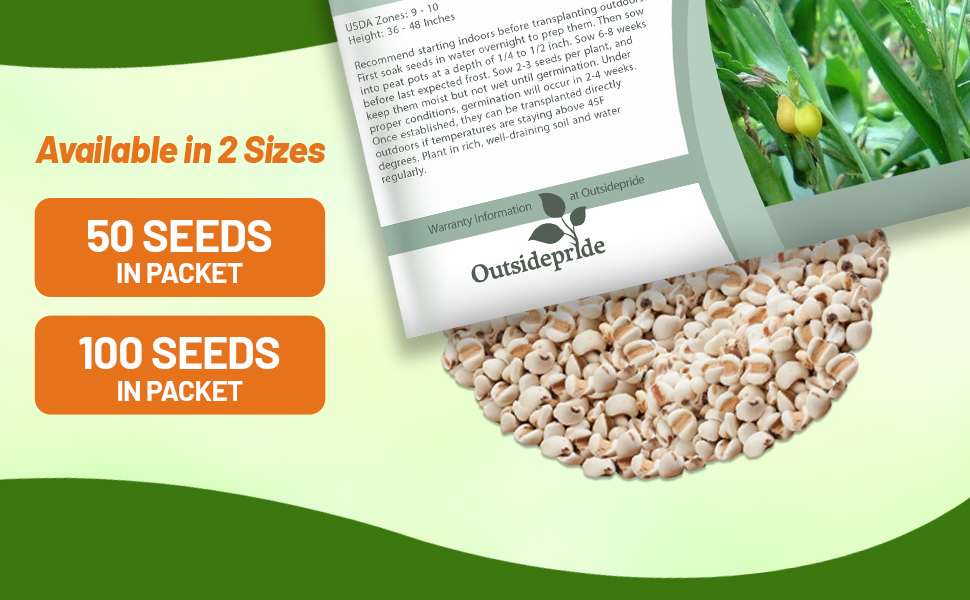
Outsidepride Coix Seeds (Coix Lacryma-jobi), also known as Job's Tears, are ornamental grass seeds suitable for USDA zones 9-10, growing in full sun to partial shade with moist soil. Our plants reach 36-48 inches tall and 24 inches wide, featuring slender green foliage and distinctive teardrop-shaped seeds that have been used for centuries in jewelry making and traditional medicine. These perennial seeds require 14-28 days to germinate after soaking overnight and add unique textures and visual interest to any garden. Available in convenient 50 and 100 grass seed packets for easy planting.
Coix Unique Flower Seeds
Unique Tear-Shaped Seeds
The unique tear-shaped seeds of Job’s Tears are visually striking and versatile. Their smooth, glossy surface makes them suitable for crafting beads, jewelry, and rosaries. These perennial ornamental grass seeds hold cultural significance in many regions, symbolizing protection and good fortune.
Cois Ornamental Grass For Gardens & Landscapes
Tropical Grass Appearance
Our Coix grass plants showcase a tropical grass appearance with long, slender, ribbon-like leaves that sway gently in the breeze. These ornamental grasses add an exotic touch, creating a lush, dynamic backdrop that complements many garden and landscape styles.
Coix Seeds & Plants For Crafts & Projects
Great for Crafting Projects
The tear-shaped seeds of Coix perennial plants are valued in crafting for their smooth texture and uniform shape. Crafters use them to create distinctive jewelry, beads, and decorative items. Their durability suits various creative projects, bringing an authentic, artistic touch to each piece.
Job
Culinary Potential
Known for their use as a nutritious grain, our Coix seed variety can be cooked like rice or added to soups and porridges. They offer a mild, slightly nutty flavor and bring versatility to many traditional and creative recipes, making them a unique ingredient in wholesome meals.
Perennial Coix Full Sun to Partial Shade
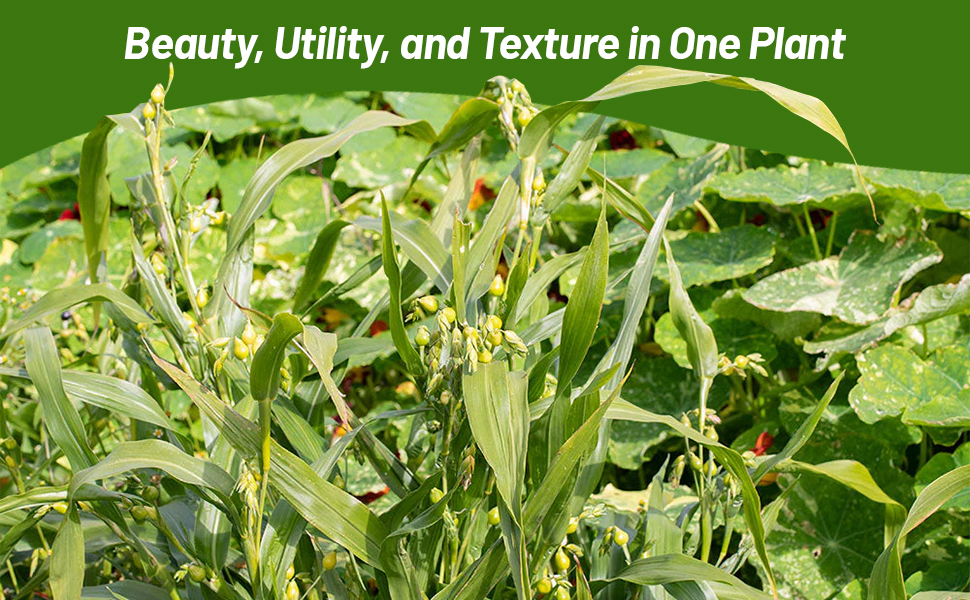
Our Coix plants feature functional foliage with a crafty side, combining beauty and utility in one. Their slender, ribbon-like leaves add texture and movement to gardens and can be used in creative projects like weaving or floral arrangements. This versatile foliage complements the ornamental seeds, providing additional crafting opportunities. Its sturdy yet flexible characteristics allow it to be shaped and incorporated into crafted decor, making Coix plants a unique option for gardeners and crafters blending aesthetics with artistic expression.
Coix Job
Our Coix plants grow 36-48 inches tall, offering a combination of beauty, utility, and texture throughout the growing season. Their green foliage provides structure, while small, inconspicuous flowers bloom from late summer to early fall, adding seasonal interest. Suitable for full sun to partial shade, they adapt well to various garden settings and contribute vertical height and texture to mixed borders and containers. This plant’s growth habits make it a versatile option for gardeners seeking year-round appeal.
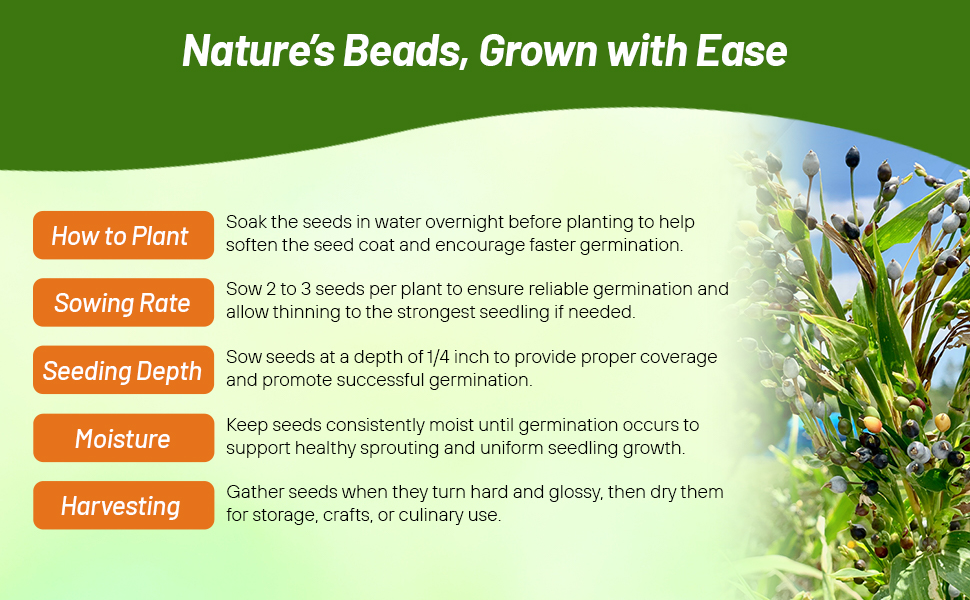
How to Plant, Sowing Rate, Seeding Depth, Planting Directions For Coix
Nature’s beads, the unique seeds of Coix, are grown with ease following simple planting steps. To plant seeds, sow them ¼ inch deep after soaking overnight in warm water to encourage germination. Keep the soil moist and place in full sun to partial shade at around 70°F. Seeds typically sprout within 14-28 days. Space plants 10-12 inches apart to allow room for growth. With minimal upkeep, these ornamental grasses develop quickly, producing attractive beads that can be harvested for crafting or decoration, making cultivation accessible for gardeners of all levels.

Job's Tears (Coix Lacryma-jobi) - For an interesting ornamental grass, try starting Cois seeds and enjoy this attractive grass that is known for its seeds. Commonly called Job's Tears grass, Coix is a perennial grass only in climate zones 9 and 10, and it is grown as an annual in the cooler zones. Ornamental grasses provide their own unique beauty to the landscape and Job's Tears is no exception with its slender, ribbon-like leaves and spikes of teardrop-like seeds. The plant is well known for the seeds that are natural beads and have been used for centuries to create jewelry and rosaries. Coix grass is native to Asia and is found along roadsides as well as cultivated for the grain that is edible and used in traditional Chinese herbal medicine. Grow these ornamental grass seeds and experience first hand the beauty and uniqueness of this Coix plant!

Common Questions

Q

Are coix lacryma a good plant for my landscape?

A

Yes, jobs tears are often grown for their interesting seeds, ornamental value and easy care.

Q

Are plants fragrant?

A

No, these plants are not known to be fragrant.

Q

Can seeds be used for décor?

A

Seeds are often used in crafts and jewelry.

ABOUT
FAQ's
VIDEOS

Planting Directions

TEMPERATURE

Sow at max 41F - germination irregular

AVERAGE GERM TIME

30 - 90 days

LIGHT REQUIRED

No

DEPTH

1/4"

SOWING RATE

1 - 2 seeds per plant

MOISTURE

Keep seeds moist until germination

PLANT SPACING

12 - 24 inches
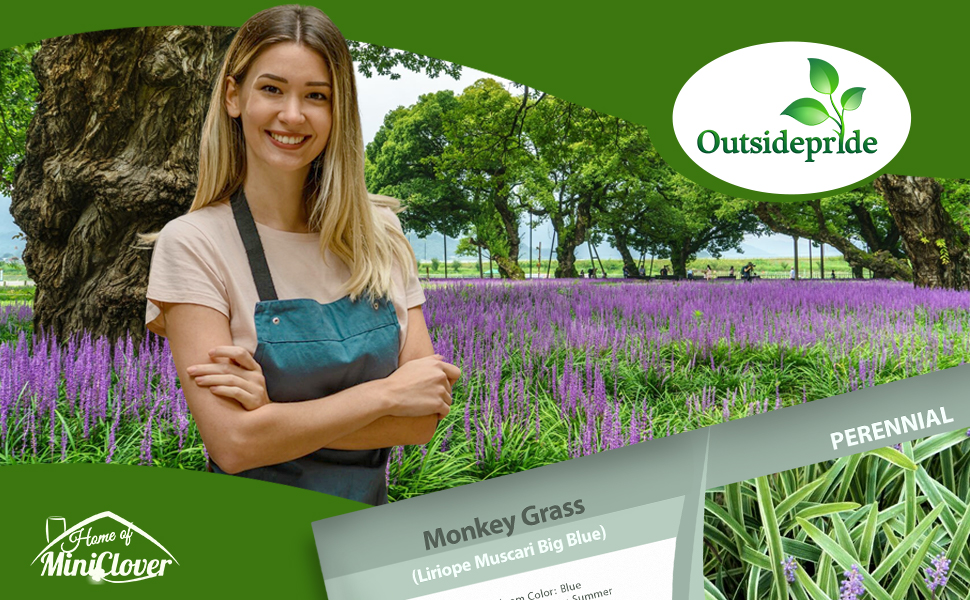
Liriope Monkey Grass Decorative Garden
Liriope Monkey Grass Seed Packets For Planting
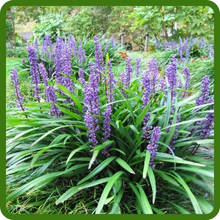
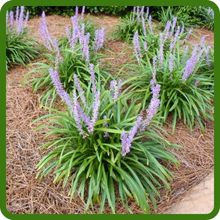
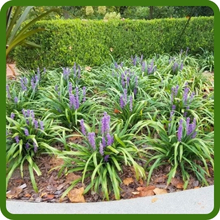
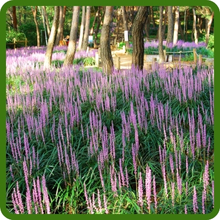
Transform your garden with Outsidepride’s premium monkey ornamental grass seeds! Available in 25 or 50-seed packets, these low-maintenance, drought-resistant seeds thrive in USDA zones 5-11, growing 6-12 inches tall. Featuring beautiful blue blooms in summer, they’re ideal for borders, ground cover, and outdoor living. Ideal for exotic plants, and outdoor enthusiasts!
Blue Flowers of Liriope Monkey Grass Spikes
Attractive Violet-Blue Flower Spikes
Also known as Lily Turf, this ornamental grass has evergreen foliage and violet blue flower spikes during the summer. Create a lush, vibrant garden with the stunning foliage of this monkey grass for unique garden elegance.
Drought Tolerant Liriope Monkey Grass
Drought-Tolerant and Hardy
Great for outdoor living, these ornamental plants withstand dry conditions, need minimal care, and provide year-round texture, making them a valuable addition to any landscape. Lilyturf will tolerate drier conditions once established.
Low Maintenance Liriope Monkey Grass
Low-Maintenance Growth
Resilient and easy to maintain, this monkey ornamental grass plant thrives with little effort, making it great for outdoor living, drought-resistant landscapes, gardens, patios, and walkways. It works nicely for container use as well.
Liriope Monkey Grass For Sun or Shade
Thrives in Sun or Shade
Versatile and resilient, this Big Blue Liriope muscari ornamental plant adapts to various light conditions, making it ideal for outdoor living. Monkey Grass seeds are excellent ground cover for xeriscape landscapes too.
Perennial Liriope Monkey Grass Grows 6 - 12 inches tall
This perennial plant brings year-round elegance to any garden with its lush green foliage and vibrant blue flower spikes. Thriving in full sun to partial shade, it adapts effortlessly to various environments and requires minimal maintenance. Growing between 6 to 12 inches tall, it’s ideal for borders, pathways, and ground cover. Hardy in USDA zones 5-11, it withstands different climates while maintaining its charm. Whether enhancing landscapes or filling shaded spaces, this plant adds lasting beauty with ease.
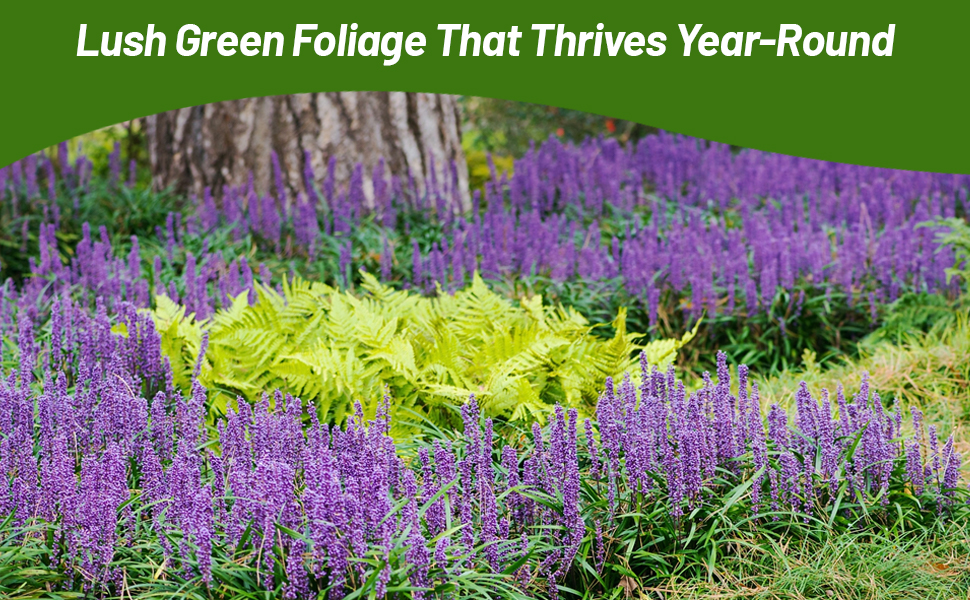
Lush Green Foliage of Liriope Monkey Grass Thrives Year Round
These vibrant perennials offer lush green foliage and stunning violet blooms that bring life to any landscape throughout the year. Thriving in sun or shade, it adapts easily to various environments while requiring minimal care. Its evergreen leaves maintain their beauty across seasons, creating a rich, textured look in garden beds, borders, and pathways. Belonging to the Liriope family, these seeds grow into lush, grass-like clumps with arching green or variegated foliage, complemented by delicate purple or white flower spikes in late summer.
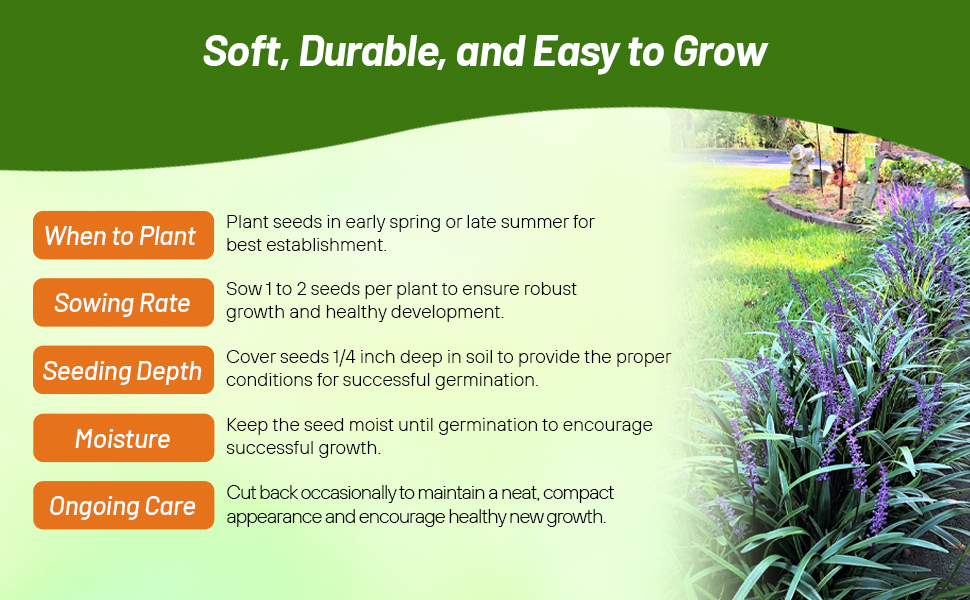
Planting Directions for Liriope Monkey Ornamental Grass Seeds
This resilient plant is a hassle-free addition to any garden, thriving with minimal effort. Sow seeds in early spring or late summer for growth, planting 1-2 seeds per plant to ensure healthy development. Cover them 1/4 inch deep in soil and keep them moist until germination. Once established, occasional trimming helps maintain a neat, compact appearance while encouraging fresh growth. Whether in borders, pathways, or open landscapes, this plant offers lasting beauty and durability with ease.

Monkey Grass (Liriope muscari) - If you need a decorative border or edging plant, start Monkey Grass seeds, and enjoy this popular ornamental grass plant. Also known as Lily Turf, this ornamental grass has evergreen foliage and violet blue flower spikes during the summer. Monkey Grass is an excellent ground cover for xeriscape landscapes, and it works nicely for container use as well.

How To Grow Monkey Grass From Ornamental Grass Seeds: Start Lily Turf seeds indoors in the early spring. Use small pots filled with seed starting mix. Place the ornamental grass seeds onto the soil and cover 1/4 inch with sand or soil and keep the seeds moist. place the seeds in the pots in your refrigerator until germination occurs Transplant outdoors once soil temperatures have warmed and frost danger has passed. Follow a regular watering schedule during the first growing season to establish a deep, extensive root system. For a neat appearance, remove old foliage from Liriope muscari before new leaves emerge. Divide Monkey Grass clumps every 2 to 3 years in early spring. Mow in early spring to remove old foliage. Lilyturf will tolerate drier conditions once established.

Common Questions

Q

How can I use Liriope muscari in my landscape?

A

Liriope muscari is wonderful as edging plants along walkways, paths, pool decks. They are also lovely in mass plantings or as a ground cover. Plants can also be used around shrubs or under trees.

Q

Will deer eat my plants?

A

No, deer and rabbits avoid these plants.

Q

Do I need to prune back my plants?

A

Yes, cut back old leaves to the ground in early spring to encourage healthy new growth.

Videos

HOW ITS MADE