





Weeping Lovegrass
SEASON
Perennial
USDA ZONES
6 - 9

HEIGHT
24 to 48 inches

WIDTH
24 to 36 inches
FOLIAGE COLOR
Green Bronze/yellow in Fall
FALL COLOR
bronzy-red, gold, or brown color
SOIL REQUIREMENT
Loam, sandy

ENVIRONMENT
Full sun

DEER RESISTANT
Yes

MOISTURE REQUIREMENTS
Low: 12 - 16 inches per year

LATIN NAME
Eragrostis curvula
SEASON
Perennial
USDA ZONES
6 - 10
HEIGHT
28 inches
WIDTH
28 inches
FOLIAGE COLOR
Blue-green
FLOWER COLOR
White to tan-colored
GROWTH RATE
Moderate
FALL COLOR
No change
SOIL REQUIREMENT
Well-drained soils, pH 5.5 - 6.5
ENVIRONMENT
Full sun to partial shade
DEER RESISTANT
Yes
MOISTURE REQUIREMENTS
Average to dry
LATIN NAME
Eragrostis elliotii
SEASON
Perennial
USDA ZONES
5 - 10
HEIGHT
36 - 48 inches
WIDTH
24 - 36 inches
FOLIAGE COLOR
Green
FLOWER COLOR
Coppery orange - purple
GROWTH RATE
Moderate
FALL COLOR
No change
SOIL REQUIREMENT
Sandy soil
ENVIRONMENT
Full sun
DEER RESISTANT
Yes
MOISTURE REQUIREMENTS
Average to dry
LATIN NAME
Eragrostis trichodes
About...
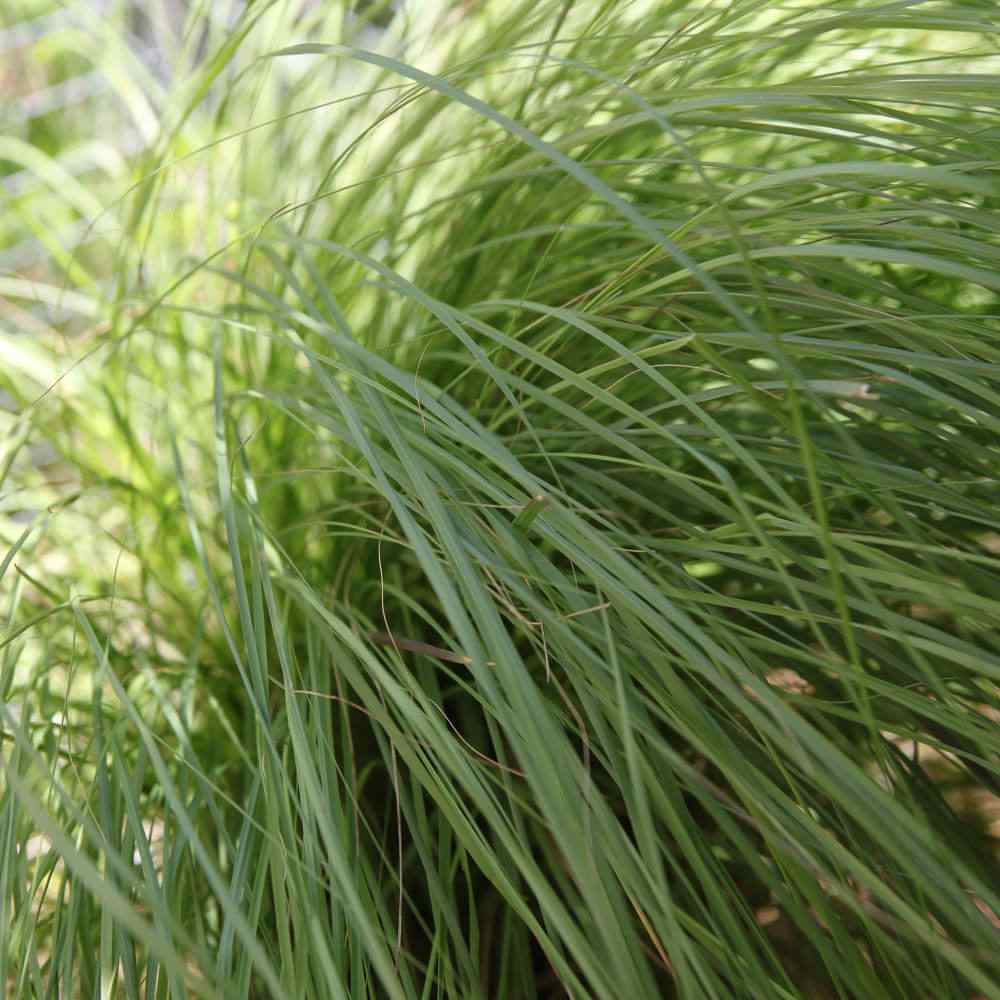
Weeping Lovegrass (Eragrostis curvula) - A rapidly growing warm-season bunchgrass with narrow leaves emerging from a tight tuft with the tips almost touching the ground. The drooping leaf characteristic gives rise to the name "weeping" lovegrass.MORE LOVE GRASS OPTIONS

Planting Directions

TEMPERATURE
65F - 85F

AVERAGE GERM TIME
7 - 14 days

LIGHT REQUIRED
Yes

DEPTH
1/4 inch

SOWING RATE
1/4 lb per 1,000 SF
MOISTURE
Keep seeds moist until germination

Weeping Lovegrass (Eragrostis curvula) - A rapidly growing warm-season bunchgrass with narrow leaves emerging from a tight tuft with the tips almost touching the ground. The drooping leaf characteristic gives rise to the name "weeping" lovegrass. The plant itself rarely reaches above 12 inches; however, the seed heads reach a height of 30 to 40 inches and contain numerous small, fine seeds.
Weeping lovegrass is used as a temporary cover for erosion control purposes. It prefers a light-textured, welldrained soil, and will thrive on soils of low fertility. Climatic conditions determine its range of adaptation. Low winter temperatures will prevent regrowth and cause the grass to act as an annual or a short-lived perennial. Weeping lovegrass is distributed throughout the southern United States for erosion control and forage. Weeping lovegrass when fertilized properly will have good forage quality unless seedhead formation is allowed, upon which palatability declines rapidly.
Weeping lovegrass is easy to establish by seed. Seed alone at a rate of 3 to 5 pounds per acre. Seeds will germinate quickly and plant growth is rapid. The seed is extremely fine; therefore, if using a broadcast seeder, the lovegrass seed should be mixed with a carrier such as: cornmeal, sand, or fine sawdust for uniform distribution of seed. Do not cover seed more than 1/4 inch. Normally, weeping lovegrass can be planted after danger of severe frost is over, and anytime throughout the summer with success as long as irrigation is possible.
There are 1,500,000 seeds per pound.
Planting Directions
TEMPERATURE
68 - 72F
AVERAGE GERM TIME
14 - 21 days
LIGHT REQUIRED
Yes
DEPTH
Do not cover seed. Lightly press in to soil.
SOWING RATE
2 seeds per plant
MOISTURE
Keep seeds moist until germination
PLANT SPACING
28 inches
Love Grass (Eragrostis elliotii Blue Eros) - Ornamental grasses add flowing beauty to the landscape and Blue Love Grass is exceptional for adding beauty. Grown from Blue Love Grass seed, this drought tolerant Native American grass is graceful in form with narrow, blue foliage. The airy flower plumes begin appearing in July, maturing to a tan color in August and gradually to a lighter straw color in the fall. Maintains interest throughout the winter and is drought tolerant. Other common names include Elliott's Lovegrass and Field Love Grass.
How To Grow Love Grass From Ornamental Grass Seeds: Lovegrass seed can be started indoors in the late winter or directly outdoors in the spring. Prepare a seedbed by loosening the soil and raking it to a fine tilth, and press the ornamental grass seeds into the soil and lightly cover. This hardy perennial forms an upright clumping habit and place where water conservation is needed. Blue blades are slightly weeping and wave nicely in the breeze. Blue-green spikelets produced abundantly in the summer and mature in to a tan by fall. Very drought tolerant ornamental grass that is also tolerant of poor soils. Ornamental grass care includes cutting the Love Grass back in the late winter to prepare for new spring growth.
Common Questions
How is blue lovegrass used in the landscape?
Blue lovegrass makes a lovely addition for mixed borders, along fences or foundations, grouped with other grasses.
Can I use stems in my flower arrangements?
Yes, blue lovegrass can be used in dried arrangements.
Do I need to prune back my plants?
Yes, old stems should be cut to the ground in early spring before new growth starts. Birds will appreciate the dry foliage for nesting material.
Planting Directions
TEMPERATURE
68 - 72F
AVERAGE GERM TIME
14 - 21 days
LIGHT REQUIRED
Yes
DEPTH
Do not cover seed. Lightly press in to soil
SOWING RATE
3 seeds per plant
MOISTURE
Keep seeds moist until germination
PLANT SPACING
18 inches
Purple Love Grass (Eragrostis spectabilis) - One of the most well-known and popular ornamental grasses, Purple Love Grass, is easily propagated by ornamental grass seeds. This grass is a native to the United States and is found on sandy, disturbed, or infertile soils. Eragrostis spectabilis Purple Love Grass blooms summer through fall and the purple frothiness of the flowers look their best planted in-mass next to gray foliaged plants or yellow flowered plants for contrast. This ornamental grass is great for a natural look or wildlife garden. Eragrostis provides nesting cover for ground birds and attracts butterflies. The foliage turns a pretty red-bronze in fall. Grow the grass in beds, borders or in containers.
How To Grow Purple Love Grass From Ornamental Grass Seed: Lovegrass seed can be sown either indoors in the late winter or directly outside. The ornamental grass seed is small, press the seed into the soil but do not cover it. Keep the Purple Love Grass seed moist until germination. Once established, the plants are very drought tolerant and are suitable for xeriscaping. Purple Love Grass care includes cutting the grass back in winter to prepare for spring growth.
Common Questions
How is purple lovegrass used in the landscape?
Purple lovegrass makes a whimsey addition to your beds, borders prairies or meadows.
Can I use stems in my flower arrangements?
Yes, purple lovegrass can be used in fresh and dried arrangements.
Will deer eat my plants?
No, deer tend to avoid these plants.
Do I need to prune back my plants?
Yes, old stems should be cut to the ground in early spring before new growth starts.
Planting Directions
TEMPERATURE
68 - 72F
AVERAGE GERM TIME
14 - 21 days
LIGHT REQUIRED
Yes
DEPTH
Do not cover the seed but tightly press into the earth
SOWING RATE
2 ounces per 1,000 square feet or 3 to 4 seeds per plant
MOISTURE
Keep seeds moist until germination
PLANT SPACING
18 - 24 inches
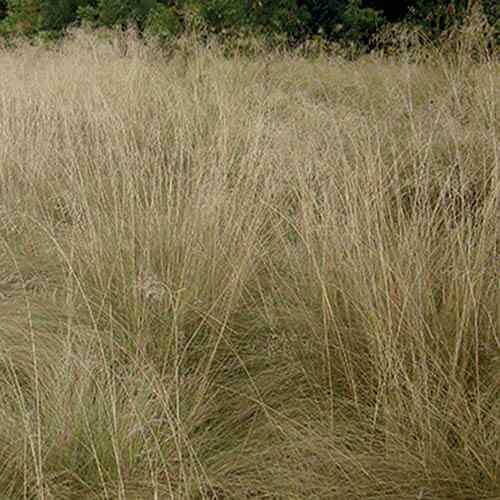
Sand Love Grass (Eragrostis trichodes) - Grown from Love Grass seeds, this fine-leaved bunch grass is good for attracting wildlife. Sand Lovegrass is native to the United States, and it is used in naturalized landscapes and as a beautiful ornamental grass with airy seed heads. In addition to its beauty in the summer and fall, the ornamental grass provides winter interest in beds and borders as well. The Sand Love Grass plant does especially well in sandy soil, but can be used on heavier soil as well. It can be seeded alone or it can compete well in mixes due to good seedling vigor and quick establishment even in soils that are not fertile. Sand Lovegrass Eragrostis trichodes can even be used in erosion control mixes for sandy areas. This excellent image is from a blog by lovegrassfarm.blogspot.com.
How To Grow Sand Lovegrass From Ornamental Grass Seed: Sand Lovegrass seed can be sown indoors for transplanting outside in the spring, or it can be sown directly outdoors in early spring. Once established, ornamental Sand Lovegrass is drought tolerant and suitable for xeriscaping.
Common Questions
How is sand lovegrass used in the landscape?
Sand lovegrass is great for sandy or gravelly prairies, sandy woods, rocky slopes and roadsides.