








Indian Rice Grass

LATIN NAME
Achnatherum hymenoides

SEASON
Perennial
USDA ZONES
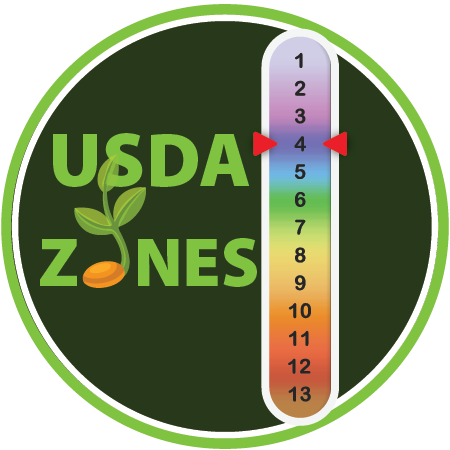
3 - 9 (Western 1/2 of U.S.)

ENVIRONMENT
Full sun

HEIGHT
12 - 24 inches

About...
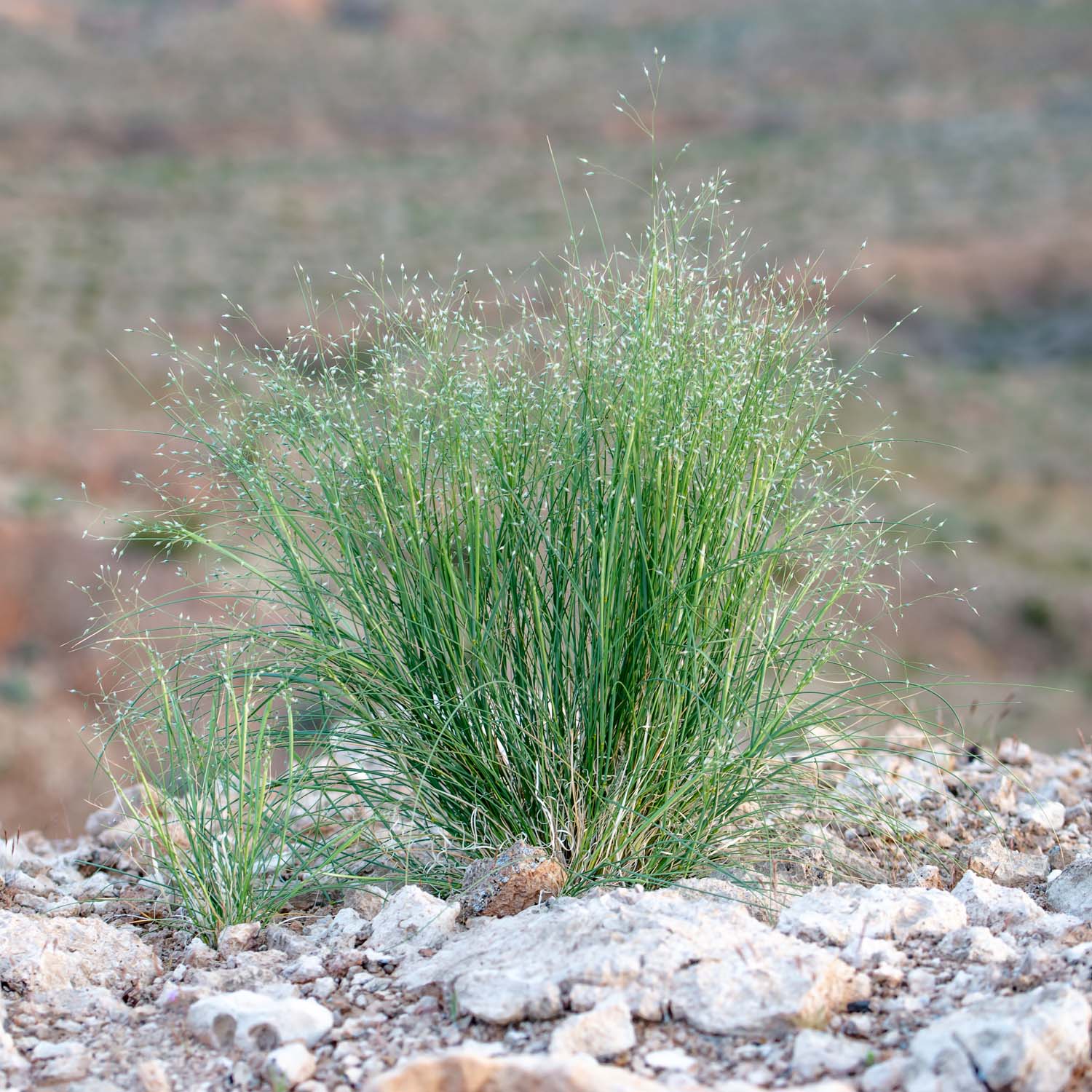
Indian Rice Grass (Achnatherum hymenoides) - Also called Indian Millet and Sandgrass. It is a widely adapted native grass of the intermountain west. Indian ricegrass is very drought tolerant and useful in land reclamation projects. Grows at elevations between 3,000 and 10,000 feet and adapted to a wide variety of soils.MORE NATIVE GRASS OPTIONS
Indian Rice Grass (Achnatherum hymenoides) - Also called Indian Millet and Sandgrass. It is a widely adapted native grass of the intermountain west growing best on dry, sandy, or rocky soils that are in full sun and rain well. Sandgrass is very drought tolerant and useful in land reclamation projects. Grows at elevations between 3,000 and 10,000 feet and adapted to a wide variety of soils. Most frequently occurs in sandy, gravelly, and shallow soils, frequently found in dunes. Valuable grass for domestic livestock and big game animals. Excellent food source of high protein food for upland game birds. Highly valued for wildlife habitat improvement, disturbed sites, mine reclamation and range mixes.
Indian rice grass is also used as an ornamental grass growing 1 to 2 feet in height. Makes a beautiful bunch grass in any landscape. Also used as a wildlife forage as it seeds are sought after by small mammals and birds. Palatable for most grazing animals, can sustain relatively high grazing pressure if it is allowed to produce enough seed for reproduction. Indian ricegrass decreases under grazing because grazing removes the seeds, and therefore plants are not reproduced. One of the few grasses that do better if planted deep, normally 1 - 1 1/2 inches is good, but it will also do well if it is necessary to plant along at the same depth with a grass mixture.
- A widely adapted native grass
- Drought tolerant, found on most range sites
- Excellent in sandy, gravelly, and shallow soils
- Valuable for domestic livestock and big game animals
- Excellent source protein for upland game birds
- Highly valued for wildlife habitat improvement
- Widely used on disturbed sites, range mixes
Seeding Rate: 20 - 25 lbs per acre