









-
CATEGORY ::
- All Seeds /
- All Cover Crop Seed
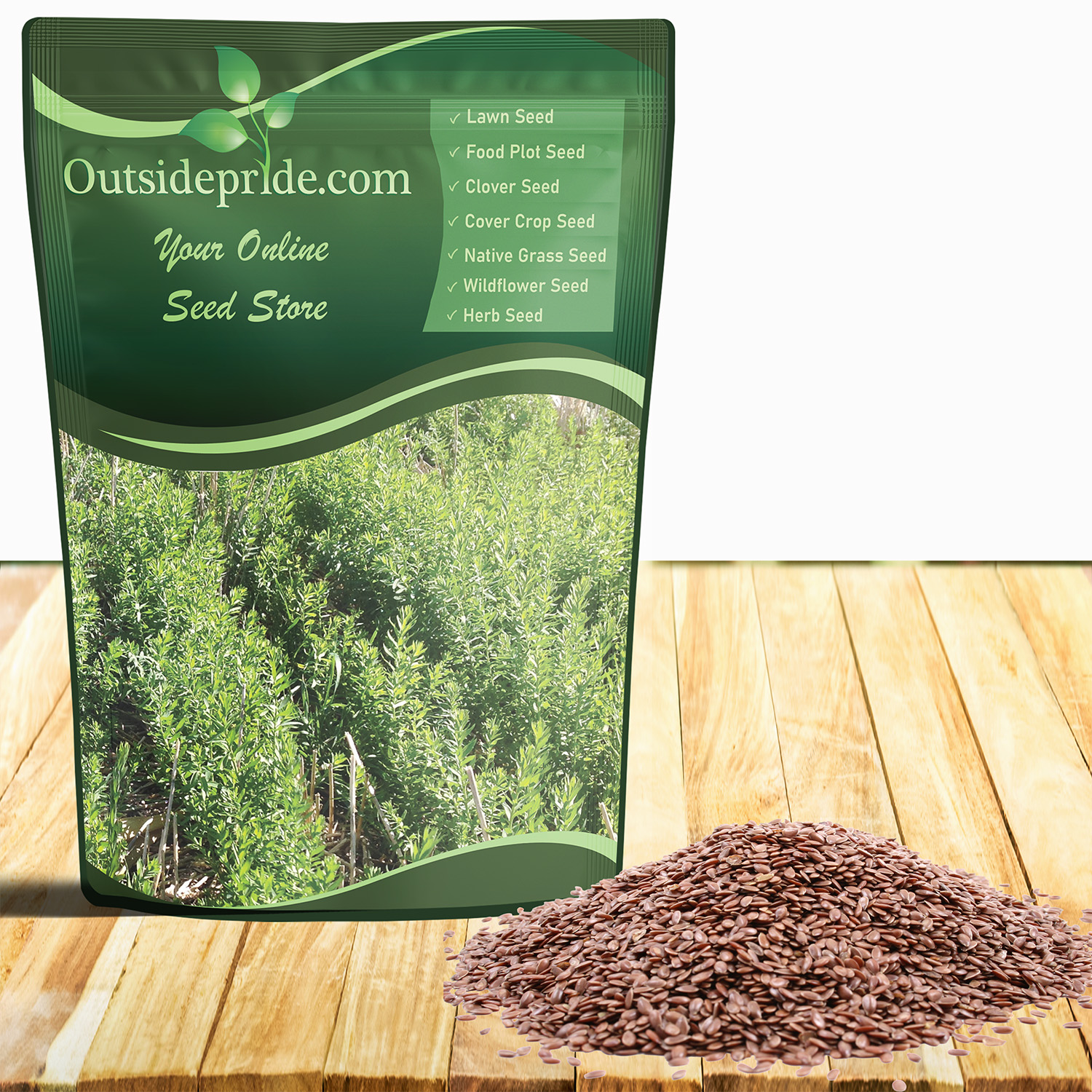

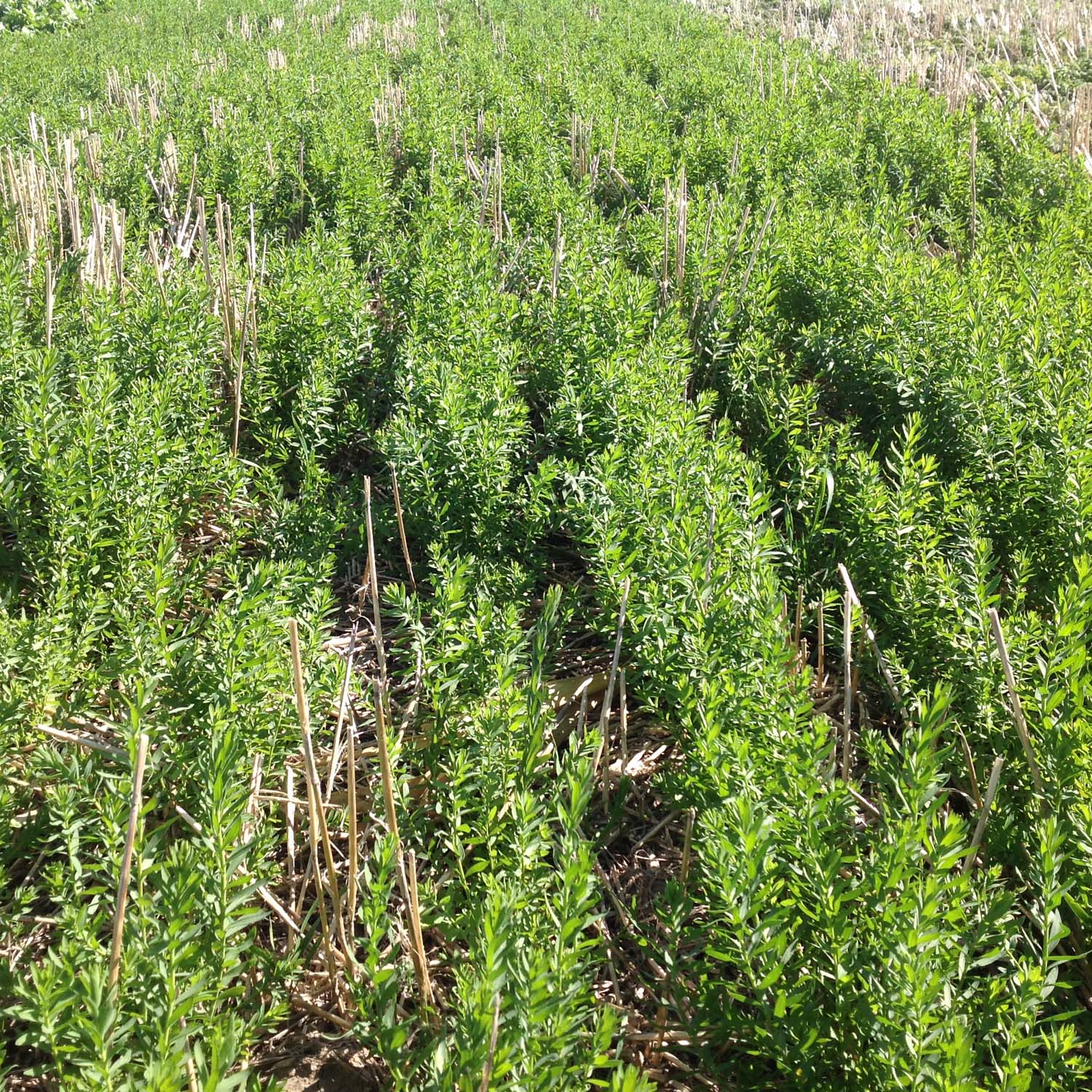
Flax - Common Seeds

LATIN NAME
Linum usitatissimum

SEASON
Annual

HEIGHT
24 - 36 inches

WHEN TO PLANT
Early Spring

MOISTURE REQUIREMENTS
Little

COLD TOLERANCE
Poor

HEAT TOLERANCE
Poor

SHADE TOLERANCE
Poor
DAYS TO MATURITY
90 - 120 days

IDEAL FOR
Linen fiber, edible seed, oil, cover crop
About...
Common Flax (Linum usitatissimum) - Also known as linseed or brown flax. It is a flowering, short-lived, annual subshrub. In its native habitat, it can be grown as a perennial, but it is not cold tolerant. The thin, wiry stems that support the flower buds appear delicate, but are difficult to break.MORE COVER CROP OPTIONS

Planting Directions

SOWING TEMPERATURE
55F

SEEDING RATE
20 - 30 lbs/acre
AVERAGE GERMINATION TIME
7 - 14 days

PLANTING DEPTH
1/4 - 1/2 inch

SOWING METHOD
Broadcast or drill

ENVIRONMENT
Full sun
USDA ZONES
3 - 9
Common Flax (Linum usitatissimum) - Also known as linseed or brown flax. It is a flowering, short-lived, annual subshrub. In its native habitat, it can be grown as a perennial, but it is not cold tolerant. The thin, wiry stems that support the flower buds appear delicate, but are difficult to break. It produces pale blue flowers on slender, but strong, stems in late spring into mid-summer. Flax is a plant known historically for fiber production. The seed is used to produce edible oils and also oils for wood finishing products.
Common brown flax prefers moist, well-drained, mildly acid, neutral and mildly alkaline soils. It does best in full sun and cannot grow in the shade. The plant tolerates strong winds but not maritime exposure. It will tolerate drought and dry or rocky soil, but clay soils can cause the plant to root shallowly that will cause problems for the plant in cold weather.
It is a versatile cover crop used for soil conditioning, especially effective at fighting compaction and increasing mycorrhizal fungi activity. It is best used in mixes (e.g., with oats, vetch, or peas) to build soil health, as it is non-competitive and can be easily seeded at 20 - 30 lbs/acre. Its fibrous roots improve soil structure and its flowers attract pollinators and beneficial insects. As a cover crop, flax helps to mobilize phosphorus in the soil and add organic matter. Plant early Spring or late Summer.