



Perennial Idaho Fescue Grass Seed For Erosion Control or Forage

Idaho Fescue

1 LB
.......................................................................................................................................................
16.99
2 LB
.......................................................................................................................................................
29.99
5 LB
.......................................................................................................................................................
74.99
10 LB
.......................................................................................................................................................
139.99
25 LB
.......................................................................................................................................................
249.99

LATIN NAME

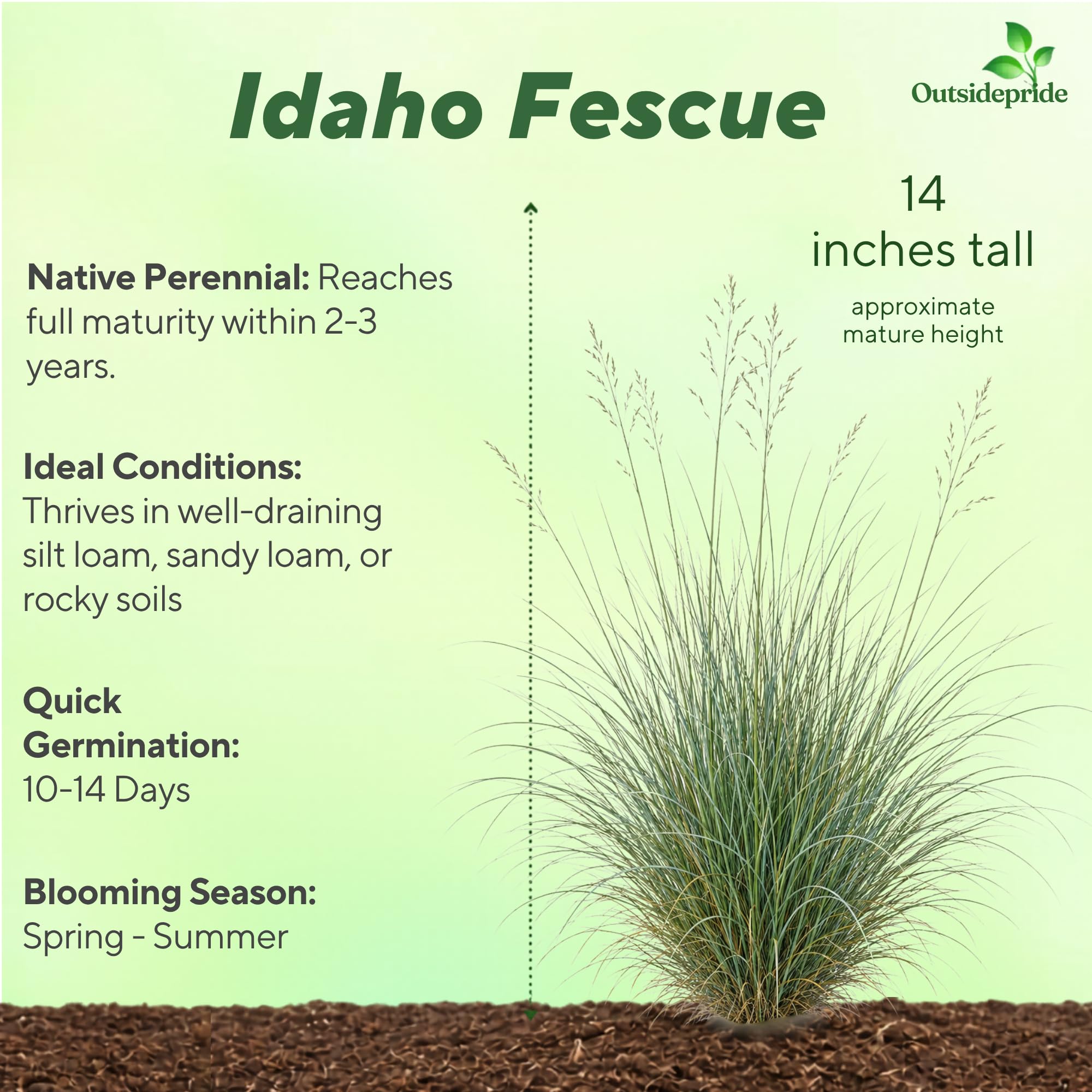
Festuca idahoensis

SEASON

Perennial
USDA ZONES

4 - 8

ENVIRONMENT

Full sun to partial shade

HEIGHT

14 inches

SEASON

Perennial

USDA ZONES

3 - 9

ENVIRONMENT

Full sun

HEIGHT

8 - 12 inches

LATIN NAME

Elymus glaucus

SEASON

Perennial

USDA ZONES

3 - 9

ENVIRONMENT

Full sun to partial shade

HEIGHT

24 - 60 inches

LATIN NAME

Achnatherum hymenoides

SEASON

Perennial

USDA ZONES

3 - 9 (Western 1/2 of U.S.)

ENVIRONMENT

Full sun

HEIGHT

12 - 24 inches

SEASON

Perennial

USDA ZONES

6 - 9

HEIGHT

24 to 48 inches

WIDTH

24 to 36 inches

FOLIAGE COLOR

Green Bronze/yellow in Fall

FALL COLOR

bronzy-red, gold, or brown color

SOIL REQUIREMENT

Loam, sandy

ENVIRONMENT

Full sun

DEER RESISTANT

Yes

MOISTURE REQUIREMENTS

Low: 12 - 16 inches per year

LATIN NAME

Eragrostis curvula

SEASON

Perennial

USDA ZONES

3 - 9

ENVIRONMENT

Full sun

HEIGHT

12 inches

LATIN NAME

Panicum virgatum

SEASON

Perennial

USDA ZONES

3 - 9

ENVIRONMENT

Full sun

HEIGHT

36 - 60 inches

SEASON

Perennial

USDA ZONES

3 - 10

ENVIRONMENT

Full sun to partial shade

HEIGHT

36 - 60 inches

About...

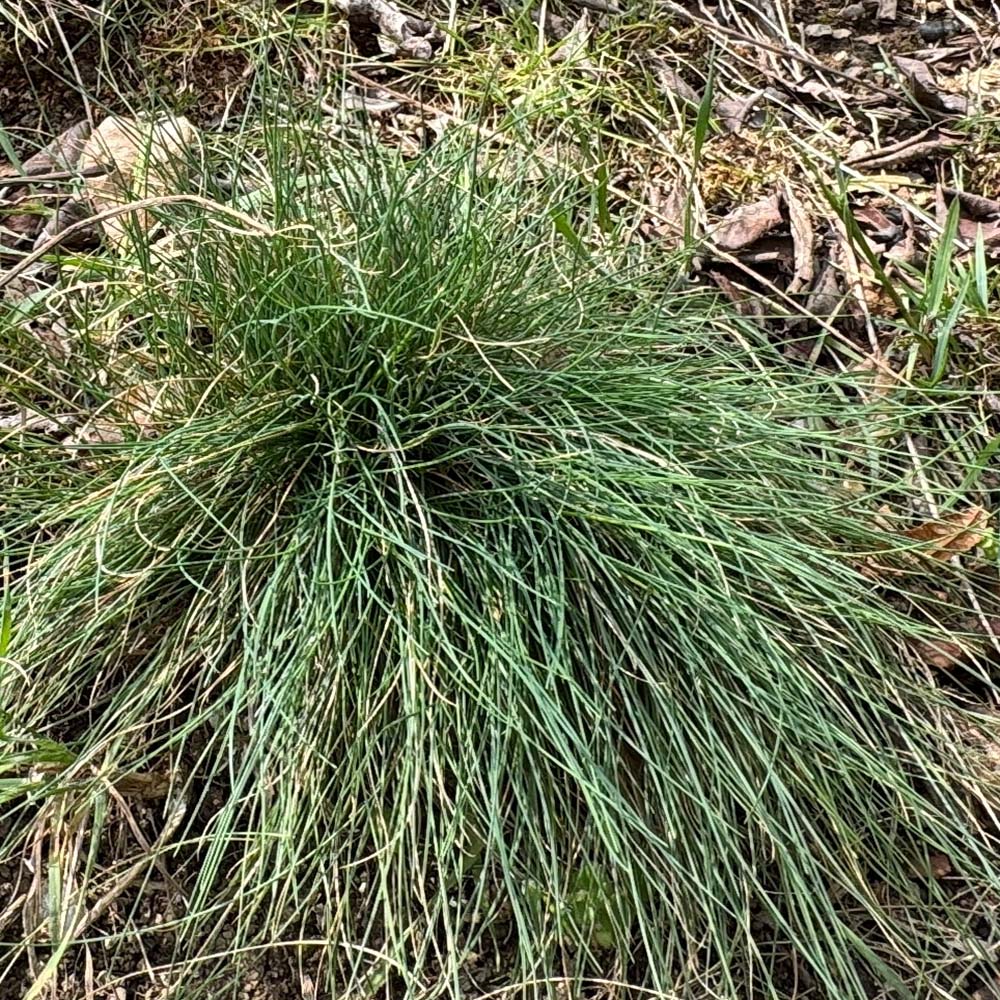
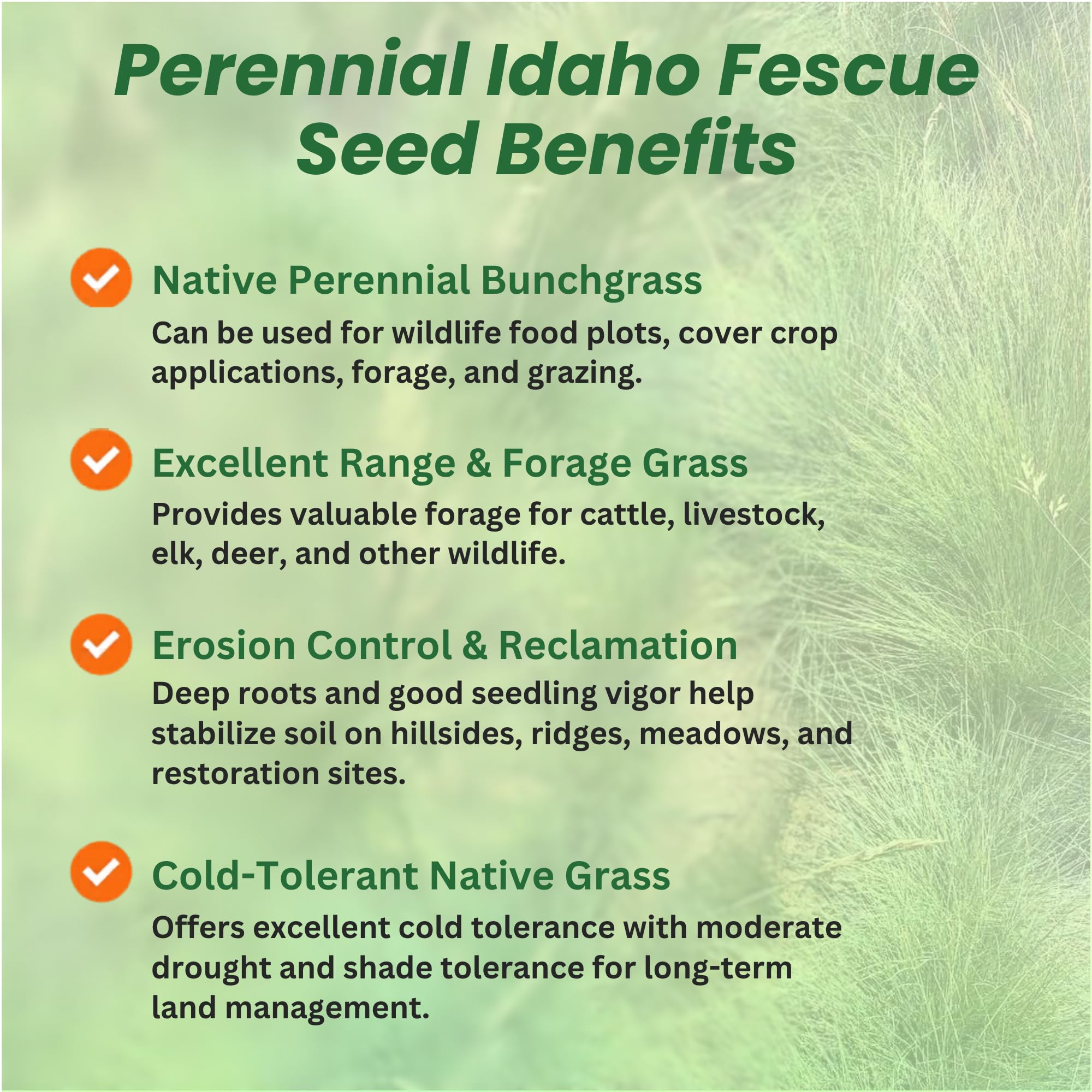
Idaho Fescue (Festuca idahoensis) - This grass is an attractive, fine bladed tufted perennial bunchgrass. Idaho fescue is tolerant of weakly saline, weakly alkaline and acidic soil conditions. One of the most common and widely distributed grasses throughout the Western U.S.

MORE NATIVE GRASS OPTIONS

Idaho fescue Short Blue wildrye Indian rice grass Weeping lovegrass Sideoats grama native grass seed Switchgrass Tall ...More
ABOUT

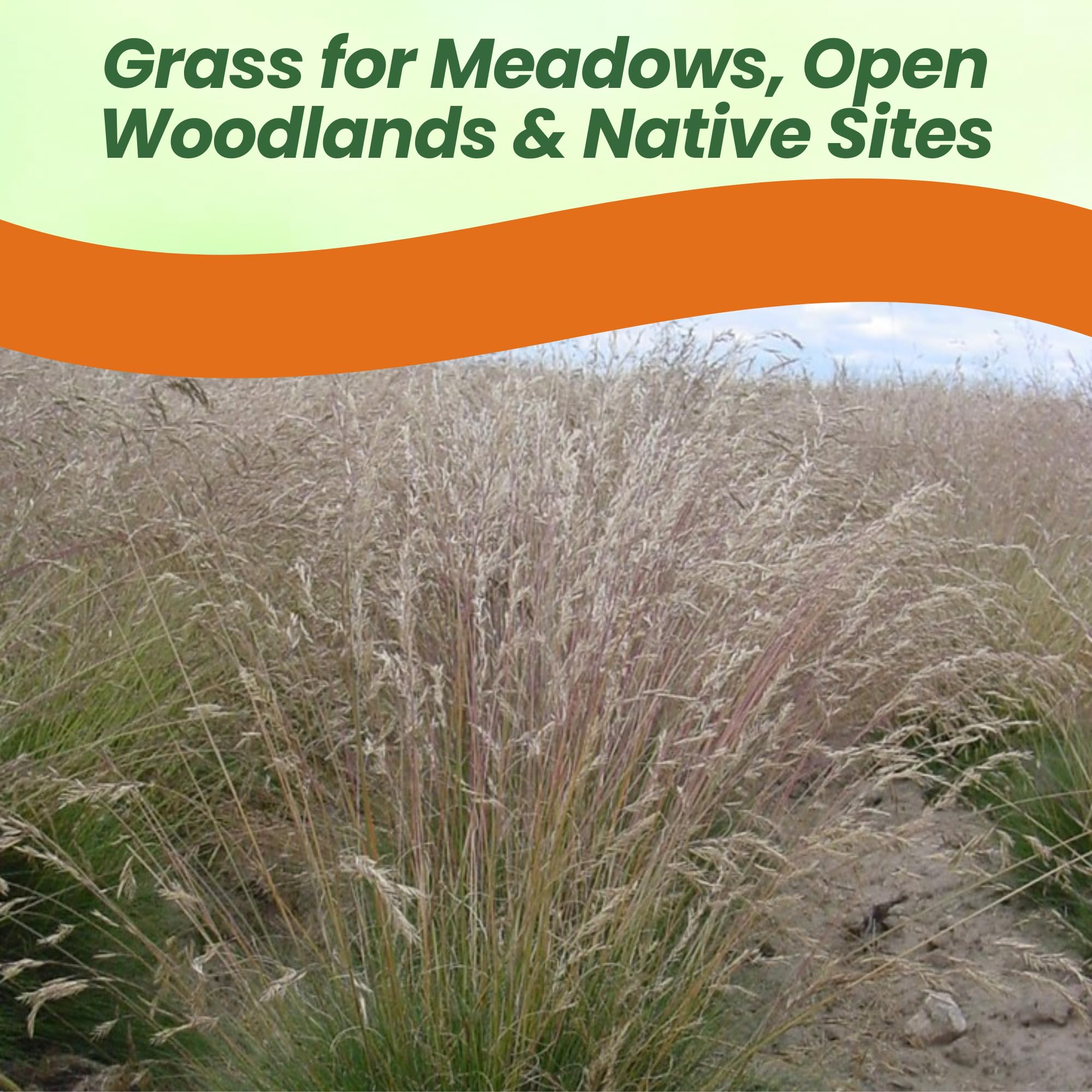
Idaho Fescue (Festuca idahoensis) - This grass is an attractive, fine bladed tufted perennial bunchgrass. Idaho fescue is tolerant of weakly saline, weakly alkaline and acidic soil conditions. One of the most common and widely distributed grasses throughout the Western U.S.  It prefers silt loam or sandy loam soils and is occasionally found on loamy sand soils. Exposed benchlands, hillsides and ridges, parks, meadows, forestlands, and open ponderosa and lodgepole pine stands are common habitats.  It is an excellent range grass and useful in erosion control and is frequently a component of native seed mixtures. This versatile grass is an excellent choice for planting under oaks and other trees as it is moderately shade tolerant. It provides valuable forage for wildlife while adding texture and color contrast to the landscape.

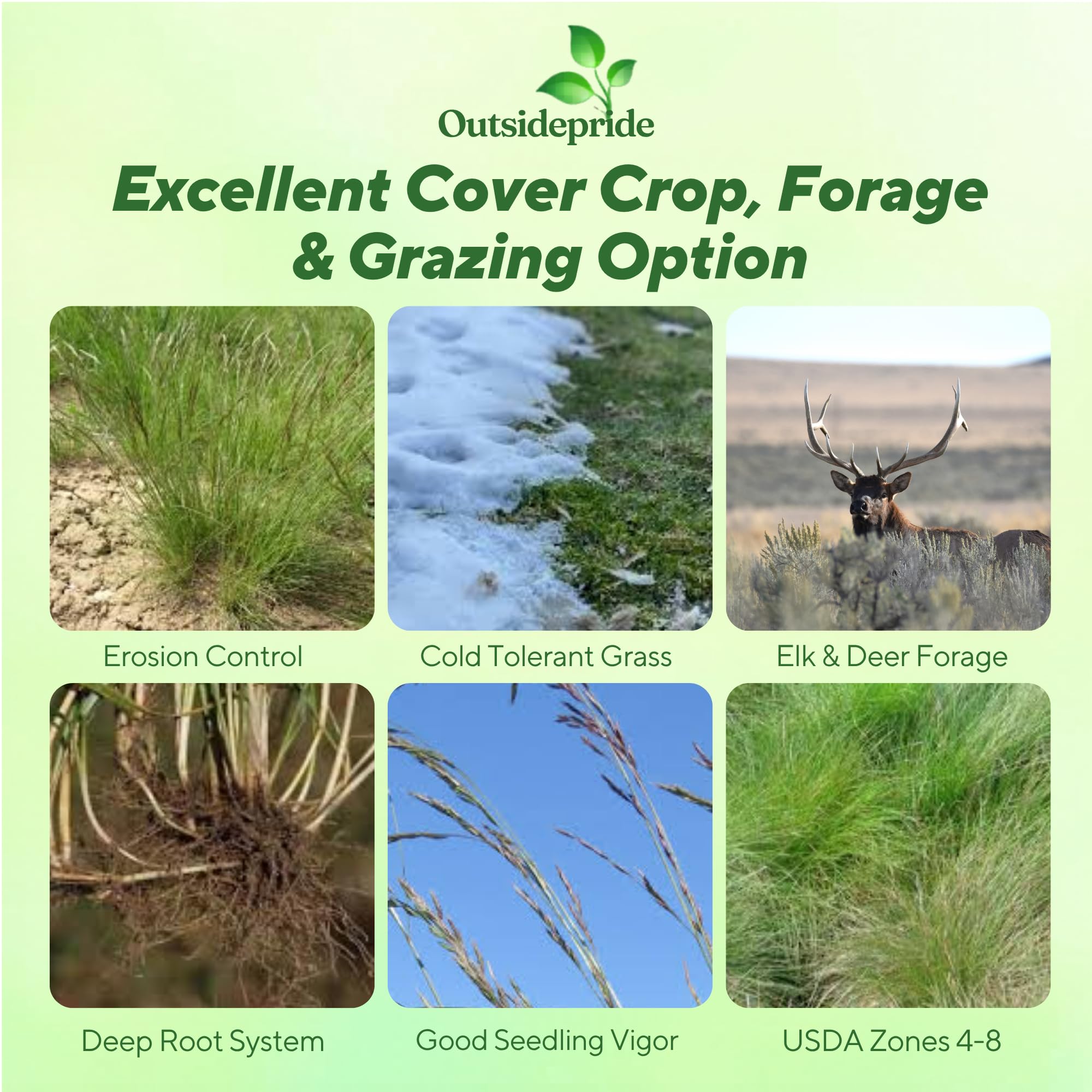
It grows on all exposures and under a wide variety of soil conditions.  It has excellent cold tolerance, moderate drought tolerance, and moderate shade tolerance. It is not as drought tolerant as sheep fescue and its drought tolerance is similar to that of hard fescue. It is not tolerant of high water tables or flooding. It produces an extensive, deep root system an is excellent for erosion control.  Its drought tolerance, combined with extensive root systems and good seedling vigor, make this species ideal for reclamation in areas receiving 14 to 20 inches of annual rainfall.

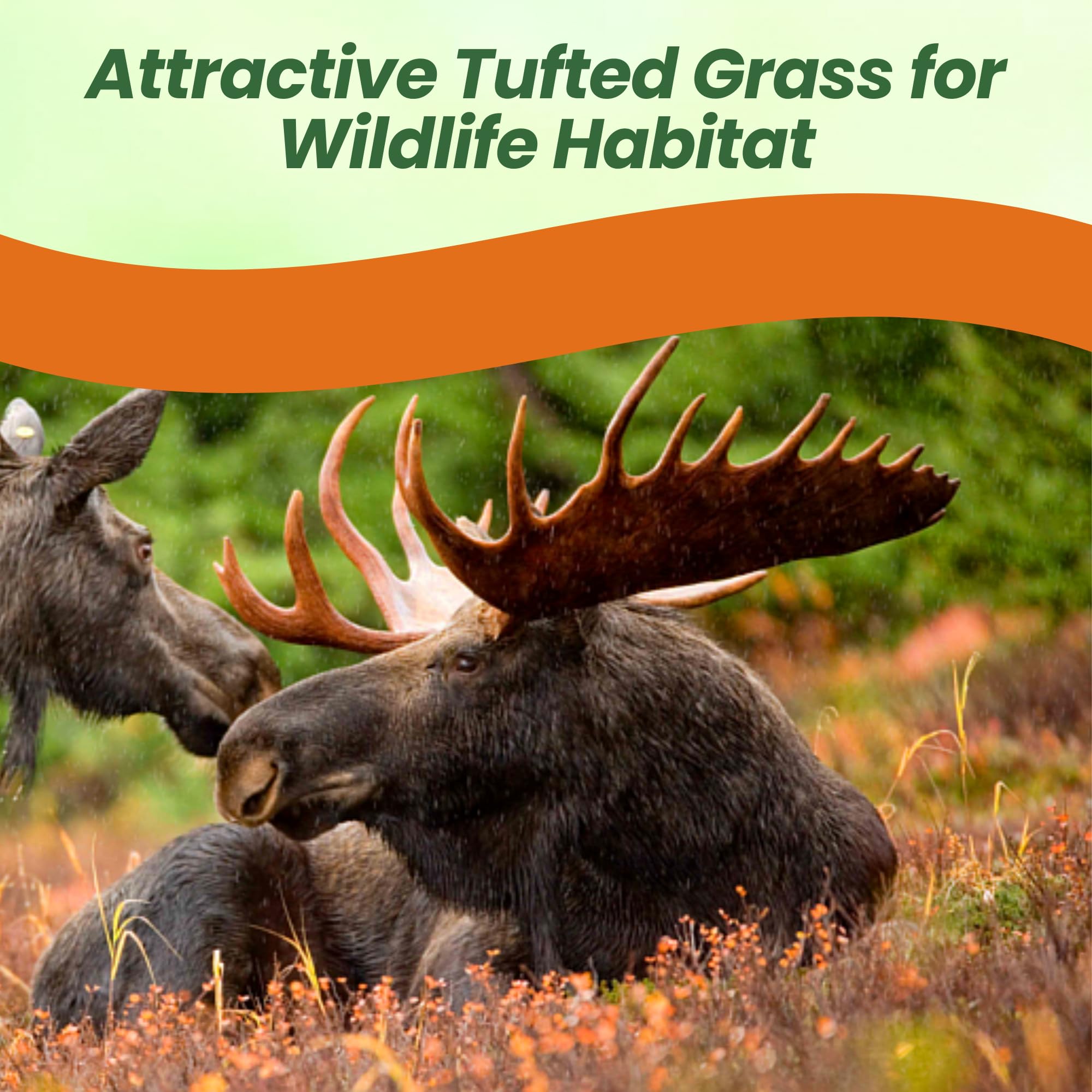
Idaho fescue is a good forage for all types of domestic livestock especially cattle. It is good year-around forage for elk and is grazed in spring by deer. Idaho fescue matures later in the growing season than most other range plants; therefore, it is particularly useful for late season grazing. All classes of livestock relish it in the spring, as well as later in the season where it grows on north slopes or in cooler, moister sites and where the herbage remains tender. It is sensitive to overgrazing; therefore, it is recommended to leave at least 50% of the annual growth (or a 2 – 3 inch stubble height). Idaho fescue habitat extends from 1,000 to over 13,000 ft, though most prevalent from about 5,000 to 8,000 ft.

  • Choice forage grass for cattle and wildlife
  • Habitat extends from 1,000 to over 13,000 ft.
  • Grows in full sun to partial shade
  • Adapted to a wide variety of soil conditions
  • Excellent cold tolerance
  • Moderate drought tolerance
  • Moderate shade tolerance
ABOUT
Short Native Grass Seed Mix For Xeriscaping
Bulk Pound Short Native Grass Seed Mix For Xeriscape Landscaping
Our drought-tolerant, perennial native grass seed mixture is designed for water conservation and thrives in full sun, growing to a height of 8-12 inches. It includes Buffalo Grass, Blue Grama, Sheep’s Fescue, and Sideoats Grama, each offering unique benefits. Buffalo Grass, a low-growing, sod-forming grass, is ideal for erosion control and provides good grazing. Blue Grama, known for its drought resistance and ability to grow in various soils, is essential for range management. Sheep’s Fescue is valued for its low maintenance and soil stabilization properties, while Sideoats Grama is a hardy, tall grass suitable for diverse environments and effective in erosion control. This mixture is well-suited for areas where water conservation and minimal maintenance are priorities. They are available in 3 different sizes to suit your gardening needs.
Low Growing Native Grass Seed Mix
Native and Low-Growing
Our lawn grass seeds are native to the Great Plains and adapted to low-growing forms to conserve water and withstand harsh conditions. Buffalo Grass and Blue Grama remain short to survive drought, Sheep’s Fescue stabilizes soils, and Sideoats Grama although taller, is suited for grazing and drought. Their native origin and growth habits make them ideal for water conservation.
Buffalo & Blue Grama Drought Tolerant Native Grasses
Good Grazing for Livestock
Our perennial short native grass seed mix is ideal for livestock grazing due to their high nutritional value and resilience. Buffalo Grass and Blue Grama provide palatable, nutritious forage and recover well from grazing, while Sheep’s Fescue and Sideoats Grama also offer good forage and adaptability, making them reliable feed sources.
Western Native Grass Seed Mix For Erosion Control
Excellent erosion control
The dense growth and extensive root systems of this native grass mix makes them excellent for erosion control. Buffalo Grass and Blue Grama stabilize soil with their mat-forming and deep-rooted structures, while Sheep’s Fescue and Sideoats Grama offer effective ground cover, preventing soil erosion and stabilizing disturbed areas.
Warm Season Native Grass Seeds With Blue Grama Sideoats, and Buffalo Grasses
Mix Warm Season Grass
This native grass seeds excels as a warm-season grass blend due to its ability to thrive in high temperatures and sunny conditions. Buffalo Grass, Blue Grama, and Sideoats Grama grow well in warm weather, ensuring strong performance throughout the summer. Their drought tolerance and low maintenance needs further enhance their suitability for hot climates.
Low Maintenance, Slow Growth, Drought Tolerant Short Native Grasses
This grass blend is slow-growing due to its natural adaptation to conserving resources in harsh environments. Its gradual growth helps it remain resilient and low maintenance. As a natural ground cover, it thrives in sandy and finer soils, attracting pollinators and supporting biodiversity by providing habitat and forage for various species.
Short Native Grasses For Low Water Conservation & Xeriscaping
Enhance your xeriscaping and water conservation efforts with our heat-tolerant grass seed. This native grass seed requires minimal maintenance and is well-suited for summer grass seed projects. Its adaptability to various soil types, including sandy soils, ensures successful establishment. Perfect for conserving water while maintaining a beautiful landscape, this grass seed for southern lawns is the best grass seed for southern lawns in arid regions. Achieve a lush, drought-resistant lawn effortlessly.
Seeding Rate & Planting Time For Dwarf Native Grass Seeds
This heat-tolerant grass seed is ideal for new turf and ornamental plantings. Follow proper seeding techniques by broadcasting or drilling the seed to a depth of 1/4 to 3/8 inches. For optimal results, use 1-2 lbs per 1,000 square feet, or 5 lbs per acre when planting with wildflowers. If planting the grass mix alone, use 8 lbs per acre. Planting should be done from late spring to early summer with wildflowers, or late spring to mid-summer for the grass mix only. It is suitable for the central and Midwestern U.S., Texas, New Mexico, Arizona, western New York, western Pennsylvania, western Virginia, western North Carolina, and Tennessee. It thrives on upland sites with moderate to drier soils and elevations below 6,000 feet.

This drought tolerant native grass seed mixture of warm season grasses as well as sheep's fescue which will grow to a height of 8 - 12 inches. It may be planted alone or with a mixture of wildflowers.  Plant anywhere where water conservation is a priority.

This mixture contains:

  • Buffalo Grass
  • Blue Grama
  • Sheeps Fescue
  • Sideoats Grama

Buffalo grass is a fine-leaved, native, sod-forming, warm-season, perennial and is the dominant species on the short-grass region of the central Great Plains. Generally, it grows 4 to 8 inches high and produces leaves less than 1/8 inch wide and 3 to 6 inches long. It spreads rapidly by surface runners and forms a dense, matted turf (great for lawns).

Buffalo grass provides good grazing for livestock. Its palatability, prevalence, and adaptation to a wide range of soil and climatic conditions make it an important forage species of the Great Plains where it is considered a drought tolerant native grass. Growth begins in mid spring and continues through the summer.

Buffalo grass withstands long, heavy grazing better than any other native grass on ranges consistently subjected to severe use. It often survives as a nearly pure stand. Because of its excellent ground cover, ability to spread under use, wide climatic adaptation, and relative ease of establishment, Buffalo grass is ideally suited for erosion control on range and pasturelands.  Probably the most popular of the low growing native grasses.

Blue Grama is a short growing, drough tolerant, long-lived, warm-season, native perennial grass that grows throughout the Great Plains. The leaves are 3 to 6 inches long and less than 1/4 inch wide.

Blue grama is found on most soil types, including alkaline soils, but is most abundant on the heavier, upland soils. Its capacity to resist drought permits it to occupy the drier areas throughout its range of adaptation.

Growth begins fairly late in the season and depends on how much moisture is available. The forage is relished by all classes of livestock. Growth ceases during long droughts, but begins again upon the return of favorable moisture and temperature. Because of its wide distribution, high quality, hardiness, and growth habits, it is one of our most important range species. Under heavy grazing, blue grama often persists in nearly pure stands after the associated grasses disappear. Blue grama is readily established from native grass seed and is now used in low maintenance, xeriscape lawns.

Sheep fescue is a competitive grass that’s primary use is ground cover. It is an important species for stabilizing disturbed soils because of its low growth form and its low maintenance. It has excellent cold tolerance and good drought tolerance.

  • 1 - 2 lbs/1,000 square feet
  • 5 lbs./acre when planting with wildflowers
  • 8 lbs./acre grass mix only

Planting times: late spring to early summer, with wildflowers. Late spring to mid summer, grass mix only.
Planting range: can be planted in the central and Midwestern U.S., Texas, New Mexico, Arizona, western New York, western Pennsylvania, western Virginia, western N. Carolina and Tennessee. Best for upland sites, moderate to drier soils. For elevations below 6,000 feet.

ABOUT
VIDEOS

Blue Wildrye (Elymus glaucus) - It is a native, perennial, cool season bunchgrass native to North America which can can grow up to 5 feet tall. It can be used as a cover crop, particularly for conservation purposes, site rehabilitation, and erosion control. It establishes rapidly, making it effective for stabilizing soil on logging roads, burned areas, and steep hillsides. Blue wildrye can also provide excellent wildlife habitat for mammals, birds, and waterfowl. 

Blue wildrye grows well in both disturbed and undisturbed areas. It tolerates wide variations in soil and weather conditions, though grows best in good soils. Blue wildrye is a slow spreading grass that grows in dry, sunny areas or shaded areas. Unlike its name suggest, blue wildrye is not a ryegrass. It was given the common name "wildrye"for the bluish-gray hue of its leaves which is common among true ryegrasses. 

Blue wildrye’s native range extends across much of North America; however, it is most popular in the western United States of Washington, Oregon, California, Nevada, Utah, Colorado, Arizona, and New Mexico. Branching out from these more concentrated populations in the west, small corridors of blue wildrye stretch east, making their way as far as New York state. This wide range of native habitat suggests blue wildrye is versatile with its requirements.  Consider planting blue wildrye on slopes to prevent soil erosion, add them to a mix of full sun or full shade loving plants to add texture, line paved or rocky areas to create a border, or plant it near shrubs to give birds easy access to blue wildrye’s seeds.

Seeding Rate: 20 - 25 lbs per acre

ABOUT

Indian Rice Grass (Achnatherum hymenoides) - Also called Indian Millet and Sandgrass.  It is a widely adapted native grass of the intermountain west growing best on dry, sandy, or rocky soils that are in full sun and rain well. Sandgrass is very drought tolerant and useful in land reclamation projects. Grows at elevations between 3,000 and 10,000 feet and adapted to a wide variety of soils. Most frequently occurs in sandy, gravelly, and shallow soils, frequently found in dunes. Valuable grass for domestic livestock and big game animals. Excellent food source of high protein food for upland game birds. Highly valued for wildlife habitat improvement, disturbed sites, mine reclamation and range mixes. 

Indian rice grass is also used as an ornamental grass growing 1 to 2 feet in height. Makes a beautiful bunch grass in any landscape. Also used as a wildlife forage as it seeds are sought after by small mammals and birds. Palatable for most grazing animals, can sustain relatively high grazing pressure if it is allowed to produce enough seed for reproduction. Indian ricegrass decreases under grazing because grazing removes the seeds, and therefore plants are not reproduced. One of the few grasses that do better if planted deep, normally 1 - 1 1/2 inches is good, but it will also do well if it is necessary to plant along at the same depth with a grass mixture.

  • A widely adapted native grass
  • Drought tolerant, found on most range sites
  • Excellent in sandy, gravelly, and shallow soils
  • Valuable for domestic livestock and big game animals
  • Excellent source protein for upland game birds
  • Highly valued for wildlife habitat improvement
  • Widely used on disturbed sites, range mixes

Seeding Rate: 20 - 25 lbs per acre

ABOUT

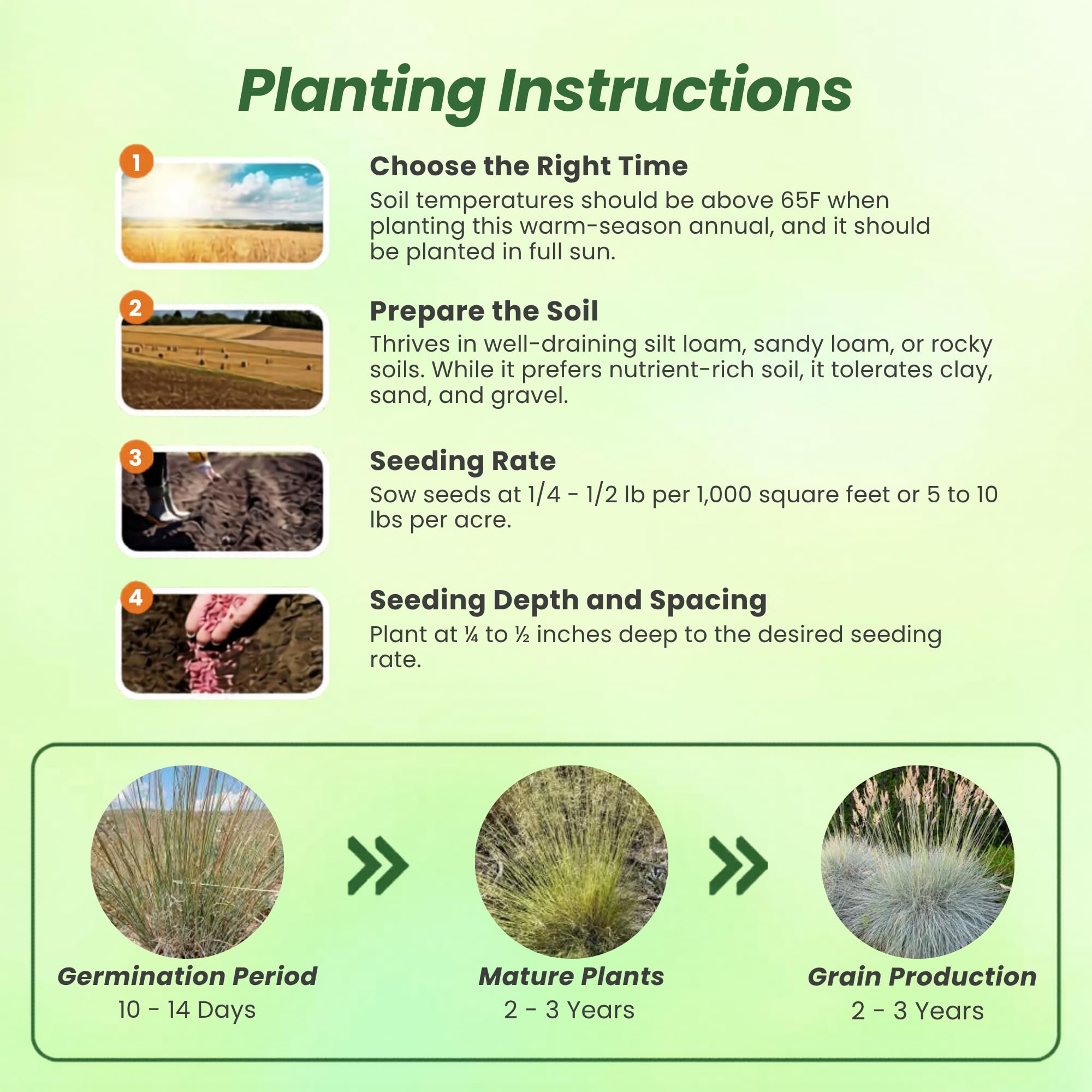
Planting Directions

TEMPERATURE

65F - 85F

AVERAGE GERM TIME

7 - 14 days

LIGHT REQUIRED

Yes

DEPTH

1/4 inch

SOWING RATE

1/4 lb per 1,000 SF

MOISTURE

Keep seeds moist until germination

Weeping Lovegrass (Eragrostis curvula) - A rapidly growing warm-season bunchgrass with narrow leaves emerging from a tight tuft with the tips almost touching the ground. The drooping leaf characteristic gives rise to the name "weeping" lovegrass. The plant itself rarely reaches above 12 inches; however, the seed heads reach a height of 30 to 40 inches and contain numerous small, fine seeds.

Weeping lovegrass is used as a temporary cover for erosion control purposes. It prefers a light-textured, welldrained soil, and will thrive on soils of low fertility. Climatic conditions determine its range of adaptation. Low winter temperatures will prevent regrowth and cause the grass to act as an annual or a short-lived perennial. Weeping lovegrass is distributed throughout the southern United States for erosion control and forage. Weeping lovegrass when fertilized properly will have good forage quality unless seedhead formation is allowed, upon which palatability declines rapidly.

Weeping lovegrass is easy to establish by seed. Seed alone at a rate of 3 to 5 pounds per acre. Seeds will germinate quickly and plant growth is rapid. The seed is extremely fine; therefore, if using a broadcast seeder, the lovegrass seed should be mixed with a carrier such as: cornmeal, sand, or fine sawdust for uniform distribution of seed. Do not cover seed more than 1/4 inch.  Normally, weeping lovegrass can be planted after danger of severe frost is over, and anytime throughout the summer with success as long as irrigation is possible.

There are 1,500,000 seeds per pound.

ABOUT
Sideoats Grama Native Grass Seed Field For Harvesting
Sideoats Grama Native Grass Seed Bags For Planting
Sideoats Grama (Bouteloua curtipendula) is a long-lived, warm-season, native grass with an exceptionally wide, natural distribution throughout the United States. It is most abundant in the Great Plains. It is the largest species of the grama grasses, reaching up to three feet in height. The color of the grass is bluish-green and cures to a reddish-brown color in the fall. The leaves are fairly coarse and stiff. Blooms occur along one side of the seed stalk and are bright red in color. The mature seeds droop from this one edge, thus attributing to the name.
Native Sideoats Grama Grass
Native and Adaptable
Sideoats Grama germinates rapidly when conditions are favorable, which is usually a fairly long wet period. However, the seedlings will not develop sufficiently to withstand a significant drought, so early continued moisture is important. Sideoats Grama grows well on mountainous plateaus, rocky slopes and sandy plains. This native grass is also drought and cold tolerant and is hardy in Zones 4-9. It is considered a good foraging grass for livestock and is also good for erosion control.
Low Maintenance Sideoats Grama Native Grass
Low Maintenance Turf
Sideoats Grama is not as palatable as some of the other short native prairie grass species, but it produces a greater volume of forage, which tends to make up for its lower palatability. It also stays greener longer that other gramas which allows for longer grazing. However, overgrazing is very harmful to the species. Look for best stands of Side-Oats on rocky open slopes, shallow woodlands and forest openings up to an elevation of 7,000 feet.
Sideoats Grama Native Grass For Erosion Control
Excellent Erosion Control
Our deep-rooted grass provides strong soil stability, making it ideal for lawns and winter pasture seed. It helps reduce runoff and supports wheat seeds for planting and fodder systems. With dense growth, it protects against soil loss, ensuring long-lasting land resilience in diverse climates.
Cold TolerantSideoats Grama Native Grass
USDA Zones: 4 - 10
Sideoats Grama thrives in USDA Zones 3 - 9, adapting to cold winters and warm summers for year-round growth. It withstands temperature extremes and requires minimal upkeep, making it ideal for varied climates. With strong resilience, it ensures lush coverage in diverse conditions.
Sideoats Grama Native Grass For Water Conservation
Sideoats Grama thrives in diverse climates, excelling in erosion control, drought tolerance, and fire resistance. With deep roots, it reinforces soil structure, making it ideal for pasture applications, fodder systems, and cover crop seed mix. Its dense growth enhances ground stability, while its hardy nature ensures long-lasting resilience with minimal upkeep. As grass seeds for lawn and sprout seeds, it delivers consistent, reliable coverage in even the most challenging environments.
Sideoats Grama Native Grass For Drought Prone Areas
As a warm-season grass, Sideoats Grama thrives in hot, dry climates and remains resilient even during prolonged droughts. It requires minimal maintenance, adapting well to poor soils without the need for fertilizers. Additionally, its dense roots help prevent soil erosion. Beyond its practicality, Sideoats Grama has appeal with its fine texture and unique seed heads while also supporting pollinators and wildlife.
Planting Directions For Sideoats Grama Native Grass
Our hardy grass is designed for quick growth. With a seeding rate of 8 - 12 PLS lbs per acre or 1/2 - 1 PLS lb per 1000 square feet for lawns or ornamental plantings, it ensures strong germination when spread evenly over a prepared area. A seeding depth of ¼ to ½ inch supports healthy root development, while the recommended planting window is summer which allows for vigorous establishment. it’s a great choice for low-maintenance lawns, pastures, and prairie restoration projects.

Despite the early need for water, developed plants do not handle abundant moisture well and can easily drown out. Their long root system will penetrate deeply into the underlying areas of drier, subsurface soil, which then reduces the plants dependency on the changeable moisture levels of the topsoil. Sideoats grama does not persist on many sites. The roots lessen in number after the first year of growth and the plant will often disappear completely after five years. It does, however, reseed fairly easily if the site is favorable. The best growing sites are those with shallow soil, a fairly low moisture level and good drainage. Because it is so drought tolerant it often becomes abundant following prolonged dry periods which makes it a popular native grass.

Seeding Rate

8 - 12 PLS lbs per acre or 1/2 - 1 PLS lb per 1000 square feet for lawns or ornamental plantings.

PLS pounds - Pure Live Seed, or PLS, is the percentage of viable seed in a given lot. It is calculated by multiplying the purity percentage by the total germination percentage. For example, 95% purity multiplied by 85% total germination equals a 80.75% PLS. This means that out of every bulk pound of that bag of native grass seed that you plant, 80.75% of it is actually seed of that tagged variety and has the potential to germinate. Weights listed are bulk pounds.

ABOUT
VIDEOS
Switchgrass Native Prairie Grass Seed
Panicum virgatum Switch Native Grass Seeds Bulk Pound
Outsidepride Perennial Switchgrass is a hardy native North American grass that thrives in diverse conditions, making it an excellent choice for ornamental landscaping or erosion control. Reaching 3 to 5 feet with leaves reaching up to 2 feet, this perennial grass features striking blue-green leaves and reddish stems, adding visual interest to any garden. It is incredibly resilient, tolerating poor soils, drought, and flooding, and requires minimal maintenance once established. With its ability to withstand challenging environments, switchgrass is an attractive addition to gardens and a greener option for areas prone to erosion. It is available in 4 different sizes to suit your landscaping needs.
Drought Tolerant, Deep Rooted Switchgrass Plant Seeds
Drought Tolerant
Outsidepride Switchgrass native grass seed thrives in dry conditions, similar to Indian grass seed. Our deep-rooted grass taps into moisture deep below the surface, ensuring lush growth even in drought-prone areas. Ideal for fields, slopes, or open spaces, switch grass remains vigorous and green, reducing the need for supplemental watering.
Switchgrass Excels In Poor Soils High Germination Establishment
Tolerant of Poor Soils
Switchgrass seed excels in poor soils, adapting to a range of conditions like buffalo grass seed and bahia grass seed. This hardy grass seed flourishes where others fail, establishing strong roots in sandy, clay, or low-nutrient soils. Whether you're working with challenging terrain or depleted lands, switchgrass provides reliable coverage and growth.
Switchgrass For Full Sun To Partial Shade
Low Maintenance
Using Switchgrass native grass seed is a low-maintenance solution, ideal for those seeking a self-sufficient landscape. It requires minimal care—no frequent mowing, fertilization, or watering. Plant it and watch it thrive, growing tall and dense with little intervention, providing a visually appealing and functional landscape.
Switchgrass Seeds For Erosion Control Robust Root System
Erosion Control
Switchgrass is highly effective for erosion control. Our deep-rooted grass stabilizes soil, reducing runoff on slopes and riverbanks. The robust root system holds the ground in place, preventing soil loss and promoting healthier landscapes, much like perennial grass seeds. Ideal for areas prone to erosion, switchgrass ensures long-term stability.
Switchgrass Survives Flooding, Has An Aggressive Growth Habit For Livestock Forage
Switchgrass is an exceptional choice for challenging conditions, thriving where other plants struggle. Often found along natural water features, it excels in fields with sandy loam soils, making it a versatile option for various landscapes. This resilient grass boasts an aggressive growth habit, enhanced drought tolerance, and a remarkable ability to survive flooding. Its adaptability also extends to livestock potential, offering nutritious forage when grazed before seed stalks develop. Whether managing fields or enhancing pastures, switchgrass is a robust, low-maintenance solution that thrives in tough environments.
Biodiverse Switchgrass For Farming, Packaging, Green
Switchgrass goes beyond farming, serving as a versatile raw material product like paper, packaging, and bioplastics. Our switchgrass seed provides a friendly solution supporting industries focused on responsible production. This multifunctional grass not only aids agriculture but also contributes to reducing waste and promoting green manufacturing practices, making it a key resource in the push for a greener, more responsible future.
Seeding Rate & Planting Time For Native Switchgrass Seeds
Outsidepride Switchgrass Native Grass Seed is easy to establish with the right techniques, whether you're planting for ornamental purposes, pastures, or a food plot. Use 1/2 to 1 pound of pure live seed (PLS) per 1000 square feet, or 8-12 pounds of PLS per acre. The optimal seeding depth is 1/2 to 3/4 inch, and the best time to sow is in spring when soil temperatures reach 60°F. Techniques like broadcast seeding, followed by light raking or dragging, ensure even distribution and successful germination, making switchgrass a reliable choice for robust growth and resilience.

Switchgrass (Panicum virgatum) is a summer perennial grass that is native to North America. It is a natural component of the native tall-grass prairie which covered most of the Great Plains, as well as the south and eastern United States. This native grass grows best in areas that receive 30 inches of rainfall a year or in irrigated areas with average to wet soils. It is resistant to many pests and plant diseases, and it is capable of producing high yields with very low applications of fertilizer. This means that the need for agricultural chemicals to grow switchgrass is low to non-existent. Switchgrass also is very tolerant of poor soils, flooding and drought.

Switchgrass usually grows 3 to 5 feet in height. Even as a seedling, it can be distinguished from other native grasses by the dense patch of hairs at the point where the leaf blade attaches to the sheath. The stem is round and usually has a reddish tint. The seed head (panicle) is spreading and open. Foliage turns a beautiful yellow in fall. Holds its form well throughout the winter and it is also excellent material for fresh and dried arrangements. Used often as an ornamental grass.

When switchgrass is used for pasture it must be grazed before seedstalks develop. Before seedstalks develop, forage quality is high and palatability good. After seedheads emerge, nutrient levels become low and switchgrass becomes unacceptable as pasture. Animals are reluctant to eat mature switchgrass and may refuse it entirely if other feed is available. Begin grazing switchgrass when it becomes ready to graze, regardless of how much grazing potential remains on cool-season pastures. Switchgrass matures earlier than most warm-season grasses, so grazing often needs to begin while cool-season grasses still provide good forage. It is better to graze this native grass when it is ready and then graze the remaining cool-season grass later in the summer, than to finish grazing the cool-season grass first and let the switchgrass become stemmy. If switchgrass becomes stemmy before grazing begins, cut it for hay and graze the regrowth about 45 days later. Deer, quail, turkey, and rabbit also like this native grass.

Switchgrass may be able to play a significant role in improving water quality. It could be planted on highly erodible sites and on field borders. As well, it may be used on sandy soils where excessive nitrate leaching is associated with conventional corn production methods.

8 - 12 PLS lbs per acre or 1/2 - 1 PLS lb per 1000 square feet for ornamental plantings. Switchgrass is most productive on moderately-well to well drained soils of medium fertility and at a soil pH range of 5.5 to 7.0. It can tolerate wet sites and survive short-term flooding.

PLS pounds - Pure Live Seed, or PLS, is the percentage of viable seed in a given lot. It is calculated by multiplying the purity percentage by the total germination percentage. For example, 95% purity multiplied by 85% total germination equals a 80.75% PLS. This means that out of every bulk pound of that bag of native grass seed that you plant, 80.75% of it is actually seed of that tagged variety and has the potential to germinate.

ABOUT
VIDEOS
Tall Native Grass Seed Mix
Bulk Pound Tall Native Grass Seed Mix: Bluestem, Switchgrass, Indian Grass Seeds
Outsidepride Perennial Tall Native Grass Seed Mix combines the resilience and beauty of four iconic prairie grasses: Big Bluestem, Little Bluestem, Switchgrass, and Indian Grass, each contributing 25% to this balanced blend. These native grasses are deeply rooted in the history of North America's central plains, providing a hardy option for land restoration, pasture enhancement, or natural landscaping. Adapted to both upland and lowland environments, they thrive in heat and drought, requiring minimal maintenance while offering exceptional forage and lasting ground cover. Perfect for xeriscaping, this mix ensures a vibrant, low-input landscape that echoes the timeless beauty of the tallgrass prairie. It is available in 3 different sizes to suit your landscaping needs.
Drought Tolerant Native Grass Seed Mix Midwest
Drought Tolerant
This blend of tall native grass seeds is well-suited for both upland and lowland areas. These native grass varieties are reliable staples, boasting heat and drought tolerance. They offer enduring ground cover and forage production, making them an excellent choice for various environments.
Heat Tolerant Great Plains Native Grass Seed Mixture
Requires Less Fertilizer
These indigenous grasses are outstanding forage producers that enhance your grass selection naturally, reducing the need for fertilizers and other inputs. Their natural adaptability to the environment makes them efficient in providing quality forage, minimizing the requirement for additional resources and fewer external interventions.
Teff For Wildlife Habitat
Wildlife Habitat
The Tall Grass Prairie serves as a crucial wildlife habitat. These species form the foundation of the prairie grass environment that historically spanned the central plains of North America. The native grasses in this region are exceptional forage producers, making your grass selection appear more natural.
Teff For Erosion Control
Erosion Control
Our prairie grass is highly effective in controlling erosion due to its deep root systems and dense vegetative cover, which stabilize the soil and reduce runoff. These resilient native grasses thrive in various conditions, ensuring continuous ground cover that prevents soil displacement and protects against erosion.
Tall Native Grass Seed Mix For Forage, Pasturee, Hay, Grazing
Native grasses, essential for robust forage production, are an integral part of the crafted native landscape. They blend seamlessly with native wildflowers, enhancing both naturalized and formal environments. These grasses can be cultivated as individual ornamental or structural features, and they also thrive when grouped or massed together. The presence of native grasses not only contributes to the aesthetic appeal but also supports the environmental balance, making them a versatile and valuable addition to any landscape design.
Little Bluestem, Big Bluestem, Indian Grass, Switchgrass Native Grasses
This blend thrives even in dry conditions and is perfectly suited for both upland and lowland areas. These native grass essentials are a reliable choice due to their resilience against heat and drought. They ensure lasting ground cover and consistent forage production, making them a dependable option for various landscapes. Whether you're dealing with elevated terrains or lower-lying regions, these grasses will not disappoint. Their adaptability and durability in harsh climates make them an invaluable resource for maintaining robust and enduring vegetation.
Seeding Rate & Planting Time of Tall Native Grass Seed Mix
The recommended seeding rate for the Outsidepride Perennial Tall Native Grass Seed Mix is 1/2 pound per 1,000 square feet, 6 pounds per acre when planting with wildflowers, and 12 pounds per acre for a grass-only mix. Ideal planting times are from late spring to early summer when planting with wildflowers, or late spring to mid-summer for grass-only areas. This mix can be planted across a broad range of locations, including the central and midwestern U.S., parts of the South, and up through the Northeast, specifically in areas with moderate to moist soils and elevations below 6,000 feet.

Little Bluestem, Big Bluestem, Indiangrass, and Switchgrass are the legendary drought tolerant grasses of the Tall Grass Prairie. These species are the backbone of the prairiegrass ecosystem that once covered most of the central plains of North America. These native grasses are all excellent forage producers that make your grass selection "natural" which will require less fertilizer and other outputs making them perfect choices for xeriscaping. They are well adapted to both upland and lowland sites. You can not go wrong with these native grass staples which are heat and drought tolerant and will provide permanent cover and forage production.

This mixture contains:

  • Little Bluestem - Schizachyrium scoparium
  • Big Bluestem - Andropogon gerardii
  • Indiangrass - Sorghastrum nutans
  • Switchgrass - Panicum virgatum
  • 1/2 lbs/1,000 square feet
  • 6 lbs./acre when planting with wildflowers
  • 12 lbs./acre grass mix only

Planting times: late spring to early summer, with wildflowers; late spring to mid summer, grass mix only.
Planting range: can be planted in the central and midwestern U.S., Texas, Louisiana, Mississippi, Alabama, northern Georgia, western North and South Carolina, western Virginia, Pennsylvania, New York, southern New Hampshire and western Massachusetts. For elevations below 6,000 feet, moderate to moist soils.