
Golden Marguerite Daisy Drought Tolerant Anthemis Tinctoria Garden Flower Seeds

Marguerite Daisy Seeds - Yellow

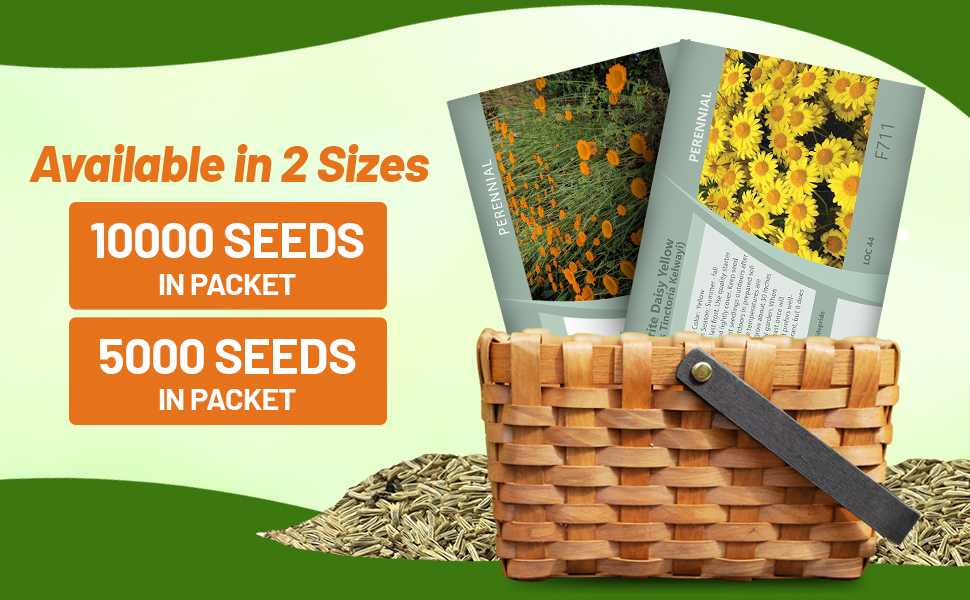
5000 Seeds
.......................................................................................................................................................
4.99
10000 Seeds
.......................................................................................................................................................
8.99

SEASON

Perennial

USDA ZONES

3 - 7

HEIGHT

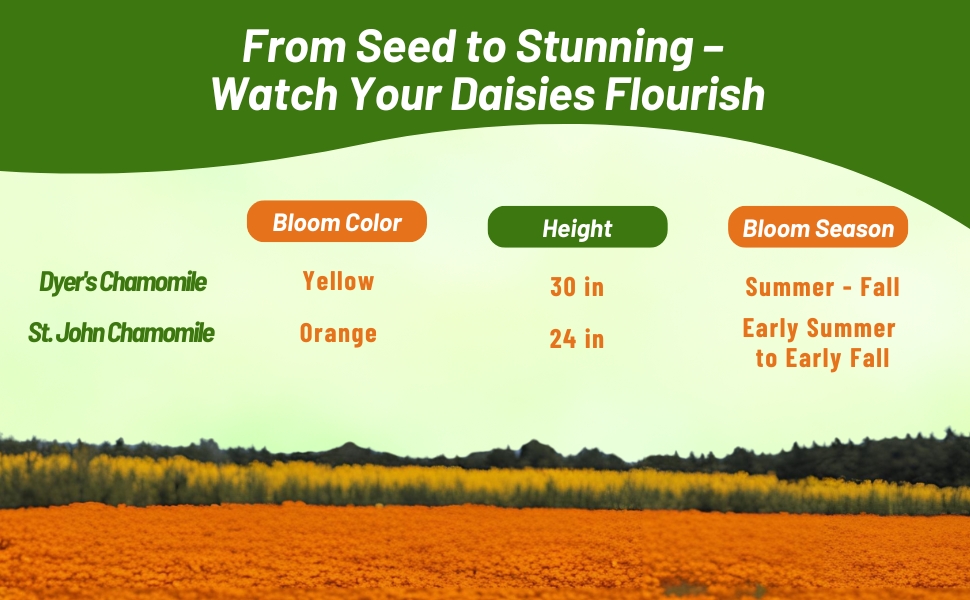
30 inches

BLOOM SEASON

Early summer to early fall

BLOOM COLOR

Yellow

ENVIRONMENT

Full sun

SOIL TYPE

Well-drained soils, pH 5.8 - 6.8

DEER RESISTANT

Yes
HOUSE PLANT

No

LATIN NAME

Anthemis tinctoria kelwayi

About...

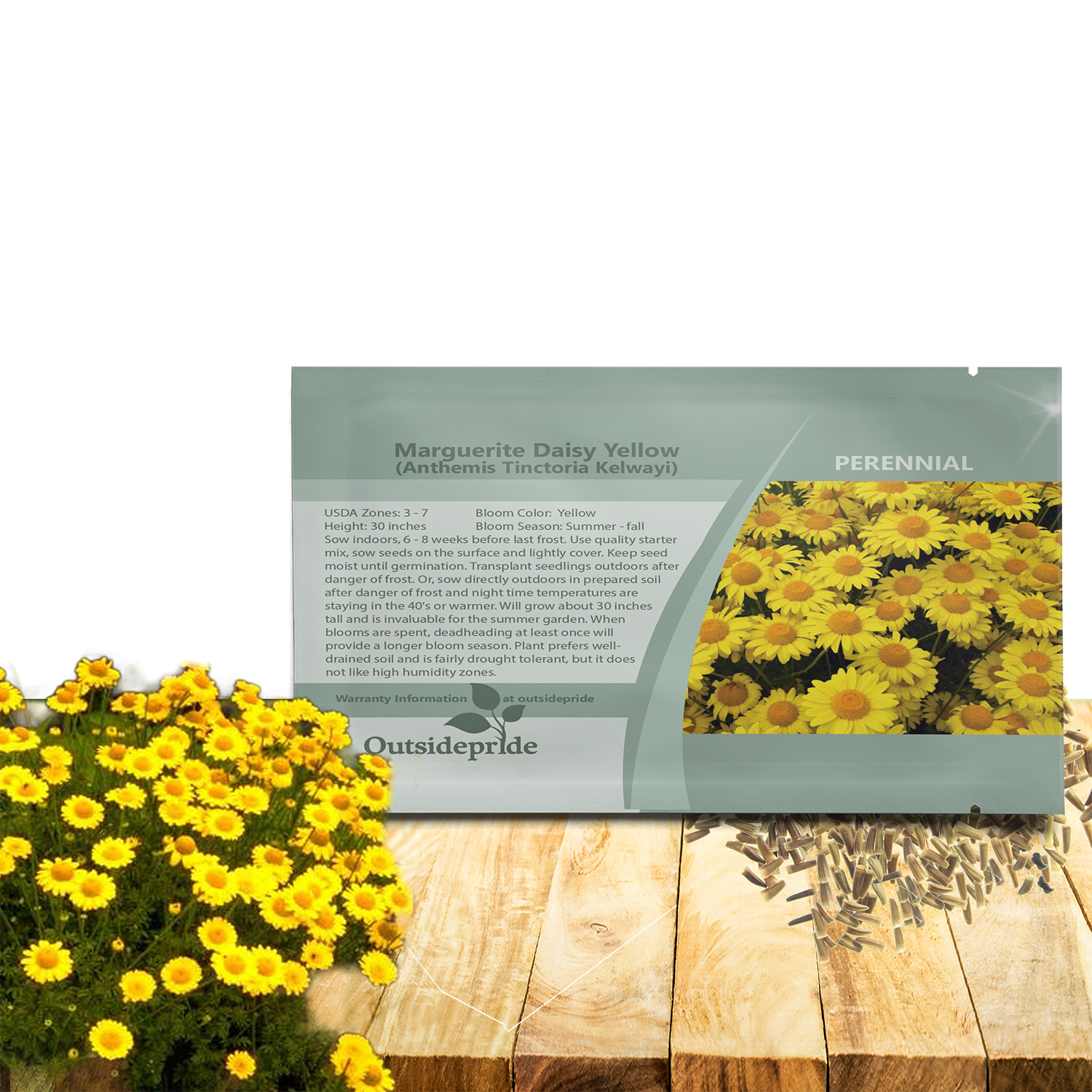
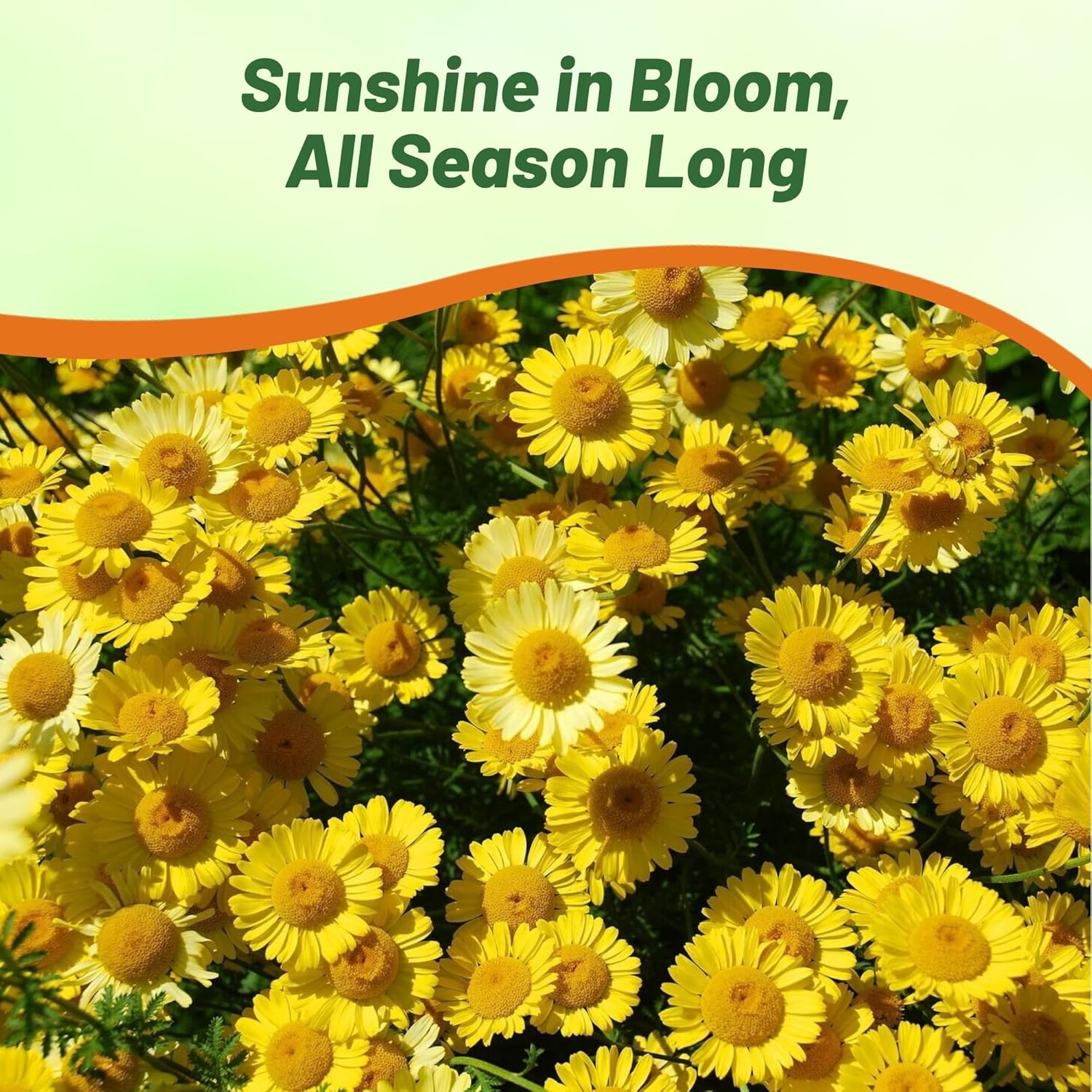
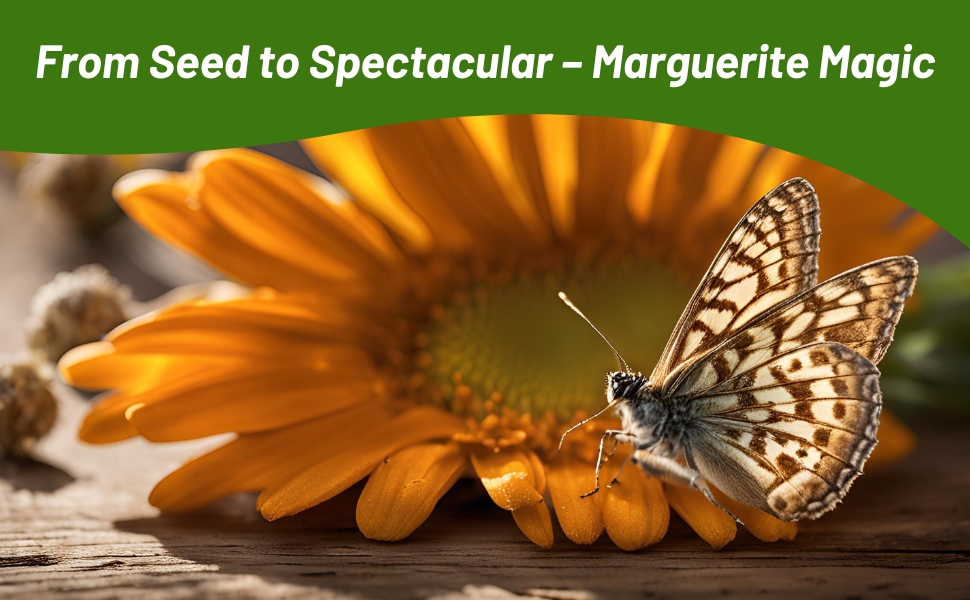
Marguerite Daisy Yellow (Anthemis Tinctoria Kelwayi) - Grow these free-flowering, lovely drought tolerant perennials from Marguerite Daisy seeds. Known as Golden Marguerite Daisy or Dyer's Chamomile, this perennial provides an abundance of yellow daises all summer and fall. The Golden Marguerite daisy makes a great cut flower for bouquets, and it dries well for dried arrangements and wreaths.
ABOUT
FAQ's
VIDEOS

Planting Directions

TEMPERATURE

68F

AVERAGE GERM TIME

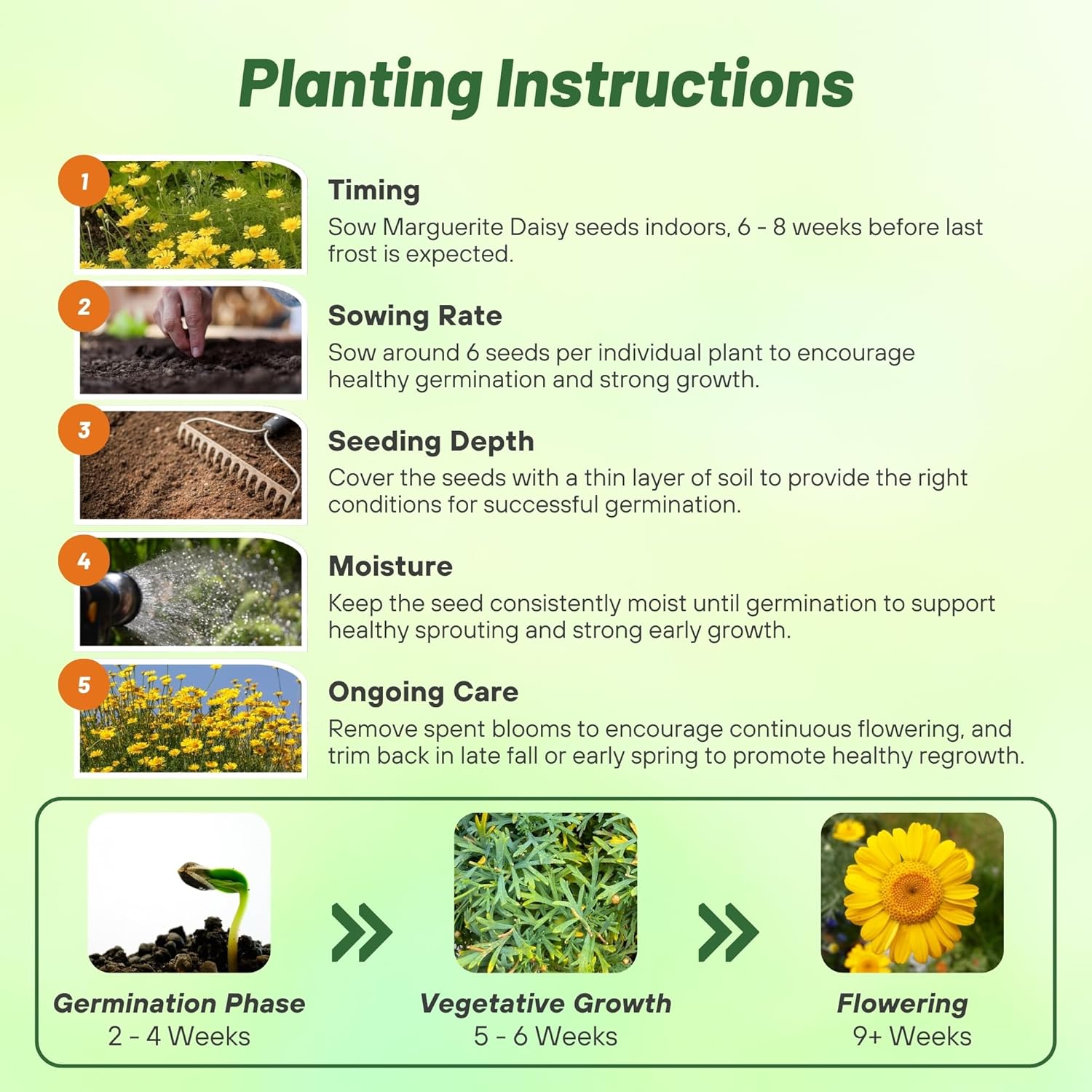
14 - 28 days

LIGHT REQUIRED

Yes

DEPTH

Seeds must be covered thinly

SOWING RATE

6 seeds per plant

MOISTURE

Keep seeds moist until germination

PLANT SPACING

16 inches
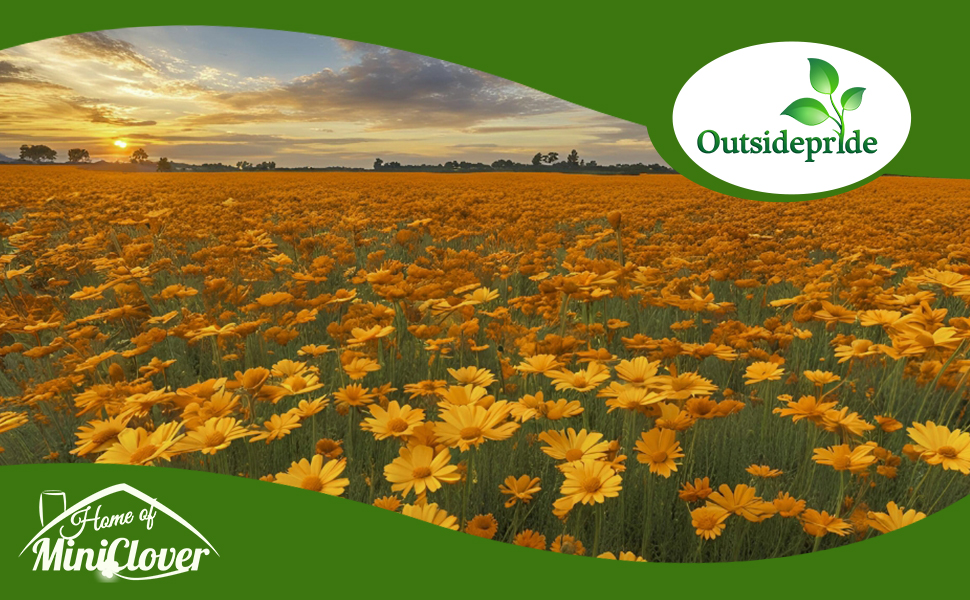
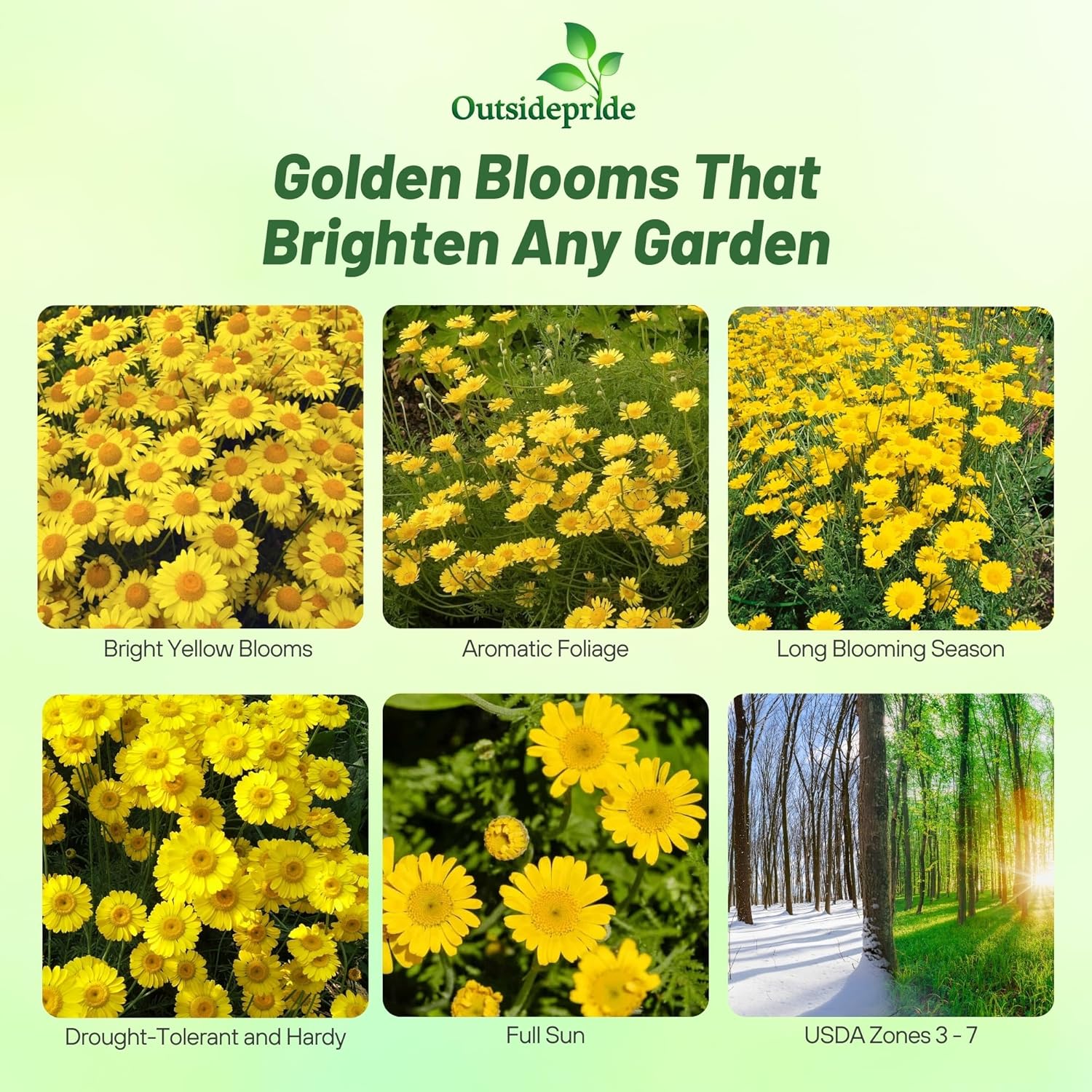
Outsidepride Marguerite Daisy Flower Seeds (Anthemis) boasts vibrant orange/yellow blooms growing up to 24-30 inches tall depending on the variant, thriving in full sun under USDA zones 3-7. These sun-loving daisy-like seeds produce compact, bushy plants perfect for adding cheerful color. Enjoy their beauty from spring to fall! Perfect for borders, containers, and mass plantings. Available in 5,000 and 10,000 seed packaging sizes.
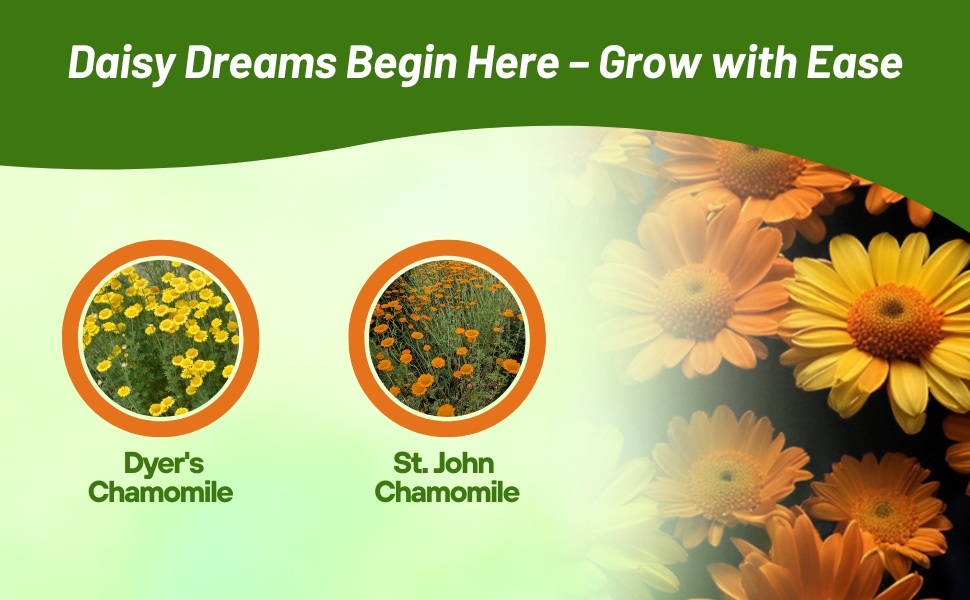
St. John Chamomile (Anthemis sancti-johannis) and Dyer's Chamomile (Anthemis tinctoria 'Kelwayi') are vibrant, easy-to-grow perennials perfect for brightening gardens. With striking golden-yellow, daisy-like blooms, these drought-tolerant plants thrive in full sun and well-drained soil, attracting pollinators while adding long-lasting color. Dyer's Chamomile is also prized for its historical use as a natural dye. Ideal for rock gardens, wildflower meadows, and low-maintenance landscapes, these hardy flowers are a must-have for any gardener.
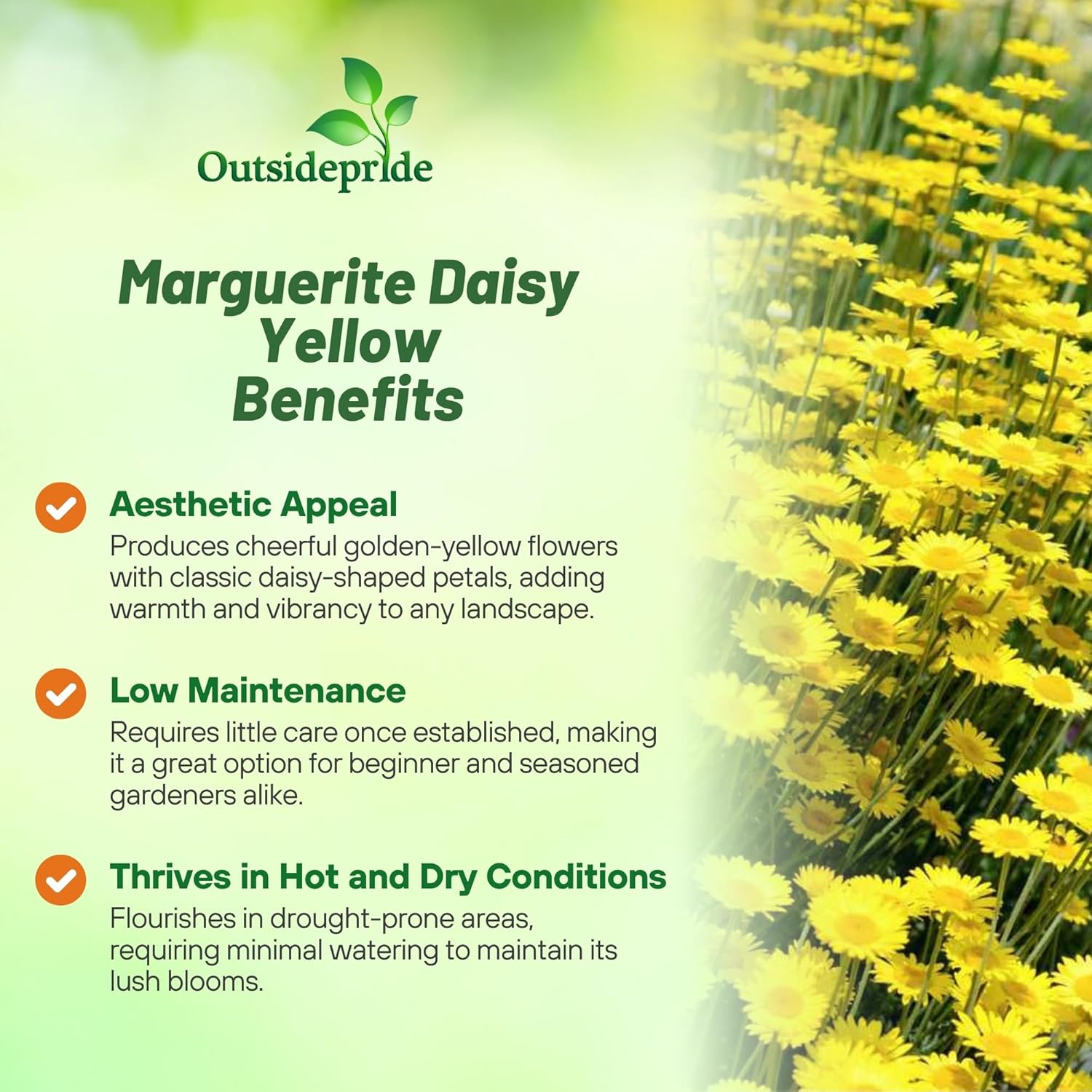
Imagine bringing the beauty of your garden indoors with stunning Marguerite Daisy bouquets! These charming flowers are not only visually stunning but also excellent self-seeders, ensuring a continuous display year after year. Imagine a sunny cottage garden bursting with vibrant Marguerite Daisies! A perfect addition to ensure balance in the farm as they give nutrients to the plants and attract insects as well! These daisy seeds for planting are sure to give an astounding view.
For optimal germination, sow these daisy-like flower seeds in spring after the last frost. Scatter them on the surface of well-draining soil, gently pressing them in to ensure good contact. Lightly water the seeds and maintain consistent moisture until germination, which typically occurs within 7-14 days. With a little care, you'll be rewarded with a profusion of blooms that attract butterflies and brighten your landscape.

Marguerite Daisy Yellow (Anthemis Tinctoria Kelwayi) - Grow these free-flowering, lovely drought tolerant perennials from Marguerite Daisy seeds. Known as Golden Marguerite Daisy or Dyer's Chamomile, this perennial provides an abundance of yellow daises all summer and fall.


Common Questions

Q

Can I grow my marguerite daisy in a container?

A

Yes, choose a good-sized container as these can become quite large. If they have a large enough container, they are beautiful potted and easy to care for. If temperatures get too hot or cold just move them inside to keep them happy.

Q

Do I need to deadhead my flowers?

A

Marguerite daisies do not require pruning, however removing spent blooms will increase the number of blooms and give your plant a thicker, bushier appearance.

Q

Do marguerite daisies attract any pollinators?

A

Yes, butterflies and bees are both drawn to these beautiful blooms.

Q

What are some good companion plants to use with marguerite?

A

These look beautiful with ornamental grasses, yarrow, salvia helenium, lavender, allium and lychis.

Q

Can I use it for cut flowers?

A

Yes, these make excellent cut flowers.

Videos

HOW ITS MADE