










-
CATEGORY ::
- All Seeds /
- All Flower Seeds





Luffa Seeds

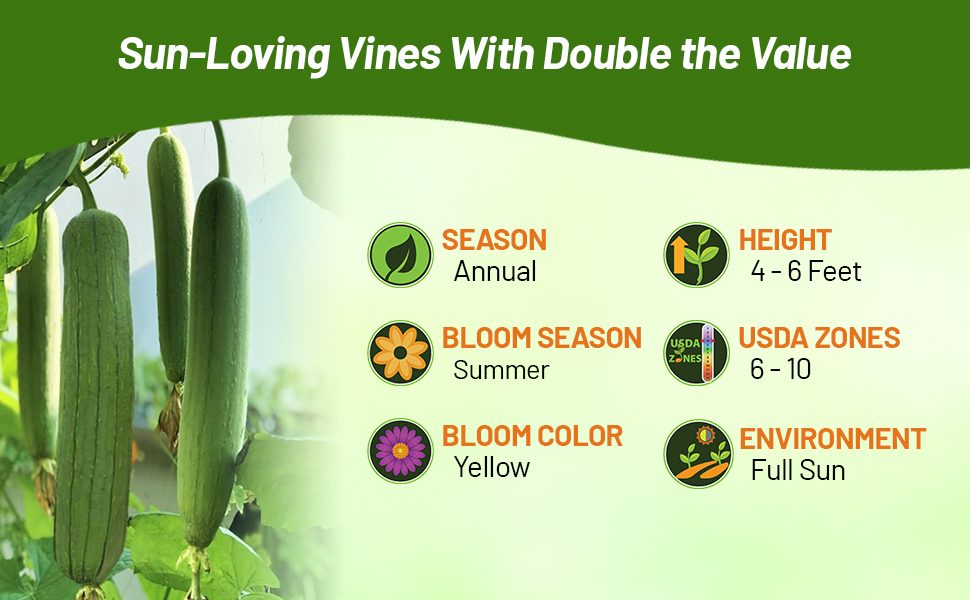
SEASON
Annuals

USDA ZONES
6 - 10

HEIGHT
4 - 6 feet

BLOOM SEASON
Summer

BLOOM COLOR
Yellow

ENVIRONMENT
Full sun

SOIL TYPE
Well drained soil, pH 5.6 - 7.5

DEER RESISTANT
Yes

LATIN NAME
Luffa cylindrica

About...
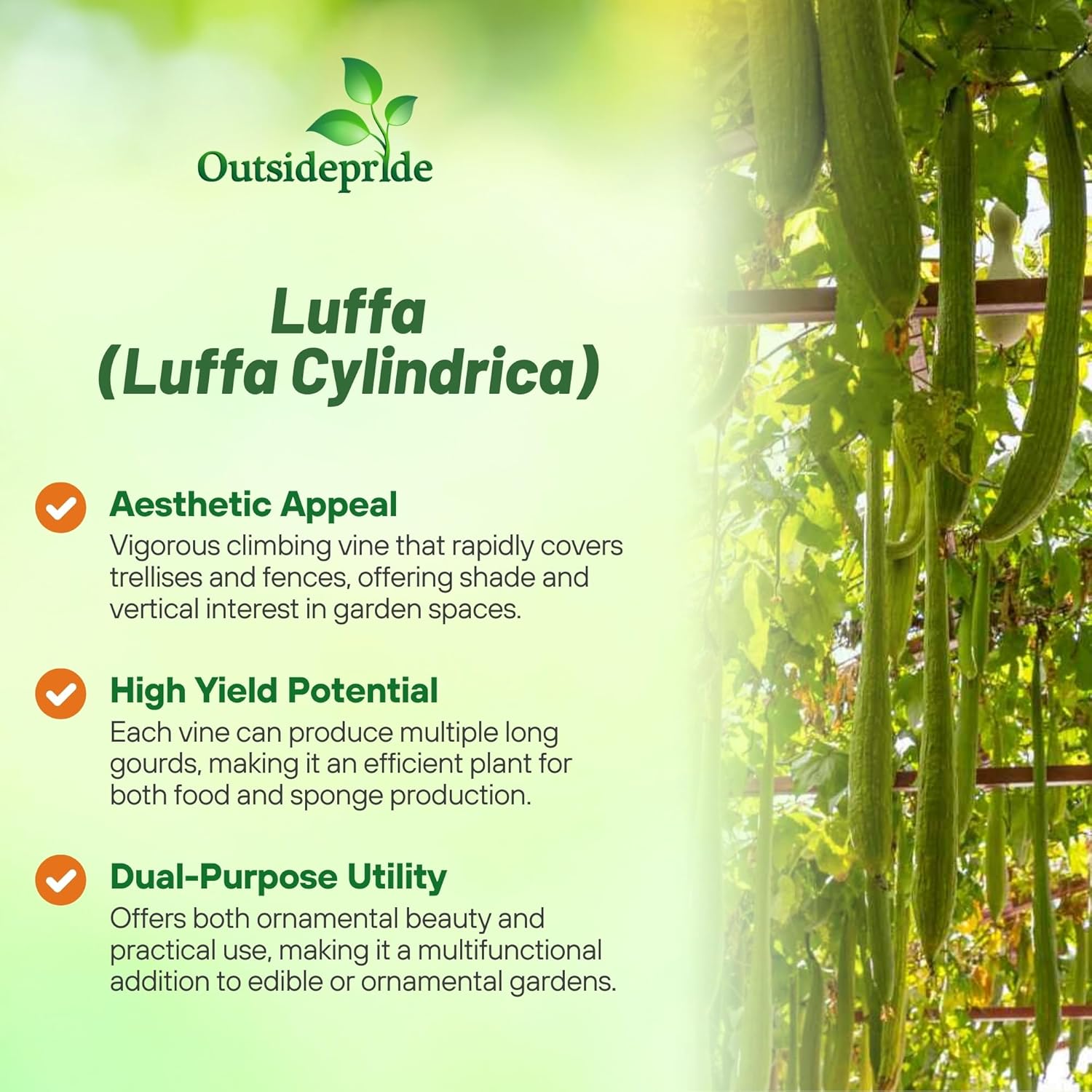
Luffa (Luffa Cylindrica) - Luffas (also spelled loofah or loofa) are part of the same family as cucumbers, squash, pumpkins and other gourds. Luffa cylindrica is native to India and grown in many other parts of the world.MORE FLOWER OPTIONS

Planting Directions

TEMPERATURE
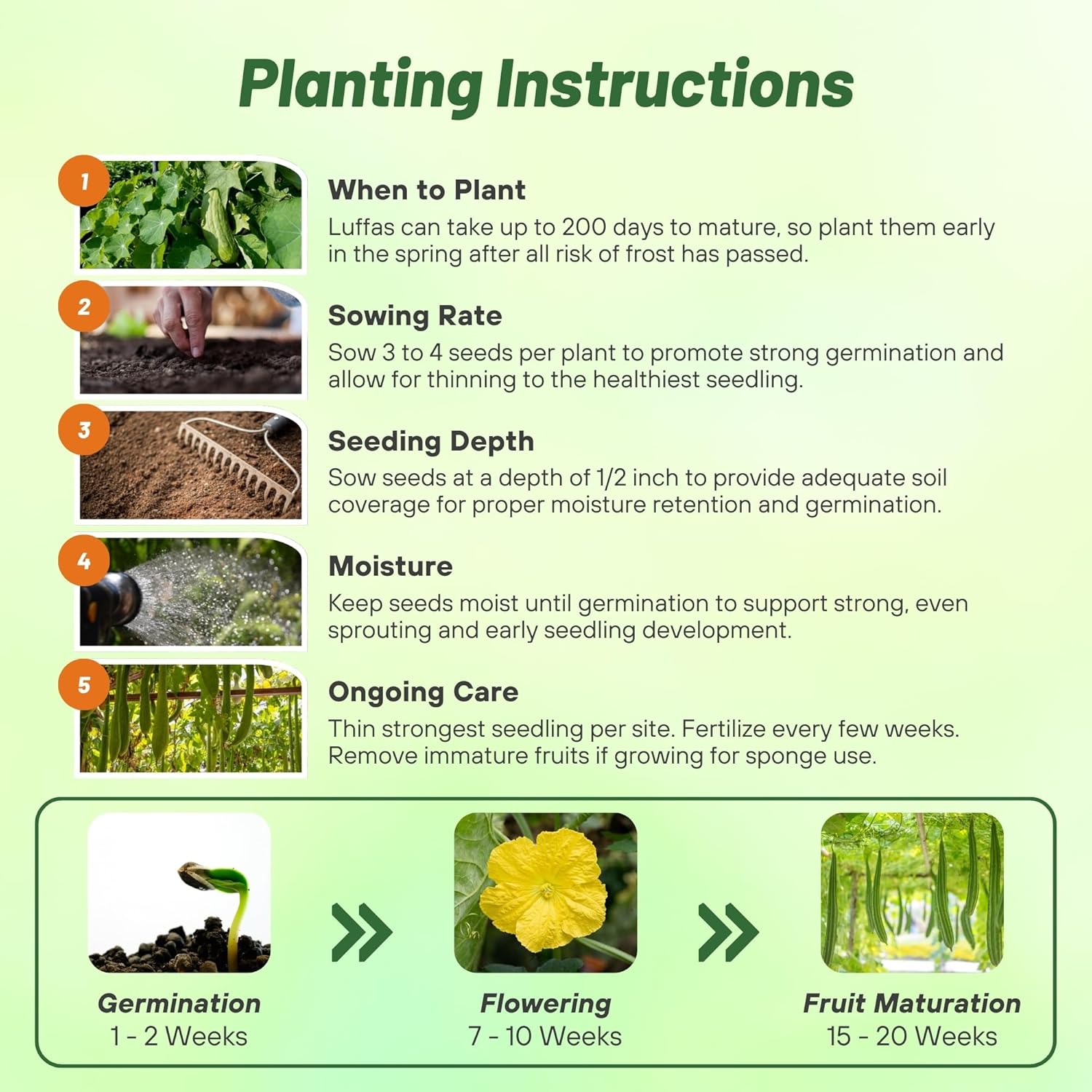
70 - 75F

AVERAGE GERM TIME
10 - 15 days

LIGHT REQUIRED
No

DEPTH
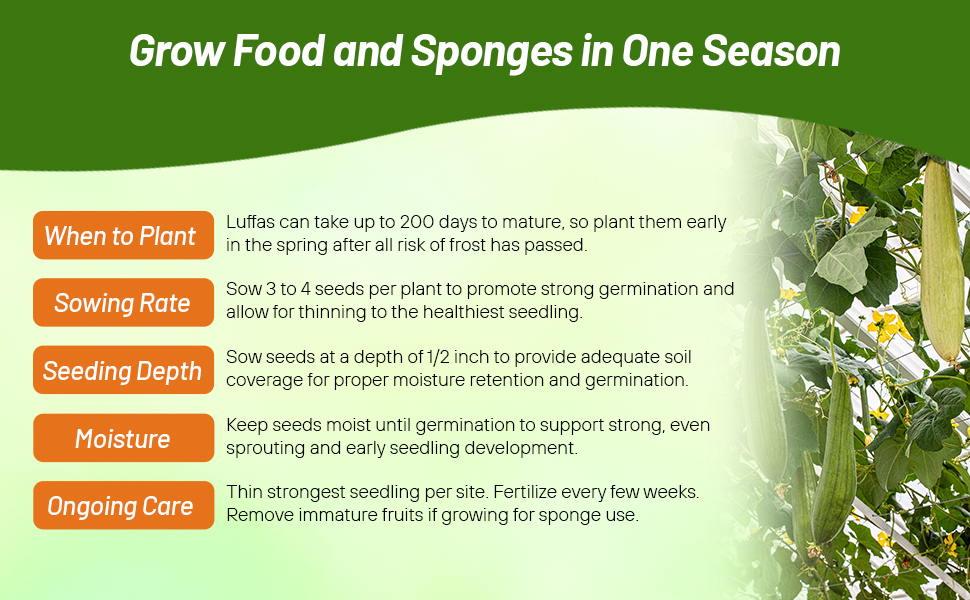
1/2 inch

SOWING RATE
3 - 4 seeds per plant

MOISTURE
Keep seeds moist until germination

PLANT SPACING
36 inches

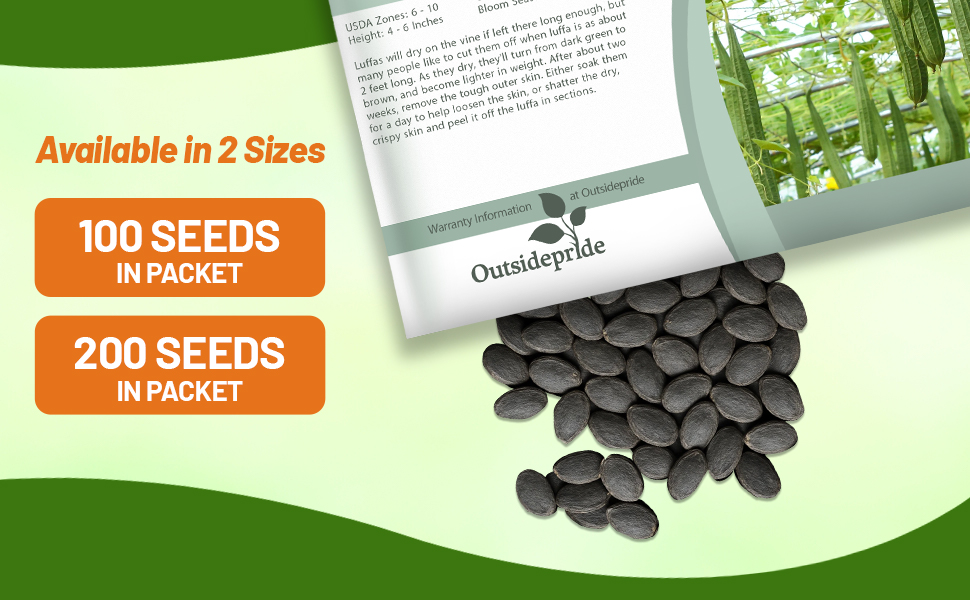
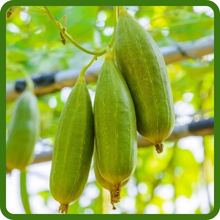
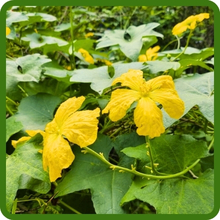

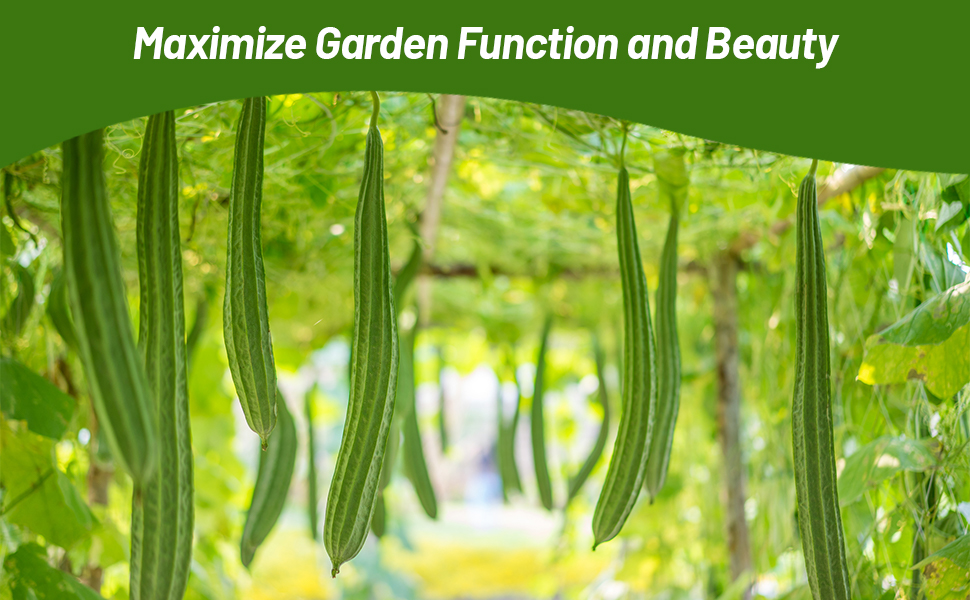
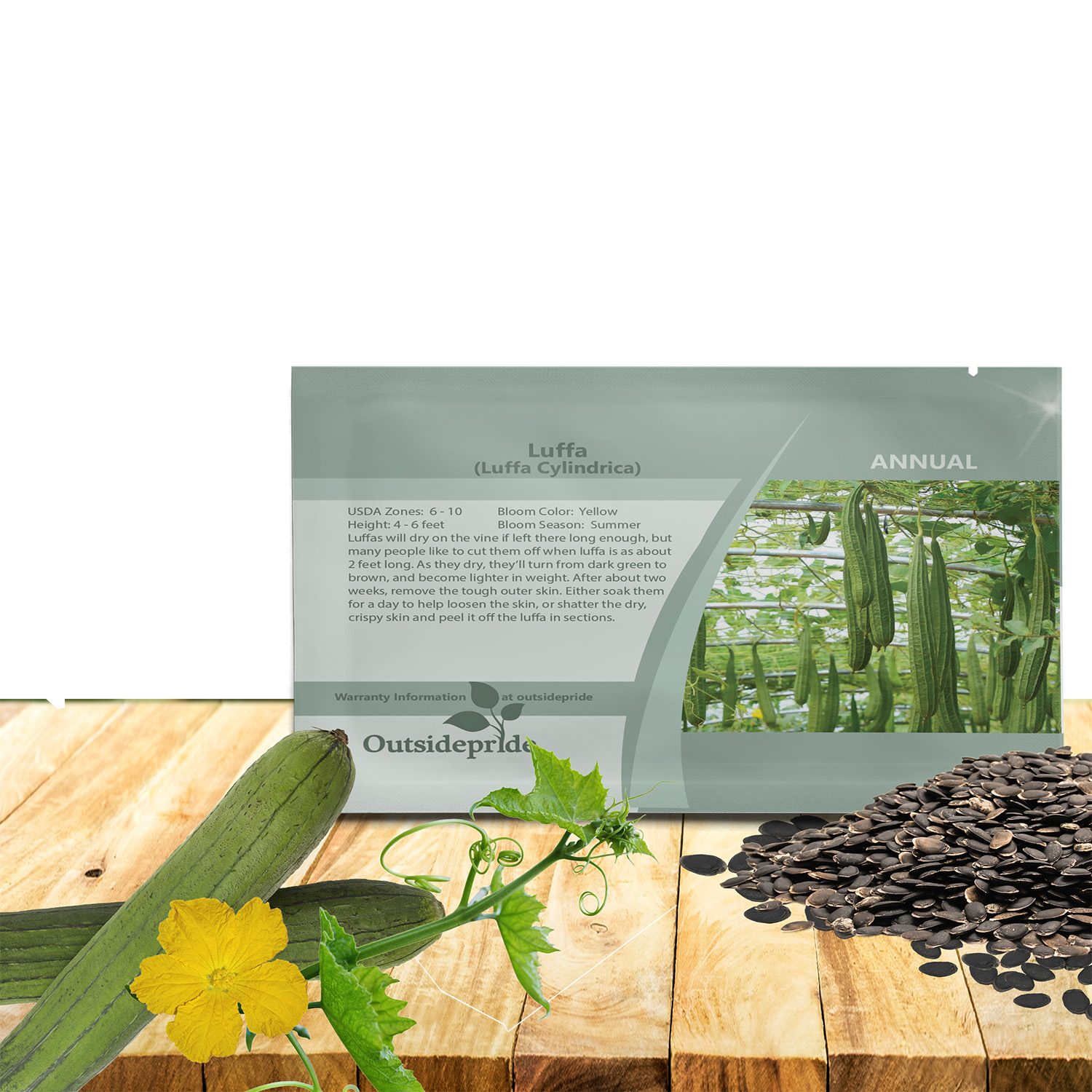
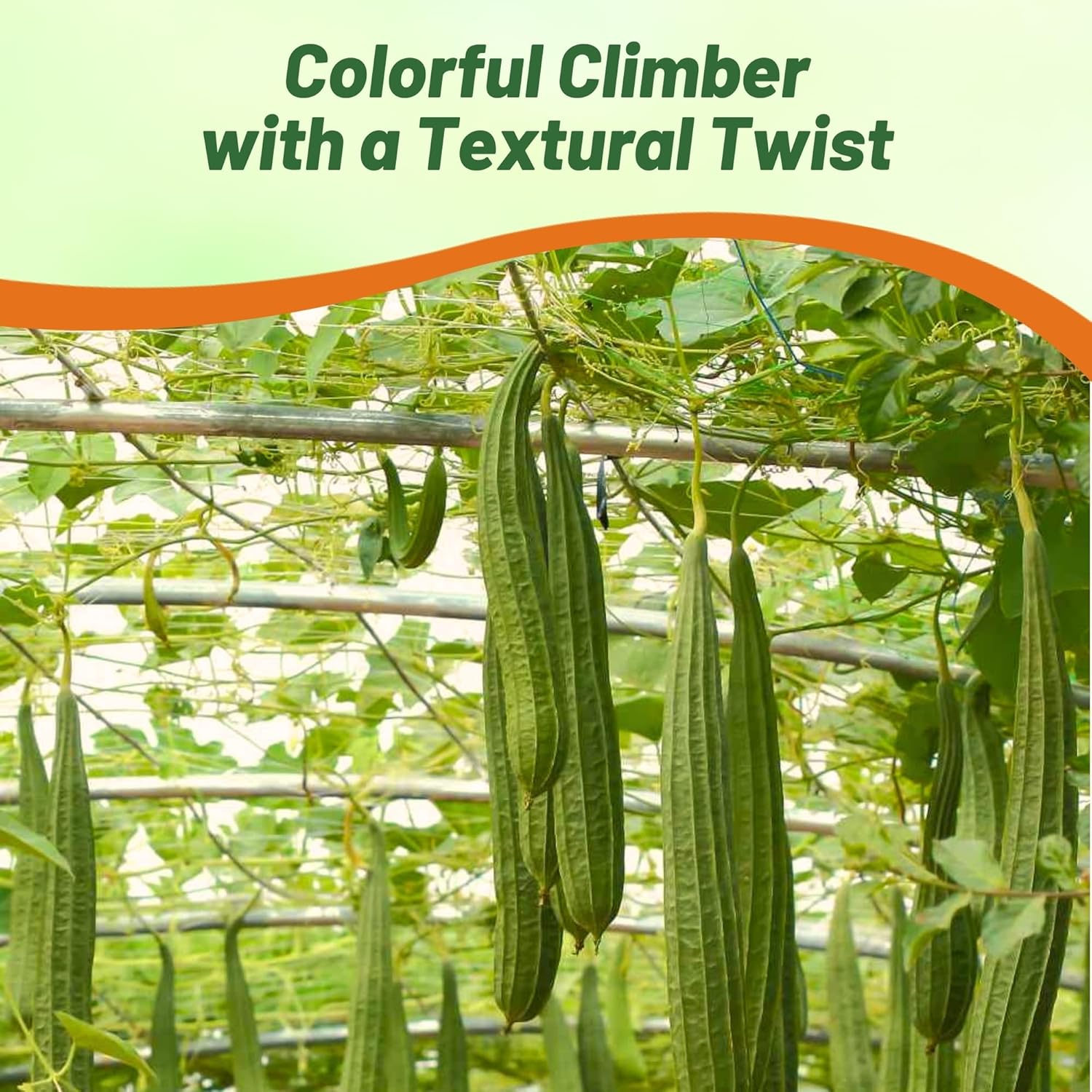
Luffa (Luffa Cylindrica) - Luffas (also spelled loofah or loofa) are part of the same family as cucumbers, squash, pumpkins and other gourds. Luffa cylindrica is native to India and grown in many other parts of the world. It’s been called dishcloth gourd, vegetable sponge or Chinese okra. In fact, when the luffa is less than 7 inches long, it is actually edible if you slice it up in salads or cook it like squash or okra.
Luffas will dry on the vine if you leave them there long enough, but many people like to cut them off when the luffa is as about 2 feet long. As they dry, they’ll turn from dark green to brown, and become lighter in weight. After about two weeks, remove the tough outer skin. Either soak them for a day to help loosen the skin, or shatter the dry, crispy skin and peel it off the luffa in sections.
Common Questions
How much space does luffa need?
Luffa is grown on a trellis, planted 18 inches apart. Remember that the dense foliage casts a shade on nearby plants, so while a couple of luffa plants do not take up a large footprint in your garden, they affect neighboring plants.
Do I need to prune my luffa plants?
Yes, to encourage branching, cut 4 stems back to the main stem with sterilized pruners. Once your plants produce fruit, pinch away flowers and any small luffa on the vine. This encourages the plant to put all its energy into the remaining fruits to grow larger.
What is the best way to water my luffa plants?
Ground watering is how these plants should be watered, you do not want to get water on the vines as they will be more prone to disease.
Videos