










-
CATEGORY ::
- All Seeds /
- All Flower Seeds /
- All Snapdragon Seeds
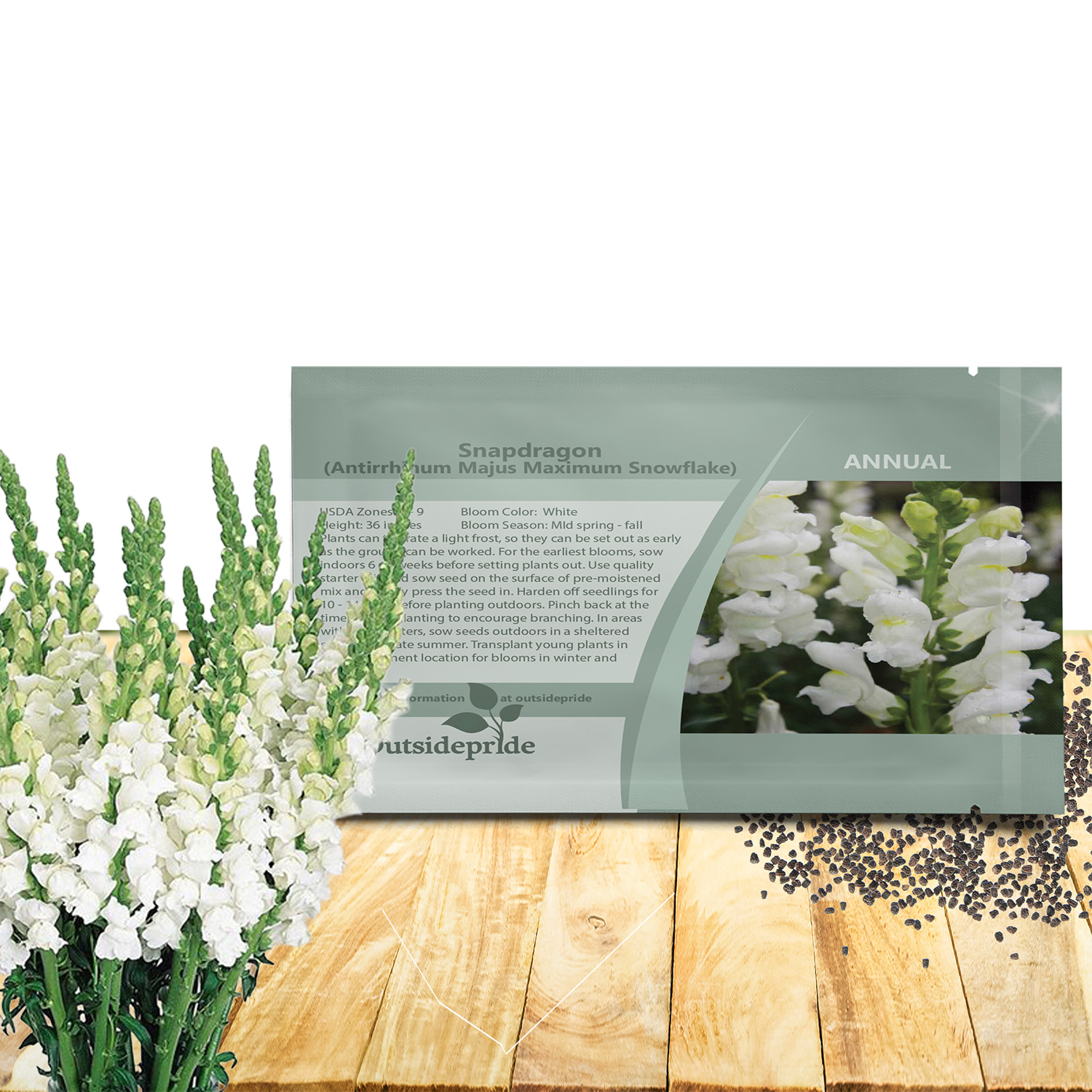

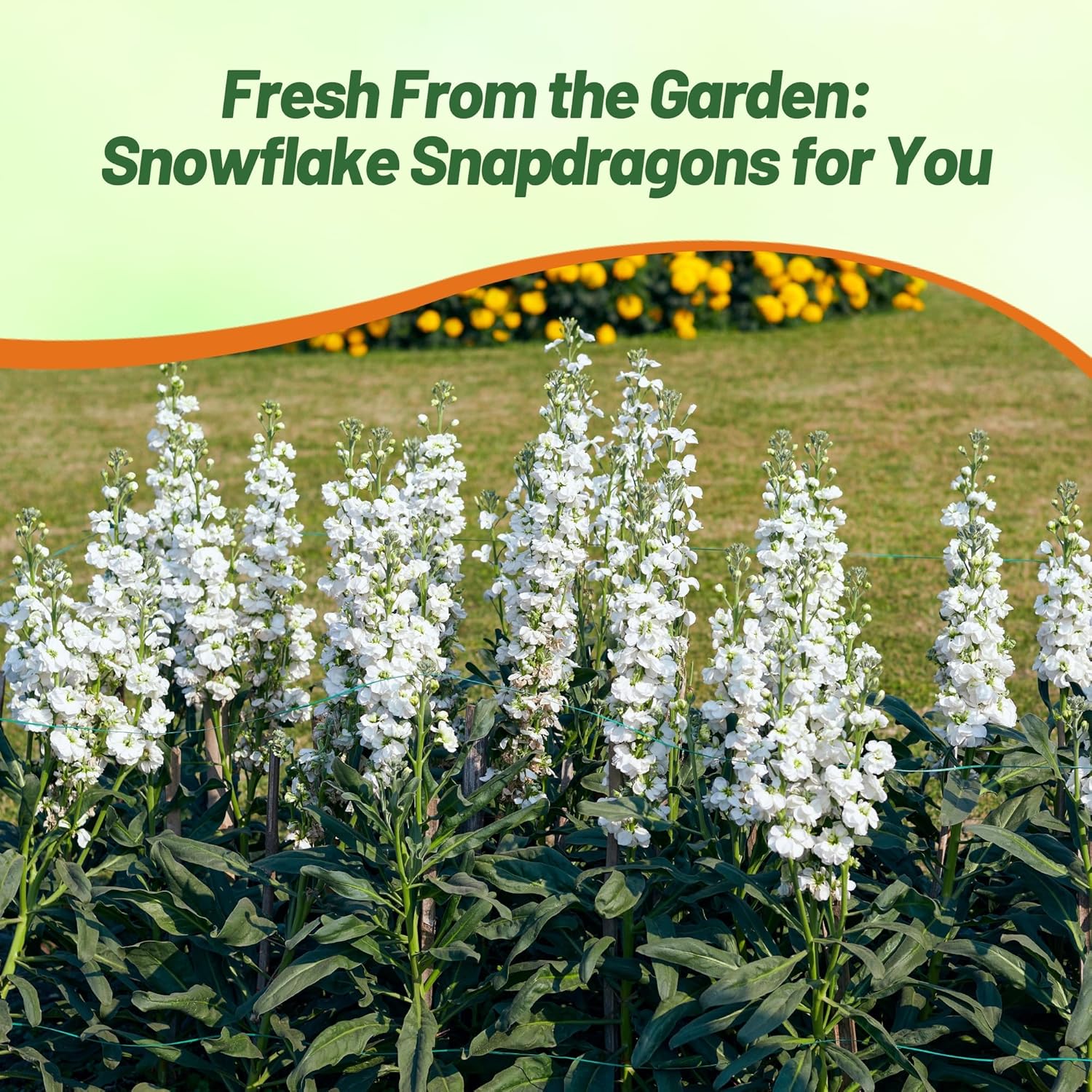
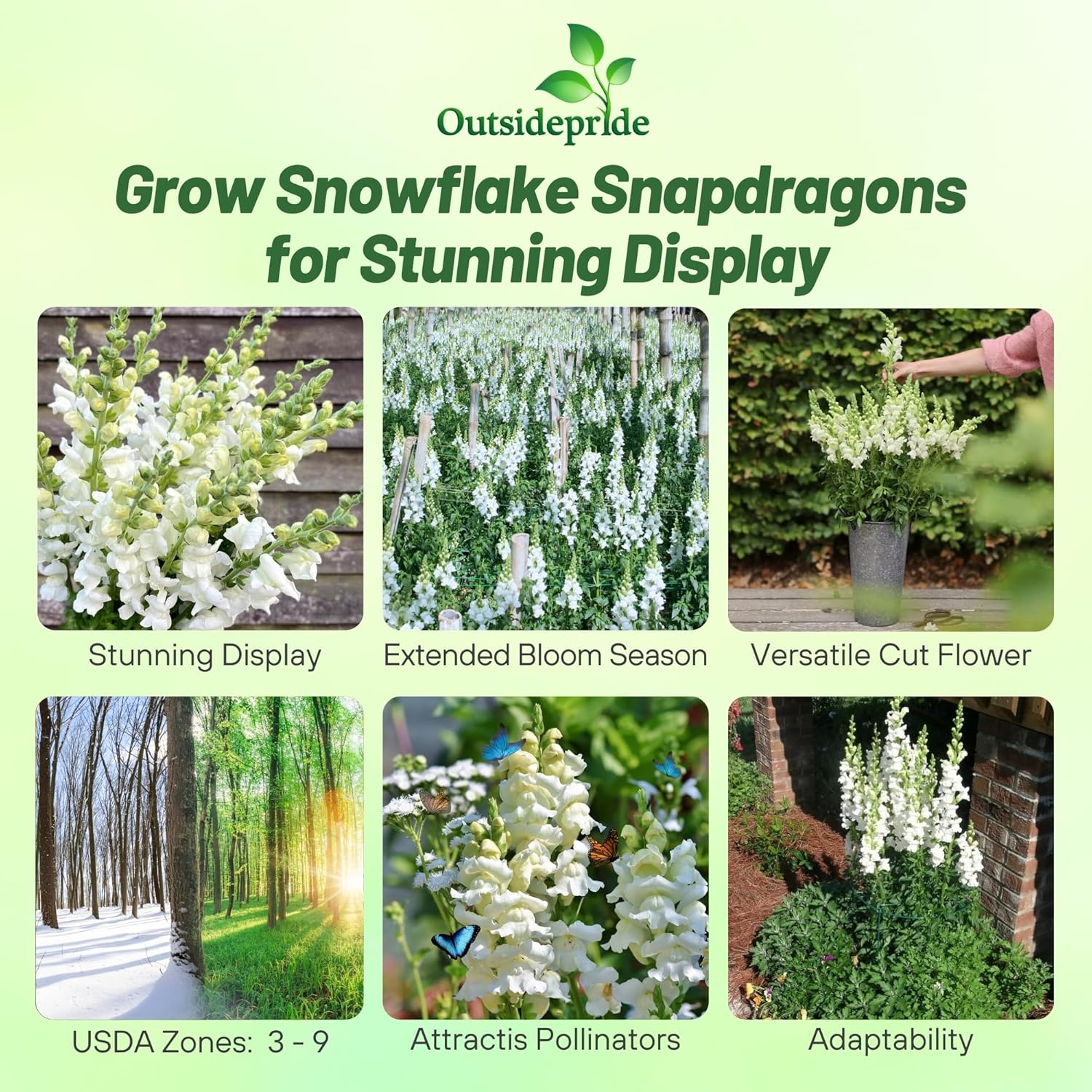


Snapdragon Seeds - Snowflake

SEASON
Annual

USDA ZONES
3 - 9

HEIGHT
36 inches

BLOOM SEASON
Mid-spring to fall

BLOOM COLOR
White

ENVIRONMENT
Full sun

SOIL TYPE
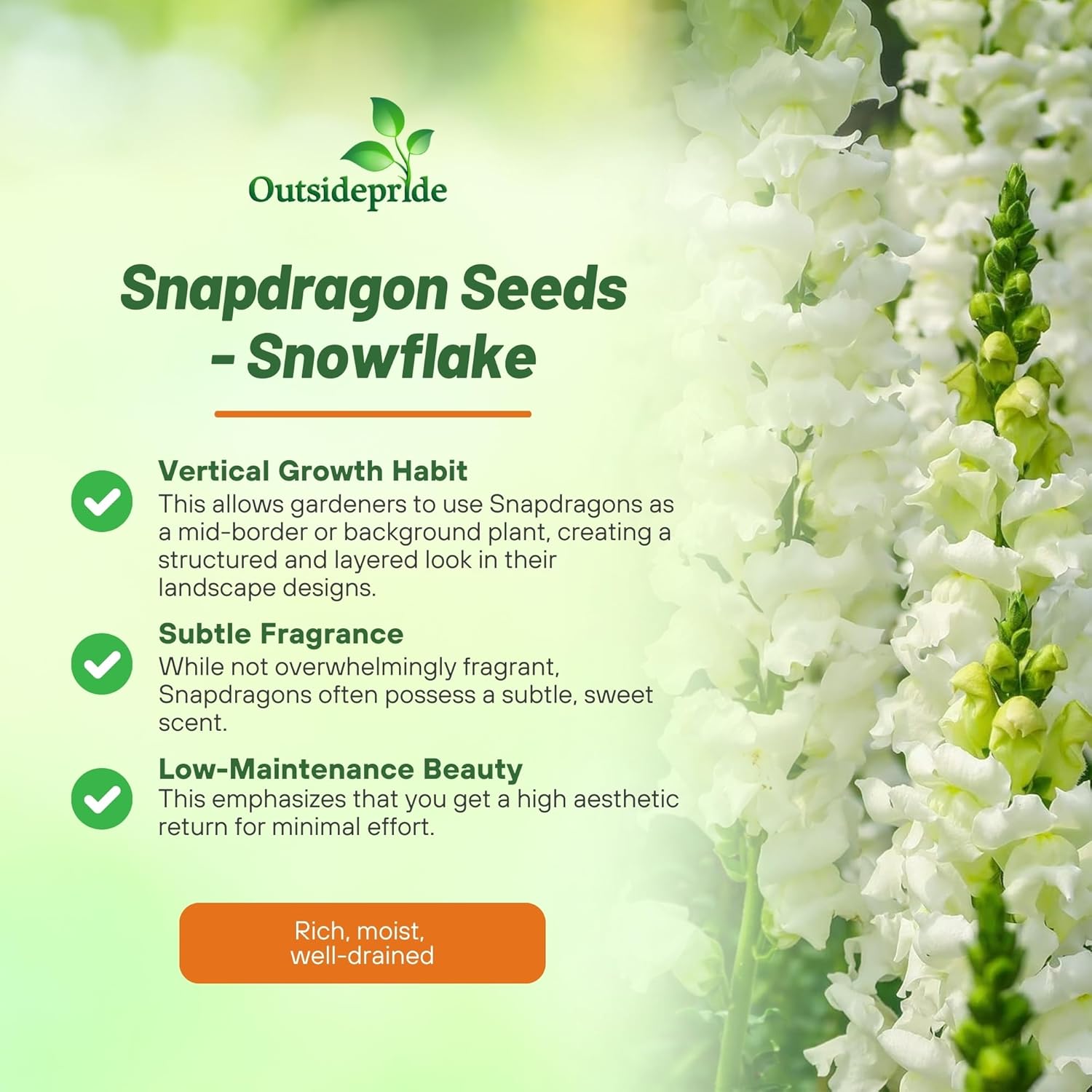
Rich, moist, well-drained, pH 6.0 - 7.3

DEER RESISTANT
Yes

About...
Snapdragon (Antirrhinum Majus Maximum Snowflake) - Establish these annuals from Snapdragon seeds, and provide some entertainment for children. Children love the name of these flowers, and they love to see them snap! This particular variety is known for its jaw-like upper and lower petals. A single stem averages 10 - 15 of these unique white blooms.
MORE SNAPDRAGON OPTIONS

Planting Directions

TEMPERATURE
64 - 72F

AVERAGE GERM TIME
10 - 21 days

LIGHT REQUIRED
Yes

DEPTH
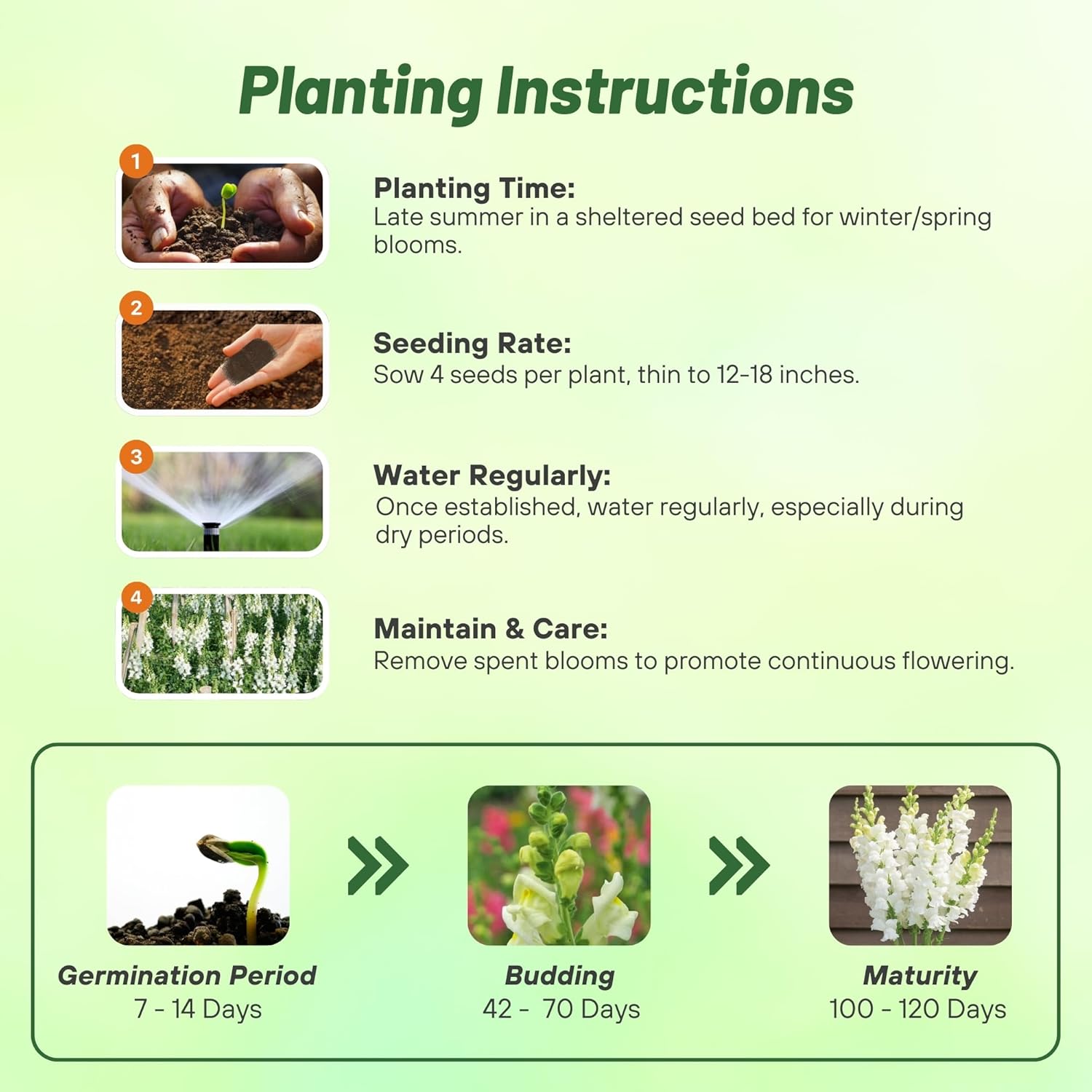
Do not cover the seed but press into the soil

SOWING RATE
4 seeds per plant

MOISTURE
Keep seeds moist until germination

PLANT SPACING
12 - 18 inches
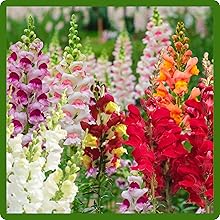
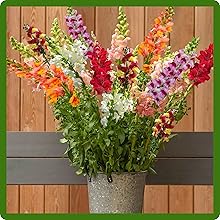
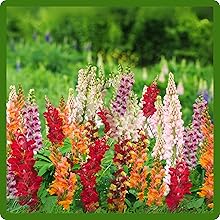
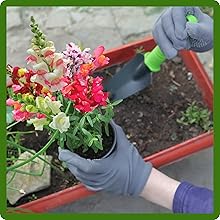
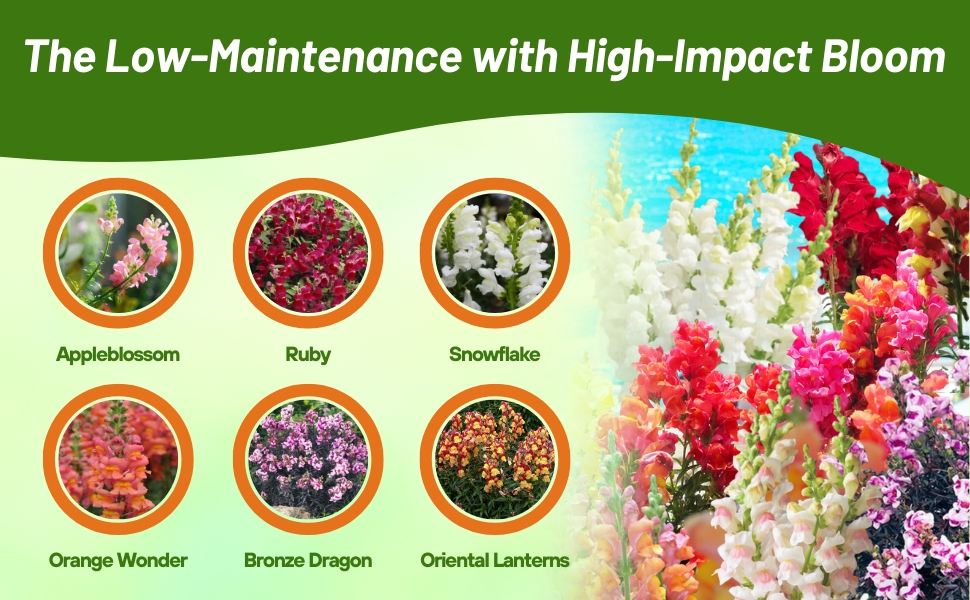
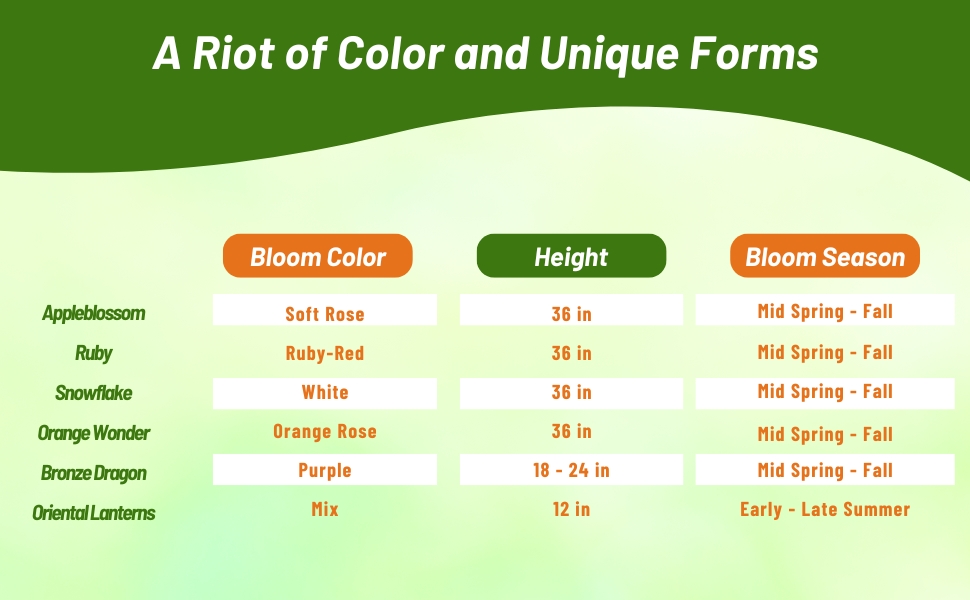

Snapdragon (Antirrhinum Majus Maximum Snowflake) - Establish these annuals from Snapdragon seeds, and provide some entertainment for children. Children love the name of these flowers, and they love to see them snap! This particular variety is known for its jaw-like upper and lower petals. A single stem averages 10 - 15 of these unique white blooms. They are grouped so closely together that they give the impression of one single lengthy flower. You can gently squeeze the sides of the bloom and the two jaw-like petals will separate like a mouth opening. Release the bloom and the jaws snap closed! Now you understand how this particular flower received its name.
Antirrhinum Snowflake should be grown in rich, well-drained soil. Adding organic matter is very beneficial to the plants. Grow them in full sun, and space this tall variety 12 - 18 inches apart. To encourage branching, pinch the tips of young plants. After they are done blooming, trim the plants back, and they will quickly be blooming again. Snapdragons perform best in cooler summer climates. In hot regions, provide the plants with some afternoon shade.
Snapdragon plants can tolerate a light frost, so they can be set out as early as the ground can be worked. For the earliest blooms, sow Snapdragon seeds indoors 6 - 8 weeks before setting the plants out. Use quality starter mix and sow the white flower seed on the surface of the pre-moistened mix and gently press the seed in. Harden off the Snapdragon seedlings for 10 - 14 days before planting outdoors. Pinch back at the time of transplanting to encourage branching. For areas with mild winters, sow the flower seeds outdoors in a sheltered seed bed in late summer. Transplant the young plants into their permanent location for blooms in winter and spring.
Common Questions
Do I need to deadhead my flowers?
Yes, remove spent blooms to stimulate new stems and blooms and keep a tidy look. To encourage bushiness in young plants (approximately 3 inches tall), pinch off the stem tips. Feel free to cut flowers for your bouquets, as this will encourage your snapdragon to produce more stems for blooming. After the initial flush of flowers, trim them back to promote a second bloom in late summer or fall.
How do I condition my cut snapdragon flowers?
Place the flowers in the water immediately after cutting them; this helps them absorb moisture through the freshly cut stem. Remember to cut the stems at an angle to increase the surface area for better water uptake. Additionally, keep the flowers out of direct sunlight.
Do I need to stake my snapdragons?
Taller varieties may benefit from staking, especially if they are in a windy area.
What will snapdragons attract to my garden?
Hummingbirds, butterflies and bees are all attracted to these flowers.
Are snapdragons deer resistant?
If you have a lot of deer and little food deer may eat the plants, however snapdragons are rarely damaged by deer.
Why didn’t my snapdragons sprout?
Snapdragons require light for germination, so simply press them into the seed starting soil without burying them. To prevent them from drying out, cover them with a clear plastic cover.
How are these flowers used in the landscape?
These flowers are commonly used in beds and borders, as edging plants, hanging baskets and containers (shorter varieties).
What are some common companion plants for snapdragons?
Zinnia, anemones, coreopsis, rudbeckia and coneflowers are all popular companion plants for snapdragons.
Videos